Aralin 1/9 · 16 salita · 0 natutunan
Teeth and oral anatomy
Anatomiya ng ngipin at bibig
dentina
the hard, yellowish tissue under the enamel that forms most of the tooth and contains tiny tubules; also spelled dentine
Once decay reaches the dentin, it spreads more quickly.
Kapag umabot na sa dentina ang pagkabulok, mas mabilis itong kumakalat.
Exposed dentin near the gum line often causes sensitivity to cold.
Kasingkahuluganivorytooth substanceKasalungatenamelngiping panghiwa, ngipin sa harap
one of the flat, sharp-edged front teeth used for cutting food; adults have eight
The child fell and fractured her upper central incisor.
Nahulog ang bata at nabali ang itaas niyang gitnang ngiping panghiwa.
Upper lateral incisors are sometimes missing from birth.
Kasingkahuluganfront toothcutting toothKasalungatmolarpremolarmandibula, panga sa ibaba, ibabang panga
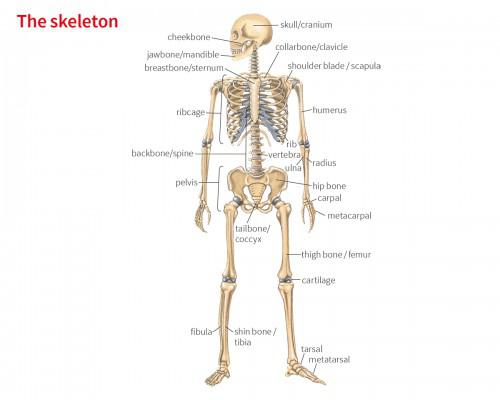
the lower jawbone, the only movable bone of the skull, which holds the lower teeth
The inferior alveolar nerve runs through a canal in the mandible.
Dumadaan ang inferior alveolar nerve sa isang kanal sa mandibula.
A fractured mandible was fixed with titanium plates.
Kasingkahuluganlower jawbonejawbonemaxilla, panga sa itaas, itaas na panga
the upper jawbone, which holds the upper teeth and forms part of the palate and nose
Implants in the back of the maxilla may need a sinus lift first.
Ang mga implant sa likod ng maxilla ay maaaring mangailangan muna ng sinus lift.
The fracture extended through the maxilla above the front teeth.
Kasingkahuluganupper jawboneKasalungatmandiblelower jawbonebagang, molar
one of the large, broad teeth at the back of the mouth used for grinding food
The lower first molar is the tooth most often affected by decay.
Ang unang bagang sa ibabang panga ang ngiping pinakamadalas tamaan ng pagkabulok.
Deep grooves on the molars can be protected with fissure sealants.
Kasingkahuluganback toothgrinderKasalungatincisorcaninepremolar, maliit na bagang
one of the teeth between the canines and molars, usually with two cusps, used for crushing food; adults have eight
Two premolars were extracted to create space for orthodontic alignment.
Dalawang premolar ang binunot upang magkaroon ng espasyo para sa orthodontic na pag-aayos ng mga ngipin.
The upper first premolar often has two roots.
Kasingkahuluganbicuspidngiping gatas
the first set of 20 teeth in children, which are later replaced by permanent teeth; also called primary or baby teeth
Deciduous teeth usually start to erupt at about six months of age.
Karaniwang nagsisimulang tumubo ang ngiping gatas sa edad na anim na buwan.
Early loss of deciduous teeth can cause crowding of the permanent teeth.
Kasingkahuluganbaby teethmilk teethprimary teethKasalungatpermanent teethadult teethkanal ng ugat ng ngipin, paggamot sa ugat ng ngipin
the narrow channel inside a tooth root that contains the pulp; also used informally to mean root canal treatment
This lower molar has three root canals that must all be cleaned.
Ang ibabang molar na ito ay may tatlong kanal ng ugat na dapat linisin lahat.
The patient was told he needed a root canal on his back tooth.
Kasingkahuluganendodontic therapyendodontic treatmentKasalungattooth extractiontooth removalpangil, ngiping aso
the long, pointed tooth between the incisors and premolars, used for tearing food; also called the eye tooth or cuspid
An impacted upper canine was exposed and pulled into place with braces.
Inilabas at hinila sa tamang posisyon gamit ang braces ang nakabaong pangil sa itaas.
The canine has the longest root of all the teeth.
bagang ng karunungan, ngipin ng karunungan
a third molar, the last tooth at the back of each side of the jaw, usually appearing between the ages of 17 and 25
Her lower wisdom tooth was partly erupted and kept getting infected.
Bahagya lamang na tumubo ang bagang ng karunungan niya sa ibaba at paulit-ulit itong nagkakaimpeksyon.
Not every wisdom tooth needs to be removed.
permanenteng ngipin
the second set of 32 adult teeth, which replace the deciduous teeth and are meant to last for life
The first permanent teeth to erupt are usually the lower first molars, at about six.
Ang mga unang permanenteng ngipin na tumutubo ay karaniwang ang mga unang molar sa ibaba, sa edad na anim.
Fluoride helps protect newly erupted permanent teeth from decay.
esmalte ng ngipin
the hard, white outer layer covering the crown of a tooth; the hardest substance in the human body
Frequent acidic drinks can slowly dissolve tooth enamel.
Ang madalas na pag-inom ng mga maasim na inumin ay dahan-dahang tumutunaw sa esmalte ng ngipin.
Early decay limited to the enamel can sometimes be reversed with fluoride.
pulpa ng ngipin, laman ng ngipin
the soft tissue in the centre of a tooth that contains nerves and blood vessels
Deep decay allowed bacteria to reach the dental pulp.
Dahil sa malalim na pagkabulok, nakarating ang mga bakterya sa pulpa ng ngipin.
The infected dental pulp was removed and the canals were cleaned.
semento ng ngipin, sementum
a thin, bone-like layer that covers the tooth root and anchors the fibres of the periodontal ligament
Cementum covers the root surface below the gum line.
Tinatakpan ng sementum ang ibabaw ng ugat sa ilalim ng linya ng gilagid.
Fibres of the periodontal ligament are embedded in the cementum.
gilagid, gingiba
the medical term for the gum, the pink soft tissue that covers the jawbone and surrounds the necks of the teeth; plural gingivae
Healthy gingiva is pink, firm and does not bleed on brushing.
Ang malusog na gilagid ay kulay-rosas, matatag at hindi dumudugo kapag nagsisipilyo.
The gingiva around the lower incisors was red and swollen.
ligamentong periodontal, litid ng ngipin
the layer of fibres that attaches the tooth root to the surrounding bone and absorbs biting forces
The periodontal ligament allows teeth to move slightly during chewing.
Dahil sa ligamentong periodontal, bahagyang nakakagalaw ang mga ngipin habang ngumunguya.
Orthodontic forces remodel the bone through the periodontal ligament.