Bài 25/33 · 138 từ · đã thuộc 0
History and Heritage
Lịch sử và di sản
chiến lược, sự vạch kế hoạch hành động
a plan that is intended to achieve a particular purpose
A business plan is a strategy for running a business and avoiding problems
Một kế hoạch kinh doanh là một chiến lược để vận hành công việc và tránh các rắc rối
Đồng nghĩaplantacticapproachschemedesignmethodgame planblueprintTrái nghĩarandomnesschanceaccidentimprovisationdisorganizationcuộc cách mạng
an attempt, by a large number of people, to change the government of a country, especially by violent action
The French Revolution began in 1789 and changed the government of France.
Cách mạng Pháp bắt đầu vào năm 1789 và đã thay đổi chính quyền của nước Pháp.
Đồng nghĩaupheavaloverthrowtransformationchangeturnaroundrevoltinsurrectionTrái nghĩastabilitystatus quoconservationorderpeace(nền) văn hóa
the customs and beliefs, art, way of life and social organization of a particular country or group
European/Islamic/African/American, etc. culture
Châu Âu / Hồi giáo / Châu Phi / Mỹ, vv Văn hóa
working-class culture
Văn hóa tầng lớp lao động
Đồng nghĩacivilizationsocietycustomstraditionsheritageartsway of lifeTrái nghĩanaturebarbarismhòa bình, thái bình
a situation or a period of time in which there is no war or violence in a country or an area
The two communities live together in peace.
Hai cộng đồng cùng sống hòa bình với nhau
A UN force has been sent to keep the peace(= to prevent people from fighting).
Một vũ lực của Un đã được gửi để giữ hòa bình (= để ngăn chặn mọi người chiến đấu).
Đồng nghĩaharmonytranquilityserenitycalmrestamityTrái nghĩawarconflictstrifediscordviolencetruyền thống
a belief, custom or way of doing something that has existed for a long time among a particular group of people; a set of these beliefs or customs
Making Chung cake is our tradition at Tet.
Làm bánh chưng là truyền thống của chúng tôi vào dịp Tết.
religious/cultural, etc. traditions
Tôn giáo / văn hóa, vv truyền thống
Đồng nghĩacustomconventionpracticeritualheritageusagemannerwayTrái nghĩainnovationnoveltymodernitychangedeviationđánh bại, vượt qua
to win against somebody in a war, competition, sports game, etc.
If we can defeat the Italian team, we'll be through to the final.
Nếu chúng ta có thể đánh bại đội tuyển Ý, chúng ta sẽ đi tiếp vào trận chung kết.
a narrow/heavy defeat
một thất bại hẹp / nặng nề
Đồng nghĩavanquishovercomeconquerbeatroutsubdueoverthrowcrushTrái nghĩasurrenderyieldsuccumblosefailcuộc xung đột
a situation in which people, groups or countries disagree strongly or are involved in a serious argument
When conflicts do happen, we work together to find the solutions.
Khi xảy ra các xung đột, chúng tôi sẽ cùng nhau tìm ra giải pháp.
conflicting emotions/interests/loyalties
mâu thuẫn cảm xúc / sở thích / lòng trung thành
Đồng nghĩadisputeclashstrugglediscordoppositionfrictionTrái nghĩapeaceharmonyagreementaccordconcordsự thông minh
the ability to learn, understand and think in a logical way about things; the ability to do this well
He didn't even have the intelligence to call for an ambulance.
Anh ta thậm chí không có trí thông minh để kêu gọi xe cứu thương.
a person of high/average/low intelligence
một người có trí thông minh cao / trung bình / thấp
Đồng nghĩaintellectunderstandingwisdombrainpowerclevernessbrilliancewitTrái nghĩastupidityfoolishnessignorancedullnessdensenesssự độc lập
freedom from political control by other countries
Cuba gained independence from Spain in 1898.
Cuba giành được độc lập từ Tây Ban Nha vào năm 1898.
It's £7.50, not including tax.
Đó là £ 7,50, không bao gồm thuế.
Đồng nghĩafreedomautonomylibertyself-governancesovereigntyTrái nghĩadependencesubordinationservitudecaptivityoppressionbản nháp, bản phác thảo
a rough written version of something that is not yet in its final form
I've made a rough draft of the letter.
Tôi đã làm một bản thảo thô của bức thư.
This is only the first draft of my speech.
Đây chỉ là bản thảo đầu tiên của bài phát biểu của tôi.
Đồng nghĩaoutlinesketchblueprintplanversionpreliminary versionTrái nghĩafinal versionfinished productperfectioncertaintysự chống cự/kháng cự
dislike of or opposition to a plan, an idea, etc.; the act of refusing to obey
As with all new ideas it met with resistance.
Như với tất cả các ý tưởng mới, nó đã gặp sự kháng cự.
Resistance to change has nearly destroyed the industry.
Kháng thay đổi đã gần như đã phá hủy ngành công nghiệp.
Đồng nghĩaoppositiondefiancechallengestruggleobstructionwithstandTrái nghĩaacceptanceagreementcompliancesubmissionacquiescencechiến thắng
success in a game, an election, a war, etc.
She is confident of victory in Saturday's final.
Cô ấy tự tin chiến thắng trong trận chung kết hôm thứ bảy
the team's 3–2 victory against Poland
Chiến thắng 3-2 của đội chống lại Ba Lan
Đồng nghĩatriumphsuccesswinconquestachievementTrái nghĩadefeatfailurelossbảo tàng
a building in which objects of artistic, cultural, historical or scientific interest are kept and shown to the public
My class visited the Ho Chi Minh museum last Sunday.
Lớp học của tôi đến thăm bảo tàng Hồ Chí Minh chủ nhật tuần trước.
Đồng nghĩagalleryarchiveexhibition hallinstitutionrepositoryTrái nghĩan/a (Museums don't really have antonyms in the same sense as other words. Perhaps 'private collection' or 'storage' could be considered opposing concepts.)xưa, cổ xưa
belonging to a period of history that is thousands of years in the past
The ancient forests were found only in books.
Các khu rừng cổ xưa chỉ được tìm thấy trong sách vở.
ancient history/civilization
Lịch sử / Civilization cổ đại
Đồng nghĩaoldhistoricalagedvenerabletime-honoredantiqueTrái nghĩamodernnewrecentcontemporarycó liên quan đến sự kiện của quá khứ; (thuộc về) lịch sử
connected with the past
Women are not allowed to enter the monastery for historical reasons.
Phụ nữ không được phép vào tu viện vì lý do lịch sử.
the historical background to the war
nền tảng lịch sử với cuộc chiến
Đồng nghĩapastchronologicalrecordeddocumentedancientTrái nghĩaahistoricalunhistoricalpresentcontemporarymoderntrận chiến đấu, trận đánh
a fight between armies, ships or planes, especially during a war; a violent fight between groups of people
Almost everyone has heard of the battle at Waterloo.
Hầu như tất cả mọi người đã nghe nói về trận chiến tại Waterloo.
a gun battle
một trận chiến súng
Đồng nghĩafightcombatconflictengagementskirmishTrái nghĩapeacetrucearmisticeagreementharmonychiến tranh
a situation in which two or more countries or groups of people fight against each other over a period of time
How long have they been at war?
Họ đã chiến tranh bao lâu rồi?
The government does not want to go to war(= start a war) unless all other alternatives have failed.
Chính phủ không muốn đi đến chiến tranh (= bắt đầu một cuộc chiến) trừ khi tất cả các lựa chọn thay thế khác đã thất bại.
Đồng nghĩaconflictcombathostilitiesstrugglebattlefightingTrái nghĩapeaceharmonytruceaccordceasefiređế quốc
a group of countries or states that are controlled by one leader or government
The Roman empire ruled many countries in the past.
Trước kia, đế quốc La Mã cai trị nhiều quốc gia.
He dismissed the opinion polls as worthless.
Anh ta gạt bỏ các cuộc thăm dò ý kiến là vô giá trị.
Đồng nghĩarealmkingdomdominionpowerstateauthorityTrái nghĩarepublicdemocracysmall statenationsự thăm dò, sự thám hiểm
the act of travelling through a place in order to find out about it or look for something in it
The aim is to pay more attention to the human factor of space exploration.
Mục đích là chú ý hơn đến yếu tố con người trong việc thám hiểm không gian.
Đồng nghĩadiscoveryinvestigationresearchsurveyquestprobereconnaissanceTrái nghĩaneglectignorancestagnationinactivitydòng thời gian
a horizontal line that is used to represent time, with the past towards the left and the future towards the right
The museum shows a timeline of the country's history from ancient times to today.
Bảo tàng trưng bày một dòng thời gian về lịch sử đất nước từ thời cổ đại đến ngày nay.
Đồng nghĩachronologytimeframesequence of eventsprogresshistoryTrái nghĩadisorderchaosrandomnessdi sản
the history, traditions, buildings and objects that a country or society has had for many years and that are considered an important part of its character
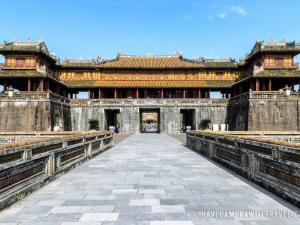
Hue's Imperial City was listed as a Cultural World Heritage site by UNESCO in 1993.
Cố đô Huế được công nhận là di sản văn hóa thế giới bởi UNESCO năm 1993.
Đồng nghĩalegacyinheritancetraditionbirthrightendowmentTrái nghĩapresentmodernityinnovationcuộc xâm chiếm, cuộc chinh phục
the act of taking control of a country, city, etc. by force
The Norman conquest of England began in 1066.
Cuộc chinh phục nước Anh của người Norman bắt đầu vào năm 1066.
Đồng nghĩavictorytriumphsubjugationdefeatcapturedominationoverthrowTrái nghĩadefeatfailuresurrenderlossyieldingretreatnền văn minh
a state of human society that is very developed and organized
The ancient Egyptians built one of the world's greatest civilizations.
Người Ai Cập cổ đại đã xây dựng nên một trong những nền văn minh vĩ đại nhất thế giới.
Đồng nghĩaculturesocietydevelopmentprogressrefinementTrái nghĩabarbarismsavagerywildernessanarchychủ nghĩa đế quốc
a system in which one country controls other countries, often after defeating them in a war
That was the age of imperialism.
Đó là thời kỳ của chủ nghĩa đế quốc.
Đồng nghĩacolonialismexpansionismhegemonydominationTrái nghĩaisolationismself-determinationindependencedecolonizationsự tuyên truyền
ideas or statements that may be false or present only one side of an argument that are used in order to gain support for a political leader, party, etc.
During the war, both governments used propaganda to turn public opinion against the enemy.
Trong chiến tranh, cả hai chính phủ đều dùng tuyên truyền để làm dư luận quay lưng với kẻ thù.
Đồng nghĩadisinformationpromotionpublicityindoctrinationrhetorichypespinTrái nghĩatruthfacthonestyaccuracykhảo cổ học
the study of cultures of the past, and of periods of history by examining the parts of buildings and objects found in the ground
Archaeology helps us understand ancient civilizations.
Khảo cổ học giúp chúng ta hiểu về các nền văn minh cổ đại.
Đồng nghĩaexcavationanthropologypaleontologyTrái nghĩafuture studiesfuturologyquyền công dân, dân quyền
the rights that every person in a society has, for example to be treated equally, to be able to vote, work, etc. whatever their sex, race or religion
The civil rights movement fought for equality for all people.
Phong trào dân quyền đấu tranh cho sự bình đẳng cho tất cả mọi người.
Đồng nghĩabasic rightshuman rightsconstitutional rightsequalitylibertiesTrái nghĩaoppressiondiscriminationinequalitysubjugationtyrannychiến tranh lạnh
a relationship between two countries who are not friendly but are not actually fighting each other, usually used about the situation between the US and the Soviet Union after the Second World War
The cold war dominated international politics for decades.
Chiến tranh Lạnh đã thống trị chính trị quốc tế trong nhiều thập kỷ.
Đồng nghĩaideological strugglegeopolitical tensionTrái nghĩahot wardetentechủ nghĩa thực dân
the practice by which a powerful country controls another country or other countries
Colonialism had a lasting impact on the culture and economy of many nations.
Chủ nghĩa thực dân đã có tác động lâu dài đến văn hóa và kinh tế của nhiều quốc gia.
Đồng nghĩaimperialismoccupationdominationsubjugationhegemonyTrái nghĩaindependenceself-governancesovereigntyfreedomtrận chiến, sự chiến đấu
fighting or a fight, especially during a time of war
Many young soldiers were killed in combat during the war.
Nhiều người lính trẻ đã thiệt mạng trong chiến đấu trong cuộc chiến.
Đồng nghĩabattlefightwarfarestrugglecontestTrái nghĩapeacetruceaccordharmonysự phòng thủ, sự bảo vệ
the act of protecting somebody/something from attack, criticism, etc.
The castle walls were built for defense against invaders.
Những bức tường thành được xây để phòng thủ trước quân xâm lược.
Đồng nghĩaprotectionsafeguardshieldsecurityTrái nghĩaattackoffensevulnerabilitysự khai sáng, sự giác ngộ
knowledge about and understanding of something; the process of understanding something or making somebody understand it
The monk sought enlightenment through meditation.
Nhà sư tìm kiếm giác ngộ thông qua thiền định.
Đồng nghĩailluminationunderstandinginsightawakeningwisdomTrái nghĩaignoranceconfusiondarknessmisunderstandingsự làm gián điệp; sự dùng gián điệp; tình báo
the activity of secretly getting important political or military information about another country or of finding out another company’s secrets by using spies
The government accused him of espionage.
Chính phủ cáo buộc anh ta tội gián điệp.
Đồng nghĩaspyingintelligence gatheringundercover workTrái nghĩahonestyopennesstransparencyvăn học dân gian; truyền thống dân gian
the traditions and stories of a country or community
The local folklore tells tales of mythical creatures living in the forest.
Văn hóa dân gian địa phương kể những câu chuyện về những sinh vật thần thoại sống trong rừng.
Đồng nghĩafolk taleslegendsmythstraditionsoral historyTrái nghĩahistoryfactsciencekhoa phả hệ
the study of family history, including the study of who the ancestors of a particular person were
She researched her genealogy and discovered she was related to royalty.
Cô ấy đã nghiên cứu phả hệ của mình và phát hiện ra mình có quan hệ với hoàng tộc.
Đồng nghĩaancestryfamily historylineagepedigreeTrái nghĩadescendantfutureoffspringtội diệt chủng
the murder of a large number of people from a particular nation or ethnic group, with the aim of destroying that nation or group
Genocide is a crime against humanity.
Diệt chủng là một tội ác chống lại loài người.
Đồng nghĩamassacreethnic cleansingholocaustannihilationTrái nghĩapeacecreationpreservationviệc chép sử; thuật chép sử
the study of writing about history
The professor specialized in the historiography of the French Revolution.
Giáo sư chuyên về sử học của Cách mạng Pháp.
Đồng nghĩaHistorical writingHistory writingHistorical methodologyTrái nghĩaAhistoricismcách mạng công nghiệp
the period in the 18th and 19th centuries when machines began to be widely used and industry grew rapidly
The industrial revolution brought about significant changes in society.
Cách mạng công nghiệp đã mang lại những thay đổi đáng kể trong xã hội.
Đồng nghĩatechnological revolutionmanufacturing boomTrái nghĩaagrarian agepre-industrial erasự công nghiệp hoá
the process of developing industries in a country or an area
The country's rapid industrialization led to significant economic growth.
Quá trình công nghiệp hóa nhanh chóng của đất nước đã dẫn đến tăng trưởng kinh tế đáng kể.
Đồng nghĩadevelopmentmodernizationmechanizationautomationTrái nghĩadeindustrializationagrarianismsự xâm lược, sự xâm chiếm, sự xâm lấn
the act of an army entering another country by force in order to take control of it
The invasion of Normandy was a turning point in World War II.
Cuộc xâm lược Normandy là một bước ngoặt trong Thế chiến II.
Đồng nghĩaattackraidincursionaggressionencroachmentTrái nghĩadefenseretreatwithdrawalsự huy động, sự động viên
preparations that bring together the people and weapons that will be needed in order for a country to fight a war
The government announced a mobilization of troops.
Chính phủ đã tuyên bố huy động quân đội.
Đồng nghĩaactivationenlistmentassemblyrallyingTrái nghĩademobilizationdeactivationdischargedispersionchủ nghĩa dân tộc
the desire by a group of people who share the same ethnic group, culture, language, etc. to form an independent country
Nationalism can be a powerful force for unity.
Chủ nghĩa dân tộc có thể là một động lực mạnh mẽ cho sự thống nhất.
Đồng nghĩapatriotismchauvinismjingoismTrái nghĩainternationalismglobalismsự trinh sát, sự do thám
the activity of getting information about an area for military purposes, using soldiers, planes, etc.
The soldiers conducted a reconnaissance mission.
Những người lính thực hiện một nhiệm vụ trinh sát.
Đồng nghĩasurveyexplorationscoutinginvestigationTrái nghĩaignoranceneglectsự phục hưng
the period in Europe during the fourteenth, fifteenth and sixteenth centuries when people became interested in the ideas and culture of ancient Greece and Rome and used these influences in their own art, literature, etc.
The Renaissance was a period of great artistic and intellectual achievement.
Thời kỳ Phục hưng là một giai đoạn đạt được những thành tựu lớn về nghệ thuật và trí tuệ.
Đồng nghĩarebirthrevivalreawakeningflourishingTrái nghĩadeclinefalldark agessự rút lui, sự rút quân; hiệu lệnh rút quân
a movement away from a place or an enemy because of danger or defeat
The army's retreat from the city took several days.
Cuộc rút quân của đội quân khỏi thành phố kéo dài vài ngày.
Đồng nghĩawithdrawrecedeback downpull backTrái nghĩaadvanceattackproceedsự bao vây, sự vây hãm
a military operation in which an army tries to capture a town by surrounding it and stopping the supply of food, etc. to the people inside
The city was under siege for months.
Thành phố bị bao vây trong nhiều tháng.
Đồng nghĩablockadeencirclementinvestmentTrái nghĩaliberationrescuereliefngừng bắn
a time when enemies agree to stop fighting, usually while a way is found to end the fighting permanently
The two countries agreed to a ceasefire.
Hai nước đã đồng ý ngừng bắn.
Đồng nghĩatrucearmisticecessation of hostilitiesceasefire agreementTrái nghĩawarattackhostilitiesfightingchiến tranh hóa học
the use of poisonous gases and chemicals as weapons in a war
The use of chemical warfare is strictly prohibited by international treaties.
Việc sử dụng chiến tranh hóa học bị cấm nghiêm ngặt bởi các hiệp ước quốc tế.
Đồng nghĩagerm warfarepoison gas warfarebiological warfareTrái nghĩaconventional warfarehumanitarian effortspeacegìn giữ hòa bình
intended to help stop people fighting and prevent war or violence in a place where this is likely
The UN is involved in peacekeeping efforts around the world.
Liên Hợp Quốc tham gia vào các nỗ lực gìn giữ hòa bình trên khắp thế giới.
Đồng nghĩapeacemakingconflict resolutionmediationconciliationTrái nghĩawarconflictaggressionhostilityNgôn ngữ học lịch sử
the study of the history and development of languages
Historical linguistics traces the evolution of languages over time.
Ngôn ngữ học lịch sử theo dõi sự tiến hóa của các ngôn ngữ theo thời gian.
Đồng nghĩaDiachronic linguisticsEvolutionary linguisticsTrái nghĩaSynchronic linguisticstiền tuyến
in the most important or dangerous position; doing essential work that puts you at risk
The frontline workers risked their lives during the pandemic.
Các nhân viên tiền tuyến đã mạo hiểm mạng sống của họ trong đại dịch.
Đồng nghĩaforefrontvanguardbattlefrontleading edgeTrái nghĩarearbackbehindĐồng minh
Countries or people that have agreed to help and support each other, especially in a war.
The allies worked together to achieve their common goals.
Các đồng minh đã làm việc cùng nhau để đạt được các mục tiêu chung của họ.
Đồng nghĩapartnersconfederatesassociatescollaboratorsTrái nghĩaenemiesopponentsadversariesHy Lạp cổ đại
The civilization of Greece from about the 8th century BC until it became part of the Roman Empire.
Ancient Greece was the birthplace of democracy.
Hy Lạp cổ đại là nơi khai sinh ra nền dân chủ.
Đồng nghĩaClassical GreeceHellenic GreeceTrái nghĩaModern GreeceLa Mã cổ đại
The civilization based in the city of Rome that grew into a large empire, lasting from about 753 BC to AD 476.
Ancient Rome was a powerful civilization.
La Mã cổ đại là một nền văn minh hùng mạnh.
Đồng nghĩaRome (historical)Roman EmpireTrái nghĩaModern RomeContemporary RomeCác di chỉ khảo cổ
Places where remains of past human life, such as buildings and objects, are found and studied.
The archaeological sites revealed ancient artifacts.
Các di chỉ khảo cổ đã tiết lộ những cổ vật.
Đồng nghĩaexcavation siteshistorical sitesruinsheritage sitesTrái nghĩamodern constructionsnew developmentsnhiễu ảnh, xảo ảnh
a feature on an image that is not part of the body, caused by movement, metal or the equipment
A metal artifact from his hip replacement hid part of the bladder.
Nhiễu ảnh do khớp háng nhân tạo bằng kim loại đã che khuất một phần bàng quang.
The dark line is probably an artifact, not a fracture.
Đường tối này có lẽ là xảo ảnh, không phải đường gãy xương.
Đồng nghĩarelicantiquecurioobjectTrái nghĩanatural objectChiến tranh du kích
Fighting by small, unofficial groups that make surprise attacks on a larger, regular army.
The rebels used guerrilla warfare tactics to fight the larger army.
Quân nổi dậy đã sử dụng chiến thuật chiến tranh du kích để chống lại đội quân lớn hơn.
Đồng nghĩainsurgencyresistancepartisan warfareasymmetric warfareTrái nghĩaconventional warfareregular warfareTrung tâm di sản
A building or place where people can learn about the history and traditions of an area or community.
We visited the heritage center to learn about the city's history.
Chúng tôi đã đến thăm trung tâm di sản để tìm hiểu về lịch sử của thành phố.
Đồng nghĩaCultural centerHistorical centerMuseumTrái nghĩaModern developmentFuture centerBảo tồn di sản
The work of protecting and repairing old buildings, places and objects that are important to a culture's history.
The city invested in a new initiative for heritage conservation.
Thành phố đã đầu tư vào một sáng kiến mới cho việc bảo tồn di sản.
Đồng nghĩaPreservationConservationSafeguardingTrái nghĩaDestructionNeglectDemolitionBảo tồn di sản
The protection of historic buildings, sites, objects and traditions so that they survive for future generations.
The local council is dedicated to heritage preservation.
Hội đồng địa phương tận tâm với việc bảo tồn di sản.
Đồng nghĩaConservationProtectionSafeguardingTrái nghĩaDestructionNeglectDemolitionSự chính xác lịch sử
The quality of showing past events, people or periods correctly and truthfully.
The film strives for historical accuracy.
Bộ phim cố gắng đạt được tính chính xác lịch sử.
Đồng nghĩaAuthenticityFidelityVeracityGenuinenessTrái nghĩaInaccuracyFalsenessFictionDistortionPhân tích lịch sử
The careful study of past events and sources in order to understand and explain them.
Historical analysis reveals patterns in societal development.
Phân tích lịch sử tiết lộ các mô hình trong sự phát triển xã hội.
Đồng nghĩaHistorical researchHistorical studyHistoriographyTrái nghĩaFuture speculationPresent assessmentNhân chủng học lịch sử
The study of the cultures, customs and social lives of people in the past.
Historical anthropology studies past cultures and societies.
Nhân học lịch sử nghiên cứu các nền văn hóa và xã hội trong quá khứ.
Đồng nghĩaEthnologyCultural anthropologySocial anthropologyTrái nghĩaNoneKiến trúc lịch sử
Buildings and building styles from the past, especially ones that are considered important or interesting.
The city is famous for its historical architecture.
Thành phố nổi tiếng với kiến trúc lịch sử.
Đồng nghĩaheritage architectureancient buildingslandmark architectureTrái nghĩamodern architecturecontemporary designNghệ thuật lịch sử
Paintings, sculptures and other works of art created in past periods of history.
The museum displays historical art from the Roman Empire.
Bảo tàng trưng bày nghệ thuật lịch sử từ Đế chế La Mã.
Đồng nghĩaAntique artVintage artPeriod artTrái nghĩaContemporary artModern artTính xác thực lịch sử
The quality of being genuinely from a particular past period or truly representing it.
The museum strives to maintain the historical authenticity of its artifacts.
Bảo tàng cố gắng duy trì tính xác thực lịch sử của các hiện vật của mình.
Đồng nghĩaGenuinenessVeracityLegitimacyOriginalityTrái nghĩaInauthenticityFalsenessSpuriousnessFictionTiểu sử lịch sử
A written account of the life of an important person from the past.
The library had many shelves of historical biographies.
Thư viện có nhiều kệ sách tiểu sử lịch sử.
Đồng nghĩabiographyhistorical accountlife storyTrái nghĩafictionfantasyBối cảnh lịch sử
The social, political and cultural situation of the time in which an event happened or something was created.
Understanding the historical context is crucial for interpreting this document.
Hiểu bối cảnh lịch sử là rất quan trọng để giải thích tài liệu này.
Đồng nghĩahistorical settinghistorical backgroundhistorical frameworkTrái nghĩaahistoricalpresent-daycontemporaryTrang phục lịch sử
Clothes in the style worn by people during a particular period in the past.
She wore a beautiful historical costume to the event.
Cô ấy mặc một bộ trang phục lịch sử tuyệt đẹp đến sự kiện.
Đồng nghĩaPeriod costumeVintage attireTheatrical costumeTrái nghĩaModern dressContemporary clothingCasual wearDữ liệu lịch sử
Information and figures collected about the past, often used to study changes or trends over time.
We analyzed the historical data to identify trends.
Chúng tôi đã phân tích dữ liệu lịch sử để xác định các xu hướng.
Đồng nghĩapast dataarchival datalegacy dataTrái nghĩacurrent datareal-time datafuture projectionsTài liệu lịch sử
Written records and other materials that provide evidence about past events.
The library preserves historical documentation dating back centuries.
Thư viện bảo tồn tài liệu lịch sử có niên đại hàng thế kỷ.
Đồng nghĩahistorical recordsarchival materialsprimary sourcesTrái nghĩaspeculationconjecturefabricationTài liệu lịch sử
Official papers, letters and records from the past that give information about history.
The library contains many historical documents.
Thư viện chứa nhiều tài liệu lịch sử.
Đồng nghĩaarchival recordsancient textsprimary sourcesTrái nghĩacontemporary recordsmodern documentsKịch lịch sử
A play, film or television series about real or imagined events set in the past.
I enjoy watching historical dramas because they teach me about the past.
Tôi thích xem phim lịch sử vì chúng dạy tôi về quá khứ.
Đồng nghĩaperiod dramahistorical fictionTrái nghĩafuturistic dramacontemporary dramaGiáo dục lịch sử
The teaching and learning of history and of how past events shaped the present.
Historical education teaches us about the past.
Giáo dục lịch sử dạy chúng ta về quá khứ.
Đồng nghĩahistory instructionpast studieshistorical studiesTrái nghĩafuture studiescurrent events educationSự kiện lịch sử
Important things that happened in the past and are recorded as part of history.
The museum displayed artifacts from important historical events.
Viện bảo tàng trưng bày các hiện vật từ các sự kiện lịch sử quan trọng.
Đồng nghĩahistoric occurrencespast eventslandmark eventsTrái nghĩafuture eventscurrent eventsTiểu thuyết lịch sử
Novels and stories that are set in the past and often include real historical events or people.
She enjoys reading historical fiction because it brings the past to life.
Cô ấy thích đọc tiểu thuyết lịch sử vì nó làm sống lại quá khứ.
Đồng nghĩahistorical novelperiod fictionTrái nghĩacontemporary fictionfuturistic fictionNhân vật lịch sử
Famous or important people who lived in the past.
Historical figures like Gandhi are studied in schools.
Các nhân vật lịch sử như Gandhi được nghiên cứu trong trường học.
Đồng nghĩaNotable people from historyHistorical personalitiesFigures from the pastTrái nghĩaContemporary figuresModern individualsĐịa lý lịch sử
The study of how places, landscapes and human activity in an area have changed over time.
Historical geography studies how people and places have changed over time.
Địa lý lịch sử nghiên cứu cách con người và địa điểm đã thay đổi theo thời gian.
Đồng nghĩaPast geographyGeography of the pastTrái nghĩaFuture geographyContemporary geographyCuộc điều tra lịch sử
The process of asking questions about the past and examining evidence to find answers.
Historical inquiry is crucial for understanding societal evolution.
Nghiên cứu lịch sử là rất quan trọng để hiểu sự tiến hóa của xã hội.
Đồng nghĩahistorical researchhistorical investigationhistoriographyTrái nghĩaahistorical studyspeculationDiễn giải lịch sử
A particular way of explaining the meaning or causes of past events.
The historical interpretation of the event has changed over time.
Diễn giải lịch sử về sự kiện đã thay đổi theo thời gian.
Đồng nghĩaHistorical analysisHistorical perspectiveHistorical viewpointTrái nghĩaAhistoricalNon-historicalUninterpreted historyĐiều tra lịch sử
A careful, detailed study of past events or periods to discover facts about them.
The historical investigation revealed new details about the ancient civilization.
Cuộc điều tra lịch sử đã tiết lộ những chi tiết mới về nền văn minh cổ đại.
Đồng nghĩahistorical researcharchival investigationhistorical analysisTrái nghĩapresent-day analysisfuturistic studyKiến thức lịch sử
Information and understanding about past events, people and societies.
Historical knowledge is crucial for understanding current events.
Kiến thức lịch sử rất quan trọng để hiểu các sự kiện hiện tại.
Đồng nghĩahistorical awarenesshistorical understandingknowledge of historyTrái nghĩaignorance of historyahistoricismCác địa danh lịch sử
Famous buildings, monuments or places that are important because of their connection with the past.
The city is known for its historical landmarks.
Thành phố này nổi tiếng với các di tích lịch sử.
Đồng nghĩaHistoric sitesHeritage sitesHistorical monumentsTrái nghĩaModern constructionContemporary buildingCảnh quan lịch sử
Areas of land whose features show the influence of people and events in the past.
The tour included visits to several historical landscapes.
Chuyến tham quan bao gồm các chuyến thăm một số phong cảnh lịch sử.
Đồng nghĩaHeritage landscapesHistoric sitesCultural landscapesTrái nghĩaModern landscapesContemporary sceneryVăn học lịch sử
Books and other writing that describe or come from a particular period in the past.
Historical literature offers insights into past societies.
Văn học lịch sử cung cấp cái nhìn sâu sắc về các xã hội trong quá khứ.
Đồng nghĩaHistorical fictionPast writingsAncient textsTrái nghĩaContemporary literatureModern writingslập bản đồ lịch sử
The process of making maps that show how an area looked or changed in the past.
Historical mapping helps us understand how landscapes have changed over time.
Lập bản đồ lịch sử giúp chúng ta hiểu cách cảnh quan đã thay đổi theo thời gian.
Đồng nghĩaHistorical cartographyPast mappingOld mappingTrái nghĩaContemporary mappingModern mappingCurrent mappingKý ức lịch sử
The way a group or society remembers and understands events from its past.
Historical memory shapes our understanding of the present.
Ký ức lịch sử định hình sự hiểu biết của chúng ta về hiện tại.
Đồng nghĩacollective memorypast knowledgeshared historyTrái nghĩaamnesiaforgetfulnesshistorical ignoranceLời kể lịch sử
A story or account that describes and explains a series of past events.
The historical narrative of the war was biased.
Tường thuật lịch sử về cuộc chiến đã bị thiên vị.
Đồng nghĩaHistoryAccountChronicleStoryRecordTrái nghĩaAhistoricalFictionMythQuan điểm lịch sử
A way of understanding something by considering how it developed in the past.
Understanding the war requires a historical perspective.
Để hiểu về cuộc chiến cần có một góc nhìn lịch sử.
Đồng nghĩahistorical contexthistorical viewpointpast significanceTrái nghĩaahistoricalpresentismTriết học lịch sử
The study of the nature, meaning and patterns of history and historical change.
Historical philosophy examines the evolution of ideas over time.
Triết học lịch sử nghiên cứu sự phát triển của các ý tưởng theo thời gian.
Đồng nghĩaPhilosophy of historyHistory of ideasTrái nghĩaAhistorical philosophySpeculative philosophyHồ sơ lịch sử
Written documents and other evidence that give information about past events.
Historical records show the city was founded in the 18th century.
Hồ sơ lịch sử cho thấy thành phố được thành lập vào thế kỷ 18.
Đồng nghĩaArchivesChroniclesAnnalsDocumentsTrái nghĩaSpeculationConjectureGuessworkTái hiện lịch sử
An event in which people dress up and act out a famous event from the past.
The museum held a historical reenactment of the Civil War battle.
Bảo tàng đã tổ chức một buổi tái hiện lịch sử trận chiến Nội chiến.
Đồng nghĩaliving historyhistorical simulationhistorical performanceTrái nghĩamodern interpretationcontemporary performanceNghiên cứu lịch sử
Detailed study of sources and evidence to learn new facts about the past.
Historical research is crucial for understanding our past.
Nghiên cứu lịch sử rất quan trọng để hiểu về quá khứ của chúng ta.
Đồng nghĩahistoriographyarchival researchhistorical analysisTrái nghĩafuturismspeculationÝ nghĩa lịch sử
The importance of an event, person or place because of its effect on history.
The treaty holds historical significance for both nations.
Hiệp ước có ý nghĩa lịch sử đối với cả hai quốc gia.
Đồng nghĩaHistoric importanceHistorical valueLegacyTrái nghĩaInsignificanceUnimportanceDi tích lịch sử
A place where important events happened in the past or where old buildings remain.
The Colosseum is a famous historical site in Rome.
Đấu trường Colosseum là một di tích lịch sử nổi tiếng ở Rome.
Đồng nghĩahistoric landmarkheritage siteancient monumentTrái nghĩamodern constructionnew developmentHội lịch sử
An organization that studies and preserves the history of a particular place.
The local historical society preserves artifacts from the town's past.
Hội sử học địa phương bảo tồn các hiện vật từ quá khứ của thị trấn.
Đồng nghĩaHistorical associationHeritage organizationTrái nghĩaFuture societyModern associationCác nguồn lịch sử
Documents, objects or records from the past that provide information about history.
Historians rely on historical sources to understand the past.
Các nhà sử học dựa vào các nguồn sử liệu để hiểu về quá khứ.
Đồng nghĩahistoric recordsarchival materialsprimary documentsTrái nghĩaspeculationconjecturefabricationDòng thời gian lịch sử
A list or diagram showing important historical events in the order in which they happened.
The historical timeline shows major events from the past.
Dòng thời gian lịch sử cho thấy các sự kiện lớn từ quá khứ.
Đồng nghĩaChronologyHistorical recordTimelineTrái nghĩaAhistoricalUntimedUnchronologicalTruyền thống lịch sử
Customs and beliefs that have been passed down within a community over a long period of history.
The museum showcases historical traditions of the region.
Bảo tàng trưng bày các truyền thống lịch sử của khu vực.
Đồng nghĩaCultural heritageCustomary practicesAncestral customsTrái nghĩaModern innovationsContemporary trendsViện trợ nhân đạo
Food, medicine and other help given to people suffering because of war, disaster or poverty.
The organization provides humanitarian aid to refugees.
Tổ chức cung cấp viện trợ nhân đạo cho người tị nạn.
Đồng nghĩaReliefAssistanceCharityAidTrái nghĩaExploitationNeglectHarmCông trình tưởng niệm
Buildings, statues or other structures built to remember a famous person or event, or that are historically important.
The city is known for its historical monuments.
Thành phố nổi tiếng với những di tích lịch sử.
Đồng nghĩamemorialsstatueslandmarksTrái nghĩadestructiondemolitionChiến tranh hải quân
Fighting between armed forces at sea, using ships and submarines.
Naval warfare played a crucial role in World War II.
Hải chiến đóng một vai trò quan trọng trong Thế chiến II.
Đồng nghĩaSea warMaritime warfareNaval combatTrái nghĩaLand warfareGround warVũ khí hạt nhân
Extremely powerful bombs and missiles whose force comes from nuclear energy.
Nuclear weapons pose a significant threat to global security.
Vũ khí hạt nhân gây ra mối đe dọa đáng kể cho an ninh toàn cầu.
Đồng nghĩaAtomic weaponsThermonuclear weaponsWeapons of mass destructionTrái nghĩaConventional weaponsNon-nuclear weaponsLịch sử miệng
The collection and study of historical information through recorded interviews with people who remember past events.
The museum exhibit included recordings of oral history interviews with veterans.
Triển lãm bảo tàng bao gồm các bản ghi âm các cuộc phỏng vấn lịch sử truyền miệng với các cựu chiến binh.
Đồng nghĩaVerbal historySpoken historyTestimonial historyTrái nghĩaWritten historyDocumented historyTù binh
A person, usually a soldier, who is captured and kept in prison by the enemy during a war.
He was a POW for three years during the war.
Ông ấy là tù binh trong ba năm trong chiến tranh.
Đồng nghĩacaptivedetaineeprisonerTrái nghĩaliberatorrescuerfree personNgười tị nạn
People who have been forced to leave their country because of war, danger or persecution.
Many refugees seek asylum in neighboring countries.
Nhiều người tị nạn tìm kiếm tị nạn ở các nước láng giềng.
Đồng nghĩaAsylum seekersDisplaced personsEvacueesExilesTrái nghĩaCitizensNationalsResidentsTội ác chiến tranh
Cruel acts committed during a war that break international laws, such as killing civilians.
The tribunal investigated alleged war crimes.
Tòa án đã điều tra các cáo buộc tội ác chiến tranh.
Đồng nghĩaatrocitieswar atrocitiescrimes against humanityTrái nghĩaacts of peacehumanitarian aid