Bài 23/33 · 137 từ · đã thuộc 0
Science
Khoa học
ngôi sao
a large ball of burning gas in space that we see as a point of light in the sky at night
Sirius is the brightest star in the sky.
Sirius là ngôi sao sáng nhất trên bầu trời
She starred opposite Cary Grant in ‘Bringing up Baby’.
Cô đóng vai chính đối diện Cary Grant trong 'đưa em bé'.
Đồng nghĩacelestial bodyluminarysuncelebrityidolTrái nghĩaplanetdarknessobscuritynobodymôn Vật Lý
the scientific study of matter and energy and the relationships between them, including the study of forces, heat, light, sound, electricity and the structure of atoms
I’m not good at physics.
Tớ không giỏi môn vật lý.
particle/nuclear/theoretical physics
Hạt / Vật lý hạt nhân / lý thuyết
Đồng nghĩasciencephysical sciencenatural philosophyTrái nghĩaartshumanitiesmôn hóa học
the scientific study of the structure of substances, how they react when combined or in contact with one another, and how they behave under different conditions
I like learning Chemistry in the laboratory.
Tôi thích học Hóa học trong phòng thí nghiệm.
the university's chemistry department
Phòng hóa học của trường đại học
Đồng nghĩachemical sciencechemical analysiscompositionchemical processesTrái nghĩaphysical sciencetrọng lực, lực hấp dẫn
the force that attracts objects in space towards each other, and that on the earth pulls them towards the centre of the planet, so that things fall to the ground when they are dropped
Because of gravity, an apple falls to the ground when it drops from the tree.
Do trọng lực, quả táo rơi xuống đất khi rụng khỏi cây.
Đồng nghĩaseriousnessimportancesignificanceweightinessseveritycriticalityTrái nghĩatrivialityunimportanceinsignificancelevityvệ tinh
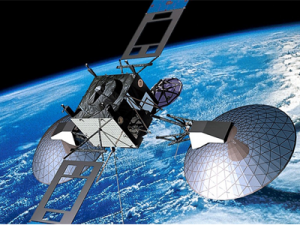
an electronic device that is sent into space and moves around the earth or another planet. It is used for communicating by radio, television, etc. and for gathering information.
a weather/communications satellite
vệ tinh thời tiết / vệ tinh thông tin liên lạc
Đồng nghĩamoonorbiterspacecraftTrái nghĩaplanetground stationtrạm vũ trụ
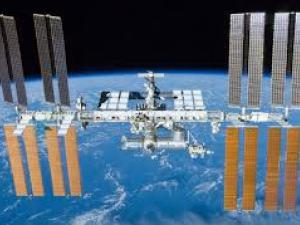
a large structure that is sent into space and remains above the earth as a base for people working and travelling in space
the International Space Station (ISS)
Trạm vũ trụ quốc tế (ISS)
Đồng nghĩaorbital stationoutpost in spaceTrái nghĩaEarthbound facilitysinh thái
the relation of plants and living creatures to each other and to their environment; the study of this
She hopes to study ecology at college.
Cô ấy mong học ngành sinh thái ở trường đại học.
Đồng nghĩaenvironmental scienceenvironmentalismbiotic scienceTrái nghĩanone (ecology as a field of study doesn't have a direct antonym. Related fields like urban planning might be considered distantly opposite in some contexts.)quỹ đạo
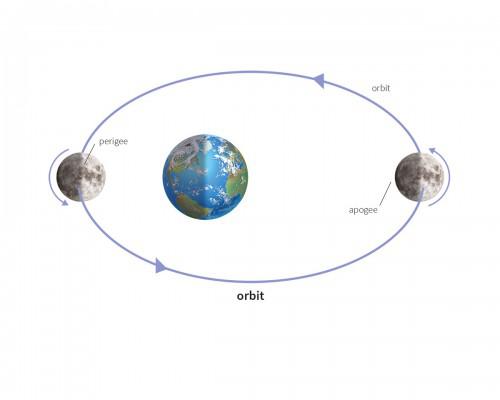
a curved path followed by a planet or an object as it moves around another planet, star, moon, etc.
The satellite is now in orbit around the Earth.
Vệ tinh hiện đang ở trên quỹ đạo quanh Trái Đất.
Đồng nghĩarevolvecircleencirclego aroundrotate aroundTrái nghĩastagnatestandstillstopremain stationarytên lửa
a spacecraft in the shape of a tube that is driven by a stream of gases let out behind it when fuel is burned inside
The rocket carried three astronauts into space last month.
Tên lửa đã đưa ba phi hành gia vào vũ trụ vào tháng trước.
Đồng nghĩasoarsurgeskyrocketincrease rapidlyboomTrái nghĩaplummetdecrease rapidlydeclinedropđa dạng sinh học
the existence of a large number of different kinds of animals and plants which make a balanced environment
A new National Biological Survey will protect species habitat and biodiversity.
Một cuộc khảo sát sinh học cấp Quốc gia mới sẽ bảo vệ môi trường sống và sự đa dạng sinh học của các loài sinh vật.
Đồng nghĩavariety of lifebiological diversityecological diversityspecies richnessgenetic diversityTrái nghĩamonocultureuniformitylack of diversitybiological uniformitynăng lượng hạt nhân
a powerful form of energy produced by changing matter into energy by splitting the nuclei (= central parts) of atoms . It is used to produce electricity.
I think nuclear energy will be widely used in the future.
Tôi nghĩ năng lượng hạt nhân sẽ được sử dụng rộng rãi trong tương lai.
Đồng nghĩaatomic energyatomic powernuclear powerTrái nghĩarenewable energysolar energywind energyhydroelectric energybiến đổi khí hậu
changes in the earth’s weather, including changes in temperature, wind patterns and rainfall , especially the increase in the temperature of the earth’s atmosphere that is caused by the increase of particular gases, especially carbon dioxide
In any case, climate change is already disrupting the lives of millions of human beings.
Trong bất kỳ trường hợp nào, sự biến đổi khí hậu cũng đã và đang phá hoại cuộc sống của hàng triệu người.
Đồng nghĩaglobal warmingclimatic changeenvironmental changeclimate crisisTrái nghĩaclimate stabilityenvironmental equilibriumgiải phẫu học
the scientific study of the physical structure of humans, animals or plants
Medical students must study human anatomy in their first year.
Sinh viên y khoa phải học giải phẫu người trong năm đầu tiên.
Đồng nghĩastructurebodily structureorganizationmorphologyphysiologyformcompositionTrái nghĩadisorganizationformlessnessamorphousnesssinh vật học vũ trụ
the scientific study of life on other planets
Astrobiology is the study of the origin, evolution, distribution, and future of life in the universe.
Sinh vật học vũ trụ là nghiên cứu về nguồn gốc, sự tiến hóa, sự phân bố và tương lai của sự sống trong vũ trụ.
Đồng nghĩaexobiologybioastronomyTrái nghĩaNoneđịa chất học vũ trụ
the scientific study of the rocks, surfaces and structure of planets, moons and other bodies in space
Astrogeology helps us understand the surfaces of other planets.
Địa chất vũ trụ giúp chúng ta hiểu được bề mặt của các hành tinh khác.
Đồng nghĩaPlanetary geologyExogeologyTrái nghĩaTerrestrial geologythiên văn học
the scientific study of the sun, moon, stars, planets, etc.
Astronomy is the scientific study of celestial objects and phenomena.
Thiên văn học là ngành khoa học nghiên cứu về các thiên thể và hiện tượng trên trời.
Đồng nghĩacelestial mechanicsspace scienceastro-scienceTrái nghĩaastrologyvật lý học thiên thể
the scientific study of the physical and chemical structure of the stars, planets, etc.
Astrophysics studies the physics of celestial objects.
Vật lý thiên văn nghiên cứu vật lý của các thiên thể.
Đồng nghĩaastronomical physicsspace physicsTrái nghĩageophysicsterrestrial physicslý sinh
the science that uses the laws and methods of physics to study biology
Biophysics applies physics principles to biological systems.
Lý sinh học áp dụng các nguyên tắc vật lý vào các hệ thống sinh học.
Đồng nghĩabiological physicsphysical biologyTrái nghĩapure biologypure physicshố đen, lỗ đen
an area in space that nothing, not even light, can escape from, because gravity (= the force that pulls objects in space towards each other) is so strong there
The black hole consumed the nearby star.
Hố đen nuốt chửng ngôi sao gần đó.
Đồng nghĩagravitational singularitycosmic vacuumTrái nghĩawhite hole (theoretical)khoa học thần kinh nhận thức
the scientific study of how the brain and nervous system make thinking, learning and memory possible
Cognitive neuroscience explores the neural mechanisms underlying thought and behavior.
Khoa học thần kinh nhận thức khám phá các cơ chế thần kinh cơ bản của tư duy và hành vi.
Đồng nghĩabehavioral neurosciencebiopsychologyneuropsychologyTrái nghĩaN/Akhoa học nhận thức.
the study of the mind and how it works, combining ideas from psychology, linguistics, computer science and philosophy
Cognitive science explores how the mind processes information.
Khoa học nhận thức khám phá cách tâm trí xử lý thông tin.
Đồng nghĩacognitive studiesmind scienceTrái nghĩaN/A (There is no direct antonym as it's a specific field of study.)vũ trụ học
the scientific study of the universe and its origin and development
Cosmology seeks to understand the origin and evolution of the universe.
Vũ trụ học tìm cách hiểu nguồn gốc và sự tiến hóa của vũ trụ.
Đồng nghĩaastronomyastro physicsuniverse studiesorigin scienceTrái nghĩanoneđiều khiển học
the scientific study of communication and control systems, which involves comparing human and animal brains with machines and electronic devices
Cybernetics explores the relationship between biological and mechanical systems.
Điều khiển học khám phá mối quan hệ giữa hệ thống sinh học và cơ học.
Đồng nghĩacontrol systemsautomationsystems theoryTrái nghĩarandomnessdisorderchaosvật chất tối
according to some theories, material that exists in space but does not reflect any light
Scientists study dark matter to understand the universe's structure.
Các nhà khoa học nghiên cứu vật chất tối để hiểu cấu trúc của vũ trụ.
Đồng nghĩaunseen matterhidden massTrái nghĩaluminous mattervisible matterđiện từ học, hiện tượng điện từ
the production of a magnetic field by means of an electric current, or of an electric current by means of a magnetic field
Electromagnetism is a fundamental force of nature.
Điện từ học là một lực cơ bản của tự nhiên.
Đồng nghĩaElectromagnetic forceEM interactionTrái nghĩaGravityWeak nuclear forceStrong nuclear forcenội tiết học
the branch of medicine that is the study of the endocrine system and hormones
Endocrinology is the study of hormones and their effects.
Nội tiết học là nghiên cứu về hormone và tác động của chúng.
Đồng nghĩahormone studyhormone scienceTrái nghĩaexocrinologysự tiến hóa
the slow steady development of plants, animals, etc. during the history of the earth, as they adapt to changes in their environment
The evolution of species is a complex process.
Sự tiến hóa của các loài là một quá trình phức tạp.
Đồng nghĩadevelopmentprogressgrowthadvancementTrái nghĩadevolutionregressionstagnationsinh vật ngoài trái đất, người ngoài hành tinh
(in stories) a creature that comes from another planet; a creature that may exist on another planet
The movie was about an extraterrestrial who visited Earth.
Bộ phim nói về một người ngoài trái đất đến thăm Trái Đất.
Đồng nghĩaaliennon-terrestrialotherworldlyTrái nghĩaterrestrialearthlydi truyền học
the scientific study of the ways in which different characteristics are passed from each generation of living things to the next
Genetics plays a crucial role in determining our physical traits.
Di truyền học đóng một vai trò quan trọng trong việc xác định các đặc điểm thể chất của chúng ta.
Đồng nghĩaheredityinheritancegenesTrái nghĩaenvironmental factorskhoa địa chất, địa chất học
the scientific study of the physical structure of the earth, including the origin and history of the rocks and soil of which the earth is made
Geology helps us understand the Earth's history.
Địa chất học giúp chúng ta hiểu lịch sử của Trái Đất.
Đồng nghĩaearth sciencegeosciencekhoa địa vật lý
the scientific study of the physics of the earth, including its atmosphere, climate and magnetism
Geophysics is used to study the Earth's subsurface.
Địa vật lý được sử dụng để nghiên cứu bề mặt dưới của Trái Đất.
Đồng nghĩaEarth physicsSolid Earth geophysicsTrái nghĩaNonesao sa, sao băng
a piece of rock from outer space that makes a bright line across the night sky as it burns up while falling through the earth’s atmosphere
A meteor streaked across the night sky.
Một thiên thạch vụt qua bầu trời đêm.
Đồng nghĩashooting starfalling starbolideTrái nghĩaasteroidcometplanetsự dùng kính hiển vi; sự soi kính hiển vi
the use of microscopes to look at very small creatures, objects, etc.
Microscopy revealed the structure of the cell.
Kính hiển vi cho thấy cấu trúc của tế bào.
Đồng nghĩamicroscopic analysismicroscopic examinationTrái nghĩamacroscopic observationtinh vân
a mass of dust or gas that can be seen in the night sky, often appearing very bright; a bright area in the night sky caused by a large cloud of stars that are far away
The telescope revealed a beautiful nebula.
Kính viễn vọng cho thấy một tinh vân tuyệt đẹp.
Đồng nghĩastar cloudinterstellar cloudTrái nghĩaempty spacevoiddược lý học
the science of drugs, including how they act on the body and how they are used to treat disease
Pharmacology is a core subject for medical and pharmacy students.
Dược lý học là môn học cốt lõi của sinh viên y và dược.
Clinical pharmacology studies how drugs work in real patients.
Dược lý lâm sàng nghiên cứu cách thuốc tác dụng trên người bệnh thực tế.
Đồng nghĩadrug studymedicinal chemistrypharmaceuticsTrái nghĩanonesự quang hợp
the process by which green plants turn carbon dioxide and water into food using energy obtained from light from the sun
Photosynthesis is essential for plant life.
Quang hợp rất cần thiết cho đời sống thực vật.
Đồng nghĩacarbon assimilationphotosynthetic activityTrái nghĩarespirationkhông gian thời gian
the universe considered as a continuum with four measurements—length, width , depth and time—inside which any event or physical object is located
Einstein's theory deals with space-time.
Lý thuyết của Einstein đề cập đến không-thời gian.
Đồng nghĩaspace and timecontinuumTrái nghĩaspacetimenhiệt động lực học
the science that deals with the relations between heat and other forms of energy
Thermodynamics explains how energy is converted and used.
Nhiệt động lực học giải thích cách năng lượng được chuyển đổi và sử dụng.
Đồng nghĩathermodynamic principlesthermal physicsTrái nghĩanonekỹ thuật di truyền
the science of changing how a living creature or plant develops by changing the information in its genes
Genetic engineering is used to modify crops for better yields.
Kỹ thuật di truyền được sử dụng để biến đổi cây trồng nhằm tăng năng suất.
Đồng nghĩagene editingbiotechnologygene manipulationTrái nghĩanatural selectiontraditional breedingtrí tuệ nhân tạo (AI)
the ability of computer systems to do tasks that normally need human intelligence, such as understanding language or making decisions
The bank uses artificial intelligence to detect unusual transactions.
Ngân hàng dùng trí tuệ nhân tạo để phát hiện giao dịch bất thường.
Artificial intelligence is changing how customer service teams work.
Trí tuệ nhân tạo đang thay đổi cách các đội chăm sóc khách hàng làm việc.
Đồng nghĩaAImachine intelligenceTrái nghĩanatural intelligencehuman intelligencecông nghệ nano
the branch of technology that deals with structures that are less than 100 nanometres long. Scientists often build these structures using individual molecules of substances.
Nanotechnology is used in many fields, including medicine and manufacturing.
Công nghệ nano được sử dụng trong nhiều lĩnh vực, bao gồm y học và sản xuất.
Đồng nghĩamolecular manufacturingnanoscale technologyTrái nghĩamacrotechnologyvật lý hạt nhân
the area of physics which deals with the nucleus of atoms and with nuclear energy
Nuclear physics is crucial for understanding atomic energy.
Vật lý hạt nhân rất quan trọng để hiểu về năng lượng nguyên tử.
Đồng nghĩaatomic physicsnuclear scienceTrái nghĩaclassical physicscổ sinh vật học
the study of fossils (= the parts of dead animals or plants in rocks) as a guide to the history of life on earth
She studied paleontology to learn about dinosaurs.
Cô ấy nghiên cứu cổ sinh vật học để tìm hiểu về khủng long.
Đồng nghĩafossil studyfossil scienceTrái nghĩanonengoại hành tinh
a planet outside the solar system
Scientists have discovered many exoplanets in recent years.
Các nhà khoa học đã khám phá ra nhiều ngoại hành tinh trong những năm gần đây.
Đồng nghĩaextrasolar planetplanet beyond our solar systemTrái nghĩaplanetsolar planettàu thăm dò không gian
a spacecraft without people on board that obtains information and sends it back to earth
The space probe sent back images of Jupiter.
Tàu thăm dò không gian đã gửi lại hình ảnh về Sao Mộc.
Đồng nghĩaunmanned spacecraftrobotic probeplanetary probeTrái nghĩamanned spacecraftđi bộ ngoài không gian
a period of time that an astronaut spends in space outside a spacecraft
The astronaut performed a spacewalk to repair the satellite.
Phi hành gia đã thực hiện một chuyến đi bộ ngoài không gian để sửa chữa vệ tinh.
Đồng nghĩaextravehicular activityEVATrái nghĩaindoor activitygrounded activityHóa học phân tích
The branch of chemistry that identifies substances and measures their chemical components.
Analytical chemistry is used to identify and quantify the chemical components of substances.
Hóa học phân tích được sử dụng để xác định và định lượng các thành phần hóa học của các chất.
Đồng nghĩaChemical analysisQuantitative analysisQualitative analysisTrái nghĩaOrganic chemistryBiochemistryHành vi động vật
The way animals act and respond, or the scientific study of this.
The students studied animal behavior in the wild.
Các sinh viên nghiên cứu hành vi động vật trong tự nhiên.
Đồng nghĩaEthologyAnimal conductAnimal psychologyTrái nghĩaInanimate behaviorPlant behaviorHóa học thiên văn
The study of the chemical substances and reactions found in space.
Astrochemistry helps us understand the origin of life.
Hóa học vũ trụ giúp chúng ta hiểu nguồn gốc của sự sống.
Đồng nghĩaCosmochemistrySpace chemistryTrái nghĩaTerrestrial chemistryGeochemistryCấu trúc nguyên tử
The arrangement of protons, neutrons and electrons that make up an atom.
Understanding atomic structure is fundamental to chemistry.
Hiểu cấu trúc nguyên tử là nền tảng của hóa học.
Đồng nghĩaatomic arrangementnuclear structureTrái nghĩamacroscopic structuremolecular structurekỹ thuật sinh học
The use of engineering methods to solve problems in biology and medicine.
Bioengineering has led to advancements in medical treatments.
Kỹ thuật sinh học đã dẫn đến những tiến bộ trong điều trị y tế.
Đồng nghĩaBiomedical engineeringGenetic engineeringBiotechnologyTrái nghĩaMechanical engineeringChemical engineeringĐạo đức sinh học
The study of moral questions raised by advances in biology and medicine.
Bioethics explores the moral issues arising from advances in biology and medicine.
Đạo đức sinh học khám phá các vấn đề đạo đức phát sinh từ những tiến bộ trong sinh học và y học.
Đồng nghĩaMedical ethicsEthics of scienceMoral philosophy of biologyTrái nghĩaAmoral scienceUnethical researchtin sinh học
The use of computers to store and analyse large amounts of biological data.
Bioinformatics combines biology and computer science to analyze large datasets.
Tin sinh học kết hợp sinh học và khoa học máy tính để phân tích các tập dữ liệu lớn.
Đồng nghĩaComputational biologyData science in biologyTrái nghĩaExperimental biologyCơ học sinh học
The scientific study of the physical movement and structure of living things, using the principles of mechanics.
Biomechanics studies the mechanical aspects of living organisms.
Cơ sinh học nghiên cứu các khía cạnh cơ học của sinh vật sống.
Đồng nghĩaKinesiologyHuman kineticsTrái nghĩaNoneCơ điện tử sinh học
The science of combining biology, mechanics and electronics to design devices that work with the human body.
Biomechatronics combines biology, mechanics, and electronics to design innovative devices.
Cơ điện sinh học kết hợp sinh học, cơ học và điện tử để thiết kế các thiết bị tiên tiến.
Đồng nghĩaBioengineeringBiomechanical engineeringTrái nghĩaNoneCông nghệ sinh học
The use of living cells and bacteria in industrial and scientific processes, for example to make medicines.
Biotechnology is being used to develop new medicines.
Công nghệ sinh học đang được sử dụng để phát triển các loại thuốc mới.
Đồng nghĩaBioengineeringGenetic engineeringBiotechTrái nghĩaConventional methodsTraditional techniquesPhân chia tế bào
The process by which a cell divides to form two or more new cells.
Cell division is essential for growth and repair.
Phân chia tế bào rất cần thiết cho sự tăng trưởng và phục hồi.
Đồng nghĩaMitosisCytokinesisCell proliferationTrái nghĩaCell deathApoptosisPhản ứng hóa học
Processes in which substances act on each other and are changed into different substances.
Chemical reactions are fundamental to understanding how the world works.
Các phản ứng hóa học là nền tảng để hiểu cách thế giới vận hành.
Đồng nghĩachemical processeschemical changestransformationsTrái nghĩaphysical changesstabilityMô hình hóa khí hậu
The use of computer models to simulate the earth's climate and predict how it may change.
Climate modeling is essential for understanding future climate change.
Mô hình khí hậu rất cần thiết để hiểu về biến đổi khí hậu trong tương lai.
Đồng nghĩaclimate simulationclimate projectionclimate predictionTrái nghĩaclimate observationhistorical weather dataSinh học tính toán
The use of computers and mathematical models to study and understand biological systems and data.
Computational biology uses computer algorithms to model biological systems.
Sinh học tính toán sử dụng các thuật toán máy tính để mô hình hóa các hệ thống sinh học.
Đồng nghĩaBioinformaticsMathematical biologySystems biologyTrái nghĩaExperimental biologyTraditional biologySinh học bảo tồn
The scientific study of how to protect species, their habitats and the earth's biodiversity.
Conservation biology is crucial for protecting endangered species.
Sinh học bảo tồn rất quan trọng để bảo vệ các loài có nguy cơ tuyệt chủng.
Đồng nghĩaConservation scienceEnvironmental biologyTrái nghĩaExploitation biologyDestructive ecologyHóa học môi trường
The study of chemical processes in the environment and the effects of chemicals on air, water and soil.
Environmental chemistry studies the effects of chemicals on the environment.
Hóa học môi trường nghiên cứu tác động của các hóa chất lên môi trường.
Đồng nghĩaGreen chemistryEcological chemistryTrái nghĩaIndustrial chemistryĐánh giá tác động môi trường
An official study of the likely effects of a planned project on the environment.
The environmental impact assessment showed minimal damage.
Đánh giá tác động môi trường cho thấy thiệt hại tối thiểu.
Đồng nghĩaenvironmental assessmentimpact studyecological assessmentTrái nghĩaenvironmental neglectnon-assessmentKhoa học môi trường
The study of the natural environment and the ways in which humans affect it.
Environmental science is a multidisciplinary field.
Khoa học môi trường là một lĩnh vực đa ngành.
Đồng nghĩaecologyconservation scienceenvironmental studiesTrái nghĩaN/ASinh học tiến hóa
The branch of biology that studies how living things have developed and changed over time.
Evolutionary biology explains how life on Earth has changed over time.
Sinh học tiến hóa giải thích cách sự sống trên Trái đất đã thay đổi theo thời gian.
Đồng nghĩaEvolutionary scienceDarwinian biologyTrái nghĩaCreation scienceTư vấn di truyền
Advice given to people about the risk of passing on or having an inherited disease.
She sought genetic counseling before starting a family.
Cô ấy đã tìm đến tư vấn di truyền trước khi bắt đầu xây dựng gia đình.
Đồng nghĩaGenetic guidanceGenetic consultationTrái nghĩaNoneBiến dị di truyền
The differences in genes between individual living things of the same species.
Genetic variation allows populations to adapt to changing environments.
Biến dị di truyền cho phép các quần thể thích nghi với môi trường thay đổi.
Đồng nghĩaGenetic diversityAllelic variationTrái nghĩaGenetic uniformityGenetic homogeneityXác định trình tự gen
The process of finding the exact order of all the DNA in an organism's genome.
Genome sequencing can help identify genetic diseases.
Giải trình tự bộ gen có thể giúp xác định các bệnh di truyền.
Đồng nghĩaDNA sequencingGenetic mappingTrái nghĩaN/AKính viễn vọng không gian Hubble
A large telescope in orbit around the earth that takes images of distant stars and galaxies.
The Hubble Space Telescope has provided stunning images of distant galaxies.
Kính viễn vọng không gian Hubble đã cung cấp những hình ảnh tuyệt đẹp về các thiên hà xa xôi.
Đồng nghĩaHSTHubbleLiệu pháp miễn dịch
The treatment of disease by using or strengthening the body's immune system.
Immunotherapy has shown promise in treating certain types of cancer.
Liệu pháp miễn dịch đã cho thấy nhiều hứa hẹn trong việc điều trị một số loại ung thư.
Đồng nghĩaBiological therapyImmune system therapyTrái nghĩaChemotherapyRadiation therapyHóa học vô cơ
The branch of chemistry that studies substances that do not contain carbon-hydrogen bonds.
Inorganic chemistry studies compounds that do not contain carbon-hydrogen bonds.
Hóa học vô cơ nghiên cứu các hợp chất không chứa liên kết cacbon-hydro.
Đồng nghĩanon-organic chemistrymineral chemistryTrái nghĩaorganic chemistryTrạm không gian quốc tế ISS
A large spacecraft in orbit around the earth where astronauts from several countries live and work.
The International Space Station orbits the Earth.
Trạm Vũ trụ Quốc tế quay quanh Trái Đất.
Đồng nghĩaISSSpace StationTrái nghĩaEarthGroundtàu đổ bộ mặt trăng
A small spacecraft that carries astronauts between the main spacecraft orbiting the moon and the moon's surface.
The lunar module successfully landed on the moon.
Mô-đun Mặt Trăng đã hạ cánh thành công trên Mặt Trăng.
Đồng nghĩamoon landerLEM (Lunar Excursion Module)Trái nghĩacommand modulespacecraftXe thám hiểm sao Hỏa
A vehicle that is sent to Mars to move across its surface and collect scientific information.
The Mars Rover sent back stunning images of the Martian surface.
Tàu thám hiểm Sao Hỏa đã gửi về những hình ảnh tuyệt đẹp về bề mặt Sao Hỏa.
Đồng nghĩaMars explorerPlanetary roverTrái nghĩaStationary probeOrbitersinh thái học vi sinh vật
The scientific study of how microorganisms interact with each other and with their environment.
Microbial ecology studies the interactions of microorganisms with each other and their environment.
Sinh thái vi sinh vật nghiên cứu sự tương tác của vi sinh vật với nhau và môi trường của chúng.
Đồng nghĩaMicrobial biogeochemistryEnvironmental microbiologyTrái nghĩaMacrobial ecologySinh học phân tử
The scientific study of the structure and function of the molecules that make up living things.
Molecular biology studies the structure and function of macromolecules.
Sinh học phân tử nghiên cứu cấu trúc và chức năng của các đại phân tử.
Đồng nghĩaNoneTrái nghĩaClassical biologyOrganismal biologyDi truyền phân tử
The branch of genetics that studies the structure and function of genes at the level of molecules.
Molecular genetics is used to study the structure and function of genes at a molecular level.
Di truyền học phân tử được sử dụng để nghiên cứu cấu trúc và chức năng của gen ở cấp độ phân tử.
Đồng nghĩaNoneGene scienceMolecular biology of heredityTrái nghĩaClassical geneticscuộc đổ bộ lên mặt trăng
An occasion when a spacecraft lands on the moon, especially the first one in 1969.
The moon landing was a major achievement for humanity.
Việc đặt chân lên mặt trăng là một thành tựu lớn của nhân loại.
Đồng nghĩalunar landingmoonshotApollo missionTrái nghĩaspace launch failureearthboundHóa học thần kinh
The scientific study of the chemical processes that happen in the nervous system.
Neurochemistry studies the chemical processes within the nervous system.
Hóa học thần kinh nghiên cứu các quá trình hóa học trong hệ thần kinh.
Đồng nghĩaBrain chemistryNeurochemical processesTrái nghĩaN/ATâm lý học thần kinh
The scientific study of the relationship between the brain and the way people think and behave.
Neuropsychology studies the relationship between the brain and behavior.
Thần kinh tâm lý học nghiên cứu mối quan hệ giữa não bộ và hành vi.
Đồng nghĩaBehavioral neuroscienceBiological psychologyTrái nghĩaNoneHóa học hữu cơ
The branch of chemistry that studies substances containing carbon.
She is studying organic chemistry at the university.
Cô ấy đang học hóa học hữu cơ tại trường đại học.
Đồng nghĩaCarbon chemistryChemistry of carbon compoundsTrái nghĩaInorganic chemistryHóa học vật lý
The branch of chemistry that uses the methods of physics to study chemical systems and reactions.
Physical chemistry explores the fundamental principles underlying chemical systems.
Hóa lý khám phá các nguyên tắc cơ bản làm nền tảng cho các hệ thống hóa học.
Đồng nghĩaChemical physicsTheoretical chemistryTrái nghĩaOrganic chemistryBiochemistryKhoa học hành tinh
The scientific study of planets, moons and planetary systems, and how they form and change.
Planetary science studies the formation and evolution of planets.
Khoa học hành tinh nghiên cứu sự hình thành và tiến hóa của các hành tinh.
Đồng nghĩaplanetologycosmologyTrái nghĩanoneSinh lý thực vật
The scientific study of how plants work, grow and stay alive.
Plant physiology explores how plants function and grow.
Sinh lý thực vật khám phá cách thực vật hoạt động và phát triển.
Đồng nghĩaPlant biologyPhytophysiologyTrái nghĩaAnimal physiologyHóa học polymer
The branch of chemistry that studies polymers and how they are made and used.
Polymer chemistry is crucial for developing new materials.
Hóa học polyme rất quan trọng để phát triển vật liệu mới.
Đồng nghĩaMacromolecular chemistryPolymer scienceTrái nghĩaInorganic chemistryAtomic chemistryhệ protein học
The scientific study of all the proteins in a living thing, and their structure and function.
Proteomics is used to study protein structure and function.
Proteomics được sử dụng để nghiên cứu cấu trúc và chức năng protein.
Đồng nghĩaProtein analysisProtein profilingProtein characterizationTrái nghĩaGenomicsTính toán lượng tử
A type of computing that uses the principles of quantum mechanics to process information.
Quantum computing holds the potential to revolutionize various fields.
Điện toán lượng tử có tiềm năng cách mạng hóa nhiều lĩnh vực khác nhau.
Đồng nghĩaQuantum information scienceQuantum computationTrái nghĩaClassical computingCơ học lượng tử
The branch of physics that studies the behaviour of atoms and very small particles.
Quantum mechanics governs the behavior of atoms and subatomic particles.
Cơ học lượng tử chi phối hành vi của các nguyên tử và hạt hạ nguyên tử.
Đồng nghĩaQuantum physicsQuantum theoryTrái nghĩaClassical mechanicsNewtonian mechanicsLý thuyết lượng tử
A theory in physics based on the idea that energy exists in very small fixed units.
Quantum theory explains the behavior of matter and energy at the atomic and subatomic levels.
Lý thuyết lượng tử giải thích hành vi của vật chất và năng lượng ở cấp độ nguyên tử và hạ nguyên tử.
Đồng nghĩaQuantum mechanicsQuantum physicsTrái nghĩaClassical mechanicsNewtonian physicssự thuộc địa hóa không gian
The process of setting up permanent human communities on other planets or in space.
Space colonization could open up new resources for humanity.
Thuộc địa hóa không gian có thể mở ra các nguồn tài nguyên mới cho nhân loại.
Đồng nghĩaSpace settlementOff-world colonizationTrái nghĩaEarth-bound existencePlanetary confinementMảnh vỡ không gian
Broken pieces of old satellites, rockets and other man-made objects that remain in orbit around the earth.
Space debris poses a threat to orbiting satellites.
Rác vũ trụ gây ra mối đe dọa cho các vệ tinh đang quay quanh quỹ đạo.
Đồng nghĩaspace junkorbital debrisspace wasteTrái nghĩafunctional satelliteoperational spacecraftKỹ thuật vũ trụ
The design and building of spacecraft, rockets, satellites and other equipment used in space.
Space engineering is crucial for developing advanced rockets.
Kỹ thuật không gian rất quan trọng để phát triển các loại tên lửa tiên tiến.
Đồng nghĩaAerospace engineeringAstronautical engineeringTrái nghĩaTerrestrial engineeringCivil engineeringKhám phá không gian
The use of spacecraft and technology to discover and study outer space.
Space exploration has led to numerous technological advancements.
Thám hiểm không gian đã dẫn đến nhiều tiến bộ công nghệ.
Đồng nghĩaSpace researchCosmic explorationAstronauticsTrái nghĩaTerrestrial focusEarthbound researchNhiệm vụ khám phá không gian
Planned journeys or operations sent into space to discover and study planets, stars and other objects.
Space exploration missions are expensive but potentially very rewarding.
Các nhiệm vụ thám hiểm không gian rất tốn kém nhưng có tiềm năng mang lại nhiều lợi ích.
Đồng nghĩaspace missionsastronautical missionscosmic explorationspace voyagesTrái nghĩaearthbound researchground-based studiesNhiệm vụ không gian
A planned journey or operation into space to carry out a particular task.
The space mission was a success.
Nhiệm vụ không gian đã thành công.
Đồng nghĩaSpace flightCosmic missionExtraterrestrial expeditionTrái nghĩaEarthbound projectTerrestrial activityVật lý không gian
The branch of physics that studies plasma, radiation and magnetic fields in space, especially near planets and the sun.
Space physics studies the plasma environment of planets.
Vật lý không gian nghiên cứu môi trường plasma của các hành tinh.
Đồng nghĩaAstrophysicsSpace scienceTrái nghĩaTerrestrial physicsNghiên cứu vũ trụ
Scientific study of outer space and the objects in it.
Space research is crucial for understanding the universe.
Nghiên cứu vũ trụ rất quan trọng để hiểu vũ trụ.
Đồng nghĩaSpace explorationCosmic studyAstronautics researchTrái nghĩaEarth-bound researchTerrestrial studiesCông nghệ vũ trụ
The machines, equipment and scientific methods used for travelling in and studying space.
Space technology has enabled us to explore other planets.
Công nghệ vũ trụ đã cho phép chúng ta khám phá các hành tinh khác.
Đồng nghĩaAerospace technologySpace exploration technologyTrái nghĩaEarth-bound technologyTerrestrial technologyKính viễn vọng không gian
A telescope placed in orbit around the earth to observe distant objects without interference from the atmosphere.
The Hubble Space Telescope has provided stunning images of the universe.
Kính viễn vọng không gian Hubble đã cung cấp những hình ảnh tuyệt đẹp về vũ trụ.
Đồng nghĩaorbital telescopeastronomical satelliteTrái nghĩaground-based telescopeDu lịch không gian
The business of taking paying passengers on trips into space for pleasure.
Space tourism is becoming a reality for wealthy individuals.
Du lịch vũ trụ đang trở thành hiện thực đối với những cá nhân giàu có.
Đồng nghĩaCommercial space travelSuborbital tourismTrái nghĩaTraditional tourismDomestic travelTiến hóa ngôi sao
The process by which a star changes over its lifetime, from its formation to its death.
Stellar evolution explains the life cycle of stars.
Tiến hóa sao giải thích vòng đời của các ngôi sao.
Đồng nghĩastar formationstar life cyclestar developmentTrái nghĩastellar creation