Saltar al contenido

Lección 2/202 · 59 palabras · 0 aprendidas

Plants

Plantas

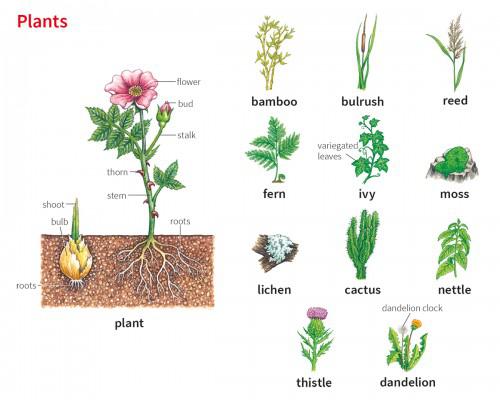
  1. 1

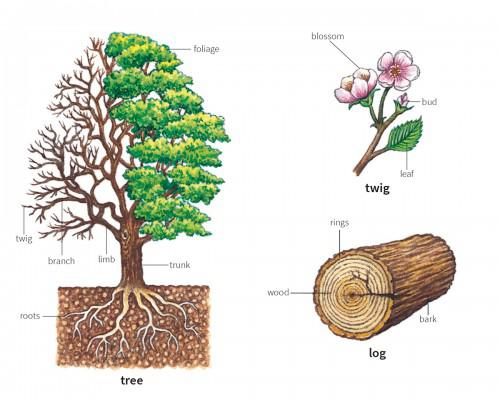
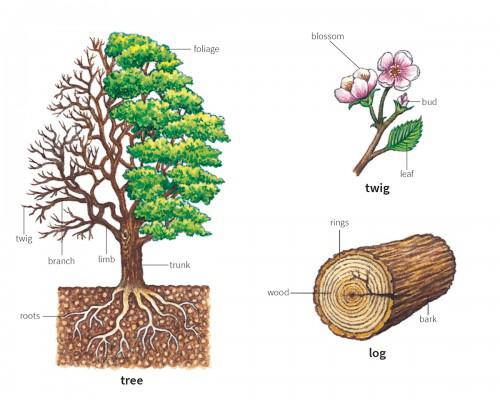
    wood(noun)

    /wʊd/

    madera

    the hard material that the trunk and branches of a tree are made of; this material when it is used to build or make things with, or as a fuel

    He chopped some wood for the fire.

    Él cortó leña para el fuego.

    Sinónimostimberlumberfirewoodkindling
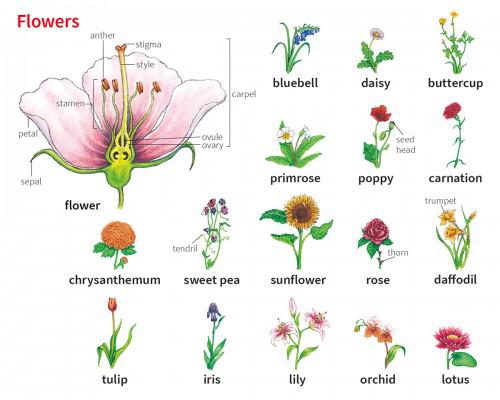
    Antónimosmetalstoneplastic
  2. 2

    leaf(noun)

    /liːf/

    hoja

    a flat green part of a plant, growing from a stem or branch or from the root

    The leaves on the trees were beginning to turn from green to orange.

    Las hojas de los árboles empezaban a cambiar de verde a naranja.

    Sinónimosfrondfoliageblade
    Antónimostrunkbranchroot
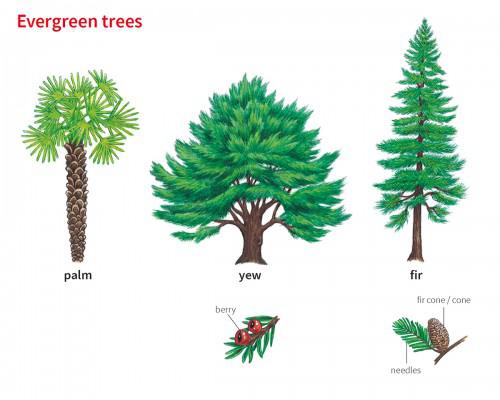
  3. 3

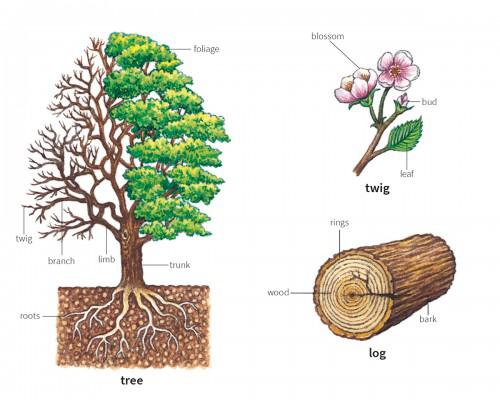
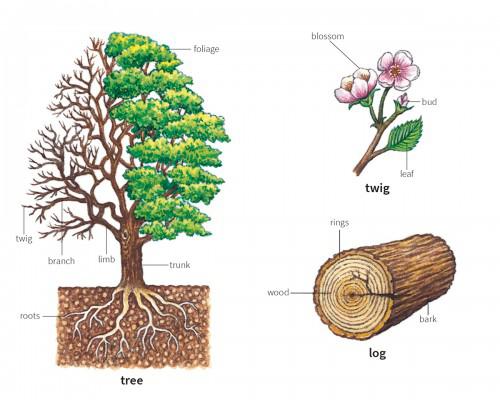
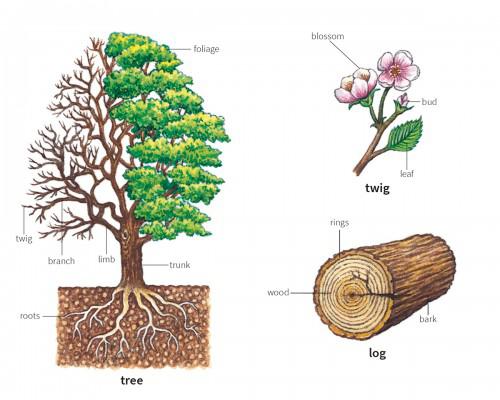
    tree(noun)

    /triː/

    árbol

    a tall plant that can live a long time. Trees have a thick central wooden trunk from which branches grow, usually with leaves on them

    My father likes planting trees.

    A mi padre le gusta plantar árboles.

    to chop/cut down a tree

    Sinónimosplantsaplingtimberwood
    Antónimosnone (in the sense of a single word antonym)shrubbush
  4. 4

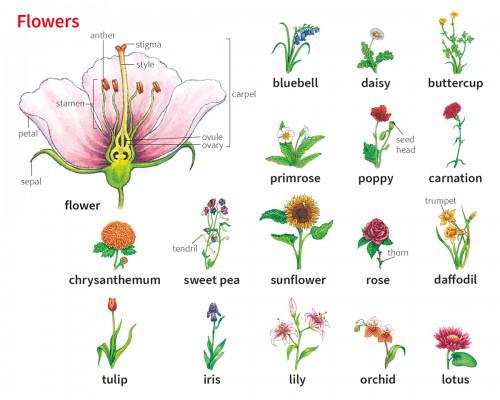
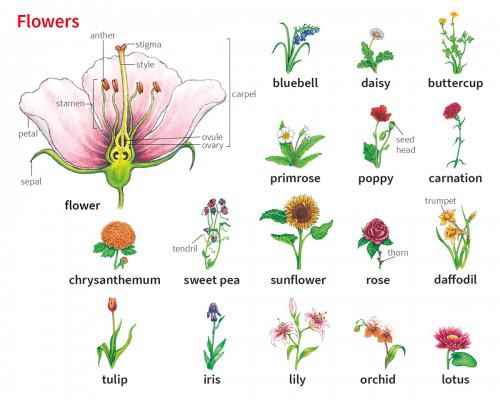
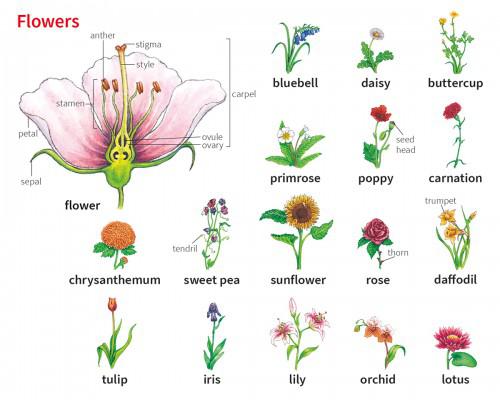
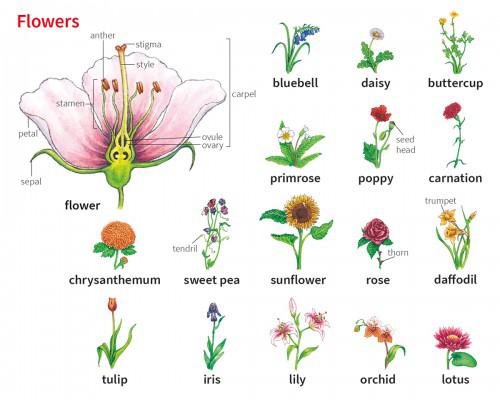
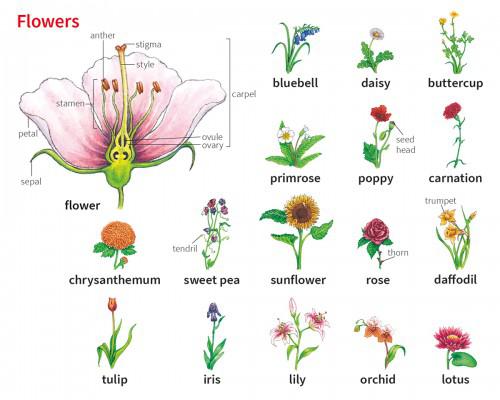
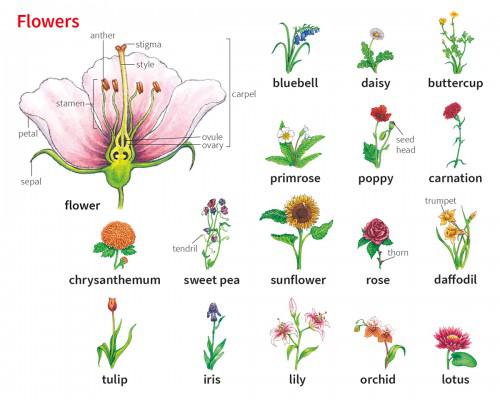
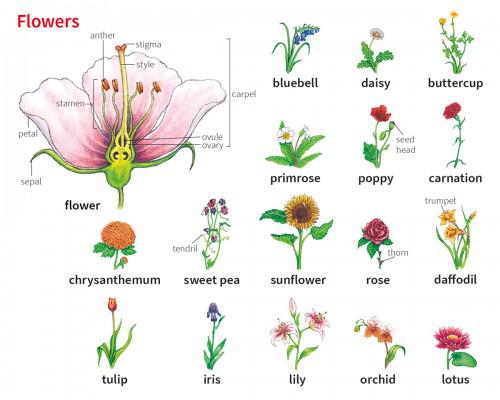
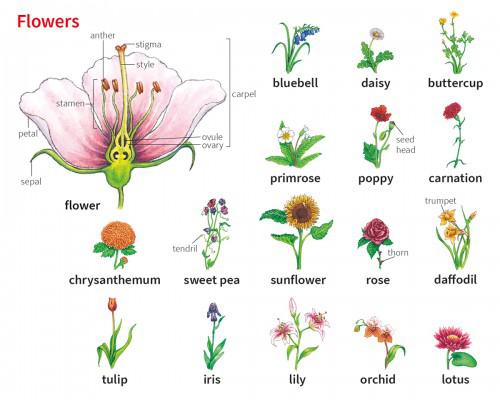
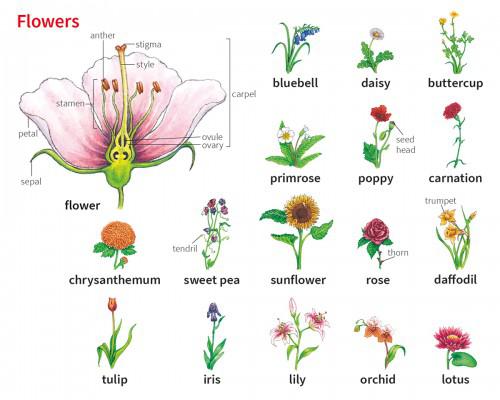
    flower(noun)

    /ˈflaʊər/

    flor

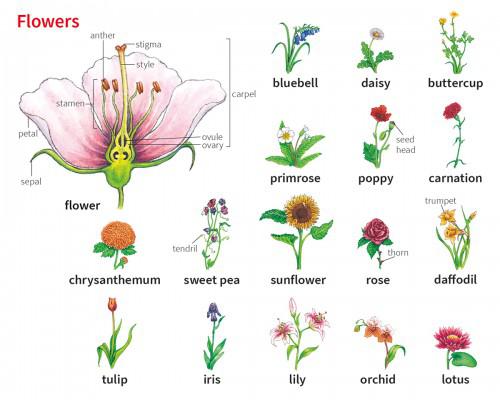
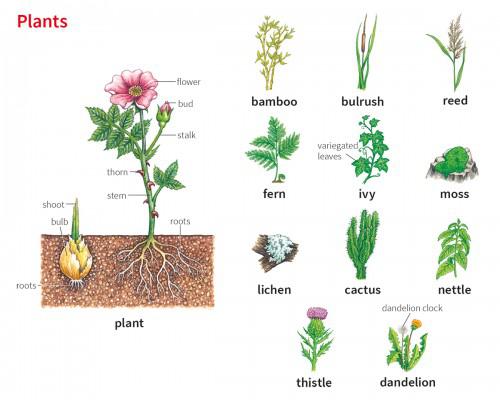
    the coloured part of a plant from which the seed or fruit develops. Flowers usually grow at the end of a stem and last only a short time.

    Do you like flowers?

    ¿Te gustan las flores?

    The plant has a beautiful bright red flower.

    Sinónimosblossombloomfloral
    Antónimosweedthornvegetation
  5. 5

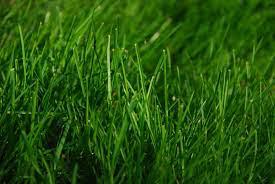
    grass(noun)

    /ɡræs/

    césped

    a common wild plant with narrow green leaves and stems that are eaten by cows, horses, sheep, etc.

    a blade of grass

    una brizna de hierba

    The dry grass caught fire.

    Sinónimosturflawngreenswardherbagepasture
    Antónimosbare earthsoilconcretepavement
  6. 6

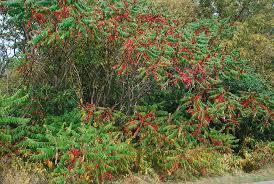
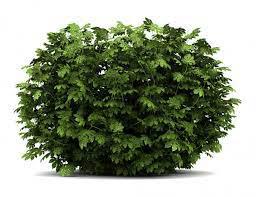
    bush(noun)

    /bʊʃ/

    arbusto

    a plant that grows thickly with several hard stems coming up from the root

    She was hiding in the bushes at the side of the lane.

    Ella se escondía en los arbustos al lado del camino.

    a rose bush

    Sinónimosshrubhedgethicketscrub
    Antónimostreeopen spaceclearing
  7. 7

    branch(noun)

    /bræntʃ/

    rama

    a part of a tree that grows out from the main stem and on which leaves, flowers and fruit grow

    She climbed the tree and hid in the branches.

    Ella subió al árbol y se escondió en las ramas.

    They all put a bet on the race.

    Sinónimoslimboffshootboughdivisionsectionarm
    Antónimostrunkmainstemwhole
  8. 8

    seed(noun)

    /siːd/

    semilla

    the small hard part produced by a plant, from which a new plant can grow
    These vegetables can be grown from seed.

    Estas verduras se pueden cultivar a partir de semillas.

    seed potatoes(= used for planting)

    Sinónimoskernelgraingermsourceoriginbeginning
    Antónimosfruitproductoutcomeend
  9. 9

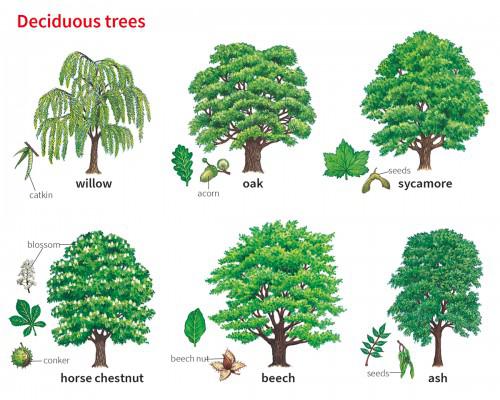
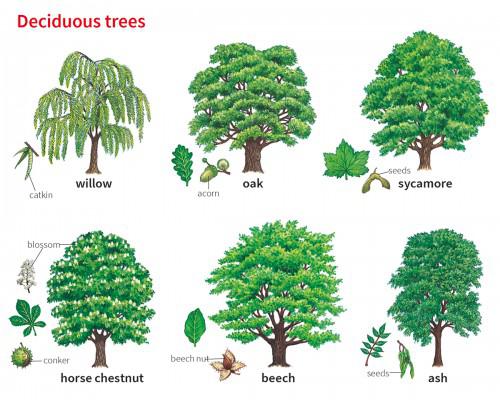
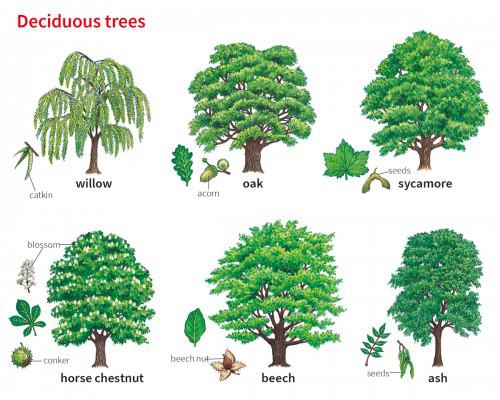
    Beech(noun)

    /biːtʃ/

    haya

    a tall forest tree with smooth grey bark , shiny leaves and small nuts

    The great beeches towered up towards the sky.

    Las grandes hayas se alzaban hacia el cielo.

    Sinónimostreeforest treewoodland tree
    Antónimosshrubbushsmall plant
  10. 10

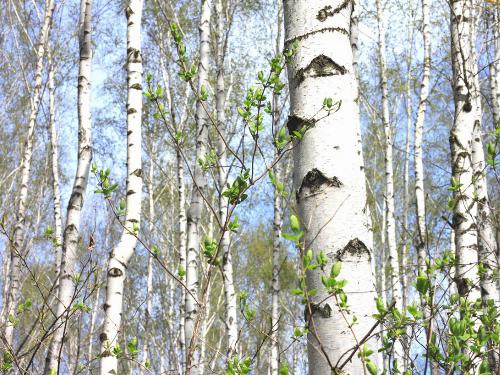
    Birch(noun)

    /bɜːrtʃ/

    abedul

    a tree with smooth bark and thin branches that grows in northern countries

    Birch species are generally small to medium-sized trees or shrubs

    Las especies de abedul son generalmente árboles o arbustos de tamaño pequeño a mediano.

    Sinónimosbirch tree
  11. 11

    Bloom(noun)

    /bluːm/

    flor

    a flower (usually one on a plant that people admire for its flowers)

    The plant produced a single white bloom.

    La planta produjo una sola flor blanca.

    Sinónimosflowerblossomflourishthrivedevelop
    Antónimoswiltfadedeclinedieshrink
  12. 12

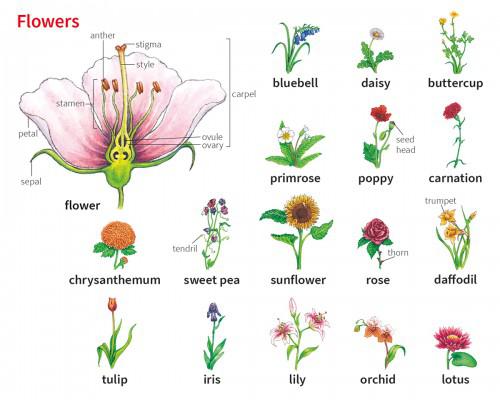
    Bluebell(noun)

    /ˈbluːbel/

    campanilla azul

    a garden or wild flower with a short stem and small blue or white flowers that have the shape of bells

    Bluebells carpeted the forest floor in spring.

    Las campanillas azules alfombraban el suelo del bosque en primavera.

    Sinónimoswild hyacinthendymionflowerplant
  13. 13

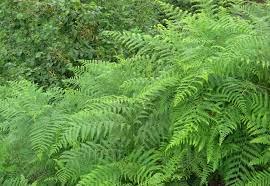
    Bracken(noun)

    /ˈbrækən/

    helecho común, helecho águila

    a wild plant with large leaves that grows thickly on hills and in woods and turns brown in the autumn

    The hillside was covered in brown bracken.

    La ladera estaba cubierta de helechos marrones.

    Sinónimosfernbrake
    AntónimosNone (as a specific type of fernthere isn't a direct antonym)
  14. 14

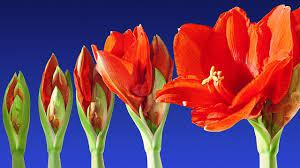
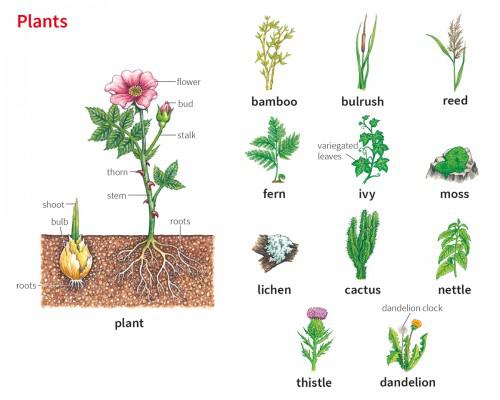
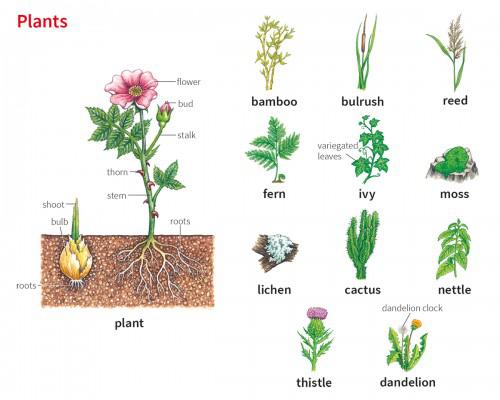
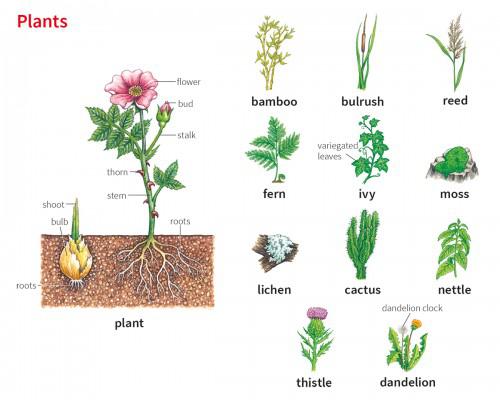
    Bud(noun)

    /bʌd/

    brote

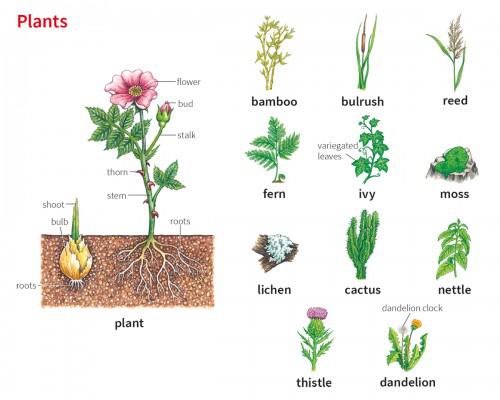
    a small closed part that grows on a plant and from which a flower, leaf or stem develops; a flower or leaf that is not fully open

    The first buds appearing in spring

    Los primeros brotes que aparecen en primavera

    Sinónimossproutshootgermburgeonoffshoot
    Antónimosbloomflowermature
  15. 15

    Buttercup(noun)

    /ˈbʌtərkʌp/

    botón de oro

    a wild plant with small shiny yellow flowers that are like cups in shape

    The petals of buttercups are often highly lustrous

    Los pétalos de los botones de oro son a menudo muy brillantes.

    Sinónimosgoldcupcrowfoot
  16. 16

    Cactus(noun)

    /ˈkæktəs/

    cactus

    a plant that grows in hot dry regions, especially one with thick stems covered in spines but without leaves. There are many different types of cactus .

    Cactus stems are often ribbed or fluted

    Los tallos de los cactus son a menudo acanalados o estriados.

    Sinónimossucculentprickly plantdesert plant
    AntónimosNone (Cactus is a specific type of plant)
  17. 17

    Carnation(noun)

    /kɑːrˈneɪʃn/

    clavel

    a white, pink, red or yellow flower, often worn as a decoration on formal occasions

    Carnations were mentioned in Greek literature 2,000 years ago.

    Los claveles fueron mencionados en la literatura griega hace 2000 años.

    Sinónimosclove pinkpink
  18. 18

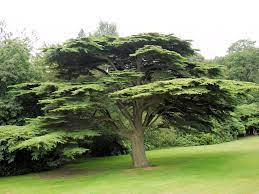
    Cedar(noun)

    /ˈsiːdər/

    cedro

    a tall evergreen tree with wide spreading branches

    An old cedar stood in the middle of the park.

    Un viejo cedro se alzaba en medio del parque.

    Sinónimosevergreenconifertimber
    Antónimosdeciduous (tree)broadleaf (tree)
  19. 19

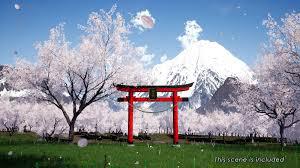
    Cherry tree(noun)

    /ˈʧɛri triː/

    cerezo

    a tree on which cherries grow, or a similar tree, grown for its flowers

    The cherry tree in our garden is covered in pink flowers.

    El cerezo de nuestro jardín está cubierto de flores rosas.

    Sinónimosflowering cherryPrunus tree
  20. 20

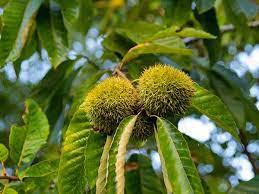
    Chestnut tree(noun)

    /ˈʧɛsnʌt triː/

    castaño

    a large tree with spreading branches that produces smooth brown nuts inside cases that are covered with spikes

    There are several types of chestnut tree.

    Hay varios tipos de castaños.

    Sinónimoschestnutcastanea
  21. 21

    Chrysanthemum(noun)

    /krɪˈzænθəməm/

    crisantemo

    a large, brightly coloured garden flower that is like a ball in shape and is made up of many long narrow petals

    In Japan, a form of bonsai chrysanthemum was developed over the centuries.

    En Japón, una forma de crisantemo bonsái se desarrolló a lo largo de los siglos.

    Sinónimosmumchrysanth
  22. 22

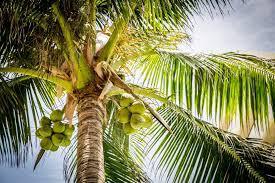
    Coconut tree(noun)

    /ˈkəʊkənʌt triː/

    cocotero

    a tall tropical palm tree that produces coconuts

    She climbed the coconut tree to get a fresh coconut.

    Trepó al cocotero para coger un coco fresco.

    SinónimosCoconut palm
  23. 23

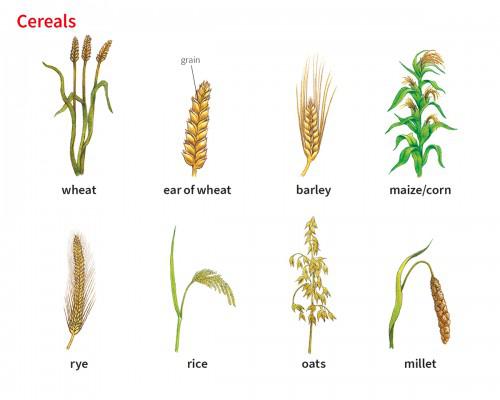
    Corn(noun)

    /kɔːrn/

    maíz

    a tall plant grown for its yellow grains that are eaten as food; maize

    The major crops are wheat, barley and corn.

    Los principales cultivos son el trigo, la cebada y el maíz.

    Sinónimosmaizesweetcorn
  24. 24

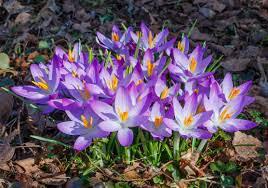
    Crocus(noun)

    /ˈkrəʊkəs/

    azafrán silvestre, crocus

    a small yellow, purple or white flower that appears in early spring

    Purple crocuses appear in the garden in early spring.

    Los crocus morados aparecen en el jardín a principios de la primavera.

    Sinónimossaffron crocusautumn crocusspring crocus
    Antónimoscrocuscrocus sativus
  25. 25

    Daffodil(noun)

    /ˈdæfədɪl/

    narciso

    a tall yellow spring flower that is like a trumpet in shape. It is a national symbol of Wales.

    The daffodil is the national flower of Wales and the symbol of cancer charities in many countries.

    El narciso es la flor nacional de Gales y el símbolo de las organizaciones benéficas contra el cáncer en muchos países.

    Sinónimosnarcissusjonquil
    Antónimosdaffodildaffodil garlicdaffodilly
  26. 26

    Dahlia(noun)

    /ˈdeɪliə/

    dalia

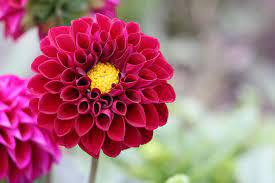
    a large brightly coloured garden flower, often like a ball in shape

    The dahlia was declared the national flower of Mexico in 1963.

    La dalia fue declarada flor nacional de México en 1963.

    Sinónimosgarden dahliasingle dahliapompon dahlia
    Antónimosdahliadahlia pinnata
  27. 27

    Daisy(noun)

    /ˈdeɪzi/

    margarita

    a small wild flower with white petals around a yellow centre; a taller plant with similar but larger flowers

    Daisies are one of the most recognizable and common flowers.

    Las margaritas son una de las flores más reconocibles y comunes.

    SinónimosBellis perennisDay's eye
    Antónimoscommon daisycowpen daisycrown daisydaisydaisy fleabanedaisy wheeldaisy-bushdaisy-chain
  28. 28

    Dandelion(noun)

    /ˈdændɪlaɪən/

    diente de león

    a small wild plant with a bright yellow flower that becomes a soft white ball of seeds called a dandelion clock

    Dandelions are thought to have evolved about 30 million years ago in Eurasia

    Se cree que los dientes de león evolucionaron hace unos 30 millones de años en Eurasia.

    Sinónimosblowballlion's toothpiss-a-bed
  29. 29

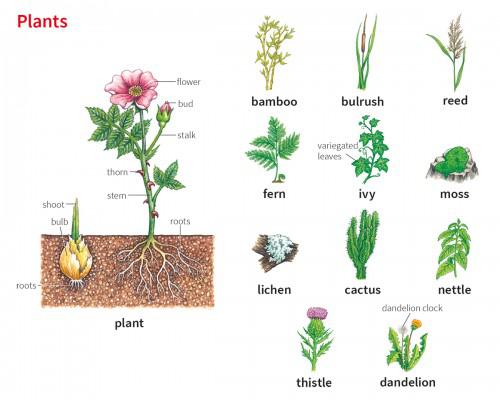
    Fern(noun)

    /fɜːrn/

    helecho

    a plant with large attractive leaves and no flowers that grows in wet areas or is grown in a pot. There are many types of fern .

    Ferns first appear in the fossil record about 360 million years ago in the middle Devonian period

    Los helechos aparecen por primera vez en el registro fósil hace unos 360 millones de años, en el período Devónico medio.

    Sinónimosbrackenground coverforest plant
    Antónimos(Generally antonyms don't apply to specific plant types like ferns. More general antonyms would be) TreeShrubFlower
  30. 30

    Fig tree(noun)

    /fɪg triː/

    higuera

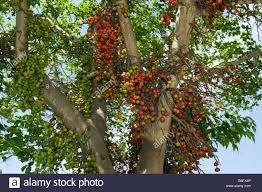
    a tree on which figs grow

    Figs are a delicious treat that thrive in warm climates but can also be grown in more temperate regions with a bit of extra care.

    Los higos son un manjar delicioso que prospera en climas cálidos, pero que también se puede cultivar en regiones más templadas con un poco de cuidado adicional.

    Sinónimosfigfig plantFicus carica
  31. 31

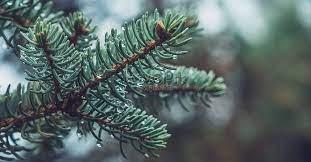
    Fir(noun)

    /fɜːr/

    abeto

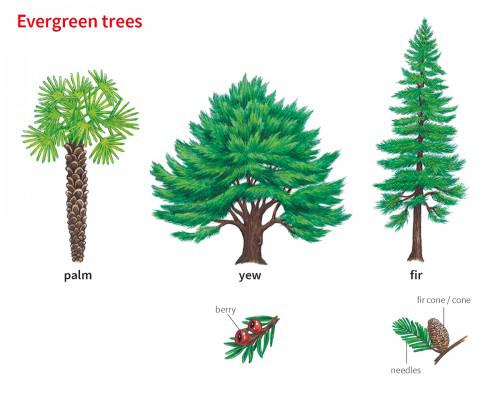
    an evergreen forest tree with leaves like needles

    Tall fir trees cover the side of the mountain.

    Altos abetos cubren la ladera de la montaña.

    Sinónimosevergreenconiferpinespruce
    Antónimosdeciduous tree
  32. 32

    Forget-me-not(noun)

    /fərˈɡet miː nɑːt/

    nomeolvides

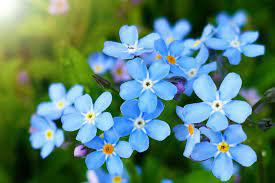
    a low-growing plant with small, light-blue flowers

    In The Netherlands, the forget-me-not has become a symbol for Alzheimer Nederland, a foundation advocating for people suffering from dementia.

    En los Países Bajos, el nomeolvides se ha convertido en un símbolo de Alzheimer Nederland, una fundación que defiende a las personas que padecen demencia.

    SinónimosAnchusaMyosotislove token
  33. 33

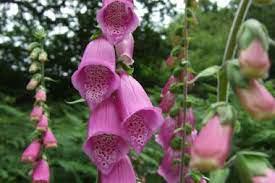
    Foxglove(noun)

    /ˈfɑːksɡlʌv/

    dedalera

    a tall plant with purple or white flowers that are like bells in shape growing up its stem

    Foxglove has medicinal uses but can also be toxic to humans and other animals.

    La dedalera tiene usos medicinales, pero también puede ser tóxica para los humanos y otros animales.

    SinónimosDigitalisDead Man's BellsFairy FingersWitches' Gloves
  34. 34

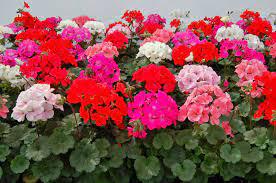
    Geranium(noun)

    /dʒəˈreɪniəm/

    geranio

    a garden plant with a mass of red, pink or white flowers on the end of each stem

    She keeps red geraniums on her balcony.

    Tiene geranios rojos en su balcón.

    Sinónimoscranesbill
  35. 35

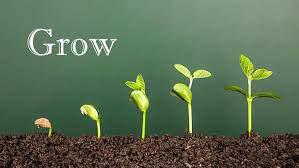
    Grow(verb)

    /ɡrəʊ/

    crecer

    to increase in size, number, strength or quality

    The region is too dry for plants to grow.

    La región es demasiado seca para que crezcan las plantas.

    Sinónimosdevelopincreaseexpandcultivateflourish
    Antónimosshrinkdeclinewitherdecreasediminish
  36. 36

    Hazel(noun)

    /ˈheɪzl/

    avellano

    a small tree that produces small nuts (called hazelnuts ) that can be eaten

    Hazels have simple, rounded leaves with double-serrate margins.

    Los avellanos tienen hojas simples y redondeadas con márgenes doblemente aserrados.

    Sinónimosfilbertcobnut tree
  37. 37

    Herb(noun)

    /ɜːrb/

    hierba

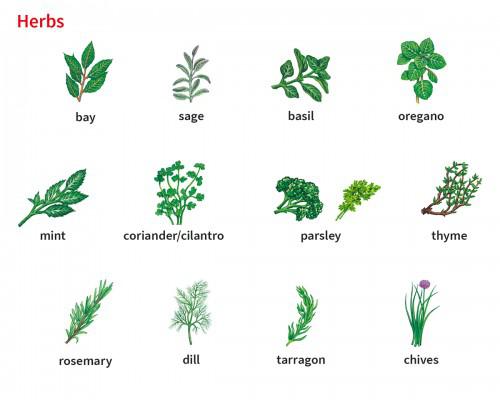
    a plant whose leaves, flowers or seeds are used to add taste to food, in medicines or for their pleasant smell. parsley , mint and oregano are all herbs .

    Herbs have a variety of uses including culinary, medicinal, and in some cases, spiritual.

    Las hierbas tienen una variedad de usos que incluyen culinarios, medicinales y, en algunos casos, espirituales.

    Sinónimosplantbotanicalgreeneryvegetationspice
    Antónimossyntheticartificialinorganic
  38. 38

    Ivy(noun)

    /ˈaɪvi/

    hiedra

    a climbing plant, especially one with dark green shiny leaves with five points

    Ivy seeds are spread by birds

    Las semillas de hiedra son dispersadas por los pájaros.

    Sinónimosclimbing vinecreepervine
    Antónimosn/a
  39. 39

    Lily(noun)

    /ˈlɪli/

    lirio, azucena

    a large white or brightly coloured flower with petals that curl back from the centre. There are many types of lily .

    Lilies are usually planted as bulbs in the autumn.

    Los lirios suelen plantarse como bulbos en otoño.

    Sinónimosflowerbulbous plantplant
    AntónimosNone (as a specific type of flowerit doesn't have direct antonyms)Different flower type (e.g.rosetulip)
  40. 40

    Moss(noun)

    /mɔːs/

    musgo

    a very small green or yellow plant without flowers that spreads over wet surfaces, rocks, trees, etc.

    Mosses are commonly confused with liverworts, hornworts and lichens.

    Los musgos se confunden comúnmente con las hepáticas, los antoceros y los líquenes.

    Sinónimosbryophytelichen (sometimes used loosely)
    Antónimosvascular planttreeflower
  41. 41

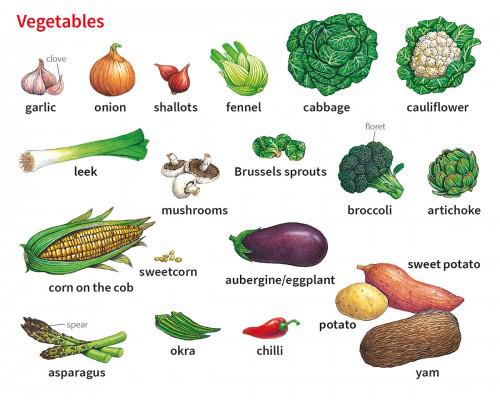
    Mushroom(noun)

    /ˈmʌʃrʊm/

    seta

    a fungus with a round flat head and short stem . Many mushrooms can be eaten.

    They went into the woods to pick wild mushrooms.

    Fueron al bosque a recoger setas silvestres.

    Sinónimosfungustoadstoolagaric
    Antónimosshrinkshrivel
  42. 42

    Nettle(noun)

    /ˈnetl/

    ortiga

    a wild plant with leaves that have pointed edges, are covered in fine hairs and sting (= cause you pain) if you touch them

    The nettles had spread and now covered half the garden.

    Las ortigas se habían extendido y ahora cubrían la mitad del jardín.

    Sinónimosstinging nettleburnweed
    Antónimosharmless plantsoothing plant
  43. 43

    Oak(noun)

    /əʊk/

    roble

    a large tree that produces small nuts called acorns . Oaks are common in northern countries and can live to be hundreds of years old.

    The forest is famous for its ancient oak trees.

    El bosque es famoso por sus antiguos robles.

    SinónimosQuercus (scientific name)
    Antónimospinebirchelm
  44. 44

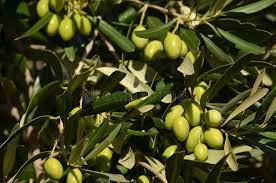
    Olive tree(noun)

    /ˈɒlɪv triː/

    olivo

    a tree on which olives grow

    The olive tree, Olea europaea, is an evergreen tree or shrub native to Mediterranean Europe, Asia, and Africa.

    El olivo, Olea europaea, es un árbol o arbusto de hoja perenne originario de la Europa mediterránea, Asia y África.

    SinónimosoliveOlea europaeaolive plant
    Antónimosdeciduous treefruitless tree
  45. 45

    Orchid(noun)

    /ˈɔːrkɪd/

    orquídea

    a plant with brightly coloured flowers of unusual shapes. There are many different types of orchid and some of them are very rare.

    Orchids are easily distinguished from other plants, as they share some very evident derived characteristics or synapomorphies.

    Las orquídeas se distinguen fácilmente de otras plantas, ya que comparten algunas características derivadas o sinapomorfias muy evidentes.

    Sinónimosnone (orchid is specific)
    Antónimoscommon plant
  46. 46

    Pine(noun)

    /paɪn/

    pino

    an evergreen forest tree with leaves like needles

    Pine is one of the more extensively used types of wood used as lumber.

    El pino es uno de los tipos de madera más utilizados como madera de construcción.

    Sinónimosfirevergreenconifer
    Antónimosdeciduous treehardwood
  47. 47

    Poppy(noun)

    /ˈpɑːpi/

    amapola

    a wild or garden plant, with a large delicate flower that is usually red, and small black seeds. Opium is obtained from one type of poppy .

    Poppy oil is often used as cooking oil, salad dressing oil, or in products such as margarine.

    El aceite de amapola se usa a menudo como aceite de cocina, aceite para aderezar ensaladas o en productos como la margarina.

    Sinónimoscorn poppyopium poppyflander's poppypapaver
    Antónimosclustered poppy mallowcorn poppypoppypoppycock
  48. 48

    Primrose(noun)

    /ˈprɪmrəʊz/

    primavera, prímula

    a small wild plant that produces pale yellow flowers in spring

    Primrose is a small, perennial woodland plant that grows no more than 10cm high and can flower from December through to May

    La primavera es una pequeña planta perenne del bosque que no crece más de 10 cm de altura y puede florecer desde diciembre hasta mayo.

    SinónimosCowslipOxlipPolyanthus
    Antónimoscommon evening primrosecommon evening primroseprimrose
  49. 49

    Root(noun)

    /ruːt/

    raíz

    the part of a plant that grows under the ground and takes in water and minerals that it sends to the rest of the plant

    Tree roots can cause damage to buildings.

    Las raíces de los árboles pueden causar daños a los edificios.

    Sinónimosoriginsourcebasecausefoundationunderlying cause
    Antónimosbranchleafresultconsequenceoutgrowth
  50. 50

    Rose(noun)

    /rəʊz/

    rosa

    a flower with a sweet smell that grows on a bush with thorns (= sharp points) on its stems

    He gave her a bunch of red roses.

    Le regaló un ramo de rosas rojas.

    SinónimosBlossomFlowerBloomRosette
    AntónimosThornWeedUgliness
  51. 51

    Shrub(noun)

    /ʃrʌb/

    arbusto

    a large plant that is smaller than a tree and that has several stems of wood coming from the ground

    Shrubs are perennial woody plants

    Los arbustos son plantas leñosas perennes.

    Sinónimosbushhedgescrub
    Antónimostree
  52. 52

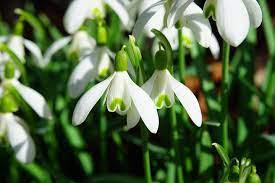
    Snowdrop(noun)

    /ˈsnəʊdrɑːp/

    campanilla de invierno

    a small white flower that appears in early spring

    Snowdrops have been known since the earliest times under various names

    Las campanillas de invierno se conocen desde tiempos remotos con diversos nombres.

    SinónimosgalanthusFebruary fair maid
  53. 53

    Thorn(noun)

    /θɔːrn/

    espina

    a small sharp, pointed part on the stem of some plants, such as roses

    The rose bush has many thorns.

    El rosal tiene muchas espinas.

    Sinónimospricklespikebarbspine
    Antónimosbenefitadvantagesmoothnessprotection
  54. 54

    Trunk(noun)

    /trʌŋk/

    Tronco

    the thick main stem of a tree, that the branches grow from

    An instrument made from a hollowed-out tree trunk.

    Un instrumento hecho de un tronco de árbol ahuecado.

    SinónimosStemTorsoBodyShaftBole
    AntónimosBranchLimbTwigTopCrown
  55. 55

    Tulip(noun)

    /ˈtuːlɪp/

    tulipán

    a large, brightly coloured spring flower, like a cup in shape, on a tall stem

    Tulips originally were found in a band stretching from Southern Europe to Central Asia

    Los tulipanes se encontraron originalmente en una franja que se extendía desde el sur de Europa hasta Asia Central.

    Sinónimosbulbflowerblossom
  56. 56

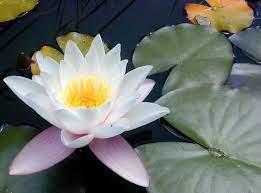
    Water lily(noun)

    /ˈwɔːtər lɪli/

    nenúfar

    a plant that floats on the surface of water, with large, round, flat leaves and white, yellow or pink flowers

    Pink water lilies catch the glow of sunrise.

    Los nenúfares rosas capturan el resplandor del amanecer.

    SinónimosNymphaealotuspond lily
  57. 57

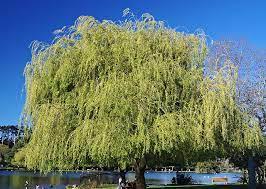
    Weeping willow(noun)

    /ˈwiːpɪŋ ˈwɪləʊ/

    sauce llorón

    a willow tree with long thin branches that hang down towards the ground

    Weeping willow is a medium- to large-sized deciduous tree.

    El sauce llorón es un árbol caducifolio de tamaño mediano a grande.

    Sinónimosweeping treependulous willow
    Antónimosupright treenon-weeping willow
  58. 58

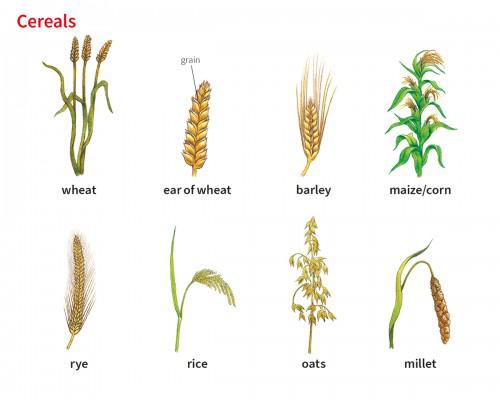
    Wheat(noun)

    /wiːt/

    trigo

    a plant grown for its grain that is used to produce the flour for bread, cakes, pasta , etc.; the grain of this plant

    The land at Scampston is mainly sandy, so only wheats are grown.

    La tierra en Scampston es principalmente arenosa, por lo que solo se cultiva trigo.

    Sinónimosgraincereal
    AntónimosNone (in the sense of a direct opposite food)Other grains (ricecornoatsetc.)
  59. 59

    Yew(noun)

    /juː/

    tejo

    a small tree with dark green leaves and small red berries

    Yew trees contain the highly poisonous taxane alkaloids that have been developed as anti-cancer drugs.

    Los tejos contienen alcaloides taxanos altamente venenosos que se han desarrollado como fármacos contra el cáncer.

    Sinónimosevergreentaxus
    Antónimosdyeweedeyewasheyewatereyewitnessyew