Aralin 2/202 · 59 salita · 0 natutunan
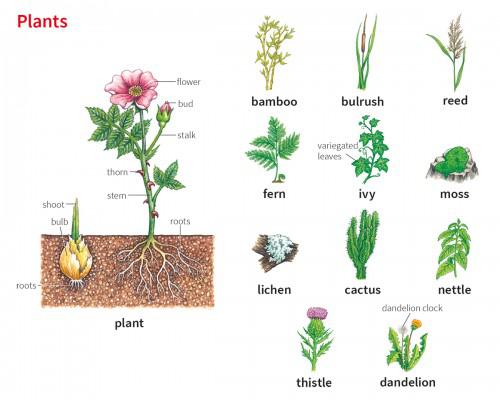
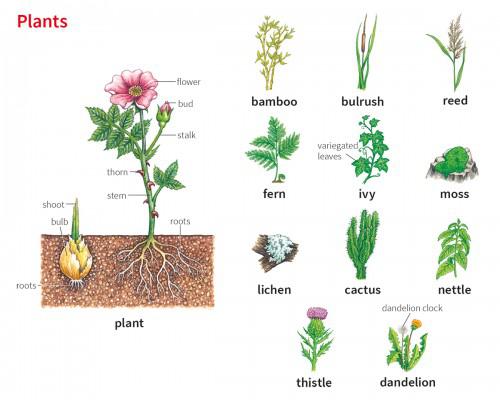
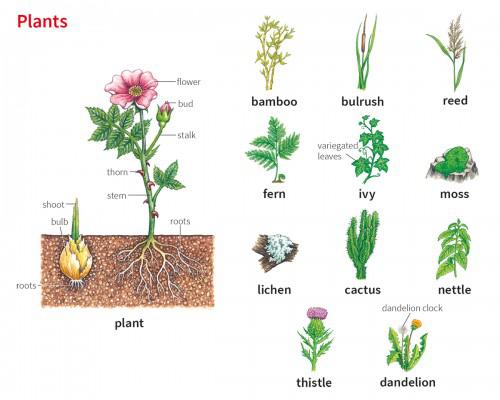
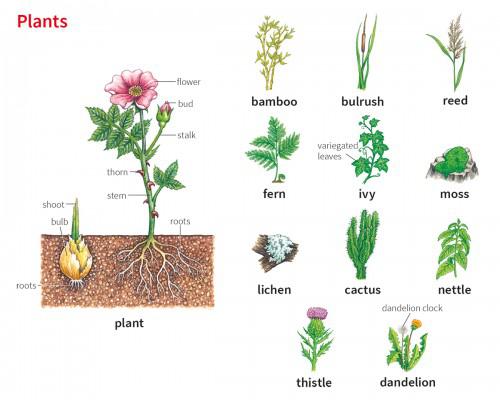
Plants
Mga Halaman
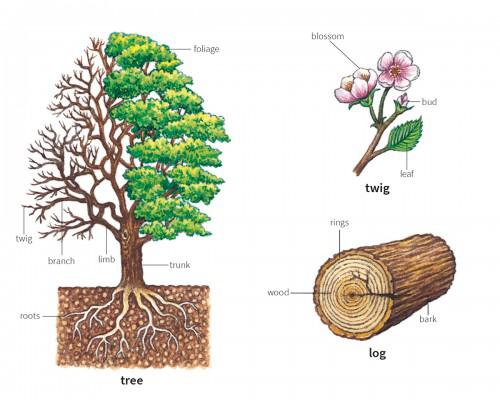
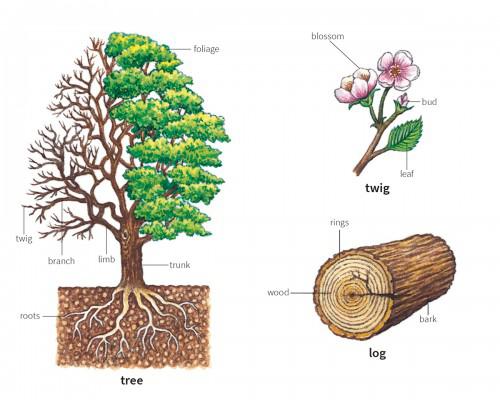
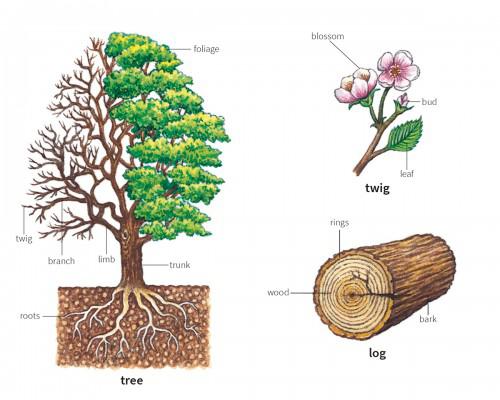
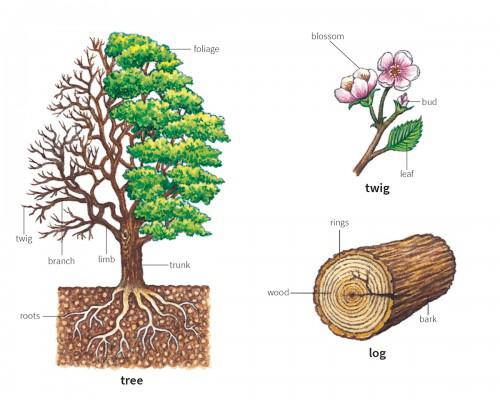
kahoy
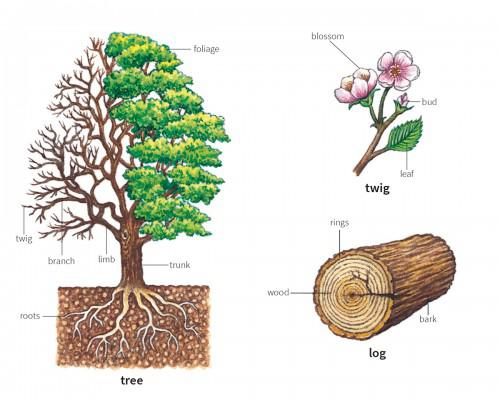
the hard material that the trunk and branches of a tree are made of; this material when it is used to build or make things with, or as a fuel
He chopped some wood for the fire.
Tumaga siya ng kahoy para sa apoy.
KasingkahulugantimberlumberfirewoodkindlingKasalungatmetalstoneplasticdahon
a flat green part of a plant, growing from a stem or branch or from the root
The leaves on the trees were beginning to turn from green to orange.
Ang mga dahon sa mga puno ay nagsisimula nang magbago mula berde patungo sa kulay kahel.
KasingkahuluganfrondfoliagebladeKasalungattrunkbranchrootpuno
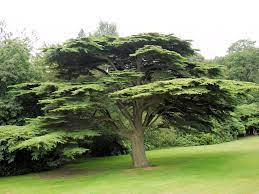
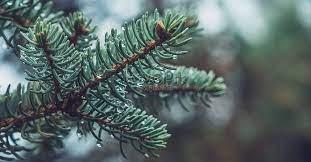
a tall plant that can live a long time. Trees have a thick central wooden trunk from which branches grow, usually with leaves on them
My father likes planting trees.
Gusto ng tatay ko ang magtanim ng mga puno.
to chop/cut down a tree
KasingkahuluganplantsaplingtimberwoodKasalungatnone (in the sense of a single word antonym)shrubbushbulaklak
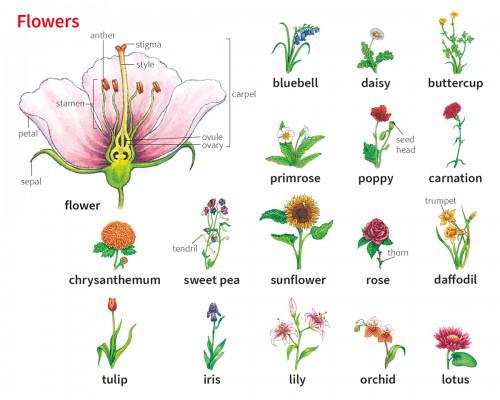
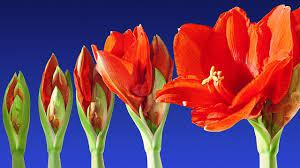
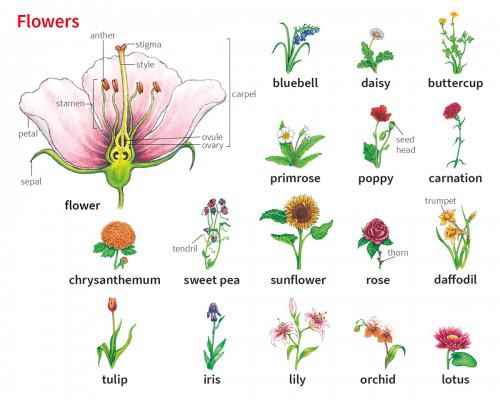
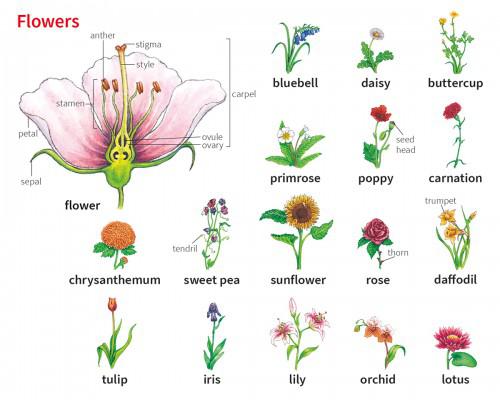
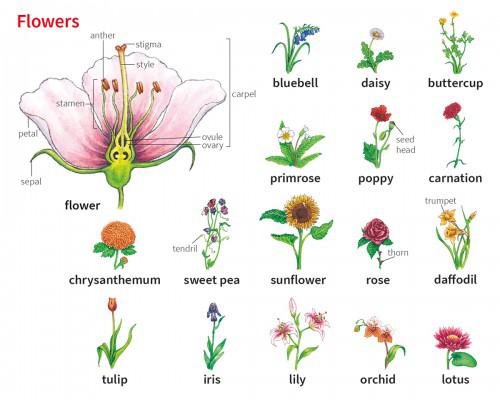
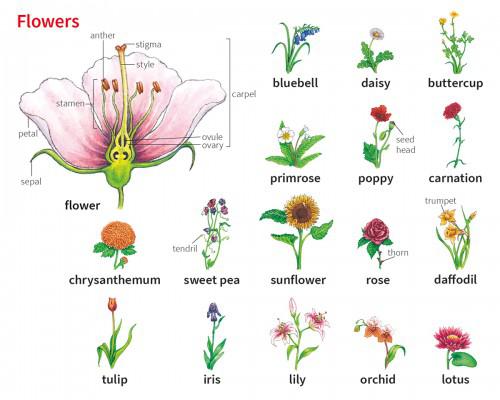
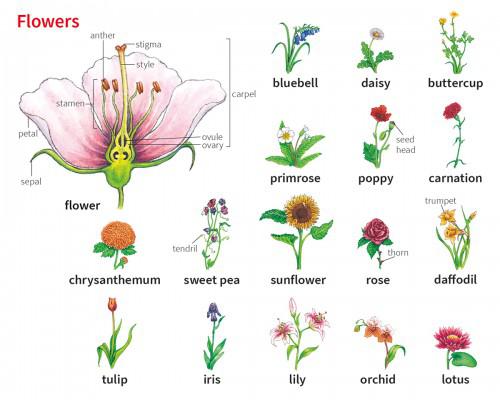
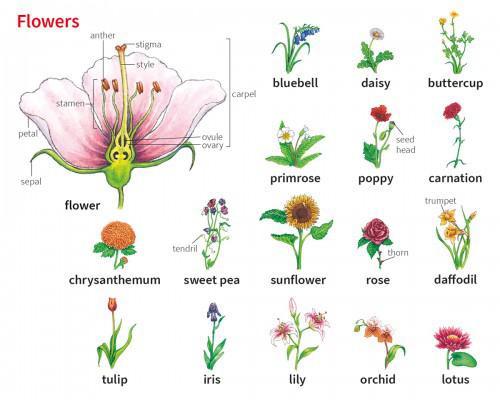
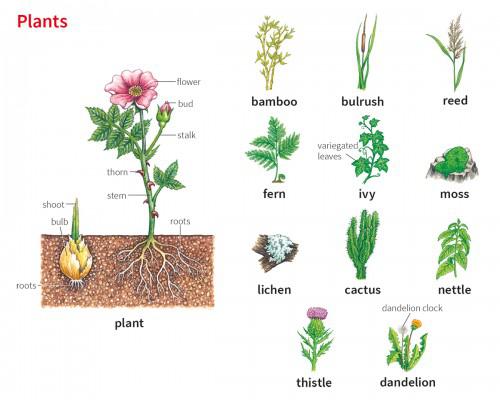
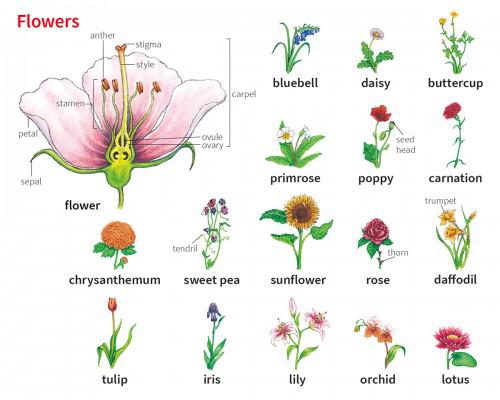
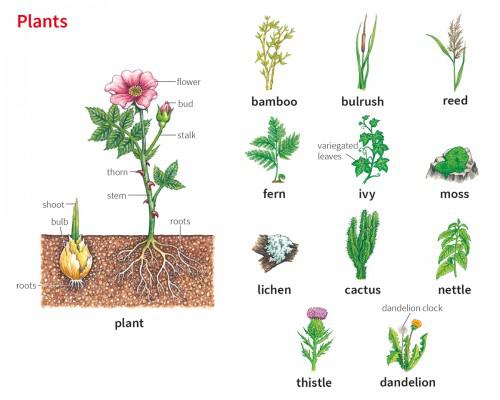
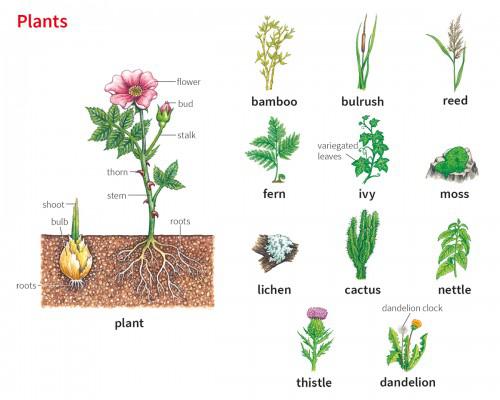
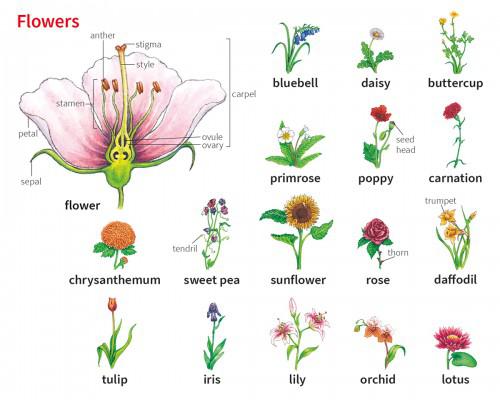
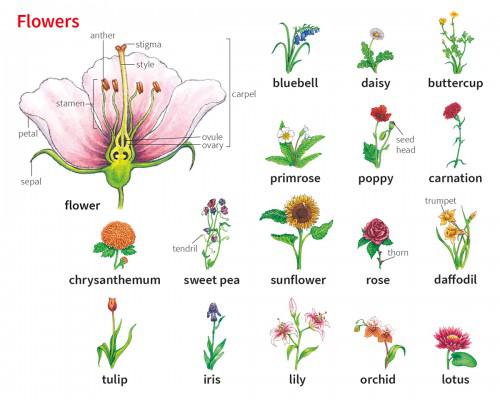
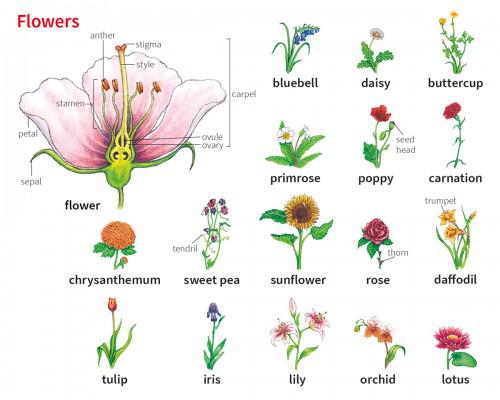
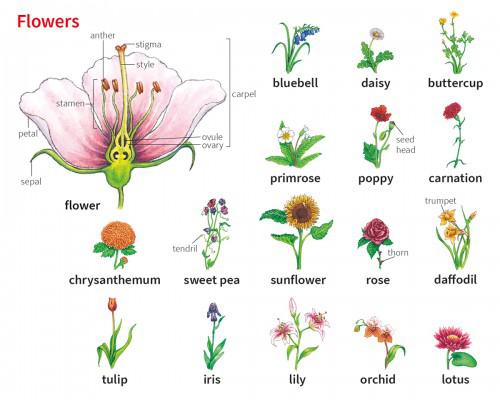
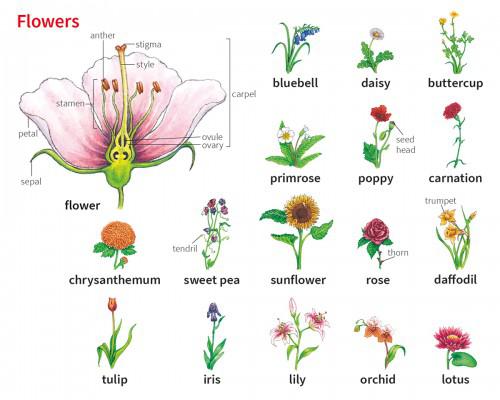
the coloured part of a plant from which the seed or fruit develops. Flowers usually grow at the end of a stem and last only a short time.
Do you like flowers?
Gusto mo ba ng mga bulaklak?
The plant has a beautiful bright red flower.
KasingkahuluganblossombloomfloralKasalungatweedthornvegetationsanga
a part of a tree that grows out from the main stem and on which leaves, flowers and fruit grow
She climbed the tree and hid in the branches.
Umakyat siya sa puno at nagtago sa mga sanga.
They all put a bet on the race.
KasingkahuluganlimboffshootboughdivisionsectionarmKasalungattrunkmainstemwholebinhi
the small hard part produced by a plant, from which a new plant can grow
These vegetables can be grown from seed.
Ang mga gulay na ito ay maaaring itanim mula sa binhi.
seed potatoes(= used for planting)
KasingkahulugankernelgraingermsourceoriginbeginningKasalungatfruitproductoutcomeendbracken, pako
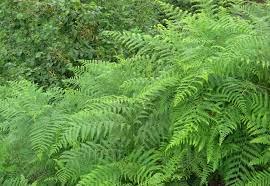
a wild plant with large leaves that grows thickly on hills and in woods and turns brown in the autumn
The hillside was covered in brown bracken.
Natatakpan ng kayumangging bracken ang gilid ng burol.
KasingkahuluganfernbrakeKasalungatNone (as a specific type of fernthere isn't a direct antonym)usbong
a small closed part that grows on a plant and from which a flower, leaf or stem develops; a flower or leaf that is not fully open
The first buds appearing in spring
Ang mga unang usbong na lumalabas sa tagsibol
KasingkahulugansproutshootgermburgeonoffshootKasalungatbloomflowermaturekaktus
a plant that grows in hot dry regions, especially one with thick stems covered in spines but without leaves. There are many different types of cactus .
Cactus stems are often ribbed or fluted
Ang mga tangkay ng kaktus ay madalas na may tadyang o may mga kanal.
Kasingkahulugansucculentprickly plantdesert plantKasalungatNone (Cactus is a specific type of plant)krisantemo
a large, brightly coloured garden flower that is like a ball in shape and is made up of many long narrow petals
In Japan, a form of bonsai chrysanthemum was developed over the centuries.
Sa Japan, isang uri ng bonsai na krisantemo ay nabuo sa loob ng maraming siglo.
Kasingkahuluganmumchrysanthkrokus
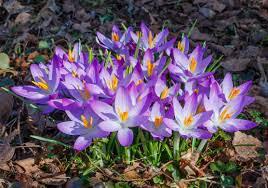
a small yellow, purple or white flower that appears in early spring
Purple crocuses appear in the garden in early spring.
Sumisibol ang mga lilang krokus sa hardin sa unang bahagi ng tagsibol.
Kasingkahulugansaffron crocusautumn crocusspring crocusKasalungatcrocuscrocus sativusdilaw na liryo
a tall yellow spring flower that is like a trumpet in shape. It is a national symbol of Wales.
The daffodil is the national flower of Wales and the symbol of cancer charities in many countries.
Ang dilaw na liryo ay ang pambansang bulaklak ng Wales at simbolo ng mga charity para sa cancer sa maraming bansa.
KasingkahulugannarcissusjonquilKasalungatdaffodildaffodil garlicdaffodillydahlia
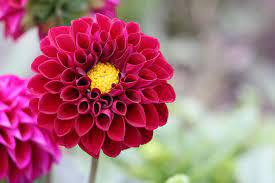
a large brightly coloured garden flower, often like a ball in shape
The dahlia was declared the national flower of Mexico in 1963.
Idineklara ang dahlia bilang pambansang bulaklak ng Mexico noong 1963.
Kasingkahulugangarden dahliasingle dahliapompon dahliaKasalungatdahliadahlia pinnataDaisy
a small wild flower with white petals around a yellow centre; a taller plant with similar but larger flowers
Daisies are one of the most recognizable and common flowers.
Ang mga Daisy ay isa sa mga pinaka nakikilala at karaniwang bulaklak.
KasingkahuluganBellis perennisDay's eyeKasalungatcommon daisycowpen daisycrown daisydaisydaisy fleabanedaisy wheeldaisy-bushdaisy-chaindandelion
a small wild plant with a bright yellow flower that becomes a soft white ball of seeds called a dandelion clock
Dandelions are thought to have evolved about 30 million years ago in Eurasia
Inakala na ang mga dandelion ay nag-evolve mga 30 milyong taon na ang nakalipas sa Eurasia.
Kasingkahuluganblowballlion's toothpiss-a-bedpako
a plant with large attractive leaves and no flowers that grows in wet areas or is grown in a pot. There are many types of fern .
Ferns first appear in the fossil record about 360 million years ago in the middle Devonian period
Unang lumitaw ang mga pako sa fossil record mga 360 milyong taon na ang nakalilipas sa gitnang panahong Deboniyano.
Kasingkahuluganbrackenground coverforest plantKasalungat(Generally antonyms don't apply to specific plant types like ferns. More general antonyms would be) TreeShrubFlowerpuno ng igos
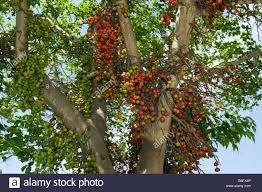
a tree on which figs grow
Figs are a delicious treat that thrive in warm climates but can also be grown in more temperate regions with a bit of extra care.
Ang igos ay masarap na pagkain na lumalago sa mainit na klima ngunit maaari ring itanim sa mas katamtamang rehiyon nang may kaunting dagdag na pag-aalaga.
Kasingkahuluganfigfig plantFicus caricaforget-me-not
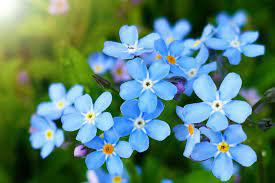
a low-growing plant with small, light-blue flowers
In The Netherlands, the forget-me-not has become a symbol for Alzheimer Nederland, a foundation advocating for people suffering from dementia.
Sa Netherlands, ang forget-me-not ay naging simbolo ng Alzheimer Nederland, isang pundasyong nagsusulong para sa mga taong dumaranas ng demensya.
KasingkahuluganAnchusaMyosotislove tokendigitalis
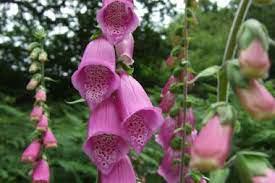
a tall plant with purple or white flowers that are like bells in shape growing up its stem
Foxglove has medicinal uses but can also be toxic to humans and other animals.
Ang digitalis ay may mga gamit na pang-medisina ngunit maaari ring maging lason sa mga tao at iba pang hayop.
KasingkahuluganDigitalisDead Man's BellsFairy FingersWitches' Glovesherba
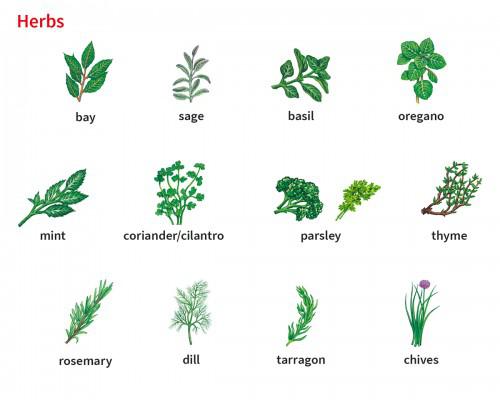
a plant whose leaves, flowers or seeds are used to add taste to food, in medicines or for their pleasant smell. parsley , mint and oregano are all herbs .
Herbs have a variety of uses including culinary, medicinal, and in some cases, spiritual.
Ang mga herba ay may iba't ibang gamit kasama na ang culinaryo, medisinal, at sa ilang mga kaso, espirituwal.
KasingkahuluganplantbotanicalgreeneryvegetationspiceKasalungatsyntheticartificialinorganicliryo
a large white or brightly coloured flower with petals that curl back from the centre. There are many types of lily .
Lilies are usually planted as bulbs in the autumn.
Karaniwang itinatanim ang mga liryo bilang bombilya tuwing taglagas.
Kasingkahuluganflowerbulbous plantplantKasalungatNone (as a specific type of flowerit doesn't have direct antonyms)Different flower type (e.g.rosetulip)lumot
a very small green or yellow plant without flowers that spreads over wet surfaces, rocks, trees, etc.
Mosses are commonly confused with liverworts, hornworts and lichens.
Ang mga lumot ay karaniwang napagkakamalang liverworts, hornworts, at lichens.
Kasingkahuluganbryophytelichen (sometimes used loosely)Kasalungatvascular planttreeflowerkulitis
a wild plant with leaves that have pointed edges, are covered in fine hairs and sting (= cause you pain) if you touch them
The nettles had spread and now covered half the garden.
Kumalat na ang mga kulitis at natakpan na ngayon ang kalahati ng hardin.
Kasingkahuluganstinging nettleburnweedKasalungatharmless plantsoothing plantroble
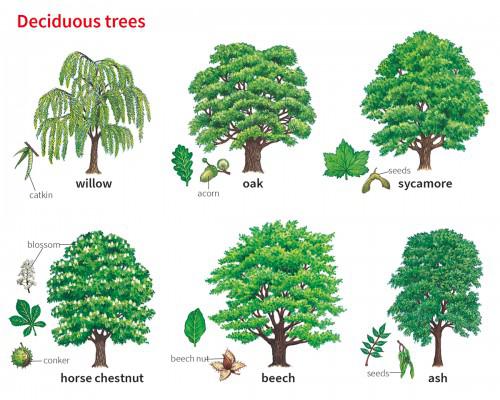
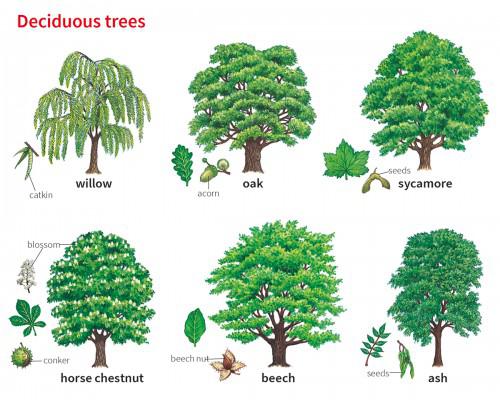
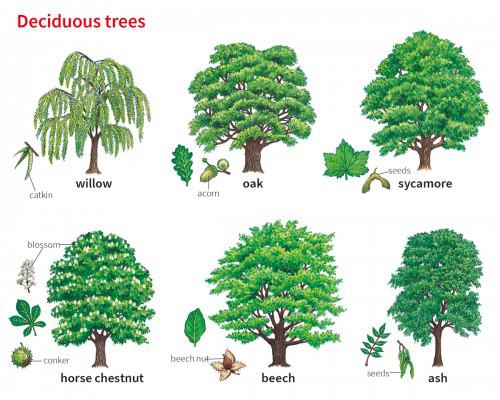
a large tree that produces small nuts called acorns . Oaks are common in northern countries and can live to be hundreds of years old.
The forest is famous for its ancient oak trees.
Sikat ang gubat dahil sa matatandang puno nito ng roble.
KasingkahuluganQuercus (scientific name)Kasalungatpinebirchelmpunong olibo
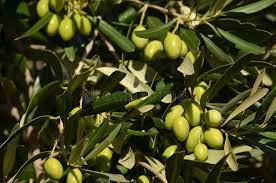
a tree on which olives grow
The olive tree, Olea europaea, is an evergreen tree or shrub native to Mediterranean Europe, Asia, and Africa.
Ang punong olibo, Olea europaea, ay isang parating berde na puno o palumpong na katutubo sa Mediterranean Europe, Asia, at Africa.
KasingkahuluganoliveOlea europaeaolive plantKasalungatdeciduous treefruitless treeorkidya
a plant with brightly coloured flowers of unusual shapes. There are many different types of orchid and some of them are very rare.
Orchids are easily distinguished from other plants, as they share some very evident derived characteristics or synapomorphies.
Ang mga orkidya ay madaling makilala mula sa ibang mga halaman, dahil nagtataglay sila ng ilang kitang-kitang katangiang nagmula o synapomorphies.
Kasingkahulugannone (orchid is specific)Kasalungatcommon plantamapola
a wild or garden plant, with a large delicate flower that is usually red, and small black seeds. Opium is obtained from one type of poppy .
Poppy oil is often used as cooking oil, salad dressing oil, or in products such as margarine.
Madalas gamitin ang langis ng amapola bilang langis pangluto, pampalasa sa salad, o sa mga produktong gaya ng margarina.
Kasingkahulugancorn poppyopium poppyflander's poppypapaverKasalungatclustered poppy mallowcorn poppypoppypoppycockPrimrosa
a small wild plant that produces pale yellow flowers in spring
Primrose is a small, perennial woodland plant that grows no more than 10cm high and can flower from December through to May
Ang Primrose ay isang maliit, pangmatagalang halamang panggubat na hindi lumalaki nang higit sa 10cm ang taas at maaaring mamulaklak mula Disyembre hanggang Mayo.
KasingkahuluganCowslipOxlipPolyanthusKasalungatcommon evening primrosecommon evening primroseprimroseugat
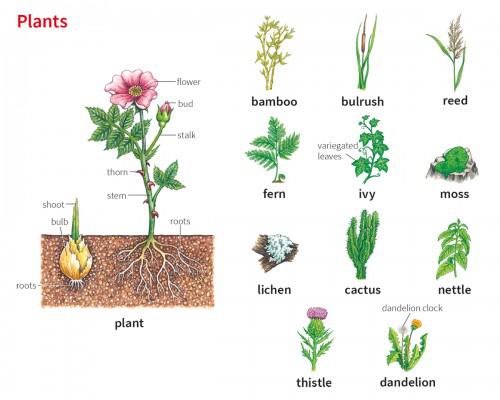
the part of a plant that grows under the ground and takes in water and minerals that it sends to the rest of the plant
Tree roots can cause damage to buildings.
Ang mga ugat ng puno ay maaaring magdulot ng pinsala sa mga gusali.
Kasingkahuluganoriginsourcebasecausefoundationunderlying causeKasalungatbranchleafresultconsequenceoutgrowthtulip
a large, brightly coloured spring flower, like a cup in shape, on a tall stem
Tulips originally were found in a band stretching from Southern Europe to Central Asia
Ang mga tulip ay orihinal na natagpuan sa isang banda na umaabot mula sa Timog Europa hanggang Gitnang Asya.
Kasingkahuluganbulbflowerblossomliryo ng tubig
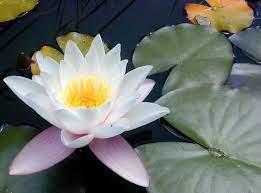
a plant that floats on the surface of water, with large, round, flat leaves and white, yellow or pink flowers
Pink water lilies catch the glow of sunrise.
Kinukuha ng mga kulay rosas na liryo ng tubig ang kislap ng pagsikat ng araw.
KasingkahuluganNymphaealotuspond lilyumiiyak na wilow, wilow
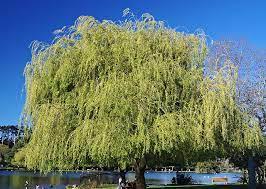
a willow tree with long thin branches that hang down towards the ground
Weeping willow is a medium- to large-sized deciduous tree.
Ang umiiyak na wilow ay isang katamtaman hanggang malaking nangungulag na puno.
Kasingkahuluganweeping treependulous willowKasalungatupright treenon-weeping willowtrigo
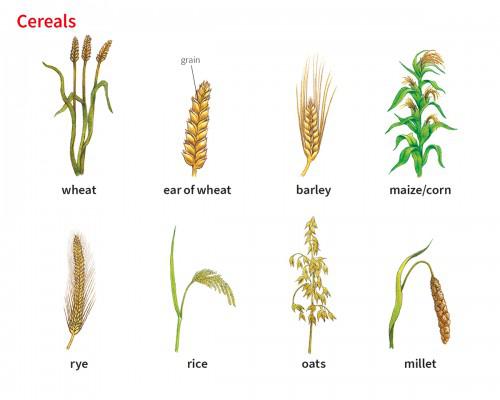
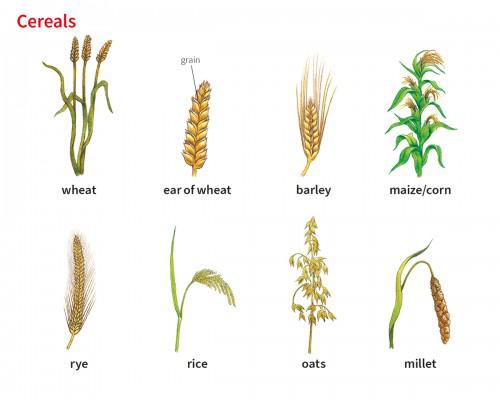
a plant grown for its grain that is used to produce the flour for bread, cakes, pasta , etc.; the grain of this plant
The land at Scampston is mainly sandy, so only wheats are grown.
Ang lupa sa Scampston ay pangunahing mabuhangin, kaya trigo lamang ang itinatanim.
KasingkahulugangraincerealKasalungatNone (in the sense of a direct opposite food)Other grains (ricecornoatsetc.)yew tree
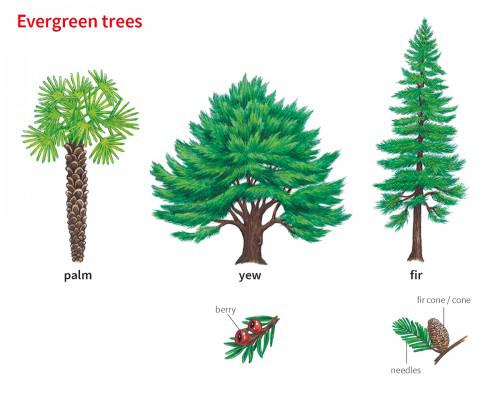
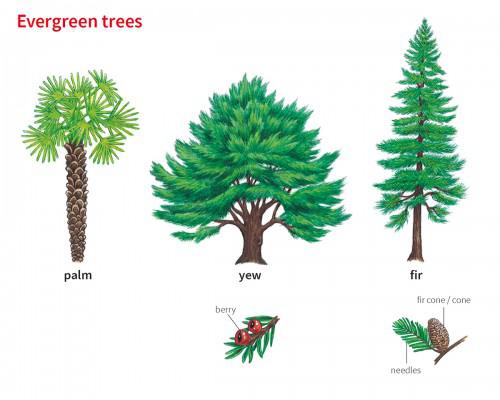
a small tree with dark green leaves and small red berries
Yew trees contain the highly poisonous taxane alkaloids that have been developed as anti-cancer drugs.
Ang mga punong yew ay naglalaman ng lubhang nakalalasong taxane alkaloids na nadebelop bilang mga gamot laban sa kanser.
KasingkahuluganevergreentaxusKasalungatdyeweedeyewasheyewatereyewitnessyew