Vai al contenuto

Lezione 2/202 · 59 parole · 0 imparate

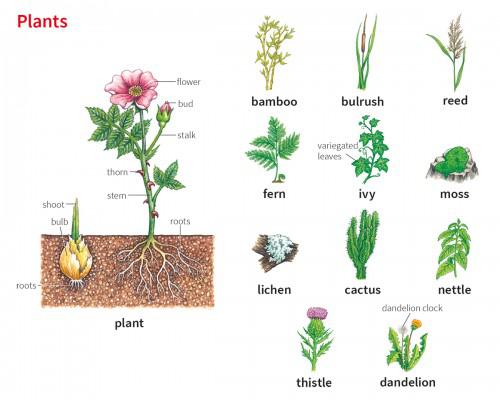
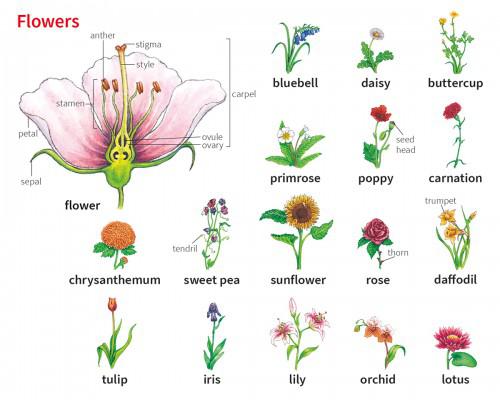
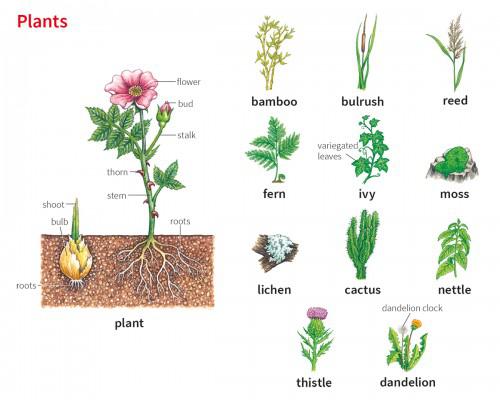
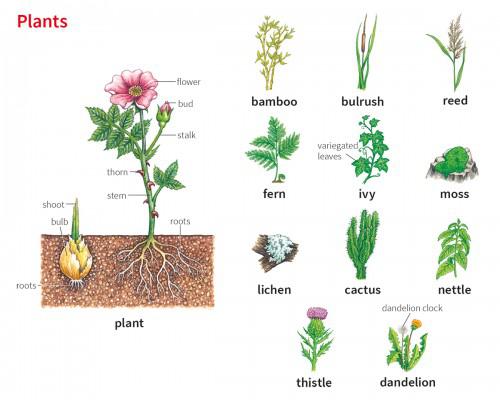
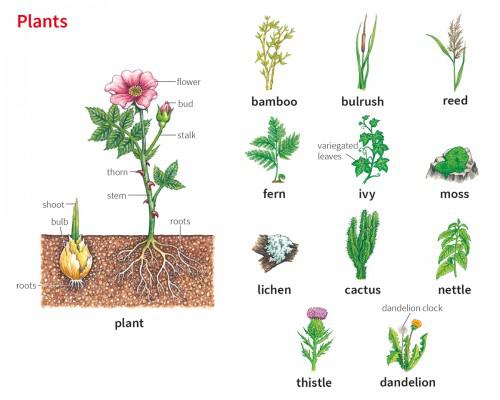
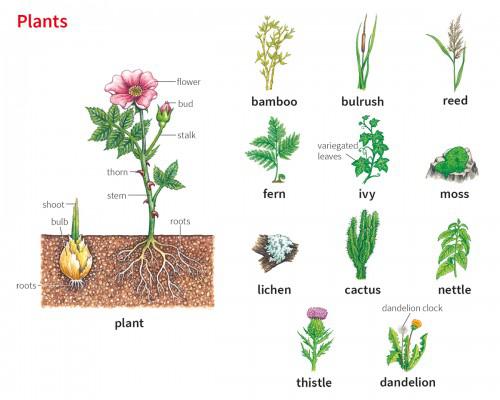
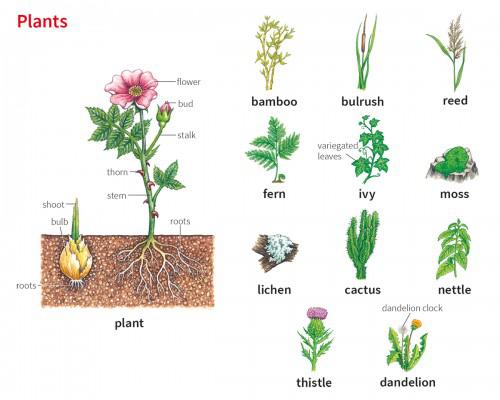
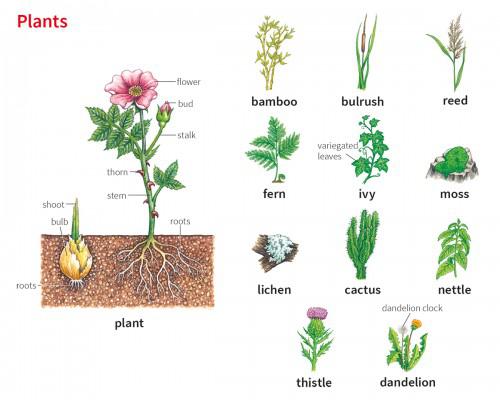
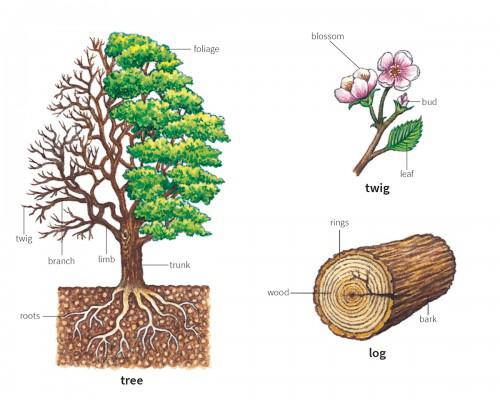
Plants

Piante

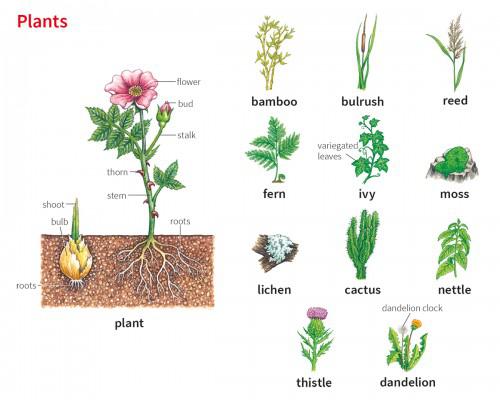
  1. 1

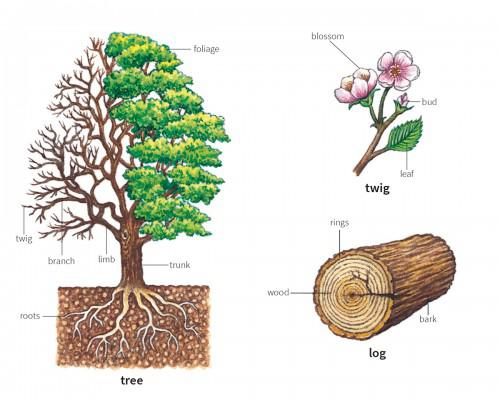
    wood(noun)

    /wʊd/

    legno, legna

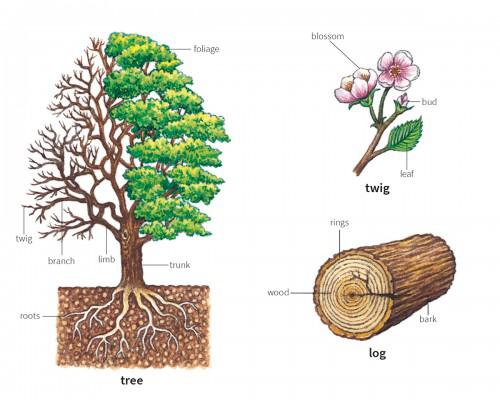
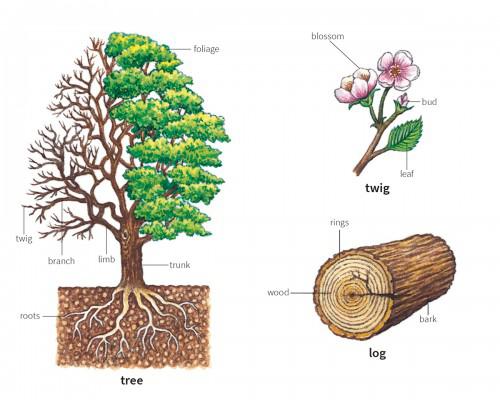
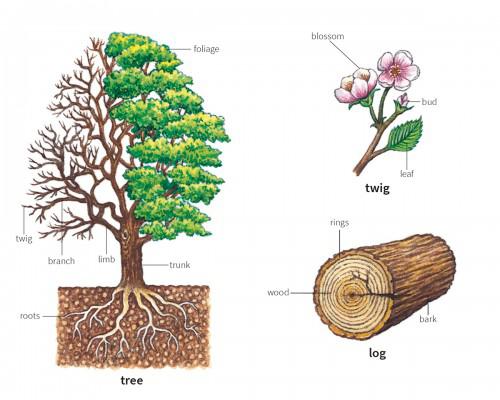
    the hard material that the trunk and branches of a tree are made of; this material when it is used to build or make things with, or as a fuel

    He chopped some wood for the fire.

    Ha tagliato un po' di legna per il fuoco.

    Sinonimitimberlumberfirewoodkindling
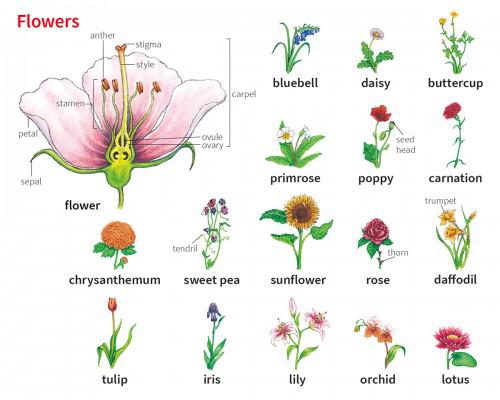
    Contrarimetalstoneplastic
  2. 2

    leaf(noun)

    /liːf/

    foglia

    a flat green part of a plant, growing from a stem or branch or from the root

    The leaves on the trees were beginning to turn from green to orange.

    Le foglie degli alberi cominciavano a passare dal verde all'arancione.

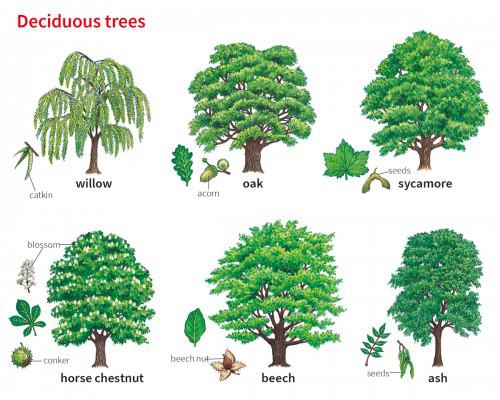
    Sinonimifrondfoliageblade
    Contraritrunkbranchroot
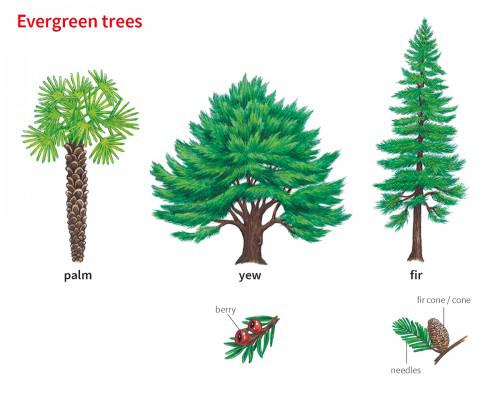
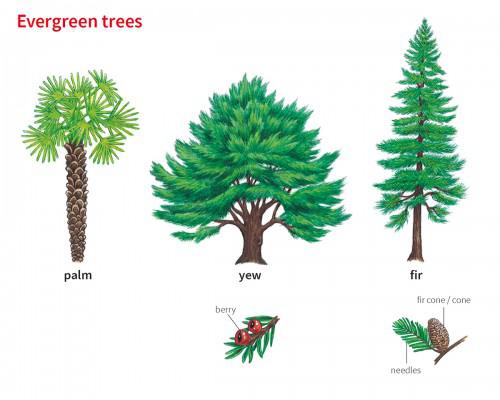
  3. 3

    tree(noun)

    /triː/

    albero

    a tall plant that can live a long time. Trees have a thick central wooden trunk from which branches grow, usually with leaves on them

    My father likes planting trees.

    A mio padre piace piantare alberi.

    to chop/cut down a tree

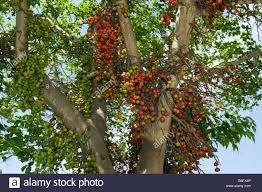
    Sinonimiplantsaplingtimberwood
    Contrarinone (in the sense of a single word antonym)shrubbush
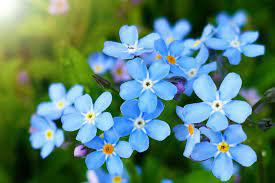
  4. 4

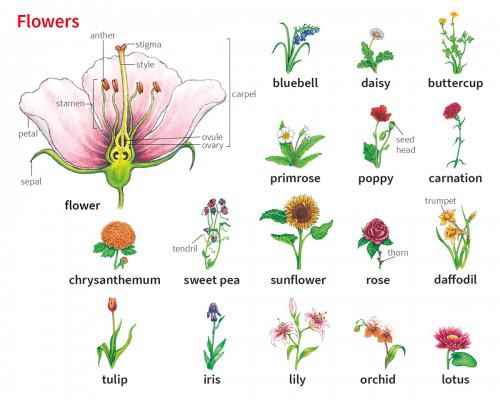
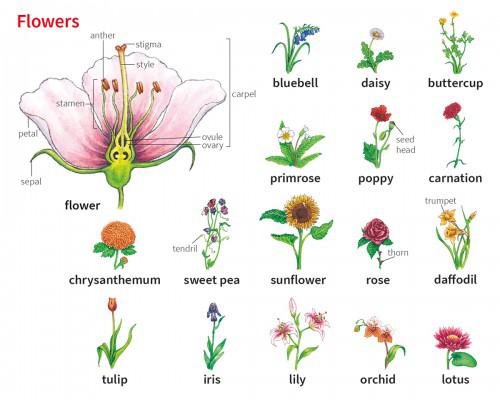
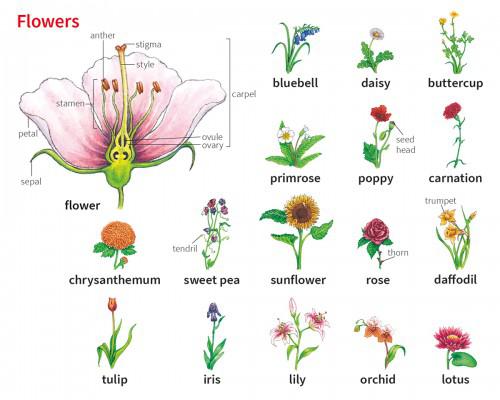
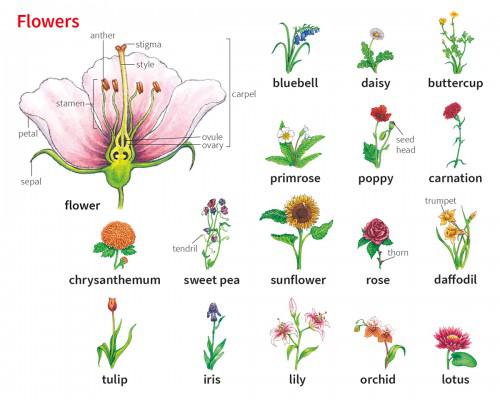
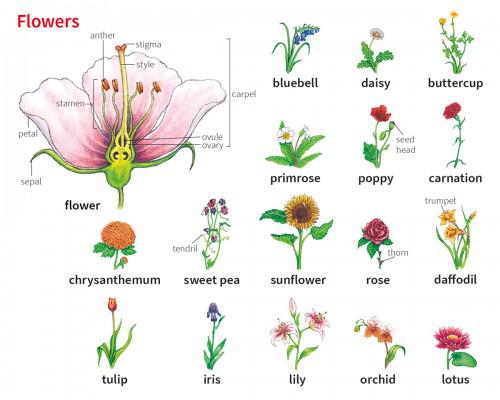
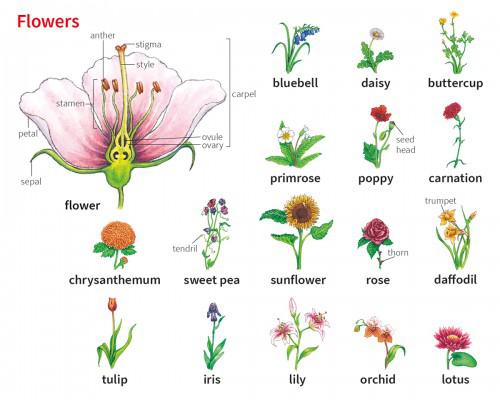
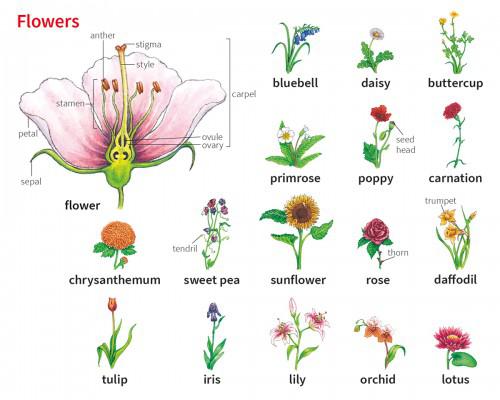
    flower(noun)

    /ˈflaʊər/

    fiore

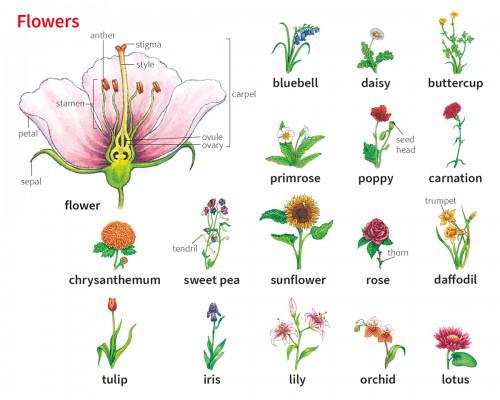
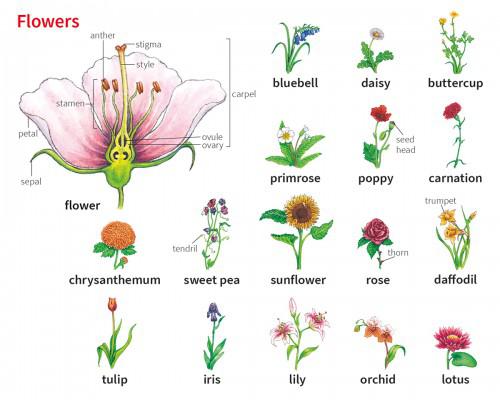
    the coloured part of a plant from which the seed or fruit develops. Flowers usually grow at the end of a stem and last only a short time.

    Do you like flowers?

    Ti piacciono i fiori?

    The plant has a beautiful bright red flower.

    Sinonimiblossombloomfloral
    Contrariweedthornvegetation
  5. 5

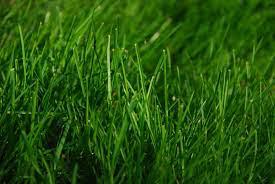
    grass(noun)

    /ɡræs/

    erba

    a common wild plant with narrow green leaves and stems that are eaten by cows, horses, sheep, etc.

    a blade of grass

    un filo d'erba

    The dry grass caught fire.

    Sinonimiturflawngreenswardherbagepasture
    Contraribare earthsoilconcretepavement
  6. 6

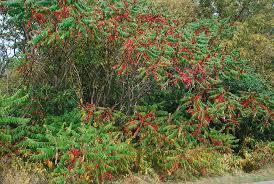
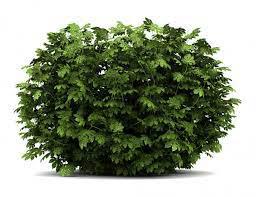
    bush(noun)

    /bʊʃ/

    cespuglio

    a plant that grows thickly with several hard stems coming up from the root

    She was hiding in the bushes at the side of the lane.

    Si nascondeva tra i cespugli a lato del viottolo.

    a rose bush

    Sinonimishrubhedgethicketscrub
    Contraritreeopen spaceclearing
  7. 7

    branch(noun)

    /bræntʃ/

    ramo

    a part of a tree that grows out from the main stem and on which leaves, flowers and fruit grow

    She climbed the tree and hid in the branches.

    Si arrampicò sull'albero e si nascose tra i rami.

    They all put a bet on the race.

    Sinonimilimboffshootboughdivisionsectionarm
    Contraritrunkmainstemwhole
  8. 8

    seed(noun)

    /siːd/

    seme, semente

    the small hard part produced by a plant, from which a new plant can grow
    These vegetables can be grown from seed.

    Queste verdure si possono coltivare dal seme.

    seed potatoes(= used for planting)

    Sinonimikernelgraingermsourceoriginbeginning
    Contrarifruitproductoutcomeend
  9. 9

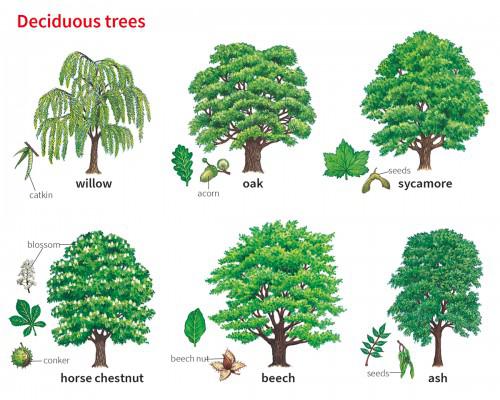
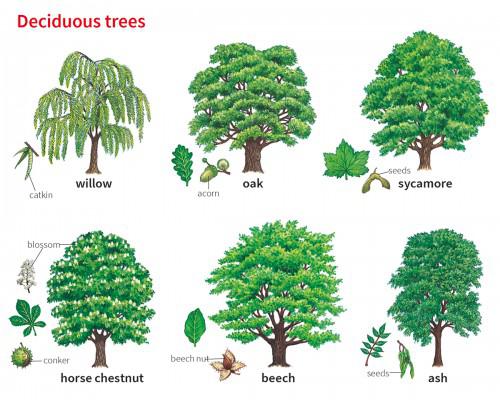
    Beech(noun)

    /biːtʃ/

    faggio

    a tall forest tree with smooth grey bark , shiny leaves and small nuts

    The great beeches towered up towards the sky.

    I grandi faggi si innalzavano verso il cielo.

    Sinonimitreeforest treewoodland tree
    Contrarishrubbushsmall plant
  10. 10

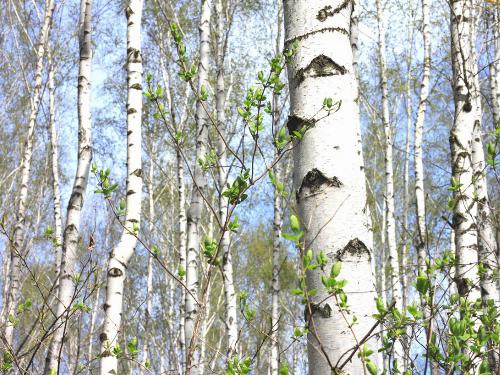
    Birch(noun)

    /bɜːrtʃ/

    betulla

    a tree with smooth bark and thin branches that grows in northern countries

    Birch species are generally small to medium-sized trees or shrubs

    Le specie di betulla sono in genere alberi o arbusti di piccola o media taglia

    Sinonimibirch tree
  11. 11

    Bloom(noun)

    /bluːm/

    fiore, fioritura

    a flower (usually one on a plant that people admire for its flowers)

    The plant produced a single white bloom.

    La pianta ha prodotto un unico fiore bianco.

    Sinonimiflowerblossomflourishthrivedevelop
    Contrariwiltfadedeclinedieshrink
  12. 12

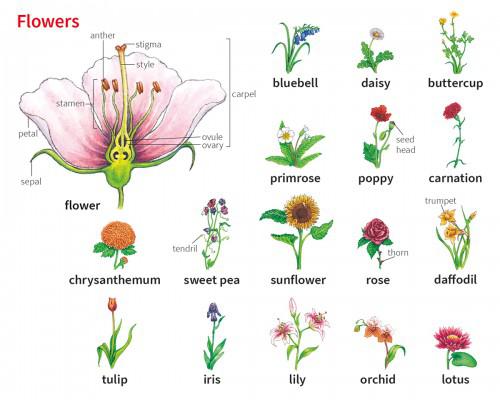
    Bluebell(noun)

    /ˈbluːbel/

    giacinto di bosco, campanella azzurra

    a garden or wild flower with a short stem and small blue or white flowers that have the shape of bells

    Bluebells carpeted the forest floor in spring.

    I giacinti di bosco tappezzavano il suolo della foresta in primavera.

    Sinonimiwild hyacinthendymionflowerplant
  13. 13

    Bracken(noun)

    /ˈbrækən/

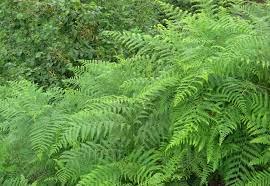
    felce aquilina

    a wild plant with large leaves that grows thickly on hills and in woods and turns brown in the autumn

    The hillside was covered in brown bracken.

    Il fianco della collina era coperto di felce aquilina marrone.

    Sinonimifernbrake
    ContrariNone (as a specific type of fernthere isn't a direct antonym)
  14. 14

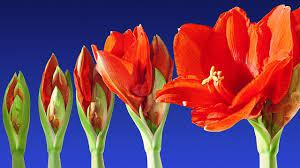
    Bud(noun)

    /bʌd/

    gemma, bocciolo, germoglio

    a small closed part that grows on a plant and from which a flower, leaf or stem develops; a flower or leaf that is not fully open

    The first buds appearing in spring

    Le prime gemme che spuntano in primavera

    Sinonimisproutshootgermburgeonoffshoot
    Contraribloomflowermature
  15. 15

    Buttercup(noun)

    /ˈbʌtərkʌp/

    ranuncolo

    a wild plant with small shiny yellow flowers that are like cups in shape

    The petals of buttercups are often highly lustrous

    I petali dei ranuncoli sono spesso molto lucenti

    Sinonimigoldcupcrowfoot
  16. 16

    Cactus(noun)

    /ˈkæktəs/

    cactus, pianta grassa

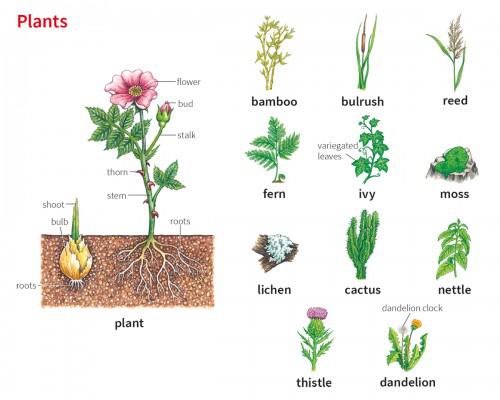
    a plant that grows in hot dry regions, especially one with thick stems covered in spines but without leaves. There are many different types of cactus .

    Cactus stems are often ribbed or fluted

    I fusti dei cactus sono spesso costoluti o scanalati.

    Sinonimisucculentprickly plantdesert plant
    ContrariNone (Cactus is a specific type of plant)
  17. 17

    Carnation(noun)

    /kɑːrˈneɪʃn/

    garofano

    a white, pink, red or yellow flower, often worn as a decoration on formal occasions

    Carnations were mentioned in Greek literature 2,000 years ago.

    I garofani erano già menzionati nella letteratura greca 2.000 anni fa.

    Sinonimiclove pinkpink
  18. 18

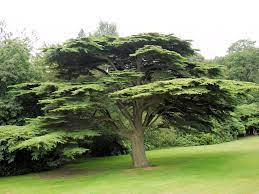
    Cedar(noun)

    /ˈsiːdər/

    cedro

    a tall evergreen tree with wide spreading branches

    An old cedar stood in the middle of the park.

    Un vecchio cedro si ergeva in mezzo al parco.

    Sinonimievergreenconifertimber
    Contrarideciduous (tree)broadleaf (tree)
  19. 19

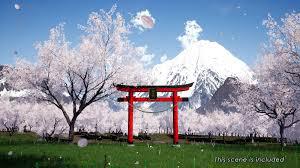
    Cherry tree(noun)

    /ˈʧɛri triː/

    ciliegio

    a tree on which cherries grow, or a similar tree, grown for its flowers

    The cherry tree in our garden is covered in pink flowers.

    Il ciliegio nel nostro giardino è coperto di fiori rosa.

    Sinonimiflowering cherryPrunus tree
  20. 20

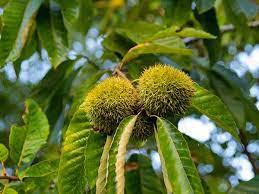
    Chestnut tree(noun)

    /ˈʧɛsnʌt triː/

    castagno

    a large tree with spreading branches that produces smooth brown nuts inside cases that are covered with spikes

    There are several types of chestnut tree.

    Esistono diversi tipi di castagno.

    Sinonimichestnutcastanea
  21. 21

    Chrysanthemum(noun)

    /krɪˈzænθəməm/

    crisantemo

    a large, brightly coloured garden flower that is like a ball in shape and is made up of many long narrow petals

    In Japan, a form of bonsai chrysanthemum was developed over the centuries.

    In Giappone, nel corso dei secoli, è stata sviluppata una forma di crisantemo bonsai.

    Sinonimimumchrysanth
  22. 22

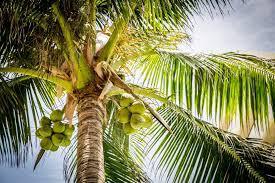
    Coconut tree(noun)

    /ˈkəʊkənʌt triː/

    palma da cocco

    a tall tropical palm tree that produces coconuts

    She climbed the coconut tree to get a fresh coconut.

    Si è arrampicata sulla palma da cocco per prendere una noce di cocco fresca.

    SinonimiCoconut palm
  23. 23

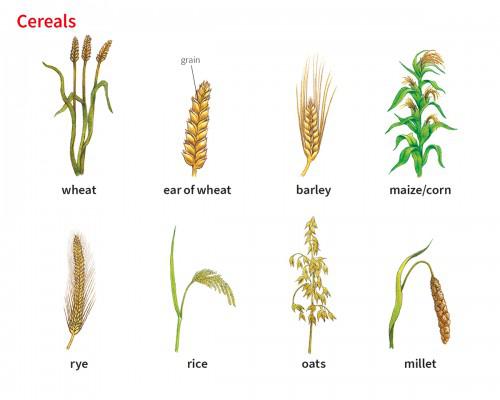
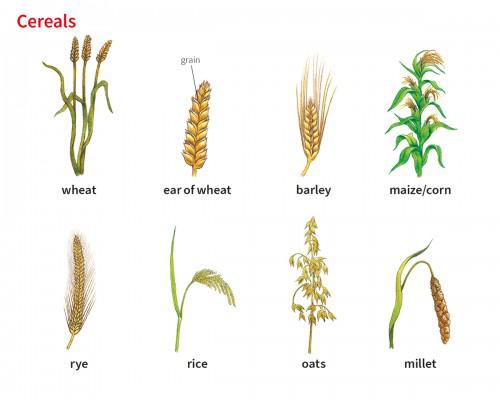
    Corn(noun)

    /kɔːrn/

    mais, granoturco

    a tall plant grown for its yellow grains that are eaten as food; maize

    The major crops are wheat, barley and corn.

    I raccolti principali sono grano, orzo e mais.

    Sinonimimaizesweetcorn
  24. 24

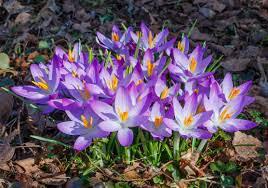
    Crocus(noun)

    /ˈkrəʊkəs/

    croco

    a small yellow, purple or white flower that appears in early spring

    Purple crocuses appear in the garden in early spring.

    I crochi viola compaiono in giardino all'inizio della primavera.

    Sinonimisaffron crocusautumn crocusspring crocus
    Contraricrocuscrocus sativus
  25. 25

    Daffodil(noun)

    /ˈdæfədɪl/

    narciso

    a tall yellow spring flower that is like a trumpet in shape. It is a national symbol of Wales.

    The daffodil is the national flower of Wales and the symbol of cancer charities in many countries.

    Il narciso è il fiore nazionale del Galles e il simbolo delle associazioni contro il cancro in molti Paesi.

    Sinoniminarcissusjonquil
    Contraridaffodildaffodil garlicdaffodilly
  26. 26

    Dahlia(noun)

    /ˈdeɪliə/

    dalia

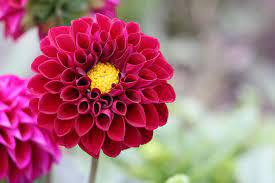
    a large brightly coloured garden flower, often like a ball in shape

    The dahlia was declared the national flower of Mexico in 1963.

    La dalia è stata dichiarata fiore nazionale del Messico nel 1963.

    Sinonimigarden dahliasingle dahliapompon dahlia
    Contraridahliadahlia pinnata
  27. 27

    Daisy(noun)

    /ˈdeɪzi/

    margherita, pratolina

    a small wild flower with white petals around a yellow centre; a taller plant with similar but larger flowers

    Daisies are one of the most recognizable and common flowers.

    Le margherite sono tra i fiori più riconoscibili e comuni.

    SinonimiBellis perennisDay's eye
    Contraricommon daisycowpen daisycrown daisydaisydaisy fleabanedaisy wheeldaisy-bushdaisy-chain
  28. 28

    Dandelion(noun)

    /ˈdændɪlaɪən/

    tarassaco, dente di leone

    a small wild plant with a bright yellow flower that becomes a soft white ball of seeds called a dandelion clock

    Dandelions are thought to have evolved about 30 million years ago in Eurasia

    Si ritiene che i tarassachi si siano evoluti circa 30 milioni di anni fa in Eurasia.

    Sinonimiblowballlion's toothpiss-a-bed
  29. 29

    Fern(noun)

    /fɜːrn/

    felce

    a plant with large attractive leaves and no flowers that grows in wet areas or is grown in a pot. There are many types of fern .

    Ferns first appear in the fossil record about 360 million years ago in the middle Devonian period

    Le felci compaiono per la prima volta nei reperti fossili circa 360 milioni di anni fa, nel Devoniano medio.

    Sinonimibrackenground coverforest plant
    Contrari(Generally antonyms don't apply to specific plant types like ferns. More general antonyms would be) TreeShrubFlower
  30. 30

    Fig tree(noun)

    /fɪg triː/

    fico, albero di fico

    a tree on which figs grow

    Figs are a delicious treat that thrive in warm climates but can also be grown in more temperate regions with a bit of extra care.

    I fichi sono una deliziosa prelibatezza che prospera nei climi caldi, ma può essere coltivata anche in regioni più temperate con qualche cura in più.

    Sinonimifigfig plantFicus carica
  31. 31

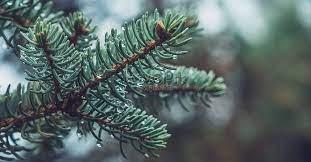
    Fir(noun)

    /fɜːr/

    abete

    an evergreen forest tree with leaves like needles

    Tall fir trees cover the side of the mountain.

    Alti abeti coprono il fianco della montagna.

    Sinonimievergreenconiferpinespruce
    Contrarideciduous tree
  32. 32

    Forget-me-not(noun)

    /fərˈɡet miː nɑːt/

    nontiscordardimé, miosotide

    a low-growing plant with small, light-blue flowers

    In The Netherlands, the forget-me-not has become a symbol for Alzheimer Nederland, a foundation advocating for people suffering from dementia.

    Nei Paesi Bassi, il nontiscordardimé è diventato il simbolo di Alzheimer Nederland, una fondazione che si batte per le persone affette da demenza.

    SinonimiAnchusaMyosotislove token
  33. 33

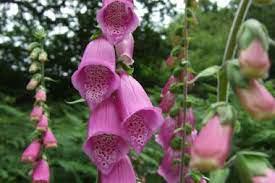
    Foxglove(noun)

    /ˈfɑːksɡlʌv/

    digitale

    a tall plant with purple or white flowers that are like bells in shape growing up its stem

    Foxglove has medicinal uses but can also be toxic to humans and other animals.

    La digitale ha usi medicinali, ma può anche essere tossica per l'uomo e per altri animali.

    SinonimiDigitalisDead Man's BellsFairy FingersWitches' Gloves
  34. 34

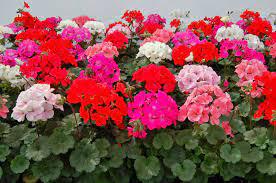
    Geranium(noun)

    /dʒəˈreɪniəm/

    geranio

    a garden plant with a mass of red, pink or white flowers on the end of each stem

    She keeps red geraniums on her balcony.

    Tiene dei gerani rossi sul balcone.

    Sinonimicranesbill
  35. 35

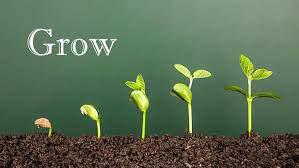
    Grow(verb)

    /ɡrəʊ/

    crescere

    to increase in size, number, strength or quality

    The region is too dry for plants to grow.

    La regione è troppo arida perché le piante possano crescere.

    Sinonimidevelopincreaseexpandcultivateflourish
    Contrarishrinkdeclinewitherdecreasediminish
  36. 36

    Hazel(noun)

    /ˈheɪzl/

    nocciolo

    a small tree that produces small nuts (called hazelnuts ) that can be eaten

    Hazels have simple, rounded leaves with double-serrate margins.

    I noccioli hanno foglie semplici e arrotondate con margini doppiamente seghettati.

    Sinonimifilbertcobnut tree
  37. 37

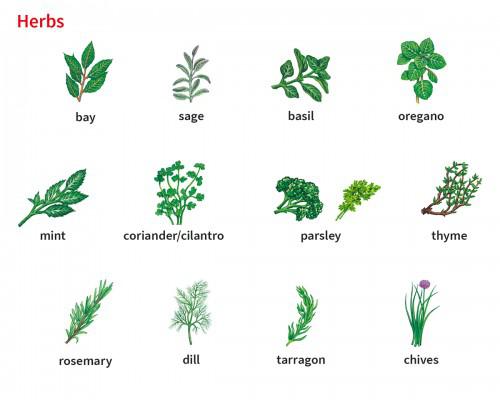
    Herb(noun)

    /ɜːrb/

    erba aromatica, erba officinale

    a plant whose leaves, flowers or seeds are used to add taste to food, in medicines or for their pleasant smell. parsley , mint and oregano are all herbs .

    Herbs have a variety of uses including culinary, medicinal, and in some cases, spiritual.

    Le erbe hanno usi diversi: culinari, medicinali e, in alcuni casi, spirituali.

    Sinonimiplantbotanicalgreeneryvegetationspice
    Contrarisyntheticartificialinorganic
  38. 38

    Ivy(noun)

    /ˈaɪvi/

    edera

    a climbing plant, especially one with dark green shiny leaves with five points

    Ivy seeds are spread by birds

    I semi dell'edera vengono diffusi dagli uccelli.

    Sinonimiclimbing vinecreepervine
    Contrarin/a
  39. 39

    Lily(noun)

    /ˈlɪli/

    giglio

    a large white or brightly coloured flower with petals that curl back from the centre. There are many types of lily .

    Lilies are usually planted as bulbs in the autumn.

    I gigli di solito si piantano come bulbi in autunno.

    Sinonimiflowerbulbous plantplant
    ContrariNone (as a specific type of flowerit doesn't have direct antonyms)Different flower type (e.g.rosetulip)
  40. 40

    Moss(noun)

    /mɔːs/

    muschio

    a very small green or yellow plant without flowers that spreads over wet surfaces, rocks, trees, etc.

    Mosses are commonly confused with liverworts, hornworts and lichens.

    I muschi vengono spesso confusi con le epatiche, le antocerote e i licheni.

    Sinonimibryophytelichen (sometimes used loosely)
    Contrarivascular planttreeflower
  41. 41

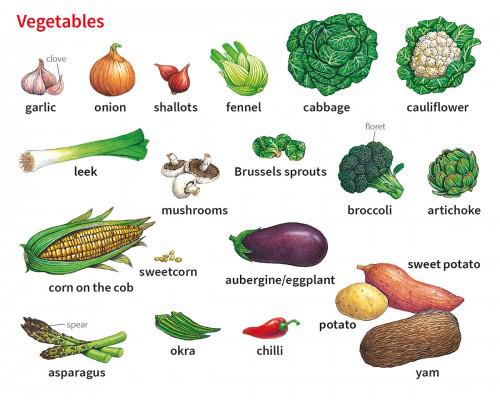
    Mushroom(noun)

    /ˈmʌʃrʊm/

    fungo

    a fungus with a round flat head and short stem . Many mushrooms can be eaten.

    They went into the woods to pick wild mushrooms.

    Sono andati nel bosco a raccogliere funghi selvatici.

    Sinonimifungustoadstoolagaric
    Contrarishrinkshrivel
  42. 42

    Nettle(noun)

    /ˈnetl/

    ortica

    a wild plant with leaves that have pointed edges, are covered in fine hairs and sting (= cause you pain) if you touch them

    The nettles had spread and now covered half the garden.

    Le ortiche si erano diffuse e ora coprivano metà del giardino.

    Sinonimistinging nettleburnweed
    Contrariharmless plantsoothing plant
  43. 43

    Oak(noun)

    /əʊk/

    quercia

    a large tree that produces small nuts called acorns . Oaks are common in northern countries and can live to be hundreds of years old.

    The forest is famous for its ancient oak trees.

    La foresta è famosa per le sue antiche querce.

    SinonimiQuercus (scientific name)
    Contraripinebirchelm
  44. 44

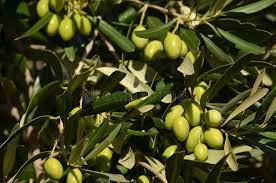
    Olive tree(noun)

    /ˈɒlɪv triː/

    olivo, ulivo

    a tree on which olives grow

    The olive tree, Olea europaea, is an evergreen tree or shrub native to Mediterranean Europe, Asia, and Africa.

    L'olivo, Olea europaea, è un albero o arbusto sempreverde originario dell'Europa mediterranea, dell'Asia e dell'Africa.

    SinonimioliveOlea europaeaolive plant
    Contrarideciduous treefruitless tree
  45. 45

    Orchid(noun)

    /ˈɔːrkɪd/

    orchidea

    a plant with brightly coloured flowers of unusual shapes. There are many different types of orchid and some of them are very rare.

    Orchids are easily distinguished from other plants, as they share some very evident derived characteristics or synapomorphies.

    Le orchidee si distinguono facilmente dalle altre piante, poiché condividono alcuni caratteri derivati molto evidenti, o sinapomorfie.

    Sinoniminone (orchid is specific)
    Contraricommon plant
  46. 46

    Pine(noun)

    /paɪn/

    pino

    an evergreen forest tree with leaves like needles

    Pine is one of the more extensively used types of wood used as lumber.

    Il pino è uno dei tipi di legno più utilizzati come legname.

    Sinonimifirevergreenconifer
    Contrarideciduous treehardwood
  47. 47

    Poppy(noun)

    /ˈpɑːpi/

    papavero

    a wild or garden plant, with a large delicate flower that is usually red, and small black seeds. Opium is obtained from one type of poppy .

    Poppy oil is often used as cooking oil, salad dressing oil, or in products such as margarine.

    L'olio di papavero è spesso usato come olio da cucina, per condire le insalate o in prodotti come la margarina.

    Sinonimicorn poppyopium poppyflander's poppypapaver
    Contrariclustered poppy mallowcorn poppypoppypoppycock
  48. 48

    Primrose(noun)

    /ˈprɪmrəʊz/

    primula

    a small wild plant that produces pale yellow flowers in spring

    Primrose is a small, perennial woodland plant that grows no more than 10cm high and can flower from December through to May

    La primula è una piccola pianta perenne di bosco che non supera i 10 cm di altezza e può fiorire da dicembre fino a maggio.

    SinonimiCowslipOxlipPolyanthus
    Contraricommon evening primrosecommon evening primroseprimrose
  49. 49

    Root(noun)

    /ruːt/

    radice

    the part of a plant that grows under the ground and takes in water and minerals that it sends to the rest of the plant

    Tree roots can cause damage to buildings.

    Le radici degli alberi possono danneggiare gli edifici.

    Sinonimioriginsourcebasecausefoundationunderlying cause
    Contraribranchleafresultconsequenceoutgrowth
  50. 50

    Rose(noun)

    /rəʊz/

    rosa

    a flower with a sweet smell that grows on a bush with thorns (= sharp points) on its stems

    He gave her a bunch of red roses.

    Le ha regalato un mazzo di rose rosse.

    SinonimiBlossomFlowerBloomRosette
    ContrariThornWeedUgliness
  51. 51

    Shrub(noun)

    /ʃrʌb/

    arbusto, cespuglio

    a large plant that is smaller than a tree and that has several stems of wood coming from the ground

    Shrubs are perennial woody plants

    Gli arbusti sono piante legnose perenni.

    Sinonimibushhedgescrub
    Contraritree
  52. 52

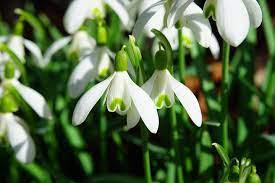
    Snowdrop(noun)

    /ˈsnəʊdrɑːp/

    bucaneve

    a small white flower that appears in early spring

    Snowdrops have been known since the earliest times under various names

    I bucaneve sono conosciuti fin dai tempi più antichi con vari nomi.

    SinonimigalanthusFebruary fair maid
  53. 53

    Thorn(noun)

    /θɔːrn/

    spina

    a small sharp, pointed part on the stem of some plants, such as roses

    The rose bush has many thorns.

    Il cespuglio di rose ha molte spine.

    Sinonimipricklespikebarbspine
    Contraribenefitadvantagesmoothnessprotection
  54. 54

    Trunk(noun)

    /trʌŋk/

    tronco

    the thick main stem of a tree, that the branches grow from

    An instrument made from a hollowed-out tree trunk.

    Uno strumento ricavato da un tronco d'albero scavato.

    SinonimiStemTorsoBodyShaftBole
    ContrariBranchLimbTwigTopCrown
  55. 55

    Tulip(noun)

    /ˈtuːlɪp/

    tulipano

    a large, brightly coloured spring flower, like a cup in shape, on a tall stem

    Tulips originally were found in a band stretching from Southern Europe to Central Asia

    I tulipani si trovavano originariamente in una fascia che si estende dall'Europa meridionale all'Asia centrale.

    Sinonimibulbflowerblossom
  56. 56

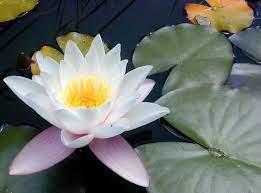
    Water lily(noun)

    /ˈwɔːtər lɪli/

    ninfea

    a plant that floats on the surface of water, with large, round, flat leaves and white, yellow or pink flowers

    Pink water lilies catch the glow of sunrise.

    Le ninfee rosa catturano il bagliore dell'alba.

    SinonimiNymphaealotuspond lily
  57. 57

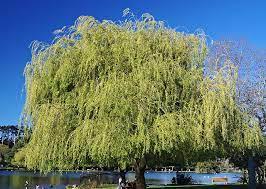
    Weeping willow(noun)

    /ˈwiːpɪŋ ˈwɪləʊ/

    salice piangente

    a willow tree with long thin branches that hang down towards the ground

    Weeping willow is a medium- to large-sized deciduous tree.

    Il salice piangente è un albero deciduo di dimensioni medio-grandi.

    Sinonimiweeping treependulous willow
    Contrariupright treenon-weeping willow
  58. 58

    Wheat(noun)

    /wiːt/

    grano, frumento

    a plant grown for its grain that is used to produce the flour for bread, cakes, pasta , etc.; the grain of this plant

    The land at Scampston is mainly sandy, so only wheats are grown.

    Il terreno a Scampston è prevalentemente sabbioso, quindi si coltiva solo il grano.

    Sinonimigraincereal
    ContrariNone (in the sense of a direct opposite food)Other grains (ricecornoatsetc.)
  59. 59

    Yew(noun)

    /juː/

    tasso

    a small tree with dark green leaves and small red berries

    Yew trees contain the highly poisonous taxane alkaloids that have been developed as anti-cancer drugs.

    I tassi contengono alcaloidi tassani altamente velenosi che sono stati sviluppati come farmaci antitumorali.

    Sinonimievergreentaxus
    Contraridyeweedeyewasheyewatereyewitnessyew