Pular para o conteúdo

Lição 2/202 · 59 palavras · 0 aprendidas

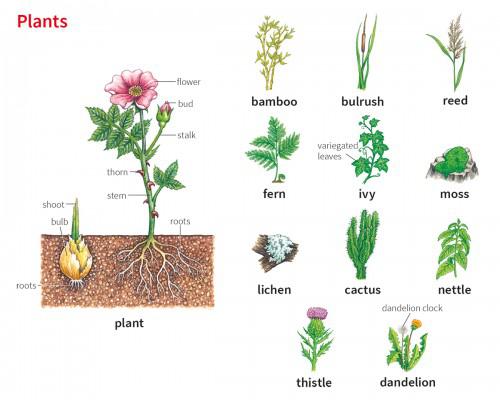
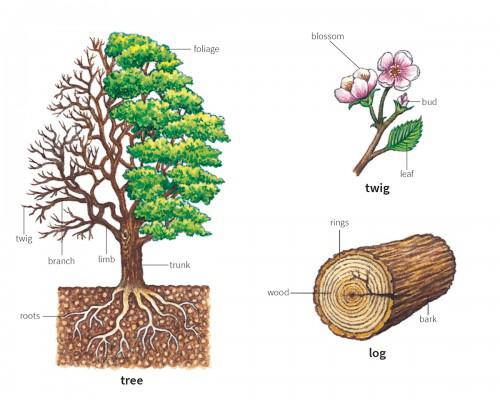
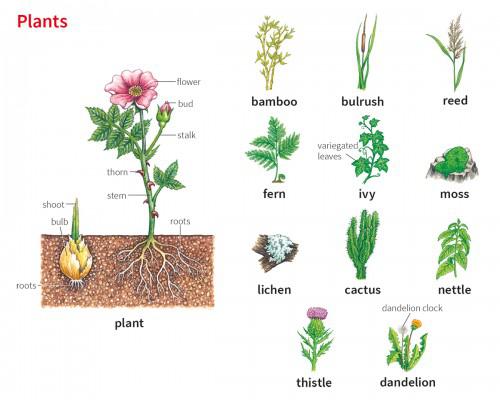
Plants

Plantas

  1. 1

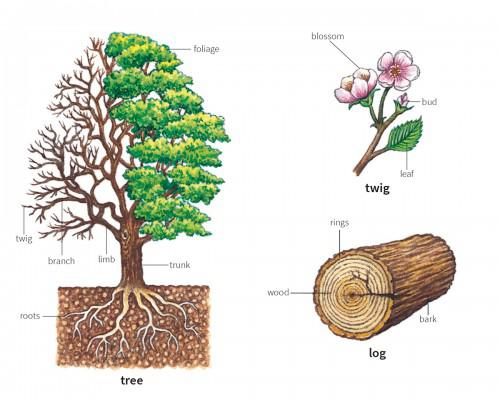
    wood(noun)

    /wʊd/

    madeira

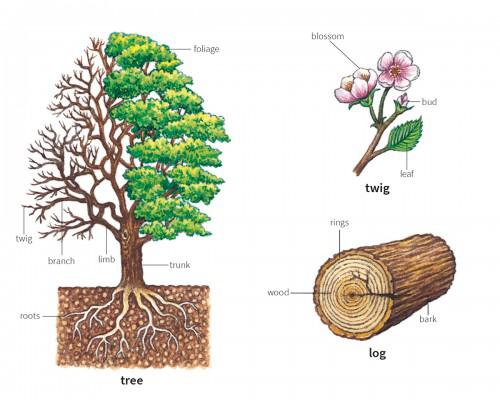
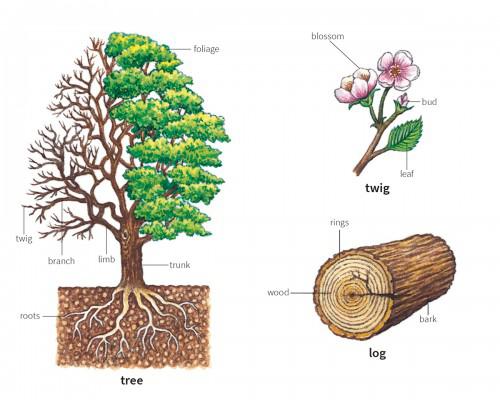
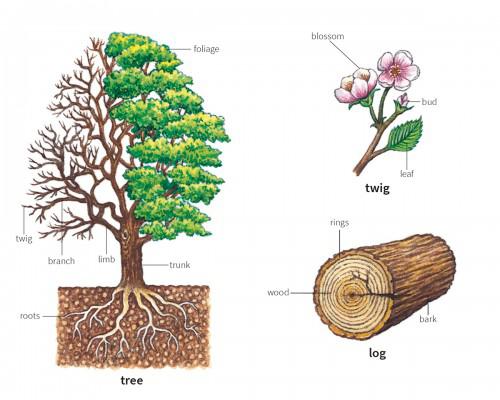
    the hard material that the trunk and branches of a tree are made of; this material when it is used to build or make things with, or as a fuel

    He chopped some wood for the fire.

    Ele cortou lenha para a fogueira.

    Sinônimostimberlumberfirewoodkindling
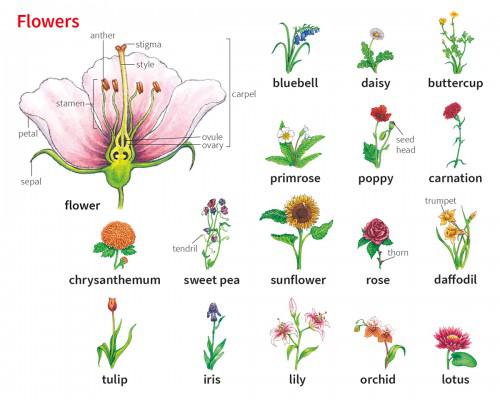
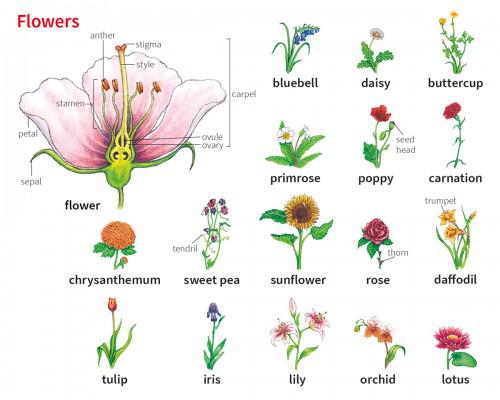
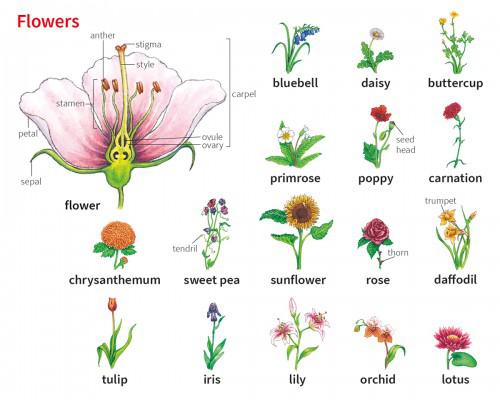
    Antônimosmetalstoneplastic
  2. 2

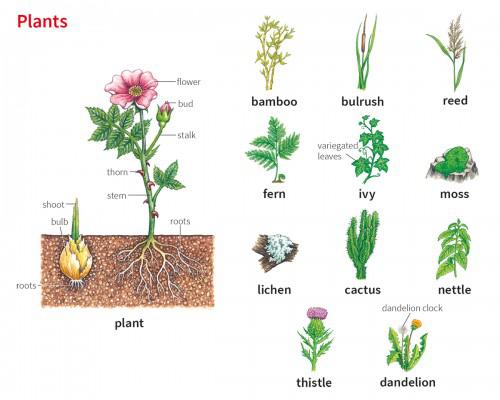
    leaf(noun)

    /liːf/

    folha

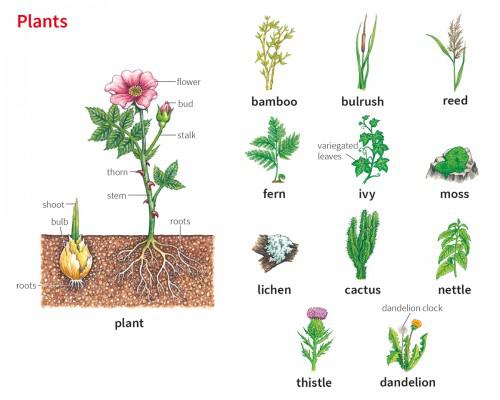
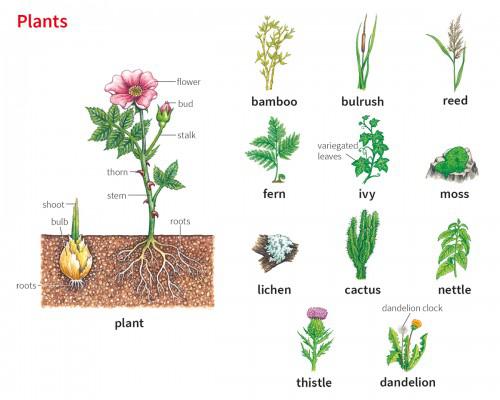
    a flat green part of a plant, growing from a stem or branch or from the root

    The leaves on the trees were beginning to turn from green to orange.

    As folhas das árvores estavam começando a mudar de verde para laranja.

    Sinônimosfrondfoliageblade
    Antônimostrunkbranchroot
  3. 3

    tree(noun)

    /triː/

    árvore

    a tall plant that can live a long time. Trees have a thick central wooden trunk from which branches grow, usually with leaves on them

    My father likes planting trees.

    Meu pai gosta de plantar árvores.

    to chop/cut down a tree

    Sinônimosplantsaplingtimberwood
    Antônimosnone (in the sense of a single word antonym)shrubbush
  4. 4

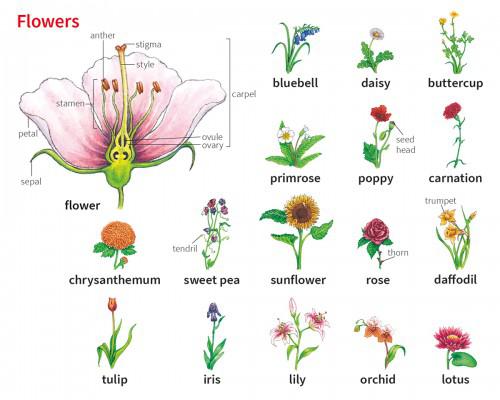
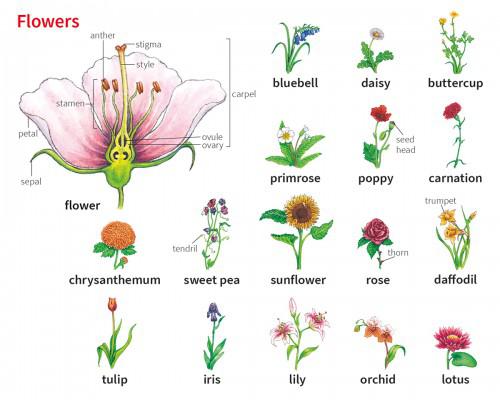
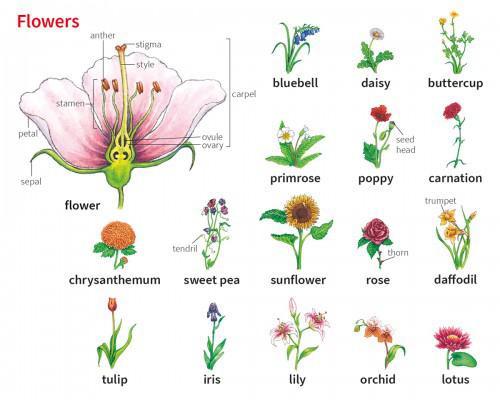
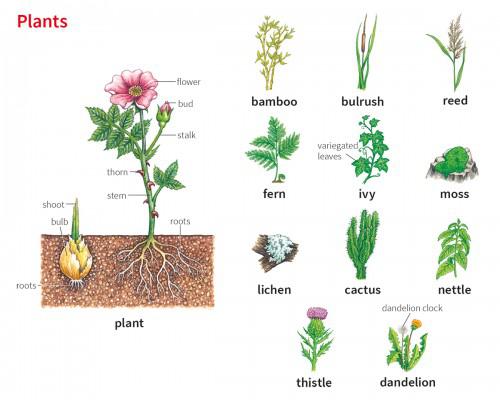
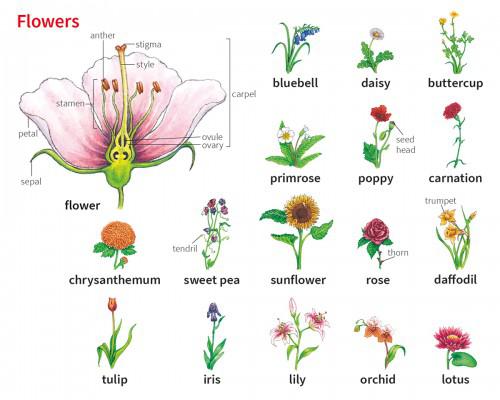
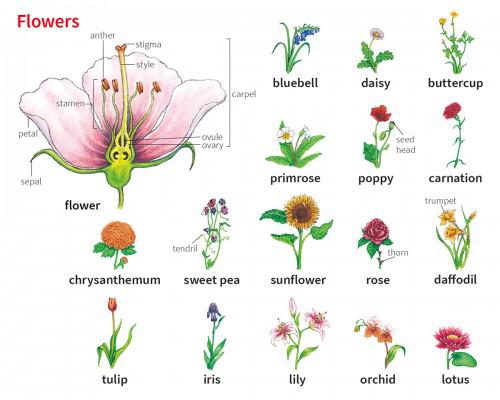
    flower(noun)

    /ˈflaʊər/

    flor

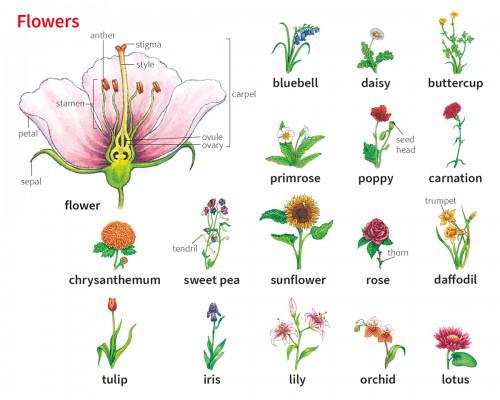
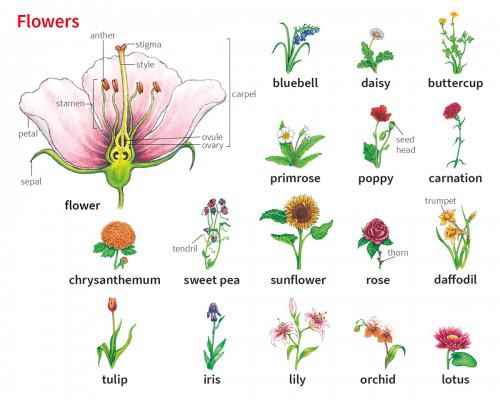
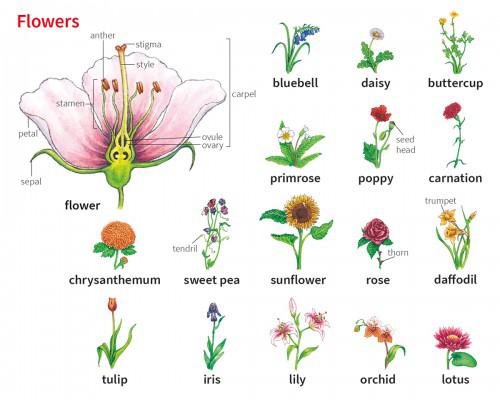
    the coloured part of a plant from which the seed or fruit develops. Flowers usually grow at the end of a stem and last only a short time.

    Do you like flowers?

    Você gosta de flores?

    The plant has a beautiful bright red flower.

    Sinônimosblossombloomfloral
    Antônimosweedthornvegetation
  5. 5

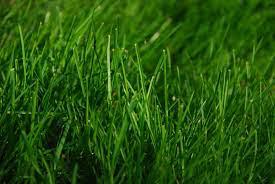
    grass(noun)

    /ɡræs/

    grama

    a common wild plant with narrow green leaves and stems that are eaten by cows, horses, sheep, etc.

    a blade of grass

    uma folha de grama

    The dry grass caught fire.

    Sinônimosturflawngreenswardherbagepasture
    Antônimosbare earthsoilconcretepavement
  6. 6

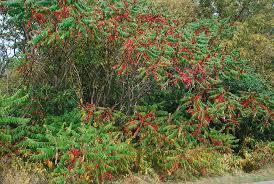
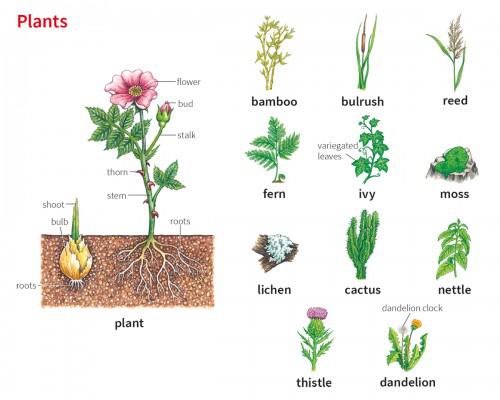
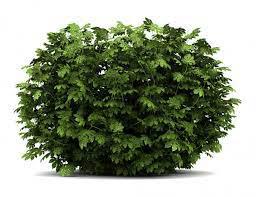
    bush(noun)

    /bʊʃ/

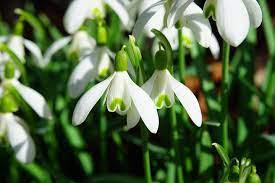
    arbusto

    a plant that grows thickly with several hard stems coming up from the root

    She was hiding in the bushes at the side of the lane.

    Ela estava se escondendo nos arbustos ao lado da estrada.

    a rose bush

    Sinônimosshrubhedgethicketscrub
    Antônimostreeopen spaceclearing
  7. 7

    branch(noun)

    /bræntʃ/

    galho

    a part of a tree that grows out from the main stem and on which leaves, flowers and fruit grow

    She climbed the tree and hid in the branches.

    Ela subiu na árvore e se escondeu nos galhos.

    They all put a bet on the race.

    Sinônimoslimboffshootboughdivisionsectionarm
    Antônimostrunkmainstemwhole
  8. 8

    seed(noun)

    /siːd/

    semente

    the small hard part produced by a plant, from which a new plant can grow
    These vegetables can be grown from seed.

    Esses vegetais podem ser cultivados a partir de sementes.

    seed potatoes(= used for planting)

    Sinônimoskernelgraingermsourceoriginbeginning
    Antônimosfruitproductoutcomeend
  9. 9

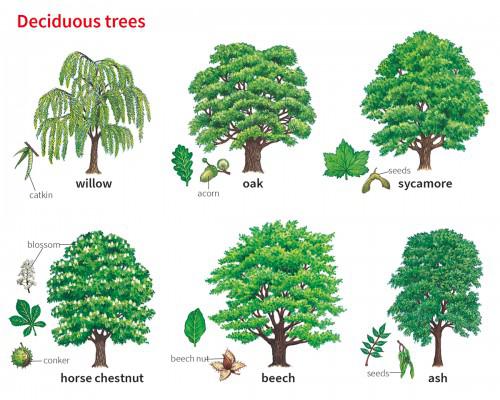
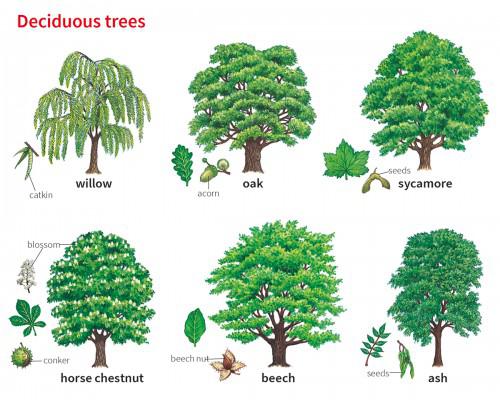
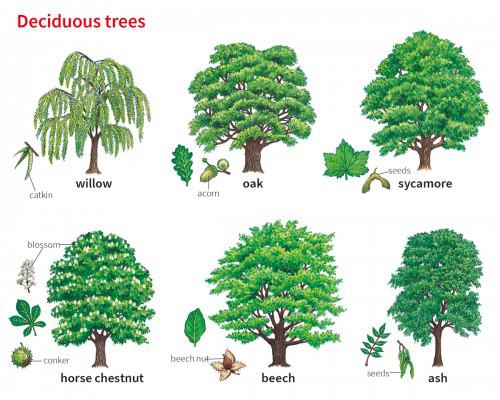
    Beech(noun)

    /biːtʃ/

    faia

    a tall forest tree with smooth grey bark , shiny leaves and small nuts

    The great beeches towered up towards the sky.

    As grandes faias elevavam-se em direção ao céu.

    Sinônimostreeforest treewoodland tree
    Antônimosshrubbushsmall plant
  10. 10

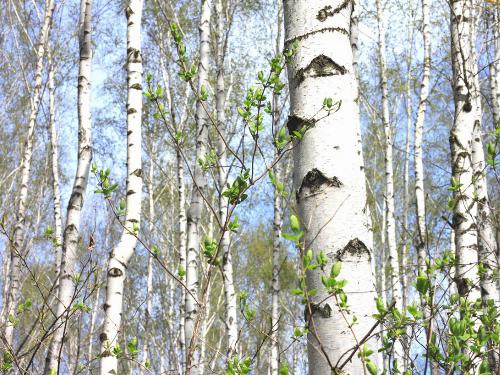
    Birch(noun)

    /bɜːrtʃ/

    bétula

    a tree with smooth bark and thin branches that grows in northern countries

    Birch species are generally small to medium-sized trees or shrubs

    As espécies de bétula são geralmente árvores ou arbustos de pequeno a médio porte.

    Sinônimosbirch tree
  11. 11

    Bloom(noun)

    /bluːm/

    flor

    a flower (usually one on a plant that people admire for its flowers)

    The plant produced a single white bloom.

    A planta produziu uma única flor branca.

    Sinônimosflowerblossomflourishthrivedevelop
    Antônimoswiltfadedeclinedieshrink
  12. 12

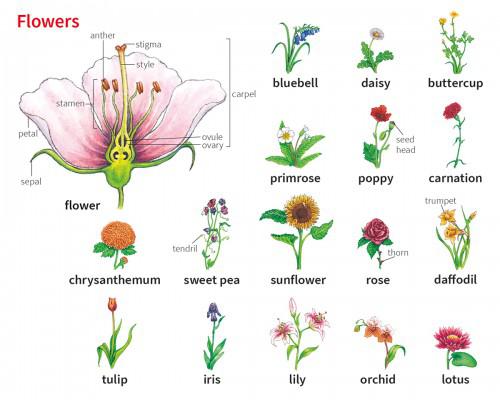
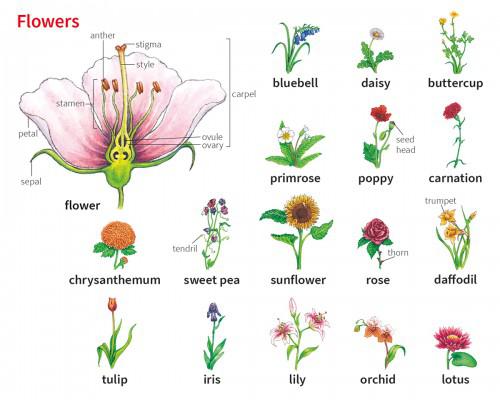
    Bluebell(noun)

    /ˈbluːbel/

    campainha-azul

    a garden or wild flower with a short stem and small blue or white flowers that have the shape of bells

    Bluebells carpeted the forest floor in spring.

    Campainhas-azuis cobriam o chão da floresta na primavera.

    Sinônimoswild hyacinthendymionflowerplant
  13. 13

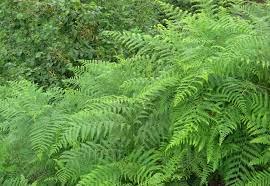
    Bracken(noun)

    /ˈbrækən/

    samambaia-das-taperas, samambaia

    a wild plant with large leaves that grows thickly on hills and in woods and turns brown in the autumn

    The hillside was covered in brown bracken.

    A encosta estava coberta de samambaias marrons.

    Sinônimosfernbrake
    AntônimosNone (as a specific type of fernthere isn't a direct antonym)
  14. 14

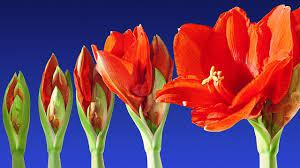
    Bud(noun)

    /bʌd/

    botão

    a small closed part that grows on a plant and from which a flower, leaf or stem develops; a flower or leaf that is not fully open

    The first buds appearing in spring

    Os primeiros botões aparecendo na primavera

    Sinônimossproutshootgermburgeonoffshoot
    Antônimosbloomflowermature
  15. 15

    Buttercup(noun)

    /ˈbʌtərkʌp/

    ranúnculo

    a wild plant with small shiny yellow flowers that are like cups in shape

    The petals of buttercups are often highly lustrous

    As pétalas dos ranúnculos são frequentemente muito lustrosas.

    Sinônimosgoldcupcrowfoot
  16. 16

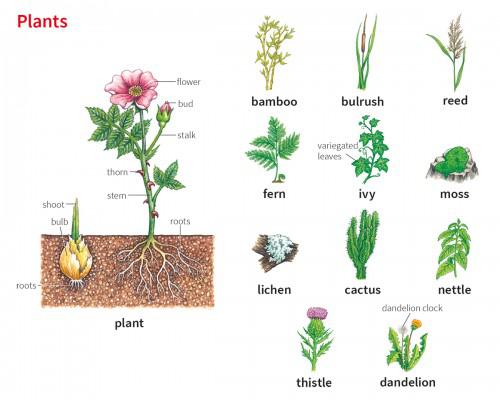
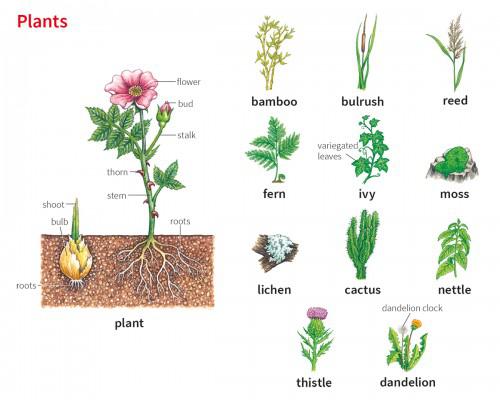
    Cactus(noun)

    /ˈkæktəs/

    cacto

    a plant that grows in hot dry regions, especially one with thick stems covered in spines but without leaves. There are many different types of cactus .

    Cactus stems are often ribbed or fluted

    Os caules dos cactos são frequentemente nervurados ou canelados.

    Sinônimossucculentprickly plantdesert plant
    AntônimosNone (Cactus is a specific type of plant)
  17. 17

    Carnation(noun)

    /kɑːrˈneɪʃn/

    cravo

    a white, pink, red or yellow flower, often worn as a decoration on formal occasions

    Carnations were mentioned in Greek literature 2,000 years ago.

    Os cravos foram mencionados na literatura grega há 2.000 anos.

    Sinônimosclove pinkpink
  18. 18

    Cedar(noun)

    /ˈsiːdər/

    cedro

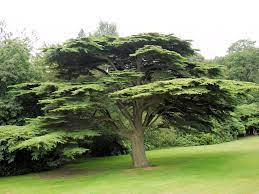
    a tall evergreen tree with wide spreading branches

    An old cedar stood in the middle of the park.

    Um velho cedro ficava no meio do parque.

    Sinônimosevergreenconifertimber
    Antônimosdeciduous (tree)broadleaf (tree)
  19. 19

    Cherry tree(noun)

    /ˈʧɛri triː/

    cerejeira

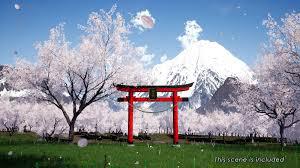
    a tree on which cherries grow, or a similar tree, grown for its flowers

    The cherry tree in our garden is covered in pink flowers.

    A cerejeira do nosso jardim está coberta de flores cor-de-rosa.

    Sinônimosflowering cherryPrunus tree
  20. 20

    Chestnut tree(noun)

    /ˈʧɛsnʌt triː/

    castanheiro

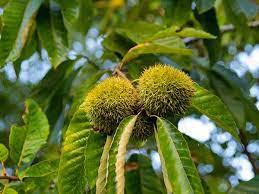
    a large tree with spreading branches that produces smooth brown nuts inside cases that are covered with spikes

    There are several types of chestnut tree.

    Existem vários tipos de castanheiros.

    Sinônimoschestnutcastanea
  21. 21

    Chrysanthemum(noun)

    /krɪˈzænθəməm/

    crisântemo

    a large, brightly coloured garden flower that is like a ball in shape and is made up of many long narrow petals

    In Japan, a form of bonsai chrysanthemum was developed over the centuries.

    No Japão, uma forma de crisântemo bonsai foi desenvolvida ao longo dos séculos.

    Sinônimosmumchrysanth
  22. 22

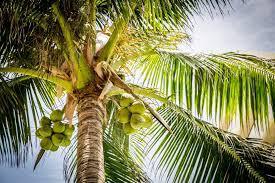
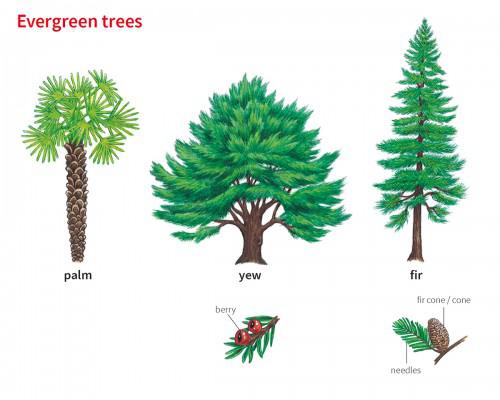
    Coconut tree(noun)

    /ˈkəʊkənʌt triː/

    coqueiro

    a tall tropical palm tree that produces coconuts

    She climbed the coconut tree to get a fresh coconut.

    Ela subiu no coqueiro para pegar um coco fresco.

    SinônimosCoconut palm
  23. 23

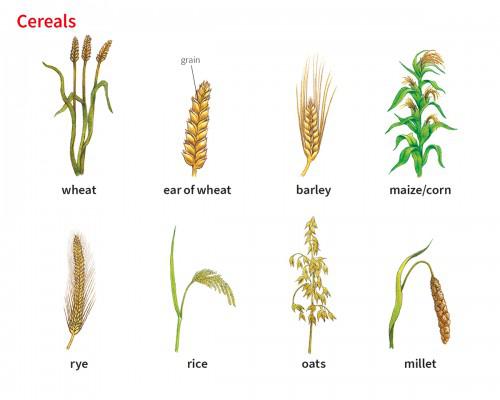
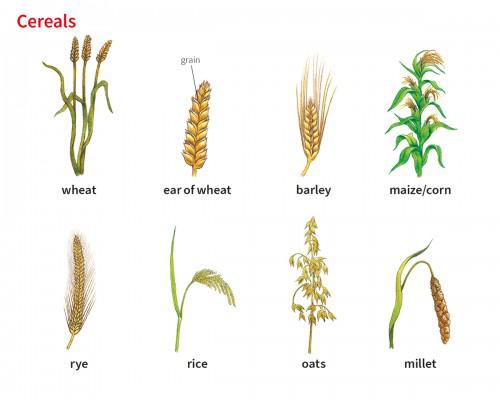
    Corn(noun)

    /kɔːrn/

    milho

    a tall plant grown for its yellow grains that are eaten as food; maize

    The major crops are wheat, barley and corn.

    As principais culturas são trigo, cevada e milho.

    Sinônimosmaizesweetcorn
  24. 24

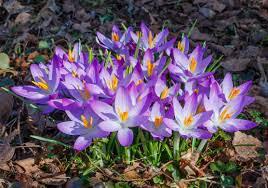
    Crocus(noun)

    /ˈkrəʊkəs/

    açafrão-da-primavera, crocus

    a small yellow, purple or white flower that appears in early spring

    Purple crocuses appear in the garden in early spring.

    Crocus roxos aparecem no jardim no início da primavera.

    Sinônimossaffron crocusautumn crocusspring crocus
    Antônimoscrocuscrocus sativus
  25. 25

    Daffodil(noun)

    /ˈdæfədɪl/

    narciso

    a tall yellow spring flower that is like a trumpet in shape. It is a national symbol of Wales.

    The daffodil is the national flower of Wales and the symbol of cancer charities in many countries.

    O narciso é a flor nacional do País de Gales e o símbolo de instituições de caridade contra o câncer em muitos países.

    Sinônimosnarcissusjonquil
    Antônimosdaffodildaffodil garlicdaffodilly
  26. 26

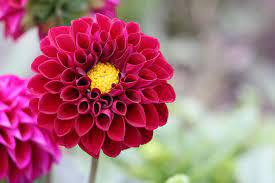
    Dahlia(noun)

    /ˈdeɪliə/

    dália

    a large brightly coloured garden flower, often like a ball in shape

    The dahlia was declared the national flower of Mexico in 1963.

    A dália foi declarada a flor nacional do México em 1963.

    Sinônimosgarden dahliasingle dahliapompon dahlia
    Antônimosdahliadahlia pinnata
  27. 27

    Daisy(noun)

    /ˈdeɪzi/

    margarida

    a small wild flower with white petals around a yellow centre; a taller plant with similar but larger flowers

    Daisies are one of the most recognizable and common flowers.

    As margaridas são uma das flores mais reconhecíveis e comuns.

    SinônimosBellis perennisDay's eye
    Antônimoscommon daisycowpen daisycrown daisydaisydaisy fleabanedaisy wheeldaisy-bushdaisy-chain
  28. 28

    Dandelion(noun)

    /ˈdændɪlaɪən/

    dente-de-leão

    a small wild plant with a bright yellow flower that becomes a soft white ball of seeds called a dandelion clock

    Dandelions are thought to have evolved about 30 million years ago in Eurasia

    Acredita-se que os dentes-de-leão evoluíram há cerca de 30 milhões de anos na Eurásia.

    Sinônimosblowballlion's toothpiss-a-bed
  29. 29

    Fern(noun)

    /fɜːrn/

    samambaia

    a plant with large attractive leaves and no flowers that grows in wet areas or is grown in a pot. There are many types of fern .

    Ferns first appear in the fossil record about 360 million years ago in the middle Devonian period

    As samambaias surgem pela primeira vez no registro fóssil há cerca de 360 milhões de anos, no período Devoniano médio.

    Sinônimosbrackenground coverforest plant
    Antônimos(Generally antonyms don't apply to specific plant types like ferns. More general antonyms would be) TreeShrubFlower
  30. 30

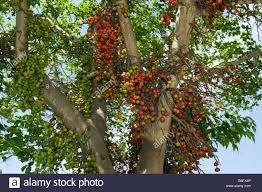
    Fig tree(noun)

    /fɪg triː/

    figueira

    a tree on which figs grow

    Figs are a delicious treat that thrive in warm climates but can also be grown in more temperate regions with a bit of extra care.

    Os figos são uma delícia que prosperam em climas quentes, mas também podem ser cultivados em regiões mais temperadas com um pouco de cuidado extra.

    Sinônimosfigfig plantFicus carica
  31. 31

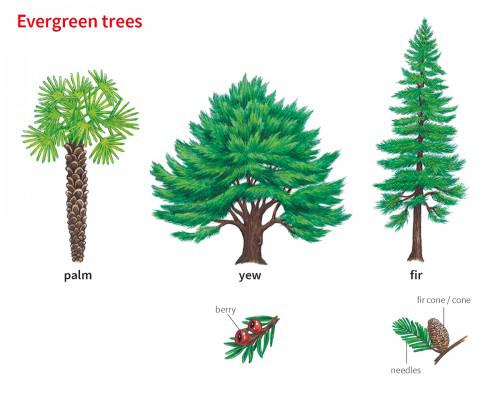
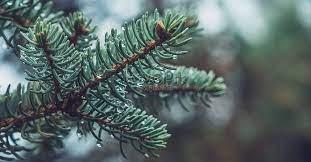
    Fir(noun)

    /fɜːr/

    abeto

    an evergreen forest tree with leaves like needles

    Tall fir trees cover the side of the mountain.

    Altos abetos cobrem a encosta da montanha.

    Sinônimosevergreenconiferpinespruce
    Antônimosdeciduous tree
  32. 32

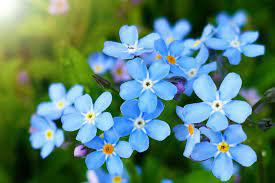
    Forget-me-not(noun)

    /fərˈɡet miː nɑːt/

    não-me-esqueças

    a low-growing plant with small, light-blue flowers

    In The Netherlands, the forget-me-not has become a symbol for Alzheimer Nederland, a foundation advocating for people suffering from dementia.

    Na Holanda, o não-me-esqueças tornou-se um símbolo da Alzheimer Nederland, uma fundação que defende pessoas que sofrem de demência.

    SinônimosAnchusaMyosotislove token
  33. 33

    Foxglove(noun)

    /ˈfɑːksɡlʌv/

    dedaleira

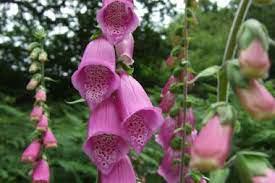
    a tall plant with purple or white flowers that are like bells in shape growing up its stem

    Foxglove has medicinal uses but can also be toxic to humans and other animals.

    A dedaleira tem usos medicinais, mas também pode ser tóxica para humanos e outros animais.

    SinônimosDigitalisDead Man's BellsFairy FingersWitches' Gloves
  34. 34

    Geranium(noun)

    /dʒəˈreɪniəm/

    gerânio

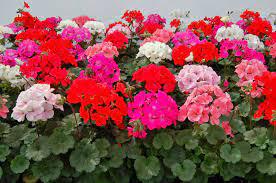
    a garden plant with a mass of red, pink or white flowers on the end of each stem

    She keeps red geraniums on her balcony.

    Ela mantém gerânios vermelhos na varanda.

    Sinônimoscranesbill
  35. 35

    Grow(verb)

    /ɡrəʊ/

    crescer

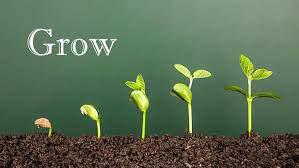
    to increase in size, number, strength or quality

    The region is too dry for plants to grow.

    A região é muito seca para as plantas crescerem.

    Sinônimosdevelopincreaseexpandcultivateflourish
    Antônimosshrinkdeclinewitherdecreasediminish
  36. 36

    Hazel(noun)

    /ˈheɪzl/

    avelãzeira

    a small tree that produces small nuts (called hazelnuts ) that can be eaten

    Hazels have simple, rounded leaves with double-serrate margins.

    As avelãzeiras têm folhas simples e arredondadas com margens duplamente serrilhadas.

    Sinônimosfilbertcobnut tree
  37. 37

    Herb(noun)

    /ɜːrb/

    erva

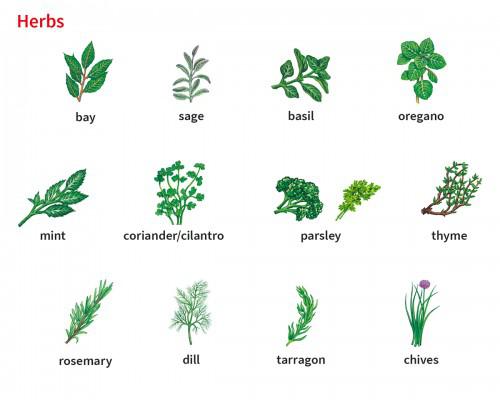
    a plant whose leaves, flowers or seeds are used to add taste to food, in medicines or for their pleasant smell. parsley , mint and oregano are all herbs .

    Herbs have a variety of uses including culinary, medicinal, and in some cases, spiritual.

    As ervas têm uma variedade de usos, incluindo culinários, medicinais e, em alguns casos, espirituais.

    Sinônimosplantbotanicalgreeneryvegetationspice
    Antônimossyntheticartificialinorganic
  38. 38

    Ivy(noun)

    /ˈaɪvi/

    hera

    a climbing plant, especially one with dark green shiny leaves with five points

    Ivy seeds are spread by birds

    Sementes de hera são espalhadas por pássaros.

    Sinônimosclimbing vinecreepervine
    Antônimosn/a
  39. 39

    Lily(noun)

    /ˈlɪli/

    lírio

    a large white or brightly coloured flower with petals that curl back from the centre. There are many types of lily .

    Lilies are usually planted as bulbs in the autumn.

    Os lírios geralmente são plantados como bulbos no outono.

    Sinônimosflowerbulbous plantplant
    AntônimosNone (as a specific type of flowerit doesn't have direct antonyms)Different flower type (e.g.rosetulip)
  40. 40

    Moss(noun)

    /mɔːs/

    musgo

    a very small green or yellow plant without flowers that spreads over wet surfaces, rocks, trees, etc.

    Mosses are commonly confused with liverworts, hornworts and lichens.

    Os musgos são comumente confundidos com hepáticas, antóceros e líquenes.

    Sinônimosbryophytelichen (sometimes used loosely)
    Antônimosvascular planttreeflower
  41. 41

    Mushroom(noun)

    /ˈmʌʃrʊm/

    cogumelo

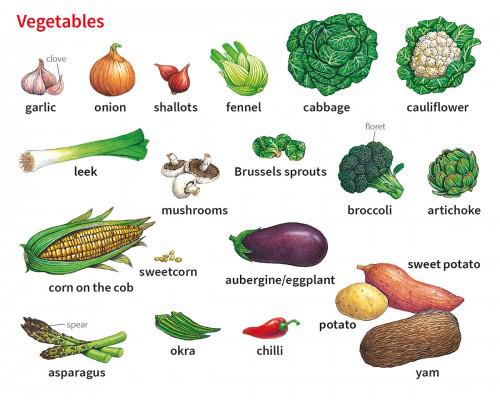
    a fungus with a round flat head and short stem . Many mushrooms can be eaten.

    They went into the woods to pick wild mushrooms.

    Eles foram para a floresta colher cogumelos selvagens.

    Sinônimosfungustoadstoolagaric
    Antônimosshrinkshrivel
  42. 42

    Nettle(noun)

    /ˈnetl/

    urtiga

    a wild plant with leaves that have pointed edges, are covered in fine hairs and sting (= cause you pain) if you touch them

    The nettles had spread and now covered half the garden.

    As urtigas se espalharam e agora cobriam metade do jardim.

    Sinônimosstinging nettleburnweed
    Antônimosharmless plantsoothing plant
  43. 43

    Oak(noun)

    /əʊk/

    carvalho

    a large tree that produces small nuts called acorns . Oaks are common in northern countries and can live to be hundreds of years old.

    The forest is famous for its ancient oak trees.

    A floresta é famosa pelos seus antigos carvalhos.

    SinônimosQuercus (scientific name)
    Antônimospinebirchelm
  44. 44

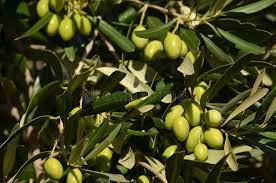
    Olive tree(noun)

    /ˈɒlɪv triː/

    oliveira

    a tree on which olives grow

    The olive tree, Olea europaea, is an evergreen tree or shrub native to Mediterranean Europe, Asia, and Africa.

    A oliveira, Olea europaea, é uma árvore ou arbusto perene nativa da Europa Mediterrânea, Ásia e África.

    SinônimosoliveOlea europaeaolive plant
    Antônimosdeciduous treefruitless tree
  45. 45

    Orchid(noun)

    /ˈɔːrkɪd/

    orquídea

    a plant with brightly coloured flowers of unusual shapes. There are many different types of orchid and some of them are very rare.

    Orchids are easily distinguished from other plants, as they share some very evident derived characteristics or synapomorphies.

    As orquídeas são facilmente distinguidas de outras plantas, pois compartilham algumas características derivadas ou sinapomorfias muito evidentes.

    Sinônimosnone (orchid is specific)
    Antônimoscommon plant
  46. 46

    Pine(noun)

    /paɪn/

    pinheiro

    an evergreen forest tree with leaves like needles

    Pine is one of the more extensively used types of wood used as lumber.

    O pinho é um dos tipos de madeira mais utilizados como madeira serrada.

    Sinônimosfirevergreenconifer
    Antônimosdeciduous treehardwood
  47. 47

    Poppy(noun)

    /ˈpɑːpi/

    papoula

    a wild or garden plant, with a large delicate flower that is usually red, and small black seeds. Opium is obtained from one type of poppy .

    Poppy oil is often used as cooking oil, salad dressing oil, or in products such as margarine.

    O óleo de papoula é frequentemente usado como óleo de cozinha, óleo para molho de salada ou em produtos como a margarina.

    Sinônimoscorn poppyopium poppyflander's poppypapaver
    Antônimosclustered poppy mallowcorn poppypoppypoppycock
  48. 48

    Primrose(noun)

    /ˈprɪmrəʊz/

    Prímula

    a small wild plant that produces pale yellow flowers in spring

    Primrose is a small, perennial woodland plant that grows no more than 10cm high and can flower from December through to May

    A prímula é uma planta pequena, perene de floresta que não cresce mais do que 10 cm de altura e pode florescer de dezembro a maio.

    SinônimosCowslipOxlipPolyanthus
    Antônimoscommon evening primrosecommon evening primroseprimrose
  49. 49

    Root(noun)

    /ruːt/

    raiz

    the part of a plant that grows under the ground and takes in water and minerals that it sends to the rest of the plant

    Tree roots can cause damage to buildings.

    As raízes das árvores podem causar danos aos edifícios.

    Sinônimosoriginsourcebasecausefoundationunderlying cause
    Antônimosbranchleafresultconsequenceoutgrowth
  50. 50

    Rose(noun)

    /rəʊz/

    rosa

    a flower with a sweet smell that grows on a bush with thorns (= sharp points) on its stems

    He gave her a bunch of red roses.

    Ele deu a ela um buquê de rosas vermelhas.

    SinônimosBlossomFlowerBloomRosette
    AntônimosThornWeedUgliness
  51. 51

    Shrub(noun)

    /ʃrʌb/

    arbusto

    a large plant that is smaller than a tree and that has several stems of wood coming from the ground

    Shrubs are perennial woody plants

    Arbustos são plantas lenhosas perenes.

    Sinônimosbushhedgescrub
    Antônimostree
  52. 52

    Snowdrop(noun)

    /ˈsnəʊdrɑːp/

    campainha-de-inverno

    a small white flower that appears in early spring

    Snowdrops have been known since the earliest times under various names

    As campainhas-de-inverno são conhecidas desde os tempos mais remotos sob vários nomes.

    SinônimosgalanthusFebruary fair maid
  53. 53

    Thorn(noun)

    /θɔːrn/

    espinho

    a small sharp, pointed part on the stem of some plants, such as roses

    The rose bush has many thorns.

    A roseira tem muitos espinhos.

    Sinônimospricklespikebarbspine
    Antônimosbenefitadvantagesmoothnessprotection
  54. 54

    Trunk(noun)

    /trʌŋk/

    Tronco

    the thick main stem of a tree, that the branches grow from

    An instrument made from a hollowed-out tree trunk.

    Um instrumento feito de um tronco de árvore oco.

    SinônimosStemTorsoBodyShaftBole
    AntônimosBranchLimbTwigTopCrown
  55. 55

    Tulip(noun)

    /ˈtuːlɪp/

    tulipa

    a large, brightly coloured spring flower, like a cup in shape, on a tall stem

    Tulips originally were found in a band stretching from Southern Europe to Central Asia

    As tulipas foram originalmente encontradas numa faixa que se estendia do sul da Europa à Ásia Central.

    Sinônimosbulbflowerblossom
  56. 56

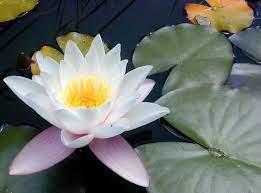
    Water lily(noun)

    /ˈwɔːtər lɪli/

    nenúfar

    a plant that floats on the surface of water, with large, round, flat leaves and white, yellow or pink flowers

    Pink water lilies catch the glow of sunrise.

    Os nenúfares cor-de-rosa capturam o brilho do nascer do sol.

    SinônimosNymphaealotuspond lily
  57. 57

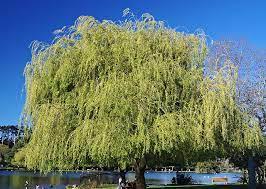
    Weeping willow(noun)

    /ˈwiːpɪŋ ˈwɪləʊ/

    salgueiro-chorão

    a willow tree with long thin branches that hang down towards the ground

    Weeping willow is a medium- to large-sized deciduous tree.

    O salgueiro-chorão é uma árvore decídua de porte médio a grande.

    Sinônimosweeping treependulous willow
    Antônimosupright treenon-weeping willow
  58. 58

    Wheat(noun)

    /wiːt/

    trigo

    a plant grown for its grain that is used to produce the flour for bread, cakes, pasta , etc.; the grain of this plant

    The land at Scampston is mainly sandy, so only wheats are grown.

    A terra em Scampston é principalmente arenosa, então só se cultiva trigo.

    Sinônimosgraincereal
    AntônimosNone (in the sense of a direct opposite food)Other grains (ricecornoatsetc.)
  59. 59

    Yew(noun)

    /juː/

    teixo

    a small tree with dark green leaves and small red berries

    Yew trees contain the highly poisonous taxane alkaloids that have been developed as anti-cancer drugs.

    Os teixos contêm alcaloides taxanos altamente venenosos que foram desenvolvidos como medicamentos anticâncer.

    Sinônimosevergreentaxus
    Antônimosdyeweedeyewasheyewatereyewitnessyew