본문으로 건너뛰기

레슨 2/202 · 59단어 · 외운 단어 0

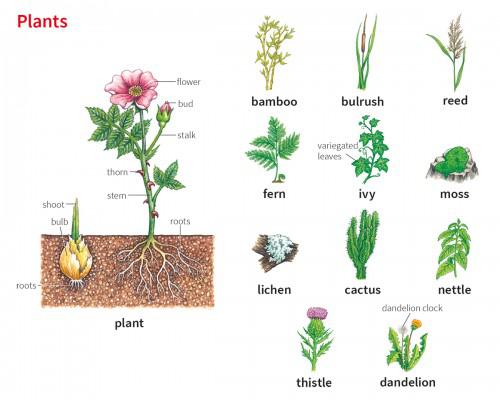
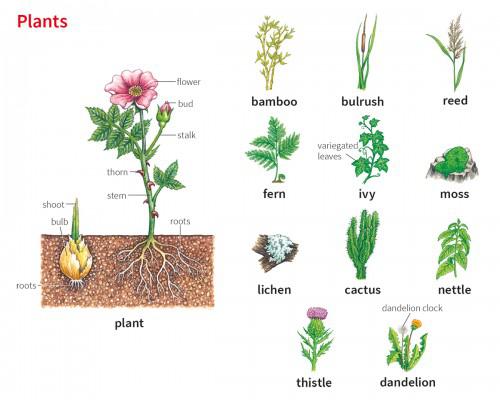
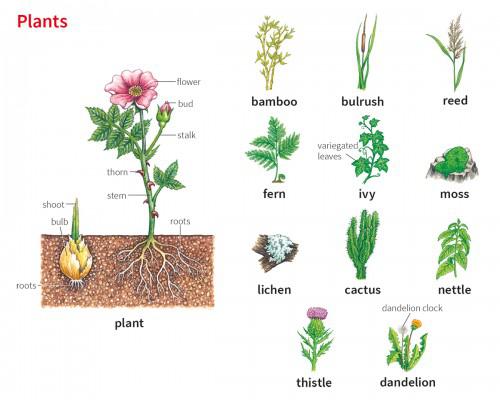
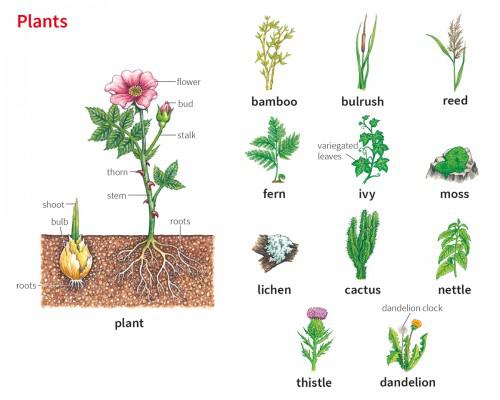
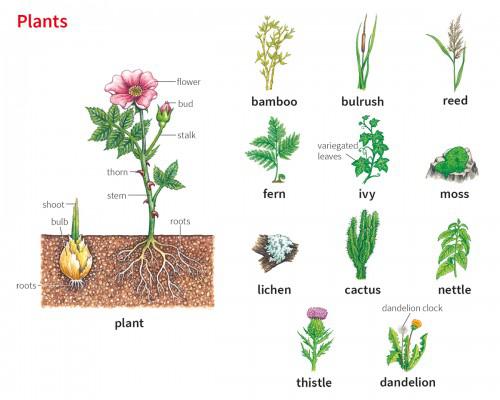
Plants

식물

  1. 1

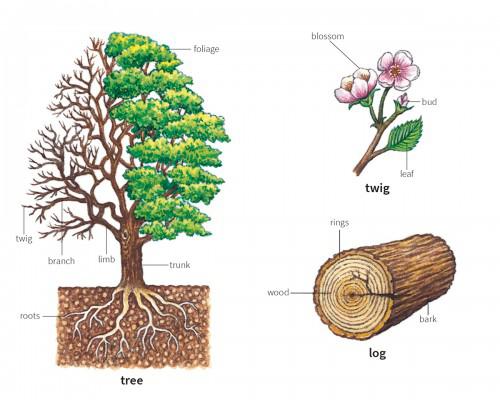
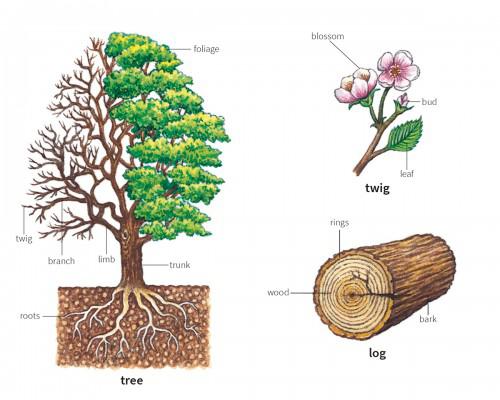
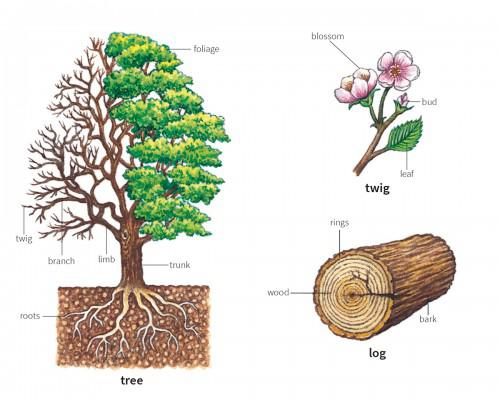
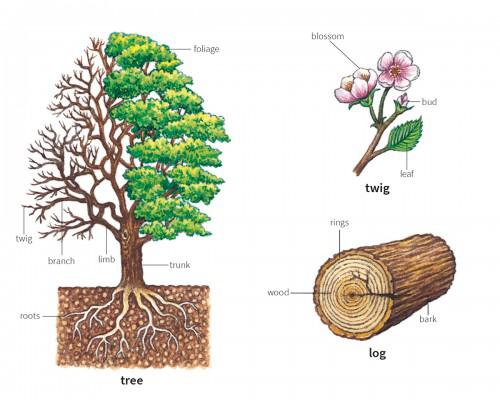
    wood(noun)

    /wʊd/

    나무 (namu)

    the hard material that the trunk and branches of a tree are made of; this material when it is used to build or make things with, or as a fuel

    He chopped some wood for the fire.

    그는 불을 피우기 위해 나무를 팼다.

    유의어timberlumberfirewoodkindling
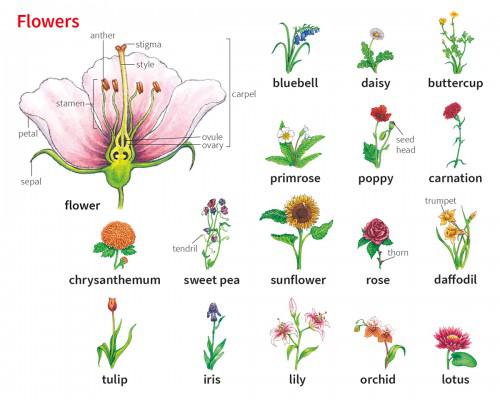
    반의어metalstoneplastic
  2. 2

    leaf(noun)

    /liːf/

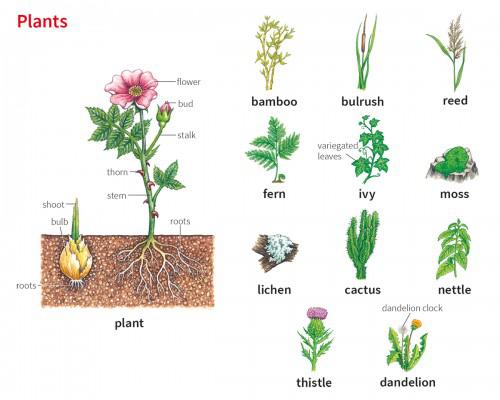
    잎 (ip)

    a flat green part of a plant, growing from a stem or branch or from the root

    The leaves on the trees were beginning to turn from green to orange.

    나무의 잎이 초록색에서 주황색으로 변하기 시작했습니다.

    유의어frondfoliageblade
    반의어trunkbranchroot
  3. 3

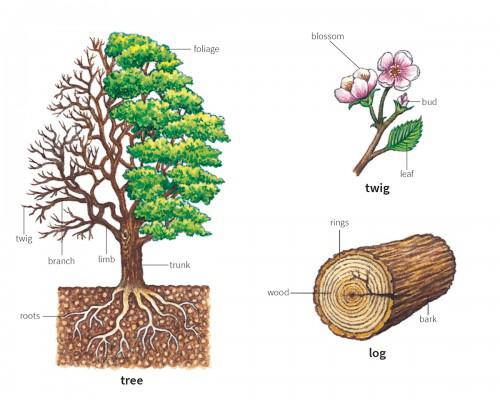
    tree(noun)

    /triː/

    나무 (namu)

    a tall plant that can live a long time. Trees have a thick central wooden trunk from which branches grow, usually with leaves on them

    My father likes planting trees.

    저희 아버지는 나무 심는 것을 좋아하세요. (Jeohui abeojineun namu simneun geoseul joahaseyo.)

    to chop/cut down a tree

    유의어plantsaplingtimberwood
    반의어none (in the sense of a single word antonym)shrubbush
  4. 4

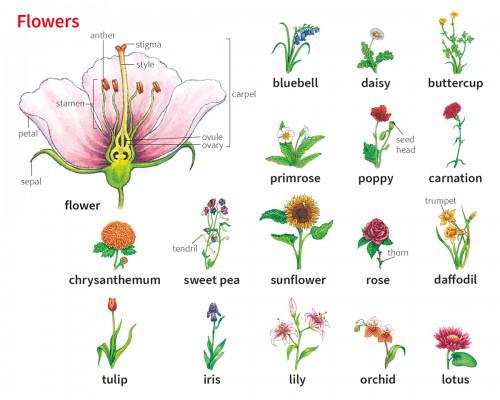
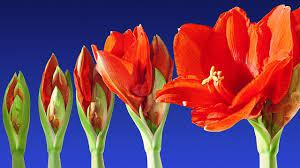
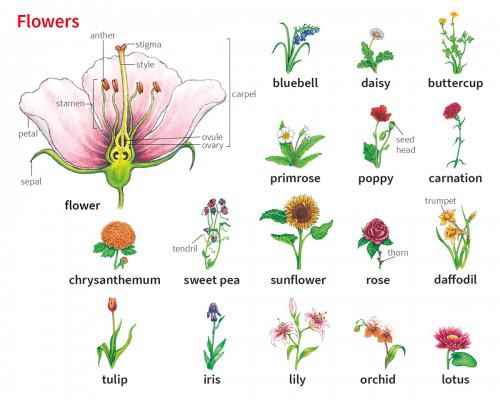
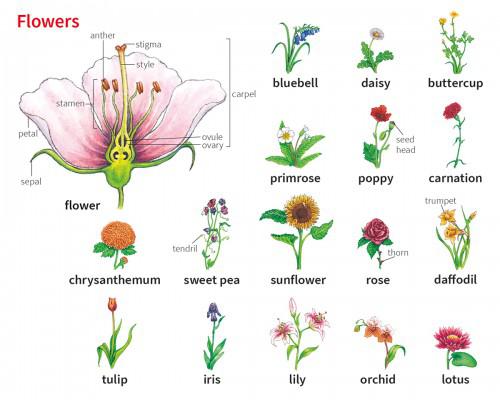
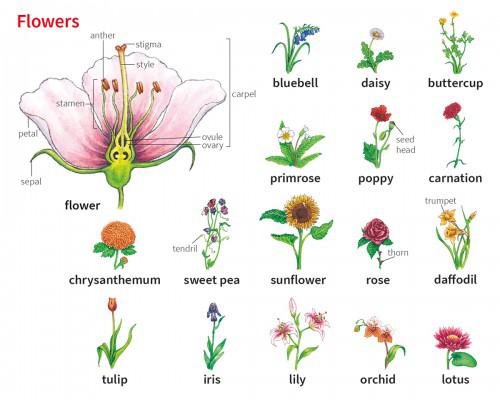
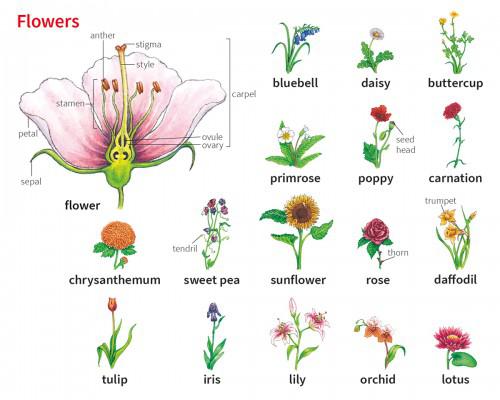
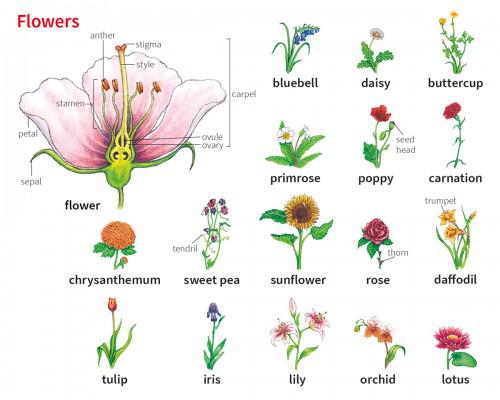
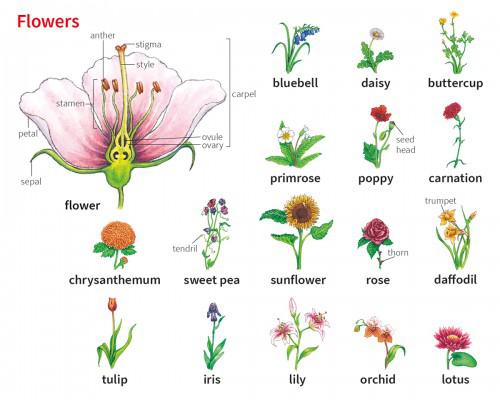
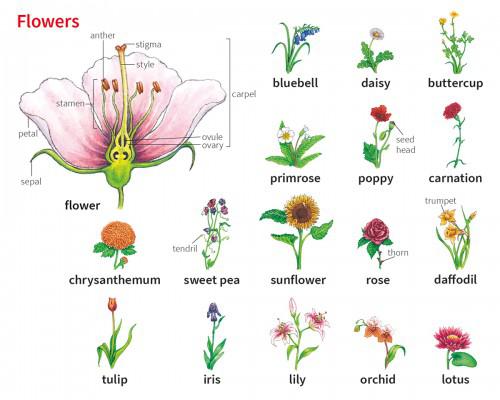
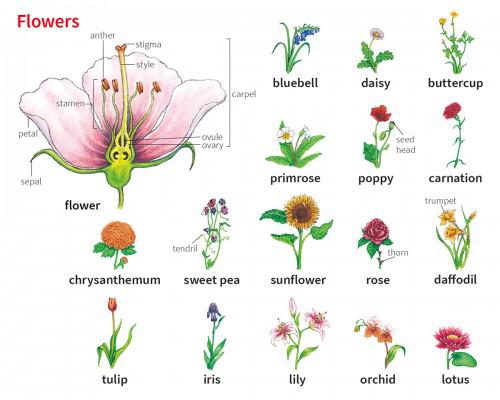
    flower(noun)

    /ˈflaʊər/

    꽃 (kkot)

    the coloured part of a plant from which the seed or fruit develops. Flowers usually grow at the end of a stem and last only a short time.

    Do you like flowers?

    꽃 좋아하세요? (Kkot joahaseyo?)

    The plant has a beautiful bright red flower.

    유의어blossombloomfloral
    반의어weedthornvegetation
  5. 5

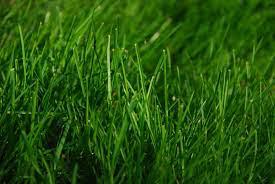
    grass(noun)

    /ɡræs/

    풀 (pul)

    a common wild plant with narrow green leaves and stems that are eaten by cows, horses, sheep, etc.

    a blade of grass

    풀잎 (pullip)

    The dry grass caught fire.

    유의어turflawngreenswardherbagepasture
    반의어bare earthsoilconcretepavement
  6. 6

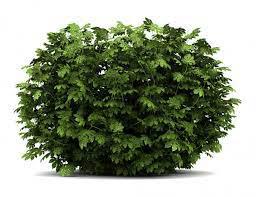
    bush(noun)

    /bʊʃ/

    덤불 (deombul)

    a plant that grows thickly with several hard stems coming up from the root

    She was hiding in the bushes at the side of the lane.

    그녀는 차도 옆 덤불 속에 숨어 있었다.

    a rose bush

    유의어shrubhedgethicketscrub
    반의어treeopen spaceclearing
  7. 7

    branch(noun)

    /bræntʃ/

    가지 (gaji)

    a part of a tree that grows out from the main stem and on which leaves, flowers and fruit grow

    She climbed the tree and hid in the branches.

    그녀는 나무에 올라 가지에 숨었다.

    They all put a bet on the race.

    유의어limboffshootboughdivisionsectionarm
    반의어trunkmainstemwhole
  8. 8

    seed(noun)

    /siːd/

    씨앗 (ssiat)

    the small hard part produced by a plant, from which a new plant can grow

    These vegetables can be grown from seed.

    이 채소들은 씨앗으로부터 재배될 수 있습니다.

    seed potatoes(= used for planting)

    유의어kernelgraingermsourceoriginbeginning
    반의어fruitproductoutcomeend
  9. 9

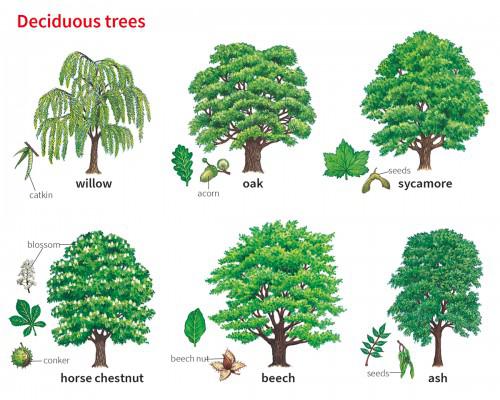
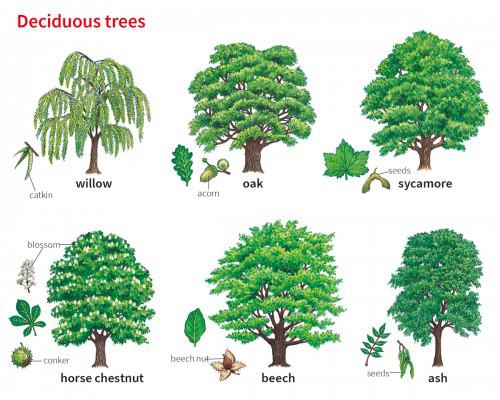
    Beech(noun)

    /biːtʃ/

    너도밤나무

    a tall forest tree with smooth grey bark , shiny leaves and small nuts

    The great beeches towered up towards the sky.

    거대한 너도밤나무들이 하늘을 향해 높이 솟아 있었다.

    유의어treeforest treewoodland tree
    반의어shrubbushsmall plant
  10. 10

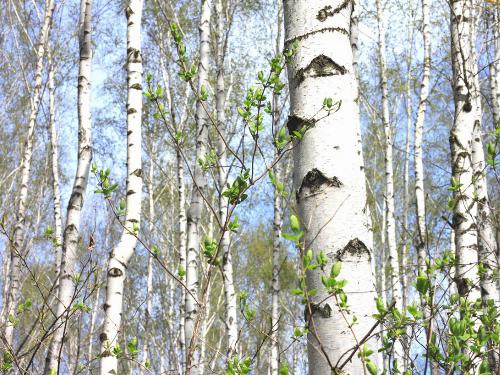
    Birch(noun)

    /bɜːrtʃ/

    자작나무

    a tree with smooth bark and thin branches that grows in northern countries

    Birch species are generally small to medium-sized trees or shrubs

    자작나무 종은 일반적으로 작거나 중간 크기의 나무 또는 관목입니다.

    유의어birch tree
  11. 11

    Bloom(noun)

    /bluːm/

    꽃

    a flower (usually one on a plant that people admire for its flowers)

    The plant produced a single white bloom.

    그 식물은 하얀 꽃 한 송이를 피웠다.

    유의어flowerblossomflourishthrivedevelop
    반의어wiltfadedeclinedieshrink
  12. 12

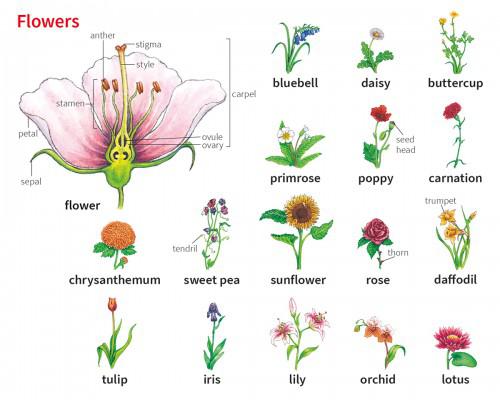
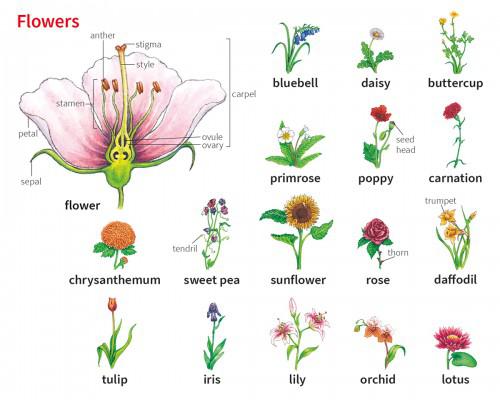
    Bluebell(noun)

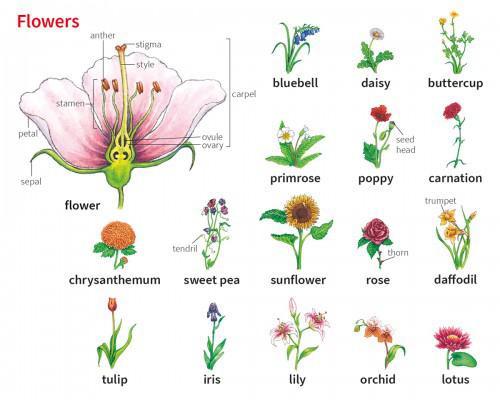
    /ˈbluːbel/

    블루벨

    a garden or wild flower with a short stem and small blue or white flowers that have the shape of bells

    Bluebells carpeted the forest floor in spring.

    봄에 블루벨이 숲 바닥을 덮었습니다.

    유의어wild hyacinthendymionflowerplant
  13. 13

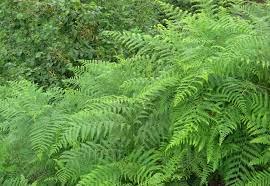
    Bracken(noun)

    /ˈbrækən/

    고사리

    a wild plant with large leaves that grows thickly on hills and in woods and turns brown in the autumn

    The hillside was covered in brown bracken.

    언덕 비탈은 갈색 고사리로 덮여 있었다.

    유의어fernbrake
    반의어None (as a specific type of fernthere isn't a direct antonym)
  14. 14

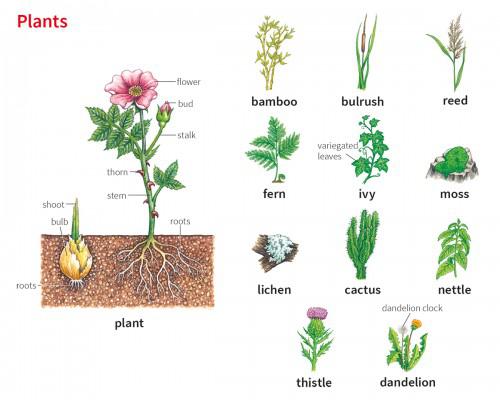
    Bud(noun)

    /bʌd/

    봉오리 (bong-ori)

    a small closed part that grows on a plant and from which a flower, leaf or stem develops; a flower or leaf that is not fully open

    The first buds appearing in spring

    봄에 나타나는 첫 번째 봉오리

    유의어sproutshootgermburgeonoffshoot
    반의어bloomflowermature
  15. 15

    Buttercup(noun)

    /ˈbʌtərkʌp/

    미나리아재비

    a wild plant with small shiny yellow flowers that are like cups in shape

    The petals of buttercups are often highly lustrous

    미나리아재비 꽃잎은 종종 매우 윤기가 흐릅니다.

    유의어goldcupcrowfoot
  16. 16

    Cactus(noun)

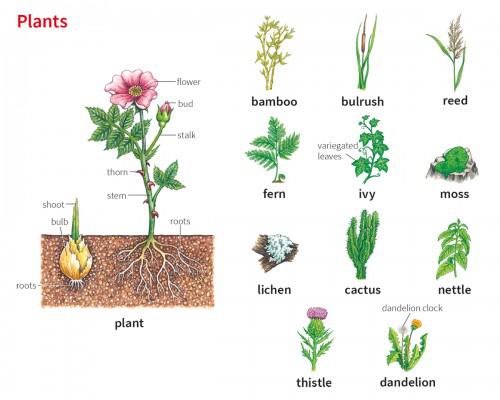
    /ˈkæktəs/

    선인장

    a plant that grows in hot dry regions, especially one with thick stems covered in spines but without leaves. There are many different types of cactus .

    Cactus stems are often ribbed or fluted

    선인장 줄기는 종종 주름지거나 홈이 있습니다.

    유의어succulentprickly plantdesert plant
    반의어None (Cactus is a specific type of plant)
  17. 17

    Carnation(noun)

    /kɑːrˈneɪʃn/

    카네이션

    a white, pink, red or yellow flower, often worn as a decoration on formal occasions

    Carnations were mentioned in Greek literature 2,000 years ago.

    카네이션은 2,000년 전에 그리스 문학에서 언급되었습니다.

    유의어clove pinkpink
  18. 18

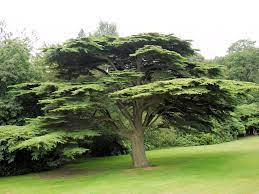
    Cedar(noun)

    /ˈsiːdər/

    삼나무, 개잎갈나무

    a tall evergreen tree with wide spreading branches

    An old cedar stood in the middle of the park.

    공원 한가운데에 오래된 개잎갈나무가 서 있었다.

    유의어evergreenconifertimber
    반의어deciduous (tree)broadleaf (tree)
  19. 19

    Cherry tree(noun)

    /ˈʧɛri triː/

    벚나무, 체리나무

    a tree on which cherries grow, or a similar tree, grown for its flowers

    The cherry tree in our garden is covered in pink flowers.

    우리 정원의 벚나무는 분홍색 꽃으로 뒤덮여 있다.

    유의어flowering cherryPrunus tree
  20. 20

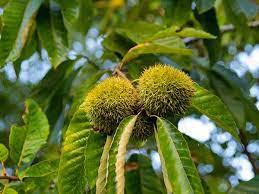
    Chestnut tree(noun)

    /ˈʧɛsnʌt triː/

    밤나무 (bamnamu)

    a large tree with spreading branches that produces smooth brown nuts inside cases that are covered with spikes

    There are several types of chestnut tree.

    밤나무에는 여러 종류가 있습니다. (bamnamueneun yeoreo jongnyuga itsseumnida.)

    유의어chestnutcastanea
  21. 21

    Chrysanthemum(noun)

    /krɪˈzænθəməm/

    국화 (gukhwa)

    a large, brightly coloured garden flower that is like a ball in shape and is made up of many long narrow petals

    In Japan, a form of bonsai chrysanthemum was developed over the centuries.

    일본에서는 분재 국화의 한 형태가 수 세기에 걸쳐 개발되었습니다.

    유의어mumchrysanth
  22. 22

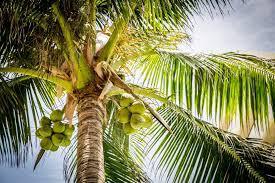
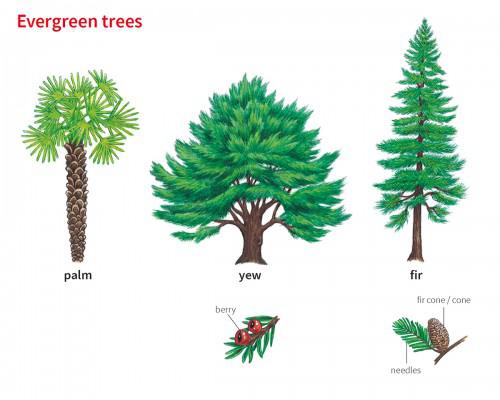
    Coconut tree(noun)

    /ˈkəʊkənʌt triː/

    야자나무, 코코넛나무

    a tall tropical palm tree that produces coconuts

    She climbed the coconut tree to get a fresh coconut.

    그녀는 신선한 코코넛을 따려고 야자나무에 올라갔다.

    유의어Coconut palm
  23. 23

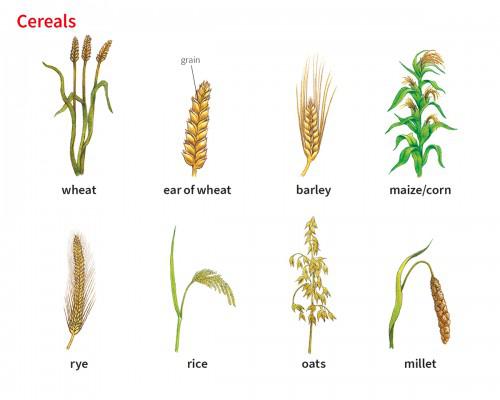
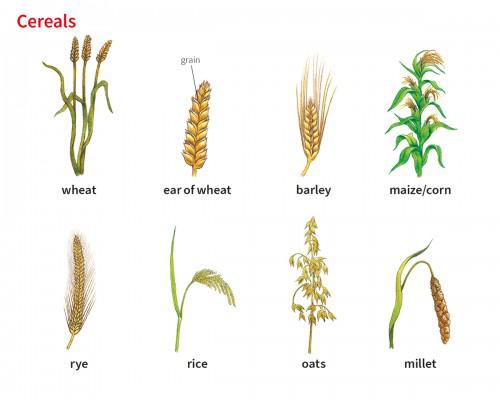
    Corn(noun)

    /kɔːrn/

    옥수수

    a tall plant grown for its yellow grains that are eaten as food; maize

    The major crops are wheat, barley and corn.

    주요 작물은 밀, 보리, 옥수수이다.

    유의어maizesweetcorn
  24. 24

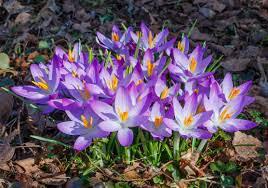
    Crocus(noun)

    /ˈkrəʊkəs/

    크로커스

    a small yellow, purple or white flower that appears in early spring

    Purple crocuses appear in the garden in early spring.

    이른 봄이면 정원에 보라색 크로커스가 핀다.

    유의어saffron crocusautumn crocusspring crocus
    반의어crocuscrocus sativus
  25. 25

    Daffodil(noun)

    /ˈdæfədɪl/

    수선화

    a tall yellow spring flower that is like a trumpet in shape. It is a national symbol of Wales.

    The daffodil is the national flower of Wales and the symbol of cancer charities in many countries.

    수선화는 웨일스의 국화이며 많은 국가에서 암 자선 단체의 상징입니다.

    유의어narcissusjonquil
    반의어daffodildaffodil garlicdaffodilly
  26. 26

    Dahlia(noun)

    /ˈdeɪliə/

    달리아

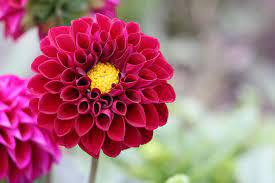
    a large brightly coloured garden flower, often like a ball in shape

    The dahlia was declared the national flower of Mexico in 1963.

    달리아는 1963년에 멕시코의 국화로 지정되었습니다.

    유의어garden dahliasingle dahliapompon dahlia
    반의어dahliadahlia pinnata
  27. 27

    Daisy(noun)

    /ˈdeɪzi/

    데이지

    a small wild flower with white petals around a yellow centre; a taller plant with similar but larger flowers

    Daisies are one of the most recognizable and common flowers.

    데이지는 가장 쉽게 알아볼 수 있고 흔한 꽃 중 하나입니다.

    유의어Bellis perennisDay's eye
    반의어common daisycowpen daisycrown daisydaisydaisy fleabanedaisy wheeldaisy-bushdaisy-chain
  28. 28

    Dandelion(noun)

    /ˈdændɪlaɪən/

    민들레 (mindeulle)

    a small wild plant with a bright yellow flower that becomes a soft white ball of seeds called a dandelion clock

    Dandelions are thought to have evolved about 30 million years ago in Eurasia

    민들레는 약 3천만 년 전 유라시아에서 진화한 것으로 여겨집니다.

    유의어blowballlion's toothpiss-a-bed
  29. 29

    Fern(noun)

    /fɜːrn/

    고사리

    a plant with large attractive leaves and no flowers that grows in wet areas or is grown in a pot. There are many types of fern .

    Ferns first appear in the fossil record about 360 million years ago in the middle Devonian period

    고사리는 약 3억 6천만 년 전 중기 데본기 시대에 화석 기록에 처음 나타났습니다.

    유의어brackenground coverforest plant
    반의어(Generally antonyms don't apply to specific plant types like ferns. More general antonyms would be) TreeShrubFlower
  30. 30

    Fig tree(noun)

    /fɪg triː/

    무화과나무

    a tree on which figs grow

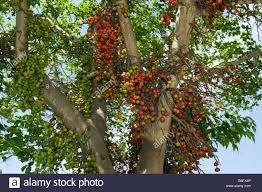
    Figs are a delicious treat that thrive in warm climates but can also be grown in more temperate regions with a bit of extra care.

    무화과는 따뜻한 기후에서 잘 자라는 맛있는 과일이지만, 조금만 더 정성을 들이면 온화한 지역에서도 재배할 수 있다.

    유의어figfig plantFicus carica
  31. 31

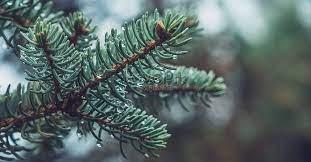
    Fir(noun)

    /fɜːr/

    전나무

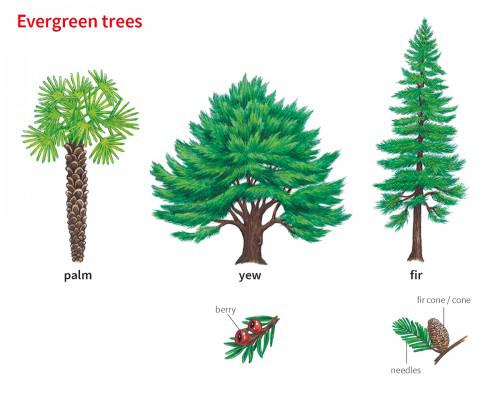
    an evergreen forest tree with leaves like needles

    Tall fir trees cover the side of the mountain.

    키 큰 전나무들이 산비탈을 뒤덮고 있다.

    유의어evergreenconiferpinespruce
    반의어deciduous tree
  32. 32

    Forget-me-not(noun)

    /fərˈɡet miː nɑːt/

    물망초 (mulmangcho)

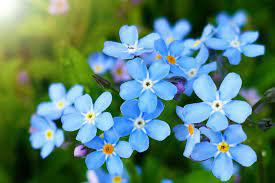
    a low-growing plant with small, light-blue flowers

    In The Netherlands, the forget-me-not has become a symbol for Alzheimer Nederland, a foundation advocating for people suffering from dementia.

    네덜란드에서는 물망초가 치매 환자를 옹호하는 재단인 알츠하이머 네덜란드의 상징이 되었습니다.

    유의어AnchusaMyosotislove token
  33. 33

    Foxglove(noun)

    /ˈfɑːksɡlʌv/

    디기탈리스

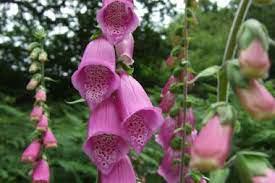
    a tall plant with purple or white flowers that are like bells in shape growing up its stem

    Foxglove has medicinal uses but can also be toxic to humans and other animals.

    디기탈리스는 약용으로 사용되지만 사람과 다른 동물에게 독성이 있을 수도 있습니다.

    유의어DigitalisDead Man's BellsFairy FingersWitches' Gloves
  34. 34

    Geranium(noun)

    /dʒəˈreɪniəm/

    제라늄

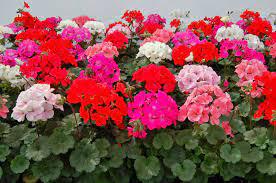
    a garden plant with a mass of red, pink or white flowers on the end of each stem

    She keeps red geraniums on her balcony.

    그녀는 발코니에서 빨간 제라늄을 키운다.

    유의어cranesbill
  35. 35

    Grow(verb)

    /ɡrəʊ/

    성장하다 (seongjanghada)

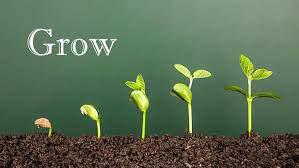
    to increase in size, number, strength or quality

    The region is too dry for plants to grow.

    그 지역은 너무 건조해서 식물이 자랄 수 없다.

    유의어developincreaseexpandcultivateflourish
    반의어shrinkdeclinewitherdecreasediminish
  36. 36

    Hazel(noun)

    /ˈheɪzl/

    개암나무

    a small tree that produces small nuts (called hazelnuts ) that can be eaten

    Hazels have simple, rounded leaves with double-serrate margins.

    개암나무는 겹톱니 모양의 가장자리가 있는 단순하고 둥근 잎을 가지고 있습니다.

    유의어filbertcobnut tree
  37. 37

    Herb(noun)

    /ɜːrb/

    약초 (yakcho)

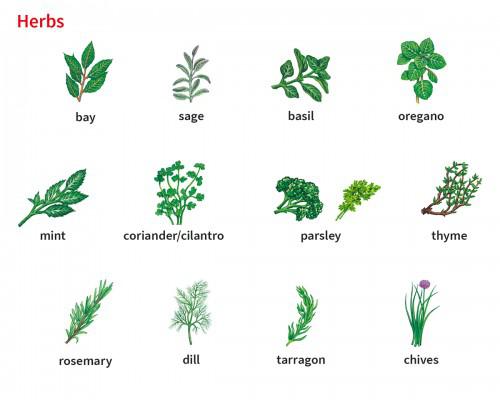
    a plant whose leaves, flowers or seeds are used to add taste to food, in medicines or for their pleasant smell. parsley , mint and oregano are all herbs .

    Herbs have a variety of uses including culinary, medicinal, and in some cases, spiritual.

    약초는 요리, 약용, 그리고 어떤 경우에는 영적인 용도를 포함하여 다양한 용도로 사용됩니다. (yakchoneun yori, yagyong, geurigo eotteon gyeongeoueneun yeongjeogin yongdoreul pohamhayeo dayanghan yongdoro sayongdoepnida.)

    유의어plantbotanicalgreeneryvegetationspice
    반의어syntheticartificialinorganic
  38. 38

    Ivy(noun)

    /ˈaɪvi/

    아이비

    a climbing plant, especially one with dark green shiny leaves with five points

    Ivy seeds are spread by birds

    아이비 씨앗은 새들에 의해 퍼집니다.

    유의어climbing vinecreepervine
    반의어n/a
  39. 39

    Lily(noun)

    /ˈlɪli/

    백합

    a large white or brightly coloured flower with petals that curl back from the centre. There are many types of lily .

    Lilies are usually planted as bulbs in the autumn.

    백합은 보통 가을에 구근으로 심는다.

    유의어flowerbulbous plantplant
    반의어None (as a specific type of flowerit doesn't have direct antonyms)Different flower type (e.g.rosetulip)
  40. 40

    Moss(noun)

    /mɔːs/

    이끼 (ikki)

    a very small green or yellow plant without flowers that spreads over wet surfaces, rocks, trees, etc.

    Mosses are commonly confused with liverworts, hornworts and lichens.

    이끼는 흔히 우산이끼, 뿔이끼, 지의류와 혼동됩니다.

    유의어bryophytelichen (sometimes used loosely)
    반의어vascular planttreeflower
  41. 41

    Mushroom(noun)

    /ˈmʌʃrʊm/

    버섯 (beoseot)

    a fungus with a round flat head and short stem . Many mushrooms can be eaten.

    They went into the woods to pick wild mushrooms.

    그들은 야생 버섯을 따러 숲으로 갔다. (geudeureun yasaeng beoseot-eul ttareo supeuro gatda.)

    유의어fungustoadstoolagaric
    반의어shrinkshrivel
  42. 42

    Nettle(noun)

    /ˈnetl/

    쐐기풀

    a wild plant with leaves that have pointed edges, are covered in fine hairs and sting (= cause you pain) if you touch them

    The nettles had spread and now covered half the garden.

    쐐기풀이 퍼져서 이제 정원의 절반을 덮었습니다.

    유의어stinging nettleburnweed
    반의어harmless plantsoothing plant
  43. 43

    Oak(noun)

    /əʊk/

    참나무

    a large tree that produces small nuts called acorns . Oaks are common in northern countries and can live to be hundreds of years old.

    The forest is famous for its ancient oak trees.

    그 숲은 고대 참나무로 유명합니다.

    유의어Quercus (scientific name)
    반의어pinebirchelm
  44. 44

    Olive tree(noun)

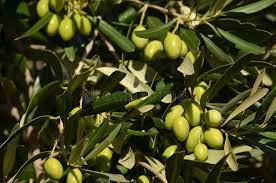
    /ˈɒlɪv triː/

    올리브 나무

    a tree on which olives grow

    The olive tree, Olea europaea, is an evergreen tree or shrub native to Mediterranean Europe, Asia, and Africa.

    올리브 나무(Olea europaea)는 지중해 유럽, 아시아 및 아프리카가 원산지인 상록수 또는 관목입니다.

    유의어oliveOlea europaeaolive plant
    반의어deciduous treefruitless tree
  45. 45

    Orchid(noun)

    /ˈɔːrkɪd/

    난초

    a plant with brightly coloured flowers of unusual shapes. There are many different types of orchid and some of them are very rare.

    Orchids are easily distinguished from other plants, as they share some very evident derived characteristics or synapomorphies.

    난초는 몇 가지 매우 뚜렷한 파생 특징 또는 공통파생형질을 공유하기 때문에 다른 식물과 쉽게 구별됩니다.

    유의어none (orchid is specific)
    반의어common plant
  46. 46

    Pine(noun)

    /paɪn/

    소나무 (sonamu)

    an evergreen forest tree with leaves like needles

    Pine is one of the more extensively used types of wood used as lumber.

    소나무는 제재목으로 사용되는 목재 중 가장 널리 사용되는 종류 중 하나입니다.

    유의어firevergreenconifer
    반의어deciduous treehardwood
  47. 47

    Poppy(noun)

    /ˈpɑːpi/

    양귀비

    a wild or garden plant, with a large delicate flower that is usually red, and small black seeds. Opium is obtained from one type of poppy .

    Poppy oil is often used as cooking oil, salad dressing oil, or in products such as margarine.

    양귀비 기름은 종종 식용유, 샐러드 드레싱 오일 또는 마가린과 같은 제품에 사용됩니다.

    유의어corn poppyopium poppyflander's poppypapaver
    반의어clustered poppy mallowcorn poppypoppypoppycock
  48. 48

    Primrose(noun)

    /ˈprɪmrəʊz/

    앵초

    a small wild plant that produces pale yellow flowers in spring

    Primrose is a small, perennial woodland plant that grows no more than 10cm high and can flower from December through to May

    앵초는 높이가 10cm를 넘지 않고 12월부터 5월까지 꽃이 피는 작고 다년생인 숲 식물입니다.

    유의어CowslipOxlipPolyanthus
    반의어common evening primrosecommon evening primroseprimrose
  49. 49

    Root(noun)

    /ruːt/

    뿌리 (ppuri)

    the part of a plant that grows under the ground and takes in water and minerals that it sends to the rest of the plant

    Tree roots can cause damage to buildings.

    나무 뿌리는 건물에 손상을 줄 수 있습니다.

    유의어originsourcebasecausefoundationunderlying cause
    반의어branchleafresultconsequenceoutgrowth
  50. 50

    Rose(noun)

    /rəʊz/

    장미

    a flower with a sweet smell that grows on a bush with thorns (= sharp points) on its stems

    He gave her a bunch of red roses.

    그는 그녀에게 빨간 장미 한 다발을 주었다.

    유의어BlossomFlowerBloomRosette
    반의어ThornWeedUgliness
  51. 51

    Shrub(noun)

    /ʃrʌb/

    관목 (gwanmok)

    a large plant that is smaller than a tree and that has several stems of wood coming from the ground

    Shrubs are perennial woody plants

    관목은 다년생 목본 식물입니다.

    유의어bushhedgescrub
    반의어tree
  52. 52

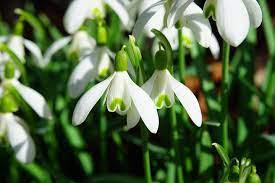
    Snowdrop(noun)

    /ˈsnəʊdrɑːp/

    스노드롭 (seunodeurop)

    a small white flower that appears in early spring

    Snowdrops have been known since the earliest times under various names

    스노드롭은 다양한 이름으로 아주 오래전부터 알려져 왔습니다.

    유의어galanthusFebruary fair maid
  53. 53

    Thorn(noun)

    /θɔːrn/

    가시 (gasi)

    a small sharp, pointed part on the stem of some plants, such as roses

    The rose bush has many thorns.

    장미 덤불에는 가시가 많다. (Jangmi deombeuleneun gasiga manta.)

    유의어pricklespikebarbspine
    반의어benefitadvantagesmoothnessprotection
  54. 54

    Trunk(noun)

    /trʌŋk/

    나무 줄기 (namu julgi)

    the thick main stem of a tree, that the branches grow from

    An instrument made from a hollowed-out tree trunk.

    속이 빈 나무 줄기로 만든 악기.

    유의어StemTorsoBodyShaftBole
    반의어BranchLimbTwigTopCrown
  55. 55

    Tulip(noun)

    /ˈtuːlɪp/

    튤립 (tyullip)

    a large, brightly coloured spring flower, like a cup in shape, on a tall stem

    Tulips originally were found in a band stretching from Southern Europe to Central Asia

    튤립은 원래 남유럽에서 중앙아시아로 뻗어 있는 지역에서 발견되었습니다.

    유의어bulbflowerblossom
  56. 56

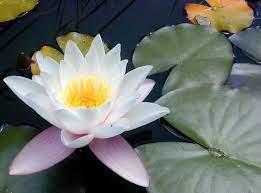
    Water lily(noun)

    /ˈwɔːtər lɪli/

    수련 (suryeon)

    a plant that floats on the surface of water, with large, round, flat leaves and white, yellow or pink flowers

    Pink water lilies catch the glow of sunrise.

    분홍 수련이 해돋이의 빛을 받는다. (bunhong suryeoni haedod-iui bicheul banneunda.)

    유의어Nymphaealotuspond lily
  57. 57

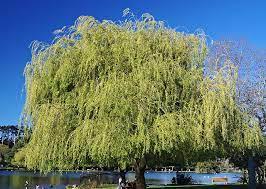
    Weeping willow(noun)

    /ˈwiːpɪŋ ˈwɪləʊ/

    수양버들

    a willow tree with long thin branches that hang down towards the ground

    Weeping willow is a medium- to large-sized deciduous tree.

    수양버들은 중형에서 대형 크기의 낙엽수이다.

    유의어weeping treependulous willow
    반의어upright treenon-weeping willow
  58. 58

    Wheat(noun)

    /wiːt/

    밀 (mil)

    a plant grown for its grain that is used to produce the flour for bread, cakes, pasta , etc.; the grain of this plant

    The land at Scampston is mainly sandy, so only wheats are grown.

    스캠프스턴의 땅은 주로 모래땅이라 밀만 재배합니다.

    유의어graincereal
    반의어None (in the sense of a direct opposite food)Other grains (ricecornoatsetc.)
  59. 59

    Yew(noun)
    /juː/

    주목

    a small tree with dark green leaves and small red berries

    Yew trees contain the highly poisonous taxane alkaloids that have been developed as anti-cancer drugs.

    주목나무에는 항암제로 개발된 독성이 강한 탁산 알칼로이드가 들어 있습니다.

    유의어evergreentaxus
    반의어dyeweedeyewasheyewatereyewitnessyew