コンテンツへスキップ

レッスン2/202 · 59語 · 覚えた単語 0

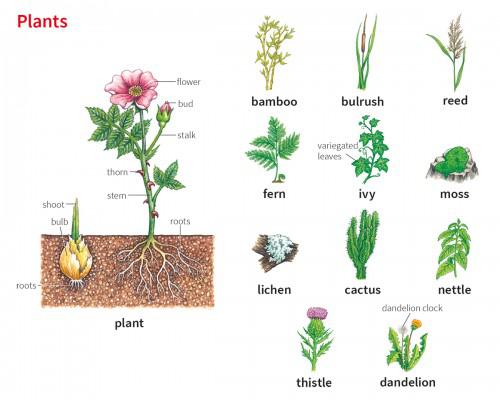
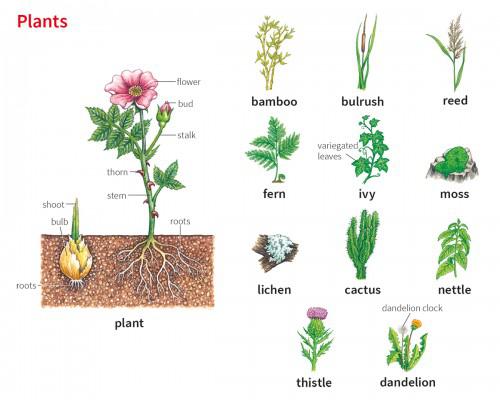
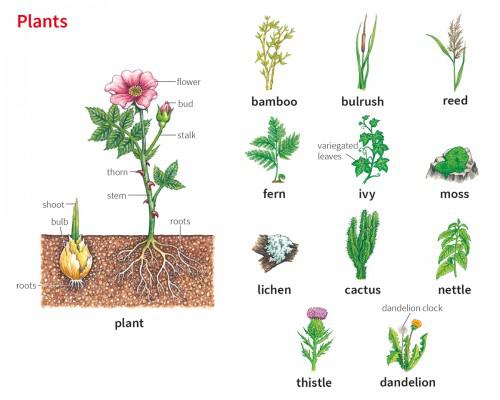
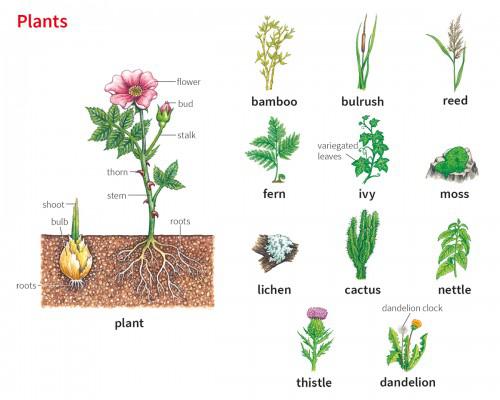
Plants

植物

  1. 1

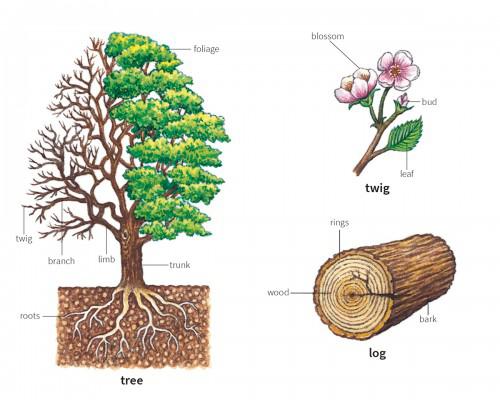
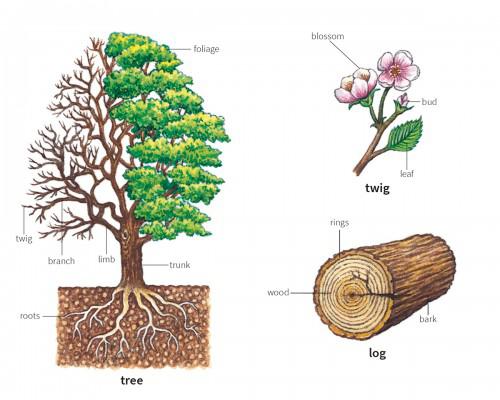
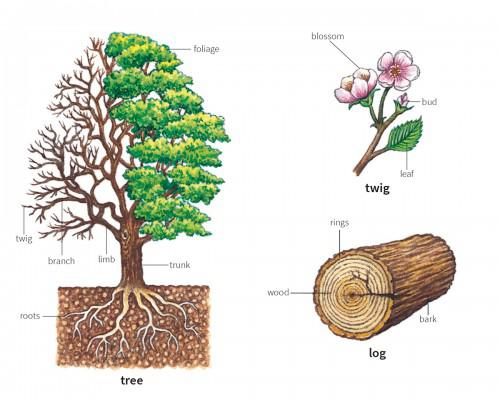
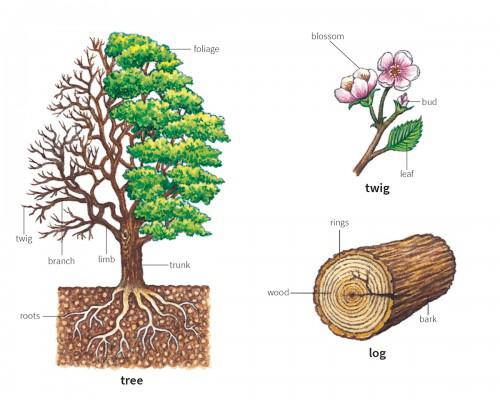
    wood(noun)

    /wʊd/

    木 (ki)

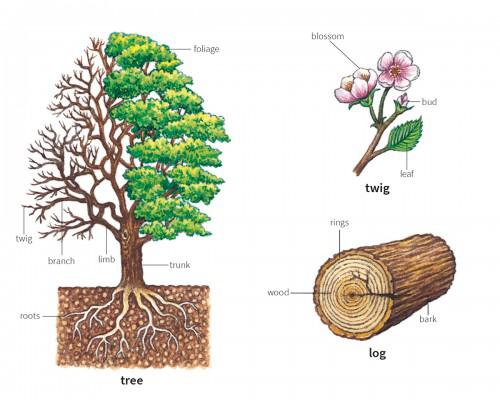
    the hard material that the trunk and branches of a tree are made of; this material when it is used to build or make things with, or as a fuel

    He chopped some wood for the fire.

    彼は火のために木を割った。

    類義語timberlumberfirewoodkindling
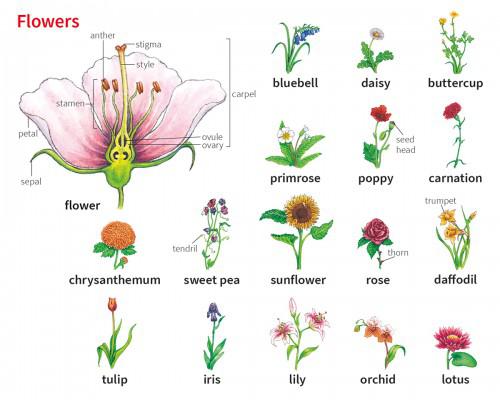
    対義語metalstoneplastic
  2. 2

    leaf(noun)

    /liːf/

    葉 (ha)

    a flat green part of a plant, growing from a stem or branch or from the root

    The leaves on the trees were beginning to turn from green to orange.

    木の葉は緑からオレンジに変わり始めていました。

    類義語frondfoliageblade
    対義語trunkbranchroot
  3. 3

    tree(noun)

    /triː/

    木 (ki)

    a tall plant that can live a long time. Trees have a thick central wooden trunk from which branches grow, usually with leaves on them

    My father likes planting trees.

    私の父は木を植えるのが好きです。(Watashi no chichi wa ki o ueru no ga suki desu.)

    to chop/cut down a tree

    類義語plantsaplingtimberwood
    対義語none (in the sense of a single word antonym)shrubbush
  4. 4

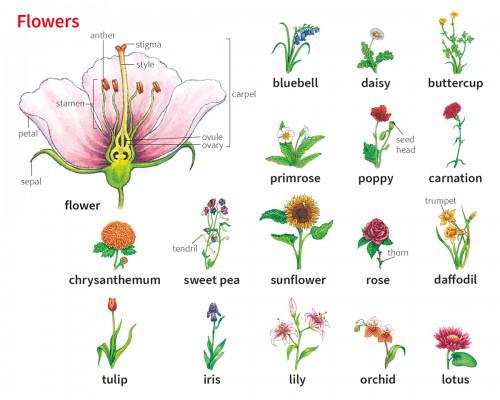
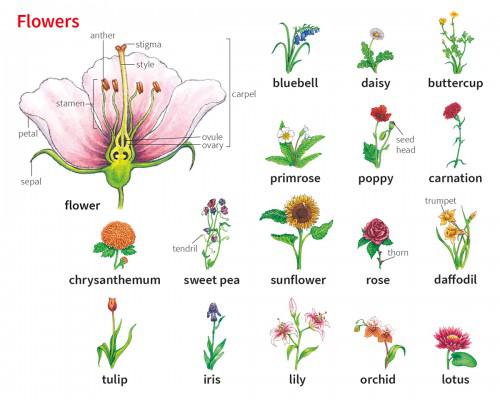
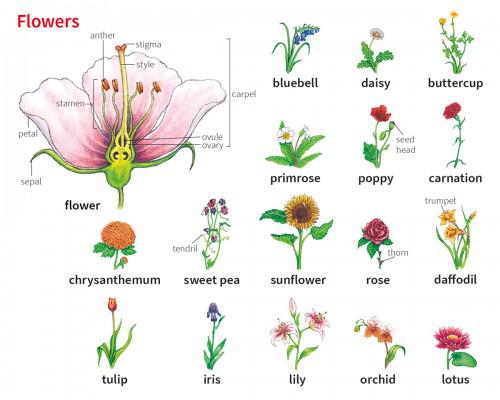
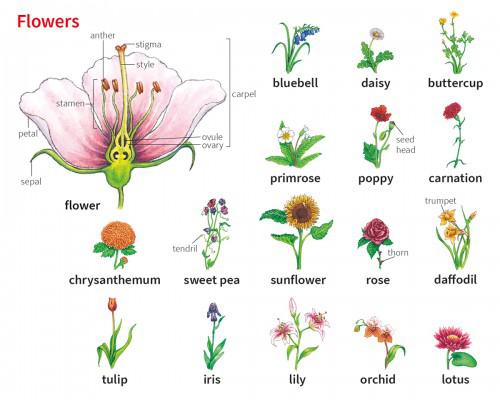
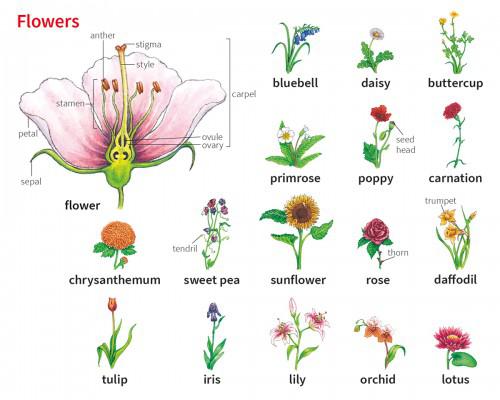
    flower(noun)

    /ˈflaʊər/

    花 (hana)

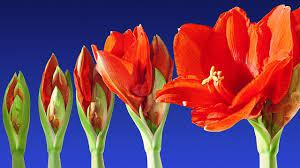
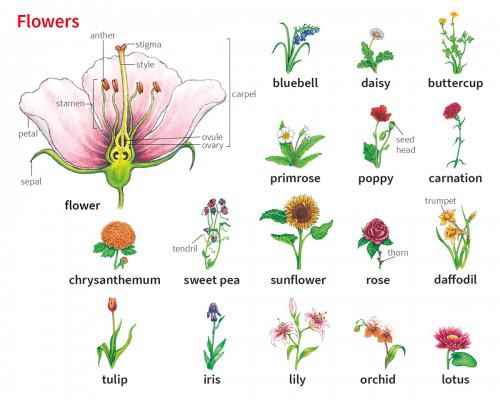
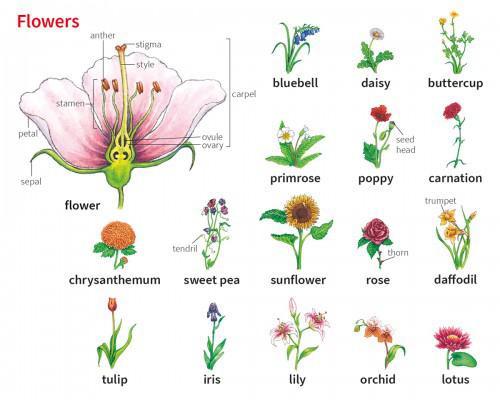
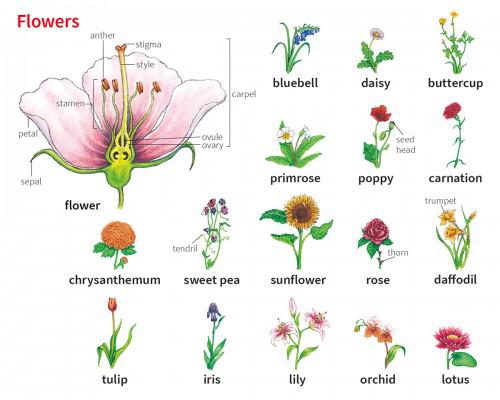
    the coloured part of a plant from which the seed or fruit develops. Flowers usually grow at the end of a stem and last only a short time.

    Do you like flowers?

    花は好きですか? (Hana wa suki desu ka?)

    The plant has a beautiful bright red flower.

    類義語blossombloomfloral
    対義語weedthornvegetation
  5. 5

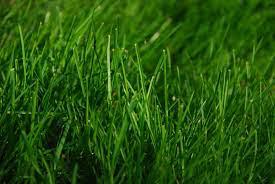
    grass(noun)

    /ɡræs/

    草 (kusa)

    a common wild plant with narrow green leaves and stems that are eaten by cows, horses, sheep, etc.

    a blade of grass

    一本の草 (ippon no kusa)

    The dry grass caught fire.

    類義語turflawngreenswardherbagepasture
    対義語bare earthsoilconcretepavement
  6. 6

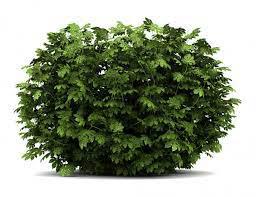
    bush(noun)

    /bʊʃ/

    茂み (shigemi)

    a plant that grows thickly with several hard stems coming up from the root

    She was hiding in the bushes at the side of the lane.

    彼女は小道の脇の茂みに隠れていた。

    a rose bush

    類義語shrubhedgethicketscrub
    対義語treeopen spaceclearing
  7. 7

    branch(noun)

    /bræntʃ/

    枝 (eda)

    a part of a tree that grows out from the main stem and on which leaves, flowers and fruit grow

    She climbed the tree and hid in the branches.

    彼女は木に登り、枝の中に隠れた。

    They all put a bet on the race.

    類義語limboffshootboughdivisionsectionarm
    対義語trunkmainstemwhole
  8. 8

    seed(noun)

    /siːd/

    種 (tane)

    the small hard part produced by a plant, from which a new plant can grow

    These vegetables can be grown from seed.

    これらの野菜は種から育てることができます。

    seed potatoes(= used for planting)

    類義語kernelgraingermsourceoriginbeginning
    対義語fruitproductoutcomeend
  9. 9

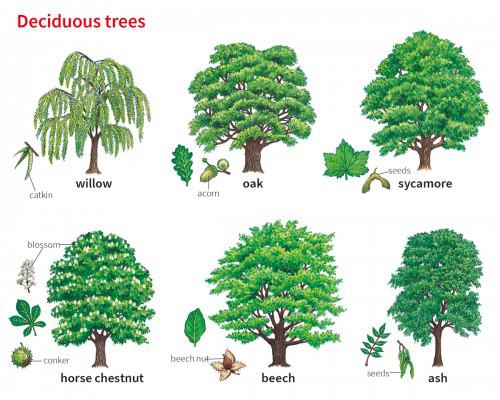
    Beech(noun)

    /biːtʃ/

    ブナ

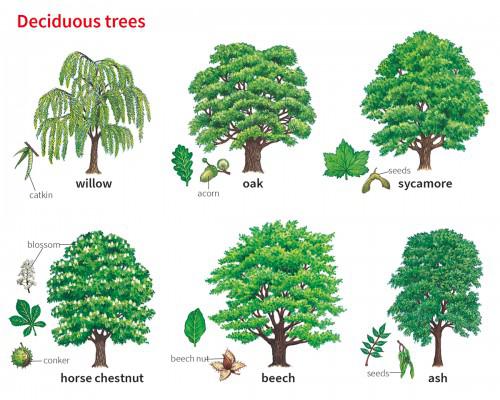
    a tall forest tree with smooth grey bark , shiny leaves and small nuts

    The great beeches towered up towards the sky.

    巨大なブナの木々が空に向かってそびえ立っていた。

    類義語treeforest treewoodland tree
    対義語shrubbushsmall plant
  10. 10

    Birch(noun)

    /bɜːrtʃ/

    カバノキ

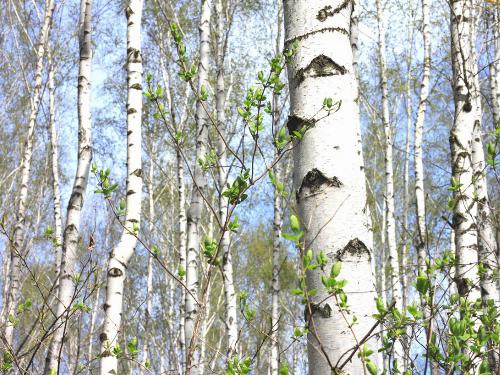
    a tree with smooth bark and thin branches that grows in northern countries

    Birch species are generally small to medium-sized trees or shrubs

    カバノキ属の植物は、一般的に小から中型の木または低木です。

    類義語birch tree
  11. 11

    Bloom(noun)

    /bluːm/

    花

    a flower (usually one on a plant that people admire for its flowers)

    The plant produced a single white bloom.

    その植物は白い花を一輪咲かせた。

    類義語flowerblossomflourishthrivedevelop
    対義語wiltfadedeclinedieshrink
  12. 12

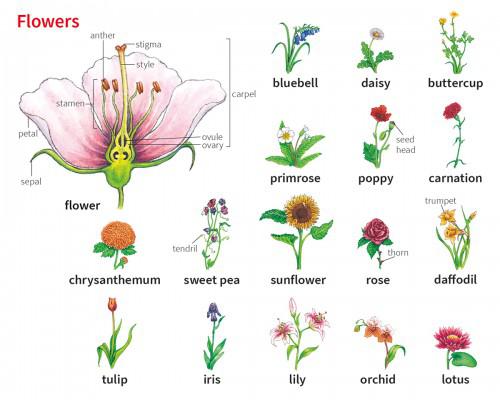
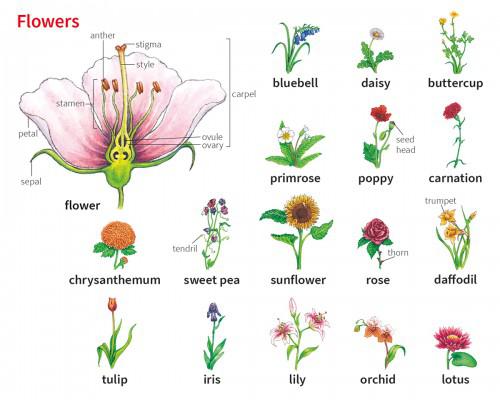
    Bluebell(noun)

    /ˈbluːbel/

    ブルーベル

    a garden or wild flower with a short stem and small blue or white flowers that have the shape of bells

    Bluebells carpeted the forest floor in spring.

    春にはブルーベルが森の地面を覆っていました。

    類義語wild hyacinthendymionflowerplant
  13. 13

    Bracken(noun)

    /ˈbrækən/

    ワラビ, シダ

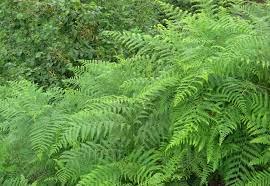
    a wild plant with large leaves that grows thickly on hills and in woods and turns brown in the autumn

    The hillside was covered in brown bracken.

    丘の斜面は茶色のワラビに覆われていた。

    類義語fernbrake
    対義語None (as a specific type of fernthere isn't a direct antonym)
  14. 14

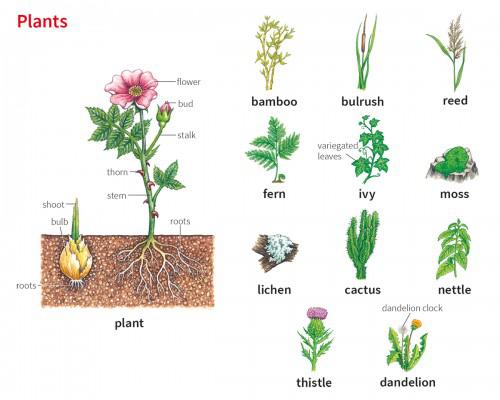
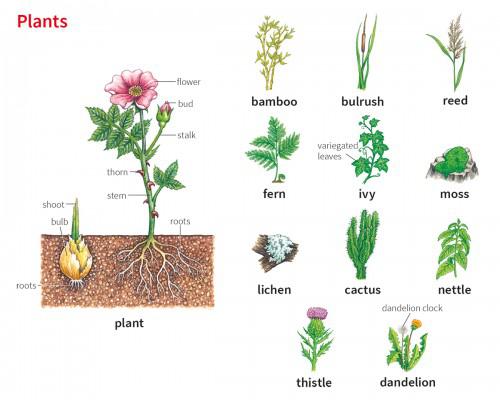
    Bud(noun)

    /bʌd/

    芽 (me)

    a small closed part that grows on a plant and from which a flower, leaf or stem develops; a flower or leaf that is not fully open

    The first buds appearing in spring

    春に現れる最初の芽

    類義語sproutshootgermburgeonoffshoot
    対義語bloomflowermature
  15. 15

    Buttercup(noun)

    /ˈbʌtərkʌp/

    キンポウゲ

    a wild plant with small shiny yellow flowers that are like cups in shape

    The petals of buttercups are often highly lustrous

    キンポウゲの花びらはしばしば非常に光沢があります

    類義語goldcupcrowfoot
  16. 16

    Cactus(noun)

    /ˈkæktəs/

    サボテン

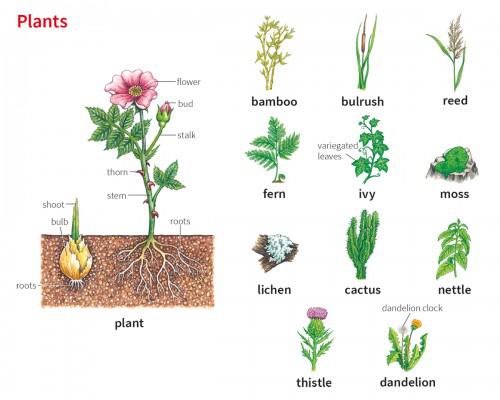
    a plant that grows in hot dry regions, especially one with thick stems covered in spines but without leaves. There are many different types of cactus .

    Cactus stems are often ribbed or fluted

    サボテンの茎は、しばしばリブがあるか溝があります。

    類義語succulentprickly plantdesert plant
    対義語None (Cactus is a specific type of plant)
  17. 17

    Carnation(noun)

    /kɑːrˈneɪʃn/

    カーネーション

    a white, pink, red or yellow flower, often worn as a decoration on formal occasions

    Carnations were mentioned in Greek literature 2,000 years ago.

    カーネーションは2000年前にギリシャ文学で言及されていました。

    類義語clove pinkpink
  18. 18

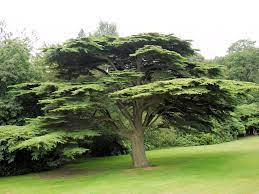
    Cedar(noun)

    /ˈsiːdər/

    ヒマラヤスギ, シダー

    a tall evergreen tree with wide spreading branches

    An old cedar stood in the middle of the park.

    公園の真ん中に古いヒマラヤスギが立っていた。

    類義語evergreenconifertimber
    対義語deciduous (tree)broadleaf (tree)
  19. 19

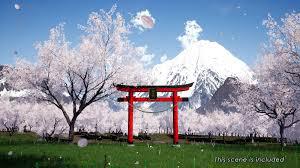
    Cherry tree(noun)

    /ˈʧɛri triː/

    桜の木, サクランボの木

    a tree on which cherries grow, or a similar tree, grown for its flowers

    The cherry tree in our garden is covered in pink flowers.

    うちの庭の桜の木はピンクの花で覆われている。

    類義語flowering cherryPrunus tree
  20. 20

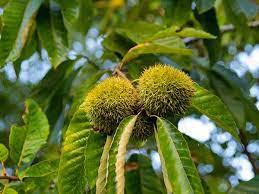
    Chestnut tree(noun)

    /ˈʧɛsnʌt triː/

    クリの木 (Kuri no ki)

    a large tree with spreading branches that produces smooth brown nuts inside cases that are covered with spikes

    There are several types of chestnut tree.

    クリの木にはいくつかの種類があります。 (Kuri no ki ni wa ikutsu ka no shurui ga arimasu.)

    類義語chestnutcastanea
  21. 21

    Chrysanthemum(noun)

    /krɪˈzænθəməm/

    菊 (kiku)

    a large, brightly coloured garden flower that is like a ball in shape and is made up of many long narrow petals

    In Japan, a form of bonsai chrysanthemum was developed over the centuries.

    日本では、盆栽菊の一種が何世紀にもわたって発展してきました。

    類義語mumchrysanth
  22. 22

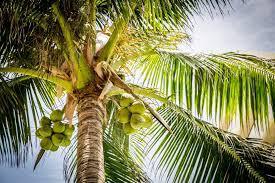
    Coconut tree(noun)

    /ˈkəʊkənʌt triː/

    ココヤシ, ヤシの木

    a tall tropical palm tree that produces coconuts

    She climbed the coconut tree to get a fresh coconut.

    彼女はとれたてのココナッツを取るためにヤシの木に登った。

    類義語Coconut palm
  23. 23

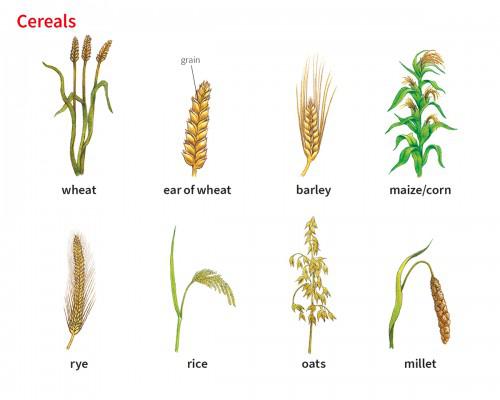
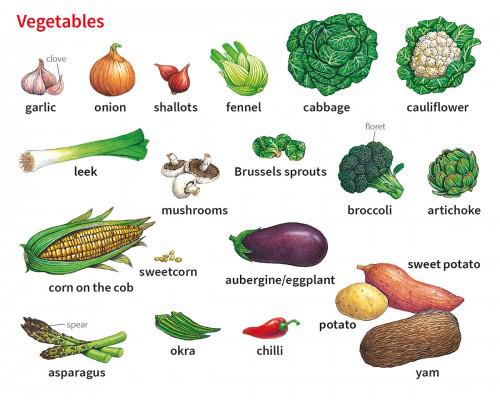
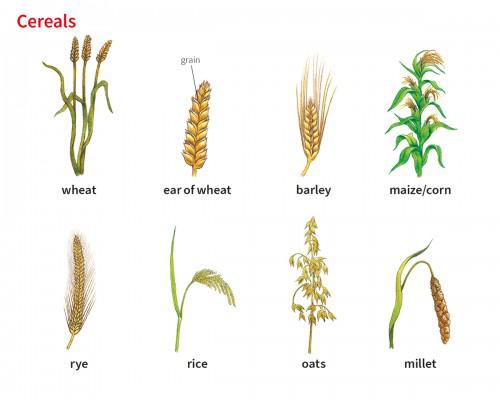
    Corn(noun)

    /kɔːrn/

    トウモロコシ

    a tall plant grown for its yellow grains that are eaten as food; maize

    The major crops are wheat, barley and corn.

    主要な作物は小麦、大麦、トウモロコシだ。

    類義語maizesweetcorn
  24. 24

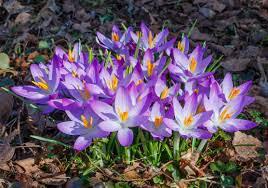
    Crocus(noun)

    /ˈkrəʊkəs/

    クロッカス

    a small yellow, purple or white flower that appears in early spring

    Purple crocuses appear in the garden in early spring.

    早春になると庭に紫色のクロッカスが咲く。

    類義語saffron crocusautumn crocusspring crocus
    対義語crocuscrocus sativus
  25. 25

    Daffodil(noun)

    /ˈdæfədɪl/

    スイセン

    a tall yellow spring flower that is like a trumpet in shape. It is a national symbol of Wales.

    The daffodil is the national flower of Wales and the symbol of cancer charities in many countries.

    スイセンは、ウェールズの国花であり、多くの国で癌慈善団体のシンボルとなっています。

    類義語narcissusjonquil
    対義語daffodildaffodil garlicdaffodilly
  26. 26

    Dahlia(noun)

    /ˈdeɪliə/

    ダリア

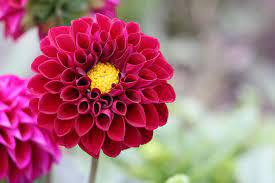
    a large brightly coloured garden flower, often like a ball in shape

    The dahlia was declared the national flower of Mexico in 1963.

    ダリアは1963年にメキシコの国花に指定されました。

    類義語garden dahliasingle dahliapompon dahlia
    対義語dahliadahlia pinnata
  27. 27

    Daisy(noun)

    /ˈdeɪzi/

    ヒナギク

    a small wild flower with white petals around a yellow centre; a taller plant with similar but larger flowers

    Daisies are one of the most recognizable and common flowers.

    ヒナギクは、最も認識しやすく一般的な花の一つです。

    類義語Bellis perennisDay's eye
    対義語common daisycowpen daisycrown daisydaisydaisy fleabanedaisy wheeldaisy-bushdaisy-chain
  28. 28

    Dandelion(noun)

    /ˈdændɪlaɪən/

    タンポポ (tanpopo)

    a small wild plant with a bright yellow flower that becomes a soft white ball of seeds called a dandelion clock

    Dandelions are thought to have evolved about 30 million years ago in Eurasia

    タンポポは、ユーラシア大陸で約3000万年前に進化したと考えられています。

    類義語blowballlion's toothpiss-a-bed
  29. 29

    Fern(noun)

    /fɜːrn/

    シダ

    a plant with large attractive leaves and no flowers that grows in wet areas or is grown in a pot. There are many types of fern .

    Ferns first appear in the fossil record about 360 million years ago in the middle Devonian period

    シダが化石記録に最初に現れたのは、デボン紀中期の約3億6000万年前です。

    類義語brackenground coverforest plant
    対義語(Generally antonyms don't apply to specific plant types like ferns. More general antonyms would be) TreeShrubFlower
  30. 30

    Fig tree(noun)

    /fɪg triː/

    イチジクの木

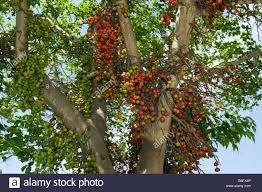
    a tree on which figs grow

    Figs are a delicious treat that thrive in warm climates but can also be grown in more temperate regions with a bit of extra care.

    イチジクは温暖な気候でよく育つおいしい果物ですが、少し手をかければ比較的温和な地域でも育てられます。

    類義語figfig plantFicus carica
  31. 31

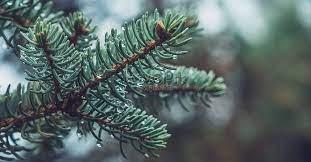
    Fir(noun)

    /fɜːr/

    モミ, モミの木

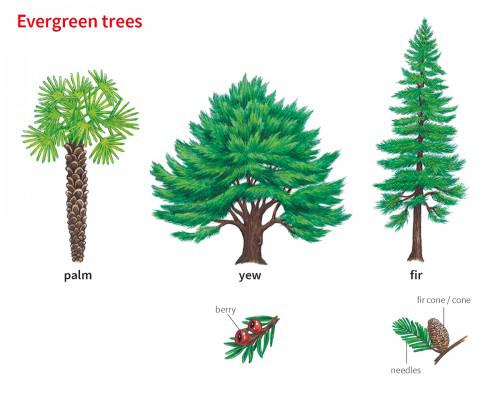
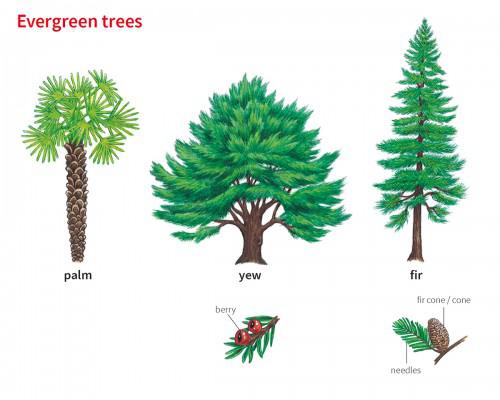
    an evergreen forest tree with leaves like needles

    Tall fir trees cover the side of the mountain.

    背の高いモミの木が山の斜面を覆っている。

    類義語evergreenconiferpinespruce
    対義語deciduous tree
  32. 32

    Forget-me-not(noun)

    /fərˈɡet miː nɑːt/

    勿忘草 (wasurenagusa)

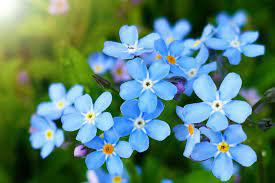
    a low-growing plant with small, light-blue flowers

    In The Netherlands, the forget-me-not has become a symbol for Alzheimer Nederland, a foundation advocating for people suffering from dementia.

    オランダでは、勿忘草は、認知症に苦しむ人々を擁護する財団であるアルツハイマー・ネーデルランドのシンボルとなっています。

    類義語AnchusaMyosotislove token
  33. 33

    Foxglove(noun)

    /ˈfɑːksɡlʌv/

    ジギタリス

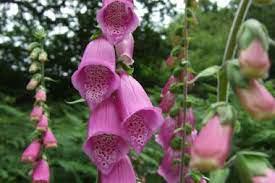
    a tall plant with purple or white flowers that are like bells in shape growing up its stem

    Foxglove has medicinal uses but can also be toxic to humans and other animals.

    ジギタリスは薬効がある一方で、人間や他の動物にとって有毒である可能性もあります。

    類義語DigitalisDead Man's BellsFairy FingersWitches' Gloves
  34. 34

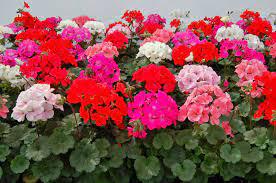
    Geranium(noun)

    /dʒəˈreɪniəm/

    ゼラニウム

    a garden plant with a mass of red, pink or white flowers on the end of each stem

    She keeps red geraniums on her balcony.

    彼女はバルコニーで赤いゼラニウムを育てている。

    類義語cranesbill
  35. 35

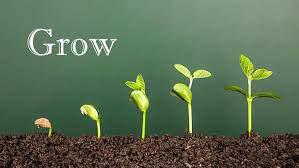
    Grow(verb)

    /ɡrəʊ/

    成長する (seichō suru)

    to increase in size, number, strength or quality

    The region is too dry for plants to grow.

    その地域は乾燥しすぎていて植物が育たない。

    類義語developincreaseexpandcultivateflourish
    対義語shrinkdeclinewitherdecreasediminish
  36. 36

    Hazel(noun)

    /ˈheɪzl/

    ヘーゼル

    a small tree that produces small nuts (called hazelnuts ) that can be eaten

    Hazels have simple, rounded leaves with double-serrate margins.

    ハシバミは、二重鋸歯状の縁を持つ単純な丸い葉を持っています。

    類義語filbertcobnut tree
  37. 37

    Herb(noun)

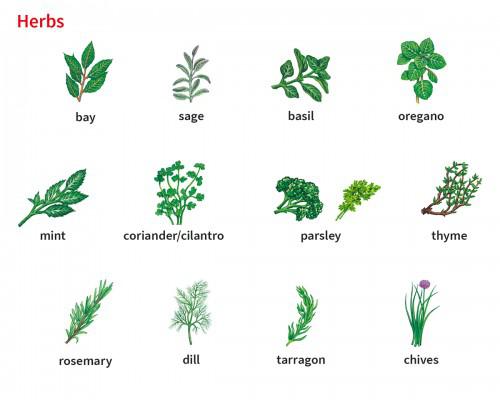
    /ɜːrb/

    ハーブ (hābu)

    a plant whose leaves, flowers or seeds are used to add taste to food, in medicines or for their pleasant smell. parsley , mint and oregano are all herbs .

    Herbs have a variety of uses including culinary, medicinal, and in some cases, spiritual.

    ハーブには、料理、薬用、場合によっては精神的なものなど、さまざまな用途があります。(hābu ni wa, ryōri, yakuyō, baai ni yotte wa seishin-teki na mono nado, samazamana yōto ga arimasu.)

    類義語plantbotanicalgreeneryvegetationspice
    対義語syntheticartificialinorganic
  38. 38

    Ivy(noun)

    /ˈaɪvi/

    ツタ

    a climbing plant, especially one with dark green shiny leaves with five points

    Ivy seeds are spread by birds

    ツタの種は鳥によって広められる。

    類義語climbing vinecreepervine
    対義語n/a
  39. 39

    Lily(noun)

    /ˈlɪli/

    ユリ, ユリの花

    a large white or brightly coloured flower with petals that curl back from the centre. There are many types of lily .

    Lilies are usually planted as bulbs in the autumn.

    ユリは通常、秋に球根として植えられる。

    類義語flowerbulbous plantplant
    対義語None (as a specific type of flowerit doesn't have direct antonyms)Different flower type (e.g.rosetulip)
  40. 40

    Moss(noun)

    /mɔːs/

    コケ (koke)

    a very small green or yellow plant without flowers that spreads over wet surfaces, rocks, trees, etc.

    Mosses are commonly confused with liverworts, hornworts and lichens.

    コケは、ゼニゴケ、ツノゴケ、地衣類と混同されやすい。

    類義語bryophytelichen (sometimes used loosely)
    対義語vascular planttreeflower
  41. 41

    Mushroom(noun)

    /ˈmʌʃrʊm/

    キノコ (kinoko)

    a fungus with a round flat head and short stem . Many mushrooms can be eaten.

    They went into the woods to pick wild mushrooms.

    彼らは野生のキノコを摘みに森へ行った。(karera wa yasei no kinoko o tsumi ni mori e itta.)

    類義語fungustoadstoolagaric
    対義語shrinkshrivel
  42. 42

    Nettle(noun)

    /ˈnetl/

    イラクサ

    a wild plant with leaves that have pointed edges, are covered in fine hairs and sting (= cause you pain) if you touch them

    The nettles had spread and now covered half the garden.

    イラクサは広がり、今では庭の半分を覆っている。

    類義語stinging nettleburnweed
    対義語harmless plantsoothing plant
  43. 43

    Oak(noun)

    /əʊk/

    オーク

    a large tree that produces small nuts called acorns . Oaks are common in northern countries and can live to be hundreds of years old.

    The forest is famous for its ancient oak trees.

    その森は古代のオークの木で有名です。

    類義語Quercus (scientific name)
    対義語pinebirchelm
  44. 44

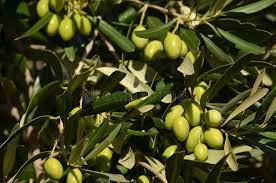
    Olive tree(noun)

    /ˈɒlɪv triː/

    オリーブの木

    a tree on which olives grow

    The olive tree, Olea europaea, is an evergreen tree or shrub native to Mediterranean Europe, Asia, and Africa.

    オリーブの木(Olea europaea)は、地中海沿岸のヨーロッパ、アジア、アフリカ原産の常緑樹または低木です。

    類義語oliveOlea europaeaolive plant
    対義語deciduous treefruitless tree
  45. 45

    Orchid(noun)

    /ˈɔːrkɪd/

    ラン

    a plant with brightly coloured flowers of unusual shapes. There are many different types of orchid and some of them are very rare.

    Orchids are easily distinguished from other plants, as they share some very evident derived characteristics or synapomorphies.

    ランは、他の植物とは容易に区別できます。それは、いくつかの非常に明白な派生特性、すなわち共有派生形質を共有しているためです。

    類義語none (orchid is specific)
    対義語common plant
  46. 46

    Pine(noun)

    /paɪn/

    松 (matsu)

    an evergreen forest tree with leaves like needles

    Pine is one of the more extensively used types of wood used as lumber.

    松は、木材として広く使用されている木材の1つです。

    類義語firevergreenconifer
    対義語deciduous treehardwood
  47. 47

    Poppy(noun)

    /ˈpɑːpi/

    ケシ

    a wild or garden plant, with a large delicate flower that is usually red, and small black seeds. Opium is obtained from one type of poppy .

    Poppy oil is often used as cooking oil, salad dressing oil, or in products such as margarine.

    ケシ油は、食用油、サラダ油、マーガリンなどの製品によく使用されます。

    類義語corn poppyopium poppyflander's poppypapaver
    対義語clustered poppy mallowcorn poppypoppypoppycock
  48. 48

    Primrose(noun)

    /ˈprɪmrəʊz/

    プリムローズ

    a small wild plant that produces pale yellow flowers in spring

    Primrose is a small, perennial woodland plant that grows no more than 10cm high and can flower from December through to May

    プリムローズは、高さ10cm以下で、12月から5月にかけて開花する小さな多年生の森林植物です。

    類義語CowslipOxlipPolyanthus
    対義語common evening primrosecommon evening primroseprimrose
  49. 49

    Root(noun)

    /ruːt/

    根 (ne)

    the part of a plant that grows under the ground and takes in water and minerals that it sends to the rest of the plant

    Tree roots can cause damage to buildings.

    木の根は建物に損傷を与える可能性があります。

    類義語originsourcebasecausefoundationunderlying cause
    対義語branchleafresultconsequenceoutgrowth
  50. 50

    Rose(noun)

    /rəʊz/

    バラ, 薔薇

    a flower with a sweet smell that grows on a bush with thorns (= sharp points) on its stems

    He gave her a bunch of red roses.

    彼は彼女に赤いバラの花束を贈った。

    類義語BlossomFlowerBloomRosette
    対義語ThornWeedUgliness
  51. 51

    Shrub(noun)

    /ʃrʌb/

    低木 (teiboku)

    a large plant that is smaller than a tree and that has several stems of wood coming from the ground

    Shrubs are perennial woody plants

    低木は多年生の木本植物です。

    類義語bushhedgescrub
    対義語tree
  52. 52

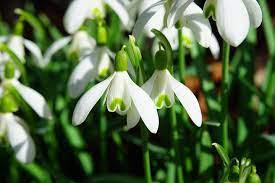
    Snowdrop(noun)

    /ˈsnəʊdrɑːp/

    マツユキソウ (matsuyukisō)

    a small white flower that appears in early spring

    Snowdrops have been known since the earliest times under various names

    マツユキソウは、さまざまな名前で古くから知られています。

    類義語galanthusFebruary fair maid
  53. 53

    Thorn(noun)

    /θɔːrn/

    とげ (toge)

    a small sharp, pointed part on the stem of some plants, such as roses

    The rose bush has many thorns.

    バラの茂みにはたくさんのとげがある (Bara no shigemi ni wa takusan no toge ga aru).

    類義語pricklespikebarbspine
    対義語benefitadvantagesmoothnessprotection
  54. 54

    Trunk(noun)

    /trʌŋk/

    幹 (miki)

    the thick main stem of a tree, that the branches grow from

    An instrument made from a hollowed-out tree trunk.

    くり抜かれた木の幹から作られた楽器。

    類義語StemTorsoBodyShaftBole
    対義語BranchLimbTwigTopCrown
  55. 55

    Tulip(noun)

    /ˈtuːlɪp/

    チューリップ (chūrippu)

    a large, brightly coloured spring flower, like a cup in shape, on a tall stem

    Tulips originally were found in a band stretching from Southern Europe to Central Asia

    チューリップはもともと南ヨーロッパから中央アジアに伸びる地域で見つかりました。

    類義語bulbflowerblossom
  56. 56

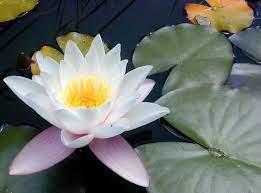
    Water lily(noun)

    /ˈwɔːtər lɪli/

    睡蓮 (suiren)

    a plant that floats on the surface of water, with large, round, flat leaves and white, yellow or pink flowers

    Pink water lilies catch the glow of sunrise.

    ピンクの睡蓮が日の出の輝きを捉える。(pinku no suiren ga hinode no kagayaki o toraeru.)

    類義語Nymphaealotuspond lily
  57. 57

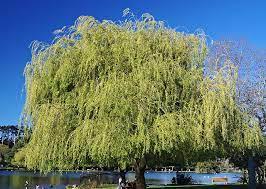
    Weeping willow(noun)

    /ˈwiːpɪŋ ˈwɪləʊ/

    シダレヤナギ, 枝垂れ柳

    a willow tree with long thin branches that hang down towards the ground

    Weeping willow is a medium- to large-sized deciduous tree.

    シダレヤナギは中型から大型の落葉樹です。

    類義語weeping treependulous willow
    対義語upright treenon-weeping willow
  58. 58

    Wheat(noun)

    /wiːt/

    小麦 (komugi)

    a plant grown for its grain that is used to produce the flour for bread, cakes, pasta , etc.; the grain of this plant

    The land at Scampston is mainly sandy, so only wheats are grown.

    スカンプストンの土地は主に砂地なので、小麦しか栽培されていません。

    類義語graincereal
    対義語None (in the sense of a direct opposite food)Other grains (ricecornoatsetc.)
  59. 59

    Yew(noun)
    /juː/

    イチイ

    a small tree with dark green leaves and small red berries

    Yew trees contain the highly poisonous taxane alkaloids that have been developed as anti-cancer drugs.

    イチイの木には、抗がん剤として開発された非常に有毒なタキサンアルカロイドが含まれています。

    類義語evergreentaxus
    対義語dyeweedeyewasheyewatereyewitnessyew