पाठ 3/38 · 107 शब्द · 0 याद हो गए
Health Medicine
स्वास्थ्य और चिकित्सा
निदान करना, रोग-निदान करना
to identify which disease or condition a patient has
She was diagnosed with type 2 diabetes last year.
पिछले वर्ष उसे टाइप 2 मधुमेह का निदान हुआ था।
It can be difficult to diagnose tuberculosis in children.
समानार्थीidentifydeterminerecognizeanalyzeassessfigure outविलोमmisdiagnoseoverlookmissconfuseआपात स्थिति, इमरजेंसी
a sudden, serious situation, such as an injury or illness, that needs immediate action
Severe chest pain should always be treated as a medical emergency.
सीने में तेज़ दर्द को हमेशा चिकित्सीय आपात स्थिति मानना चाहिए।
In an emergency, call 115 for an ambulance.
समानार्थीcrisisurgencyexigencypredicamentdisasterविलोमcalmpeacenormalityroutineशल्यक्रिया, ऑपरेशन
the process of cutting open a part of a person's body in order to remove or repair a damaged part
Doctors performed an emergency operation for appendicitis last night
डॉक्टरों ने कल रात अपेंडिसाइटिस के लिए आपातकालीन ऑपरेशन किया।
Doctors performed an emergency operation for appendicitis last night.
समानार्थीsurgeryprocedureinterventiontreatmentprocessundertakingactivityविलोमinactionrestnoninterventionabstentionएम्बुलेंस, रोगी वाहन
a vehicle with medical equipment and staff that takes sick or injured people to hospital
The ambulance arrived ten minutes after the call.
कॉल के दस मिनट बाद एम्बुलेंस पहुँची।
She was taken by ambulance to the nearest emergency department.
समानार्थीmedical transportemergency vehicleविलोमpersonal vehicleबेहोश, अचेत
not awake and unable to respond to people or things around you because of injury or illness
The man was found unconscious at the scene of the accident.
दुर्घटना स्थल पर वह आदमी बेहोश पाया गया।
Place an unconscious patient who is breathing in the recovery position.
समानार्थीinsensibleout coldsenselesscomatosestunnedblacked outविलोमconsciousawarealertsensibleतनाव, दबाव
pressure or worry caused by the problems in somebody’s life
Many students suffer from stress before their final exams.
कई छात्र अपनी अंतिम परीक्षाओं से पहले तनाव से पीड़ित रहते हैं।
समानार्थीpressurestraintensionanxietyworryburdendistressविलोमrelaxationreliefcalmpeacecomforteaseदुखाना
to cause physical pain to somebody/yourself; to injure somebody/yourself
My shoes hurt me because they are too small.
मेरे जूते मुझे दर्द देते हैं क्योंकि वे बहुत छोटे हैं।
People's reaction to the film has varied greatly.
समानार्थीachepaininjurewoundharmafflictविलोमhealcomfortsootheeasehelpस्वास्थ्य (svaasthy)
the condition of a person’s body or mind
Exhaust fumes are bad for your health.
निकास धुंआ आपके स्वास्थ्य के लिए बुरा है।(nikaas dhuan aapke svaasthy ke lie bura hai.)
समानार्थीwell-beingfitnessconditionshapehalenessvigorविलोमillnesssicknessdiseaseinfirmityunhealthinessरोगी (rogi)
a person who is receiving medical treatment, especially in a hospital
I am a patient of Dr. Stephens; could I make an appointment to see her?
मैं डॉ. स्टीफंस का मरीज़ हूँ; क्या मैं उनसे मिलने के लिए अपॉइंटमेंट ले सकता हूँ?
She's very patient with young children.
समानार्थीsick personinvalidcasesuffererclient (in some contexts)विलोमdoctorphysicianhealthy personwellnessदुरुपयोग, लत, नशाखोरी
the use of something in a way that is wrong or harmful
Alcohol and drug abuse can cause serious health problems.
शराब और नशीली दवाओं का दुरुपयोग गंभीर स्वास्थ्य समस्याएँ पैदा कर सकता है।
समानार्थीmistreatmaltreatill-treatmisuseexploitviolateoppressविलोमcherishrespectvalueprotectcare fornurtureअस्पताल (aspataal)
a large building where people who are ill or injured are given medical treatment and care
He had to go to the hospital for treatment.
उसे इलाज के लिए अस्पताल जाना पड़ा। (use ilaaj ke lie aspataal jaana padaa.)
समानार्थीinfirmaryclinicmedical centersanatoriumhospiceविलोमhomeofficeworkplaceबीमार
suffering from an illness or disease; not feeling well
Uncle Harry is terminally ill with cancer (= he will die from his illness).
चाचा हैरी अंतिम कैंसर से बीमार हैं (= वह अपनी बीमारी से मर जाएंगे)।
She was taken ill suddenly.
समानार्थीsickunwellailinginfirmpoorlyविलोमhealthywellfithaleशांत (shaant)
calm and not anxious or worried
He appeared relaxed and confident before the match.
वह मैच से पहले शांत और आत्मविश्वास से भरा दिख रहा था। (Vah match se pahle shaant aur aatmvishvaas se bhara dikh raha tha.)
I'm feeling more relaxed about the future now.
समानार्थीcalmat easelaid-backunhurriedpeacefultranquilrestfulविलोमtenseanxiousstressednervousagitatedworriedमानसिक
connected with or happening in the mind; involving the process of thinking
He has a complete mental block when it comes to physics.
भौतिकी की बात आने पर उसे पूरी तरह से मानसिक अवरोध होता है।
the mental process of remembering
समानार्थीintellectualcognitivepsychologicalcerebralविलोमphysicalbodilyआराम
to rest while you are doing something that you enjoy, especially after work or effort
Just relax and enjoy the vacation.
बस आराम करो और छुट्टियों का आनंद लो।
When I get home from work I like to relax with the newspaper.
समानार्थीunwindchillloosen uprestreclinede-stressविलोमstressworryexciteagitatestraintenseसंक्रमण
an illness caused by bacteria, viruses or other germs entering and growing in the body
The wound shows signs of infection, such as redness and pus.
घाव में संक्रमण के लक्षण दिख रहे हैं, जैसे लालिमा और मवाद।
Most respiratory infections in children are caused by viruses.
समानार्थीcontaminationsepsisdiseaseailmentvirusgermpathogenविलोमsterilityasepsiscleanlinessimmunityhealthकैंसर, कर्करोग
a disease in which abnormal cells grow out of control and can spread to other parts of the body
Liver cancer is one of the most common cancers in Vietnam.
यकृत कैंसर वियतनाम के सबसे आम कैंसरों में से एक है।
Early detection greatly improves the chance of curing cancer.
समानार्थीmalignancytumorneoplasmविलोमhealthwellnesswell-beingसांस (saans)
the action of taking air into the lungs and sending it out again
Heavy (= loud) breathing was all I could hear.
मुझे बस भारी सांस लेने की आवाज़ सुनाई दे रही थी।
Her breathing became steady and she fell asleep.
समानार्थीrespirationventilationinspirationexpirationpantingsighingविलोमsuffocationasphyxiationbreathlessnessसंक्रमित करना, संक्रमण फैलाना
to make a disease or an illness spread to a person, an animal or a plant
The virus can infect people who drink dirty water.
यह वायरस गंदा पानी पीने वाले लोगों को संक्रमित कर सकता है।
समानार्थीcontaminatetaintaffectdiseasepoisonविलोमcleansedisinfectpurifysterilizehealसाँस लेना (saans lena)
to take air into your lungs and send it out again through your nose or mouth
He breathed deeply before speaking again.
उसने दोबारा बोलने से पहले गहरी सांस ली। (usne dobara bolne se pahle gahari saans li.)
He was breathing heavily after his exertions.
समानार्थीinhaleexhalerespiregasppantpuffविलोमsuffocateasphyxiatechokeचिकित्सा
connected with illness and injury and their treatment
Medical advances surely help us to live longer.
चिकित्सा में प्रगति निश्चित रूप से हमें अधिक समय तक जीने में मदद करती है।
a medical student/school
समानार्थीclinicalmedicinaltherapeutichealingpharmaceuticalविलोमnonmedicallayholisticalternativeगोली (goli)
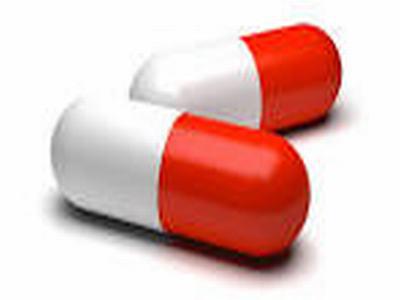
a small flat round piece of medicine that you swallow whole, without biting it
Take three pills daily after meals.
भोजन के बाद प्रतिदिन तीन गोलियाँ लें।
pill-popping(= the act of taking too many pills or using illegal drugs)
समानार्थीtabletcapsulelozengedosemedicineविलोमliquid medicineinjectionsyrupआहार, खान-पान
the food and drink that you eat and drink regularly
A healthy diet includes plenty of fresh fruit and vegetables.
स्वस्थ आहार में ढेर सारे ताज़े फल और सब्ज़ियाँ शामिल होती हैं।
समानार्थीregimeneating planweight loss plannutritionnourishmentविलोमovereatingindulgencebinge eatingunrestricted eatingदंत चिकित्सक (dant chikitsak)
a person whose job is to take care of people’s teeth
A dentist's job is taking care of people's teeth.
एक दंत चिकित्सक का काम लोगों के दांतों की देखभाल करना है। (ek dant chikitsak ka kaam logon ke daanto kee dekhabhaal karana hai.)
That's definite then, is it?
समानार्थीtooth doctordental surgeonoral surgeonविलोमpatientबुखार, ज्वर
a body temperature higher than normal, usually above 38 degrees Celsius, often caused by infection
The child has had a high fever for three days.
बच्चे को तीन दिन से तेज़ बुखार है।
Paracetamol was given to bring down the fever.
समानार्थीpyrexiahigh temperaturetemperatureheatविलोमhypothermiaafebrileपहला, प्रथम
happening or coming before all other similar things or people; 1st
My classroom is on the first floor.
मेरी कक्षा पहली मंज़िल पर है।
The first I heard about the wedding (= the first time I became aware of it) was when I saw it in the local paper.
समानार्थीinitialprimaryearliestleadingforemostoriginalविलोमlastfinallatestultimatesecondaryठीक करना, उपचार करना, रोगमुक्त करना
to make a sick person healthy again or to make a disease go away completely
Most cases of tuberculosis can be cured with six months of treatment.
तपेदिक के अधिकांश मामले छह महीने के उपचार से ठीक किए जा सकते हैं।
Early-stage cancer can often be cured by surgery.
समानार्थीremedytreatmenthealingtherapyantidoteविलोमdiseaseailmentillnessafflictionविषाणु, वायरस
a living thing, too small to be seen without a microscope , that causes disease in people, animals and plants
The doctor said my fever was caused by a virus.
डॉक्टर ने कहा कि मेरा बुखार एक वायरस की वजह से हुआ था।
समानार्थीmalwareinfectionbugTrojan horsewormविलोमcleansterileprotectedsecureनर्स (nars)
a person whose job is to take care of sick or injured people, usually in a hospital
My father is a doctor and my mother is a nurse.
मेरे पिता डॉक्टर हैं और मेरी माँ नर्स हैं।
a dental nurse (= one who helps a dentist)
समानार्थीregistered nurseRNnursing sisterhealthcare professionalmedicविलोमpatientlaymannonprofessionalरोग (rog)
an illness affecting humans, animals or plants, often caused by infection
A fatty diet increases the risk of heart disease.
एक वसायुक्त आहार हृदय रोग का खतरा बढ़ाता है। (ek vasaayukt aahaar hrday rog ka khatra badhaata hai.)
समानार्थीillnessailmentsicknessmaladyconditionविलोमhealthwellnessfitnessस्वस्थ, तंदुरुस्त
having good health and not likely to become ill
My grandfather is eighty but he is still very healthy and strong.
मेरे दादाजी अस्सी साल के हैं, फिर भी वे बहुत स्वस्थ और मज़बूत हैं।
समानार्थीwellfitwholesomerobustvigorousin good shapeविलोमunhealthysickillweakfrailजीवाणु
the simplest and smallest forms of life. Bacteria exist in large numbers in air, water and soil, and also in living and dead creatures and plants, and are often a cause of disease.
an illness caused by bacteria in drinking water
पीने के पानी में बैक्टीरिया के कारण होने वाली बीमारी
The house is built around a central courtyard.
समानार्थीgermsmicrobesmicroorganismsविलोमcleanlinesssterilityhygieneचिंता (chinta)
the state of feeling nervous or worried that something bad is going to happen
According to some articles, eating chocolate can reduce anxiety.
कुछ लेखों के अनुसार, चॉकलेट खाने से चिंता कम हो सकती है।
Waiting for exam results is a time of great anxiety.
समानार्थीworryapprehensionuneasenervousnessconcernstressdreadविलोमcalmpeacetranquilityserenitycomposureassuranceधूम्रपान
the activity or habit of smoking cigarettes, etc.
Would you like smoking or non-smoking?
आप धूम्रपान वाला या गैर-धूम्रपान वाला चाहते हैं?
He's trying to give up smoking.
समानार्थीpuffinginhalinglighting uptobacco usevapingविलोमnon-smokingabstainingquittingnon-combustibleइलाज
something that is done to cure an illness or injury, or to make somebody look and feel good
The little boy has responded well to treatment.
छोटे लड़के ने इलाज के लिए अच्छी प्रतिक्रिया दी है।
He is receiving treatment for shock.
समानार्थीtherapycureremedycaremanagementhealingmedicationinterventionविलोमneglectdisregardharminjuryaggravationworseningसिरदर्द
pain in any part of the head, ranging from mild to severe
A sudden, severe headache always needs urgent assessment in hospital.
अचानक होने वाले तेज़ सिरदर्द की अस्पताल में तुरंत जाँच ज़रूरी होती है।
She has had a throbbing headache since yesterday.
समानार्थीcephalalgiamigrainehead painविलोमreliefcurerecoverywellnessठीक होना
to become healthy again; to make something healthy again
It took a long time for the wounds to heal.
घावों को भरने में बहुत समय लगा।
It was a chance to heal the wounds in the party (= to repair the damage that had been done).
समानार्थीrecovermendcureremedyimproveregenerateविलोमinjurewoundharmdamageworsenअहं, अहंकार
the part of the mind that gives you your sense of who you are; the self
Buddhism teaches that letting go of the ego can bring true inner peace.
बौद्ध धर्म सिखाता है कि अहं को छोड़ देने से सच्ची आंतरिक शांति मिल सकती है।
समानार्थीself-esteemself-importanceself-regardpridevanityself-worthविलोमhumilitymeeknessselflessnessmodestyस्वास्थ्य सेवा
the service of providing medical care
There are few more basic needs than efficient and safe healthcare provision.
कुशल और सुरक्षित स्वास्थ्य सेवा प्रावधान से अधिक बुनियादी आवश्यकताएँ कुछ ही हैं।
समानार्थीmedical carehealth servicesmedical treatmentclinical careविलोमdiseaseillnesssicknessमोटापा, स्थूलता
a condition of having too much body fat, which harms health; it is often defined by a high BMI
Obesity increases the risk of diabetes, hypertension and joint problems.
मोटापे से मधुमेह, उच्च रक्तचाप और जोड़ों की समस्याओं का खतरा बढ़ जाता है।
The clinic offers diet advice for children with obesity.
समानार्थीcorpulenceexcess weightfattinessplumpnessoverweightविलोमthinnessleannessunderweightskinninessसंपर्क, अनावरण
the state of being in a place or situation where there is no protection from something harmful or unpleasant
Prolonged exposure to the sun can damage your skin.
धूप में लंबे समय तक रहने से आपकी त्वचा को नुकसान पहुँच सकता है।
समानार्थीpublicityvisibilityattentioncoveragedisclosureunveilingविलोमconcealmenthidingobscurityseclusionनुस्खा, डॉक्टरी पर्चा
a written or electronic order from a doctor allowing a patient to receive a particular medicine
Antibiotics can only be sold with a prescription.
एंटीबायोटिक दवाएँ केवल डॉक्टरी पर्चे पर ही बेची जा सकती हैं।
The pharmacist checked the prescription carefully for dosing errors.
समानार्थीorderdirectioninstructionformulamedication orderविलोमover-the-counter (medication)दीर्घकालिक, जीर्ण, क्रॉनिक
(of an illness) lasting for a long time or recurring often, and usually needing long-term care
Diabetes and hypertension are chronic diseases that need lifelong management.
मधुमेह और उच्च रक्तचाप दीर्घकालिक रोग हैं जिनका जीवन भर प्रबंधन करना पड़ता है।
She has suffered from chronic back pain for years.
समानार्थीpersistentlong-lastinginveteraterecurringconstanthabitualविलोमacutetemporaryshort-termfleetingtransientचिकित्सा (chikitsa)
the treatment of a physical problem or an illness
We can apply herbal therapy to treat her disease.
हम उसकी बीमारी का इलाज करने के लिए हर्बल थेरेपी का उपयोग कर सकते हैं। (Hum uski beemari ka ilaaj karne ke liye herbal therapy ka upyog kar sakte hain.)
समानार्थीtreatmentremedycurehealinginterventioncareविलोमdiseaseillnessharmneglectinjuryworseningप्रतिरक्षित, रोग-प्रतिरोधी
that cannot catch or be affected by a particular disease or illness
Once you have had chickenpox, you are usually immune to it for life.
एक बार चिकनपॉक्स हो जाने के बाद आप आमतौर पर जीवन भर उससे प्रतिरक्षित रहते हैं।
समानार्थीresistantprotectedinvulnerableinsusceptibleunaffectedविलोमsusceptiblevulnerableproneliableexposedलिप्त होना (lipt hona)
to allow yourself to have or do something that you like, especially something that is considered bad for you
They went into town to indulge in some serious shopping.
वे शहर में जमकर खरीदारी करने गए।
समानार्थीspoilpampersatisfygratifywallowrevelविलोमdepriveabstainrefraindenydisciplineज़हरीला
causing death or illness if swallowed or taken into the body
Ivy leaves are poisonous but I am immune to the poison.
आइवी के पत्ते जहरीले होते हैं लेकिन मैं जहर के प्रति प्रतिरक्षित हूं।
समानार्थीtoxicvenomousnoxiousdeadlylethalविलोमharmlesssafenon-toxicbenignwholesomeआघात
a mental condition caused by severe shock, especially when the harmful effects last for a long time
the effects of trauma and stress on the body
शरीर पर आघात और तनाव के प्रभाव
समानार्थीshockdistressupsetordealinjurypsychological woundविलोमcomfortpeacewell-beinghealingrecoveryक्लिनिक, चिकित्सा केंद्र
a place, often part of a hospital, where outpatients are examined, advised or treated
She attends the diabetes clinic every three months for a check-up.
वह हर तीन महीने में जाँच के लिए डायबिटीज़ क्लिनिक जाती है।
The private clinic opens early so workers can be examined before their shift.
समानार्थीmedical centerhealth centersurgerydoctor's officeinfirmaryविलोमhospitalemergency roomदर्द (dard)
the feelings that you have in your body when you have been hurt or when you are ill
This cream helps to relieve the pain.
यह क्रीम दर्द से राहत दिलाने में मदद करती है। (yah kreem dard se raahat dilaane mein madad kartee hai.)
समानार्थीacheagonydiscomforthurtsufferingsorenessanguishdistressविलोमcomforteasereliefpleasurewell-beingjoyशल्य चिकित्सा, ऑपरेशन
the treatment of disease or injury by cutting into the body to repair or remove parts
He needs surgery to remove his gallbladder next week.
उसे अगले हफ़्ते पित्ताशय निकलवाने के लिए ऑपरेशन की ज़रूरत है।
She is recovering well on the ward after heart surgery.
समानार्थीoperationproceduresurgical procedureविलोमmedical treatmenttherapyconservative treatmentलक्षण
a change in the body or mind that a patient notices and that may be a sign of disease
The most common symptoms of dengue are high fever and severe body aches.
डेंगू के सबसे आम लक्षण तेज़ बुखार और तीव्र शरीर दर्द हैं।
Tell the doctor when your symptoms first started.
समानार्थीsignindicationmanifestationcharacteristicfeatureevidenceविलोमhealthwellnesscurenormalityइंजेक्शन, अंतःक्षेपण
putting a medicine or other liquid into the body using a needle and syringe
The nurse gave him an injection of painkiller in the arm.
नर्स ने उसकी बाँह में दर्दनिवारक का इंजेक्शन लगाया।
Insulin injections are given under the skin of the abdomen.
समानार्थीshotjabinoculationvaccinationविलोमoral medicationtopical treatmentविकलांग
unable to use a part of your body completely or easily because of a physical condition, an illness, an injury, etc.; unable to learn easily
Although she is a disabled student, she is always the best student in our class.
हालाँकि वह एक विकलांग छात्र है, फिर भी वह हमेशा हमारी कक्षा में सबसे अच्छी छात्र है।
समानार्थीhandicappedimpairedchallengeddifferently abledविलोमable-bodiedhealthyfitcapableविटामिन (vitamin)
a natural substance found in food that is an essential part of what humans and animals need to help them grow and stay healthy. There are many different vitamins .
We get some of our vitamin D through sunlight.
हमें विटामिन डी कुछ धूप के माध्यम से मिलती है। (Hamein vitamin D kuch dhoop ke madhyam se miltee hai.)
समानार्थीnutrientsupplementmicronutrientविलोमtoxinpoisoncontaminantपागलखाना, मानसिक अस्पताल
(old-fashioned) a hospital where people who were mentally ill were cared for
In the past, many people with mental illness were sent to an asylum.
पहले के समय में मानसिक रोग वाले कई लोगों को पागलखाने भेज दिया जाता था।
समानार्थीrefugeshelterprotectionsanctuaryविलोमdangerpersecutionexposureनैदानिक
relating to the examination and treatment of patients and their illnesses
The doctor made a clinical assessment of the patient's condition.
डॉक्टर ने रोगी की स्थिति का नैदानिक मूल्यांकन किया।
समानार्थीobjectivescientificanalyticalunemotionalविलोमemotionalsubjectivepersonalनिदान, रोग-निदान
the identification of a disease or condition from its symptoms, examination and test results
The diagnosis of pneumonia was confirmed by chest X-ray.
निमोनिया का निदान छाती के एक्स-रे से पुष्ट हुआ।
Early diagnosis greatly improves the outcome of cancer treatment.
समानार्थीidentificationanalysisassessmentविलोमprognosiscureविकलांगता, दिव्यांगता
a long-term condition that limits a person's movement, senses, thinking or ability to take part in daily activities
Rehabilitation aims to reduce disability and help people live as independently as possible.
पुनर्वास का उद्देश्य विकलांगता को कम करना और लोगों को यथासंभव स्वतंत्र जीवन जीने में मदद करना है।
Stroke is a leading cause of adult disability in Vietnam.
समानार्थीimpairmenthandicapconditionविलोमabilitycapabilityविकार, रोग, बीमारी
an illness that causes a part of the body to stop functioning correctly
She was diagnosed with a rare blood disorder last year.
पिछले साल उसे रक्त का एक दुर्लभ विकार होने का पता चला।
समानार्थीchaosconfusionmessderangementunrestविलोमorderorganizationsystemharmonyसंकेत, सूचक, लक्षण
a remark or sign that shows that something is happening or what somebody is thinking or feeling
A high temperature can be an indication of a serious infection.
तेज़ बुखार किसी गंभीर संक्रमण का संकेत हो सकता है।
समानार्थीsignsignalomenhintclueविलोमconcealmenthidingdenialsuppressionनुस्खे में लिखना, दवा लिखना
to officially order a medicine or treatment for a patient
The doctor prescribed amoxicillin three times a day for seven days.
डॉक्टर ने सात दिनों तक दिन में तीन बार एमोक्सिसिलिन लिखी।
Do not take medicine that was prescribed for another person.
समानार्थीorderdirectstipulatespecifyadviseविलोमprohibitbanforbidस्वास्थ्य लाभ, रोगमुक्ति
the process of returning to good health after an illness, injury or operation
She made a full recovery after treatment for pneumonia.
निमोनिया के इलाज के बाद वह पूरी तरह स्वस्थ हो गई।
Recovery from major surgery may take several weeks.
समानार्थीrecuperationrestorationrehabilitationimprovementविलोमdeclineworseningdeteriorationrelapseपुनर्वास
treatment and training that help a person regain physical, mental or social abilities after illness, injury or surgery
After her hip surgery, she spent three weeks in the inpatient rehabilitation unit.
कूल्हे की सर्जरी के बाद उसने तीन सप्ताह भर्ती मरीज़ों की पुनर्वास इकाई में बिताए।
Early rehabilitation lowers the risk of long-term disability after a stroke.
समानार्थीrecoveryrestorationrecuperationविलोमdeteriorationdeclineworseningशल्य चिकित्सक, सर्जन
a doctor who is trained to perform operations
The surgeon explained the risks of the operation to the family.
शल्य चिकित्सक ने परिवार को ऑपरेशन के जोखिम समझाए।
An experienced surgeon removed the tumor in under two hours.
समानार्थीoperativedoctorphysicianविलोमpatientवार्ड, रोगी कक्ष
a room or area in a hospital with beds for patients who need similar types of care
The surgical ward is on the fourth floor, next to the lifts.
सर्जिकल वार्ड चौथी मंज़िल पर लिफ़्टों के बगल में है।
Visitors are not allowed on the ward after 8 p.m.
समानार्थीdistrictprecinctdivisionsectionविलोमwholeentirety