跳至主要內容

第 3/38 課 · 107 個單字 · 已學會 0 個

Health Medicine

健康與醫學

  1. 1

    diagnose(verb)

    /ˌdaɪəɡˈnəʊs/

    診斷

    to identify which disease or condition a patient has

    She was diagnosed with type 2 diabetes last year.

    她去年被診斷出罹患第二型糖尿病。

    It can be difficult to diagnose tuberculosis in children.

    同義詞identifydeterminerecognizeanalyzeassessfigure out
    反義詞misdiagnoseoverlookmissconfuse
  2. 2

    suffer(verb)

    /ˈsʌfər/

    遭受, 忍受, 受苦

    to be badly affected by a disease, pain, sad feelings, a lack of something, etc.

    He suffered intense pain

    他遭受了劇烈的疼痛。

    He suffers from asthma.

    同義詞endureundergoexperiencebeartoleratesustain
    反義詞enjoythriveprosperflourishbenefit
  3. 3

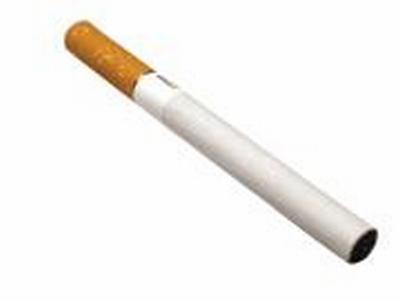
    cigarette(noun)

    /ˈsɪɡəret/

    香菸, 紙菸

    a thin tube of paper filled with tobacco , for smoking

    a packet/pack of cigarettes

    一包香菸

    to light a cigarette

    同義詞smokefagbuttcancer stick
    反義詞none (in the direct sensebut could be 'health''fresh air')
  4. 4

    emergency(noun)

    /ɪˈmɜːrdʒənsi/

    緊急狀況, 急症

    a sudden, serious situation, such as an injury or illness, that needs immediate action

    Severe chest pain should always be treated as a medical emergency.

    嚴重胸痛應一律視為醫療緊急狀況。

    In an emergency, call 115 for an ambulance.

    同義詞crisisurgencyexigencypredicamentdisaster
    反義詞calmpeacenormalityroutine
  5. 5

    operation(noun)

    /ˌɑːpəreɪʃn ˌdezərt ˈʃiːld/

    手術

    the process of cutting open a part of a person's body in order to remove or repair a damaged part

    Doctors performed an emergency operation for appendicitis last night

    醫生昨晚為闌尾炎患者進行了緊急手術。

    Doctors performed an emergency operation for appendicitis last night.

    同義詞surgeryprocedureinterventiontreatmentprocessundertakingactivity
    反義詞inactionrestnoninterventionabstention
  6. 6

    ambulance(noun)

    /ˈæmbjələns/

    救護車

    a vehicle with medical equipment and staff that takes sick or injured people to hospital

    The ambulance arrived ten minutes after the call.

    救護車在接到通報十分鐘後抵達。

    She was taken by ambulance to the nearest emergency department.

    同義詞medical transportemergency vehicle
    反義詞personal vehicle
  7. 7

    unconscious(adjective)

    /ʌnˈkɑːnʃəs/

    昏迷, 失去意識, 不省人事

    not awake and unable to respond to people or things around you because of injury or illness

    The man was found unconscious at the scene of the accident.

    該名男子被發現在事故現場失去意識。

    Place an unconscious patient who is breathing in the recovery position.

    同義詞insensibleout coldsenselesscomatosestunnedblacked out
    反義詞consciousawarealertsensible
  8. 8

    stress(noun)

    /stres/

    壓力, 緊張

    pressure or worry caused by the problems in somebody’s life

    Many students suffer from stress before their final exams.

    許多學生在期末考前承受著壓力。

    同義詞pressurestraintensionanxietyworryburdendistress
    反義詞relaxationreliefcalmpeacecomfortease
  9. 9

    hurt(verb)

    /hɜːrt/

    弄痛, 使受傷

    to cause physical pain to somebody/yourself; to injure somebody/yourself

    My shoes hurt me because they are too small.

    我的鞋子太小,把我的腳弄痛了。

    People's reaction to the film has varied greatly.

    同義詞achepaininjurewoundharmafflict
    反義詞healcomfortsootheeasehelp
  10. 10

    health(noun)

    /helθ/

    健康, 身體狀況

    the condition of a person’s body or mind

    Exhaust fumes are bad for your health.

    廢氣對你的健康有害。

    同義詞well-beingfitnessconditionshapehalenessvigor
    反義詞illnesssicknessdiseaseinfirmityunhealthiness
  11. 11

    patient(noun)

    /ˈpeɪʃnt/

    病人, 患者

    a person who is receiving medical treatment, especially in a hospital

    I am a patient of Dr. Stephens; could I make an appointment to see her?

    我是史蒂芬斯醫師的病人,可以幫我預約看診嗎?

    She's very patient with young children.

    同義詞sick personinvalidcasesuffererclient (in some contexts)
    反義詞doctorphysicianhealthy personwellness
  12. 12

    abuse(noun)

    /əˈbjuːs/

    濫用, 亂用

    the use of something in a way that is wrong or harmful

    Alcohol and drug abuse can cause serious health problems.

    酗酒和藥物濫用可能造成嚴重的健康問題。

    同義詞mistreatmaltreatill-treatmisuseexploitviolateoppress
    反義詞cherishrespectvalueprotectcare fornurture
  13. 13

    hospital(noun)

    /ˈhɑːspɪtl/

    醫院

    a large building where people who are ill or injured are given medical treatment and care

    He had to go to the hospital for treatment.

    他必須去醫院接受治療。

    同義詞infirmaryclinicmedical centersanatoriumhospice
    反義詞homeofficeworkplace
  14. 14

    ill(adjective)

    /ɪl/

    生病的, 不舒服的

    suffering from an illness or disease; not feeling well

    Uncle Harry is terminally ill with cancer (= he will die from his illness).

    哈利叔叔罹患癌症末期(他將因病過世)。

    She was taken ill suddenly.

    同義詞sickunwellailinginfirmpoorly
    反義詞healthywellfithale
  15. 15

    relaxed(adjective)

    /rɪˈlækst/

    放鬆的, 輕鬆的

    calm and not anxious or worried

    He appeared relaxed and confident before the match.

    比賽前他顯得輕鬆又有自信。

    I'm feeling more relaxed about the future now.

    同義詞calmat easelaid-backunhurriedpeacefultranquilrestful
    反義詞tenseanxiousstressednervousagitatedworried
  16. 16

    mental(adjective)

    /ˈmentl/

    心理的, 精神的, 腦力的

    connected with or happening in the mind; involving the process of thinking

    He has a complete mental block when it comes to physics.

    一談到物理,他的腦袋就完全打結。

    the mental process of remembering

    同義詞intellectualcognitivepsychologicalcerebral
    反義詞physicalbodily
  17. 17

    flu(noun)

    /fluː/

    流行性感冒, 流感

    a serious disease caused by a virus, that causes a high temperature, severe pains and weakness

    The whole family has the flu.

    全家人都得了流感。

    She's got flu.

    同義詞influenzagrippe
    反義詞healthwellnesswell-being
  18. 18

    relax(verb)

    /rɪˈlæks/

    放鬆, 休息

    to rest while you are doing something that you enjoy, especially after work or effort

    Just relax and enjoy the vacation.

    放輕鬆,好好享受這次假期吧。

    When I get home from work I like to relax with the newspaper.

    同義詞unwindchillloosen uprestreclinede-stress
    反義詞stressworryexciteagitatestraintense
  19. 19

    infection(noun)

    /ɪnˈfekʃn/

    感染

    an illness caused by bacteria, viruses or other germs entering and growing in the body

    The wound shows signs of infection, such as redness and pus.

    傷口出現紅腫和膿液等感染跡象。

    Most respiratory infections in children are caused by viruses.

    同義詞contaminationsepsisdiseaseailmentvirusgermpathogen
    反義詞sterilityasepsiscleanlinessimmunityhealth
  20. 20

    suffering(noun)

    /ˈsʌfərɪŋ/

    痛苦, 苦難, 折磨

    physical or mental pain

    Death finally brought an end to her suffering.

    死亡終於結束了她的痛苦。

    This war has caused widespread human suffering.

    同義詞paindistressmiseryagonyhardshiptribulation
    反義詞joyhappinesspleasurecomfortreliefcontentment
  21. 21

    cancer(noun)

    /ˈkænsər/

    癌症

    a disease in which abnormal cells grow out of control and can spread to other parts of the body

    Liver cancer is one of the most common cancers in Vietnam.

    肝癌是越南最常見的癌症之一。

    Early detection greatly improves the chance of curing cancer.

    同義詞malignancytumorneoplasm
    反義詞healthwellnesswell-being
  22. 22

    breathing(noun)

    /ˈbriːðɪŋ/

    呼吸

    the action of taking air into the lungs and sending it out again

    Heavy (= loud) breathing was all I could hear.

    我只聽得到沉重的呼吸聲。

    Her breathing became steady and she fell asleep.

    同義詞respirationventilationinspirationexpirationpantingsighing
    反義詞suffocationasphyxiationbreathlessness
  23. 23

    infect(verb)

    /ɪnˈfekt/

    傳染, 感染

    to make a disease or an illness spread to a person, an animal or a plant

    The virus can infect people who drink dirty water.

    這種病毒會感染喝了不乾淨水的人。

    同義詞contaminatetaintaffectdiseasepoison
    反義詞cleansedisinfectpurifysterilizeheal
  24. 24

    breathe(verb)

    /briːð/

    呼吸

    to take air into your lungs and send it out again through your nose or mouth

    He breathed deeply before speaking again.

    他深吸一口氣,然後再度開口。

    He was breathing heavily after his exertions.

    同義詞inhaleexhalerespiregasppantpuff
    反義詞suffocateasphyxiatechoke
  25. 25

    medical(adjective)

    /ˈmedɪkl/

    醫學的, 醫療的

    connected with illness and injury and their treatment

    Medical advances surely help us to live longer.

    醫學的進步無疑幫助我們活得更久。

    a medical student/school

    同義詞clinicalmedicinaltherapeutichealingpharmaceutical
    反義詞nonmedicallayholisticalternative
  26. 26

    pill(noun)

    /pɪl/

    藥丸, 藥片

    a small flat round piece of medicine that you swallow whole, without biting it

    Take three pills daily after meals.

    每天飯後服用三顆藥丸。

    pill-popping(= the act of taking too many pills or using illegal drugs)

    同義詞tabletcapsulelozengedosemedicine
    反義詞liquid medicineinjectionsyrup
  27. 27

    recover(verb)

    /rɪˈkʌvər/

    康復, 復原

    to get well again after being ill, hurt, etc.

    He's still recovering from his operation.

    他手術後仍在康復中。

    They rated him highly as a colleague.

    同義詞recuperatehealimproverallybounce backmend
    反義詞declinedeteriorateworsenlose
  28. 28

    breath(noun)

    /breθ/

    呼吸, 氣息

    the air that you take into your lungs and send out again

    We had to stop for breath before we got to the top.

    我們到達山頂前得停下來喘口氣。

    His breath smelt of garlic.

    同義詞respirationexhalationinhalationpuffgasp
    反義詞suffocationasphyxiation
  29. 29

    diet(noun)

    /ˈdaɪət/

    飲食

    the food and drink that you eat and drink regularly

    A healthy diet includes plenty of fresh fruit and vegetables.

    健康的飲食包括大量新鮮的水果和蔬菜。

    同義詞regimeneating planweight loss plannutritionnourishment
    反義詞overeatingindulgencebinge eatingunrestricted eating
  30. 30

    dentist(noun)

    /ˈdentɪst/

    牙醫

    a person whose job is to take care of people’s teeth

    A dentist's job is taking care of people's teeth.

    牙醫的工作就是照顧人們的牙齒。

    That's definite then, is it?

    同義詞tooth doctordental surgeonoral surgeon
    反義詞patient
  31. 31

    relaxing(adjective)

    /rɪˈlæksɪŋ/

    令人放鬆的, 使人舒緩的

    helping you to rest and become less anxious

    a relaxing evening with friends

    與朋友共度一個輕鬆的夜晚

    Tell me what really happened.

    同義詞calmingsoothingrestfulpeacefultranquil
    反義詞stressfultenseanxiousagitating
  32. 32

    fever(noun)

    /ˈfiːvər/

    發燒, 發熱

    a body temperature higher than normal, usually above 38 degrees Celsius, often caused by infection

    The child has had a high fever for three days.

    這個孩子已經高燒三天了。

    Paracetamol was given to bring down the fever.

    同義詞pyrexiahigh temperaturetemperatureheat
    反義詞hypothermiaafebrile
  33. 33

    first(determiner)

    /fɜːrst/

    第一的, 首先的

    happening or coming before all other similar things or people; 1st

    My classroom is on the first floor.

    我的教室在一樓。

    The first I heard about the wedding (= the first time I became aware of it) was when I saw it in the local paper.

    同義詞initialprimaryearliestleadingforemostoriginal
    反義詞lastfinallatestultimatesecondary
  34. 34

    poison(noun)

    /ˈpɔɪzn/

    毒藥, 毒物, 毒素

    a substance that causes death or harm if it gets into the body

    Keep the rat poison away from small children and pets.

    請將老鼠藥放在小孩和寵物拿不到的地方。

    同義詞venomtoxintoxicantbanecontaminate
    反義詞antidotecureremedyneutralizecleanse
  35. 35

    doctor(noun)

    /ˈdɑːktər/

    醫生, 醫師

    a person who has been trained in medical science, whose job is to treat people who are ill or injured

    I am a doctor.

    我是醫生。

    Doctor Staples (= as a title/form of address)

    同義詞physicianmedical practitionerclinician
    反義詞patient
  36. 36

    cure(verb)

    /kjʊr/

    治癒, 治好

    to make a sick person healthy again or to make a disease go away completely

    Most cases of tuberculosis can be cured with six months of treatment.

    大多數肺結核病例經過六個月的治療即可治癒。

    Early-stage cancer can often be cured by surgery.

    同義詞remedytreatmenthealingtherapyantidote
    反義詞diseaseailmentillnessaffliction
  37. 37

    medicine(noun)

    /ˈmedɪsn/

    藥, 藥物

    a substance, especially a liquid that you drink or swallow, that is used to treat or prevent an illness

    Did you take your medicine?

    你吃藥了嗎?

    to study/practise medicine

    同義詞medicationremedycuretreatmentdrugpharmaceutical
    反義詞poisontoxindiseaseillness
  38. 38

    virus(noun)

    /ˈvaɪrəs/

    病毒

    a living thing, too small to be seen without a microscope , that causes disease in people, animals and plants

    The doctor said my fever was caused by a virus.

    醫生說我發燒是病毒引起的。

    同義詞malwareinfectionbugTrojan horseworm
    反義詞cleansterileprotectedsecure
  39. 39

    nurse(noun)

    /nɜːrs/

    護理師, 護士

    a person whose job is to take care of sick or injured people, usually in a hospital

    My father is a doctor and my mother is a nurse.

    我爸爸是醫生,我媽媽是護理師。

    a dental nurse (= one who helps a dentist)

    同義詞registered nurseRNnursing sisterhealthcare professionalmedic
    反義詞patientlaymannonprofessional
  40. 40

    alarm(noun)

    /əˈlɑːrm/

    警報, 警報器

    a loud noise or a signal that warns people of danger or of a problem

    The burglar alarm went off in the middle of the night.

    防盜警報器在半夜響了起來。

    同義詞warnalertfrightenstartlescare
    反義詞calmsoothereassurecomfort
  41. 41

    injury(noun)

    /ˈɪndʒəri/

    傷害, 受傷, 傷勢

    harm done to a person’s or an animal’s body, for example in an accident

    to sustain injuries/an injury

    受傷/受到傷害

    a head injury

    同義詞woundtraumadamageharmhurtailment
    反義詞healingrecoveryhealthwellness
  42. 42

    disease(noun)

    /dɪˈziːz/

    疾病, 病

    an illness affecting humans, animals or plants, often caused by infection

    A fatty diet increases the risk of heart disease.

    高脂肪的飲食會增加罹患心臟病的風險。

    同義詞illnessailmentsicknessmaladycondition
    反義詞healthwellnessfitness
  43. 43

    healthy(adjective)

    /ˈhelθi/

    健康的, 強健的

    having good health and not likely to become ill

    My grandfather is eighty but he is still very healthy and strong.

    我爺爺已經八十歲了,但身體依然非常健康硬朗。

    同義詞wellfitwholesomerobustvigorousin good shape
    反義詞unhealthysickillweakfrail
  44. 44

    bacteria(noun)

    /bækˈtɪriə/

    細菌

    the simplest and smallest forms of life. Bacteria exist in large numbers in air, water and soil, and also in living and dead creatures and plants, and are often a cause of disease.

    an illness caused by bacteria in drinking water

    由飲用水中的細菌引起的疾病

    The house is built around a central courtyard.

    同義詞germsmicrobesmicroorganisms
    反義詞cleanlinesssterilityhygiene
  45. 45

    injure(verb)

    /ˈɪndʒər/

    使受傷, 傷害

    to harm yourself or somebody else physically, especially in an accident

    The bomb killed eleven people and injured 55.

    這枚炸彈造成十一人死亡、五十五人受傷。

    She injured herself during training.

    同義詞woundhurtdamageharmimpair
    反義詞healcuremendrepair
  46. 46

    anxiety(noun)

    /æŋˈzaɪəti/

    焦慮, 不安

    the state of feeling nervous or worried that something bad is going to happen

    According to some articles, eating chocolate can reduce anxiety.

    根據一些文章,吃巧克力可以減輕焦慮。

    Waiting for exam results is a time of great anxiety.

    同義詞worryapprehensionuneasenervousnessconcernstressdread
    反義詞calmpeacetranquilityserenitycomposureassurance
  47. 47

    smoking(noun)

    /ˈsməʊkɪŋ/

    吸菸, 抽菸

    the activity or habit of smoking cigarettes, etc.

    Would you like smoking or non-smoking?

    您要吸菸區還是非吸菸區?

    He's trying to give up smoking.

    同義詞puffinginhalinglighting uptobacco usevaping
    反義詞non-smokingabstainingquittingnon-combustible
  48. 48

    treatment(noun)

    /ˈtriːtmənt/

    治療, 療程

    something that is done to cure an illness or injury, or to make somebody look and feel good

    The little boy has responded well to treatment.

    這個小男孩對治療反應良好。

    He is receiving treatment for shock.

    同義詞therapycureremedycaremanagementhealingmedicationintervention
    反義詞neglectdisregardharminjuryaggravationworsening
  49. 49

    headache(noun)

    /ˈhedeɪk/

    頭痛

    pain in any part of the head, ranging from mild to severe

    A sudden, severe headache always needs urgent assessment in hospital.

    突然發作的劇烈頭痛一律需要立即到醫院評估。

    She has had a throbbing headache since yesterday.

    同義詞cephalalgiamigrainehead pain
    反義詞reliefcurerecoverywellness
  50. 50

    hearing(noun)

    /ˈhɪrɪŋ/

    聽力, 聽覺

    the ability to hear

    He's hearing-impaired(= not able to hear well).

    他有聽力障礙(=聽不清楚)。

    Her hearing is poor.

    同義詞listeningauditoryaural
    反義詞deafnessinaudibilitysilence
  51. 51

    painful(adjective)

    /ˈpeɪnfl/

    疼痛的, 痛苦的

    causing you pain

    My knee is still very painful after I fell off my bike.

    我從腳踏車上摔下來後,膝蓋還是很痛。

    同義詞achingagonizingbitterdistressinggrievoushurtfulmiserablesevere
    反義詞pleasantdelightfuljoyfulhappyagreeablepainless
  52. 52

    heal(verb)

    /hiːl/

    癒合, 治癒

    to become healthy again; to make something healthy again

    It took a long time for the wounds to heal.

    這些傷口過了很久才癒合。

    It was a chance to heal the wounds in the party (= to repair the damage that had been done).

    同義詞recovermendcureremedyimproveregenerate
    反義詞injurewoundharmdamageworsen
  53. 53

    ego(noun)

    /ˈiːɡəʊ/

    自我, 我執

    the part of the mind that gives you your sense of who you are; the self

    Buddhism teaches that letting go of the ego can bring true inner peace.

    佛教教導我們,放下自我可以帶來真正的內心平靜。

    同義詞self-esteemself-importanceself-regardpridevanityself-worth
    反義詞humilitymeeknessselflessnessmodesty
  54. 54

    healthcare(noun)

    /ˈhelθ ker/

    醫療保健, 健康照護

    the service of providing medical care

    There are few more basic needs than efficient and safe healthcare provision.

    沒有什麼需求比有效又安全的醫療保健服務更基本了。

    同義詞medical carehealth servicesmedical treatmentclinical care
    反義詞diseaseillnesssickness
  55. 55

    obesity(noun)

    /əʊˈbiːsəti/

    肥胖, 肥胖症

    a condition of having too much body fat, which harms health; it is often defined by a high BMI

    Obesity increases the risk of diabetes, hypertension and joint problems.

    肥胖會增加罹患糖尿病、高血壓和關節問題的風險。

    The clinic offers diet advice for children with obesity.

    同義詞corpulenceexcess weightfattinessplumpnessoverweight
    反義詞thinnessleannessunderweightskinniness
  56. 56

    exposure(noun)

    /ɪkˈspəʊʒər/

    暴露, 接觸

    the state of being in a place or situation where there is no protection from something harmful or unpleasant

    Prolonged exposure to the sun can damage your skin.

    長時間曝曬在陽光下會傷害皮膚。

    同義詞publicityvisibilityattentioncoveragedisclosureunveiling
    反義詞concealmenthidingobscurityseclusion
  57. 57

    prescription(noun)

    /prɪˈskrɪpʃn/

    處方箋, 處方

    a written or electronic order from a doctor allowing a patient to receive a particular medicine

    Antibiotics can only be sold with a prescription.

    抗生素必須憑處方箋才能販售。

    The pharmacist checked the prescription carefully for dosing errors.

    同義詞orderdirectioninstructionformulamedication order
    反義詞over-the-counter (medication)
  58. 58

    chronic(adjective)

    /ˈkrɑːnɪk/

    慢性

    (of an illness) lasting for a long time or recurring often, and usually needing long-term care

    Diabetes and hypertension are chronic diseases that need lifelong management.

    糖尿病和高血壓是需要終身控制的慢性疾病。

    She has suffered from chronic back pain for years.

    同義詞persistentlong-lastinginveteraterecurringconstanthabitual
    反義詞acutetemporaryshort-termfleetingtransient
  59. 59

    therapy(noun)

    /ˈθerəpi/

    療法,治療

    the treatment of a physical problem or an illness

    We can apply herbal therapy to treat her disease.

    我們可以用草藥療法來治療她的病。

    同義詞treatmentremedycurehealinginterventioncare
    反義詞diseaseillnessharmneglectinjuryworsening
  60. 60

    immune(adjective)

    /ɪˈmjuːn/

    免疫的, 有免疫力的

    that cannot catch or be affected by a particular disease or illness

    Once you have had chickenpox, you are usually immune to it for life.

    得過水痘後,通常就會終身對它免疫。

    同義詞resistantprotectedinvulnerableinsusceptibleunaffected
    反義詞susceptiblevulnerableproneliableexposed
  61. 61

    indulge(verb)

    /ɪnˈdʌldʒ/

    沉迷, 縱情於

    to allow yourself to have or do something that you like, especially something that is considered bad for you

    They went into town to indulge in some serious shopping.

    他們進城去盡情大肆採購一番。

    同義詞spoilpampersatisfygratifywallowrevel
    反義詞depriveabstainrefraindenydiscipline
  62. 62

    poisonous(adjective)

    /ˈpɔɪzənəs/

    有毒的

    causing death or illness if swallowed or taken into the body

    Ivy leaves are poisonous but I am immune to the poison.

    常春藤的葉子有毒,但我對這種毒素免疫。

    同義詞toxicvenomousnoxiousdeadlylethal
    反義詞harmlesssafenon-toxicbenignwholesome
  63. 63

    relieve(verb)

    /rɪˈliːv/

    減輕, 緩解, 舒緩

    to remove or reduce an unpleasant feeling or pain

    Eating bananas can relieve the stress.

    吃香蕉可以舒緩壓力。

    同義詞alleviateeasereducelessenmitigateassuagesoothecomfort
    反義詞aggravateworsenincreaseintensifyheightenexacerbate
  64. 64

    trauma(noun)

    /ˈtrɔːmə/

    心理創傷, 創傷

    a mental condition caused by severe shock, especially when the harmful effects last for a long time

    the effects of trauma and stress on the body

    創傷與壓力對身體的影響

    同義詞shockdistressupsetordealinjurypsychological wound
    反義詞comfortpeacewell-beinghealingrecovery
  65. 65

    deteriorate(verb)

    /dɪˈtɪriəreɪt/

    惡化, 變壞

    to become worse

    Her health deteriorated rapidly, and she died shortly afterwards.

    她的健康迅速惡化,不久後便過世了。

    同義詞worsendeclinedegradedegeneratedecay
    反義詞improveameliorateenhancerecoverrevitalize
  66. 66

    clinic(noun)

    /ˈklɪnɪk/

    診所, 門診

    a place, often part of a hospital, where outpatients are examined, advised or treated

    She attends the diabetes clinic every three months for a check-up.

    她每三個月到糖尿病門診回診檢查一次。

    The private clinic opens early so workers can be examined before their shift.

    同義詞medical centerhealth centersurgerydoctor's officeinfirmary
    反義詞hospitalemergency room
  67. 67

    pain(noun)

    /peɪn/

    疼痛,痛苦

    the feelings that you have in your body when you have been hurt or when you are ill

    This cream helps to relieve the pain.

    這種藥膏有助於減輕疼痛。

    同義詞acheagonydiscomforthurtsufferingsorenessanguishdistress
    反義詞comforteasereliefpleasurewell-beingjoy
  68. 68

    surgery(noun)

    /ˈsɜːrdʒəri/

    手術

    the treatment of disease or injury by cutting into the body to repair or remove parts

    He needs surgery to remove his gallbladder next week.

    他下週需要動手術切除膽囊。

    She is recovering well on the ward after heart surgery.

    同義詞operationproceduresurgical procedure
    反義詞medical treatmenttherapyconservative treatment
  69. 69

    sick(adjective)

    /sɪk/

    生病的,不舒服的

    physically or mentally ill

    My grandfather is very sick.

    我爺爺病得很重。

    同義詞illunwellailingdiseasedunhealthy
    反義詞healthywellfitrobuststrong
  70. 70

    symptom(noun)

    /ˈsɪmptəm/

    症狀

    a change in the body or mind that a patient notices and that may be a sign of disease

    The most common symptoms of dengue are high fever and severe body aches.

    登革熱最常見的症狀是高燒和嚴重的全身痠痛。

    Tell the doctor when your symptoms first started.

    同義詞signindicationmanifestationcharacteristicfeatureevidence
    反義詞healthwellnesscurenormality
  71. 71

    injection(noun)

    /ɪnˈdʒekʃn/

    注射, 打針

    putting a medicine or other liquid into the body using a needle and syringe

    The nurse gave him an injection of painkiller in the arm.

    護理師在他的手臂上注射了止痛藥。

    Insulin injections are given under the skin of the abdomen.

    同義詞shotjabinoculationvaccination
    反義詞oral medicationtopical treatment
  72. 72

    injured(adjective)

    /ˈɪndʒərd/

    受傷的

    physically hurt; having an injury

    She was seriously injured in the accident.

    她在那場意外中受了重傷。

    同義詞woundedhurtdamagedimpairedafflicted
    反義詞unhurtuninjuredsafewellhealthy
  73. 73

    disabled(adjective)

    /dɪsˈeɪbld/

    身心障礙的, 殘疾的

    unable to use a part of your body completely or easily because of a physical condition, an illness, an injury, etc.; unable to learn easily

    Although she is a disabled student, she is always the best student in our class.

    雖然她是身心障礙的學生,但她一直是我們班上最優秀的學生。

    同義詞handicappedimpairedchallengeddifferently abled
    反義詞able-bodiedhealthyfitcapable
  74. 74

    psychological(adjective)

    /ˌsaɪkəˈlɑːdʒɪkl/

    心理的, 心理上的

    connected with a person’s mind and the way in which it works

    His illness is due to psychological problems.

    他的病是由心理問題引起的。

    同義詞mentalemotionalcognitivebehavioral
    反義詞physicalphysiologicalbiological
  75. 75

    epidemic(noun)

    /ˌepɪˈdemɪk/

    流行病, 疫情

    a large number of cases of a particular disease or medical condition happening at the same time in a particular community

    The AIDS epidemic is very dangerous.

    愛滋病疫情非常危險。

    同義詞outbreakplaguepandemicscourgerash
    反義詞nonecontainedlocalized
  76. 76

    vitamin(noun)

    /ˈvaɪtəmɪn/

    維生素, 維他命

    a natural substance found in food that is an essential part of what humans and animals need to help them grow and stay healthy. There are many different vitamins .

    We get some of our vitamin D through sunlight.

    我們有一部分的維生素D是透過陽光獲得的。

    同義詞nutrientsupplementmicronutrient
    反義詞toxinpoisoncontaminant
  77. 77

    asylum(noun)

    /əˈsaɪləm/

    精神病院, 療養院

    (old-fashioned) a hospital where people who were mentally ill were cared for

    In the past, many people with mental illness were sent to an asylum.

    過去,許多精神疾病患者會被送進精神病院。

    同義詞refugeshelterprotectionsanctuary
    反義詞dangerpersecutionexposure
  78. 78

    clinical(adjective)

    /ˈklɪnɪkl/

    臨床的

    relating to the examination and treatment of patients and their illnesses

    The doctor made a clinical assessment of the patient's condition.

    醫生對病人的狀況做了臨床評估。

    同義詞objectivescientificanalyticalunemotional
    反義詞emotionalsubjectivepersonal
  79. 79

    demon(noun)

    /ˈdiːmən/

    惡魔, 魔鬼

    an evil spirit

    The villagers believed a demon haunted the old house.

    村民相信有惡魔在那棟老房子裡作祟。

    同義詞devilfiendevil spirit
    反義詞angelsaint
  80. 80

    diagnosis(noun)

    /ˌdaɪəɡˈnəʊsɪs/

    診斷

    the identification of a disease or condition from its symptoms, examination and test results

    The diagnosis of pneumonia was confirmed by chest X-ray.

    肺炎的診斷已由胸部X光證實。

    Early diagnosis greatly improves the outcome of cancer treatment.

    同義詞identificationanalysisassessment
    反義詞prognosiscure
  81. 81

    disability(noun)

    /ˌdɪsəˈbɪləti/

    身心障礙, 失能

    a long-term condition that limits a person's movement, senses, thinking or ability to take part in daily activities

    Rehabilitation aims to reduce disability and help people live as independently as possible.

    復健的目標是減輕失能程度,協助人們盡可能獨立生活。

    Stroke is a leading cause of adult disability in Vietnam.

    同義詞impairmenthandicapcondition
    反義詞abilitycapability
  82. 82

    disorder(noun)

    /dɪsˈɔːrdər/

    失調, 疾病, 病症

    an illness that causes a part of the body to stop functioning correctly

    She was diagnosed with a rare blood disorder last year.

    她去年被診斷出患有一種罕見的血液疾病。

    同義詞chaosconfusionmessderangementunrest
    反義詞orderorganizationsystemharmony
  83. 83

    dose(noun)

    /dəʊs/

    劑量, 一次劑量

    the amount of a medicine taken or given at one time

    The usual dose for adults is 500 mg every six hours.

    成人的常用劑量為每六小時 500 mg。

    Do not take two doses at the same time.

    同義詞amountportiondosagemeasurement
    反義詞abstinencedenialnone
  84. 84

    illness(noun)

    /ˈɪlnəs/

    疾病, 生病

    the state of being physically or mentally ill

    She was absent from work due to illness.

    她因生病而沒來上班。

    同義詞sicknessdiseaseailment
    反義詞healthwellness
  85. 85

    indication(noun)

    /ˌɪndɪˈkeɪʃn/

    跡象, 徵兆, 指標

    a remark or sign that shows that something is happening or what somebody is thinking or feeling

    A high temperature can be an indication of a serious infection.

    高燒可能是嚴重感染的徵兆。

    同義詞signsignalomenhintclue
    反義詞concealmenthidingdenialsuppression
  86. 86

    medication(noun)

    /ˌmedɪˈkeɪʃn/

    藥物, 藥劑, 藥物治療

    a drug or another form of medicine that you take to prevent or to treat an illness; treatment involving drugs

    The doctor prescribed medication for his illness.

    醫生開了藥物來治他的病。

    同義詞drugremedycurepharmaceutical
    反義詞toxinpoison
  87. 87

    panic(noun)

    /ˈpænɪk/

    恐慌, 驚慌

    a sudden feeling of great fear that cannot be controlled and prevents you from thinking clearly

    There was a panic after the fire alarm went off.

    火警警報響起後出現了一陣恐慌。

    同義詞alarmfearfrightterrortrepidation
    反義詞calmcomposurepeaceserenity
  88. 88

    prescribe(verb)

    /prɪˈskraɪb/

    開立處方, 開藥

    to officially order a medicine or treatment for a patient

    The doctor prescribed amoxicillin three times a day for seven days.

    醫師開立了amoxicillin,每天三次,連續七天。

    Do not take medicine that was prescribed for another person.

    同義詞orderdirectstipulatespecifyadvise
    反義詞prohibitbanforbid
  89. 89

    psychiatric(adjective)

    /ˌsaɪkiˈætrɪk/

    精神科的, 精神病學的

    relating to psychiatry or to mental illness

    He needed psychiatric help after the accident.

    事故發生後他需要精神科的協助。

    同義詞mentalpsychologicalclinical
    反義詞physicalsomatic
  90. 90

    recovery(noun)

    /rɪˈkʌvəri/

    康復, 復原

    the process of returning to good health after an illness, injury or operation

    She made a full recovery after treatment for pneumonia.

    她在肺炎治療後完全康復了。

    Recovery from major surgery may take several weeks.

    同義詞recuperationrestorationrehabilitationimprovement
    反義詞declineworseningdeteriorationrelapse
  91. 91

    rehabilitation(noun)

    /ˌriːəˌbɪlɪˈteɪʃn/

    復健

    treatment and training that help a person regain physical, mental or social abilities after illness, injury or surgery

    After her hip surgery, she spent three weeks in the inpatient rehabilitation unit.

    髖關節手術後,她在住院復健病房待了三週。

    Early rehabilitation lowers the risk of long-term disability after a stroke.

    同義詞recoveryrestorationrecuperation
    反義詞deteriorationdeclineworsening

  92. 92

    suicide(noun)

    /ˈsuːɪsaɪd/

    自殺

    the act of killing yourself deliberately

    Suicide is a serious problem.

    自殺是個嚴重的問題。

    同義詞self-destructionself-slaughterself-homicide
    反義詞lifebirthpreservation
  93. 93

    surgeon(noun)

    /ˈsɜːrdʒən/

    外科醫師, 外科醫生

    a doctor who is trained to perform operations

    The surgeon explained the risks of the operation to the family.

    外科醫師向家屬說明了手術的風險。

    An experienced surgeon removed the tumor in under two hours.

    同義詞operativedoctorphysician
    反義詞patient
  94. 94

    surgical(adjective)

    /ˈsɜːrdʒɪkl/

    外科的, 手術的

    used in or connected with surgery

    The surgical team prepared for the operation.

    手術團隊為這場手術做好了準備。

    同義詞operativeclinicalmedical
    反義詞non-surgicalmedicalconservative
  95. 95

    ward(noun)

    /wɔːrd/

    病房

    a room or area in a hospital with beds for patients who need similar types of care

    The surgical ward is on the fourth floor, next to the lifts.

    外科病房在四樓,就在電梯旁邊。

    Visitors are not allowed on the ward after 8 p.m.

    同義詞districtprecinctdivisionsection
    反義詞wholeentirety
  96. 96

    abortion(noun)

    /əˈbɔːrʃn/

    墮胎, 人工流產

    the deliberate ending of a pregnancy at an early stage

    The woman decided to have an abortion.

    那名女子決定墮胎。

    同義詞termination of pregnancymiscarriageevacuation
    反義詞birthlifegestation
  97. 97

    addiction(noun)

    /əˈdɪkʃn/

    成癮, 癮

    the condition of being unable to stop using or doing something as a habit, especially something harmful

    His addiction to gambling ruined his life.

    他的賭癮毀了他的一生。

    同義詞dependencehabitcompulsioncraving
    反義詞abstinenceself-controlrestraintsobriety
  98. 98

    AIDS(noun)

    /eɪdz/

    愛滋病

    an illness that attacks the body’s ability to resist infection and that usually causes death (the abbreviation for ‘ Acquired Immune Deficiency Syndrome’ )

    AIDS is a serious disease.

    愛滋病是一種嚴重的疾病。

    同義詞Acquired Immunodeficiency SyndromeHIV/AIDS
    反義詞healthwell-being
  99. 99

    nursing(noun)

    /ˈnɜːrsɪŋ/

    護理

    the job or skill of caring for people who are sick or injured

    Nursing is a rewarding career.

    護理是一份很有成就感的職業。

    同義詞carehealthcaretreatmentattending
    反義詞neglectharminjury
  100. 100

    relieved(adjective)

    /rɪˈliːvd/

    鬆一口氣的, 寬慰的

    feeling happy because something unpleasant has stopped or has not happened; showing this

    I felt relieved when I heard the good news.

    聽到這個好消息時,我鬆了一口氣。

    同義詞easedcomfortedsoothedlightenedliberated
    反義詞worriedanxiousstressedconcernedburdened
  101. 101

    therapist(noun)

    /ˈθerəpɪst/

    治療師

    a specialist who treats a particular type of illness or problem, or who uses a particular type of treatment

    I have an appointment with my therapist tomorrow.

    我明天和我的治療師有約。

    同義詞counselorpsychotherapistanalyst
    反義詞patientclient
  102. 102

    rest(noun)

    /rest/

    休息, 歇息

    a period of relaxing, sleeping or doing nothing after a period of activity

    Try to get some rest. You have a busy day tomorrow.

    試著休息一下吧,你明天還有很忙的一天。

  103. 103

    tablet(noun)

    /ˈtæblət/

    藥片, 藥丸

    a small round solid piece of medicine that you swallow

    Take two vitamin tablets every morning with a glass of water.

    每天早上用一杯水送服兩顆維他命錠。

  104. 104

    relief(noun)

    /rɪˈliːf/

    緩解, 減輕

    the act of removing or reducing pain, anxiety, etc.

    This medicine gives quick relief from headaches and back pain.

    這種藥能迅速緩解頭痛和背痛。

  105. 105

    cold(noun)

    /kəʊld/

    感冒

    a common illness that affects the nose and/or throat, making you cough, sneeze, etc.

    I caught a cold because I walked in the rain.

    我因為淋了雨而感冒了。

  106. 106

    drug(noun)

    /drʌɡ/

    藥, 藥物

    a substance used as a medicine or used in a medicine

    The doctor prescribed a new drug to help control her blood pressure.

    醫生開了一種新藥來幫助控制她的血壓。

  107. 107

    smoke(verb)

    /sməʊk/

    吸菸, 抽菸

    to suck smoke from a cigarette, pipe, etc. into your mouth and let it out again

    Doctors say that people who smoke have a higher risk of lung disease.

    醫生說,吸菸的人罹患肺部疾病的風險較高。