Vai al contenuto

Lezione 27/33 · 121 parole · 0 imparate

Animal

Animali

  1. 1

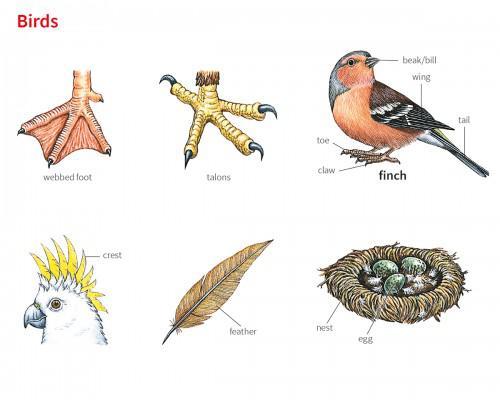
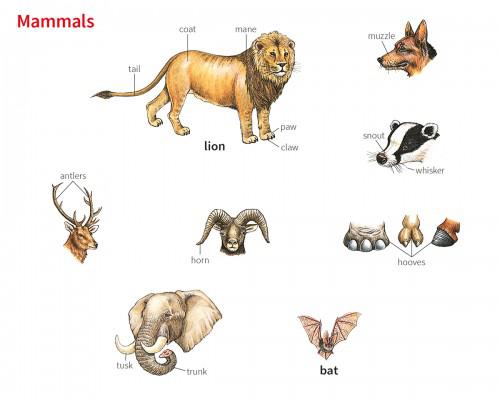
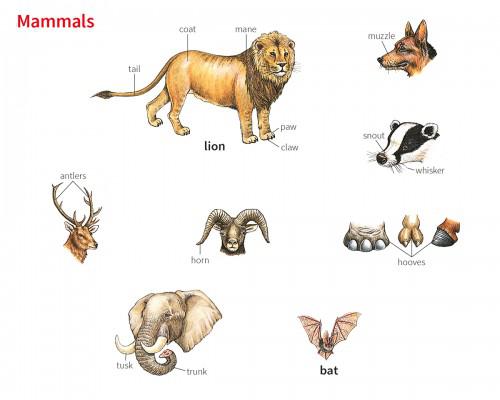
    tail(noun)

    /teɪl/

    coda

    the part that sticks out at the back of the body of a bird, an animal or a fish, which the animal can move from side to side or up and down

    My cat has a long tail.

    Il mio gatto ha la coda lunga.

    The dog ran up, wagging its tail.

    Sinonimirearendextremitytraincaudal appendage
    Contrarifrontheadbeginning
  2. 2

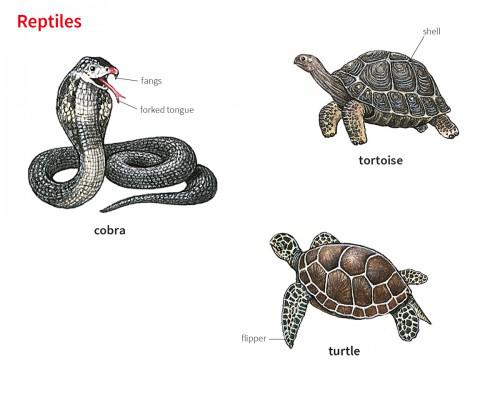
    shell(noun)

    /ʃel/

    conchiglia, guscio

    the hard outer part of eggs, nuts, some seeds, and some animals

    I like collecting sea shells.

    Mi piace collezionare conchiglie.

    We collected shells on the beach.

    Sinonimihuskcasecoveringtestexoskeletonhull
    Contrarikernelpulpmeatinsidescore
  3. 3

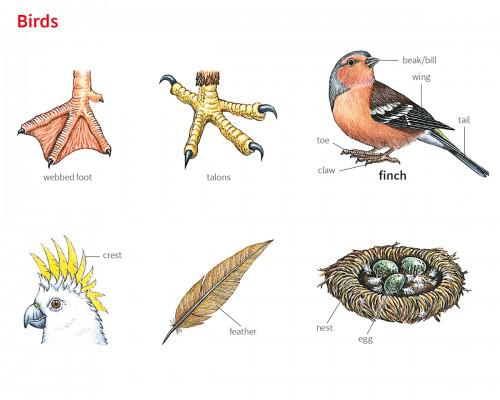
    nest(noun)

    /nest/

    nido

    a hollow place or structure that a bird makes or chooses for laying its eggs in and sheltering its young

    sparrows building a nest of twigs and dry grass

    passeri che costruiscono un nido di ramoscelli ed erba secca

    The match has been postponed to a later date.

    Sinonimilairdenroostbreeding placeretreathavensanctuary
    Contrariexposurewildernessopenoutside
  4. 4

    fur(noun)

    /fɜːr/

    pelo, pelliccia

    the soft thick mass of hair that grows on the body of some animals

    The cat is licking its fur.

    Il gatto si sta leccando il pelo.

    fashionable clothes/furniture/ideas

    Sinonimihaircoatpeltwool
    Contrariskinbarenesshairlessness
  5. 5

    swim(verb)

    /swɪm/

    nuotare

    to move through water by moving your arms and legs, without touching the bottom

    She can swim very fast.

    Sa nuotare molto velocemente.

    I can't swim.

    Sinonimifloatpaddlestrokeglidedrift
    Contrarisinkdrownfounder
  6. 6

    beak(noun)

    /biːk/

    becco

    the hard pointed or curved outer part of a bird’s mouth

    The gull held the fish in its beak.

    Il gabbiano teneva il pesce nel becco.

    to replace the batteries

    Sinonimibillnebmandible
  7. 7

    strength(noun)

    /streŋkθ/

    forza

    the quality of being physically strong

    He pushed against the rock with all his strength.

    Spinse contro la roccia con tutte le sue forze.

    She didn't have the strength to walk any further.

    Sinonimipowerforcemightpotencyvigorenergy
    Contrariweaknessfrailtyimpotencefeebleness
  8. 8

    wild(adjective)

    /waɪld/

    selvatico, selvaggio

    living or growing in natural conditions; not kept in a house or on a farm

    Many wild animals live in this forest.

    Molti animali selvatici vivono in questa foresta.

    Sinonimiuntamedferaluncultivatednaturalsavageundomesticateduncontrolled
    Contraritamedomesticatedcultivatedcontrolledmild
  9. 9

    bird(noun)

    /bɜːrd/

    uccello

    a creature that is covered with feathers and has two wings and two legs. Most birds can fly.

    More than a third of Britain's bird species need urgent protection

    Più di un terzo delle specie di uccelli della Gran Bretagna ha bisogno di protezione urgente.

    More than a third of Britain's bird species need urgent protection.

    Sinonimifowlaviansongbirdraptorcreature
    Contrarimammalfishreptile
  10. 10

    speed(noun)

    /spiːd/

    velocità

    the rate at which somebody/something moves or travels

    There are speed restrictions on this road.

    Ci sono limiti di velocità su questa strada.

    Sinonimivelocitypaceswiftnessrapidityhasteacceleration
    Contrarislownessdeliberationleisuredelay
  11. 11

    fly(verb)

    /flaɪ/

    volare

    to move through the air, using wings

    This bird cannot fly.

    Questo uccello non sa volare.

    A wasp had flown in through the window.

    Sinonimisoarglidewingascendfloathovertravel by air
    Contrarifalldescenddropsinkplungestayremain
  12. 12

    fish(noun)

    /fɪʃ/

    pesce

    a creature that lives in water, breathes through gills , and uses fins and a tail for swimming

    There are many fish in this pond.

    Ci sono molti pesci in questo stagno.

    You can fish for trout in this stream.

    Sinonimifinny creatureaquatic animal
    Contrarimammalbirdreptile
  13. 13

    Insect(noun)

    /ˈɪnsekt/

    insetto

    any small creature with six legs and a body divided into three parts. Insects usually also have wings. Ants , bees and flies are all insects .

    Insects are the most diverse group of animals

    Gli insetti sono il gruppo di animali più vario.

    Sinonimibugcreepy-crawlyarthropod
    Contrarivertebratemammalanimal (in a general sensewhen focusing on non-insect types)
  14. 14

    livestock(noun)

    /ˈlaɪvstɑːk/

    bestiame

    the animals kept on a farm, for example cows or sheep

    They have some livestock in their farm.

    Hanno del bestiame nella loro fattoria.

    Sinonimifarm animalsdomestic animalsstockcattle
    Contrariwildlifewild animals
  15. 15

    habitat(noun)

    /ˈhæbɪtæt/

    habitat

    the place where a particular type of animal or plant is normally found

    Can we use natural resources without destroying wildlife habitat?

    Possiamo usare le risorse naturali senza distruggere l'habitat della fauna selvatica?

    Sinonimienvironmentnatural environmenthometerritorydomainrangelocaleregion
    Contrariforeign environmentartificial environmentalien environment
  16. 16

    prey(noun)

    /preɪ/

    preda

    an animal, a bird, etc. that is hunted, killed and eaten by another

    The eagle watched its prey from high in the sky.

    L'aquila osservava la sua preda dall'alto del cielo.

    Sinonimivictimtargetquarrydupesucker
    Contraripredatorhunterattacker
  17. 17

    biodiversity(noun)

    /ˌbaɪəʊdaɪˈvɜːrsəti/

    biodiversità

    the existence of a large number of different kinds of animals and plants which make a balanced environment

    A new National Biological Survey will protect species habitat and biodiversity.

    Una nuova indagine biologica nazionale proteggerà l'habitat delle specie e la biodiversità.

    Sinonimivariety of lifebiological diversityecological diversityspecies richnessgenetic diversity
    Contrarimonocultureuniformitylack of diversitybiological uniformity
  18. 18

    ecosystem(noun)

    /ˈiːkəʊsɪstəm/

    ecosistema

    all the plants and living creatures in a particular area considered in relation to their physical environment

    different ecosystems and biomes on our planet

    diversi ecosistemi e biomi del nostro pianeta

    Sinonimiecological communityenvironmenthabitatbiosphere
    Contrarinone (ecosystem is a specific term with no direct antonym)abiotic environment (could be considered an opposite in some contexts)
  19. 19

    migrate(verb)

    /ˈmaɪɡreɪt/

    migrare, emigrare

    to move from one part of the world to another according to the season

    Many birds migrate south for the winter.

    Molti uccelli migrano verso sud per l'inverno.

    Sinonimirelocatemoveemigrateimmigratetransplantresettle
    Contraristayremainsettlestay put
  20. 20

    conservation(noun)

    /ˌkɑːnsərˈveɪʃn/

    conservazione, tutela

    the protection of the natural environment

    This kind of bird is protected by conservation plans.

    Questo tipo di uccello è protetto da piani di conservazione.

    Sinonimipreservationprotectionsafeguardingmaintenanceupkeep
    Contraridestructiondepletionwasteneglectexploitation
  21. 21

    endangered(adjective)

    /ɪnˈdeɪndʒərd/

    in via di estinzione, a rischio di estinzione

    (used especially about groups of animals, plants, etc.) at risk of no longer existing

    The panda is one of the most endangered species.

    Il panda è una delle specie più a rischio di estinzione.

    Sinonimithreatenedat riskimperiledjeopardizedvulnerable
    Contrarisafeprotectedsecurethrivingflourishing
  22. 22

    puppy(noun)

    /ˈpʌpi/

    cucciolo

    a young dog

    Our dog has just had four puppies.

    La nostra cagna ha appena avuto quattro cuccioli.

    Sinonimiwhelpdogletpup
    Contrariadult dogfully grown dog
  23. 23

    predator(noun)

    /ˈpredətər/

    predatore

    an animal that kills and eats other animals

    the relationship between predator and prey

    il rapporto tra predatore e preda

    Sinonimihuntercarnivoreassailantattackermarauderplunderer
    Contraripreyvictimdefenderprotector
  24. 24

    herd(noun)

    /hɜːrd/

    mandria, branco, gregge

    a group of animals of the same type that live and feed together

    A herd of cows was grazing in the field.

    Una mandria di mucche pascolava nel campo.

    Sinonimiflockpackgroupcollectionassemblydroveswarm
    Contrariindividuallonersingletononeseparate
  25. 25

    agile(adjective)

    /ˈædʒl/

    agile, svelto

    able to move quickly and easily

    The agile cat jumped easily onto the high wall.

    L'agile gatto è saltato facilmente sul muro alto.

    Sinoniminimblequickfleetsprylithesuppleresponsiveflexible
    Contrariclumsyinflexiblesluggishrigidstiff
  26. 26

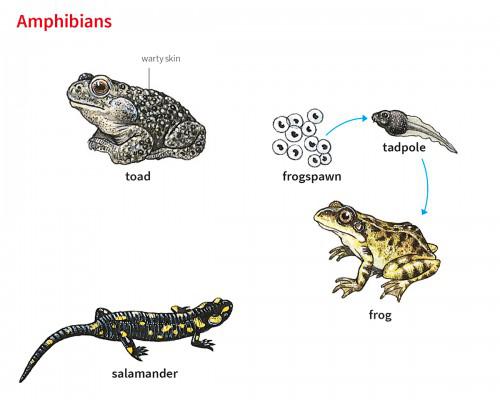
    amphibian(noun)

    /æmˈfɪbiən/

    anfibio

    any animal that can live both on land and in water. Amphibians have cold blood and skin without scales . Frogs , toads and newts are all amphibians .

    A frog is an example of an amphibian.

    La rana è un esempio di anfibio.

    Sinonimicaeciliansalamanderfrogtoad
    Contrarireptilemammalbird
  27. 27

    blunt(adjective)

    /blʌnt/

    spuntato, smussato

    without a sharp edge or point

    The knife was blunt and couldn't cut the tomato.

    Il coltello era spuntato e non riusciva a tagliare il pomodoro.

    Sinonimidullobtuseunsharpeneddirectforthrightcandid
    Contrarisharppointedkeensubtletactfulpolite
  28. 28

    bred(verb)

    /bred/

    allevare, selezionare

    past tense and past participle of breed: kept animals in order to produce young ones

    This dog was bred for hunting.

    Questo cane è stato allevato per la caccia.

    Sinonimiraisedcultivatedrearednurtured
    Contrariunbornwild
  29. 29

    burrow(noun)

    /ˈbɜːrəʊ/

    tana

    a hole or tunnel in the ground made by an animal such as a rabbit, for it to live in

    The rabbit disappeared into its burrow.

    Il coniglio è scomparso nella sua tana.

    Sinonimitunnelholedenshelterexcavate
    Contrarisurfaceopenexposed
  30. 30

    buzz(noun)

    /bʌz/

    ronzio

    a continuous low sound, like the sound that a bee makes

    I could hear the buzz of the bees in the garden.

    Sentivo il ronzio delle api in giardino.

    Sinonimihumdronewhirrmurmurvibration
    Contrarisilencequiet
  31. 31

    camouflage(noun)

    /ˈkæməflɑːʒ/

    mimetismo, camuffamento

    the way in which an animal's colour or shape matches its surroundings and makes it difficult to see

    The leopard's spots act as camouflage in the forest.

    Le macchie del leopardo fungono da camuffamento nella foresta.

    Sinonimidisguiseconcealmentmaskcover
    Contrariexposurerevealuncovershow
  32. 32

    camouflaged(adjective)

    /ˈkæməflɑːʒ/

    mimetizzato, camuffato

    hidden by having a colour or shape that matches the surroundings

    The camouflaged insect was hard to see on the branch.

    L'insetto mimetizzato era difficile da vedere sul ramo.

    Sinonimidisguisedmaskedconcealedhiddencovered up
    Contrariexposedrevealeduncoveredvisibleobvious
  33. 33

    carnivorous(adjective)

    /kɑːrˈnɪvərəs/

    carnivoro

    eating meat; consisting of meat

    Lions are carnivorous animals.

    I leoni sono animali carnivori.

    Sinonimimeat-eatingpredatoryflesh-eating
    Contrariherbivorousvegetarianplant-eating
  34. 34

    chirp(noun)

    /tʃɜːrp/

    cinguettio, pigolio

    a short high sound made by small birds and some insects

    We woke up to the chirp of birds outside the window.

    Ci siamo svegliati al cinguettio degli uccelli fuori dalla finestra.

    Sinonimitwittertrillwarblecheep
    Contrarisilenceroarscream
  35. 35

    companionable(adjective)

    /kəmˈpænjənəbl/

    socievole, affabile

    friendly

    He was a companionable sort of person, easy to talk to.

    Era una persona socievole, con cui era facile parlare.

    Sinonimisociablefriendlygregariousamiableoutgoing
    Contrariunsociableunfriendlyreservedaloofintroverted
  36. 36

    crawl(verb)

    /krɔːl/

    gattonare, strisciare

    to move forward on your hands and knees or with your body close to the ground

    The baby began to crawl across the floor.

    Il bambino ha iniziato a gattonare sul pavimento.

    Sinonimicreepinchwormslither
    Contrariwalkrunsprintstand
  37. 37

    diurnal(adjective)

    /daɪˈɜːrnl/

    diurno

    active during the day

    Squirrels are diurnal animals.

    Gli scoiattoli sono animali diurni.

    Sinonimidailydaytimeactive during the day
    Contrarinocturnal
  38. 38

    domesticated(adjective)

    /dəˈmestɪkeɪtɪd/

    domestico, addomesticato

    used to living with or working for humans

    The dog is a domesticated animal.

    Il cane è un animale domestico.

    Sinonimitamecultivatedtrained
    Contrariwilduntamedferal
  39. 39

    echolocation(noun)

    /ˌekəʊləʊˈkeɪʃn/

    ecolocalizzazione

    the use of reflected sound waves for finding things, especially by creatures such as dolphins and bats

    Bats use echolocation to navigate in the dark.

    I pipistrelli usano l'ecolocalizzazione per orientarsi al buio.

    Sinonimibiosonarsonar
    Contrarisilencedarkness
  40. 40

    exoskeleton(noun)

    /ˈeksəʊskelɪtn/

    esoscheletro

    a hard outer layer that protects the bodies of certain animals, such as insects

    Crabs have an exoskeleton that protects their soft bodies.

    I granchi hanno un esoscheletro che protegge il loro corpo molle.

    Sinonimishellcuticle
    Contrariendoskeleton
  41. 41

    exotic(adjective)

    /ɪɡˈzɑːtɪk/

    esotico

    from or in another country, especially a tropical one; seeming exciting and unusual because it seems to be connected with foreign countries

    The zoo has many exotic animals.

    Lo zoo ha molti animali esotici.

    Sinonimiforeignunusualstrangestrikingcolorful
    Contraricommonfamiliarnativeordinary
  42. 42

    flock(noun)

    /flɑːk/

    stormo, gregge

    a group of sheep, goats or birds of the same type

    A flock of birds flew south for the winter.

    Uno stormo di uccelli è volato a sud per l'inverno.

    Sinonimigroupherdswarmgathering
    Contrariindividualscattered
  43. 43

    gallop(verb)

    /ˈɡæləp/

    galoppare

    when a horse or similar animal gallops , it moves very fast and each stride includes a stage when all four feet are off the ground together

    The horse galloped across the field.

    Il cavallo galoppava attraverso il campo.

    Sinonimirunsprintracespeed
    Contrariwalkambletrot
  44. 44

    herbivorous(adjective)

    /ɜːrˈbɪvərəs/

    erbivoro

    eating only plants

    Cows are herbivorous animals.

    Le mucche sono animali erbivori.

    Sinonimiplant-eatingphytophagous
    Contraricarnivorousomnivorous
  45. 45

    hibernation(noun)

    /ˌhaɪbərˈneɪʃn/

    letargo, ibernazione

    a state like deep sleep in which some animals spend the winter

    Bears go into hibernation during the winter months.

    Gli orsi vanno in letargo durante i mesi invernali.

    Sinonimidormancytorporinactivityaestivation
    Contrariactivitywakefulnessenergy
  46. 46

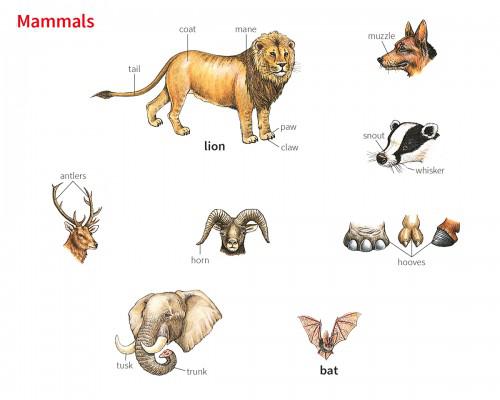
    hooves(noun)

    /huːvz/

    zoccoli

    plural of hoof: the hard parts of the feet of animals such as horses, cows and goats

    The horse's hooves clattered on the cobblestones.

    Gli zoccoli del cavallo risuonavano sul selciato.

    Sinonimifeetclaws
    Contrarihandspaws
  47. 47

    house-trained(adjective)

    /ˈhaʊs treɪnd/

    educato a fare i bisogni fuori

    trained to defecate and urinate outside the house or in a special box

    Our dog is house-trained and doesn't make a mess inside.

    Il nostro cane è educato a fare i bisogni fuori e non sporca in casa.

    Sinonimipotty-trainedtoilet-trainedwell-behaved
    Contrariuntrainednot house-trained
  48. 48

    howl(verb)

    /haʊl/

    ululare

    to make a long, loud call

    The wolf began to howl at the moon.

    Il lupo cominciò a ululare alla luna.

    Sinonimiwailcryyowlbawlululate
    Contrariwhispermurmurquiet
  49. 49

    hunt(verb)

    /hʌnt/

    cacciare

    to go after wild animals in order to catch or kill them for food, sport or to make money

    The hunters went to hunt deer in the forest.

    I cacciatori sono andati a cacciare cervi nel bosco.

    Sinonimipursuesearchtrackchase
    Contrariavoidignorefleeneglect
  50. 50

    invertebrate(noun)

    /ɪnˈvɜːrtɪbrət/

    invertebrato

    any animal with no backbone , for example a worm

    A worm is an invertebrate.

    Il verme è un invertebrato.

    Sinonimispinelessnon-vertebrate
    Contrarivertebrate
  51. 51

    mammal(noun)

    /ˈmæml/

    mammifero

    any animal that gives birth to live young, not eggs, and feeds its young on milk. Cows, humans and whales are all mammals .

    A whale is a mammal.

    La balena è un mammifero.

    Sinonimicreatureanimal
    Contrarireptilebirdfish
  52. 52

    mane(noun)

    /meɪn/

    criniera

    the long hair on the neck of a horse or a lion

    The horse had a long, flowing mane.

    Il cavallo aveva una criniera lunga e fluente.

    Sinonimihairlocks
    Contraribaldness
  53. 53

    mimicry(noun)

    /ˈmɪmɪkri/

    mimetismo

    the way in which some animals or plants look like other animals or plants, which protects them

    The butterfly's mimicry protects it from predators.

    Il mimetismo della farfalla la protegge dai predatori.

    Sinonimiimitationsimulationcopyingrepresentation
    Contrarioriginalityauthenticityreality
  54. 54

    nocturnal(adjective)

    /nɑːkˈtɜːrnl/

    notturno

    active at night

    Owls are nocturnal animals.

    I gufi sono animali notturni.

    Sinoniminightlyafter darknight-active
    Contraridiurnaldaytimematutinal
  55. 55

    omnivorous(adjective)

    /ɑːmˈnɪvərəs/

    onnivoro

    eating all types of food, especially both plants and meat

    Humans are omnivorous creatures.

    Gli esseri umani sono creature onnivore.

    Sinoniminon-selectiveundiscriminatingall-devouring
    Contrariherbivorouscarnivorous
  56. 56

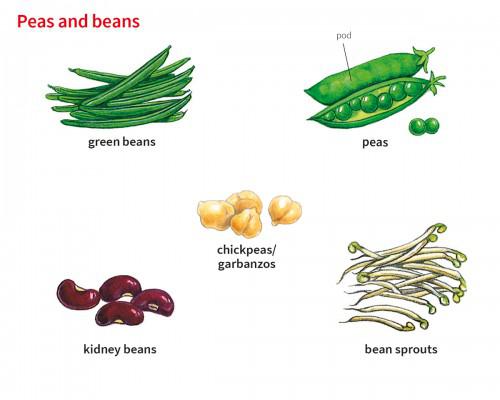
    pod(noun)

    /pɑːd/

    branco, gruppo

    a small group of sea animals, such as whales or dolphins, swimming together

    A pod of dolphins swam alongside our boat.

    Un branco di delfini nuotava accanto alla nostra barca.

    Sinonimihullshellcasingcapsule
    Contraricoreinside
  57. 57

    pounce(verb)

    /paʊns/

    balzare, avventarsi

    to move suddenly forwards in order to attack or catch somebody/something

    The cat waited patiently, then decided to pounce on the mouse.

    Il gatto aspettò pazientemente, poi decise di balzare sul topo.

    Sinonimileapspringjumpattack
    Contrariretreatwithdrawflee
  58. 58

    reptile(noun)

    /ˈreptaɪl/

    rettile

    any animal that has cold blood and skin covered in scales , and that lays eggs. Snakes, crocodiles and tortoises are all reptiles .

    A snake is a type of reptile.

    Il serpente è un tipo di rettile.

    Sinonimiscaly animalherptile
    Contrarimammalbirdamphibian
  59. 59

    roar(verb)

    /rɔːr/

    ruggire

    to make a very loud, deep sound

    Lions roar to warn other lions to stay away.

    I leoni ruggiscono per avvertire gli altri leoni di stare lontani.

    Sinonimibellowthunderboomyell
    Contrariwhispermurmurquiet
  60. 60

    slither(verb)

    /ˈslɪðər/

    strisciare, scivolare

    to move smoothly over a surface, like a snake

    The snake began to slither across the forest floor.

    Il serpente ha iniziato a strisciare sul terreno della foresta.

    Sinonimislidecrawlcreepwrithe
    Contrariwalkhopjumpstand
  61. 61

    solitary(adjective)

    /ˈsɑːləteri/

    solitario

    (of animals) living alone, not in groups

    Tigers are solitary animals that hunt alone.

    Le tigri sono animali solitari che cacciano da soli.

    Sinonimialoneisolatedlonelyreclusive
    Contrarisocialoutgoinggregariousextroverted
  62. 62

    stray(adjective)

    /streɪ/

    randagio

    (of a pet animal) away from home and without an owner

    The stray dog was taken to the shelter.

    Il cane randagio è stato portato al rifugio.

    Sinonimilostwanderingroamingunclaimed
    Contrarifoundownedclaimed
  63. 63

    suckling(noun)

    /ˈsʌklɪŋ/

    lattante, animale da latte

    a baby or young animal that is still drinking milk from its mother

    The suckling pig was very young.

    Il maialino da latte era molto giovane.

    Sinoniminursingunweanedinfant
    Contrariweanedadult
  64. 64

    swarm(noun)

    /swɔːrm/

    sciame

    a large group of insects, especially bees, moving together in the same direction

    A swarm of bees flew out of the hive.

    Uno sciame di api è uscito dall'alveare.

    Sinonimithronghordemultitudeflockcloud
    Contrarifewindividualone
  65. 65

    swoop(verb)

    /swuːp/

    scendere in picchiata, piombare

    to fly quickly and suddenly downwards, especially in order to attack somebody/something

    The hawk swooped down to catch a mouse.

    Il falco è piombato giù in picchiata per catturare un topo.

    Sinonimidiveplungedescendpounce
    Contrariascendrisesoar
  66. 66

    tabby(noun)

    /ˈtæbi/

    gatto soriano, soriano

    a cat with brown or grey fur marked with dark lines or spots

    Our tabby cat loves to chase mice.

    Il nostro gatto soriano adora inseguire i topi.

    Sinonimistriped catbrindle cat
    Contrarisolid color cat
  67. 67

    territorial(adjective)

    /ˌterəˈtɔːriəl/

    territoriale

    (of animals) guarding and defending an area that they think is their own

    The cat was very territorial about its food bowl.

    Il gatto era molto territoriale riguardo alla sua ciotola del cibo.

    Sinonimiregionalgeographicallocalized
    Contrariunconfinedunrestrictedopen
  68. 68

    venomous(adjective)

    /ˈvenəməs/

    velenoso

    producing venom

    The venomous snake bit the hiker.

    Il serpente velenoso ha morso l'escursionista.

    Sinonimipoisonoustoxicnoxious
    Contrariharmlessnonpoisonoussafe
  69. 69

    vertebrate(adjective)

    /ˈvɜːrtɪbrət/

    vertebrato

    having a backbone

    A dog is a vertebrate animal.

    Il cane è un animale vertebrato.

    Sinonimispinal animalbackboned animal
    Contrariinvertebrate
  70. 70

    webbed(adjective)

    /webd/

    palmato

    a bird or an animal (such as a duck or frog) that has webbed feet has pieces of skin between the toes

    The duck has webbed feet to help it swim.

    L'anatra ha i piedi palmati che la aiutano a nuotare.

    Sinonimimembranouspalmate
    Contrariunwebbedseparated
  71. 71

    whiskers(noun)

    /ˈwɪskər/

    baffi, vibrisse

    any of the long, stiff hairs that grow near the mouth of a cat, mouse, etc.

    The cat's whiskers twitched as it stalked its prey.

    I baffi del gatto fremevano mentre inseguiva la preda.

    Sinonimifacial hairvibrissae
  72. 72

    wolves(noun)

    /wʊlvz/

    lupi

    plural of wolf: wild animals of the dog family that live and hunt in groups

    The wolves howled at the moon.

    I lupi ululavano alla luna.

    Sinonimicaninespredatorscarnivores
    Contraripreyherbivores
  73. 73

    adaptation(noun)

    /ˌædæpˈteɪʃn/

    adattamento

    the action or process of changing something, or of being changed, to suit a new purpose or situation

    The adaptation of animals to their environment is crucial for their survival.

    L'adattamento degli animali al loro ambiente è fondamentale per la loro sopravvivenza.

    Sinonimiadjustmentmodificationalterationchangefitting
    Contrariinflexibilityrigidityresistanceinability
  74. 74

    adaptability(noun)

    /əˌdæptəˈbɪləti/

    adattabilità, capacità di adattamento

    the quality of being able to change or be changed in order to deal successfully with new situations

    Her adaptability helped her thrive in the new environment.

    La sua adattabilità l'ha aiutata a trovarsi bene nel nuovo ambiente.

    Sinonimiversatilityflexibilityresourcefulness
    Contrariinflexibilityrigiditystubbornness
  75. 75

    Bees(noun)

    /biz/

    api

    plural of bee: black and yellow flying insects that make honey

    Bees make honey.

    Le api producono il miele.

    SinonimiHoneybeesPollinators
    ContrariWaspsHornets
  76. 76

    Butterflies(noun)

    /ˈbʌtərˌflaɪz/

    farfalle

    plural of butterfly: flying insects with large, often brightly coloured wings

    Butterflies are beautiful insects.

    Le farfalle sono insetti bellissimi.

    SinonimiMothsInsectsLepidopterans
    ContrariNone
  77. 77

    Animal shelter(noun)

    /ˈænɪməl ˈʃɛltər/

    canile, rifugio per animali

    a place where animals without a home are cared for until new owners are found

    The animal shelter provides a safe haven for abandoned pets.

    Il rifugio per animali offre un posto sicuro agli animali abbandonati.

    SinonimiAnimal rescuePet shelterAnimal sanctuary
    ContrariAnimal breederSlaughterhouse
  78. 78

    Animal testing(noun)

    /ˈænɪməl ˈtɛstɪŋ/

    sperimentazione animale

    the use of animals in scientific tests to check that drugs or products are safe

    Animal testing is a controversial topic.

    La sperimentazione animale è un argomento controverso.

    Sinonimivivisectionanimal experimentation
    Contrariin vitro testinghuman trials
  79. 79

    Antlers(noun)

    /ˈæntlərz/

    corna, palchi

    the horns, like branches, on the head of a male deer

    The deer's antlers were covered in velvet.

    Le corna del cervo erano ricoperte di velluto.

    SinonimiHornsSpikesBranches
    ContrariNone
  80. 80

    Brink of extinction(phrase)

    /brɪŋk ʌv ɪkˈstɪŋkʃən/

    orlo dell'estinzione

    very close to disappearing from the world completely

    The panda is on the brink of extinction.

    Il panda è sull'orlo dell'estinzione.

    Sinonimiendangeredthreatenedcritically endangered
    Contrarithrivingflourishingabundant
  81. 81

    Budgies(noun)

    /ˈbʌdʒiz/

    cocorite, pappagallini ondulati

    small, brightly coloured birds of the parrot family, often kept as pets

    I have two budgies in a cage.

    Ho due cocorite in una gabbia.

    Sinonimibudgerigarparakeet
  82. 82

    Cheetahs(noun)

    /ˈtʃiːtəz/

    ghepardi

    large wild animals of the cat family with black spots, which can run very fast

    Cheetahs are the fastest land animals.

    I ghepardi sono gli animali terrestri più veloci.

    Sinonimihunting catacinonyx jubatus
    Contraritortoisesnail
  83. 83

    Claws(noun)

    /klɔz/

    artigli, unghie

    the sharp curved nails on the feet of some animals and birds

    The cat sharpened its claws on the scratching post.

    Il gatto si è affilato gli artigli sul tiragraffi.

    Sinonimitalonsnailspaws
    ContrariNone
  84. 84

    Cloning technology(noun)

    /ˈkloʊnɪŋ tɛkˈnɒlədʒi/

    tecnologia della clonazione

    the scientific methods used to produce an exact copy of an animal or plant

    Cloning technology has the potential to revolutionize medicine.

    La tecnologia della clonazione ha il potenziale di rivoluzionare la medicina.

    Sinonimigenetic replicationduplication technology
    Contrarinatural reproduction
  85. 85

    Dolphins(noun)

    /ˈdɒlfɪnz/

    delfini

    intelligent sea animals that look like large fish with a pointed mouth

    Dolphins are highly intelligent marine mammals.

    I delfini sono mammiferi marini molto intelligenti.

    SinonimiPorpoiseCetacean
  86. 86

    Elephants(noun)

    /ˈɛləfənts/

    elefanti

    very large grey animals with big ears, two tusks and a long nose called a trunk

    Elephants are the largest land animals.

    Gli elefanti sono i più grandi animali terrestri.

    Sinonimimammothsbehemoths
    Contrarimiceants
  87. 87

    Eusocial(adjective)

    /juːˈsoʊʃəl/

    eusociale

    (of insects such as ants and bees) living in large groups in which different members do different jobs

    Ants are eusocial insects that live in colonies.

    Le formiche sono insetti eusociali che vivono in colonie.

    SinonimiHighly socialSocialCooperative
    ContrariSolitaryIndividualistic
  88. 88

    Fangs(noun)

    /fæŋz/

    zanne, canini

    the long sharp teeth of dogs, wolves, snakes, etc.

    The snake showed its sharp fangs.

    Il serpente mostrò le sue zanne affilate.

    SinonimiTusksCaninesTeeth
    ContrariGums
  89. 89

    Feathers(noun)

    /ˈfɛðərz/

    piume, penne

    the soft light parts that cover a bird's body

    The bird ruffled its feathers.

    L'uccello ha arruffato le penne.

    Sinonimiplumagedownquills
    Contrariskinhair
  90. 90

    Fins(noun)

    /fɪnz/

    pinne

    the thin flat parts on the body of a fish that help it to swim

    The fish used its fins to swim through the water.

    Il pesce usava le pinne per nuotare nell'acqua.

    Sinonimiappendageflipperswings
  91. 91

    Free-range chickens(noun)

    /friː reɪndʒ ˈtʃɪkənz/

    galline ruspanti, polli ruspanti

    chickens that are allowed to move around outside rather than being kept in cages

    Free-range chickens produce better quality eggs.

    Le galline ruspanti producono uova di qualità migliore.

    Sinonimipasture-raised chickenscage-free chickens
    Contraricaged chickensbattery chickens
  92. 92

    Frogs(noun)

    /frɑɡz/

    rane

    small animals with smooth skin and long back legs for jumping, that live in water and on land

    Frogs are amphibians that live in water and on land.

    Le rane sono anfibi che vivono in acqua e sulla terraferma.

    Sinonimitoadsamphibians
    Contraribirdsmammalsreptiles
  93. 93

    Giraffes(noun)

    /dʒəˈræfz/

    giraffe

    tall African animals with very long necks and legs

    Giraffes are the tallest mammals on Earth.

    Le giraffe sono i mammiferi più alti della Terra.

    Sinonimilongneckscamelopards
    Contrarishort animals
  94. 94

    Gorillas(noun)

    /ɡəˈrɪləz/

    gorilla

    very large, powerful African apes

    Gorillas are the largest living primates.

    I gorilla sono i più grandi primati viventi.

    SinonimiApesGreat apesPrimate
    ContrariHumansLesser primates
  95. 95

    Horns(noun)

    /hɔrnz/

    corna

    the hard pointed parts that grow on the heads of some animals, such as cows and goats

    The bull lowered its horns and charged.

    Il toro ha abbassato le corna e ha caricato.

    SinonimiAntlersProjectionsFeelers
    ContrariSmoothnessPlainness
  96. 96

    In captivity(phrase)

    /ɪn kæpˈtɪvəti/

    in cattività

    (of animals) kept in a zoo, a cage, etc. and not free

    The lion was born in captivity.

    Il leone è nato in cattività.

    Sinonimiimprisonedconfinedenslaved
    Contrarifreewildliberated
  97. 97

    Koalas(noun)

    /ˈkoʊələz/

    koala

    Australian animals with thick grey fur that live in trees and eat leaves

    Koalas are native to Australia.

    I koala sono originari dell'Australia.

    Sinonimimarsupialsnative bears
  98. 98

    Lambing(noun)

    /ˈlæm.bɪŋ/

    stagione degli agnelli, agnellatura

    the time of year when sheep give birth to lambs

    Farmers are very busy during lambing in the spring.

    Gli agricoltori sono molto impegnati durante l'agnellatura in primavera.

    SinonimiAffectionTendernessEndearmentCaressFondness
    ContrariColdnessIndifferenceApathyAloofness
  99. 99

    Lions(noun)

    /ˈlaɪənz/

    leoni

    large powerful wild animals of the cat family that live in Africa and southern Asia

    The lions roared loudly in the zoo.

    I leoni ruggivano forte nello zoo.

    Sinonimibig catsfelines
    Contraripreylambs
  100. 100

    Parental care(noun)

    /pəˈrɛntəl kɛər/

    cure parentali

    the care that animal parents give to their young

    Many birds show parental care by feeding their chicks.

    Molti uccelli mostrano cure parentali nutrendo i loro pulcini.

    SinonimiNurturingChild rearingUpbringingParenting
    ContrariNeglectAbandonment
  101. 101

    Paws(noun)

    /pɔz/

    zampe

    the feet of animals that have claws, such as dogs and cats

    The dog wiped mud all over the door with its paws.

    Il cane ha sporcato tutta la porta di fango con le zampe.

    Sinonimifeetclaws
    Contrarihandshooves
  102. 102

    Penguins(noun)

    /ˈpɛŋɡwɪnz/

    pinguini

    black and white sea birds that cannot fly and live in the Antarctic

    Penguins are flightless birds that live in cold regions.

    I pinguini sono uccelli incapaci di volare che vivono nelle regioni fredde.

    SinonimiSphenisciformes
  103. 103

    Pests(noun)

    /pɛsts/

    parassiti, animali nocivi

    insects or animals that destroy plants, food, etc.

    The farmer sprayed chemicals to get rid of the pests.

    Il contadino ha spruzzato prodotti chimici per eliminare i parassiti.

    SinonimiVerminInfestationNuisance
    ContrariBeneficial insectsHelpers
  104. 104

    Protective coloration(noun)

    /prəˈtɛktɪv ˌkʌləˈreɪʃən/

    colorazione protettiva, livrea mimetica

    colours or patterns on an animal that help it to hide from its enemies

    The insect used protective coloration to blend in with the leaves.

    L'insetto ha usato la colorazione protettiva per confondersi con le foglie.

    Sinonimicamouflagemimicrycryptic coloration
    Contrariconspicuousnessobviousness
  105. 105

    Roaming(adjective)

    /ˈroʊmɪŋ/

    errante, vagante

    moving or travelling freely over a large area

    Roaming elephants sometimes damage the farmers' crops.

    Gli elefanti erranti a volte danneggiano i raccolti degli agricoltori.

    SinonimiWanderingDriftingMoving
    ContrariStationaryFixedSettled
  106. 106

    Rodents(noun)

    /ˈroʊdənts/

    roditori

    small animals such as mice and rats that have strong sharp front teeth

    Mice and rats are common rodents.

    I topi e i ratti sono roditori comuni.

    Sinonimignawersvermin
    ContrariNone
  107. 107

    Scales(noun)

    /skeɪlz/

    squame

    the small thin plates that cover the skin of fish and reptiles

    The fish's scales shone in the sunlight.

    Le squame del pesce brillavano alla luce del sole.

    Sinonimibalanceweighing machinemeasuring device
    Contrariestimateguess
  108. 108

    Scent-marking(noun)

    /sɛnt ˈmɑːrkɪŋ/

    marcatura olfattiva

    the way animals leave their smell on objects to mark the area they live in

    Scent-marking helps tigers warn others to stay out of their area.

    La marcatura olfattiva aiuta le tigri ad avvertire gli altri di stare fuori dal loro territorio.

    Sinonimifragrance creationperfume makingaroma synthesis
    Contrariscent destructionodor elimination
  109. 109

    Sharks(noun)

    /ʃɑrks/

    squali

    large sea fish with very sharp teeth

    Sharks are apex predators in the ocean.

    Gli squali sono predatori all'apice nell'oceano.

    SinonimiFishPredators
    ContrariPreyVictims
  110. 110

    Snakes(noun)

    /sneɪks/

    serpenti

    reptiles with very long thin bodies and no legs

    Snakes are reptiles with long, limbless bodies.

    I serpenti sono rettili dal corpo lungo e senza arti.

    Sinonimiserpentsreptiles
  111. 111

    Tails(noun)

    /teɪlz/

    code

    the parts at the back of animals' bodies that they can move

    Dogs wag their tails when they are happy.

    I cani scodinzolano quando sono felici.

    Sinonimirearendextremity
    Contrariheadfront
  112. 112

    Tentacles(noun)

    /ˈtɛn.tə.kəlz/

    tentacoli

    the long thin arms of an octopus, a squid, etc., used for feeling and holding

    The octopus used its tentacles to grab the crab.

    Il polpo ha usato i tentacoli per afferrare il granchio.

    Sinonimiappendagesarmsfeelers
    Contrarinone
  113. 113

    Tigers(noun)

    /ˈtaɪɡərz/

    tigri

    large wild animals of the cat family with orange fur and black stripes

    Tigers are apex predators.

    Le tigri sono predatori all'apice.

    SinonimiStriped catsBig cats
    ContrariPrey
  114. 114

    Wings(noun)

    /wɪŋz/

    ali

    the parts of a bird's or insect's body that it uses for flying

    The bird spread its wings and flew away.

    L'uccello ha spiegato le ali ed è volato via.

    SinonimiPinionsPlumesFlight appendages
    ContrariRestrictionImprisonmentConfinement
  115. 115

    pack(noun)

    /pæk/

    branco

    a group of wild animals, especially wolves or dogs, that hunt together

    A pack of wolves was hunting in the forest.

    Un branco di lupi stava cacciando nella foresta.

  116. 116

    pride(noun)

    /praɪd/

    branco di leoni

    a group of lions

    A pride of lions was resting in the shade.

    Un branco di leoni riposava all'ombra.

  117. 117

    school(noun)

    /skuːl/

    banco di pesci

    a large group of fish or other sea animals swimming together

    A school of fish swam past our boat.

    Un banco di pesci è passato accanto alla nostra barca.

  118. 118

    mate(noun)

    /meɪt/

    compagno, compagna, partner

    the sexual partner of a bird or an animal

    The male bird sings to attract a mate.

    L'uccello maschio canta per attirare una compagna.

  119. 119

    Trunk(noun)

    /trʌŋk/

    proboscide

    the long nose of an elephant

    The elephant lifted the log with its trunk.

    L'elefante ha sollevato il tronco con la proboscide.

  120. 120

    colony(noun)

    /ˈkɑːləni/

    colonia

    a group of animals or plants of the same type living closely together

    Ants live in large colonies under the ground.

    Le formiche vivono in grandi colonie sotto terra.

  121. 121

    troop(noun)

    /truːp/

    branco, gruppo

    a group of monkeys or other animals of the same type

    A troop of monkeys was playing in the trees.

    Un branco di scimmie giocava sugli alberi.