ข้ามไปยังเนื้อหา

บทที่ 27/33 · 121 คำ · จำได้แล้ว 0

Animal

สัตว์

  1. 1

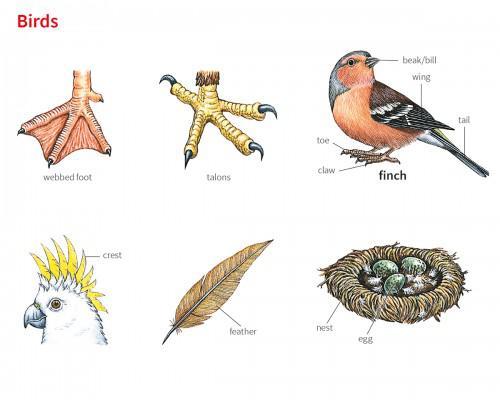
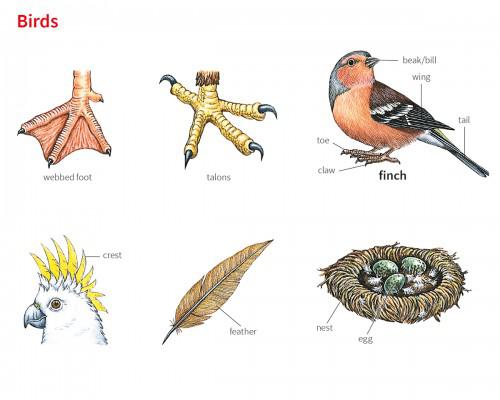
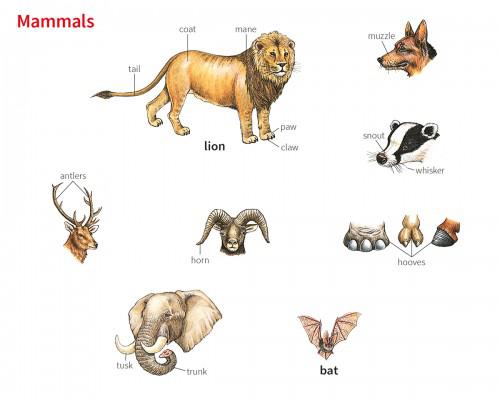
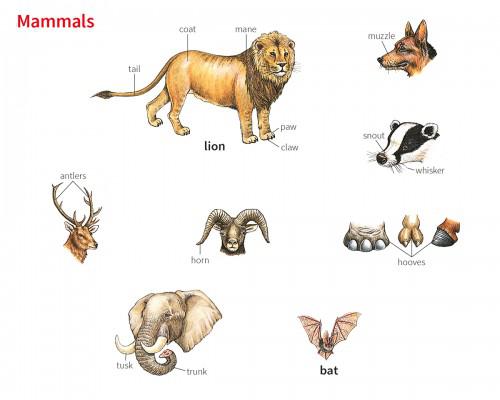
    tail(noun)

    /teɪl/

    หาง

    the part that sticks out at the back of the body of a bird, an animal or a fish, which the animal can move from side to side or up and down

    My cat has a long tail.

    แมวของฉันมีหางยาว

    The dog ran up, wagging its tail.

    คำพ้องความหมายrearendextremitytraincaudal appendage
    คำตรงข้ามfrontheadbeginning
  2. 2

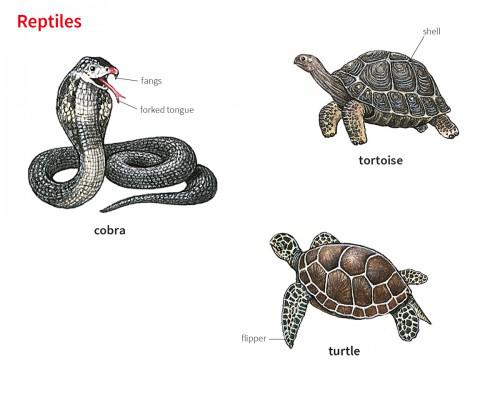
    shell(noun)

    /ʃel/

    เปลือก

    the hard outer part of eggs, nuts, some seeds, and some animals

    I like collecting sea shells.

    ฉันชอบสะสมเปลือกหอย

    We collected shells on the beach.

    คำพ้องความหมายhuskcasecoveringtestexoskeletonhull
    คำตรงข้ามkernelpulpmeatinsidescore
  3. 3

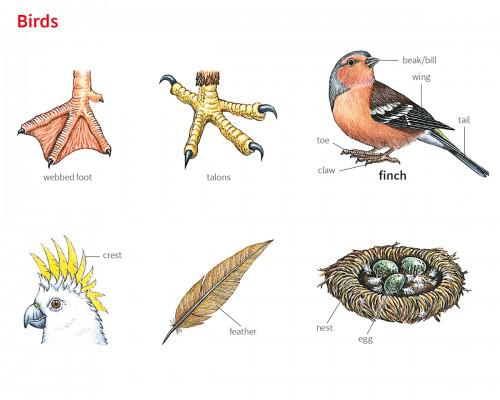
    nest(noun)

    /nest/

    รัง

    a hollow place or structure that a bird makes or chooses for laying its eggs in and sheltering its young

    sparrows building a nest of twigs and dry grass

    นกกระจอกกำลังสร้างรังจากกิ่งไม้และหญ้าแห้ง

    The match has been postponed to a later date.

    คำพ้องความหมายlairdenroostbreeding placeretreathavensanctuary
    คำตรงข้ามexposurewildernessopenoutside
  4. 4

    fur(noun)

    /fɜːr/

    ขน

    the soft thick mass of hair that grows on the body of some animals

    The cat is licking its fur.

    แมวกำลังเลียขนของมัน

    fashionable clothes/furniture/ideas

    คำพ้องความหมายhaircoatpeltwool
    คำตรงข้ามskinbarenesshairlessness
  5. 5

    swim(verb)

    /swɪm/

    ว่ายน้ำ

    to move through water by moving your arms and legs, without touching the bottom

    She can swim very fast.

    เธอว่ายน้ำได้เร็วมาก

    I can't swim.

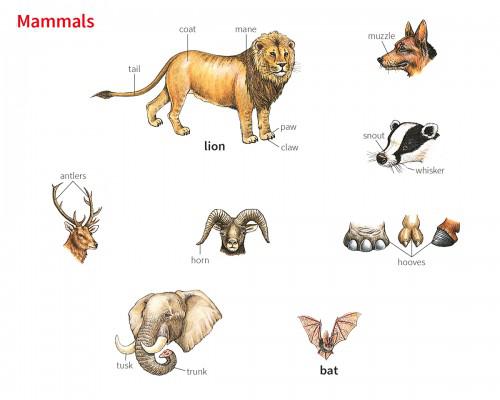
    คำพ้องความหมายfloatpaddlestrokeglidedrift
    คำตรงข้ามsinkdrownfounder
  6. 6

    beak(noun)

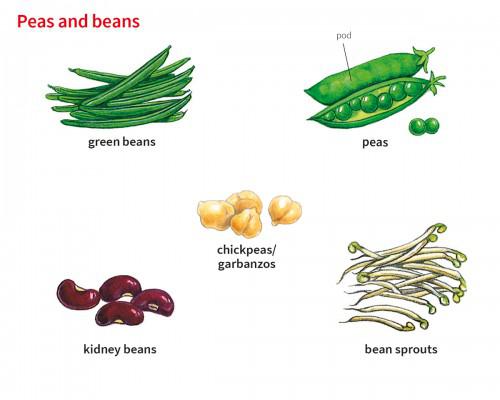
    /biːk/

    จะงอยปาก

    the hard pointed or curved outer part of a bird’s mouth

    The gull held the fish in its beak.

    นกนางนวลคาบปลาไว้ในจะงอยปาก

    to replace the batteries

    คำพ้องความหมายbillnebmandible
  7. 7

    strength(noun)

    /streŋkθ/

    ความแข็งแกร่ง

    the quality of being physically strong

    He pushed against the rock with all his strength.

    เขาผลักหินด้วยกำลังทั้งหมดของเขา

    She didn't have the strength to walk any further.

    คำพ้องความหมายpowerforcemightpotencyvigorenergy
    คำตรงข้ามweaknessfrailtyimpotencefeebleness
  8. 8

    wild(adjective)

    /waɪld/

    ป่า, ในธรรมชาติ

    living or growing in natural conditions; not kept in a house or on a farm

    Many wild animals live in this forest.

    สัตว์ป่าหลายชนิดอาศัยอยู่ในป่าแห่งนี้

    คำพ้องความหมายuntamedferaluncultivatednaturalsavageundomesticateduncontrolled
    คำตรงข้ามtamedomesticatedcultivatedcontrolledmild
  9. 9

    bird(noun)

    /bɜːrd/

    นก

    a creature that is covered with feathers and has two wings and two legs. Most birds can fly.

    More than a third of Britain's bird species need urgent protection

    มากกว่าหนึ่งในสามของชนิดนกในบริเตนต้องการการปกป้องอย่างเร่งด่วน

    More than a third of Britain's bird species need urgent protection.

    คำพ้องความหมายfowlaviansongbirdraptorcreature
    คำตรงข้ามmammalfishreptile
  10. 10

    speed(noun)

    /spiːd/

    ความเร็ว

    the rate at which somebody/something moves or travels

    There are speed restrictions on this road.

    มีข้อจำกัดด้านความเร็วบนถนนสายนี้

    คำพ้องความหมายvelocitypaceswiftnessrapidityhasteacceleration
    คำตรงข้ามslownessdeliberationleisuredelay
  11. 11

    fly(verb)

    /flaɪ/

    บิน

    to move through the air, using wings

    This bird cannot fly.

    นกตัวนี้บินไม่ได้

    A wasp had flown in through the window.

    คำพ้องความหมายsoarglidewingascendfloathovertravel by air
    คำตรงข้ามfalldescenddropsinkplungestayremain
  12. 12

    fish(noun)

    /fɪʃ/

    ปลา

    a creature that lives in water, breathes through gills , and uses fins and a tail for swimming

    There are many fish in this pond.

    มีปลาจำนวนมากในสระนี้

    You can fish for trout in this stream.

    คำพ้องความหมายfinny creatureaquatic animal
    คำตรงข้ามmammalbirdreptile
  13. 13

    Insect(noun)

    /ˈɪnsekt/

    แมลง (malaeng)

    any small creature with six legs and a body divided into three parts. Insects usually also have wings. Ants , bees and flies are all insects .

    Insects are the most diverse group of animals

    แมลงเป็นกลุ่มสัตว์ที่มีความหลากหลายมากที่สุด (malaeng pen klum sat thi mee kwam lak lai mak thisut)

    คำพ้องความหมายbugcreepy-crawlyarthropod
    คำตรงข้ามvertebratemammalanimal (in a general sensewhen focusing on non-insect types)
  14. 14

    livestock(noun)

    /ˈlaɪvstɑːk/

    ปศุสัตว์

    the animals kept on a farm, for example cows or sheep

    They have some livestock in their farm.

    พวกเขามีปศุสัตว์จำนวนหนึ่งในฟาร์มของพวกเขา

    คำพ้องความหมายfarm animalsdomestic animalsstockcattle
    คำตรงข้ามwildlifewild animals
  15. 15

    habitat(noun)

    /ˈhæbɪtæt/

    แหล่งที่อยู่อาศัย, ถิ่นที่อยู่

    the place where a particular type of animal or plant is normally found

    Can we use natural resources without destroying wildlife habitat?

    เราจะใช้ทรัพยากรธรรมชาติได้อย่างไรโดยไม่ทำลายถิ่นที่อยู่อาศัยของสัตว์ป่า

    คำพ้องความหมายenvironmentnatural environmenthometerritorydomainrangelocaleregion
    คำตรงข้ามforeign environmentartificial environmentalien environment
  16. 16

    prey(noun)

    /preɪ/

    เหยื่อ, con เหยื่อ

    an animal, a bird, etc. that is hunted, killed and eaten by another

    The eagle watched its prey from high in the sky.

    นกอินทรีเฝ้ามองเหยื่อจากท้องฟ้าเบื้องบน

    คำพ้องความหมายvictimtargetquarrydupesucker
    คำตรงข้ามpredatorhunterattacker
  17. 17

    biodiversity(noun)

    /ˌbaɪəʊdaɪˈvɜːrsəti/

    ความหลากหลายทางชีวภาพ

    the existence of a large number of different kinds of animals and plants which make a balanced environment

    A new National Biological Survey will protect species habitat and biodiversity.

    การสำรวจทางชีวภาพแห่งชาติครั้งใหม่จะปกป้องที่อยู่อาศัยของชนิดพันธุ์และความหลากหลายทางชีวภาพ

    คำพ้องความหมายvariety of lifebiological diversityecological diversityspecies richnessgenetic diversity
    คำตรงข้ามmonocultureuniformitylack of diversitybiological uniformity
  18. 18

    ecosystem(noun)

    /ˈiːkəʊsɪstəm/

    ระบบนิเวศ

    all the plants and living creatures in a particular area considered in relation to their physical environment

    different ecosystems and biomes on our planet

    ระบบนิเวศและชีวนิเวศที่แตกต่างกันบนโลกของเรา

    คำพ้องความหมายecological communityenvironmenthabitatbiosphere
    คำตรงข้ามnone (ecosystem is a specific term with no direct antonym)abiotic environment (could be considered an opposite in some contexts)
  19. 19

    migrate(verb)

    /ˈmaɪɡreɪt/

    อพยพ

    to move from one part of the world to another according to the season

    Many birds migrate south for the winter.

    นกหลายชนิดอพยพลงใต้ในช่วงฤดูหนาว

    คำพ้องความหมายrelocatemoveemigrateimmigratetransplantresettle
    คำตรงข้ามstayremainsettlestay put
  20. 20

    conservation(noun)

    /ˌkɑːnsərˈveɪʃn/

    การอนุรักษ์

    the protection of the natural environment

    This kind of bird is protected by conservation plans.

    นกชนิดนี้ได้รับการคุ้มครองโดยแผนการอนุรักษ์

    คำพ้องความหมายpreservationprotectionsafeguardingmaintenanceupkeep
    คำตรงข้ามdestructiondepletionwasteneglectexploitation
  21. 21

    endangered(adjective)

    /ɪnˈdeɪndʒərd/

    ใกล้สูญพันธุ์

    (used especially about groups of animals, plants, etc.) at risk of no longer existing

    The panda is one of the most endangered species.

    แพนด้าเป็นหนึ่งในสายพันธุ์ที่ใกล้สูญพันธุ์มากที่สุด

    คำพ้องความหมายthreatenedat riskimperiledjeopardizedvulnerable
    คำตรงข้ามsafeprotectedsecurethrivingflourishing
  22. 22

    puppy(noun)

    /ˈpʌpi/

    ลูกสุนัข

    a young dog

    Our dog has just had four puppies.

    สุนัขของเราเพิ่งคลอดลูกสุนัขสี่ตัว

    คำพ้องความหมายwhelpdogletpup
    คำตรงข้ามadult dogfully grown dog
  23. 23

    predator(noun)

    /ˈpredətər/

    ผู้ล่า

    an animal that kills and eats other animals

    the relationship between predator and prey

    ความสัมพันธ์ระหว่างผู้ล่าและเหยื่อ

    คำพ้องความหมายhuntercarnivoreassailantattackermarauderplunderer
    คำตรงข้ามpreyvictimdefenderprotector
  24. 24

    herd(noun)

    /hɜːrd/

    ฝูง

    a group of animals of the same type that live and feed together

    A herd of cows was grazing in the field.

    ฝูงวัวกำลังแทะเล็มหญ้าอยู่ในทุ่ง

    คำพ้องความหมายflockpackgroupcollectionassemblydroveswarm
    คำตรงข้ามindividuallonersingletononeseparate
  25. 25

    agile(adjective)

    /ˈædʒl/

    คล่องแคล่ว, ว่องไว

    able to move quickly and easily

    The agile cat jumped easily onto the high wall.

    แมวที่คล่องแคล่วกระโดดขึ้นกำแพงสูงได้อย่างง่ายดาย

    คำพ้องความหมายnimblequickfleetsprylithesuppleresponsiveflexible
    คำตรงข้ามclumsyinflexiblesluggishrigidstiff
  26. 26

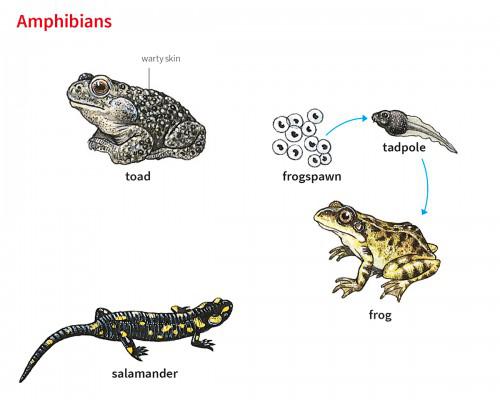
    amphibian(noun)

    /æmˈfɪbiən/

    สัตว์ครึ่งบกครึ่งน้ำ

    any animal that can live both on land and in water. Amphibians have cold blood and skin without scales . Frogs , toads and newts are all amphibians .

    A frog is an example of an amphibian.

    กบเป็นตัวอย่างของสัตว์ครึ่งบกครึ่งน้ำ

    คำพ้องความหมายcaeciliansalamanderfrogtoad
    คำตรงข้ามreptilemammalbird
  27. 27

    blunt(adjective)

    /blʌnt/

    ทื่อ

    without a sharp edge or point

    The knife was blunt and couldn't cut the tomato.

    มีดทื่อและไม่สามารถตัดมะเขือเทศได้

    คำพ้องความหมายdullobtuseunsharpeneddirectforthrightcandid
    คำตรงข้ามsharppointedkeensubtletactfulpolite
  28. 28

    bred(verb)

    /bred/

    เพาะพันธุ์

    past tense and past participle of breed: kept animals in order to produce young ones

    This dog was bred for hunting.

    สุนัขตัวนี้ถูกเพาะพันธุ์มาเพื่อล่าสัตว์

    คำพ้องความหมายraisedcultivatedrearednurtured
    คำตรงข้ามunbornwild
  29. 29

    burrow(noun)

    /ˈbɜːrəʊ/

    โพรง, โพรงสัตว์

    a hole or tunnel in the ground made by an animal such as a rabbit, for it to live in

    The rabbit disappeared into its burrow.

    กระต่ายหายเข้าไปในโพรงของมัน

    คำพ้องความหมายtunnelholedenshelterexcavate
    คำตรงข้ามsurfaceopenexposed
  30. 30

    buzz(noun)

    /bʌz/

    เสียงหึ่งๆ, เสียงอื้ออึง

    a continuous low sound, like the sound that a bee makes

    I could hear the buzz of the bees in the garden.

    ฉันได้ยินเสียงผึ้งหึ่งๆ ในสวน

    คำพ้องความหมายhumdronewhirrmurmurvibration
    คำตรงข้ามsilencequiet
  31. 31

    camouflage(noun)

    /ˈkæməflɑːʒ/

    การพรางตัว, การอำพราง

    the way in which an animal's colour or shape matches its surroundings and makes it difficult to see

    The leopard's spots act as camouflage in the forest.

    ลายจุดของเสือดาวช่วยพรางตัวในป่า

    คำพ้องความหมายdisguiseconcealmentmaskcover
    คำตรงข้ามexposurerevealuncovershow
  32. 32

    camouflaged(adjective)

    /ˈkæməflɑːʒ/

    พรางตัว, อำพรางตัว

    hidden by having a colour or shape that matches the surroundings

    The camouflaged insect was hard to see on the branch.

    แมลงที่พรางตัวนั้นมองเห็นได้ยากบนกิ่งไม้

    คำพ้องความหมายdisguisedmaskedconcealedhiddencovered up
    คำตรงข้ามexposedrevealeduncoveredvisibleobvious
  33. 33

    carnivorous(adjective)

    /kɑːrˈnɪvərəs/

    กินเนื้อ

    eating meat; consisting of meat

    Lions are carnivorous animals.

    สิงโตเป็นสัตว์กินเนื้อ

    คำพ้องความหมายmeat-eatingpredatoryflesh-eating
    คำตรงข้ามherbivorousvegetarianplant-eating
  34. 34

    chirp(noun)

    /tʃɜːrp/

    เสียงจิ๊บๆ, เสียงร้องจิ๊บจั๊บ

    a short high sound made by small birds and some insects

    We woke up to the chirp of birds outside the window.

    เราตื่นขึ้นมาพร้อมกับเสียงนกร้องจิ๊บๆ นอกหน้าต่าง

    คำพ้องความหมายtwittertrillwarblecheep
    คำตรงข้ามsilenceroarscream
  35. 35

    companionable(adjective)

    /kəmˈpænjənəbl/

    เข้าสังคมง่าย

    friendly

    He was a companionable sort of person, easy to talk to.

    เขาเป็นคนเข้าสังคมง่าย คุยด้วยง่าย

    คำพ้องความหมายsociablefriendlygregariousamiableoutgoing
    คำตรงข้ามunsociableunfriendlyreservedaloofintroverted
  36. 36

    crawl(verb)

    /krɔːl/

    คลาน

    to move forward on your hands and knees or with your body close to the ground

    The baby began to crawl across the floor.

    เด็กเริ่มคลานไปทั่วพื้น

    คำพ้องความหมายcreepinchwormslither
    คำตรงข้ามwalkrunsprintstand
  37. 37

    diurnal(adjective)

    /daɪˈɜːrnl/

    ระหว่างวัน

    active during the day

    Squirrels are diurnal animals.

    กระรอกเป็นสัตว์ที่ออกหากินในเวลากลางวัน

    คำพ้องความหมายdailydaytimeactive during the day
    คำตรงข้ามnocturnal
  38. 38

    domesticated(adjective)

    /dəˈmestɪkeɪtɪd/

    เชื่อง

    used to living with or working for humans

    The dog is a domesticated animal.

    สุนัขเป็นสัตว์เลี้ยง

    คำพ้องความหมายtamecultivatedtrained
    คำตรงข้ามwilduntamedferal
  39. 39

    echolocation(noun)

    /ˌekəʊləʊˈkeɪʃn/

    การกำหนดตำแหน่งด้วยเสียงสะท้อน

    the use of reflected sound waves for finding things, especially by creatures such as dolphins and bats

    Bats use echolocation to navigate in the dark.

    ค้างคาวใช้การกำหนดตำแหน่งด้วยเสียงสะท้อนเพื่อนำทางในความมืด

    คำพ้องความหมายbiosonarsonar
    คำตรงข้ามsilencedarkness
  40. 40

    exoskeleton(noun)

    /ˈeksəʊskelɪtn/

    โครงกระดูกภายนอก

    a hard outer layer that protects the bodies of certain animals, such as insects

    Crabs have an exoskeleton that protects their soft bodies.

    ปูมีโครงกระดูกภายนอกที่ปกป้องร่างกายที่อ่อนนุ่มของพวกมัน

    คำพ้องความหมายshellcuticle
    คำตรงข้ามendoskeleton
  41. 41

    exotic(adjective)

    /ɪɡˈzɑːtɪk/

    แปลกใหม่

    from or in another country, especially a tropical one; seeming exciting and unusual because it seems to be connected with foreign countries

    The zoo has many exotic animals.

    สวนสัตว์มีสัตว์แปลกใหม่มากมาย

    คำพ้องความหมายforeignunusualstrangestrikingcolorful
    คำตรงข้ามcommonfamiliarnativeordinary
  42. 42

    flock(noun)

    /flɑːk/

    ฝูง

    a group of sheep, goats or birds of the same type

    A flock of birds flew south for the winter.

    ฝูงนกบินลงใต้ในช่วงฤดูหนาว

    คำพ้องความหมายgroupherdswarmgathering
    คำตรงข้ามindividualscattered
  43. 43

    gallop(verb)

    /ˈɡæləp/

    ควบ

    when a horse or similar animal gallops , it moves very fast and each stride includes a stage when all four feet are off the ground together

    The horse galloped across the field.

    ม้าควบข้ามทุ่ง

    คำพ้องความหมายrunsprintracespeed
    คำตรงข้ามwalkambletrot
  44. 44

    herbivorous(adjective)

    /ɜːrˈbɪvərəs/

    กินพืช

    eating only plants

    Cows are herbivorous animals.

    วัวเป็นสัตว์กินพืช

    คำพ้องความหมายplant-eatingphytophagous
    คำตรงข้ามcarnivorousomnivorous
  45. 45

    hibernation(noun)

    /ˌhaɪbərˈneɪʃn/

    การจำศีล

    a state like deep sleep in which some animals spend the winter

    Bears go into hibernation during the winter months.

    หมีจำศีลในช่วงฤดูหนาว

    คำพ้องความหมายdormancytorporinactivityaestivation
    คำตรงข้ามactivitywakefulnessenergy
  46. 46

    hooves(noun)

    /huːvz/

    กีบเท้า

    plural of hoof: the hard parts of the feet of animals such as horses, cows and goats

    The horse's hooves clattered on the cobblestones.

    กีบเท้าม้าดังกระทบก้อนหิน

    คำพ้องความหมายfeetclaws
    คำตรงข้ามhandspaws
  47. 47

    house-trained(adjective)

    /ˈhaʊs treɪnd/

    ฝึกมาดี

    trained to defecate and urinate outside the house or in a special box

    Our dog is house-trained and doesn't make a mess inside.

    สุนัขของเราได้รับการฝึกมาเป็นอย่างดีและไม่สร้างความยุ่งเหยิงภายใน

    คำพ้องความหมายpotty-trainedtoilet-trainedwell-behaved
    คำตรงข้ามuntrainednot house-trained
  48. 48

    howl(verb)

    /haʊl/

    หอน

    to make a long, loud call

    The wolf began to howl at the moon.

    หมาป่าเริ่มหอนเมื่อมองพระจันทร์

    คำพ้องความหมายwailcryyowlbawlululate
    คำตรงข้ามwhispermurmurquiet
  49. 49

    hunt(verb)

    /hʌnt/

    ล่า

    to go after wild animals in order to catch or kill them for food, sport or to make money

    The hunters went to hunt deer in the forest.

    นักล่าไปล่ากวางในป่า

    คำพ้องความหมายpursuesearchtrackchase
    คำตรงข้ามavoidignorefleeneglect
  50. 50

    invertebrate(noun)

    /ɪnˈvɜːrtɪbrət/

    สัตว์ไม่มีกระดูกสันหลัง

    any animal with no backbone , for example a worm

    A worm is an invertebrate.

    หนอนเป็นสัตว์ไม่มีกระดูกสันหลัง

    คำพ้องความหมายspinelessnon-vertebrate
    คำตรงข้ามvertebrate
  51. 51

    mammal(noun)

    /ˈmæml/

    สัตว์เลี้ยงลูกด้วยนม

    any animal that gives birth to live young, not eggs, and feeds its young on milk. Cows, humans and whales are all mammals .

    A whale is a mammal.

    วาฬเป็นสัตว์เลี้ยงลูกด้วยนม

    คำพ้องความหมายcreatureanimal
    คำตรงข้ามreptilebirdfish
  52. 52

    mane(noun)

    /meɪn/

    แผงคอ

    the long hair on the neck of a horse or a lion

    The horse had a long, flowing mane.

    ม้ามีแผงคอยาวสลวย

    คำพ้องความหมายhairlocks
    คำตรงข้ามbaldness
  53. 53

    mimicry(noun)

    /ˈmɪmɪkri/

    การเลียนแบบ, การเลียนแบบสิ่งอื่นเพื่อป้องกันตัว

    the way in which some animals or plants look like other animals or plants, which protects them

    The butterfly's mimicry protects it from predators.

    การเลียนแบบของผีเสื้อช่วยป้องกันมันจากผู้ล่า

    คำพ้องความหมายimitationsimulationcopyingrepresentation
    คำตรงข้ามoriginalityauthenticityreality
  54. 54

    nocturnal(adjective)

    /nɑːkˈtɜːrnl/

    ออกหากินเวลากลางคืน

    active at night

    Owls are nocturnal animals.

    นกฮูกเป็นสัตว์ที่ออกหากินเวลากลางคืน

    คำพ้องความหมายnightlyafter darknight-active
    คำตรงข้ามdiurnaldaytimematutinal
  55. 55

    omnivorous(adjective)

    /ɑːmˈnɪvərəs/

    กินทั้งพืชและเนื้อ

    eating all types of food, especially both plants and meat

    Humans are omnivorous creatures.

    มนุษย์เป็นสัตว์กินทั้งพืชและเนื้อ

    คำพ้องความหมายnon-selectiveundiscriminatingall-devouring
    คำตรงข้ามherbivorouscarnivorous
  56. 56

    pod(noun)

    /pɑːd/

    ฝูง (ปลาวาฬ, โลมา)

    a small group of sea animals, such as whales or dolphins, swimming together

    A pod of dolphins swam alongside our boat.

    ฝูงโลมาว่ายน้ำมาข้างเรือของเรา

    คำพ้องความหมายhullshellcasingcapsule
    คำตรงข้ามcoreinside
  57. 57

    pounce(verb)

    /paʊns/

    กระโจน

    to move suddenly forwards in order to attack or catch somebody/something

    The cat waited patiently, then decided to pounce on the mouse.

    แมวรออย่างอดทนแล้วตัดสินใจกระโจนใส่หนู

    คำพ้องความหมายleapspringjumpattack
    คำตรงข้ามretreatwithdrawflee
  58. 58

    reptile(noun)

    /ˈreptaɪl/

    สัตว์เลื้อยคลาน

    any animal that has cold blood and skin covered in scales , and that lays eggs. Snakes, crocodiles and tortoises are all reptiles .

    A snake is a type of reptile.

    งูเป็นสัตว์เลื้อยคลานชนิดหนึ่ง

    คำพ้องความหมายscaly animalherptile
    คำตรงข้ามmammalbirdamphibian
  59. 59

    roar(verb)

    /rɔːr/

    คำราม, ร้องคำราม, แผดเสียง

    to make a very loud, deep sound

    Lions roar to warn other lions to stay away.

    สิงโตคำรามเพื่อเตือนสิงโตตัวอื่นไม่ให้เข้ามาใกล้

    คำพ้องความหมายbellowthunderboomyell
    คำตรงข้ามwhispermurmurquiet
  60. 60

    slither(verb)

    /ˈslɪðər/

    เลื้อย

    to move smoothly over a surface, like a snake

    The snake began to slither across the forest floor.

    งูเริ่มเลื้อยไปตามพื้นป่า

    คำพ้องความหมายslidecrawlcreepwrithe
    คำตรงข้ามwalkhopjumpstand
  61. 61

    solitary(adjective)

    /ˈsɑːləteri/

    อยู่โดดเดี่ยว, อยู่ตัวเดียว

    (of animals) living alone, not in groups

    Tigers are solitary animals that hunt alone.

    เสือเป็นสัตว์ที่อยู่โดดเดี่ยวและล่าเหยื่อตามลำพัง

    คำพ้องความหมายaloneisolatedlonelyreclusive
    คำตรงข้ามsocialoutgoinggregariousextroverted
  62. 62

    stray(adjective)

    /streɪ/

    จรจัด, หลงทาง

    (of a pet animal) away from home and without an owner

    The stray dog was taken to the shelter.

    สุนัขจรจัดถูกนำไปที่ศูนย์พักพิง

    คำพ้องความหมายlostwanderingroamingunclaimed
    คำตรงข้ามfoundownedclaimed
  63. 63

    suckling(noun)

    /ˈsʌklɪŋ/

    ลูกสัตว์ที่ยังกินนม, ลูกอ่อน

    a baby or young animal that is still drinking milk from its mother

    The suckling pig was very young.

    ลูกหมูที่ยังกินนมแม่ตัวนั้นยังเล็กมาก

    คำพ้องความหมายnursingunweanedinfant
    คำตรงข้ามweanedadult
  64. 64

    swarm(noun)

    /swɔːrm/

    ฝูง

    a large group of insects, especially bees, moving together in the same direction

    A swarm of bees flew out of the hive.

    ฝูงผึ้งบินออกจากรัง

    คำพ้องความหมายthronghordemultitudeflockcloud
    คำตรงข้ามfewindividualone
  65. 65

    swoop(verb)

    /swuːp/

    โฉบลง, ถลาลง, โผลงมา

    to fly quickly and suddenly downwards, especially in order to attack somebody/something

    The hawk swooped down to catch a mouse.

    เหยี่ยวโฉบลงมาจับหนู

    คำพ้องความหมายdiveplungedescendpounce
    คำตรงข้ามascendrisesoar
  66. 66

    tabby(noun)

    /ˈtæbi/

    แมวลาย

    a cat with brown or grey fur marked with dark lines or spots

    Our tabby cat loves to chase mice.

    แมวลายของเราชอบไล่จับหนู

    คำพ้องความหมายstriped catbrindle cat
    คำตรงข้ามsolid color cat
  67. 67

    territorial(adjective)

    /ˌterəˈtɔːriəl/

    หวงถิ่น, ปกป้องอาณาเขต

    (of animals) guarding and defending an area that they think is their own

    The cat was very territorial about its food bowl.

    แมวตัวนั้นหวงชามอาหารของมันมาก

    คำพ้องความหมายregionalgeographicallocalized
    คำตรงข้ามunconfinedunrestrictedopen
  68. 68

    venomous(adjective)

    /ˈvenəməs/

    มีพิษ

    producing venom

    The venomous snake bit the hiker.

    งูมีพิษกัดนักเดินป่า

    คำพ้องความหมายpoisonoustoxicnoxious
    คำตรงข้ามharmlessnonpoisonoussafe
  69. 69

    vertebrate(adjective)

    /ˈvɜːrtɪbrət/

    มีกระดูกสันหลัง

    having a backbone

    A dog is a vertebrate animal.

    สุนัขเป็นสัตว์มีกระดูกสันหลัง

    คำพ้องความหมายspinal animalbackboned animal
    คำตรงข้ามinvertebrate
  70. 70

    webbed(adjective)

    /webd/

    เป็นพังผืด

    a bird or an animal (such as a duck or frog) that has webbed feet has pieces of skin between the toes

    The duck has webbed feet to help it swim.

    เป็ดมีเท้าเป็นพังผืดเพื่อช่วยให้มันว่ายน้ำ

    คำพ้องความหมายmembranouspalmate
    คำตรงข้ามunwebbedseparated
  71. 71

    whiskers(noun)

    /ˈwɪskər/

    หนวด

    any of the long, stiff hairs that grow near the mouth of a cat, mouse, etc.

    The cat's whiskers twitched as it stalked its prey.

    หนวดของแมวกระตุกขณะที่มันย่องตามเหยื่อ

    คำพ้องความหมายfacial hairvibrissae
  72. 72

    wolves(noun)

    /wʊlvz/

    หมาป่า

    plural of wolf: wild animals of the dog family that live and hunt in groups

    The wolves howled at the moon.

    หมาป่าหอนใส่พระจันทร์

    คำพ้องความหมายcaninespredatorscarnivores
    คำตรงข้ามpreyherbivores
  73. 73

    adaptation(noun)

    /ˌædæpˈteɪʃn/

    การปรับตัว

    the action or process of changing something, or of being changed, to suit a new purpose or situation

    The adaptation of animals to their environment is crucial for their survival.

    การปรับตัวของสัตว์ให้เข้ากับสภาพแวดล้อมเป็นสิ่งสำคัญต่อการอยู่รอดของพวกมัน

    คำพ้องความหมายadjustmentmodificationalterationchangefitting
    คำตรงข้ามinflexibilityrigidityresistanceinability
  74. 74

    adaptability(noun)

    /əˌdæptəˈbɪləti/

    ความสามารถในการปรับตัว

    the quality of being able to change or be changed in order to deal successfully with new situations

    Her adaptability helped her thrive in the new environment.

    ความสามารถในการปรับตัวของเธอช่วยให้เธอเติบโตในสภาพแวดล้อมใหม่

    คำพ้องความหมายversatilityflexibilityresourcefulness
    คำตรงข้ามinflexibilityrigiditystubbornness
  75. 75

    Bees(noun)

    /biz/

    ผึ้ง

    plural of bee: black and yellow flying insects that make honey

    Bees make honey.

    ผึ้งทำน้ำผึ้ง

    คำพ้องความหมายHoneybeesPollinators
    คำตรงข้ามWaspsHornets
  76. 76

    Butterflies(noun)

    /ˈbʌtərˌflaɪz/

    ผีเสื้อ

    plural of butterfly: flying insects with large, often brightly coloured wings

    Butterflies are beautiful insects.

    ผีเสื้อเป็นแมลงที่สวยงาม

    คำพ้องความหมายMothsInsectsLepidopterans
    คำตรงข้ามNone
  77. 77

    Animal shelter(noun)

    /ˈænɪməl ˈʃɛltər/

    สถานสงเคราะห์สัตว์

    a place where animals without a home are cared for until new owners are found

    The animal shelter provides a safe haven for abandoned pets.

    สถานสงเคราะห์สัตว์เป็นที่หลบภัยสำหรับสัตว์เลี้ยงที่ถูกทอดทิ้ง

    คำพ้องความหมายAnimal rescuePet shelterAnimal sanctuary
    คำตรงข้ามAnimal breederSlaughterhouse
  78. 78

    Animal testing(noun)

    /ˈænɪməl ˈtɛstɪŋ/

    การทดลองในสัตว์

    the use of animals in scientific tests to check that drugs or products are safe

    Animal testing is a controversial topic.

    การทดลองในสัตว์เป็นหัวข้อที่ถกเถียงกัน

    คำพ้องความหมายvivisectionanimal experimentation
    คำตรงข้ามin vitro testinghuman trials
  79. 79

    Antlers(noun)

    /ˈæntlərz/

    เขากวาง

    the horns, like branches, on the head of a male deer

    The deer's antlers were covered in velvet.

    เขากวางของกวางถูกปกคลุมไปด้วยกำมะหยี่

    คำพ้องความหมายHornsSpikesBranches
    คำตรงข้ามNone
  80. 80

    Brink of extinction(phrase)

    /brɪŋk ʌv ɪkˈstɪŋkʃən/

    ใกล้สูญพันธุ์

    very close to disappearing from the world completely

    The panda is on the brink of extinction.

    แพนด้าใกล้สูญพันธุ์

    คำพ้องความหมายendangeredthreatenedcritically endangered
    คำตรงข้ามthrivingflourishingabundant
  81. 81

    Budgies(noun)

    /ˈbʌdʒiz/

    นกหงส์หยก

    small, brightly coloured birds of the parrot family, often kept as pets

    I have two budgies in a cage.

    ฉันมีนกหงส์หยกสองตัวในกรง

    คำพ้องความหมายbudgerigarparakeet
  82. 82

    Cheetahs(noun)

    /ˈtʃiːtəz/

    เสือชีตาห์

    large wild animals of the cat family with black spots, which can run very fast

    Cheetahs are the fastest land animals.

    เสือชีตาห์เป็นสัตว์บกที่เร็วที่สุด

    คำพ้องความหมายhunting catacinonyx jubatus
    คำตรงข้ามtortoisesnail
  83. 83

    Claws(noun)

    /klɔz/

    กรงเล็บ

    the sharp curved nails on the feet of some animals and birds

    The cat sharpened its claws on the scratching post.

    แมวเหลาเล็บของมันบนเสาข่วน

    คำพ้องความหมายtalonsnailspaws
    คำตรงข้ามNone
  84. 84

    Cloning technology(noun)

    /ˈkloʊnɪŋ tɛkˈnɒlədʒi/

    เทคโนโลยีการโคลน

    the scientific methods used to produce an exact copy of an animal or plant

    Cloning technology has the potential to revolutionize medicine.

    เทคโนโลยีการโคลนมีศักยภาพในการปฏิวัติวงการแพทย์

    คำพ้องความหมายgenetic replicationduplication technology
    คำตรงข้ามnatural reproduction
  85. 85

    Dolphins(noun)

    /ˈdɒlfɪnz/

    ปลาโลมา

    intelligent sea animals that look like large fish with a pointed mouth

    Dolphins are highly intelligent marine mammals.

    ปลาโลมาเป็นสัตว์เลี้ยงลูกด้วยนมทางทะเลที่มีความฉลาดสูง

    คำพ้องความหมายPorpoiseCetacean
  86. 86

    Elephants(noun)

    /ˈɛləfənts/

    ช้าง

    very large grey animals with big ears, two tusks and a long nose called a trunk

    Elephants are the largest land animals.

    ช้างเป็นสัตว์บกที่ใหญ่ที่สุด

    คำพ้องความหมายmammothsbehemoths
    คำตรงข้ามmiceants
  87. 87

    Eusocial(adjective)

    /juːˈsoʊʃəl/

    สังคมชั้นสูง

    (of insects such as ants and bees) living in large groups in which different members do different jobs

    Ants are eusocial insects that live in colonies.

    มดเป็นแมลงสังคมชั้นสูงที่อาศัยอยู่ในอาณานิคม

    คำพ้องความหมายHighly socialSocialCooperative
    คำตรงข้ามSolitaryIndividualistic
  88. 88

    Fangs(noun)

    /fæŋz/

    เขี้ยว, เขี้ยวแหลม

    the long sharp teeth of dogs, wolves, snakes, etc.

    The snake showed its sharp fangs.

    งูแสดงเขี้ยวแหลมคมของมัน

    คำพ้องความหมายTusksCaninesTeeth
    คำตรงข้ามGums
  89. 89

    Feathers(noun)

    /ˈfɛðərz/

    ขนนก

    the soft light parts that cover a bird's body

    The bird ruffled its feathers.

    นกขยี้ขนนกของมัน

    คำพ้องความหมายplumagedownquills
    คำตรงข้ามskinhair
  90. 90

    Fins(noun)

    /fɪnz/

    ครีบ

    the thin flat parts on the body of a fish that help it to swim

    The fish used its fins to swim through the water.

    ปลาใช้ครีบว่ายน้ำในน้ำ

    คำพ้องความหมายappendageflipperswings
  91. 91

    Free-range chickens(noun)

    /friː reɪndʒ ˈtʃɪkənz/

    ไก่ปล่อย

    chickens that are allowed to move around outside rather than being kept in cages

    Free-range chickens produce better quality eggs.

    ไก่ปล่อยให้ไข่ที่มีคุณภาพดีกว่า

    คำพ้องความหมายpasture-raised chickenscage-free chickens
    คำตรงข้ามcaged chickensbattery chickens
  92. 92

    Frogs(noun)

    /frɑɡz/

    กบ

    small animals with smooth skin and long back legs for jumping, that live in water and on land

    Frogs are amphibians that live in water and on land.

    กบเป็นสัตว์ครึ่งบกครึ่งน้ำที่อาศัยอยู่ในน้ำและบนบก

    คำพ้องความหมายtoadsamphibians
    คำตรงข้ามbirdsmammalsreptiles
  93. 93

    Giraffes(noun)

    /dʒəˈræfz/

    ยีราฟ

    tall African animals with very long necks and legs

    Giraffes are the tallest mammals on Earth.

    ยีราฟเป็นสัตว์เลี้ยงลูกด้วยนมที่สูงที่สุดในโลก

    คำพ้องความหมายlongneckscamelopards
    คำตรงข้ามshort animals
  94. 94

    Gorillas(noun)

    /ɡəˈrɪləz/

    กอริลลา

    very large, powerful African apes

    Gorillas are the largest living primates.

    กอริลลาเป็นไพรเมตที่มีชีวิตที่ใหญ่ที่สุด

    คำพ้องความหมายApesGreat apesPrimate
    คำตรงข้ามHumansLesser primates
  95. 95

    Horns(noun)

    /hɔrnz/

    เขา

    the hard pointed parts that grow on the heads of some animals, such as cows and goats

    The bull lowered its horns and charged.

    วัวกระทิงลดเขาลงและพุ่งเข้าใส่

    คำพ้องความหมายAntlersProjectionsFeelers
    คำตรงข้ามSmoothnessPlainness
  96. 96

    In captivity(phrase)

    /ɪn kæpˈtɪvəti/

    ในการถูกจองจำ

    (of animals) kept in a zoo, a cage, etc. and not free

    The lion was born in captivity.

    สิงโตเกิดมาในการถูกจองจำ

    คำพ้องความหมายimprisonedconfinedenslaved
    คำตรงข้ามfreewildliberated
  97. 97

    Koalas(noun)

    /ˈkoʊələz/

    โคอาลา

    Australian animals with thick grey fur that live in trees and eat leaves

    Koalas are native to Australia.

    โคอาลาเป็นสัตว์พื้นเมืองของออสเตรเลีย

    คำพ้องความหมายmarsupialsnative bears
  98. 98

    Lambing(noun)

    /ˈlæm.bɪŋ/

    ฤดูแกะออกลูก, ช่วงแกะคลอดลูก

    the time of year when sheep give birth to lambs

    Farmers are very busy during lambing in the spring.

    ชาวนาชาวไร่ยุ่งมากในช่วงที่แกะออกลูกในฤดูใบไม้ผลิ

    คำพ้องความหมายAffectionTendernessEndearmentCaressFondness
    คำตรงข้ามColdnessIndifferenceApathyAloofness
  99. 99

    Lions(noun)

    /ˈlaɪənz/

    สิงโต

    large powerful wild animals of the cat family that live in Africa and southern Asia

    The lions roared loudly in the zoo.

    สิงโตร้องคำรามเสียงดังในสวนสัตว์

    คำพ้องความหมายbig catsfelines
    คำตรงข้ามpreylambs
  100. 100

    Parental care(noun)

    /pəˈrɛntəl kɛər/

    การดูแลลูกของพ่อแม่สัตว์, การเลี้ยงดูลูก

    the care that animal parents give to their young

    Many birds show parental care by feeding their chicks.

    นกหลายชนิดแสดงการดูแลลูกด้วยการป้อนอาหารให้ลูกนก

    คำพ้องความหมายNurturingChild rearingUpbringingParenting
    คำตรงข้ามNeglectAbandonment
  101. 101

    Paws(noun)

    /pɔz/

    อุ้งเท้า

    the feet of animals that have claws, such as dogs and cats

    The dog wiped mud all over the door with its paws.

    สุนัขเช็ดโคลนไปทั่วประตูด้วยอุ้งเท้าของมัน

    คำพ้องความหมายfeetclaws
    คำตรงข้ามhandshooves
  102. 102

    Penguins(noun)

    /ˈpɛŋɡwɪnz/

    นกเพนกวิน

    black and white sea birds that cannot fly and live in the Antarctic

    Penguins are flightless birds that live in cold regions.

    นกเพนกวินเป็นนกที่บินไม่ได้ที่อาศัยอยู่ในเขตหนาวเย็น

    คำพ้องความหมายSphenisciformes
  103. 103

    Pests(noun)

    /pɛsts/

    ศัตรูพืช

    insects or animals that destroy plants, food, etc.

    The farmer sprayed chemicals to get rid of the pests.

    ชาวนารดสารเคมีเพื่อกำจัดศัตรูพืช

    คำพ้องความหมายVerminInfestationNuisance
    คำตรงข้ามBeneficial insectsHelpers
  104. 104

    Protective coloration(noun)

    /prəˈtɛktɪv ˌkʌləˈreɪʃən/

    สีคุ้มกัน

    colours or patterns on an animal that help it to hide from its enemies

    The insect used protective coloration to blend in with the leaves.

    แมลงใช้สีคุ้มกันเพื่อกลมกลืนกับใบไม้

    คำพ้องความหมายcamouflagemimicrycryptic coloration
    คำตรงข้ามconspicuousnessobviousness
  105. 105

    Roaming(adjective)

    /ˈroʊmɪŋ/

    ที่เร่ร่อน, ที่ท่องเที่ยวไปมา

    moving or travelling freely over a large area

    Roaming elephants sometimes damage the farmers' crops.

    ช้างที่เร่ร่อนบางครั้งก็ทำลายพืชผลของชาวนา

    คำพ้องความหมายWanderingDriftingMoving
    คำตรงข้ามStationaryFixedSettled
  106. 106

    Rodents(noun)

    /ˈroʊdənts/

    สัตว์ฟันแทะ

    small animals such as mice and rats that have strong sharp front teeth

    Mice and rats are common rodents.

    หนูและหนูเป็นสัตว์ฟันแทะทั่วไป

    คำพ้องความหมายgnawersvermin
    คำตรงข้ามNone
  107. 107

    Scales(noun)

    /skeɪlz/

    เกล็ด

    the small thin plates that cover the skin of fish and reptiles

    The fish's scales shone in the sunlight.

    เกล็ดปลาส่องประกายในแสงแดด

    คำพ้องความหมายbalanceweighing machinemeasuring device
    คำตรงข้ามestimateguess
  108. 108

    Scent-marking(noun)

    /sɛnt ˈmɑːrkɪŋ/

    การทำเครื่องหมายด้วยกลิ่น

    the way animals leave their smell on objects to mark the area they live in

    Scent-marking helps tigers warn others to stay out of their area.

    การทำเครื่องหมายด้วยกลิ่นช่วยให้เสือเตือนตัวอื่นไม่ให้เข้ามาในอาณาเขตของมัน

    คำพ้องความหมายfragrance creationperfume makingaroma synthesis
    คำตรงข้ามscent destructionodor elimination
  109. 109

    Sharks(noun)

    /ʃɑrks/

    ฉลาม

    large sea fish with very sharp teeth

    Sharks are apex predators in the ocean.

    ฉลามเป็นผู้ล่าอันดับต้น ๆ ในมหาสมุทร

    คำพ้องความหมายFishPredators
    คำตรงข้ามPreyVictims
  110. 110

    Snakes(noun)

    /sneɪks/

    งู

    reptiles with very long thin bodies and no legs

    Snakes are reptiles with long, limbless bodies.

    งูเป็นสัตว์เลื้อยคลานที่มีลำตัวยาวและไม่มีแขนขา

    คำพ้องความหมายserpentsreptiles
  111. 111

    Tails(noun)

    /teɪlz/

    หาง

    the parts at the back of animals' bodies that they can move

    Dogs wag their tails when they are happy.

    สุนัขกระดิกหางเมื่อมันมีความสุข

    คำพ้องความหมายrearendextremity
    คำตรงข้ามheadfront
  112. 112

    Tentacles(noun)

    /ˈtɛn.tə.kəlz/

    หนวด

    the long thin arms of an octopus, a squid, etc., used for feeling and holding

    The octopus used its tentacles to grab the crab.

    ปลาหมึกใช้หนวดจับปู

    คำพ้องความหมายappendagesarmsfeelers
    คำตรงข้ามnone
  113. 113

    Tigers(noun)

    /ˈtaɪɡərz/

    เสือ

    large wild animals of the cat family with orange fur and black stripes

    Tigers are apex predators.

    เสือเป็นสัตว์ผู้ล่าอันดับต้นๆ

    คำพ้องความหมายStriped catsBig cats
    คำตรงข้ามPrey
  114. 114

    Wings(noun)

    /wɪŋz/

    ปีก

    the parts of a bird's or insect's body that it uses for flying

    The bird spread its wings and flew away.

    นกขยายปีกและบินหนีไป

    คำพ้องความหมายPinionsPlumesFlight appendages
    คำตรงข้ามRestrictionImprisonmentConfinement
  115. 115

    pack(noun)

    /pæk/

    ฝูง

    a group of wild animals, especially wolves or dogs, that hunt together

    A pack of wolves was hunting in the forest.

    ฝูงหมาป่ากำลังล่าเหยื่ออยู่ในป่า

  116. 116

    pride(noun)

    /praɪd/

    ฝูงสิงโต

    a group of lions

    A pride of lions was resting in the shade.

    ฝูงสิงโตกำลังพักผ่อนอยู่ในร่มเงา

  117. 117

    school(noun)

    /skuːl/

    ฝูงปลา

    a large group of fish or other sea animals swimming together

    A school of fish swam past our boat.

    ฝูงปลาว่ายผ่านเรือของเราไป

  118. 118

    mate(noun)

    /meɪt/

    คู่ผสมพันธุ์, ตัวคู่

    the sexual partner of a bird or an animal

    The male bird sings to attract a mate.

    นกตัวผู้ร้องเพลงเพื่อดึงดูดตัวคู่

  119. 119

    Trunk(noun)

    /trʌŋk/

    งวง

    the long nose of an elephant

    The elephant lifted the log with its trunk.

    ช้างยกท่อนไม้ขึ้นด้วยงวง

  120. 120

    colony(noun)

    /ˈkɑːləni/

    อาณานิคม, ฝูง, รัง

    a group of animals or plants of the same type living closely together

    Ants live in large colonies under the ground.

    มดอาศัยอยู่ในอาณานิคมขนาดใหญ่ใต้ดิน

  121. 121

    troop(noun)

    /truːp/

    ฝูง (ลิง)

    a group of monkeys or other animals of the same type

    A troop of monkeys was playing in the trees.

    ฝูงลิงกำลังเล่นกันอยู่บนต้นไม้