Zum Inhalt springen

Lektion 27/33 · 121 Wörter · 0 gelernt

Animal

Tiere

  1. 1

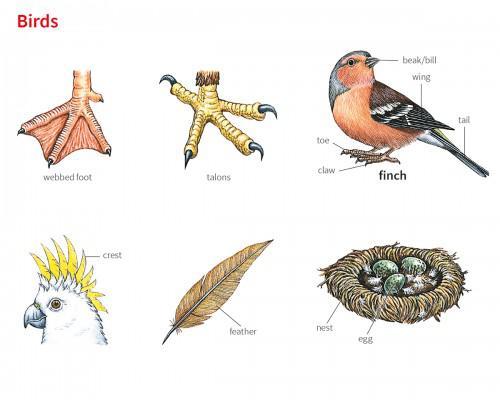
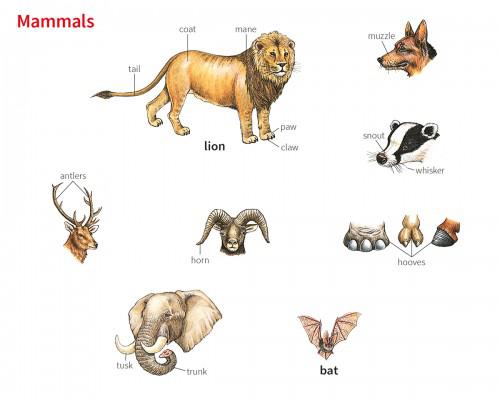
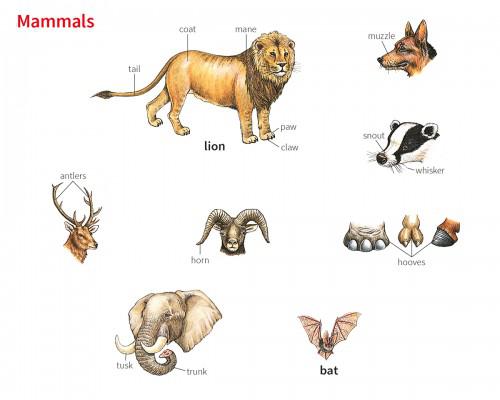
    tail(noun)

    /teɪl/

    der Schwanz

    the part that sticks out at the back of the body of a bird, an animal or a fish, which the animal can move from side to side or up and down

    My cat has a long tail.

    Meine Katze hat einen langen Schwanz.

    The dog ran up, wagging its tail.

    Synonymerearendextremitytraincaudal appendage
    Antonymefrontheadbeginning
  2. 2

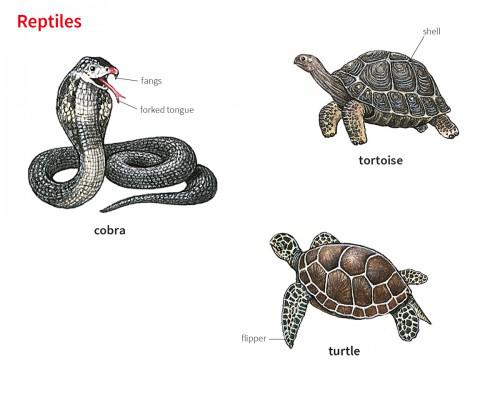
    shell(noun)

    /ʃel/

    die Muschel, die Schale

    the hard outer part of eggs, nuts, some seeds, and some animals

    I like collecting sea shells.

    Ich sammle gern Meeresmuscheln.

    We collected shells on the beach.

    Synonymehuskcasecoveringtestexoskeletonhull
    Antonymekernelpulpmeatinsidescore
  3. 3

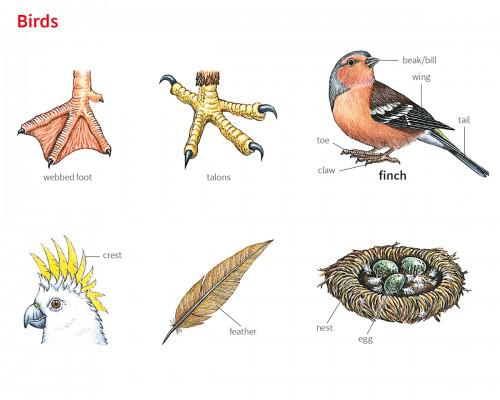
    nest(noun)

    /nest/

    das Nest

    a hollow place or structure that a bird makes or chooses for laying its eggs in and sheltering its young

    sparrows building a nest of twigs and dry grass

    Spatzen, die ein Nest aus Zweigen und trockenem Gras bauen

    The match has been postponed to a later date.

    Synonymelairdenroostbreeding placeretreathavensanctuary
    Antonymeexposurewildernessopenoutside
  4. 4

    fur(noun)

    /fɜːr/

    das Fell

    the soft thick mass of hair that grows on the body of some animals

    The cat is licking its fur.

    Die Katze leckt ihr Fell.

    fashionable clothes/furniture/ideas

    Synonymehaircoatpeltwool
    Antonymeskinbarenesshairlessness
  5. 5

    swim(verb)

    /swɪm/

    schwimmen

    to move through water by moving your arms and legs, without touching the bottom

    She can swim very fast.

    Sie kann sehr schnell schwimmen.

    I can't swim.

    Synonymefloatpaddlestrokeglidedrift
    Antonymesinkdrownfounder
  6. 6

    beak(noun)

    /biːk/

    der Schnabel

    the hard pointed or curved outer part of a bird’s mouth

    The gull held the fish in its beak.

    Die Möwe hielt den Fisch im Schnabel.

    to replace the batteries

    Synonymebillnebmandible
  7. 7

    strength(noun)

    /streŋkθ/

    die Kraft, die Stärke

    the quality of being physically strong

    He pushed against the rock with all his strength.

    Er drückte mit aller Kraft gegen den Felsen.

    She didn't have the strength to walk any further.

    Synonymepowerforcemightpotencyvigorenergy
    Antonymeweaknessfrailtyimpotencefeebleness
  8. 8

    wild(adjective)

    /waɪld/

    wild

    living or growing in natural conditions; not kept in a house or on a farm

    Many wild animals live in this forest.

    In diesem Wald leben viele wilde Tiere.

    Synonymeuntamedferaluncultivatednaturalsavageundomesticateduncontrolled
    Antonymetamedomesticatedcultivatedcontrolledmild
  9. 9

    bird(noun)

    /bɜːrd/

    der Vogel

    a creature that is covered with feathers and has two wings and two legs. Most birds can fly.

    More than a third of Britain's bird species need urgent protection

    Mehr als ein Drittel der britischen Vogelarten braucht dringend Schutz.

    More than a third of Britain's bird species need urgent protection.

    Synonymefowlaviansongbirdraptorcreature
    Antonymemammalfishreptile
  10. 10

    speed(noun)

    /spiːd/

    die Geschwindigkeit, das Tempo

    the rate at which somebody/something moves or travels

    There are speed restrictions on this road.

    Auf dieser Straße gelten Geschwindigkeitsbeschränkungen.

    Synonymevelocitypaceswiftnessrapidityhasteacceleration
    Antonymeslownessdeliberationleisuredelay
  11. 11

    fly(verb)

    /flaɪ/

    fliegen

    to move through the air, using wings

    This bird cannot fly.

    Dieser Vogel kann nicht fliegen.

    A wasp had flown in through the window.

    Synonymesoarglidewingascendfloathovertravel by air
    Antonymefalldescenddropsinkplungestayremain
  12. 12

    fish(noun)

    /fɪʃ/

    der Fisch

    a creature that lives in water, breathes through gills , and uses fins and a tail for swimming

    There are many fish in this pond.

    In diesem Teich gibt es viele Fische.

    You can fish for trout in this stream.

    Synonymefinny creatureaquatic animal
    Antonymemammalbirdreptile
  13. 13

    Insect(noun)

    /ˈɪnsekt/

    das Insekt

    any small creature with six legs and a body divided into three parts. Insects usually also have wings. Ants , bees and flies are all insects .

    Insects are the most diverse group of animals

    Insekten sind die artenreichste Tiergruppe.

    Synonymebugcreepy-crawlyarthropod
    Antonymevertebratemammalanimal (in a general sensewhen focusing on non-insect types)
  14. 14

    livestock(noun)

    /ˈlaɪvstɑːk/

    das Vieh, der Viehbestand

    the animals kept on a farm, for example cows or sheep

    They have some livestock in their farm.

    Sie halten etwas Vieh auf ihrem Hof.

    Synonymefarm animalsdomestic animalsstockcattle
    Antonymewildlifewild animals
  15. 15

    habitat(noun)

    /ˈhæbɪtæt/

    der Lebensraum, das Habitat

    the place where a particular type of animal or plant is normally found

    Can we use natural resources without destroying wildlife habitat?

    Können wir natürliche Ressourcen nutzen, ohne den Lebensraum von Wildtieren zu zerstören?

    Synonymeenvironmentnatural environmenthometerritorydomainrangelocaleregion
    Antonymeforeign environmentartificial environmentalien environment
  16. 16

    prey(noun)

    /preɪ/

    die Beute, das Beutetier

    an animal, a bird, etc. that is hunted, killed and eaten by another

    The eagle watched its prey from high in the sky.

    Der Adler beobachtete seine Beute hoch oben vom Himmel aus.

    Synonymevictimtargetquarrydupesucker
    Antonymepredatorhunterattacker
  17. 17

    biodiversity(noun)

    /ˌbaɪəʊdaɪˈvɜːrsəti/

    die Artenvielfalt, die Biodiversität

    the existence of a large number of different kinds of animals and plants which make a balanced environment

    A new National Biological Survey will protect species habitat and biodiversity.

    Eine neue nationale biologische Erhebung wird die Lebensräume der Arten und die Artenvielfalt schützen.

    Synonymevariety of lifebiological diversityecological diversityspecies richnessgenetic diversity
    Antonymemonocultureuniformitylack of diversitybiological uniformity
  18. 18

    ecosystem(noun)

    /ˈiːkəʊsɪstəm/

    das Ökosystem

    all the plants and living creatures in a particular area considered in relation to their physical environment

    different ecosystems and biomes on our planet

    verschiedene Ökosysteme und Biome auf unserem Planeten

    Synonymeecological communityenvironmenthabitatbiosphere
    Antonymenone (ecosystem is a specific term with no direct antonym)abiotic environment (could be considered an opposite in some contexts)
  19. 19

    migrate(verb)

    /ˈmaɪɡreɪt/

    ziehen, wandern

    to move from one part of the world to another according to the season

    Many birds migrate south for the winter.

    Viele Vögel ziehen im Winter nach Süden.

    Synonymerelocatemoveemigrateimmigratetransplantresettle
    Antonymestayremainsettlestay put
  20. 20

    conservation(noun)

    /ˌkɑːnsərˈveɪʃn/

    der Naturschutz, die Erhaltung

    the protection of the natural environment

    This kind of bird is protected by conservation plans.

    Diese Vogelart wird durch Naturschutzprogramme geschützt.

    Synonymepreservationprotectionsafeguardingmaintenanceupkeep
    Antonymedestructiondepletionwasteneglectexploitation
  21. 21

    endangered(adjective)

    /ɪnˈdeɪndʒərd/

    gefährdet, vom Aussterben bedroht

    (used especially about groups of animals, plants, etc.) at risk of no longer existing

    The panda is one of the most endangered species.

    Der Panda ist eine der am stärksten gefährdeten Arten.

    Synonymethreatenedat riskimperiledjeopardizedvulnerable
    Antonymesafeprotectedsecurethrivingflourishing
  22. 22

    puppy(noun)

    /ˈpʌpi/

    der Welpe, das Hündchen

    a young dog

    Our dog has just had four puppies.

    Unsere Hündin hat gerade vier Welpen bekommen.

    Synonymewhelpdogletpup
    Antonymeadult dogfully grown dog
  23. 23

    predator(noun)

    /ˈpredətər/

    das Raubtier

    an animal that kills and eats other animals

    the relationship between predator and prey

    die Beziehung zwischen Raubtier und Beute

    Synonymehuntercarnivoreassailantattackermarauderplunderer
    Antonymepreyvictimdefenderprotector
  24. 24

    herd(noun)

    /hɜːrd/

    die Herde

    a group of animals of the same type that live and feed together

    A herd of cows was grazing in the field.

    Eine Kuhherde graste auf der Weide.

    Synonymeflockpackgroupcollectionassemblydroveswarm
    Antonymeindividuallonersingletononeseparate
  25. 25

    agile(adjective)

    /ˈædʒl/

    flink, agil, wendig

    able to move quickly and easily

    The agile cat jumped easily onto the high wall.

    Die flinke Katze sprang mühelos auf die hohe Mauer.

    Synonymenimblequickfleetsprylithesuppleresponsiveflexible
    Antonymeclumsyinflexiblesluggishrigidstiff
  26. 26

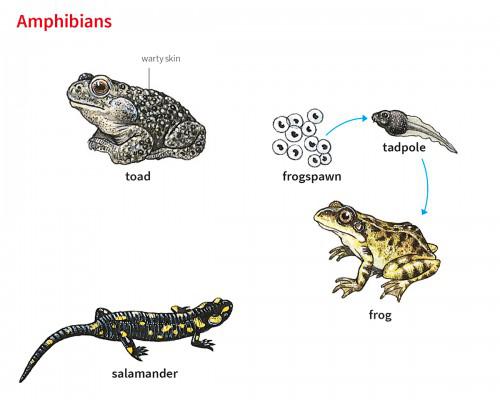
    amphibian(noun)

    /æmˈfɪbiən/

    die Amphibie, der Lurch

    any animal that can live both on land and in water. Amphibians have cold blood and skin without scales . Frogs , toads and newts are all amphibians .

    A frog is an example of an amphibian.

    Ein Frosch ist ein Beispiel für eine Amphibie.

    Synonymecaeciliansalamanderfrogtoad
    Antonymereptilemammalbird
  27. 27

    blunt(adjective)

    /blʌnt/

    stumpf

    without a sharp edge or point

    The knife was blunt and couldn't cut the tomato.

    Das Messer war stumpf und konnte die Tomate nicht schneiden.

    Synonymedullobtuseunsharpeneddirectforthrightcandid
    Antonymesharppointedkeensubtletactfulpolite
  28. 28

    bred(verb)

    /bred/

    züchten

    past tense and past participle of breed: kept animals in order to produce young ones

    This dog was bred for hunting.

    Dieser Hund wurde für die Jagd gezüchtet.

    Synonymeraisedcultivatedrearednurtured
    Antonymeunbornwild
  29. 29

    burrow(noun)

    /ˈbɜːrəʊ/

    der Bau, die Höhle

    a hole or tunnel in the ground made by an animal such as a rabbit, for it to live in

    The rabbit disappeared into its burrow.

    Das Kaninchen verschwand in seinem Bau.

    Synonymetunnelholedenshelterexcavate
    Antonymesurfaceopenexposed
  30. 30

    buzz(noun)

    /bʌz/

    das Summen, das Gesumm

    a continuous low sound, like the sound that a bee makes

    I could hear the buzz of the bees in the garden.

    Ich hörte das Summen der Bienen im Garten.

    Synonymehumdronewhirrmurmurvibration
    Antonymesilencequiet
  31. 31

    camouflage(noun)

    /ˈkæməflɑːʒ/

    die Tarnung

    the way in which an animal's colour or shape matches its surroundings and makes it difficult to see

    The leopard's spots act as camouflage in the forest.

    Die Flecken des Leoparden dienen im Wald als Tarnung.

    Synonymedisguiseconcealmentmaskcover
    Antonymeexposurerevealuncovershow
  32. 32

    camouflaged(adjective)

    /ˈkæməflɑːʒ/

    getarnt

    hidden by having a colour or shape that matches the surroundings

    The camouflaged insect was hard to see on the branch.

    Das getarnte Insekt war auf dem Ast kaum zu sehen.

    Synonymedisguisedmaskedconcealedhiddencovered up
    Antonymeexposedrevealeduncoveredvisibleobvious
  33. 33

    carnivorous(adjective)

    /kɑːrˈnɪvərəs/

    fleischfressend

    eating meat; consisting of meat

    Lions are carnivorous animals.

    Löwen sind fleischfressende Tiere.

    Synonymemeat-eatingpredatoryflesh-eating
    Antonymeherbivorousvegetarianplant-eating
  34. 34

    chirp(noun)

    /tʃɜːrp/

    das Zwitschern, das Gezwitscher

    a short high sound made by small birds and some insects

    We woke up to the chirp of birds outside the window.

    Wir wurden vom Zwitschern der Vögel vor dem Fenster geweckt.

    Synonymetwittertrillwarblecheep
    Antonymesilenceroarscream
  35. 35

    companionable(adjective)

    /kəmˈpænjənəbl/

    umgänglich, gesellig

    friendly

    He was a companionable sort of person, easy to talk to.

    Er war ein umgänglicher Mensch, mit dem man leicht reden konnte.

    Synonymesociablefriendlygregariousamiableoutgoing
    Antonymeunsociableunfriendlyreservedaloofintroverted
  36. 36

    crawl(verb)

    /krɔːl/

    krabbeln, kriechen

    to move forward on your hands and knees or with your body close to the ground

    The baby began to crawl across the floor.

    Das Baby begann, über den Boden zu krabbeln.

    Synonymecreepinchwormslither
    Antonymewalkrunsprintstand
  37. 37

    diurnal(adjective)

    /daɪˈɜːrnl/

    tagaktiv

    active during the day

    Squirrels are diurnal animals.

    Eichhörnchen sind tagaktive Tiere.

    Synonymedailydaytimeactive during the day
    Antonymenocturnal
  38. 38

    domesticated(adjective)

    /dəˈmestɪkeɪtɪd/

    domestiziert, zahm

    used to living with or working for humans

    The dog is a domesticated animal.

    Der Hund ist ein domestiziertes Tier.

    Synonymetamecultivatedtrained
    Antonymewilduntamedferal
  39. 39

    echolocation(noun)

    /ˌekəʊləʊˈkeɪʃn/

    die Echoortung

    the use of reflected sound waves for finding things, especially by creatures such as dolphins and bats

    Bats use echolocation to navigate in the dark.

    Fledermäuse nutzen die Echoortung, um sich im Dunkeln zurechtzufinden.

    Synonymebiosonarsonar
    Antonymesilencedarkness
  40. 40

    exoskeleton(noun)

    /ˈeksəʊskelɪtn/

    das Exoskelett, der Außenpanzer

    a hard outer layer that protects the bodies of certain animals, such as insects

    Crabs have an exoskeleton that protects their soft bodies.

    Krabben haben ein Exoskelett, das ihren weichen Körper schützt.

    Synonymeshellcuticle
    Antonymeendoskeleton
  41. 41

    exotic(adjective)

    /ɪɡˈzɑːtɪk/

    exotisch

    from or in another country, especially a tropical one; seeming exciting and unusual because it seems to be connected with foreign countries

    The zoo has many exotic animals.

    Der Zoo hat viele exotische Tiere.

    Synonymeforeignunusualstrangestrikingcolorful
    Antonymecommonfamiliarnativeordinary
  42. 42

    flock(noun)

    /flɑːk/

    der Schwarm, die Herde

    a group of sheep, goats or birds of the same type

    A flock of birds flew south for the winter.

    Ein Schwarm Vögel flog für den Winter nach Süden.

    Synonymegroupherdswarmgathering
    Antonymeindividualscattered
  43. 43

    gallop(verb)

    /ˈɡæləp/

    galoppieren

    when a horse or similar animal gallops , it moves very fast and each stride includes a stage when all four feet are off the ground together

    The horse galloped across the field.

    Das Pferd galoppierte über das Feld.

    Synonymerunsprintracespeed
    Antonymewalkambletrot
  44. 44

    herbivorous(adjective)

    /ɜːrˈbɪvərəs/

    pflanzenfressend

    eating only plants

    Cows are herbivorous animals.

    Kühe sind pflanzenfressende Tiere.

    Synonymeplant-eatingphytophagous
    Antonymecarnivorousomnivorous
  45. 45

    hibernation(noun)

    /ˌhaɪbərˈneɪʃn/

    der Winterschlaf

    a state like deep sleep in which some animals spend the winter

    Bears go into hibernation during the winter months.

    Bären halten während der Wintermonate Winterschlaf.

    Synonymedormancytorporinactivityaestivation
    Antonymeactivitywakefulnessenergy
  46. 46

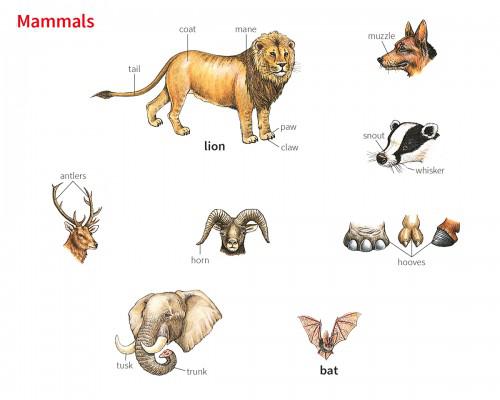
    hooves(noun)

    /huːvz/

    die Hufe

    plural of hoof: the hard parts of the feet of animals such as horses, cows and goats

    The horse's hooves clattered on the cobblestones.

    Die Hufe des Pferdes klapperten auf dem Kopfsteinpflaster.

    Synonymefeetclaws
    Antonymehandspaws
  47. 47

    house-trained(adjective)

    /ˈhaʊs treɪnd/

    stubenrein

    trained to defecate and urinate outside the house or in a special box

    Our dog is house-trained and doesn't make a mess inside.

    Unser Hund ist stubenrein und macht drinnen keinen Schmutz.

    Synonymepotty-trainedtoilet-trainedwell-behaved
    Antonymeuntrainednot house-trained
  48. 48

    howl(verb)

    /haʊl/

    heulen

    to make a long, loud call

    The wolf began to howl at the moon.

    Der Wolf begann, den Mond anzuheulen.

    Synonymewailcryyowlbawlululate
    Antonymewhispermurmurquiet
  49. 49

    hunt(verb)

    /hʌnt/

    jagen

    to go after wild animals in order to catch or kill them for food, sport or to make money

    The hunters went to hunt deer in the forest.

    Die Jäger zogen in den Wald, um Hirsche zu jagen.

    Synonymepursuesearchtrackchase
    Antonymeavoidignorefleeneglect
  50. 50

    invertebrate(noun)

    /ɪnˈvɜːrtɪbrət/

    das wirbellose Tier, der Wirbellose

    any animal with no backbone , for example a worm

    A worm is an invertebrate.

    Ein Wurm ist ein wirbelloses Tier.

    Synonymespinelessnon-vertebrate
    Antonymevertebrate
  51. 51

    mammal(noun)

    /ˈmæml/

    das Säugetier

    any animal that gives birth to live young, not eggs, and feeds its young on milk. Cows, humans and whales are all mammals .

    A whale is a mammal.

    Ein Wal ist ein Säugetier.

    Synonymecreatureanimal
    Antonymereptilebirdfish
  52. 52

    mane(noun)

    /meɪn/

    die Mähne

    the long hair on the neck of a horse or a lion

    The horse had a long, flowing mane.

    Das Pferd hatte eine lange, wallende Mähne.

    Synonymehairlocks
    Antonymebaldness
  53. 53

    mimicry(noun)

    /ˈmɪmɪkri/

    die Mimikry

    the way in which some animals or plants look like other animals or plants, which protects them

    The butterfly's mimicry protects it from predators.

    Die Mimikry des Schmetterlings schützt ihn vor Fressfeinden.

    Synonymeimitationsimulationcopyingrepresentation
    Antonymeoriginalityauthenticityreality
  54. 54

    nocturnal(adjective)

    /nɑːkˈtɜːrnl/

    nachtaktiv

    active at night

    Owls are nocturnal animals.

    Eulen sind nachtaktive Tiere.

    Synonymenightlyafter darknight-active
    Antonymediurnaldaytimematutinal
  55. 55

    omnivorous(adjective)

    /ɑːmˈnɪvərəs/

    allesfressend

    eating all types of food, especially both plants and meat

    Humans are omnivorous creatures.

    Menschen sind allesfressende Lebewesen.

    Synonymenon-selectiveundiscriminatingall-devouring
    Antonymeherbivorouscarnivorous
  56. 56

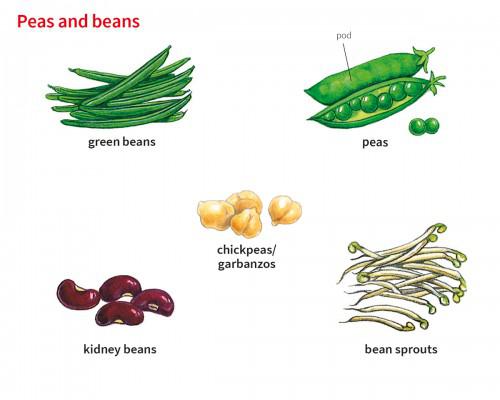
    pod(noun)

    /pɑːd/

    die Schule, die Gruppe

    a small group of sea animals, such as whales or dolphins, swimming together

    A pod of dolphins swam alongside our boat.

    Eine Schule Delfine schwamm neben unserem Boot her.

    Synonymehullshellcasingcapsule
    Antonymecoreinside
  57. 57

    pounce(verb)

    /paʊns/

    sich stürzen auf, zuschlagen

    to move suddenly forwards in order to attack or catch somebody/something

    The cat waited patiently, then decided to pounce on the mouse.

    Die Katze wartete geduldig und beschloss dann, sich auf die Maus zu stürzen.

    Synonymeleapspringjumpattack
    Antonymeretreatwithdrawflee
  58. 58

    reptile(noun)

    /ˈreptaɪl/

    das Reptil, das Kriechtier

    any animal that has cold blood and skin covered in scales , and that lays eggs. Snakes, crocodiles and tortoises are all reptiles .

    A snake is a type of reptile.

    Eine Schlange ist ein Reptil.

    Synonymescaly animalherptile
    Antonymemammalbirdamphibian
  59. 59

    roar(verb)

    /rɔːr/

    brüllen

    to make a very loud, deep sound

    Lions roar to warn other lions to stay away.

    Löwen brüllen, um andere Löwen zu warnen, sich fernzuhalten.

    Synonymebellowthunderboomyell
    Antonymewhispermurmurquiet
  60. 60

    slither(verb)

    /ˈslɪðər/

    gleiten, kriechen, sich schlängeln

    to move smoothly over a surface, like a snake

    The snake began to slither across the forest floor.

    Die Schlange begann, über den Waldboden zu gleiten.

    Synonymeslidecrawlcreepwrithe
    Antonymewalkhopjumpstand
  61. 61

    solitary(adjective)

    /ˈsɑːləteri/

    einzelgängerisch, einzeln lebend

    (of animals) living alone, not in groups

    Tigers are solitary animals that hunt alone.

    Tiger sind Einzelgänger, die allein jagen.

    Synonymealoneisolatedlonelyreclusive
    Antonymesocialoutgoinggregariousextroverted
  62. 62

    stray(adjective)

    /streɪ/

    streunend, herrenlos

    (of a pet animal) away from home and without an owner

    The stray dog was taken to the shelter.

    Der streunende Hund wurde ins Tierheim gebracht.

    Synonymelostwanderingroamingunclaimed
    Antonymefoundownedclaimed
  63. 63

    suckling(noun)

    /ˈsʌklɪŋ/

    der Säugling, das Jungtier

    a baby or young animal that is still drinking milk from its mother

    The suckling pig was very young.

    Das Milchferkel war noch sehr jung.

    Synonymenursingunweanedinfant
    Antonymeweanedadult
  64. 64

    swarm(noun)

    /swɔːrm/

    der Schwarm

    a large group of insects, especially bees, moving together in the same direction

    A swarm of bees flew out of the hive.

    Ein Schwarm Bienen flog aus dem Bienenstock.

    Synonymethronghordemultitudeflockcloud
    Antonymefewindividualone
  65. 65

    swoop(verb)

    /swuːp/

    herabstoßen, niederstoßen

    to fly quickly and suddenly downwards, especially in order to attack somebody/something

    The hawk swooped down to catch a mouse.

    Der Falke stieß herab, um eine Maus zu fangen.

    Synonymediveplungedescendpounce
    Antonymeascendrisesoar
  66. 66

    tabby(noun)

    /ˈtæbi/

    die getigerte Katze, die Tigerkatze

    a cat with brown or grey fur marked with dark lines or spots

    Our tabby cat loves to chase mice.

    Unsere getigerte Katze jagt gern Mäuse.

    Synonymestriped catbrindle cat
    Antonymesolid color cat
  67. 67

    territorial(adjective)

    /ˌterəˈtɔːriəl/

    territorial, revierverteidigend

    (of animals) guarding and defending an area that they think is their own

    The cat was very territorial about its food bowl.

    Die Katze verteidigte ihren Futternapf sehr territorial.

    Synonymeregionalgeographicallocalized
    Antonymeunconfinedunrestrictedopen
  68. 68

    venomous(adjective)

    /ˈvenəməs/

    giftig

    producing venom

    The venomous snake bit the hiker.

    Die giftige Schlange biss den Wanderer.

    Synonymepoisonoustoxicnoxious
    Antonymeharmlessnonpoisonoussafe
  69. 69

    vertebrate(adjective)

    /ˈvɜːrtɪbrət/

    Wirbeltier-, mit Wirbelsäule

    having a backbone

    A dog is a vertebrate animal.

    Ein Hund ist ein Wirbeltier.

    Synonymespinal animalbackboned animal
    Antonymeinvertebrate
  70. 70

    webbed(adjective)

    /webd/

    mit Schwimmhäuten, Schwimm-

    a bird or an animal (such as a duck or frog) that has webbed feet has pieces of skin between the toes

    The duck has webbed feet to help it swim.

    Die Ente hat Schwimmhäute an den Füßen, die ihr beim Schwimmen helfen.

    Synonymemembranouspalmate
    Antonymeunwebbedseparated
  71. 71

    whiskers(noun)

    /ˈwɪskər/

    die Schnurrhaare

    any of the long, stiff hairs that grow near the mouth of a cat, mouse, etc.

    The cat's whiskers twitched as it stalked its prey.

    Die Schnurrhaare der Katze zuckten, als sie sich an ihre Beute anschlich.

    Synonymefacial hairvibrissae
  72. 72

    wolves(noun)

    /wʊlvz/

    die Wölfe

    plural of wolf: wild animals of the dog family that live and hunt in groups

    The wolves howled at the moon.

    Die Wölfe heulten den Mond an.

    Synonymecaninespredatorscarnivores
    Antonymepreyherbivores
  73. 73

    adaptation(noun)

    /ˌædæpˈteɪʃn/

    die Anpassung

    the action or process of changing something, or of being changed, to suit a new purpose or situation

    The adaptation of animals to their environment is crucial for their survival.

    Die Anpassung der Tiere an ihre Umwelt ist entscheidend für ihr Überleben.

    Synonymeadjustmentmodificationalterationchangefitting
    Antonymeinflexibilityrigidityresistanceinability
  74. 74

    adaptability(noun)

    /əˌdæptəˈbɪləti/

    die Anpassungsfähigkeit

    the quality of being able to change or be changed in order to deal successfully with new situations

    Her adaptability helped her thrive in the new environment.

    Ihre Anpassungsfähigkeit half ihr, sich in der neuen Umgebung zu entfalten.

    Synonymeversatilityflexibilityresourcefulness
    Antonymeinflexibilityrigiditystubbornness
  75. 75

    Bees(noun)

    /biz/

    die Bienen

    plural of bee: black and yellow flying insects that make honey

    Bees make honey.

    Bienen machen Honig.

    SynonymeHoneybeesPollinators
    AntonymeWaspsHornets
  76. 76

    Butterflies(noun)

    /ˈbʌtərˌflaɪz/

    die Schmetterlinge

    plural of butterfly: flying insects with large, often brightly coloured wings

    Butterflies are beautiful insects.

    Schmetterlinge sind wunderschöne Insekten.

    SynonymeMothsInsectsLepidopterans
    AntonymeNone
  77. 77

    Animal shelter(noun)

    /ˈænɪməl ˈʃɛltər/

    das Tierheim

    a place where animals without a home are cared for until new owners are found

    The animal shelter provides a safe haven for abandoned pets.

    Das Tierheim bietet ausgesetzten Haustieren einen sicheren Zufluchtsort.

    SynonymeAnimal rescuePet shelterAnimal sanctuary
    AntonymeAnimal breederSlaughterhouse
  78. 78

    Animal testing(noun)

    /ˈænɪməl ˈtɛstɪŋ/

    der Tierversuch

    the use of animals in scientific tests to check that drugs or products are safe

    Animal testing is a controversial topic.

    Tierversuche sind ein umstrittenes Thema.

    Synonymevivisectionanimal experimentation
    Antonymein vitro testinghuman trials
  79. 79

    Antlers(noun)

    /ˈæntlərz/

    das Geweih

    the horns, like branches, on the head of a male deer

    The deer's antlers were covered in velvet.

    Das Geweih des Hirsches war mit Bast bedeckt.

    SynonymeHornsSpikesBranches
    AntonymeNone
  80. 80

    Brink of extinction(phrase)

    /brɪŋk ʌv ɪkˈstɪŋkʃən/

    der Rand des Aussterbens

    very close to disappearing from the world completely

    The panda is on the brink of extinction.

    Der Panda steht am Rand des Aussterbens.

    Synonymeendangeredthreatenedcritically endangered
    Antonymethrivingflourishingabundant
  81. 81

    Budgies(noun)

    /ˈbʌdʒiz/

    die Wellensittiche

    small, brightly coloured birds of the parrot family, often kept as pets

    I have two budgies in a cage.

    Ich habe zwei Wellensittiche in einem Käfig.

    Synonymebudgerigarparakeet
  82. 82

    Cheetahs(noun)

    /ˈtʃiːtəz/

    die Geparden

    large wild animals of the cat family with black spots, which can run very fast

    Cheetahs are the fastest land animals.

    Geparden sind die schnellsten Landtiere.

    Synonymehunting catacinonyx jubatus
    Antonymetortoisesnail
  83. 83

    Claws(noun)

    /klɔz/

    die Krallen

    the sharp curved nails on the feet of some animals and birds

    The cat sharpened its claws on the scratching post.

    Die Katze wetzte ihre Krallen am Kratzbaum.

    Synonymetalonsnailspaws
    AntonymeNone
  84. 84

    Cloning technology(noun)

    /ˈkloʊnɪŋ tɛkˈnɒlədʒi/

    die Klontechnologie

    the scientific methods used to produce an exact copy of an animal or plant

    Cloning technology has the potential to revolutionize medicine.

    Die Klontechnologie hat das Potenzial, die Medizin zu revolutionieren.

    Synonymegenetic replicationduplication technology
    Antonymenatural reproduction
  85. 85

    Dolphins(noun)

    /ˈdɒlfɪnz/

    die Delfine

    intelligent sea animals that look like large fish with a pointed mouth

    Dolphins are highly intelligent marine mammals.

    Delfine sind hochintelligente Meeressäuger.

    SynonymePorpoiseCetacean
  86. 86

    Elephants(noun)

    /ˈɛləfənts/

    die Elefanten

    very large grey animals with big ears, two tusks and a long nose called a trunk

    Elephants are the largest land animals.

    Elefanten sind die größten Landtiere.

    Synonymemammothsbehemoths
    Antonymemiceants
  87. 87

    Eusocial(adjective)

    /juːˈsoʊʃəl/

    eusozial

    (of insects such as ants and bees) living in large groups in which different members do different jobs

    Ants are eusocial insects that live in colonies.

    Ameisen sind eusoziale Insekten, die in Kolonien leben.

    SynonymeHighly socialSocialCooperative
    AntonymeSolitaryIndividualistic
  88. 88

    Fangs(noun)

    /fæŋz/

    die Reißzähne, die Giftzähne

    the long sharp teeth of dogs, wolves, snakes, etc.

    The snake showed its sharp fangs.

    Die Schlange zeigte ihre scharfen Giftzähne.

    SynonymeTusksCaninesTeeth
    AntonymeGums
  89. 89

    Feathers(noun)

    /ˈfɛðərz/

    die Federn

    the soft light parts that cover a bird's body

    The bird ruffled its feathers.

    Der Vogel plusterte sein Gefieder auf.

    Synonymeplumagedownquills
    Antonymeskinhair
  90. 90

    Fins(noun)

    /fɪnz/

    die Flossen

    the thin flat parts on the body of a fish that help it to swim

    The fish used its fins to swim through the water.

    Der Fisch benutzte seine Flossen, um durch das Wasser zu schwimmen.

    Synonymeappendageflipperswings
  91. 91

    Free-range chickens(noun)

    /friː reɪndʒ ˈtʃɪkənz/

    die Freilandhühner

    chickens that are allowed to move around outside rather than being kept in cages

    Free-range chickens produce better quality eggs.

    Freilandhühner legen Eier von besserer Qualität.

    Synonymepasture-raised chickenscage-free chickens
    Antonymecaged chickensbattery chickens
  92. 92

    Frogs(noun)

    /frɑɡz/

    die Frösche

    small animals with smooth skin and long back legs for jumping, that live in water and on land

    Frogs are amphibians that live in water and on land.

    Frösche sind Amphibien, die im Wasser und an Land leben.

    Synonymetoadsamphibians
    Antonymebirdsmammalsreptiles
  93. 93

    Giraffes(noun)

    /dʒəˈræfz/

    die Giraffen

    tall African animals with very long necks and legs

    Giraffes are the tallest mammals on Earth.

    Giraffen sind die größten Säugetiere der Erde.

    Synonymelongneckscamelopards
    Antonymeshort animals
  94. 94

    Gorillas(noun)

    /ɡəˈrɪləz/

    die Gorillas

    very large, powerful African apes

    Gorillas are the largest living primates.

    Gorillas sind die größten lebenden Primaten.

    SynonymeApesGreat apesPrimate
    AntonymeHumansLesser primates
  95. 95

    Horns(noun)

    /hɔrnz/

    die Hörner

    the hard pointed parts that grow on the heads of some animals, such as cows and goats

    The bull lowered its horns and charged.

    Der Stier senkte die Hörner und griff an.

    SynonymeAntlersProjectionsFeelers
    AntonymeSmoothnessPlainness
  96. 96

    In captivity(phrase)

    /ɪn kæpˈtɪvəti/

    in Gefangenschaft

    (of animals) kept in a zoo, a cage, etc. and not free

    The lion was born in captivity.

    Der Löwe wurde in Gefangenschaft geboren.

    Synonymeimprisonedconfinedenslaved
    Antonymefreewildliberated
  97. 97

    Koalas(noun)

    /ˈkoʊələz/

    die Koalas

    Australian animals with thick grey fur that live in trees and eat leaves

    Koalas are native to Australia.

    Koalas sind in Australien heimisch.

    Synonymemarsupialsnative bears
  98. 98

    Lambing(noun)

    /ˈlæm.bɪŋ/

    die Lammzeit

    the time of year when sheep give birth to lambs

    Farmers are very busy during lambing in the spring.

    Während der Lammzeit im Frühjahr haben die Bauern viel zu tun.

    SynonymeAffectionTendernessEndearmentCaressFondness
    AntonymeColdnessIndifferenceApathyAloofness
  99. 99

    Lions(noun)

    /ˈlaɪənz/

    die Löwen

    large powerful wild animals of the cat family that live in Africa and southern Asia

    The lions roared loudly in the zoo.

    Die Löwen brüllten laut im Zoo.

    Synonymebig catsfelines
    Antonymepreylambs
  100. 100

    Parental care(noun)

    /pəˈrɛntəl kɛər/

    die Brutpflege, die Jungenpflege

    the care that animal parents give to their young

    Many birds show parental care by feeding their chicks.

    Viele Vögel zeigen Brutpflege, indem sie ihre Küken füttern.

    SynonymeNurturingChild rearingUpbringingParenting
    AntonymeNeglectAbandonment
  101. 101

    Paws(noun)

    /pɔz/

    die Pfoten

    the feet of animals that have claws, such as dogs and cats

    The dog wiped mud all over the door with its paws.

    Der Hund verschmierte mit seinen Pfoten Schlamm über die ganze Tür.

    Synonymefeetclaws
    Antonymehandshooves
  102. 102

    Penguins(noun)

    /ˈpɛŋɡwɪnz/

    die Pinguine

    black and white sea birds that cannot fly and live in the Antarctic

    Penguins are flightless birds that live in cold regions.

    Pinguine sind flugunfähige Vögel, die in kalten Regionen leben.

    SynonymeSphenisciformes
  103. 103

    Pests(noun)

    /pɛsts/

    die Schädlinge

    insects or animals that destroy plants, food, etc.

    The farmer sprayed chemicals to get rid of the pests.

    Der Bauer sprühte Chemikalien, um die Schädlinge loszuwerden.

    SynonymeVerminInfestationNuisance
    AntonymeBeneficial insectsHelpers
  104. 104

    Protective coloration(noun)

    /prəˈtɛktɪv ˌkʌləˈreɪʃən/

    die Schutzfärbung, die Tarnfärbung

    colours or patterns on an animal that help it to hide from its enemies

    The insect used protective coloration to blend in with the leaves.

    Das Insekt nutzte seine Schutzfärbung, um mit den Blättern zu verschmelzen.

    Synonymecamouflagemimicrycryptic coloration
    Antonymeconspicuousnessobviousness
  105. 105

    Roaming(adjective)

    /ˈroʊmɪŋ/

    umherziehend, streifend

    moving or travelling freely over a large area

    Roaming elephants sometimes damage the farmers' crops.

    Umherziehende Elefanten beschädigen manchmal die Ernte der Bauern.

    SynonymeWanderingDriftingMoving
    AntonymeStationaryFixedSettled
  106. 106

    Rodents(noun)

    /ˈroʊdənts/

    die Nagetiere

    small animals such as mice and rats that have strong sharp front teeth

    Mice and rats are common rodents.

    Mäuse und Ratten sind verbreitete Nagetiere.

    Synonymegnawersvermin
    AntonymeNone
  107. 107

    Scales(noun)

    /skeɪlz/

    die Schuppen

    the small thin plates that cover the skin of fish and reptiles

    The fish's scales shone in the sunlight.

    Die Schuppen des Fisches glänzten im Sonnenlicht.

    Synonymebalanceweighing machinemeasuring device
    Antonymeestimateguess
  108. 108

    Scent-marking(noun)

    /sɛnt ˈmɑːrkɪŋ/

    die Duftmarkierung

    the way animals leave their smell on objects to mark the area they live in

    Scent-marking helps tigers warn others to stay out of their area.

    Duftmarkierung hilft Tigern, andere vor dem Betreten ihres Reviers zu warnen.

    Synonymefragrance creationperfume makingaroma synthesis
    Antonymescent destructionodor elimination
  109. 109

    Sharks(noun)

    /ʃɑrks/

    die Haie

    large sea fish with very sharp teeth

    Sharks are apex predators in the ocean.

    Haie sind Spitzenprädatoren im Ozean.

    SynonymeFishPredators
    AntonymePreyVictims
  110. 110

    Snakes(noun)

    /sneɪks/

    die Schlangen

    reptiles with very long thin bodies and no legs

    Snakes are reptiles with long, limbless bodies.

    Schlangen sind Reptilien mit langen, gliedmaßenlosen Körpern.

    Synonymeserpentsreptiles
  111. 111

    Tails(noun)

    /teɪlz/

    die Schwänze

    the parts at the back of animals' bodies that they can move

    Dogs wag their tails when they are happy.

    Hunde wedeln mit dem Schwanz, wenn sie glücklich sind.

    Synonymerearendextremity
    Antonymeheadfront
  112. 112

    Tentacles(noun)

    /ˈtɛn.tə.kəlz/

    die Tentakel, die Fangarme

    the long thin arms of an octopus, a squid, etc., used for feeling and holding

    The octopus used its tentacles to grab the crab.

    Der Oktopus benutzte seine Tentakel, um die Krabbe zu packen.

    Synonymeappendagesarmsfeelers
    Antonymenone
  113. 113

    Tigers(noun)

    /ˈtaɪɡərz/

    die Tiger

    large wild animals of the cat family with orange fur and black stripes

    Tigers are apex predators.

    Tiger sind Spitzenprädatoren.

    SynonymeStriped catsBig cats
    AntonymePrey
  114. 114

    Wings(noun)

    /wɪŋz/

    die Flügel

    the parts of a bird's or insect's body that it uses for flying

    The bird spread its wings and flew away.

    Der Vogel breitete seine Flügel aus und flog davon.

    SynonymePinionsPlumesFlight appendages
    AntonymeRestrictionImprisonmentConfinement
  115. 115

    pack(noun)

    /pæk/

    das Rudel

    a group of wild animals, especially wolves or dogs, that hunt together

    A pack of wolves was hunting in the forest.

    Ein Wolfsrudel jagte im Wald.

  116. 116

    pride(noun)

    /praɪd/

    das Löwenrudel, das Rudel

    a group of lions

    A pride of lions was resting in the shade.

    Ein Löwenrudel ruhte sich im Schatten aus.

  117. 117

    school(noun)

    /skuːl/

    der Fischschwarm, der Schwarm

    a large group of fish or other sea animals swimming together

    A school of fish swam past our boat.

    Ein Fischschwarm schwamm an unserem Boot vorbei.

  118. 118

    mate(noun)

    /meɪt/

    der Partner, das Weibchen, das Männchen

    the sexual partner of a bird or an animal

    The male bird sings to attract a mate.

    Das Vogelmännchen singt, um ein Weibchen anzulocken.

  119. 119

    Trunk(noun)

    /trʌŋk/

    der Rüssel

    the long nose of an elephant

    The elephant lifted the log with its trunk.

    Der Elefant hob den Baumstamm mit seinem Rüssel hoch.

  120. 120

    colony(noun)

    /ˈkɑːləni/

    die Kolonie

    a group of animals or plants of the same type living closely together

    Ants live in large colonies under the ground.

    Ameisen leben in großen Kolonien unter der Erde.

  121. 121

    troop(noun)

    /truːp/

    die Horde, die Gruppe

    a group of monkeys or other animals of the same type

    A troop of monkeys was playing in the trees.

    Eine Affenhorde spielte in den Bäumen.