Saltar al contenido

Lección 27/33 · 121 palabras · 0 aprendidas

Animal

Animales

  1. 1

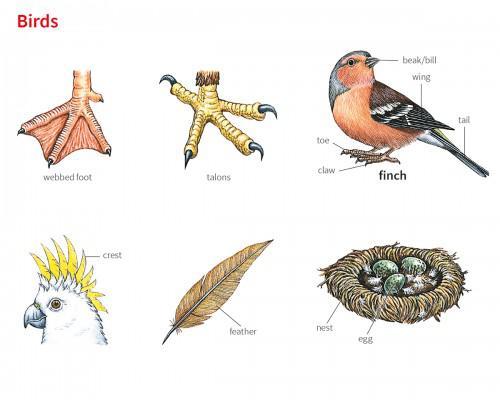
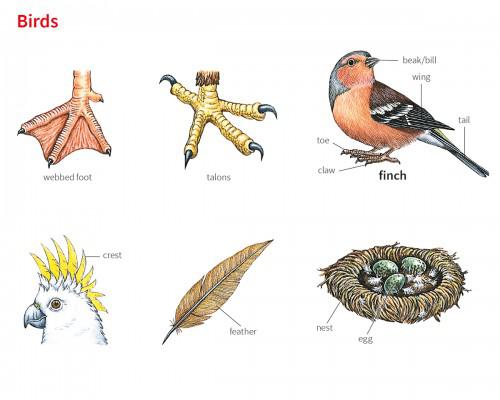
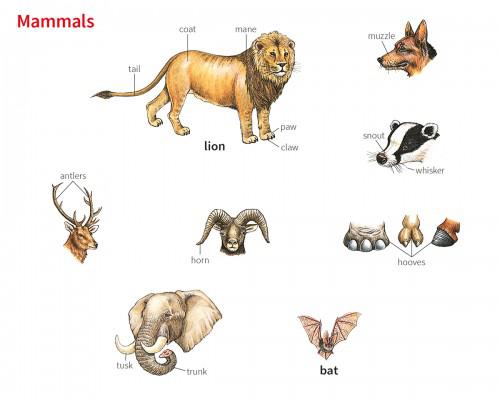
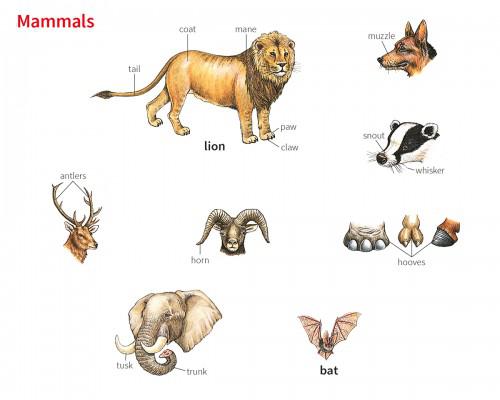
    tail(noun)

    /teɪl/

    cola

    the part that sticks out at the back of the body of a bird, an animal or a fish, which the animal can move from side to side or up and down

    My cat has a long tail.

    Mi gato tiene una cola larga.

    The dog ran up, wagging its tail.

    Sinónimosrearendextremitytraincaudal appendage
    Antónimosfrontheadbeginning
  2. 2

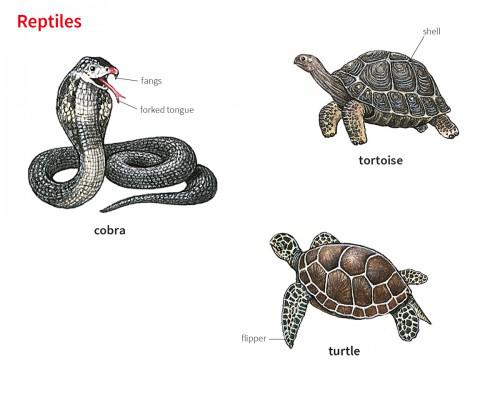
    shell(noun)

    /ʃel/

    concha

    the hard outer part of eggs, nuts, some seeds, and some animals

    I like collecting sea shells.

    Me gusta coleccionar conchas marinas.

    We collected shells on the beach.

    Sinónimoshuskcasecoveringtestexoskeletonhull
    Antónimoskernelpulpmeatinsidescore
  3. 3

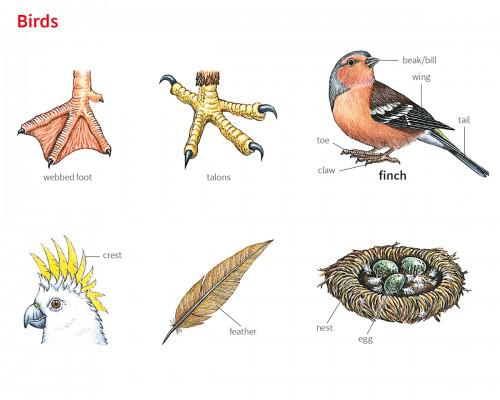
    nest(noun)

    /nest/

    nido

    a hollow place or structure that a bird makes or chooses for laying its eggs in and sheltering its young

    sparrows building a nest of twigs and dry grass

    los gorriones construyendo un nido de ramitas y hierba seca

    The match has been postponed to a later date.

    Sinónimoslairdenroostbreeding placeretreathavensanctuary
    Antónimosexposurewildernessopenoutside
  4. 4

    fur(noun)

    /fɜːr/

    pelaje

    the soft thick mass of hair that grows on the body of some animals

    The cat is licking its fur.

    El gato está lamiendo su pelaje.

    fashionable clothes/furniture/ideas

    Sinónimoshaircoatpeltwool
    Antónimosskinbarenesshairlessness
  5. 5

    swim(verb)

    /swɪm/

    nadar

    to move through water by moving your arms and legs, without touching the bottom

    She can swim very fast.

    Ella puede nadar muy rápido.

    I can't swim.

    Sinónimosfloatpaddlestrokeglidedrift
    Antónimossinkdrownfounder
  6. 6

    beak(noun)

    /biːk/

    pico

    the hard pointed or curved outer part of a bird’s mouth

    The gull held the fish in its beak.

    La gaviota sostenía el pez en su pico.

    to replace the batteries

    Sinónimosbillnebmandible
  7. 7

    strength(noun)

    /streŋkθ/

    fuerza

    the quality of being physically strong

    He pushed against the rock with all his strength.

    Empujó la roca con todas sus fuerzas.

    She didn't have the strength to walk any further.

    Sinónimospowerforcemightpotencyvigorenergy
    Antónimosweaknessfrailtyimpotencefeebleness
  8. 8

    wild(adjective)

    /waɪld/

    salvaje, silvestre

    living or growing in natural conditions; not kept in a house or on a farm

    Many wild animals live in this forest.

    Muchos animales salvajes viven en este bosque.

    Sinónimosuntamedferaluncultivatednaturalsavageundomesticateduncontrolled
    Antónimostamedomesticatedcultivatedcontrolledmild
  9. 9

    bird(noun)

    /bɜːrd/

    pájaro

    a creature that is covered with feathers and has two wings and two legs. Most birds can fly.

    More than a third of Britain's bird species need urgent protection

    Más de un tercio de las especies de aves de Gran Bretaña necesitan protección urgente.

    More than a third of Britain's bird species need urgent protection.

    Sinónimosfowlaviansongbirdraptorcreature
    Antónimosmammalfishreptile
  10. 10

    speed(noun)

    /spiːd/

    velocidad

    the rate at which somebody/something moves or travels

    There are speed restrictions on this road.

    Hay restricciones de velocidad en esta carretera.

    Sinónimosvelocitypaceswiftnessrapidityhasteacceleration
    Antónimosslownessdeliberationleisuredelay
  11. 11

    fly(verb)

    /flaɪ/

    volar

    to move through the air, using wings

    This bird cannot fly.

    Este pájaro no puede volar.

    A wasp had flown in through the window.

    Sinónimossoarglidewingascendfloathovertravel by air
    Antónimosfalldescenddropsinkplungestayremain
  12. 12

    fish(noun)

    /fɪʃ/

    pez

    a creature that lives in water, breathes through gills , and uses fins and a tail for swimming

    There are many fish in this pond.

    Hay muchos peces en este estanque.

    You can fish for trout in this stream.

    Sinónimosfinny creatureaquatic animal
    Antónimosmammalbirdreptile
  13. 13

    Insect(noun)

    /ˈɪnsekt/

    insecto

    any small creature with six legs and a body divided into three parts. Insects usually also have wings. Ants , bees and flies are all insects .

    Insects are the most diverse group of animals

    Los insectos son el grupo de animales más diverso.

    Sinónimosbugcreepy-crawlyarthropod
    Antónimosvertebratemammalanimal (in a general sensewhen focusing on non-insect types)
  14. 14

    livestock(noun)

    /ˈlaɪvstɑːk/

    ganado

    the animals kept on a farm, for example cows or sheep

    They have some livestock in their farm.

    Tienen algo de ganado en su granja.

    Sinónimosfarm animalsdomestic animalsstockcattle
    Antónimoswildlifewild animals
  15. 15

    habitat(noun)

    /ˈhæbɪtæt/

    hábitat

    the place where a particular type of animal or plant is normally found

    Can we use natural resources without destroying wildlife habitat?

    ¿Podemos usar los recursos naturales sin destruir el hábitat de la fauna silvestre?

    Sinónimosenvironmentnatural environmenthometerritorydomainrangelocaleregion
    Antónimosforeign environmentartificial environmentalien environment
  16. 16

    prey(noun)

    /preɪ/

    presa

    an animal, a bird, etc. that is hunted, killed and eaten by another

    The eagle watched its prey from high in the sky.

    El águila observaba a su presa desde lo alto del cielo.

    Sinónimosvictimtargetquarrydupesucker
    Antónimospredatorhunterattacker
  17. 17

    biodiversity(noun)

    /ˌbaɪəʊdaɪˈvɜːrsəti/

    biodiversidad

    the existence of a large number of different kinds of animals and plants which make a balanced environment

    A new National Biological Survey will protect species habitat and biodiversity.

    Una nueva Encuesta Biológica Nacional protegerá el hábitat de las especies y la biodiversidad.

    Sinónimosvariety of lifebiological diversityecological diversityspecies richnessgenetic diversity
    Antónimosmonocultureuniformitylack of diversitybiological uniformity
  18. 18

    ecosystem(noun)

    /ˈiːkəʊsɪstəm/

    ecosistema

    all the plants and living creatures in a particular area considered in relation to their physical environment

    different ecosystems and biomes on our planet

    diferentes ecosistemas y biomas en nuestro planeta

    Sinónimosecological communityenvironmenthabitatbiosphere
    Antónimosnone (ecosystem is a specific term with no direct antonym)abiotic environment (could be considered an opposite in some contexts)
  19. 19

    migrate(verb)

    /ˈmaɪɡreɪt/

    migrar

    to move from one part of the world to another according to the season

    Many birds migrate south for the winter.

    Muchas aves migran hacia el sur en invierno.

    Sinónimosrelocatemoveemigrateimmigratetransplantresettle
    Antónimosstayremainsettlestay put
  20. 20

    conservation(noun)

    /ˌkɑːnsərˈveɪʃn/

    conservación

    the protection of the natural environment

    This kind of bird is protected by conservation plans.

    Esta clase de ave está protegida por planes de conservación.

    Sinónimospreservationprotectionsafeguardingmaintenanceupkeep
    Antónimosdestructiondepletionwasteneglectexploitation
  21. 21

    endangered(adjective)

    /ɪnˈdeɪndʒərd/

    en peligro de extinción

    (used especially about groups of animals, plants, etc.) at risk of no longer existing

    The panda is one of the most endangered species.

    El panda es una de las especies en mayor peligro de extinción.

    Sinónimosthreatenedat riskimperiledjeopardizedvulnerable
    Antónimossafeprotectedsecurethrivingflourishing
  22. 22

    puppy(noun)

    /ˈpʌpi/

    cachorro

    a young dog

    Our dog has just had four puppies.

    Nuestro perro acaba de tener cuatro cachorros.

    Sinónimoswhelpdogletpup
    Antónimosadult dogfully grown dog
  23. 23

    predator(noun)

    /ˈpredətər/

    depredador

    an animal that kills and eats other animals

    the relationship between predator and prey

    la relación entre depredador y presa

    Sinónimoshuntercarnivoreassailantattackermarauderplunderer
    Antónimospreyvictimdefenderprotector
  24. 24

    herd(noun)

    /hɜːrd/

    manada, rebaño

    a group of animals of the same type that live and feed together

    A herd of cows was grazing in the field.

    Un rebaño de vacas pastaba en el campo.

    Sinónimosflockpackgroupcollectionassemblydroveswarm
    Antónimosindividuallonersingletononeseparate
  25. 25

    agile(adjective)

    /ˈædʒl/

    ágil, ligero

    able to move quickly and easily

    The agile cat jumped easily onto the high wall.

    El ágil gato saltó con facilidad sobre el muro alto.

    Sinónimosnimblequickfleetsprylithesuppleresponsiveflexible
    Antónimosclumsyinflexiblesluggishrigidstiff
  26. 26

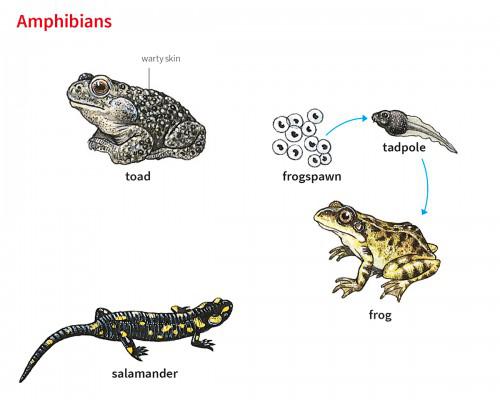
    amphibian(noun)

    /æmˈfɪbiən/

    anfibio

    any animal that can live both on land and in water. Amphibians have cold blood and skin without scales . Frogs , toads and newts are all amphibians .

    A frog is an example of an amphibian.

    Una rana es un ejemplo de un anfibio.

    Sinónimoscaeciliansalamanderfrogtoad
    Antónimosreptilemammalbird
  27. 27

    blunt(adjective)

    /blʌnt/

    romo

    without a sharp edge or point

    The knife was blunt and couldn't cut the tomato.

    El cuchillo estaba romo y no podía cortar el tomate.

    Sinónimosdullobtuseunsharpeneddirectforthrightcandid
    Antónimossharppointedkeensubtletactfulpolite
  28. 28

    bred(verb)

    /bred/

    criado

    past tense and past participle of breed: kept animals in order to produce young ones

    This dog was bred for hunting.

    Este perro fue criado para la caza.

    Sinónimosraisedcultivatedrearednurtured
    Antónimosunbornwild
  29. 29

    burrow(noun)

    /ˈbɜːrəʊ/

    madriguera

    a hole or tunnel in the ground made by an animal such as a rabbit, for it to live in

    The rabbit disappeared into its burrow.

    El conejo desapareció en su madriguera.

    Sinónimostunnelholedenshelterexcavate
    Antónimossurfaceopenexposed
  30. 30

    buzz(noun)

    /bʌz/

    zumbido

    a continuous low sound, like the sound that a bee makes

    I could hear the buzz of the bees in the garden.

    Podía oír el zumbido de las abejas en el jardín.

    Sinónimoshumdronewhirrmurmurvibration
    Antónimossilencequiet
  31. 31

    camouflage(noun)

    /ˈkæməflɑːʒ/

    camuflaje

    the way in which an animal's colour or shape matches its surroundings and makes it difficult to see

    The leopard's spots act as camouflage in the forest.

    Las manchas del leopardo sirven de camuflaje en el bosque.

    Sinónimosdisguiseconcealmentmaskcover
    Antónimosexposurerevealuncovershow
  32. 32

    camouflaged(adjective)

    /ˈkæməflɑːʒ/

    camuflado

    hidden by having a colour or shape that matches the surroundings

    The camouflaged insect was hard to see on the branch.

    El insecto camuflado era difícil de ver en la rama.

    Sinónimosdisguisedmaskedconcealedhiddencovered up
    Antónimosexposedrevealeduncoveredvisibleobvious
  33. 33

    carnivorous(adjective)

    /kɑːrˈnɪvərəs/

    carnívoro

    eating meat; consisting of meat

    Lions are carnivorous animals.

    Los leones son animales carnívoros.

    Sinónimosmeat-eatingpredatoryflesh-eating
    Antónimosherbivorousvegetarianplant-eating
  34. 34

    chirp(noun)

    /tʃɜːrp/

    pío, trino

    a short high sound made by small birds and some insects

    We woke up to the chirp of birds outside the window.

    Nos despertamos con el pío de los pájaros fuera de la ventana.

    Sinónimostwittertrillwarblecheep
    Antónimossilenceroarscream
  35. 35

    companionable(adjective)

    /kəmˈpænjənəbl/

    sociable

    friendly

    He was a companionable sort of person, easy to talk to.

    Era una persona sociable, fácil de hablar con.

    Sinónimossociablefriendlygregariousamiableoutgoing
    Antónimosunsociableunfriendlyreservedaloofintroverted
  36. 36

    crawl(verb)

    /krɔːl/

    gatear

    to move forward on your hands and knees or with your body close to the ground

    The baby began to crawl across the floor.

    El bebé empezó a gatear por el suelo.

    Sinónimoscreepinchwormslither
    Antónimoswalkrunsprintstand
  37. 37

    diurnal(adjective)

    /daɪˈɜːrnl/

    diurno

    active during the day

    Squirrels are diurnal animals.

    Las ardillas son animales diurnos.

    Sinónimosdailydaytimeactive during the day
    Antónimosnocturnal
  38. 38

    domesticated(adjective)

    /dəˈmestɪkeɪtɪd/

    domesticado

    used to living with or working for humans

    The dog is a domesticated animal.

    El perro es un animal domesticado.

    Sinónimostamecultivatedtrained
    Antónimoswilduntamedferal
  39. 39

    echolocation(noun)

    /ˌekəʊləʊˈkeɪʃn/

    ecolocalización

    the use of reflected sound waves for finding things, especially by creatures such as dolphins and bats

    Bats use echolocation to navigate in the dark.

    Los murciélagos utilizan la ecolocalización para navegar en la oscuridad.

    Sinónimosbiosonarsonar
    Antónimossilencedarkness
  40. 40

    exoskeleton(noun)

    /ˈeksəʊskelɪtn/

    exoesqueleto

    a hard outer layer that protects the bodies of certain animals, such as insects

    Crabs have an exoskeleton that protects their soft bodies.

    Los cangrejos tienen un exoesqueleto que protege sus cuerpos blandos.

    Sinónimosshellcuticle
    Antónimosendoskeleton
  41. 41

    exotic(adjective)

    /ɪɡˈzɑːtɪk/

    exótico

    from or in another country, especially a tropical one; seeming exciting and unusual because it seems to be connected with foreign countries

    The zoo has many exotic animals.

    El zoológico tiene muchos animales exóticos.

    Sinónimosforeignunusualstrangestrikingcolorful
    Antónimoscommonfamiliarnativeordinary
  42. 42

    flock(noun)

    /flɑːk/

    rebaño

    a group of sheep, goats or birds of the same type

    A flock of birds flew south for the winter.

    Una bandada de pájaros voló hacia el sur para el invierno.

    Sinónimosgroupherdswarmgathering
    Antónimosindividualscattered
  43. 43

    gallop(verb)

    /ˈɡæləp/

    galopar

    when a horse or similar animal gallops , it moves very fast and each stride includes a stage when all four feet are off the ground together

    The horse galloped across the field.

    El caballo galopó por el campo.

    Sinónimosrunsprintracespeed
    Antónimoswalkambletrot
  44. 44

    herbivorous(adjective)

    /ɜːrˈbɪvərəs/

    herbívoro

    eating only plants

    Cows are herbivorous animals.

    Las vacas son animales herbívoros.

    Sinónimosplant-eatingphytophagous
    Antónimoscarnivorousomnivorous
  45. 45

    hibernation(noun)

    /ˌhaɪbərˈneɪʃn/

    hibernación

    a state like deep sleep in which some animals spend the winter

    Bears go into hibernation during the winter months.

    Los osos entran en hibernación durante los meses de invierno.

    Sinónimosdormancytorporinactivityaestivation
    Antónimosactivitywakefulnessenergy
  46. 46

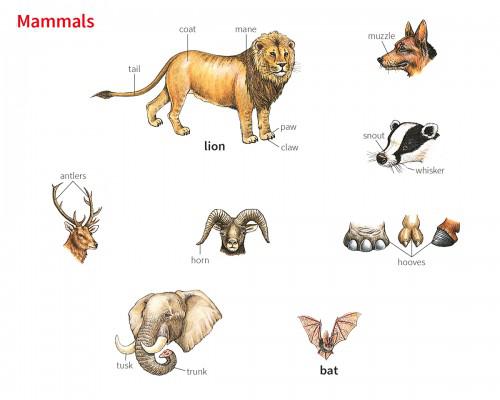
    hooves(noun)

    /huːvz/

    cascos

    plural of hoof: the hard parts of the feet of animals such as horses, cows and goats

    The horse's hooves clattered on the cobblestones.

    Los cascos del caballo resonaban sobre los adoquines.

    Sinónimosfeetclaws
    Antónimoshandspaws
  47. 47

    house-trained(adjective)

    /ˈhaʊs treɪnd/

    adiestrado

    trained to defecate and urinate outside the house or in a special box

    Our dog is house-trained and doesn't make a mess inside.

    Nuestro perro está adiestrado y no ensucia dentro.

    Sinónimospotty-trainedtoilet-trainedwell-behaved
    Antónimosuntrainednot house-trained
  48. 48

    howl(verb)

    /haʊl/

    aullar

    to make a long, loud call

    The wolf began to howl at the moon.

    El lobo comenzó a aullar a la luna.

    Sinónimoswailcryyowlbawlululate
    Antónimoswhispermurmurquiet
  49. 49

    hunt(verb)

    /hʌnt/

    cazar

    to go after wild animals in order to catch or kill them for food, sport or to make money

    The hunters went to hunt deer in the forest.

    Los cazadores fueron a cazar ciervos al bosque.

    Sinónimospursuesearchtrackchase
    Antónimosavoidignorefleeneglect
  50. 50

    invertebrate(noun)

    /ɪnˈvɜːrtɪbrət/

    invertebrado

    any animal with no backbone , for example a worm

    A worm is an invertebrate.

    Un gusano es un invertebrado.

    Sinónimosspinelessnon-vertebrate
    Antónimosvertebrate
  51. 51

    mammal(noun)

    /ˈmæml/

    mamífero

    any animal that gives birth to live young, not eggs, and feeds its young on milk. Cows, humans and whales are all mammals .

    A whale is a mammal.

    Una ballena es un mamífero.

    Sinónimoscreatureanimal
    Antónimosreptilebirdfish
  52. 52

    mane(noun)

    /meɪn/

    crin

    the long hair on the neck of a horse or a lion

    The horse had a long, flowing mane.

    El caballo tenía una crin larga y fluida.

    Sinónimoshairlocks
    Antónimosbaldness
  53. 53

    mimicry(noun)

    /ˈmɪmɪkri/

    mimetismo

    the way in which some animals or plants look like other animals or plants, which protects them

    The butterfly's mimicry protects it from predators.

    El mimetismo de la mariposa la protege de los depredadores.

    Sinónimosimitationsimulationcopyingrepresentation
    Antónimosoriginalityauthenticityreality
  54. 54

    nocturnal(adjective)

    /nɑːkˈtɜːrnl/

    nocturno

    active at night

    Owls are nocturnal animals.

    Los búhos son animales nocturnos.

    Sinónimosnightlyafter darknight-active
    Antónimosdiurnaldaytimematutinal
  55. 55

    omnivorous(adjective)

    /ɑːmˈnɪvərəs/

    omnívoro

    eating all types of food, especially both plants and meat

    Humans are omnivorous creatures.

    Los humanos son criaturas omnívoras.

    Sinónimosnon-selectiveundiscriminatingall-devouring
    Antónimosherbivorouscarnivorous
  56. 56

    pod(noun)

    /pɑːd/

    manada

    a small group of sea animals, such as whales or dolphins, swimming together

    A pod of dolphins swam alongside our boat.

    Una manada de delfines nadó junto a nuestro barco.

    Sinónimoshullshellcasingcapsule
    Antónimoscoreinside
  57. 57

    pounce(verb)

    /paʊns/

    abalanzarse

    to move suddenly forwards in order to attack or catch somebody/something

    The cat waited patiently, then decided to pounce on the mouse.

    El gato esperó pacientemente, luego decidió abalanzarse sobre el ratón.

    Sinónimosleapspringjumpattack
    Antónimosretreatwithdrawflee
  58. 58

    reptile(noun)

    /ˈreptaɪl/

    reptil

    any animal that has cold blood and skin covered in scales , and that lays eggs. Snakes, crocodiles and tortoises are all reptiles .

    A snake is a type of reptile.

    Una serpiente es un tipo de reptil.

    Sinónimosscaly animalherptile
    Antónimosmammalbirdamphibian
  59. 59

    roar(verb)

    /rɔːr/

    rugir

    to make a very loud, deep sound

    Lions roar to warn other lions to stay away.

    Los leones rugen para advertir a otros leones que se mantengan alejados.

    Sinónimosbellowthunderboomyell
    Antónimoswhispermurmurquiet
  60. 60

    slither(verb)

    /ˈslɪðər/

    deslizarse

    to move smoothly over a surface, like a snake

    The snake began to slither across the forest floor.

    La serpiente comenzó a deslizarse por el suelo del bosque.

    Sinónimosslidecrawlcreepwrithe
    Antónimoswalkhopjumpstand
  61. 61

    solitary(adjective)

    /ˈsɑːləteri/

    solitario

    (of animals) living alone, not in groups

    Tigers are solitary animals that hunt alone.

    Los tigres son animales solitarios que cazan solos.

    Sinónimosaloneisolatedlonelyreclusive
    Antónimossocialoutgoinggregariousextroverted
  62. 62

    stray(adjective)

    /streɪ/

    callejero, extraviado

    (of a pet animal) away from home and without an owner

    The stray dog was taken to the shelter.

    El perro callejero fue llevado al refugio.

    Sinónimoslostwanderingroamingunclaimed
    Antónimosfoundownedclaimed
  63. 63

    suckling(noun)

    /ˈsʌklɪŋ/

    lactante

    a baby or young animal that is still drinking milk from its mother

    The suckling pig was very young.

    El lechón era muy joven.

    Sinónimosnursingunweanedinfant
    Antónimosweanedadult
  64. 64

    swarm(noun)

    /swɔːrm/

    enjambre

    a large group of insects, especially bees, moving together in the same direction

    A swarm of bees flew out of the hive.

    Un enjambre de abejas salió volando de la colmena.

    Sinónimosthronghordemultitudeflockcloud
    Antónimosfewindividualone
  65. 65

    swoop(verb)

    /swuːp/

    abalanzarse, lanzarse en picada

    to fly quickly and suddenly downwards, especially in order to attack somebody/something

    The hawk swooped down to catch a mouse.

    El halcón se lanzó en picada para atrapar a un ratón.

    Sinónimosdiveplungedescendpounce
    Antónimosascendrisesoar
  66. 66

    tabby(noun)

    /ˈtæbi/

    atigrado

    a cat with brown or grey fur marked with dark lines or spots

    Our tabby cat loves to chase mice.

    A nuestro gato atigrado le encanta perseguir ratones.

    Sinónimosstriped catbrindle cat
    Antónimossolid color cat
  67. 67

    territorial(adjective)

    /ˌterəˈtɔːriəl/

    territorial

    (of animals) guarding and defending an area that they think is their own

    The cat was very territorial about its food bowl.

    El gato era muy territorial con su comedero.

    Sinónimosregionalgeographicallocalized
    Antónimosunconfinedunrestrictedopen
  68. 68

    venomous(adjective)

    /ˈvenəməs/

    venenoso

    producing venom

    The venomous snake bit the hiker.

    La serpiente venenosa mordió al excursionista.

    Sinónimospoisonoustoxicnoxious
    Antónimosharmlessnonpoisonoussafe
  69. 69

    vertebrate(adjective)

    /ˈvɜːrtɪbrət/

    vertebrado

    having a backbone

    A dog is a vertebrate animal.

    Un perro es un animal vertebrado.

    Sinónimosspinal animalbackboned animal
    Antónimosinvertebrate
  70. 70

    webbed(adjective)

    /webd/

    palmeado

    a bird or an animal (such as a duck or frog) that has webbed feet has pieces of skin between the toes

    The duck has webbed feet to help it swim.

    El pato tiene patas palmeadas para ayudarle a nadar.

    Sinónimosmembranouspalmate
    Antónimosunwebbedseparated
  71. 71

    whiskers(noun)

    /ˈwɪskər/

    bigotes

    any of the long, stiff hairs that grow near the mouth of a cat, mouse, etc.

    The cat's whiskers twitched as it stalked its prey.

    Los bigotes del gato se movieron mientras acechaba a su presa.

    Sinónimosfacial hairvibrissae
  72. 72

    wolves(noun)

    /wʊlvz/

    lobos

    plural of wolf: wild animals of the dog family that live and hunt in groups

    The wolves howled at the moon.

    Los lobos aullaron a la luna.

    Sinónimoscaninespredatorscarnivores
    Antónimospreyherbivores
  73. 73

    adaptation(noun)

    /ˌædæpˈteɪʃn/

    adaptación

    the action or process of changing something, or of being changed, to suit a new purpose or situation

    The adaptation of animals to their environment is crucial for their survival.

    La adaptación de los animales a su entorno es crucial para su supervivencia.

    Sinónimosadjustmentmodificationalterationchangefitting
    Antónimosinflexibilityrigidityresistanceinability
  74. 74

    adaptability(noun)

    /əˌdæptəˈbɪləti/

    adaptabilidad

    the quality of being able to change or be changed in order to deal successfully with new situations

    Her adaptability helped her thrive in the new environment.

    Su adaptabilidad la ayudó a prosperar en el nuevo entorno.

    Sinónimosversatilityflexibilityresourcefulness
    Antónimosinflexibilityrigiditystubbornness
  75. 75

    Bees(noun)

    /biz/

    Abejas

    plural of bee: black and yellow flying insects that make honey

    Bees make honey.

    Las abejas hacen miel.

    SinónimosHoneybeesPollinators
    AntónimosWaspsHornets
  76. 76

    Butterflies(noun)

    /ˈbʌtərˌflaɪz/

    Mariposas

    plural of butterfly: flying insects with large, often brightly coloured wings

    Butterflies are beautiful insects.

    Las mariposas son insectos hermosos.

    SinónimosMothsInsectsLepidopterans
    AntónimosNone
  77. 77

    Animal shelter(noun)

    /ˈænɪməl ˈʃɛltər/

    Refugio de animales

    a place where animals without a home are cared for until new owners are found

    The animal shelter provides a safe haven for abandoned pets.

    El refugio de animales proporciona un refugio seguro para las mascotas abandonadas.

    SinónimosAnimal rescuePet shelterAnimal sanctuary
    AntónimosAnimal breederSlaughterhouse
  78. 78

    Animal testing(noun)

    /ˈænɪməl ˈtɛstɪŋ/

    experimentación con animales

    the use of animals in scientific tests to check that drugs or products are safe

    Animal testing is a controversial topic.

    La experimentación con animales es un tema controvertido.

    Sinónimosvivisectionanimal experimentation
    Antónimosin vitro testinghuman trials
  79. 79

    Antlers(noun)

    /ˈæntlərz/

    Asta

    the horns, like branches, on the head of a male deer

    The deer's antlers were covered in velvet.

    Las astas del ciervo estaban cubiertas de terciopelo.

    SinónimosHornsSpikesBranches
    AntónimosNone
  80. 80

    Brink of extinction(phrase)

    /brɪŋk ʌv ɪkˈstɪŋkʃən/

    al borde de la extinción

    very close to disappearing from the world completely

    The panda is on the brink of extinction.

    El panda está al borde de la extinción.

    Sinónimosendangeredthreatenedcritically endangered
    Antónimosthrivingflourishingabundant
  81. 81

    Budgies(noun)

    /ˈbʌdʒiz/

    periquitos

    small, brightly coloured birds of the parrot family, often kept as pets

    I have two budgies in a cage.

    Tengo dos periquitos en una jaula.

    Sinónimosbudgerigarparakeet
  82. 82

    Cheetahs(noun)

    /ˈtʃiːtəz/

    Guepardos

    large wild animals of the cat family with black spots, which can run very fast

    Cheetahs are the fastest land animals.

    Los guepardos son los animales terrestres más rápidos.

    Sinónimoshunting catacinonyx jubatus
    Antónimostortoisesnail
  83. 83

    Claws(noun)

    /klɔz/

    Garras

    the sharp curved nails on the feet of some animals and birds

    The cat sharpened its claws on the scratching post.

    El gato afiló sus garras en el rascador.

    Sinónimostalonsnailspaws
    AntónimosNone
  84. 84

    Cloning technology(noun)

    /ˈkloʊnɪŋ tɛkˈnɒlədʒi/

    tecnología de clonación

    the scientific methods used to produce an exact copy of an animal or plant

    Cloning technology has the potential to revolutionize medicine.

    La tecnología de clonación tiene el potencial de revolucionar la medicina.

    Sinónimosgenetic replicationduplication technology
    Antónimosnatural reproduction
  85. 85

    Dolphins(noun)

    /ˈdɒlfɪnz/

    Delfines

    intelligent sea animals that look like large fish with a pointed mouth

    Dolphins are highly intelligent marine mammals.

    Los delfines son mamíferos marinos muy inteligentes.

    SinónimosPorpoiseCetacean
  86. 86

    Elephants(noun)

    /ˈɛləfənts/

    elefantes

    very large grey animals with big ears, two tusks and a long nose called a trunk

    Elephants are the largest land animals.

    Los elefantes son los animales terrestres más grandes.

    Sinónimosmammothsbehemoths
    Antónimosmiceants
  87. 87

    Eusocial(adjective)

    /juːˈsoʊʃəl/

    Eusocial

    (of insects such as ants and bees) living in large groups in which different members do different jobs

    Ants are eusocial insects that live in colonies.

    Las hormigas son insectos eusociales que viven en colonias.

    SinónimosHighly socialSocialCooperative
    AntónimosSolitaryIndividualistic
  88. 88

    Fangs(noun)

    /fæŋz/

    colmillos

    the long sharp teeth of dogs, wolves, snakes, etc.

    The snake showed its sharp fangs.

    La serpiente mostró sus afilados colmillos.

    SinónimosTusksCaninesTeeth
    AntónimosGums
  89. 89

    Feathers(noun)

    /ˈfɛðərz/

    plumas

    the soft light parts that cover a bird's body

    The bird ruffled its feathers.

    El pájaro erizó sus plumas.

    Sinónimosplumagedownquills
    Antónimosskinhair
  90. 90

    Fins(noun)

    /fɪnz/

    aletas

    the thin flat parts on the body of a fish that help it to swim

    The fish used its fins to swim through the water.

    El pez usó sus aletas para nadar en el agua.

    Sinónimosappendageflipperswings
  91. 91

    Free-range chickens(noun)

    /friː reɪndʒ ˈtʃɪkənz/

    gallinas camperas

    chickens that are allowed to move around outside rather than being kept in cages

    Free-range chickens produce better quality eggs.

    Las gallinas camperas producen huevos de mejor calidad.

    Sinónimospasture-raised chickenscage-free chickens
    Antónimoscaged chickensbattery chickens
  92. 92

    Frogs(noun)

    /frɑɡz/

    ranas

    small animals with smooth skin and long back legs for jumping, that live in water and on land

    Frogs are amphibians that live in water and on land.

    Las ranas son anfibios que viven en el agua y en la tierra.

    Sinónimostoadsamphibians
    Antónimosbirdsmammalsreptiles
  93. 93

    Giraffes(noun)

    /dʒəˈræfz/

    jirafas

    tall African animals with very long necks and legs

    Giraffes are the tallest mammals on Earth.

    Las jirafas son los mamíferos más altos de la Tierra.

    Sinónimoslongneckscamelopards
    Antónimosshort animals
  94. 94

    Gorillas(noun)

    /ɡəˈrɪləz/

    Gorilas

    very large, powerful African apes

    Gorillas are the largest living primates.

    Los gorilas son los primates vivos más grandes.

    SinónimosApesGreat apesPrimate
    AntónimosHumansLesser primates
  95. 95

    Horns(noun)

    /hɔrnz/

    Cuernos

    the hard pointed parts that grow on the heads of some animals, such as cows and goats

    The bull lowered its horns and charged.

    El toro bajó los cuernos y embistió.

    SinónimosAntlersProjectionsFeelers
    AntónimosSmoothnessPlainness
  96. 96

    In captivity(phrase)

    /ɪn kæpˈtɪvəti/

    en cautiverio

    (of animals) kept in a zoo, a cage, etc. and not free

    The lion was born in captivity.

    El león nació en cautiverio.

    Sinónimosimprisonedconfinedenslaved
    Antónimosfreewildliberated
  97. 97

    Koalas(noun)

    /ˈkoʊələz/

    Koalas

    Australian animals with thick grey fur that live in trees and eat leaves

    Koalas are native to Australia.

    Los koalas son nativos de Australia.

    Sinónimosmarsupialsnative bears
  98. 98

    Lambing(noun)

    /ˈlæm.bɪŋ/

    temporada de partos de las ovejas

    the time of year when sheep give birth to lambs

    Farmers are very busy during lambing in the spring.

    Los granjeros están muy ocupados durante la época de partos de las ovejas en primavera.

    SinónimosAffectionTendernessEndearmentCaressFondness
    AntónimosColdnessIndifferenceApathyAloofness
  99. 99

    Lions(noun)

    /ˈlaɪənz/

    Leones

    large powerful wild animals of the cat family that live in Africa and southern Asia

    The lions roared loudly in the zoo.

    Los leones rugieron fuerte en el zoológico.

    Sinónimosbig catsfelines
    Antónimospreylambs
  100. 100

    Parental care(noun)

    /pəˈrɛntəl kɛər/

    cuidado parental

    the care that animal parents give to their young

    Many birds show parental care by feeding their chicks.

    Muchas aves muestran cuidado parental alimentando a sus polluelos.

    SinónimosNurturingChild rearingUpbringingParenting
    AntónimosNeglectAbandonment
  101. 101

    Paws(noun)

    /pɔz/

    Patas

    the feet of animals that have claws, such as dogs and cats

    The dog wiped mud all over the door with its paws.

    El perro embarró toda la puerta con sus patas.

    Sinónimosfeetclaws
    Antónimoshandshooves
  102. 102

    Penguins(noun)

    /ˈpɛŋɡwɪnz/

    Pingüinos

    black and white sea birds that cannot fly and live in the Antarctic

    Penguins are flightless birds that live in cold regions.

    Los pingüinos son aves no voladoras que viven en regiones frías.

    SinónimosSphenisciformes
  103. 103

    Pests(noun)

    /pɛsts/

    Plagas

    insects or animals that destroy plants, food, etc.

    The farmer sprayed chemicals to get rid of the pests.

    El agricultor roció productos químicos para deshacerse de las plagas.

    SinónimosVerminInfestationNuisance
    AntónimosBeneficial insectsHelpers
  104. 104

    Protective coloration(noun)

    /prəˈtɛktɪv ˌkʌləˈreɪʃən/

    Coloración protectora

    colours or patterns on an animal that help it to hide from its enemies

    The insect used protective coloration to blend in with the leaves.

    El insecto usó coloración protectora para camuflarse con las hojas.

    Sinónimoscamouflagemimicrycryptic coloration
    Antónimosconspicuousnessobviousness
  105. 105

    Roaming(adjective)

    /ˈroʊmɪŋ/

    errante, vagabundo

    moving or travelling freely over a large area

    Roaming elephants sometimes damage the farmers' crops.

    Los elefantes errantes a veces dañan los cultivos de los agricultores.

    SinónimosWanderingDriftingMoving
    AntónimosStationaryFixedSettled
  106. 106

    Rodents(noun)

    /ˈroʊdənts/

    roedores

    small animals such as mice and rats that have strong sharp front teeth

    Mice and rats are common rodents.

    Los ratones y las ratas son roedores comunes.

    Sinónimosgnawersvermin
    AntónimosNone
  107. 107

    Scales(noun)

    /skeɪlz/

    escamas

    the small thin plates that cover the skin of fish and reptiles

    The fish's scales shone in the sunlight.

    Las escamas del pez brillaban bajo la luz del sol.

    Sinónimosbalanceweighing machinemeasuring device
    Antónimosestimateguess
  108. 108

    Scent-marking(noun)

    /sɛnt ˈmɑːrkɪŋ/

    marcaje con olor

    the way animals leave their smell on objects to mark the area they live in

    Scent-marking helps tigers warn others to stay out of their area.

    El marcaje con olor ayuda a los tigres a advertir a otros que se mantengan fuera de su territorio.

    Sinónimosfragrance creationperfume makingaroma synthesis
    Antónimosscent destructionodor elimination
  109. 109

    Sharks(noun)

    /ʃɑrks/

    Tiburones

    large sea fish with very sharp teeth

    Sharks are apex predators in the ocean.

    Los tiburones son depredadores ápice en el océano.

    SinónimosFishPredators
    AntónimosPreyVictims
  110. 110

    Snakes(noun)

    /sneɪks/

    Serpientes

    reptiles with very long thin bodies and no legs

    Snakes are reptiles with long, limbless bodies.

    Las serpientes son reptiles con cuerpos largos y sin extremidades.

    Sinónimosserpentsreptiles
  111. 111

    Tails(noun)

    /teɪlz/

    colas

    the parts at the back of animals' bodies that they can move

    Dogs wag their tails when they are happy.

    Los perros mueven la cola cuando están contentos.

    Sinónimosrearendextremity
    Antónimosheadfront
  112. 112

    Tentacles(noun)

    /ˈtɛn.tə.kəlz/

    tentáculos

    the long thin arms of an octopus, a squid, etc., used for feeling and holding

    The octopus used its tentacles to grab the crab.

    El pulpo usó sus tentáculos para agarrar el cangrejo.

    Sinónimosappendagesarmsfeelers
    Antónimosnone
  113. 113

    Tigers(noun)

    /ˈtaɪɡərz/

    Tigres

    large wild animals of the cat family with orange fur and black stripes

    Tigers are apex predators.

    Los tigres son depredadores ápice.

    SinónimosStriped catsBig cats
    AntónimosPrey
  114. 114

    Wings(noun)

    /wɪŋz/

    Alas

    the parts of a bird's or insect's body that it uses for flying

    The bird spread its wings and flew away.

    El pájaro extendió sus alas y se fue volando.

    SinónimosPinionsPlumesFlight appendages
    AntónimosRestrictionImprisonmentConfinement
  115. 115

    pack(noun)

    /pæk/

    manada, jauría

    a group of wild animals, especially wolves or dogs, that hunt together

    A pack of wolves was hunting in the forest.

    Una manada de lobos estaba cazando en el bosque.

  116. 116

    pride(noun)

    /praɪd/

    manada de leones

    a group of lions

    A pride of lions was resting in the shade.

    Una manada de leones descansaba a la sombra.

  117. 117

    school(noun)

    /skuːl/

    banco de peces, cardumen

    a large group of fish or other sea animals swimming together

    A school of fish swam past our boat.

    Un banco de peces pasó nadando junto a nuestro barco.

  118. 118

    mate(noun)

    /meɪt/

    pareja, apareamiento

    the sexual partner of a bird or an animal

    The male bird sings to attract a mate.

    El pájaro macho canta para atraer a una pareja.

  119. 119

    Trunk(noun)

    /trʌŋk/

    trompa

    the long nose of an elephant

    The elephant lifted the log with its trunk.

    El elefante levantó el tronco con su trompa.

  120. 120

    colony(noun)

    /ˈkɑːləni/

    colonia

    a group of animals or plants of the same type living closely together

    Ants live in large colonies under the ground.

    Las hormigas viven en grandes colonias bajo tierra.

  121. 121

    troop(noun)

    /truːp/

    manada, tropa

    a group of monkeys or other animals of the same type

    A troop of monkeys was playing in the trees.

    Una manada de monos jugaba en los árboles.