Lumaktaw sa nilalaman

Aralin 27/33 · 121 salita · 0 natutunan

Animal

Mga Hayop

  1. 1

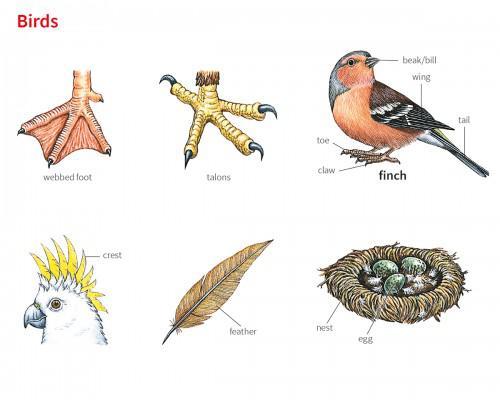
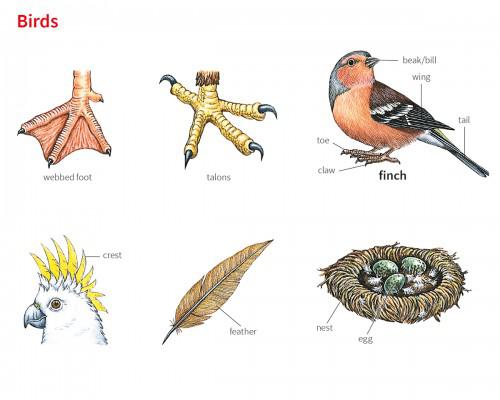
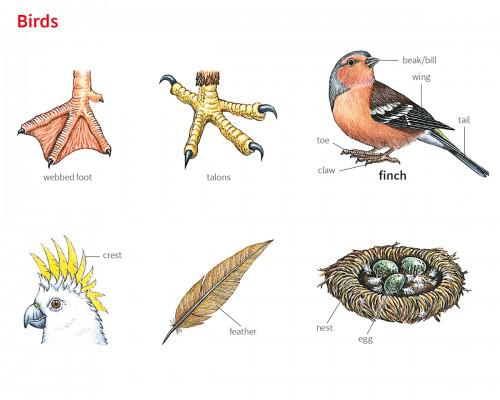
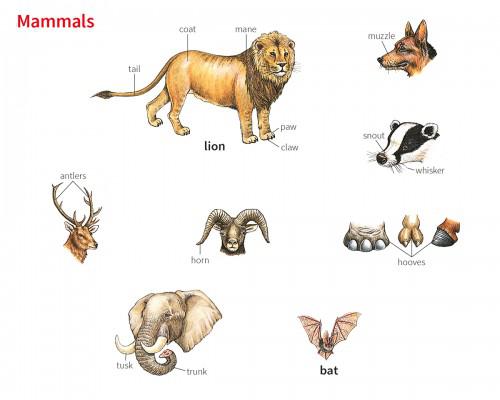
    tail(noun)

    /teɪl/

    buntot

    the part that sticks out at the back of the body of a bird, an animal or a fish, which the animal can move from side to side or up and down

    My cat has a long tail.

    Ang pusa ko ay may mahabang buntot.

    The dog ran up, wagging its tail.

    Kasingkahuluganrearendextremitytraincaudal appendage
    Kasalungatfrontheadbeginning
  2. 2

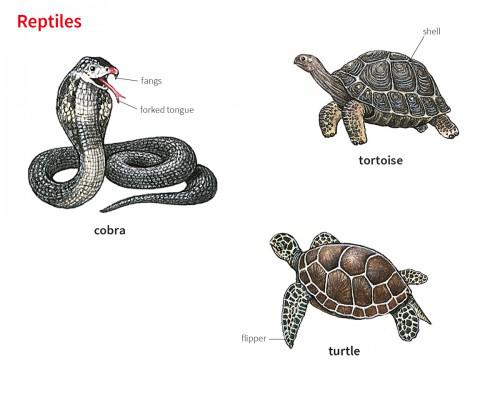
    shell(noun)

    /ʃel/

    kabibe

    the hard outer part of eggs, nuts, some seeds, and some animals

    I like collecting sea shells.

    Gusto kong mangolekta ng mga kabibe.

    We collected shells on the beach.

    Kasingkahuluganhuskcasecoveringtestexoskeletonhull
    Kasalungatkernelpulpmeatinsidescore
  3. 3

    nest(noun)

    /nest/

    pugad

    a hollow place or structure that a bird makes or chooses for laying its eggs in and sheltering its young

    sparrows building a nest of twigs and dry grass

    mga maya na gumagawa ng pugad mula sa mga sanga at tuyong damo

    The match has been postponed to a later date.

    Kasingkahuluganlairdenroostbreeding placeretreathavensanctuary
    Kasalungatexposurewildernessopenoutside
  4. 4

    fur(noun)

    /fɜːr/

    balahibo

    the soft thick mass of hair that grows on the body of some animals

    The cat is licking its fur.

    Dinidilaan ng pusa ang kanyang balahibo.

    fashionable clothes/furniture/ideas

    Kasingkahuluganhaircoatpeltwool
    Kasalungatskinbarenesshairlessness
  5. 5

    swim(verb)

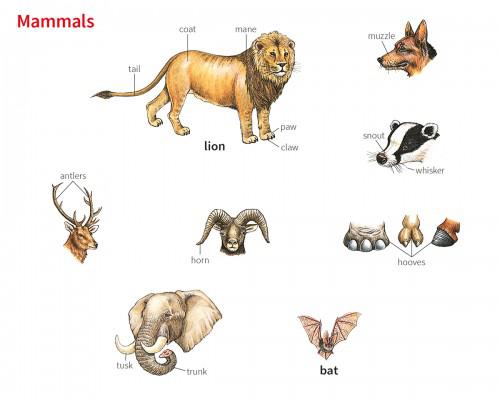
    /swɪm/

    lumangoy

    to move through water by moving your arms and legs, without touching the bottom

    She can swim very fast.

    Kaya niyang lumangoy nang napakabilis.

    I can't swim.

    Kasingkahuluganfloatpaddlestrokeglidedrift
    Kasalungatsinkdrownfounder
  6. 6

    beak(noun)

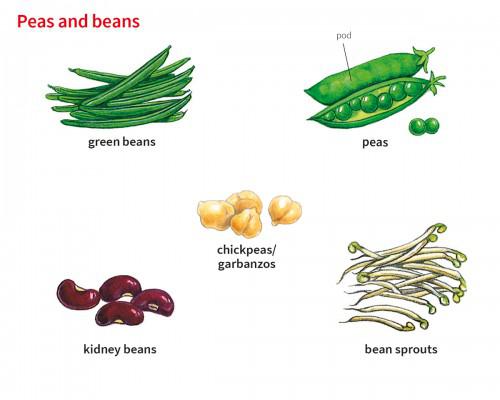
    /biːk/

    tuka

    the hard pointed or curved outer part of a bird’s mouth

    The gull held the fish in its beak.

    Hawak ng galyas ang isda sa tuka nito.

    to replace the batteries

    Kasingkahuluganbillnebmandible
  7. 7

    strength(noun)

    /streŋkθ/

    lakas

    the quality of being physically strong

    He pushed against the rock with all his strength.

    Itinulak niya ang bato gamit ang buo niyang lakas.

    She didn't have the strength to walk any further.

    Kasingkahuluganpowerforcemightpotencyvigorenergy
    Kasalungatweaknessfrailtyimpotencefeebleness
  8. 8

    wild(adjective)

    /waɪld/

    mailap, ligaw

    living or growing in natural conditions; not kept in a house or on a farm

    Many wild animals live in this forest.

    Maraming mailap na hayop ang nakatira sa kagubatang ito.

    Kasingkahuluganuntamedferaluncultivatednaturalsavageundomesticateduncontrolled
    Kasalungattamedomesticatedcultivatedcontrolledmild
  9. 9

    bird(noun)

    /bɜːrd/

    ibon

    a creature that is covered with feathers and has two wings and two legs. Most birds can fly.

    More than a third of Britain's bird species need urgent protection

    Mahigit sa isang-katlo ng mga uri ng ibon sa Britanya ang nangangailangan ng agarang proteksyon.

    More than a third of Britain's bird species need urgent protection.

    Kasingkahuluganfowlaviansongbirdraptorcreature
    Kasalungatmammalfishreptile
  10. 10

    speed(noun)

    /spiːd/

    bilis

    the rate at which somebody/something moves or travels

    There are speed restrictions on this road.

    May mga limitasyon sa bilis sa daang ito.

    Kasingkahuluganvelocitypaceswiftnessrapidityhasteacceleration
    Kasalungatslownessdeliberationleisuredelay
  11. 11

    fly(verb)

    /flaɪ/

    lumipad

    to move through the air, using wings

    This bird cannot fly.

    Hindi makalipad ang ibong ito.

    A wasp had flown in through the window.

    Kasingkahulugansoarglidewingascendfloathovertravel by air
    Kasalungatfalldescenddropsinkplungestayremain
  12. 12

    fish(noun)

    /fɪʃ/

    isda

    a creature that lives in water, breathes through gills , and uses fins and a tail for swimming

    There are many fish in this pond.

    Maraming isda sa pond na ito.

    You can fish for trout in this stream.

    Kasingkahuluganfinny creatureaquatic animal
    Kasalungatmammalbirdreptile
  13. 13

    Insect(noun)

    /ˈɪnsekt/

    insekto

    any small creature with six legs and a body divided into three parts. Insects usually also have wings. Ants , bees and flies are all insects .

    Insects are the most diverse group of animals

    Ang mga insekto ang pinaka-magkakaibang grupo ng mga hayop.

    Kasingkahuluganbugcreepy-crawlyarthropod
    Kasalungatvertebratemammalanimal (in a general sensewhen focusing on non-insect types)
  14. 14

    livestock(noun)

    /ˈlaɪvstɑːk/

    alagang hayop

    the animals kept on a farm, for example cows or sheep

    They have some livestock in their farm.

    Mayroon silang alagang hayop sa kanilang sakahan.

    Kasingkahuluganfarm animalsdomestic animalsstockcattle
    Kasalungatwildlifewild animals
  15. 15

    habitat(noun)

    /ˈhæbɪtæt/

    tirahan, habitat

    the place where a particular type of animal or plant is normally found

    Can we use natural resources without destroying wildlife habitat?

    Magagamit ba natin ang likas na yaman nang hindi sinisira ang tirahan ng mga hayop?

    Kasingkahuluganenvironmentnatural environmenthometerritorydomainrangelocaleregion
    Kasalungatforeign environmentartificial environmentalien environment
  16. 16

    prey(noun)

    /preɪ/

    biktima, huli

    an animal, a bird, etc. that is hunted, killed and eaten by another

    The eagle watched its prey from high in the sky.

    Pinagmasdan ng agila ang biktima nito mula sa mataas na kalangitan.

    Kasingkahuluganvictimtargetquarrydupesucker
    Kasalungatpredatorhunterattacker
  17. 17

    biodiversity(noun)

    /ˌbaɪəʊdaɪˈvɜːrsəti/

    biyo-dibersidad

    the existence of a large number of different kinds of animals and plants which make a balanced environment

    A new National Biological Survey will protect species habitat and biodiversity.

    Poprotektahan ng isang bagong Pambansang Pagsisiyasat sa Biolohikal ang tirahan ng mga species at biyo-dibersidad.

    Kasingkahuluganvariety of lifebiological diversityecological diversityspecies richnessgenetic diversity
    Kasalungatmonocultureuniformitylack of diversitybiological uniformity
  18. 18

    ecosystem(noun)

    /ˈiːkəʊsɪstəm/

    ekosistema

    all the plants and living creatures in a particular area considered in relation to their physical environment

    different ecosystems and biomes on our planet

    iba't ibang ecosystem at biome sa ating planeta

    Kasingkahuluganecological communityenvironmenthabitatbiosphere
    Kasalungatnone (ecosystem is a specific term with no direct antonym)abiotic environment (could be considered an opposite in some contexts)
  19. 19

    migrate(verb)

    /ˈmaɪɡreɪt/

    lumipat, mandayuhan

    to move from one part of the world to another according to the season

    Many birds migrate south for the winter.

    Maraming ibon ang lumilipat sa timog tuwing taglamig.

    Kasingkahuluganrelocatemoveemigrateimmigratetransplantresettle
    Kasalungatstayremainsettlestay put
  20. 20

    conservation(noun)

    /ˌkɑːnsərˈveɪʃn/

    konserbasyon

    the protection of the natural environment

    This kind of bird is protected by conservation plans.

    Ang ganitong uri ng ibon ay protektado ng mga plano ng konserbasyon.

    Kasingkahuluganpreservationprotectionsafeguardingmaintenanceupkeep
    Kasalungatdestructiondepletionwasteneglectexploitation
  21. 21

    endangered(adjective)

    /ɪnˈdeɪndʒərd/

    nanganganib

    (used especially about groups of animals, plants, etc.) at risk of no longer existing

    The panda is one of the most endangered species.

    Ang panda ay isa sa mga pinakananganganib na species.

    Kasingkahuluganthreatenedat riskimperiledjeopardizedvulnerable
    Kasalungatsafeprotectedsecurethrivingflourishing
  22. 22

    puppy(noun)

    /ˈpʌpi/

    tuta

    a young dog

    Our dog has just had four puppies.

    Nagkaroon lang ng apat na tuta ang aming aso.

    Kasingkahuluganwhelpdogletpup
    Kasalungatadult dogfully grown dog
  23. 23

    predator(noun)

    /ˈpredətər/

    maninila

    an animal that kills and eats other animals

    the relationship between predator and prey

    ang relasyon sa pagitan ng maninila at biktima

    Kasingkahuluganhuntercarnivoreassailantattackermarauderplunderer
    Kasalungatpreyvictimdefenderprotector
  24. 24

    herd(noun)

    /hɜːrd/

    kawan, bakahan

    a group of animals of the same type that live and feed together

    A herd of cows was grazing in the field.

    Isang kawan ng mga baka ang nanginginain sa bukid.

    Kasingkahuluganflockpackgroupcollectionassemblydroveswarm
    Kasalungatindividuallonersingletononeseparate
  25. 25

    agile(adjective)

    /ˈædʒl/

    maliksi, liksi, mabilis kumilos

    able to move quickly and easily

    The agile cat jumped easily onto the high wall.

    Madaling tumalon ang maliksing pusa sa mataas na pader.

    Kasingkahulugannimblequickfleetsprylithesuppleresponsiveflexible
    Kasalungatclumsyinflexiblesluggishrigidstiff
  26. 26

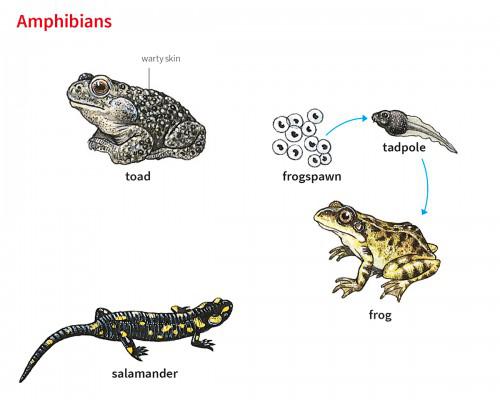
    amphibian(noun)

    /æmˈfɪbiən/

    amphibian

    any animal that can live both on land and in water. Amphibians have cold blood and skin without scales . Frogs , toads and newts are all amphibians .

    A frog is an example of an amphibian.

    Ang palaka ay isang halimbawa ng amphibian.

    Kasingkahulugancaeciliansalamanderfrogtoad
    Kasalungatreptilemammalbird
  27. 27

    blunt(adjective)

    /blʌnt/

    mapurol

    without a sharp edge or point

    The knife was blunt and couldn't cut the tomato.

    Mapurol ang kutsilyo at hindi makahiwa ng kamatis.

    Kasingkahulugandullobtuseunsharpeneddirectforthrightcandid
    Kasalungatsharppointedkeensubtletactfulpolite
  28. 28

    bred(verb)

    /bred/

    pinalaki

    past tense and past participle of breed: kept animals in order to produce young ones

    This dog was bred for hunting.

    Ang asong ito ay pinalaki para sa pangangaso.

    Kasingkahuluganraisedcultivatedrearednurtured
    Kasalungatunbornwild
  29. 29

    burrow(noun)

    /ˈbɜːrəʊ/

    lungga, hukay

    a hole or tunnel in the ground made by an animal such as a rabbit, for it to live in

    The rabbit disappeared into its burrow.

    Nawala ang kuneho sa loob ng kaniyang lungga.

    Kasingkahulugantunnelholedenshelterexcavate
    Kasalungatsurfaceopenexposed
  30. 30

    buzz(noun)

    /bʌz/

    ugong, haging

    a continuous low sound, like the sound that a bee makes

    I could hear the buzz of the bees in the garden.

    Naririnig ko ang ugong ng mga bubuyog sa hardin.

    Kasingkahuluganhumdronewhirrmurmurvibration
    Kasalungatsilencequiet
  31. 31

    camouflage(noun)

    /ˈkæməflɑːʒ/

    pagbabalatkayo, kamuplahe

    the way in which an animal's colour or shape matches its surroundings and makes it difficult to see

    The leopard's spots act as camouflage in the forest.

    Nagsisilbing pagbabalatkayo ang mga batik ng leopardo sa kagubatan.

    Kasingkahulugandisguiseconcealmentmaskcover
    Kasalungatexposurerevealuncovershow
  32. 32

    camouflaged(adjective)

    /ˈkæməflɑːʒ/

    nakabalatkayo, nakakamuplahe

    hidden by having a colour or shape that matches the surroundings

    The camouflaged insect was hard to see on the branch.

    Mahirap makita ang nakabalatkayong insekto sa sanga.

    Kasingkahulugandisguisedmaskedconcealedhiddencovered up
    Kasalungatexposedrevealeduncoveredvisibleobvious
  33. 33

    carnivorous(adjective)

    /kɑːrˈnɪvərəs/

    karniboro

    eating meat; consisting of meat

    Lions are carnivorous animals.

    Ang mga leon ay mga karniborong hayop.

    Kasingkahuluganmeat-eatingpredatoryflesh-eating
    Kasalungatherbivorousvegetarianplant-eating
  34. 34

    chirp(noun)

    /tʃɜːrp/

    huni, kiyaw

    a short high sound made by small birds and some insects

    We woke up to the chirp of birds outside the window.

    Nagising kami sa huni ng mga ibon sa labas ng bintana.

    Kasingkahulugantwittertrillwarblecheep
    Kasalungatsilenceroarscream
  35. 35

    companionable(adjective)

    /kəmˈpænjənəbl/

    palakaibigan

    friendly

    He was a companionable sort of person, easy to talk to.

    Siya ay isang palakaibigang uri ng tao, madaling kausapin.

    Kasingkahulugansociablefriendlygregariousamiableoutgoing
    Kasalungatunsociableunfriendlyreservedaloofintroverted
  36. 36

    crawl(verb)

    /krɔːl/

    gumapang

    to move forward on your hands and knees or with your body close to the ground

    The baby began to crawl across the floor.

    Nagsimulang gumapang ang sanggol sa sahig.

    Kasingkahulugancreepinchwormslither
    Kasalungatwalkrunsprintstand
  37. 37

    diurnal(adjective)

    /daɪˈɜːrnl/

    pang-araw

    active during the day

    Squirrels are diurnal animals.

    Ang mga squirrel ay mga hayop na pang-araw.

    Kasingkahulugandailydaytimeactive during the day
    Kasalungatnocturnal
  38. 38

    domesticated(adjective)

    /dəˈmestɪkeɪtɪd/

    alaga

    used to living with or working for humans

    The dog is a domesticated animal.

    Ang aso ay isang alagang hayop.

    Kasingkahulugantamecultivatedtrained
    Kasalungatwilduntamedferal
  39. 39

    echolocation(noun)

    /ˌekəʊləʊˈkeɪʃn/

    ekolokasyon

    the use of reflected sound waves for finding things, especially by creatures such as dolphins and bats

    Bats use echolocation to navigate in the dark.

    Gumagamit ang mga paniki ng ekolokasyon upang mag-navigate sa dilim.

    Kasingkahuluganbiosonarsonar
    Kasalungatsilencedarkness
  40. 40

    exoskeleton(noun)

    /ˈeksəʊskelɪtn/

    eksoskeleton

    a hard outer layer that protects the bodies of certain animals, such as insects

    Crabs have an exoskeleton that protects their soft bodies.

    Ang mga alimango ay may eksoskeleton na nagpoprotekta sa kanilang malambot na katawan.

    Kasingkahuluganshellcuticle
    Kasalungatendoskeleton
  41. 41

    exotic(adjective)

    /ɪɡˈzɑːtɪk/

    kakaiba

    from or in another country, especially a tropical one; seeming exciting and unusual because it seems to be connected with foreign countries

    The zoo has many exotic animals.

    Maraming kakaibang hayop ang zoo.

    Kasingkahuluganforeignunusualstrangestrikingcolorful
    Kasalungatcommonfamiliarnativeordinary
  42. 42

    flock(noun)

    /flɑːk/

    kawan

    a group of sheep, goats or birds of the same type

    A flock of birds flew south for the winter.

    Isang kawan ng mga ibon ang lumipad patimog para sa taglamig.

    Kasingkahulugangroupherdswarmgathering
    Kasalungatindividualscattered
  43. 43

    gallop(verb)

    /ˈɡæləp/

    takbo

    when a horse or similar animal gallops , it moves very fast and each stride includes a stage when all four feet are off the ground together

    The horse galloped across the field.

    Tumakbo ang kabayo sa buong bukid.

    Kasingkahuluganrunsprintracespeed
    Kasalungatwalkambletrot
  44. 44

    herbivorous(adjective)

    /ɜːrˈbɪvərəs/

    herbivoro

    eating only plants

    Cows are herbivorous animals.

    Ang mga baka ay mga hayop na herbivoro.

    Kasingkahuluganplant-eatingphytophagous
    Kasalungatcarnivorousomnivorous
  45. 45

    hibernation(noun)

    /ˌhaɪbərˈneɪʃn/

    pagtulog sa taglamig

    a state like deep sleep in which some animals spend the winter

    Bears go into hibernation during the winter months.

    Ang mga oso ay naghi-hibernate sa mga buwan ng taglamig.

    Kasingkahulugandormancytorporinactivityaestivation
    Kasalungatactivitywakefulnessenergy
  46. 46

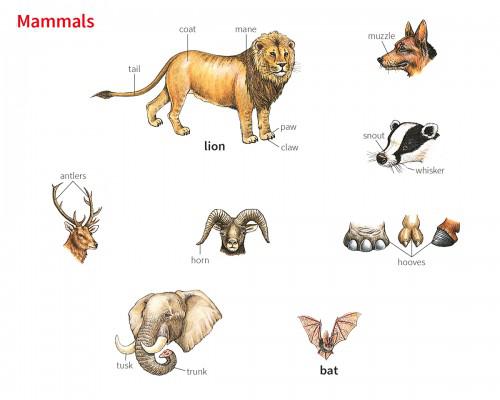
    hooves(noun)

    /huːvz/

    kuko

    plural of hoof: the hard parts of the feet of animals such as horses, cows and goats

    The horse's hooves clattered on the cobblestones.

    Kumalabog ang mga kuko ng kabayo sa mga batong daanan.

    Kasingkahuluganfeetclaws
    Kasalungathandspaws
  47. 47

    house-trained(adjective)

    /ˈhaʊs treɪnd/

    sanay sa bahay

    trained to defecate and urinate outside the house or in a special box

    Our dog is house-trained and doesn't make a mess inside.

    Ang aming aso ay sanay sa bahay at hindi gumagawa ng gulo sa loob.

    Kasingkahuluganpotty-trainedtoilet-trainedwell-behaved
    Kasalungatuntrainednot house-trained
  48. 48

    howl(verb)

    /haʊl/

    umiyak

    to make a long, loud call

    The wolf began to howl at the moon.

    Nagsimulang umiyak ang lobo sa buwan.

    Kasingkahuluganwailcryyowlbawlululate
    Kasalungatwhispermurmurquiet
  49. 49

    hunt(verb)

    /hʌnt/

    mangaso

    to go after wild animals in order to catch or kill them for food, sport or to make money

    The hunters went to hunt deer in the forest.

    Pumunta ang mga mangangaso upang mangaso ng usa sa kagubatan.

    Kasingkahuluganpursuesearchtrackchase
    Kasalungatavoidignorefleeneglect
  50. 50

    invertebrate(noun)

    /ɪnˈvɜːrtɪbrət/

    invertebrate

    any animal with no backbone , for example a worm

    A worm is an invertebrate.

    Ang isang uod ay isang invertebrate.

    Kasingkahuluganspinelessnon-vertebrate
    Kasalungatvertebrate
  51. 51

    mammal(noun)

    /ˈmæml/

    mamalya

    any animal that gives birth to live young, not eggs, and feeds its young on milk. Cows, humans and whales are all mammals .

    A whale is a mammal.

    Ang balyena ay isang mamalya.

    Kasingkahulugancreatureanimal
    Kasalungatreptilebirdfish
  52. 52

    mane(noun)

    /meɪn/

    mane

    the long hair on the neck of a horse or a lion

    The horse had a long, flowing mane.

    Ang kabayo ay may mahaba at umaagos na mane.

    Kasingkahuluganhairlocks
    Kasalungatbaldness
  53. 53

    mimicry(noun)

    /ˈmɪmɪkri/

    panggagaya, mimikri

    the way in which some animals or plants look like other animals or plants, which protects them

    The butterfly's mimicry protects it from predators.

    Pinoprotektahan ng panggagaya ng paruparo ang sarili nito laban sa mga maninila.

    Kasingkahuluganimitationsimulationcopyingrepresentation
    Kasalungatoriginalityauthenticityreality
  54. 54

    nocturnal(adjective)

    /nɑːkˈtɜːrnl/

    panulukoy

    active at night

    Owls are nocturnal animals.

    Ang mga kuwago ay mga hayop na panulukoy.

    Kasingkahulugannightlyafter darknight-active
    Kasalungatdiurnaldaytimematutinal
  55. 55

    omnivorous(adjective)

    /ɑːmˈnɪvərəs/

    omniboro

    eating all types of food, especially both plants and meat

    Humans are omnivorous creatures.

    Ang mga tao ay mga nilalang na omniboro.

    Kasingkahulugannon-selectiveundiscriminatingall-devouring
    Kasalungatherbivorouscarnivorous
  56. 56

    pod(noun)

    /pɑːd/

    kawan (ng balyena o lumba-lumba)

    a small group of sea animals, such as whales or dolphins, swimming together

    A pod of dolphins swam alongside our boat.

    Isang kawan ng mga lumba-lumba ang lumangoy sa tabi ng aming bangka.

    Kasingkahuluganhullshellcasingcapsule
    Kasalungatcoreinside
  57. 57

    pounce(verb)

    /paʊns/

    sumalakay

    to move suddenly forwards in order to attack or catch somebody/something

    The cat waited patiently, then decided to pounce on the mouse.

    Naghintay nang matiyaga ang pusa, pagkatapos ay nagpasya itong sumalakay sa daga.

    Kasingkahuluganleapspringjumpattack
    Kasalungatretreatwithdrawflee
  58. 58

    reptile(noun)

    /ˈreptaɪl/

    reptilya

    any animal that has cold blood and skin covered in scales , and that lays eggs. Snakes, crocodiles and tortoises are all reptiles .

    A snake is a type of reptile.

    Ang ahas ay isang uri ng reptilya.

    Kasingkahuluganscaly animalherptile
    Kasalungatmammalbirdamphibian
  59. 59

    roar(verb)

    /rɔːr/

    umungol, umatungal

    to make a very loud, deep sound

    Lions roar to warn other lions to stay away.

    Umaatungal ang mga leon upang balaan ang ibang leon na lumayo.

    Kasingkahuluganbellowthunderboomyell
    Kasalungatwhispermurmurquiet
  60. 60

    slither(verb)

    /ˈslɪðər/

    gumapang

    to move smoothly over a surface, like a snake

    The snake began to slither across the forest floor.

    Nagsimulang gumapang ang ahas sa sahig ng kagubatan.

    Kasingkahuluganslidecrawlcreepwrithe
    Kasalungatwalkhopjumpstand
  61. 61

    solitary(adjective)

    /ˈsɑːləteri/

    nag-iisa, namumuhay mag-isa

    (of animals) living alone, not in groups

    Tigers are solitary animals that hunt alone.

    Ang mga tigre ay mga hayop na namumuhay mag-isa at nangangaso nang nag-iisa.

    Kasingkahuluganaloneisolatedlonelyreclusive
    Kasalungatsocialoutgoinggregariousextroverted
  62. 62

    stray(adjective)

    /streɪ/

    gala, ligaw

    (of a pet animal) away from home and without an owner

    The stray dog was taken to the shelter.

    Dinala sa silungan ang asong gala.

    Kasingkahuluganlostwanderingroamingunclaimed
    Kasalungatfoundownedclaimed
  63. 63

    suckling(noun)

    /ˈsʌklɪŋ/

    supling na sumususo, batang sumususo

    a baby or young animal that is still drinking milk from its mother

    The suckling pig was very young.

    Napakabata pa ng biik na sumususo.

    Kasingkahulugannursingunweanedinfant
    Kasalungatweanedadult
  64. 64

    swarm(noun)

    /swɔːrm/

    kumpulan

    a large group of insects, especially bees, moving together in the same direction

    A swarm of bees flew out of the hive.

    Isang kumpol ng mga bubuyog ang lumipad palabas ng bahay-pukyutan.

    Kasingkahuluganthronghordemultitudeflockcloud
    Kasalungatfewindividualone
  65. 65

    swoop(verb)

    /swuːp/

    sumalpok, bumulusok

    to fly quickly and suddenly downwards, especially in order to attack somebody/something

    The hawk swooped down to catch a mouse.

    Bumulusok pababa ang lawin para manghuli ng daga.

    Kasingkahulugandiveplungedescendpounce
    Kasalungatascendrisesoar
  66. 66

    tabby(noun)

    /ˈtæbi/

    tabby

    a cat with brown or grey fur marked with dark lines or spots

    Our tabby cat loves to chase mice.

    Gustong habulin ng pusa naming tabby ang mga daga.

    Kasingkahuluganstriped catbrindle cat
    Kasalungatsolid color cat
  67. 67

    territorial(adjective)

    /ˌterəˈtɔːriəl/

    teritoryal, nagbabantay ng teritoryo

    (of animals) guarding and defending an area that they think is their own

    The cat was very territorial about its food bowl.

    Napaka-teritoryal ng pusa sa kaniyang mangkok ng pagkain.

    Kasingkahuluganregionalgeographicallocalized
    Kasalungatunconfinedunrestrictedopen
  68. 68

    venomous(adjective)

    /ˈvenəməs/

    makamandag

    producing venom

    The venomous snake bit the hiker.

    Kinagat ng makamandag na ahas ang hiker.

    Kasingkahuluganpoisonoustoxicnoxious
    Kasalungatharmlessnonpoisonoussafe
  69. 69

    vertebrate(adjective)

    /ˈvɜːrtɪbrət/

    bertebrado

    having a backbone

    A dog is a vertebrate animal.

    Ang aso ay isang hayop na bertebrado.

    Kasingkahuluganspinal animalbackboned animal
    Kasalungatinvertebrate
  70. 70

    webbed(adjective)

    /webd/

    may lamad

    a bird or an animal (such as a duck or frog) that has webbed feet has pieces of skin between the toes

    The duck has webbed feet to help it swim.

    Ang pato ay may mga paa na may lamad upang makatulong dito na lumangoy.

    Kasingkahuluganmembranouspalmate
    Kasalungatunwebbedseparated
  71. 71

    whiskers(noun)

    /ˈwɪskər/

    balbas ng pusa, bigote

    any of the long, stiff hairs that grow near the mouth of a cat, mouse, etc.

    The cat's whiskers twitched as it stalked its prey.

    Kumibot ang bigote ng pusa habang binubuntutan nito ang biktima.

    Kasingkahuluganfacial hairvibrissae
  72. 72

    wolves(noun)

    /wʊlvz/

    lobo

    plural of wolf: wild animals of the dog family that live and hunt in groups

    The wolves howled at the moon.

    Umungal ang mga lobo sa buwan.

    Kasingkahulugancaninespredatorscarnivores
    Kasalungatpreyherbivores
  73. 73

    adaptation(noun)

    /ˌædæpˈteɪʃn/

    adaptasyon

    the action or process of changing something, or of being changed, to suit a new purpose or situation

    The adaptation of animals to their environment is crucial for their survival.

    Ang adaptasyon ng mga hayop sa kanilang kapaligiran ay mahalaga para sa kanilang kaligtasan.

    Kasingkahuluganadjustmentmodificationalterationchangefitting
    Kasalungatinflexibilityrigidityresistanceinability
  74. 74

    adaptability(noun)

    /əˌdæptəˈbɪləti/

    kakayahang umangkop

    the quality of being able to change or be changed in order to deal successfully with new situations

    Her adaptability helped her thrive in the new environment.

    Ang kanyang kakayahang umangkop ay nakatulong sa kanya na umunlad sa bagong kapaligiran.

    Kasingkahuluganversatilityflexibilityresourcefulness
    Kasalungatinflexibilityrigiditystubbornness
  75. 75

    Bees(noun)

    /biz/

    Mga bubuyog

    plural of bee: black and yellow flying insects that make honey

    Bees make honey.

    Gumagawa ng pulot ang mga bubuyog.

    KasingkahuluganHoneybeesPollinators
    KasalungatWaspsHornets
  76. 76

    Butterflies(noun)

    /ˈbʌtərˌflaɪz/

    Paruparo

    plural of butterfly: flying insects with large, often brightly coloured wings

    Butterflies are beautiful insects.

    Ang mga paruparo ay magagandang insekto.

    KasingkahuluganMothsInsectsLepidopterans
    KasalungatNone
  77. 77

    Animal shelter(noun)

    /ˈænɪməl ˈʃɛltər/

    Kanlungan ng hayop

    a place where animals without a home are cared for until new owners are found

    The animal shelter provides a safe haven for abandoned pets.

    Ang kanlungan ng hayop ay nagbibigay ng ligtas na tahanan para sa mga abandonadong alagang hayop.

    KasingkahuluganAnimal rescuePet shelterAnimal sanctuary
    KasalungatAnimal breederSlaughterhouse
  78. 78

    Animal testing(noun)

    /ˈænɪməl ˈtɛstɪŋ/

    pagsubok sa hayop

    the use of animals in scientific tests to check that drugs or products are safe

    Animal testing is a controversial topic.

    Ang pagsubok sa hayop ay isang kontrobersyal na paksa.

    Kasingkahuluganvivisectionanimal experimentation
    Kasalungatin vitro testinghuman trials
  79. 79

    Antlers(noun)

    /ˈæntlərz/

    Sungay

    the horns, like branches, on the head of a male deer

    The deer's antlers were covered in velvet.

    Ang sungay ng usa ay nababalutan ng pelus.

    KasingkahuluganHornsSpikesBranches
    KasalungatNone
  80. 80

    Brink of extinction(phrase)

    /brɪŋk ʌv ɪkˈstɪŋkʃən/

    nanganganib na mapuksa

    very close to disappearing from the world completely

    The panda is on the brink of extinction.

    Ang panda ay nanganganib na mapuksa.

    Kasingkahuluganendangeredthreatenedcritically endangered
    Kasalungatthrivingflourishingabundant
  81. 81

    Budgies(noun)

    /ˈbʌdʒiz/

    budgerigars

    small, brightly coloured birds of the parrot family, often kept as pets

    I have two budgies in a cage.

    Mayroon akong dalawang budgerigar sa isang hawla.

    Kasingkahuluganbudgerigarparakeet
  82. 82

    Cheetahs(noun)

    /ˈtʃiːtəz/

    Mga cheetah

    large wild animals of the cat family with black spots, which can run very fast

    Cheetahs are the fastest land animals.

    Ang mga cheetah ay ang pinakamabilis na hayop sa lupa.

    Kasingkahuluganhunting catacinonyx jubatus
    Kasalungattortoisesnail
  83. 83

    Claws(noun)

    /klɔz/

    Mga kuko

    the sharp curved nails on the feet of some animals and birds

    The cat sharpened its claws on the scratching post.

    Pinatalas ng pusa ang mga kuko nito sa scratching post.

    Kasingkahulugantalonsnailspaws
    KasalungatNone
  84. 84

    Cloning technology(noun)

    /ˈkloʊnɪŋ tɛkˈnɒlədʒi/

    teknolohiya ng pagkopya

    the scientific methods used to produce an exact copy of an animal or plant

    Cloning technology has the potential to revolutionize medicine.

    Ang teknolohiya ng pagkopya ay may potensyal na baguhin ang medisina.

    Kasingkahulugangenetic replicationduplication technology
    Kasalungatnatural reproduction
  85. 85

    Dolphins(noun)

    /ˈdɒlfɪnz/

    Dolphins

    intelligent sea animals that look like large fish with a pointed mouth

    Dolphins are highly intelligent marine mammals.

    Ang mga dolphin ay napakatalinong mga mammal sa dagat.

    KasingkahuluganPorpoiseCetacean
  86. 86

    Elephants(noun)

    /ˈɛləfənts/

    mga elepante

    very large grey animals with big ears, two tusks and a long nose called a trunk

    Elephants are the largest land animals.

    Ang mga elepante ang pinakamalaking hayop sa lupa.

    Kasingkahuluganmammothsbehemoths
    Kasalungatmiceants
  87. 87

    Eusocial(adjective)

    /juːˈsoʊʃəl/

    Eusocial

    (of insects such as ants and bees) living in large groups in which different members do different jobs

    Ants are eusocial insects that live in colonies.

    Ang mga langgam ay mga insekto na eusocial na nakatira sa mga kolonya.

    KasingkahuluganHighly socialSocialCooperative
    KasalungatSolitaryIndividualistic
  88. 88

    Fangs(noun)

    /fæŋz/

    pangil

    the long sharp teeth of dogs, wolves, snakes, etc.

    The snake showed its sharp fangs.

    Ipinakita ng ahas ang matatalas nitong pangil.

    KasingkahuluganTusksCaninesTeeth
    KasalungatGums
  89. 89

    Feathers(noun)

    /ˈfɛðərz/

    balahibo

    the soft light parts that cover a bird's body

    The bird ruffled its feathers.

    Ginulo ng ibon ang kanyang mga balahibo.

    Kasingkahuluganplumagedownquills
    Kasalungatskinhair
  90. 90

    Fins(noun)

    /fɪnz/

    palikpik

    the thin flat parts on the body of a fish that help it to swim

    The fish used its fins to swim through the water.

    Ginamit ng isda ang mga palikpik nito upang lumangoy sa tubig.

    Kasingkahuluganappendageflipperswings
  91. 91

    Free-range chickens(noun)

    /friː reɪndʒ ˈtʃɪkənz/

    manok na malaya

    chickens that are allowed to move around outside rather than being kept in cages

    Free-range chickens produce better quality eggs.

    Ang mga manok na malaya ay nagbibigay ng mas mahusay na kalidad ng itlog.

    Kasingkahuluganpasture-raised chickenscage-free chickens
    Kasalungatcaged chickensbattery chickens
  92. 92

    Frogs(noun)

    /frɑɡz/

    palaka

    small animals with smooth skin and long back legs for jumping, that live in water and on land

    Frogs are amphibians that live in water and on land.

    Ang mga palaka ay mga amphibian na nabubuhay sa tubig at sa lupa.

    Kasingkahulugantoadsamphibians
    Kasalungatbirdsmammalsreptiles
  93. 93

    Giraffes(noun)

    /dʒəˈræfz/

    dyirap

    tall African animals with very long necks and legs

    Giraffes are the tallest mammals on Earth.

    Ang mga dyirap ay ang pinakamataas na mammal sa Daigdig.

    Kasingkahuluganlongneckscamelopards
    Kasalungatshort animals
  94. 94

    Gorillas(noun)

    /ɡəˈrɪləz/

    Gorilya

    very large, powerful African apes

    Gorillas are the largest living primates.

    Ang mga gorilya ang pinakamalaking nabubuhay na primate.

    KasingkahuluganApesGreat apesPrimate
    KasalungatHumansLesser primates
  95. 95

    Horns(noun)

    /hɔrnz/

    Mga sungay

    the hard pointed parts that grow on the heads of some animals, such as cows and goats

    The bull lowered its horns and charged.

    Ibinaba ng toro ang mga sungay nito at sumugod.

    KasingkahuluganAntlersProjectionsFeelers
    KasalungatSmoothnessPlainness
  96. 96

    In captivity(phrase)

    /ɪn kæpˈtɪvəti/

    sa pagkabihag

    (of animals) kept in a zoo, a cage, etc. and not free

    The lion was born in captivity.

    Ipinanganak ang leon sa pagkabihag.

    Kasingkahuluganimprisonedconfinedenslaved
    Kasalungatfreewildliberated
  97. 97

    Koalas(noun)

    /ˈkoʊələz/

    Koala

    Australian animals with thick grey fur that live in trees and eat leaves

    Koalas are native to Australia.

    Ang mga Koala ay katutubo sa Australia.

    Kasingkahuluganmarsupialsnative bears
  98. 98

    Lambing(noun)

    /ˈlæm.bɪŋ/

    panahon ng pagkakaanak ng tupa

    the time of year when sheep give birth to lambs

    Farmers are very busy during lambing in the spring.

    Abalang-abala ang mga magsasaka sa panahon ng pagkakaanak ng tupa tuwing tagsibol.

    KasingkahuluganAffectionTendernessEndearmentCaressFondness
    KasalungatColdnessIndifferenceApathyAloofness
  99. 99

    Lions(noun)

    /ˈlaɪənz/

    Mga leon

    large powerful wild animals of the cat family that live in Africa and southern Asia

    The lions roared loudly in the zoo.

    Umingol nang malakas ang mga leon sa zoo.

    Kasingkahuluganbig catsfelines
    Kasalungatpreylambs
  100. 100

    Parental care(noun)

    /pəˈrɛntəl kɛər/

    pag-aaruga ng magulang

    the care that animal parents give to their young

    Many birds show parental care by feeding their chicks.

    Maraming ibon ang nagpapakita ng pag-aaruga ng magulang sa pamamagitan ng pagpapakain sa kanilang mga sisiw.

    KasingkahuluganNurturingChild rearingUpbringingParenting
    KasalungatNeglectAbandonment
  101. 101

    Paws(noun)

    /pɔz/

    paa, tapak

    the feet of animals that have claws, such as dogs and cats

    The dog wiped mud all over the door with its paws.

    Pinahiran ng aso ng putik ang buong pinto gamit ang mga paa nito.

    Kasingkahuluganfeetclaws
    Kasalungathandshooves
  102. 102

    Penguins(noun)

    /ˈpɛŋɡwɪnz/

    Mga penguin

    black and white sea birds that cannot fly and live in the Antarctic

    Penguins are flightless birds that live in cold regions.

    Ang mga penguin ay mga ibong hindi lumilipad na nakatira sa mga malamig na rehiyon.

    KasingkahuluganSphenisciformes
  103. 103

    Pests(noun)

    /pɛsts/

    Peste

    insects or animals that destroy plants, food, etc.

    The farmer sprayed chemicals to get rid of the pests.

    Nag-spray ang magsasaka ng mga kemikal para alisin ang mga peste.

    KasingkahuluganVerminInfestationNuisance
    KasalungatBeneficial insectsHelpers
  104. 104

    Protective coloration(noun)

    /prəˈtɛktɪv ˌkʌləˈreɪʃən/

    Kulay pagbabalatkayo

    colours or patterns on an animal that help it to hide from its enemies

    The insect used protective coloration to blend in with the leaves.

    Ginamit ng insekto ang kulay pagbabalatkayo upang makisama sa mga dahon.

    Kasingkahulugancamouflagemimicrycryptic coloration
    Kasalungatconspicuousnessobviousness
  105. 105

    Roaming(adjective)

    /ˈroʊmɪŋ/

    gala, palaboy, palakad-lakad

    moving or travelling freely over a large area

    Roaming elephants sometimes damage the farmers' crops.

    Minsan ay sinisira ng mga gumagalang elepante ang mga pananim ng mga magsasaka.

    KasingkahuluganWanderingDriftingMoving
    KasalungatStationaryFixedSettled
  106. 106

    Rodents(noun)

    /ˈroʊdənts/

    mga daga

    small animals such as mice and rats that have strong sharp front teeth

    Mice and rats are common rodents.

    Ang mga daga at mga daga ay karaniwang mga daga.

    Kasingkahulugangnawersvermin
    KasalungatNone
  107. 107

    Scales(noun)

    /skeɪlz/

    kaliskis

    the small thin plates that cover the skin of fish and reptiles

    The fish's scales shone in the sunlight.

    Kumislap sa sikat ng araw ang mga kaliskis ng isda.

    Kasingkahuluganbalanceweighing machinemeasuring device
    Kasalungatestimateguess
  108. 108

    Scent-marking(noun)

    /sɛnt ˈmɑːrkɪŋ/

    pagmamarka gamit ang amoy

    the way animals leave their smell on objects to mark the area they live in

    Scent-marking helps tigers warn others to stay out of their area.

    Nakatutulong ang pagmamarka gamit ang amoy upang balaan ng mga tigre ang iba na lumayo sa kanilang teritoryo.

    Kasingkahuluganfragrance creationperfume makingaroma synthesis
    Kasalungatscent destructionodor elimination
  109. 109

    Sharks(noun)

    /ʃɑrks/

    Pating

    large sea fish with very sharp teeth

    Sharks are apex predators in the ocean.

    Ang mga pating ay mga apex predator sa karagatan.

    KasingkahuluganFishPredators
    KasalungatPreyVictims
  110. 110

    Snakes(noun)

    /sneɪks/

    Ahas

    reptiles with very long thin bodies and no legs

    Snakes are reptiles with long, limbless bodies.

    Ang mga ahas ay mga reptilya na may mahaba at walang paa na katawan.

    Kasingkahuluganserpentsreptiles
  111. 111

    Tails(noun)

    /teɪlz/

    buntot

    the parts at the back of animals' bodies that they can move

    Dogs wag their tails when they are happy.

    Ikinakawag ng mga aso ang kanilang mga buntot kapag masaya sila.

    Kasingkahuluganrearendextremity
    Kasalungatheadfront
  112. 112

    Tentacles(noun)

    /ˈtɛn.tə.kəlz/

    galamay

    the long thin arms of an octopus, a squid, etc., used for feeling and holding

    The octopus used its tentacles to grab the crab.

    Ginamit ng pugita ang mga galamay nito para sunggaban ang alimango.

    Kasingkahuluganappendagesarmsfeelers
    Kasalungatnone
  113. 113

    Tigers(noun)

    /ˈtaɪɡərz/

    Mga tigre

    large wild animals of the cat family with orange fur and black stripes

    Tigers are apex predators.

    Ang mga tigre ay mga apex predator.

    KasingkahuluganStriped catsBig cats
    KasalungatPrey
  114. 114

    Wings(noun)

    /wɪŋz/

    Mga pakpak

    the parts of a bird's or insect's body that it uses for flying

    The bird spread its wings and flew away.

    Ibinuka ng ibon ang kanyang mga pakpak at lumipad palayo.

    KasingkahuluganPinionsPlumesFlight appendages
    KasalungatRestrictionImprisonmentConfinement
  115. 115

    pack(noun)

    /pæk/

    grupo, kawan

    a group of wild animals, especially wolves or dogs, that hunt together

    A pack of wolves was hunting in the forest.

    Isang kawan ng mga lobo ang nangangaso sa kagubatan.

  116. 116

    pride(noun)

    /praɪd/

    kawan ng mga leon

    a group of lions

    A pride of lions was resting in the shade.

    Isang kawan ng mga leon ang nagpapahinga sa lilim.

  117. 117

    school(noun)

    /skuːl/

    kawan ng isda, bangkâ ng isda

    a large group of fish or other sea animals swimming together

    A school of fish swam past our boat.

    Isang kawan ng isda ang lumangoy sa tabi ng aming bangka.

  118. 118

    mate(noun)

    /meɪt/

    kapareha, kapares

    the sexual partner of a bird or an animal

    The male bird sings to attract a mate.

    Umaawit ang lalaking ibon para makaakit ng kapareha.

  119. 119

    Trunk(noun)

    /trʌŋk/

    nguso ng elepante, tromba

    the long nose of an elephant

    The elephant lifted the log with its trunk.

    Binuhat ng elepante ang troso gamit ang tromba nito.

  120. 120

    colony(noun)

    /ˈkɑːləni/

    kolonya, kawan, pamayanan

    a group of animals or plants of the same type living closely together

    Ants live in large colonies under the ground.

    Naninirahan ang mga langgam sa malalaking kolonya sa ilalim ng lupa.

  121. 121

    troop(noun)

    /truːp/

    kawan, pangkat

    a group of monkeys or other animals of the same type

    A troop of monkeys was playing in the trees.

    Isang kawan ng mga unggoy ang naglalaro sa mga puno.