본문으로 건너뛰기

레슨 27/33 · 121단어 · 외운 단어 0

Animal

동물

  1. 1

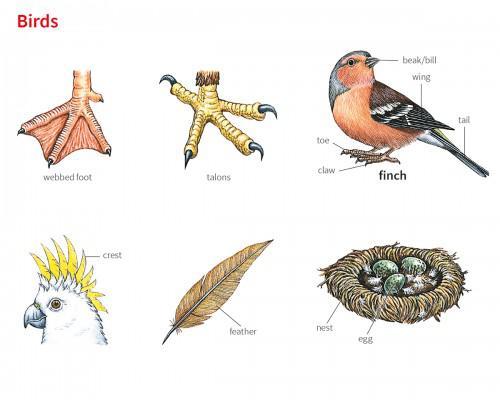
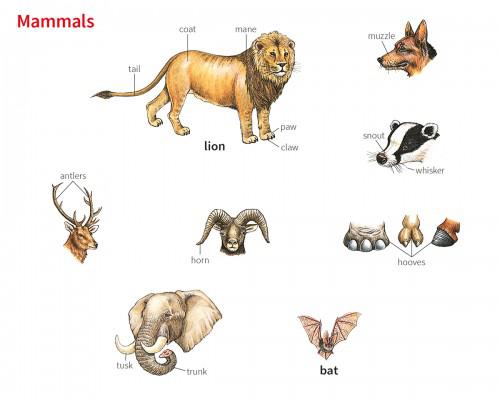
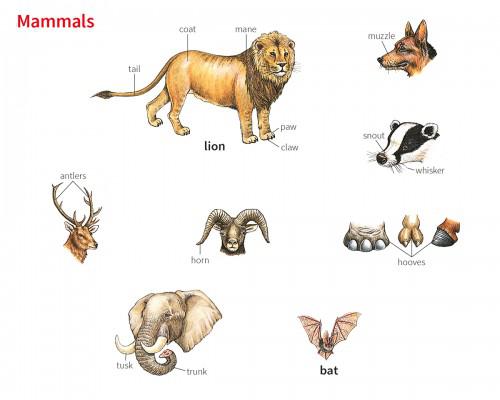
    tail(noun)

    /teɪl/

    꼬리 (kkori)

    the part that sticks out at the back of the body of a bird, an animal or a fish, which the animal can move from side to side or up and down

    My cat has a long tail.

    내 고양이는 긴 꼬리를 가지고 있습니다.

    The dog ran up, wagging its tail.

    유의어rearendextremitytraincaudal appendage
    반의어frontheadbeginning
  2. 2

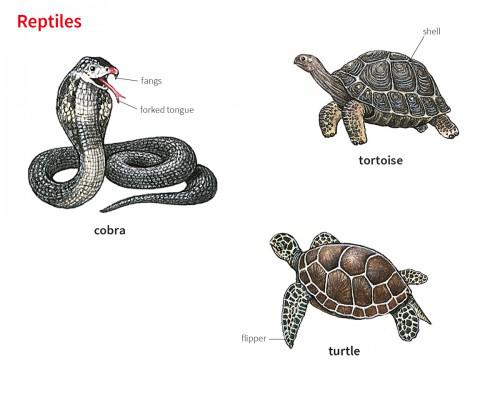
    shell(noun)

    /ʃel/

    조개껍데기 (jogaekkeopdegi)

    the hard outer part of eggs, nuts, some seeds, and some animals

    I like collecting sea shells.

    저는 조개껍데기 모으는 것을 좋아합니다.

    We collected shells on the beach.

    유의어huskcasecoveringtestexoskeletonhull
    반의어kernelpulpmeatinsidescore
  3. 3

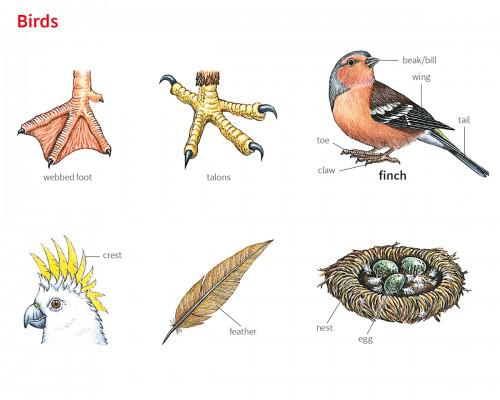
    nest(noun)

    /nest/

    둥지 (dungji)

    a hollow place or structure that a bird makes or chooses for laying its eggs in and sheltering its young

    sparrows building a nest of twigs and dry grass

    참새들이 잔가지와 마른 풀로 둥지를 짓고 있다

    The match has been postponed to a later date.

    유의어lairdenroostbreeding placeretreathavensanctuary
    반의어exposurewildernessopenoutside
  4. 4

    fur(noun)

    /fɜːr/

    털 (teol)

    the soft thick mass of hair that grows on the body of some animals

    The cat is licking its fur.

    고양이가 자기 털을 핥고 있다. (Goyang-iga jagi teol-eul halgo itda.)

    fashionable clothes/furniture/ideas

    유의어haircoatpeltwool
    반의어skinbarenesshairlessness
  5. 5

    swim(verb)

    /swɪm/

    수영하다 (suyeonghada)

    to move through water by moving your arms and legs, without touching the bottom

    She can swim very fast.

    그녀는 매우 빨리 수영할 수 있습니다. (Geunyeoneun maeu ppalli suyeonghal su isseumnida.)

    I can't swim.

    유의어floatpaddlestrokeglidedrift
    반의어sinkdrownfounder
  6. 6

    beak(noun)

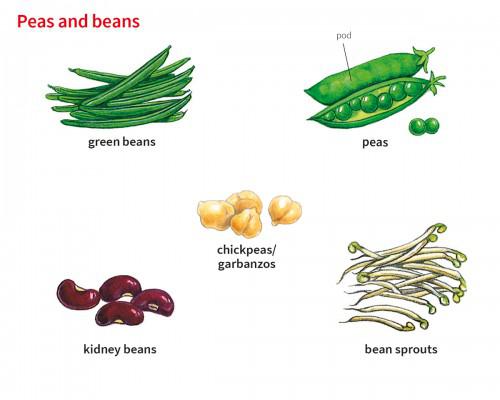
    /biːk/

    부리

    the hard pointed or curved outer part of a bird’s mouth

    The gull held the fish in its beak.

    갈매기가 부리에 물고기를 물고 있었다.

    to replace the batteries

    유의어billnebmandible
  7. 7

    strength(noun)

    /streŋkθ/

    힘 (him)

    the quality of being physically strong

    He pushed against the rock with all his strength.

    그는 온 힘을 다해 바위를 밀었다.

    She didn't have the strength to walk any further.

    유의어powerforcemightpotencyvigorenergy
    반의어weaknessfrailtyimpotencefeebleness
  8. 8

    wild(adjective)

    /waɪld/

    야생의, 야생

    living or growing in natural conditions; not kept in a house or on a farm

    Many wild animals live in this forest.

    이 숲에는 많은 야생 동물이 산다.

    유의어untamedferaluncultivatednaturalsavageundomesticateduncontrolled
    반의어tamedomesticatedcultivatedcontrolledmild
  9. 9

    bird(noun)

    /bɜːrd/

    새 (sae)

    a creature that is covered with feathers and has two wings and two legs. Most birds can fly.

    More than a third of Britain's bird species need urgent protection

    영국 조류 종의 3분의 1 이상이 긴급한 보호가 필요합니다.

    More than a third of Britain's bird species need urgent protection.

    유의어fowlaviansongbirdraptorcreature
    반의어mammalfishreptile
  10. 10

    speed(noun)

    /spiːd/

    속도 (sokdo)

    the rate at which somebody/something moves or travels

    There are speed restrictions on this road.

    이 도로에는 속도 제한이 있습니다. (I doroe-neun sokdo jehan-i isseumnida.)

    유의어velocitypaceswiftnessrapidityhasteacceleration
    반의어slownessdeliberationleisuredelay
  11. 11

    fly(verb)

    /flaɪ/

    날다 (nalda)

    to move through the air, using wings

    This bird cannot fly.

    이 새는 날 수 없습니다.

    A wasp had flown in through the window.

    유의어soarglidewingascendfloathovertravel by air
    반의어falldescenddropsinkplungestayremain
  12. 12

    fish(noun)

    /fɪʃ/

    물고기

    a creature that lives in water, breathes through gills , and uses fins and a tail for swimming

    There are many fish in this pond.

    이 연못에는 물고기가 많습니다.

    You can fish for trout in this stream.

    유의어finny creatureaquatic animal
    반의어mammalbirdreptile
  13. 13

    Insect(noun)

    /ˈɪnsekt/

    곤충 (gonchung)

    any small creature with six legs and a body divided into three parts. Insects usually also have wings. Ants , bees and flies are all insects .

    Insects are the most diverse group of animals

    곤충은 가장 다양한 동물군입니다. (gonchungeun gajang dayanghan dongmulgunimnida.)

    유의어bugcreepy-crawlyarthropod
    반의어vertebratemammalanimal (in a general sensewhen focusing on non-insect types)
  14. 14

    livestock(noun)

    /ˈlaɪvstɑːk/

    가축 (gachuk)

    the animals kept on a farm, for example cows or sheep

    They have some livestock in their farm.

    그들은 농장에 가축을 키우고 있습니다.

    유의어farm animalsdomestic animalsstockcattle
    반의어wildlifewild animals
  15. 15

    habitat(noun)

    /ˈhæbɪtæt/

    서식지

    the place where a particular type of animal or plant is normally found

    Can we use natural resources without destroying wildlife habitat?

    우리는 야생동물 서식지를 파괴하지 않고 천연자원을 사용할 수 있을까?

    유의어environmentnatural environmenthometerritorydomainrangelocaleregion
    반의어foreign environmentartificial environmentalien environment
  16. 16

    prey(noun)

    /preɪ/

    먹이, 사냥감

    an animal, a bird, etc. that is hunted, killed and eaten by another

    The eagle watched its prey from high in the sky.

    독수리는 높은 하늘에서 먹잇감을 지켜보았다.

    유의어victimtargetquarrydupesucker
    반의어predatorhunterattacker
  17. 17

    biodiversity(noun)

    /ˌbaɪəʊdaɪˈvɜːrsəti/

    생물 다양성 (saengmul dayangseong)

    the existence of a large number of different kinds of animals and plants which make a balanced environment

    A new National Biological Survey will protect species habitat and biodiversity.

    새로운 국립 생물 조사에서는 종 서식지와 생물 다양성을 보호할 것입니다.

    유의어variety of lifebiological diversityecological diversityspecies richnessgenetic diversity
    반의어monocultureuniformitylack of diversitybiological uniformity
  18. 18

    ecosystem(noun)

    /ˈiːkəʊsɪstəm/

    생태계 (saengtae gye)

    all the plants and living creatures in a particular area considered in relation to their physical environment

    different ecosystems and biomes on our planet

    우리 행성의 다양한 생태계와 생물 군계

    유의어ecological communityenvironmenthabitatbiosphere
    반의어none (ecosystem is a specific term with no direct antonym)abiotic environment (could be considered an opposite in some contexts)
  19. 19

    migrate(verb)

    /ˈmaɪɡreɪt/

    이동하다, 이주하다

    to move from one part of the world to another according to the season

    Many birds migrate south for the winter.

    많은 새들이 겨울을 나기 위해 남쪽으로 이동한다.

    유의어relocatemoveemigrateimmigratetransplantresettle
    반의어stayremainsettlestay put
  20. 20

    conservation(noun)

    /ˌkɑːnsərˈveɪʃn/

    보존 (bojon)

    the protection of the natural environment

    This kind of bird is protected by conservation plans.

    이 종류의 새는 보존 계획에 의해 보호됩니다.

    유의어preservationprotectionsafeguardingmaintenanceupkeep
    반의어destructiondepletionwasteneglectexploitation
  21. 21

    endangered(adjective)

    /ɪnˈdeɪndʒərd/

    멸종 위기

    (used especially about groups of animals, plants, etc.) at risk of no longer existing

    The panda is one of the most endangered species.

    판다는 가장 멸종 위기에 처한 종 중 하나입니다.

    유의어threatenedat riskimperiledjeopardizedvulnerable
    반의어safeprotectedsecurethrivingflourishing
  22. 22

    puppy(noun)

    /ˈpʌpi/

    강아지 (gang-aji)

    a young dog

    Our dog has just had four puppies.

    우리 개가 강아지 네 마리를 낳았어요.

    유의어whelpdogletpup
    반의어adult dogfully grown dog
  23. 23

    predator(noun)

    /ˈpredətər/

    포식자 (posikja)

    an animal that kills and eats other animals

    the relationship between predator and prey

    포식자와 피식자의 관계 (posikja-wa pisikja-ui gwangye)

    유의어huntercarnivoreassailantattackermarauderplunderer
    반의어preyvictimdefenderprotector
  24. 24

    herd(noun)

    /hɜːrd/

    떼, 무리

    a group of animals of the same type that live and feed together

    A herd of cows was grazing in the field.

    소 떼가 들판에서 풀을 뜯고 있었다.

    유의어flockpackgroupcollectionassemblydroveswarm
    반의어individuallonersingletononeseparate
  25. 25

    agile(adjective)

    /ˈædʒl/

    민첩한, 재빠른

    able to move quickly and easily

    The agile cat jumped easily onto the high wall.

    그 민첩한 고양이는 높은 담 위로 쉽게 뛰어올랐다.

    유의어nimblequickfleetsprylithesuppleresponsiveflexible
    반의어clumsyinflexiblesluggishrigidstiff
  26. 26

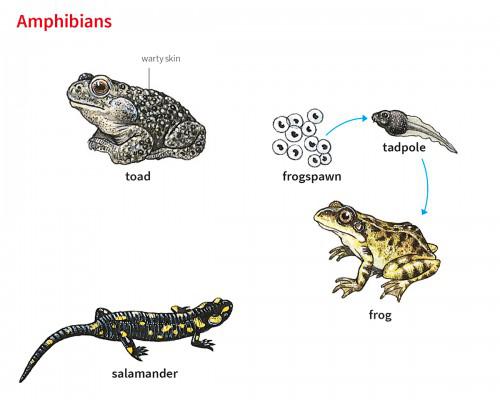
    amphibian(noun)

    /æmˈfɪbiən/

    양서류 (yangseoryu)

    any animal that can live both on land and in water. Amphibians have cold blood and skin without scales . Frogs , toads and newts are all amphibians .

    A frog is an example of an amphibian.

    개구리는 양서류의 한 예입니다.

    유의어caeciliansalamanderfrogtoad
    반의어reptilemammalbird
  27. 27

    blunt(adjective)

    /blʌnt/

    무딘, 뭉툭한

    without a sharp edge or point

    The knife was blunt and couldn't cut the tomato.

    칼이 무뎌서 토마토를 자를 수 없었다.

    유의어dullobtuseunsharpeneddirectforthrightcandid
    반의어sharppointedkeensubtletactfulpolite
  28. 28

    bred(verb)

    /bred/

    사육된

    past tense and past participle of breed: kept animals in order to produce young ones

    This dog was bred for hunting.

    이 개는 사냥을 위해 사육되었습니다.

    유의어raisedcultivatedrearednurtured
    반의어unbornwild
  29. 29

    burrow(noun)

    /ˈbɜːrəʊ/

    굴, 토굴

    a hole or tunnel in the ground made by an animal such as a rabbit, for it to live in

    The rabbit disappeared into its burrow.

    토끼는 자기 굴 속으로 사라졌다.

    유의어tunnelholedenshelterexcavate
    반의어surfaceopenexposed
  30. 30

    buzz(noun)

    /bʌz/

    윙윙거리는 소리, 붕붕 소리

    a continuous low sound, like the sound that a bee makes

    I could hear the buzz of the bees in the garden.

    정원에서 벌들이 윙윙거리는 소리가 들렸다.

    유의어humdronewhirrmurmurvibration
    반의어silencequiet
  31. 31

    camouflage(noun)

    /ˈkæməflɑːʒ/

    위장, 보호색

    the way in which an animal's colour or shape matches its surroundings and makes it difficult to see

    The leopard's spots act as camouflage in the forest.

    표범의 점무늬는 숲속에서 위장 역할을 한다.

    유의어disguiseconcealmentmaskcover
    반의어exposurerevealuncovershow
  32. 32

    camouflaged(adjective)

    /ˈkæməflɑːʒ/

    위장한, 보호색을 띤

    hidden by having a colour or shape that matches the surroundings

    The camouflaged insect was hard to see on the branch.

    위장한 곤충은 나뭇가지 위에서 눈에 잘 띄지 않았다.

    유의어disguisedmaskedconcealedhiddencovered up
    반의어exposedrevealeduncoveredvisibleobvious
  33. 33

    carnivorous(adjective)

    /kɑːrˈnɪvərəs/

    육식성의

    eating meat; consisting of meat

    Lions are carnivorous animals.

    사자는 육식 동물입니다.

    유의어meat-eatingpredatoryflesh-eating
    반의어herbivorousvegetarianplant-eating
  34. 34

    chirp(noun)

    /tʃɜːrp/

    짹짹 소리, 지저귐

    a short high sound made by small birds and some insects

    We woke up to the chirp of birds outside the window.

    우리는 창밖에서 들려오는 새들의 지저귀는 소리에 잠에서 깼다.

    유의어twittertrillwarblecheep
    반의어silenceroarscream
  35. 35

    companionable(adjective)

    /kəmˈpænjənəbl/

    붙임성 있는

    friendly

    He was a companionable sort of person, easy to talk to.

    그는 붙임성 있는 사람이어서 말하기 쉬웠다.

    유의어sociablefriendlygregariousamiableoutgoing
    반의어unsociableunfriendlyreservedaloofintroverted
  36. 36

    crawl(verb)

    /krɔːl/

    기다 (gida)

    to move forward on your hands and knees or with your body close to the ground

    The baby began to crawl across the floor.

    아기가 바닥을 기기 시작했다.

    유의어creepinchwormslither
    반의어walkrunsprintstand
  37. 37

    diurnal(adjective)

    /daɪˈɜːrnl/

    주행성의

    active during the day

    Squirrels are diurnal animals.

    다람쥐는 주행성 동물입니다.

    유의어dailydaytimeactive during the day
    반의어nocturnal
  38. 38

    domesticated(adjective)

    /dəˈmestɪkeɪtɪd/

    길들여진

    used to living with or working for humans

    The dog is a domesticated animal.

    개는 길들여진 동물입니다.

    유의어tamecultivatedtrained
    반의어wilduntamedferal
  39. 39

    echolocation(noun)

    /ˌekəʊləʊˈkeɪʃn/

    반향정위

    the use of reflected sound waves for finding things, especially by creatures such as dolphins and bats

    Bats use echolocation to navigate in the dark.

    박쥐는 어둠 속에서 길을 찾기 위해 반향정위를 사용합니다.

    유의어biosonarsonar
    반의어silencedarkness
  40. 40

    exoskeleton(noun)

    /ˈeksəʊskelɪtn/

    외골격

    a hard outer layer that protects the bodies of certain animals, such as insects

    Crabs have an exoskeleton that protects their soft bodies.

    게는 부드러운 몸을 보호하는 외골격을 가지고 있습니다.

    유의어shellcuticle
    반의어endoskeleton
  41. 41

    exotic(adjective)

    /ɪɡˈzɑːtɪk/

    이국적인

    from or in another country, especially a tropical one; seeming exciting and unusual because it seems to be connected with foreign countries

    The zoo has many exotic animals.

    그 동물원에는 많은 이국적인 동물들이 있습니다.

    유의어foreignunusualstrangestrikingcolorful
    반의어commonfamiliarnativeordinary
  42. 42

    flock(noun)

    /flɑːk/

    무리 (muri)

    a group of sheep, goats or birds of the same type

    A flock of birds flew south for the winter.

    한 무리의 새들이 겨울을 위해 남쪽으로 날아갔다.

    유의어groupherdswarmgathering
    반의어individualscattered
  43. 43

    gallop(verb)

    /ˈɡæləp/

    전속력으로 달리다

    when a horse or similar animal gallops , it moves very fast and each stride includes a stage when all four feet are off the ground together

    The horse galloped across the field.

    말이 들판을 전속력으로 달렸다.

    유의어runsprintracespeed
    반의어walkambletrot
  44. 44

    herbivorous(adjective)

    /ɜːrˈbɪvərəs/

    초식성의

    eating only plants

    Cows are herbivorous animals.

    소는 초식 동물입니다.

    유의어plant-eatingphytophagous
    반의어carnivorousomnivorous
  45. 45

    hibernation(noun)

    /ˌhaɪbərˈneɪʃn/

    동면

    a state like deep sleep in which some animals spend the winter

    Bears go into hibernation during the winter months.

    곰은 겨울 동안 동면에 들어갑니다.

    유의어dormancytorporinactivityaestivation
    반의어activitywakefulnessenergy
  46. 46

    hooves(noun)

    /huːvz/

    발굽

    plural of hoof: the hard parts of the feet of animals such as horses, cows and goats

    The horse's hooves clattered on the cobblestones.

    말의 발굽이 조약돌 위에서 달그락거렸다.

    유의어feetclaws
    반의어handspaws
  47. 47

    house-trained(adjective)

    /ˈhaʊs treɪnd/

    집에서 훈련된

    trained to defecate and urinate outside the house or in a special box

    Our dog is house-trained and doesn't make a mess inside.

    우리 개는 집에서 훈련을 받아 집 안을 더럽히지 않습니다.

    유의어potty-trainedtoilet-trainedwell-behaved
    반의어untrainednot house-trained
  48. 48

    howl(verb)

    /haʊl/

    울부짖다

    to make a long, loud call

    The wolf began to howl at the moon.

    늑대가 달을 보고 울부짖기 시작했다.

    유의어wailcryyowlbawlululate
    반의어whispermurmurquiet
  49. 49

    hunt(verb)

    /hʌnt/

    사냥하다

    to go after wild animals in order to catch or kill them for food, sport or to make money

    The hunters went to hunt deer in the forest.

    사냥꾼들은 숲으로 사슴을 사냥하러 갔다.

    유의어pursuesearchtrackchase
    반의어avoidignorefleeneglect
  50. 50

    invertebrate(noun)

    /ɪnˈvɜːrtɪbrət/

    무척추동물

    any animal with no backbone , for example a worm

    A worm is an invertebrate.

    지렁이는 무척추동물입니다.

    유의어spinelessnon-vertebrate
    반의어vertebrate
  51. 51

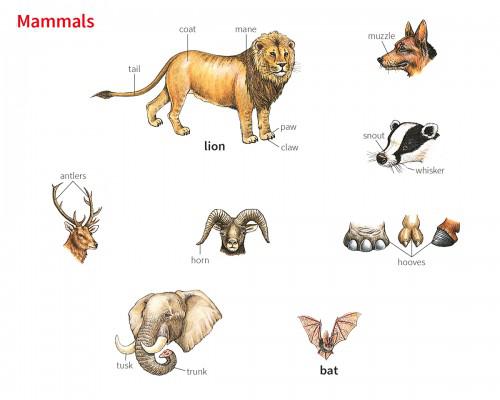
    mammal(noun)

    /ˈmæml/

    포유류

    any animal that gives birth to live young, not eggs, and feeds its young on milk. Cows, humans and whales are all mammals .

    A whale is a mammal.

    고래는 포유류입니다.

    유의어creatureanimal
    반의어reptilebirdfish
  52. 52

    mane(noun)

    /meɪn/

    갈기

    the long hair on the neck of a horse or a lion

    The horse had a long, flowing mane.

    그 말은 길고 찰랑거리는 갈기를 가지고 있었다.

    유의어hairlocks
    반의어baldness
  53. 53

    mimicry(noun)

    /ˈmɪmɪkri/

    의태, 모방

    the way in which some animals or plants look like other animals or plants, which protects them

    The butterfly's mimicry protects it from predators.

    그 나비는 의태 덕분에 포식자로부터 보호받는다.

    유의어imitationsimulationcopyingrepresentation
    반의어originalityauthenticityreality
  54. 54

    nocturnal(adjective)

    /nɑːkˈtɜːrnl/

    야행성의

    active at night

    Owls are nocturnal animals.

    올빼미는 야행성 동물입니다.

    유의어nightlyafter darknight-active
    반의어diurnaldaytimematutinal
  55. 55

    omnivorous(adjective)

    /ɑːmˈnɪvərəs/

    잡식성의

    eating all types of food, especially both plants and meat

    Humans are omnivorous creatures.

    인간은 잡식성 동물이다.

    유의어non-selectiveundiscriminatingall-devouring
    반의어herbivorouscarnivorous
  56. 56

    pod(noun)

    /pɑːd/

    작은 떼, 무리

    a small group of sea animals, such as whales or dolphins, swimming together

    A pod of dolphins swam alongside our boat.

    돌고래 한 무리가 우리 배 옆에서 함께 헤엄쳤다.

    유의어hullshellcasingcapsule
    반의어coreinside
  57. 57

    pounce(verb)

    /paʊns/

    덮치다

    to move suddenly forwards in order to attack or catch somebody/something

    The cat waited patiently, then decided to pounce on the mouse.

    고양이는 참을성 있게 기다리다가 쥐를 덮치기로 결정했습니다.

    유의어leapspringjumpattack
    반의어retreatwithdrawflee
  58. 58

    reptile(noun)

    /ˈreptaɪl/

    파충류

    any animal that has cold blood and skin covered in scales , and that lays eggs. Snakes, crocodiles and tortoises are all reptiles .

    A snake is a type of reptile.

    뱀은 파충류의 한 종류입니다.

    유의어scaly animalherptile
    반의어mammalbirdamphibian
  59. 59

    roar(verb)

    /rɔːr/

    포효하다, 으르렁거리다

    to make a very loud, deep sound

    Lions roar to warn other lions to stay away.

    사자는 다른 사자들이 접근하지 못하도록 경고하기 위해 포효한다.

    유의어bellowthunderboomyell
    반의어whispermurmurquiet
  60. 60

    slither(verb)

    /ˈslɪðər/

    미끄러지듯 움직이다

    to move smoothly over a surface, like a snake

    The snake began to slither across the forest floor.

    뱀이 숲 바닥을 미끄러지듯 움직이기 시작했다.

    유의어slidecrawlcreepwrithe
    반의어walkhopjumpstand
  61. 61

    solitary(adjective)

    /ˈsɑːləteri/

    단독 생활을 하는, 혼자 사는

    (of animals) living alone, not in groups

    Tigers are solitary animals that hunt alone.

    호랑이는 혼자 사냥하는 단독 생활 동물이다.

    유의어aloneisolatedlonelyreclusive
    반의어socialoutgoinggregariousextroverted
  62. 62

    stray(adjective)

    /streɪ/

    길 잃은, 주인 없는, 떠돌이의

    (of a pet animal) away from home and without an owner

    The stray dog was taken to the shelter.

    그 길 잃은 개는 보호소로 보내졌다.

    유의어lostwanderingroamingunclaimed
    반의어foundownedclaimed
  63. 63

    suckling(noun)

    /ˈsʌklɪŋ/

    젖먹이

    a baby or young animal that is still drinking milk from its mother

    The suckling pig was very young.

    젖먹이 돼지는 매우 어렸다.

    유의어nursingunweanedinfant
    반의어weanedadult
  64. 64

    swarm(noun)

    /swɔːrm/

    떼

    a large group of insects, especially bees, moving together in the same direction

    A swarm of bees flew out of the hive.

    벌떼가 벌집에서 날아갔다.

    유의어thronghordemultitudeflockcloud
    반의어fewindividualone
  65. 65

    swoop(verb)

    /swuːp/

    급강하하다, 덮치다

    to fly quickly and suddenly downwards, especially in order to attack somebody/something

    The hawk swooped down to catch a mouse.

    매가 쥐를 잡으려고 급강하했다.

    유의어diveplungedescendpounce
    반의어ascendrisesoar
  66. 66

    tabby(noun)

    /ˈtæbi/

    얼룩 고양이

    a cat with brown or grey fur marked with dark lines or spots

    Our tabby cat loves to chase mice.

    우리 얼룩 고양이는 쥐 쫓는 것을 좋아합니다.

    유의어striped catbrindle cat
    반의어solid color cat
  67. 67

    territorial(adjective)

    /ˌterəˈtɔːriəl/

    영역을 지키려는, 텃세 부리는

    (of animals) guarding and defending an area that they think is their own

    The cat was very territorial about its food bowl.

    그 고양이는 자기 밥그릇에 대해 텃세가 매우 심했다.

    유의어regionalgeographicallocalized
    반의어unconfinedunrestrictedopen
  68. 68

    venomous(adjective)

    /ˈvenəməs/

    독성의

    producing venom

    The venomous snake bit the hiker.

    독성의 뱀이 등산객을 물었다.

    유의어poisonoustoxicnoxious
    반의어harmlessnonpoisonoussafe
  69. 69

    vertebrate(adjective)

    /ˈvɜːrtɪbrət/

    척추가 있는, 척추동물의

    having a backbone

    A dog is a vertebrate animal.

    개는 척추동물이다.

    유의어spinal animalbackboned animal
    반의어invertebrate
  70. 70

    webbed(adjective)

    /webd/

    물갈퀴가 있는

    a bird or an animal (such as a duck or frog) that has webbed feet has pieces of skin between the toes

    The duck has webbed feet to help it swim.

    오리는 수영을 돕기 위해 물갈퀴가 있는 발을 가지고 있습니다.

    유의어membranouspalmate
    반의어unwebbedseparated
  71. 71

    whiskers(noun)

    /ˈwɪskər/

    수염

    any of the long, stiff hairs that grow near the mouth of a cat, mouse, etc.

    The cat's whiskers twitched as it stalked its prey.

    고양이는 먹잇감을 몰래 쫓으며 수염을 씰룩거렸다.

    유의어facial hairvibrissae
  72. 72

    wolves(noun)

    /wʊlvz/

    늑대 (neukdae)

    plural of wolf: wild animals of the dog family that live and hunt in groups

    The wolves howled at the moon.

    늑대들은 달을 향해 울부짖었다.

    유의어caninespredatorscarnivores
    반의어preyherbivores
  73. 73

    adaptation(noun)

    /ˌædæpˈteɪʃn/

    적응

    the action or process of changing something, or of being changed, to suit a new purpose or situation

    The adaptation of animals to their environment is crucial for their survival.

    동물이 환경에 적응하는 것은 생존에 매우 중요합니다.

    유의어adjustmentmodificationalterationchangefitting
    반의어inflexibilityrigidityresistanceinability
  74. 74

    adaptability(noun)

    /əˌdæptəˈbɪləti/

    적응성

    the quality of being able to change or be changed in order to deal successfully with new situations

    Her adaptability helped her thrive in the new environment.

    그녀의 적응력은 새로운 환경에서 그녀가 번성하는 데 도움이 되었습니다.

    유의어versatilityflexibilityresourcefulness
    반의어inflexibilityrigiditystubbornness
  75. 75

    Bees(noun)

    /biz/

    벌 (Beol)

    plural of bee: black and yellow flying insects that make honey

    Bees make honey.

    벌은 꿀을 만든다. (Beoreun kkureul mandeunda.)

    유의어HoneybeesPollinators
    반의어WaspsHornets
  76. 76

    Butterflies(noun)

    /ˈbʌtərˌflaɪz/

    나비

    plural of butterfly: flying insects with large, often brightly coloured wings

    Butterflies are beautiful insects.

    나비는 아름다운 곤충입니다.

    유의어MothsInsectsLepidopterans
    반의어None
  77. 77

    Animal shelter(noun)

    /ˈænɪməl ˈʃɛltər/

    동물 보호소

    a place where animals without a home are cared for until new owners are found

    The animal shelter provides a safe haven for abandoned pets.

    동물 보호소는 버려진 애완동물에게 안전한 안식처를 제공합니다.

    유의어Animal rescuePet shelterAnimal sanctuary
    반의어Animal breederSlaughterhouse
  78. 78

    Animal testing(noun)

    /ˈænɪməl ˈtɛstɪŋ/

    동물 실험

    the use of animals in scientific tests to check that drugs or products are safe

    Animal testing is a controversial topic.

    동물 실험은 논란의 여지가 있는 주제입니다.

    유의어vivisectionanimal experimentation
    반의어in vitro testinghuman trials
  79. 79

    Antlers(noun)

    /ˈæntlərz/

    사슴뿔

    the horns, like branches, on the head of a male deer

    The deer's antlers were covered in velvet.

    사슴 뿔은 벨벳으로 덮여 있었다.

    유의어HornsSpikesBranches
    반의어None
  80. 80

    Brink of extinction(phrase)

    /brɪŋk ʌv ɪkˈstɪŋkʃən/

    멸종 직전

    very close to disappearing from the world completely

    The panda is on the brink of extinction.

    판다는 멸종 직전에 놓여 있습니다.

    유의어endangeredthreatenedcritically endangered
    반의어thrivingflourishingabundant
  81. 81

    Budgies(noun)

    /ˈbʌdʒiz/

    잉꼬

    small, brightly coloured birds of the parrot family, often kept as pets

    I have two budgies in a cage.

    나는 새장에 잉꼬 두 마리를 키우고 있다.

    유의어budgerigarparakeet
  82. 82

    Cheetahs(noun)

    /ˈtʃiːtəz/

    치타

    large wild animals of the cat family with black spots, which can run very fast

    Cheetahs are the fastest land animals.

    치타는 가장 빠른 육상 동물입니다.

    유의어hunting catacinonyx jubatus
    반의어tortoisesnail
  83. 83

    Claws(noun)

    /klɔz/

    발톱

    the sharp curved nails on the feet of some animals and birds

    The cat sharpened its claws on the scratching post.

    고양이는 스크래칭 포스트에서 발톱을 갈았다.

    유의어talonsnailspaws
    반의어None
  84. 84

    Cloning technology(noun)

    /ˈkloʊnɪŋ tɛkˈnɒlədʒi/

    복제 기술

    the scientific methods used to produce an exact copy of an animal or plant

    Cloning technology has the potential to revolutionize medicine.

    복제 기술은 의학에 혁명을 일으킬 잠재력이 있습니다.

    유의어genetic replicationduplication technology
    반의어natural reproduction
  85. 85

    Dolphins(noun)

    /ˈdɒlfɪnz/

    돌고래

    intelligent sea animals that look like large fish with a pointed mouth

    Dolphins are highly intelligent marine mammals.

    돌고래는 매우 지능적인 해양 포유류입니다.

    유의어PorpoiseCetacean
  86. 86

    Elephants(noun)

    /ˈɛləfənts/

    코끼리

    very large grey animals with big ears, two tusks and a long nose called a trunk

    Elephants are the largest land animals.

    코끼리는 가장 큰 육지 동물입니다.

    유의어mammothsbehemoths
    반의어miceants
  87. 87

    Eusocial(adjective)

    /juːˈsoʊʃəl/

    진사회성

    (of insects such as ants and bees) living in large groups in which different members do different jobs

    Ants are eusocial insects that live in colonies.

    개미는 군집 생활을 하는 진사회성 곤충입니다.

    유의어Highly socialSocialCooperative
    반의어SolitaryIndividualistic
  88. 88

    Fangs(noun)

    /fæŋz/

    송곳니, 독니

    the long sharp teeth of dogs, wolves, snakes, etc.

    The snake showed its sharp fangs.

    뱀이 날카로운 독니를 드러냈다.

    유의어TusksCaninesTeeth
    반의어Gums
  89. 89

    Feathers(noun)

    /ˈfɛðərz/

    깃털

    the soft light parts that cover a bird's body

    The bird ruffled its feathers.

    새가 깃털을 헝클어뜨렸다.

    유의어plumagedownquills
    반의어skinhair
  90. 90

    Fins(noun)

    /fɪnz/

    지느러미

    the thin flat parts on the body of a fish that help it to swim

    The fish used its fins to swim through the water.

    물고기는 지느러미를 사용하여 물속에서 헤엄쳤다.

    유의어appendageflipperswings
  91. 91

    Free-range chickens(noun)

    /friː reɪndʒ ˈtʃɪkənz/

    방사된 닭

    chickens that are allowed to move around outside rather than being kept in cages

    Free-range chickens produce better quality eggs.

    방사된 닭은 더 좋은 품질의 달걀을 생산합니다.

    유의어pasture-raised chickenscage-free chickens
    반의어caged chickensbattery chickens
  92. 92

    Frogs(noun)

    /frɑɡz/

    개구리

    small animals with smooth skin and long back legs for jumping, that live in water and on land

    Frogs are amphibians that live in water and on land.

    개구리는 물과 육지에서 사는 양서류입니다.

    유의어toadsamphibians
    반의어birdsmammalsreptiles
  93. 93

    Giraffes(noun)

    /dʒəˈræfz/

    기린

    tall African animals with very long necks and legs

    Giraffes are the tallest mammals on Earth.

    기린은 지구상에서 가장 키가 큰 포유류입니다.

    유의어longneckscamelopards
    반의어short animals
  94. 94

    Gorillas(noun)

    /ɡəˈrɪləz/

    고릴라

    very large, powerful African apes

    Gorillas are the largest living primates.

    고릴라는 현존하는 가장 큰 영장류입니다.

    유의어ApesGreat apesPrimate
    반의어HumansLesser primates
  95. 95

    Horns(noun)

    /hɔrnz/

    뿔 (Ppul)

    the hard pointed parts that grow on the heads of some animals, such as cows and goats

    The bull lowered its horns and charged.

    황소는 뿔을 낮추고 돌진했다.

    유의어AntlersProjectionsFeelers
    반의어SmoothnessPlainness
  96. 96

    In captivity(phrase)

    /ɪn kæpˈtɪvəti/

    포로로

    (of animals) kept in a zoo, a cage, etc. and not free

    The lion was born in captivity.

    그 사자는 포로로 태어났습니다.

    유의어imprisonedconfinedenslaved
    반의어freewildliberated
  97. 97

    Koalas(noun)

    /ˈkoʊələz/

    코알라

    Australian animals with thick grey fur that live in trees and eat leaves

    Koalas are native to Australia.

    코알라는 호주가 원산지입니다.

    유의어marsupialsnative bears
  98. 98

    Lambing(noun)

    /ˈlæm.bɪŋ/

    양의 출산기, 새끼 양 출산 시기

    the time of year when sheep give birth to lambs

    Farmers are very busy during lambing in the spring.

    농부들은 봄철 양의 출산기에 매우 바쁘다.

    유의어AffectionTendernessEndearmentCaressFondness
    반의어ColdnessIndifferenceApathyAloofness
  99. 99

    Lions(noun)

    /ˈlaɪənz/

    사자

    large powerful wild animals of the cat family that live in Africa and southern Asia

    The lions roared loudly in the zoo.

    사자들이 동물원에서 큰 소리로 으르렁거렸습니다.

    유의어big catsfelines
    반의어preylambs
  100. 100

    Parental care(noun)

    /pəˈrɛntəl kɛər/

    부모의 보살핌, 양육

    the care that animal parents give to their young

    Many birds show parental care by feeding their chicks.

    많은 새들이 새끼에게 먹이를 먹이며 부모로서의 보살핌을 보여 준다.

    유의어NurturingChild rearingUpbringingParenting
    반의어NeglectAbandonment
  101. 101

    Paws(noun)

    /pɔz/

    발 (동물)

    the feet of animals that have claws, such as dogs and cats

    The dog wiped mud all over the door with its paws.

    개는 발로 문 전체에 진흙을 묻혔다.

    유의어feetclaws
    반의어handshooves
  102. 102

    Penguins(noun)

    /ˈpɛŋɡwɪnz/

    펭귄

    black and white sea birds that cannot fly and live in the Antarctic

    Penguins are flightless birds that live in cold regions.

    펭귄은 추운 지역에 사는 날지 못하는 새입니다.

    유의어Sphenisciformes
  103. 103

    Pests(noun)

    /pɛsts/

    해충

    insects or animals that destroy plants, food, etc.

    The farmer sprayed chemicals to get rid of the pests.

    농부는 해충을 없애기 위해 화학 물질을 뿌렸습니다.

    유의어VerminInfestationNuisance
    반의어Beneficial insectsHelpers
  104. 104

    Protective coloration(noun)

    /prəˈtɛktɪv ˌkʌləˈreɪʃən/

    보호색

    colours or patterns on an animal that help it to hide from its enemies

    The insect used protective coloration to blend in with the leaves.

    그 곤충은 나뭇잎과 섞이기 위해 보호색을 사용했습니다.

    유의어camouflagemimicrycryptic coloration
    반의어conspicuousnessobviousness
  105. 105

    Roaming(adjective)

    /ˈroʊmɪŋ/

    돌아다니는, 배회하는, 방랑하는

    moving or travelling freely over a large area

    Roaming elephants sometimes damage the farmers' crops.

    돌아다니는 코끼리들이 가끔 농부들의 농작물을 망가뜨린다.

    유의어WanderingDriftingMoving
    반의어StationaryFixedSettled
  106. 106

    Rodents(noun)

    /ˈroʊdənts/

    설치류

    small animals such as mice and rats that have strong sharp front teeth

    Mice and rats are common rodents.

    생쥐와 쥐는 흔한 설치류입니다.

    유의어gnawersvermin
    반의어None
  107. 107

    Scales(noun)

    /skeɪlz/

    비늘

    the small thin plates that cover the skin of fish and reptiles

    The fish's scales shone in the sunlight.

    물고기의 비늘이 햇빛에 반짝였다.

    유의어balanceweighing machinemeasuring device
    반의어estimateguess
  108. 108

    Scent-marking(noun)

    /sɛnt ˈmɑːrkɪŋ/

    냄새 표시, 냄새 표식

    the way animals leave their smell on objects to mark the area they live in

    Scent-marking helps tigers warn others to stay out of their area.

    냄새 표시는 호랑이가 다른 호랑이에게 자기 영역에 들어오지 말라고 경고하는 데 도움이 된다.

    유의어fragrance creationperfume makingaroma synthesis
    반의어scent destructionodor elimination
  109. 109

    Sharks(noun)

    /ʃɑrks/

    상어

    large sea fish with very sharp teeth

    Sharks are apex predators in the ocean.

    상어는 바다의 최상위 포식자입니다.

    유의어FishPredators
    반의어PreyVictims
  110. 110

    Snakes(noun)

    /sneɪks/

    뱀

    reptiles with very long thin bodies and no legs

    Snakes are reptiles with long, limbless bodies.

    뱀은 길고 팔다리가 없는 몸을 가진 파충류입니다.

    유의어serpentsreptiles
  111. 111

    Tails(noun)

    /teɪlz/

    꼬리

    the parts at the back of animals' bodies that they can move

    Dogs wag their tails when they are happy.

    개는 기분이 좋을 때 꼬리를 흔든다.

    유의어rearendextremity
    반의어headfront
  112. 112

    Tentacles(noun)

    /ˈtɛn.tə.kəlz/

    촉수

    the long thin arms of an octopus, a squid, etc., used for feeling and holding

    The octopus used its tentacles to grab the crab.

    문어는 촉수를 사용하여 게를 잡았습니다.

    유의어appendagesarmsfeelers
    반의어none
  113. 113

    Tigers(noun)

    /ˈtaɪɡərz/

    호랑이 (Horangi)

    large wild animals of the cat family with orange fur and black stripes

    Tigers are apex predators.

    호랑이는 최상위 포식자입니다. (Horang-ineun choesang-wi posikjaimnida.)

    유의어Striped catsBig cats
    반의어Prey
  114. 114

    Wings(noun)

    /wɪŋz/

    날개 (Nalgae)

    the parts of a bird's or insect's body that it uses for flying

    The bird spread its wings and flew away.

    새가 날개를 펴고 날아갔다. (Sae-ga nalgae-reul pyeo-go nara-gatda.)

    유의어PinionsPlumesFlight appendages
    반의어RestrictionImprisonmentConfinement
  115. 115

    pack(noun)

    /pæk/

    무리, 떼

    a group of wild animals, especially wolves or dogs, that hunt together

    A pack of wolves was hunting in the forest.

    늑대 한 무리가 숲에서 사냥하고 있었다.

  116. 116

    pride(noun)

    /praɪd/

    사자 무리

    a group of lions

    A pride of lions was resting in the shade.

    사자 무리가 그늘에서 쉬고 있었다.

  117. 117

    school(noun)

    /skuːl/

    어군, 물고기 떼

    a large group of fish or other sea animals swimming together

    A school of fish swam past our boat.

    물고기 떼가 우리 배 옆을 헤엄쳐 지나갔다.

  118. 118

    mate(noun)

    /meɪt/

    짝, 짝짓기 상대

    the sexual partner of a bird or an animal

    The male bird sings to attract a mate.

    수컷 새는 짝을 유혹하려고 노래한다.

  119. 119

    Trunk(noun)

    /trʌŋk/

    코끼리 코

    the long nose of an elephant

    The elephant lifted the log with its trunk.

    코끼리가 코로 통나무를 들어 올렸다.

  120. 120

    colony(noun)

    /ˈkɑːləni/

    군집, 집단, 군체

    a group of animals or plants of the same type living closely together

    Ants live in large colonies under the ground.

    개미는 땅속에서 큰 군집을 이루어 산다.

  121. 121

    troop(noun)

    /truːp/

    무리, 떼

    a group of monkeys or other animals of the same type

    A troop of monkeys was playing in the trees.

    원숭이 한 무리가 나무에서 놀고 있었다.