レッスン9/33 · 94語 · 覚えた単語 0
Culture
文化
鑑賞, 評価, 理解
pleasure that you have when you recognize and enjoy the good qualities of somebody/something
She has a deep appreciation of traditional music and art.
彼女は伝統的な音楽と芸術を深く鑑賞する心を持っている。
類義語gratitudethankfulnessrecognitionacknowledgmentesteemregard対義語disapprovalcriticismdisregardingratitudeindifference芸術, 美術
the use of the imagination to express ideas or feelings, particularly in painting, drawing or sculpture
We have art on Monday, and I love painting pictures.
月曜日には美術の授業があって、私は絵を描くのが大好きだ。
類義語skillcrafttalentcreativityexpressiondesignmastery対義語clumsinessineptitudelack of skillartlessnessinability文学 (bungaku)
pieces of writing that are valued as works of art, especially novels, plays and poems (in contrast to technical books and newspapers, magazines, etc.)
My sister is very good at Literature.
私の妹は文学が得意です。
French literature
類義語writingslettersbookscompositioncreative writingpoetrydrama対義語illiteracynonfictionsciencemathematics伝統 (dentō)
a belief, custom or way of doing something that has existed for a long time among a particular group of people; a set of these beliefs or customs
Making Chung cake is our tradition at Tet.
テトでお餅を作るのは私たちの伝統です。(Teto de omochi o tsukuru no wa watashitachi no dentō desu.)
religious/cultural, etc. traditions
類義語customconventionpracticeritualheritageusagemannerway対義語innovationnoveltymodernitychangedeviationメディア
the main ways that large numbers of people receive information and entertainment, that is television, radio, newspapers and the internet
He became a media star for his part in the protests.
彼は抗議活動への参加によってメディアのスターになった。
the news/broadcasting/national media
類義語pressnewsjournalismcommunicationsbroadcasting対義語silenceprivacysecrecy尊敬, 敬意
a strong feeling of approval of somebody/something because of their good qualities or achievements
Children should show respect for their parents and teachers.
子どもは両親や先生に敬意を示すべきだ。
類義語admirationesteemregardvenerationdeferencehonorappreciation対義語disrespectdisdaincontemptdisregardscorn宗教 (shūkyō)
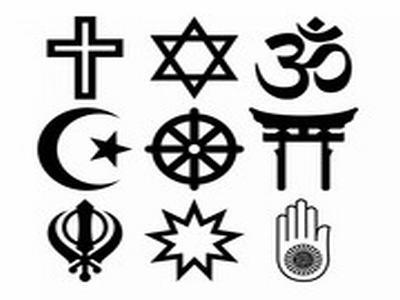
the belief in the existence of a god or gods, and the activities that are connected with the worship of them, or in the teachings of a spiritual leader
Christianity, Islam and Judaism are known as Abrahamic religions.
キリスト教、イスラム教、ユダヤ教はアブラハムの宗教として知られています。(Kirisutokyō, Isuramukyō, Yudayakyō wa Aburahamu no shūkyō to shite shirarete imasu.)
He went very quiet(= did not say much) so I knew he was upset.
類義語faithbeliefcreeddoctrinedenominationsectworshipspirituality対義語atheismirreligionsecularismagnosticismdisbelief税関, 関税当局
the government department that checks goods brought into a country and collects tax on them; also the area where this is done
All passengers must go through customs after collecting their baggage.
乗客は全員、手荷物を受け取った後に税関を通らなければなりません。
Customs officers may open your bags to check for undeclared goods.
類義語dutytariffimport tax対義語free tradeno duty音楽 (ongaku)
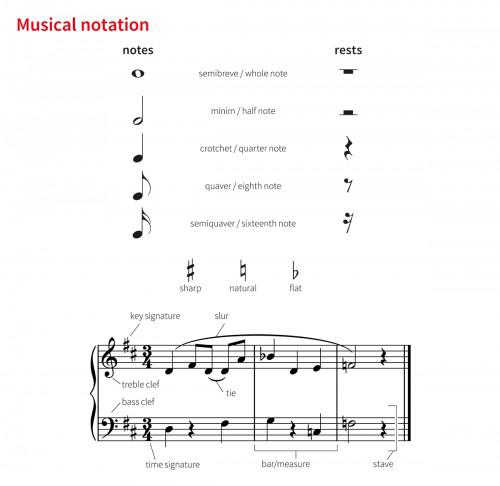
sounds that are arranged in a way that is pleasant or exciting to listen to. People sing music or play it on instruments.
I listen to music every day.
私は毎日音楽を聴きます。(Watashi wa mainichi ongaku o kikimasu.)
The poem has been set to music.
類義語melodyharmonytunesongcomposition対義語silencenoise (in some contexts)地域社会 (chiiki shakai)
all the people who live in a particular area, country, etc. when talked about as a group
They want to do something useful and meaningful for the community.
彼らは地域社会のために何か有益で意味のあることをしたいと思っています。
the international community (= the countries of the world as a group)
類義語societypublicgrouppopulationneighborhoodfellowship対義語individualisolationseparation交換, 交流
an act of giving something to somebody or doing something for somebody and receiving something in return
Our school organised a cultural exchange with students from Japan.
私たちの学校は日本の学生との文化交流を企画した。
類義語swaptradebarterinterchangesubstitutereplace対義語keepretainholdwithhold前向きな, 積極的な, 楽観的な
thinking about what is good in a situation; feeling confident and sure that something good will happen
She tried to be more positive about her new job.
彼女は新しい仕事についてもっと前向きに考えようとした。
On the positive side, profits have increased.
類義語optimisticconstructivefavorablehopefulupbeatconfident対義語negativepessimisticunfavorablecritical祝う (iwau)
to show that a day or an event is important by doing something special on it
Vietnamese people celebrate Tet at different times each year.
ベトナム人は毎年違う時期にテトを祝います。
How do people celebrate New Year in your country?
類義語commemorateobservehonorrejoicemarksolemnize対義語mournlamentcondemnignoreneglect多様性
a range of many people or things that are very different from each other
Our city is proud of its cultural diversity and its many festivals.
私たちの街は文化の多様性と数多くの祭りを誇りにしている。
類義語varietymultiplicitydifferenceheterogeneityrangeassortment対義語similarityuniformityhomogeneitysamenessmonotony先住民の
coming from a particular place and having lived there for a long time before other people came there; relating to, belonging to or developed by these people
the indigenous peoples/languages of the area
その地域の先住民/言語
類義語nativeaboriginaloriginallocaldomestic対義語foreignalienimmigrantintroducednon-native寛容 (kan'yō)
the quality of being willing to accept or tolerate somebody/something, especially opinions or behaviour that you may not agree with, or people who are not like you
She had no tolerance for jokes of any kind.
彼女はどんな種類の冗談も許容しなかった。
類義語patienceforbearanceunderstandingacceptanceleniencyendurance対義語intoleranceprejudicebigotrynarrow-mindednessimpatience多文化
for or including people of several different cultures (= beliefs, languages, customs and traditions, etc.)
My company is multicultural and has many international employees.
私の会社は多文化であり、多くの国際的な従業員がいます。
類義語diversepluralisticcross-culturalinternationalglobal対義語monoculturalhomogeneousuniform遺産 (isan)
the history, traditions, buildings and objects that a country or society has had for many years and that are considered an important part of its character
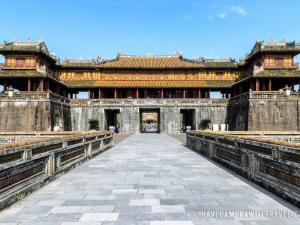
Hue's Imperial City was listed as a Cultural World Heritage site by UNESCO in 1993.
フエの王宮は、1993年にユネスコによって文化遺産に登録されました。
類義語legacyinheritancetraditionbirthrightendowment対義語presentmodernityinnovation差別, 差別的取扱い
unfair treatment of a person because of their gender, age, religion, disability or another protected characteristic
The law prohibits discrimination against pregnant workers in hiring and promotion.
法律は、採用や昇進における妊娠中の労働者に対する差別を禁止している。
The employee filed a complaint of age discrimination after being passed over.
類義語prejudicebiasinequalityfavoritismbigotrysegregation対義語equalityfairnessimpartialityjusticeequitytolerance共存する
to exist together in the same place or at the same time, especially in a peaceful way
Different cultures can coexist peacefully in a multicultural society.
多文化社会では、異なる文化が平和に共存することができます。
類義語live togetherexist togethercoexistlive side by sideget along対義語clashconflictopposecompetefightカルチャーショック
a feeling of being confused and worried that somebody may get when they visit another country or experience a different way of life or set of attitudes, because the experience is so different from what they are used to
She experienced culture shock when she moved from a small town to a big city.
彼女は小さな町から大都市に引っ越したとき、カルチャーショックを経験しました。
類義語cultural adjustment issuescultural disorientationcultural distress対義語cultural familiaritycultural adaptation自民族中心主義
behaviour or beliefs that favour one particular culture and judge other cultures against it
Ethnocentrism can lead to misunderstandings between cultures.
自民族中心主義は文化間の誤解につながる可能性があります。
類義語cultural biascultural superioritychauvinism対義語cultural relativismtoleranceacceptance民族誌
the scientific description of different peoples and cultures, with their customs, habits and differences
The ethnography of the tribe revealed unique cultural practices.
その部族の民族誌は、独特の文化的慣習を明らかにした。
類義語Cultural studyAnthropological researchField research対義語Theoretical studyエチケット
the formal rules of correct or polite behaviour in society, among members of a particular profession or in a particular area of activity
Proper etiquette is essential at a formal dinner.
正式な夕食会では、適切なエチケットが不可欠です。
類義語mannersdecorumprotocolcivility対義語impolitenessrudenessdiscourtesy相互につながった, 相互接続の
connected with each other, or having parts that are connected with each other
The world is becoming increasingly interconnected through technology.
世界は技術によってますます相互につながりつつある。
類義語linkedconnectedrelatedintegratednetworked対義語isolateddisconnectedseparateindependent文化の伝播
The spread of ideas, customs and beliefs from one culture or society to another.
The Silk Road facilitated cultural diffusion between East and West.
シルクロードは東西間の文化の伝播を促進した。
類義語Cultural exchangeCultural transmissionCross-cultural interaction対義語Cultural isolationCultural stagnation文化交流
A programme or activity in which people from different countries share and learn about each other's customs, ideas and way of life.
The cultural exchange program allowed students to live abroad.
文化交流プログラムにより、学生は海外で生活することができました。
類義語Cross-cultural exchangeIntercultural dialogueCultural interchange対義語Cultural isolationCultural segregation均質化
The process of making things, such as cultures or societies, become similar or the same.
The homogenization of culture can lead to a loss of unique traditions.
文化の均質化は、独特の伝統の喪失につながる可能性があります。
類義語StandardizationUniformityAssimilation対義語DifferentiationDiversificationHeterogeneity集団主義社会
A society in which the needs and goals of the group are considered more important than those of individuals.
A collectivist society prioritizes the needs of the group over individual desires.
集団主義社会は、個人の欲求よりもグループのニーズを優先します。
類義語Communal societyGroup-oriented society対義語Individualist society文化理解, 異文化への敬意
The act of learning about, valuing and respecting cultures different from your own.
Cultural appreciation involves learning about and respecting different cultures.
文化への理解と敬意とは、さまざまな文化について学び、それを尊重することである。
類義語Cultural understandingCultural sensitivityCross-cultural awareness対義語Cultural insensitivityCultural appropriation文化的遺物
Objects made by people that show the culture and history of a particular society.
The museum displayed many cultural artifacts from ancient civilizations.
博物館は古代文明からの多くの文化的遺物を展示しました。
類義語Cultural relicsCultural heritageHistorical artifacts対義語Modern creationsContemporary works文化的同化
The process by which a group gradually takes on the customs and culture of another, usually larger, group.
Cultural assimilation occurs when a minority group adopts the customs of the dominant culture.
文化的同化は、少数派グループが支配的な文化の慣習を採用するときに起こります。
類義語acculturationintegrationabsorptioncultural integration対義語cultural preservationcultural pluralismsegregationcultural diversity文化的認識
Knowledge and understanding of the beliefs, customs and values of other cultures and your own.
Cultural awareness is essential for international business.
異文化理解は国際ビジネスに不可欠です。
類義語Cultural sensitivityCross-cultural competenceIntercultural awareness対義語Cultural ignoranceCultural insensitivity文化的多様性
The existence of many different cultures, ethnic groups and traditions within a society or group.
Our company values cultural diversity.
私たちの会社は文化の多様性を重視しています。
類義語multiculturalismcross-culturalismpluralism対義語cultural uniformitycultural homogeneity文化教育
Teaching and learning about the arts, customs, history and traditions of a culture or cultures.
Cultural education is essential for understanding different societies.
文化教育は、異なる社会を理解するために不可欠です。
類義語Arts educationHumanities educationIntercultural education対義語Technical educationVocational training文化的豊かさ
The improvement of a person's knowledge and experience through contact with arts and other cultures.
Travel can provide cultural enrichment.
旅行は文化的な豊かさをもたらす。
類義語cultural enhancementcultural developmentcultural growth対義語cultural stagnationcultural impoverishment文化遺産
The traditions, buildings, objects and customs that a society has inherited from the past.
Protecting cultural heritage is vital for preserving identity.
文化遺産を保護することは、アイデンティティを維持するために不可欠です。
類義語Cultural legacyHistorical heritageNational heritage対義語ModernityInnovation文化的アイデンティティ
The feeling of belonging to a particular culture or group, shaped by its traditions, language and values.
Celebrating cultural identity is important for maintaining heritage.
文化的アイデンティティを祝うことは、遺産を維持するために重要です。
類義語Cultural heritageEthnic identityCultural background対義語Cultural assimilationGlobalizationHomogeneity文化的な影響
The effect that one culture has on the ideas, behaviour or customs of other people or societies.
The cultural influence of globalization is undeniable.
グローバリゼーションの文化的な影響は否定できません。
類義語Cultural impactCultural effectCultural sway対義語Cultural isolationCultural independence文化統合
The process by which people from different cultures become part of a society while sharing their customs.
Cultural integration can lead to a more harmonious society.
文化統合は、より調和のとれた社会につながる可能性があります。
類義語Cultural assimilationMulticulturalismInterculturalism対義語Cultural segregationCultural separationCultural division文化的規範
The shared rules and expectations about how people should behave within a particular culture.
Cultural norms dictate how people should behave in a society.
文化的規範は、社会で人々がどのように行動すべきかを規定しています。
類義語Social conventionsCultural standardsSocial mores対義語IndividualismNonconformityDeviance文化的慣習
The customs, activities and ways of doing things that are traditional in a particular culture.
The museum showcases a variety of cultural practices from different countries.
博物館では、さまざまな国の文化的慣習を紹介しています。
類義語traditionscustomsheritageritualsconventions対義語modernizationglobalizationinnovation文化遺産保護
The protection of a culture's traditions, buildings, languages and customs so that they are not lost.
Cultural preservation is vital for maintaining a nation's identity.
文化遺産保護は国家のアイデンティティを維持するために不可欠です。
類義語Heritage conservationTradition safeguardingCultural maintenance対義語Cultural destructionCultural erosion文化的意義
The importance that something has because of its connection with the culture or history of a group.
The monument has great cultural significance for the city.
その記念碑は、都市にとって大きな文化的意義を持っています。
類義語Cultural valueHistorical importanceSymbolic meaning対義語InsignificanceIrrelevance文化的象徴性, 文化的シンボリズム
The use of images, objects or actions to represent ideas and meanings that are important in a culture.
The festival is rich in cultural symbolism, with colours representing luck and happiness.
その祭りは文化的な象徴性に富んでおり、色は幸運と幸福を表している。
類義語cultural representationsymbolic meaningcultural significance対義語literal interpretationplain meaningnon-symbolic文化変容
A major change in the values, beliefs and behaviour of a society or organization.
The company underwent a cultural transformation to improve employee engagement.
会社は従業員のエンゲージメントを向上させるために、文化変容を遂げました。
類義語cultural shiftcultural changesocietal transformation対義語cultural stagnationcultural preservation文化的理解
Knowledge of and respect for the beliefs, customs and ways of life of other cultures.
Cultural understanding is important for international relations.
文化的な理解は国際関係にとって重要です。
類義語Cross-cultural awarenessCultural sensitivityIntercultural competence対義語Cultural ignoranceEthnocentrism文化的な独自性
The special qualities that make a culture different from all others.
The cultural uniqueness of each region should be preserved.
各地域の文化的な独自性は保護されるべきです。
類義語cultural identitycultural distinctioncultural particularity対義語cultural uniformitycultural homogeneity文化的に許容される
considered proper or allowed according to the customs and values of a particular culture
The custom is culturally acceptable in that region.
その習慣はその地域では文化的に許容されています。
類義語socially acceptableappropriatesuitableconventional対義語offensiveinappropriateunacceptabletaboo公正な代表
a situation in which all groups of people have an equal and just chance to have their views and interests represented
The goal is to ensure fair representation for all citizens.
目標は、すべての市民に公正な代表を保証することです。
類義語equitable representationproportional representationjust representation対義語unfair representationdisproportionate representationbiased representation知的財産権
the legal rights that protect creations of the mind, such as inventions, designs, books and music
Intellectual property rights protect inventions, literary and artistic works, designs, and symbols.
知的財産権は、発明、文学作品、芸術作品、デザイン、およびシンボルを保護します。
類義語IP rightsCopyrightPatentTrademark対義語Public domain異文化間対話
open and respectful exchange of ideas between people from different cultures
Intercultural dialogue can foster understanding and respect between different communities.
異文化間対話は、異なるコミュニティ間の理解と尊重を育むことができます。
類義語cross-cultural communicationintercultural exchangecross-cultural dialogue対義語cultural isolationcultural homogeneitymonologue疎外された
treated as unimportant and without power or influence within a society or group
Marginalized communities often lack access to essential resources.
疎外されたコミュニティは、必要不可欠なリソースへのアクセスを欠いていることが多い。
類義語ExcludedDisadvantagedOstracizedAlienated対義語IncludedPrivilegedIntegratedEmpowered相互理解 (Sōgo rikai)
a situation in which two or more people or groups understand and accept each other's feelings and views
Their mutual understanding allowed them to resolve the conflict quickly.
彼らの相互理解のおかげで、紛争を迅速に解決することができました。
類義語AgreementAccordConsensusShared understanding対義語MisunderstandingDisagreementDiscordソーシャルミーム
ideas, images or videos, often funny, that spread quickly from person to person on social media
Social memes spread rapidly through online platforms.
ソーシャルミームはオンラインプラットフォームを通じて急速に広まります。
類義語viral contentinternet trendsonline jokes対義語original contentserious discourse独自性
the quality of being the only one of its kind or very special and unusual
The uniqueness of her artwork set her apart from other artists.
彼女の芸術作品の独自性が、彼女を他のアーティストとは一線を画していました。
類義語distinctivenessoriginalityindividualityraritypeculiarity対義語commonnesssimilaritynormalityordinarinessusualness