레슨 158/202 · 18단어 · 외운 단어 0
B1 · Society, law & politics (1)
B1 · 사회, 법과 정치 (1)
후보자 (huboja)
a person who is trying to be elected or is applying for a job
The recruiter will interview all candidates for the position
채용 담당자는 그 자리에 대한 모든 후보자를 면접할 것입니다.
The president of our company is a candidate for the Outstanding Business Award
유의어applicantcontendernomineeaspirantentrant반의어incumbentemployeereject법원
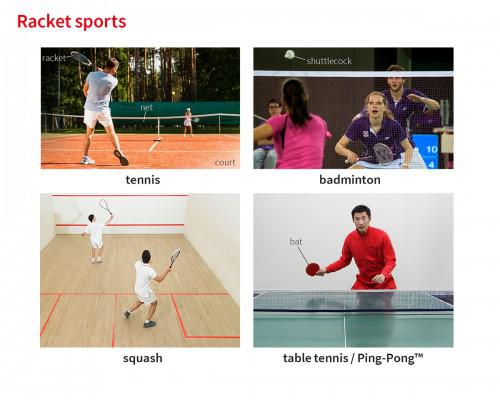
the place where legal trials take place and where crimes, etc. are judged
Her lawyer made a statement outside the court.
그녀의 변호사는 법원 밖에서 성명을 발표했습니다.
the civil/criminal courts
유의어tribunaljudiciarybarbenchsessionhearingjudgementlegal proceedings반의어negotiationagreementcompromisesettlement체포하다, 검거하다
to take a person into police custody because they are believed to have committed a crime
Police arrested the warehouse manager on suspicion of theft.
경찰은 절도 혐의로 창고 관리자를 체포했습니다.
Two officials were arrested for taking bribes from contractors.
유의어apprehenddetaincaptureseizetake into custodybust반의어releasefreeliberatedischargeacquit경비원 (gyeongbiwon)
a person, such as a soldier, a police officer or a prison officer, who protects a place or people, or prevents prisoners from escaping
border guards
국경 경비대 (gukgyeong gyeongbidae)
a security guard
유의어protectordefenderwatchmansentinelcustodianwardensecurity반의어threatdangerneglectdisregardvulnerability의무
something that you feel you have to do because it is your moral or legal responsibility
I'll have to go I'm afraid—duty calls.
미안하지만 가봐야겠어—의무가 있어서.
The company owes a duty of care to its customers.
유의어responsibilityobligationtaskjobfunctionservicerole반의어irresponsibilitynegligencederelictiondisregard캠페인, 광고 캠페인
a planned series of activities, such as adverts and events, carried out over a period to achieve a particular goal
The campaign will run on TV and social media for six weeks.
이 캠페인은 6주 동안 TV와 소셜 미디어에서 진행될 예정이다.
Our last campaign increased sales by 20% in just two months.
유의어driveeffortmovementcrusadepushoperationinitiative반의어inactionapathycessationretreat권위 (gwonwi)
the power to give orders to people
She now has authority over the people who used to be her bosses.
그녀는 이제 한때 그녀의 상사였던 사람들에게 권위를 갖습니다.
in a position of authority
유의어powercontrolcommandinfluencedominionjurisdiction반의어weaknesssubordinationpowerlessnessinabilityinferiority관습 (gwansup)
an accepted way of behaving or of doing things in a society or a community
In my country, it's the custom for women to get married at 20 years old.
제 나라에서는 여성들이 20살에 결혼하는 것이 관습입니다.
the custom of giving presents at Christmas
유의어traditionpracticehabitconventionusageritualmanner반의어unconventionalitydeparturedeviationabnormalityirregularity선거 (seongeo)
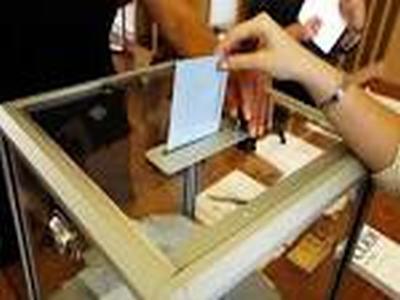
the process of choosing a person or a group of people for a position, especially a political position, by voting
to win/lose an election
선거에서 이기다/지다 (seongeo-eseo igida/jida)
How many candidates are standing for election?
유의어votereferendumballotpollselectionchoice반의어appointmentdesignationmandatedictatorshipautocracy깃발 (gitbal)
a piece of cloth with a special coloured design on it that may be the symbol of a particular country or organization, may be used to give a signal or may have a particular meaning. A flag can be attached to a pole (= a long thin straight piece of wood or metal) or held in the hand.
This is the Vietnamese flag.
이것은 베트남 국기입니다 (Igeoseun Beteunam gukgiimnida).
the flag of Italy
유의어bannerstandardensignpennantcolors반의어disregardneglecthide전투 (jeontu)
a fight between armies, ships or planes, especially during a war; a violent fight between groups of people
Almost everyone has heard of the battle at Waterloo.
거의 모든 사람이 워털루 전투에 대해 들어봤습니다. (geoui modeun sarami woteollu jeontue daehae deureobwatseumnida.)
a gun battle
유의어fightcombatconflictengagementskirmish반의어peacetrucearmisticeagreementharmony의식 (uisik)
a public or religious occasion that includes a series of formal or traditional actions
The graduation ceremony lasted 4 hours.
졸업식은 4시간 동안 진행되었습니다. (Jol-eop-sik-eun 4 si-gan dong-an jin-haeng-doe-eot-seup-ni-da.)
유의어riteobservanceformalityservicefunctioncelebrationpageantsolemnity반의어informalityspontaneitycasualness