레슨 9/33 · 94단어 · 외운 단어 0
Culture
문화
감상, 진가를 알아봄, 높은 평가
pleasure that you have when you recognize and enjoy the good qualities of somebody/something
She has a deep appreciation of traditional music and art.
그녀는 전통 음악과 미술에 대한 깊은 감상력을 지니고 있다.
유의어gratitudethankfulnessrecognitionacknowledgmentesteemregard반의어disapprovalcriticismdisregardingratitudeindifference미술, 예술
the use of the imagination to express ideas or feelings, particularly in painting, drawing or sculpture
We have art on Monday, and I love painting pictures.
우리는 월요일에 미술 수업이 있는데, 나는 그림 그리는 것을 아주 좋아한다.
유의어skillcrafttalentcreativityexpressiondesignmastery반의어clumsinessineptitudelack of skillartlessnessinability문학 (munhak)
pieces of writing that are valued as works of art, especially novels, plays and poems (in contrast to technical books and newspapers, magazines, etc.)
My sister is very good at Literature.
제 여동생은 문학을 아주 잘합니다.
French literature
유의어writingslettersbookscompositioncreative writingpoetrydrama반의어illiteracynonfictionsciencemathematics전통 (jeontong)
a belief, custom or way of doing something that has existed for a long time among a particular group of people; a set of these beliefs or customs
Making Chung cake is our tradition at Tet.
설날에 쯩 케이크를 만드는 것은 우리 전통입니다. (Seollare jjeung keikeureul manneuneun geoseun uri jeontongimnida.)
religious/cultural, etc. traditions
유의어customconventionpracticeritualheritageusagemannerway반의어innovationnoveltymodernitychangedeviation미디어
the main ways that large numbers of people receive information and entertainment, that is television, radio, newspapers and the internet
He became a media star for his part in the protests.
그는 시위에서 그의 역할로 미디어 스타가 되었습니다.
the news/broadcasting/national media
유의어pressnewsjournalismcommunicationsbroadcasting반의어silenceprivacysecrecy존경, 존중
a strong feeling of approval of somebody/something because of their good qualities or achievements
Children should show respect for their parents and teachers.
아이들은 부모님과 선생님께 존경심을 보여야 한다.
유의어admirationesteemregardvenerationdeferencehonorappreciation반의어disrespectdisdaincontemptdisregardscorn종교 (jonggyo)
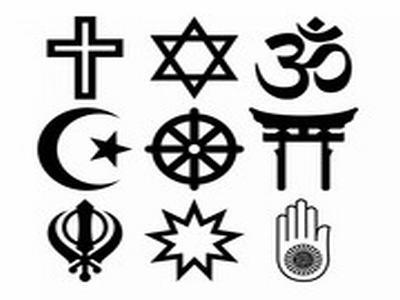
the belief in the existence of a god or gods, and the activities that are connected with the worship of them, or in the teachings of a spiritual leader
Christianity, Islam and Judaism are known as Abrahamic religions.
기독교, 이슬람교, 유대교는 아브라함 계통의 종교로 알려져 있습니다. (Gidokgyo, Iseullamgyo, Yudaegyo-neun Abeuraham gyetong-ui jonggyo-ro allyeojyeo itseumnida.)
He went very quiet(= did not say much) so I knew he was upset.
유의어faithbeliefcreeddoctrinedenominationsectworshipspirituality반의어atheismirreligionsecularismagnosticismdisbelief세관, 통관
the government department that checks goods brought into a country and collects tax on them; also the area where this is done
All passengers must go through customs after collecting their baggage.
모든 승객은 수하물을 찾은 후 세관을 통과해야 합니다.
Customs officers may open your bags to check for undeclared goods.
유의어dutytariffimport tax반의어free tradeno duty음악 (eumak)
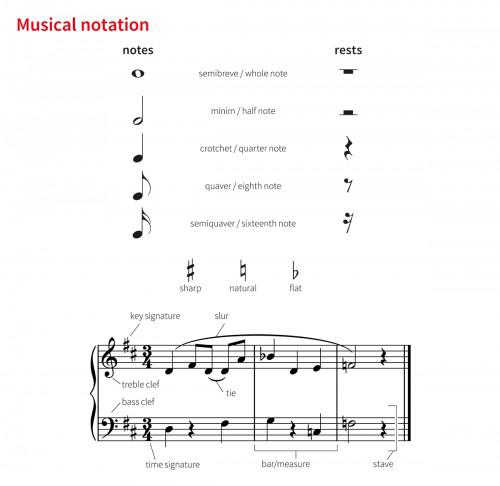
sounds that are arranged in a way that is pleasant or exciting to listen to. People sing music or play it on instruments.
I listen to music every day.
나는 매일 음악을 듣습니다. (Naneun maeil eumageul deutseumnida.)
The poem has been set to music.
유의어melodyharmonytunesongcomposition반의어silencenoise (in some contexts)부정적인 (bujeongjeogin)
bad or harmful
The whole experience was definitely more positive than negative.
전체적인 경험은 확실히 부정적인 것보다 긍정적이었습니다.
The crisis had a negative effect on trade.
유의어pessimisticunfavorableadversedetrimentalbadunpleasant반의어positiveoptimisticfavorablegoodpleasant공동체 (gongdongche)
all the people who live in a particular area, country, etc. when talked about as a group
They want to do something useful and meaningful for the community.
그들은 공동체를 위해 유용하고 의미 있는 일을 하고 싶어합니다.
the international community (= the countries of the world as a group)
유의어societypublicgrouppopulationneighborhoodfellowship반의어individualisolationseparation교환, 교류
an act of giving something to somebody or doing something for somebody and receiving something in return
Our school organised a cultural exchange with students from Japan.
우리 학교는 일본 학생들과 문화 교류를 열었다.
유의어swaptradebarterinterchangesubstitutereplace반의어keepretainholdwithhold긍정적인, 낙관적인
thinking about what is good in a situation; feeling confident and sure that something good will happen
She tried to be more positive about her new job.
그녀는 새 직장에 대해 더 긍정적으로 생각하려고 노력했다.
On the positive side, profits have increased.
유의어optimisticconstructivefavorablehopefulupbeatconfident반의어negativepessimisticunfavorablecritical축하하다 (chukahada)
to show that a day or an event is important by doing something special on it
Vietnamese people celebrate Tet at different times each year.
베트남 사람들은 매년 다른 시기에 뗏을 축하합니다.
How do people celebrate New Year in your country?
유의어commemorateobservehonorrejoicemarksolemnize반의어mournlamentcondemnignoreneglect다양성
a range of many people or things that are very different from each other
Our city is proud of its cultural diversity and its many festivals.
우리 도시는 문화적 다양성과 수많은 축제를 자랑스럽게 여긴다.
유의어varietymultiplicitydifferenceheterogeneityrangeassortment반의어similarityuniformityhomogeneitysamenessmonotony토착의
coming from a particular place and having lived there for a long time before other people came there; relating to, belonging to or developed by these people
the indigenous peoples/languages of the area
그 지역의 토착민/언어
유의어nativeaboriginaloriginallocaldomestic반의어foreignalienimmigrantintroducednon-native관용 (gwanyong)
the quality of being willing to accept or tolerate somebody/something, especially opinions or behaviour that you may not agree with, or people who are not like you
She had no tolerance for jokes of any kind.
그녀는 어떤 종류의 농담도 참지 못했다.
유의어patienceforbearanceunderstandingacceptanceleniencyendurance반의어intoleranceprejudicebigotrynarrow-mindednessimpatience다문화
for or including people of several different cultures (= beliefs, languages, customs and traditions, etc.)
My company is multicultural and has many international employees.
저희 회사는 다문화 기업이며 많은 외국인 직원이 있습니다.
유의어diversepluralisticcross-culturalinternationalglobal반의어monoculturalhomogeneousuniform유산 (yusan)
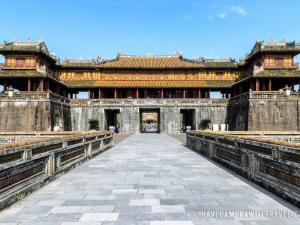
the history, traditions, buildings and objects that a country or society has had for many years and that are considered an important part of its character
Hue's Imperial City was listed as a Cultural World Heritage site by UNESCO in 1993.
후에의 왕궁은 1993년에 유네스코에 의해 세계 문화 유산으로 등재되었습니다.
유의어legacyinheritancetraditionbirthrightendowment반의어presentmodernityinnovation차별
unfair treatment of a person because of their gender, age, religion, disability or another protected characteristic
The law prohibits discrimination against pregnant workers in hiring and promotion.
법은 채용과 승진에서 임신한 근로자에 대한 차별을 금지한다.
The employee filed a complaint of age discrimination after being passed over.
유의어prejudicebiasinequalityfavoritismbigotrysegregation반의어equalityfairnessimpartialityjusticeequitytolerance공존하다
to exist together in the same place or at the same time, especially in a peaceful way
Different cultures can coexist peacefully in a multicultural society.
다문화 사회에서는 서로 다른 문화가 평화롭게 공존할 수 있습니다.
유의어live togetherexist togethercoexistlive side by sideget along반의어clashconflictopposecompetefight문화인류학
the study of human societies, their cultures and the way they develop
Cultural anthropology studies human societies and cultures and their development.
문화인류학은 인간 사회와 문화, 그리고 그 발달을 연구합니다.
유의어ethnologysocial anthropology반의어physical anthropology문화 충격
a feeling of being confused and worried that somebody may get when they visit another country or experience a different way of life or set of attitudes, because the experience is so different from what they are used to
She experienced culture shock when she moved from a small town to a big city.
그녀는 작은 마을에서 대도시로 이사했을 때 문화 충격을 경험했습니다.
유의어cultural adjustment issuescultural disorientationcultural distress반의어cultural familiaritycultural adaptation자민족 중심주의
behaviour or beliefs that favour one particular culture and judge other cultures against it
Ethnocentrism can lead to misunderstandings between cultures.
자민족 중심주의는 문화 간의 오해를 불러일으킬 수 있습니다.
유의어cultural biascultural superioritychauvinism반의어cultural relativismtoleranceacceptance민족지학
the scientific description of different peoples and cultures, with their customs, habits and differences
The ethnography of the tribe revealed unique cultural practices.
그 부족의 민족지학은 독특한 문화적 관행을 드러냈습니다.
유의어Cultural studyAnthropological researchField research반의어Theoretical study예절
the formal rules of correct or polite behaviour in society, among members of a particular profession or in a particular area of activity
Proper etiquette is essential at a formal dinner.
공식 만찬에서는 적절한 예절이 필수적입니다.
유의어mannersdecorumprotocolcivility반의어impolitenessrudenessdiscourtesy서로 연결된, 상호 연관된
connected with each other, or having parts that are connected with each other
The world is becoming increasingly interconnected through technology.
세계는 기술을 통해 점점 더 서로 연결되고 있다.
유의어linkedconnectedrelatedintegratednetworked반의어isolateddisconnectedseparateindependent문화 확산
The spread of ideas, customs and beliefs from one culture or society to another.
The Silk Road facilitated cultural diffusion between East and West.
실크로드는 동서양 간의 문화 확산을 촉진했다.
유의어Cultural exchangeCultural transmissionCross-cultural interaction반의어Cultural isolationCultural stagnation문화 교류
A programme or activity in which people from different countries share and learn about each other's customs, ideas and way of life.
The cultural exchange program allowed students to live abroad.
문화 교류 프로그램은 학생들이 해외에서 살 수 있도록 허용했습니다.
유의어Cross-cultural exchangeIntercultural dialogueCultural interchange반의어Cultural isolationCultural segregation균질화
The process of making things, such as cultures or societies, become similar or the same.
The homogenization of culture can lead to a loss of unique traditions.
문화의 균질화는 독특한 전통의 상실로 이어질 수 있습니다.
유의어StandardizationUniformityAssimilation반의어DifferentiationDiversificationHeterogeneity집단주의 사회
A society in which the needs and goals of the group are considered more important than those of individuals.
A collectivist society prioritizes the needs of the group over individual desires.
집단주의 사회는 개인의 욕구보다 집단의 필요를 우선시합니다.
유의어Communal societyGroup-oriented society반의어Individualist society문화 존중, 문화 감상
The act of learning about, valuing and respecting cultures different from your own.
Cultural appreciation involves learning about and respecting different cultures.
문화에 대한 존중은 다양한 문화를 배우고 존중하는 것을 포함한다.
유의어Cultural understandingCultural sensitivityCross-cultural awareness반의어Cultural insensitivityCultural appropriation문화 유물
Objects made by people that show the culture and history of a particular society.
The museum displayed many cultural artifacts from ancient civilizations.
박물관은 고대 문명의 많은 문화 유물을 전시했습니다.
유의어Cultural relicsCultural heritageHistorical artifacts반의어Modern creationsContemporary works문화적 동화
The process by which a group gradually takes on the customs and culture of another, usually larger, group.
Cultural assimilation occurs when a minority group adopts the customs of the dominant culture.
문화적 동화는 소수 집단이 지배 문화의 관습을 채택할 때 발생합니다.
유의어acculturationintegrationabsorptioncultural integration반의어cultural preservationcultural pluralismsegregationcultural diversity문화적 인식
Knowledge and understanding of the beliefs, customs and values of other cultures and your own.
Cultural awareness is essential for international business.
문화적 인식은 국제 비즈니스에 필수적입니다.
유의어Cultural sensitivityCross-cultural competenceIntercultural awareness반의어Cultural ignoranceCultural insensitivity문화 다양성
The existence of many different cultures, ethnic groups and traditions within a society or group.
Our company values cultural diversity.
우리 회사는 문화 다양성을 중요하게 생각합니다.
유의어multiculturalismcross-culturalismpluralism반의어cultural uniformitycultural homogeneity문화 교육
Teaching and learning about the arts, customs, history and traditions of a culture or cultures.
Cultural education is essential for understanding different societies.
문화 교육은 서로 다른 사회를 이해하는 데 필수적입니다.
유의어Arts educationHumanities educationIntercultural education반의어Technical educationVocational training문화적 풍요
The improvement of a person's knowledge and experience through contact with arts and other cultures.
Travel can provide cultural enrichment.
여행은 문화적 풍요를 제공할 수 있습니다.
유의어cultural enhancementcultural developmentcultural growth반의어cultural stagnationcultural impoverishment문화적 표현
The way in which a group shows its culture, for example through art, music, dance or language.
Dance is a form of cultural expression.
춤은 문화적 표현의 한 형태입니다.
유의어Artistic expressionCreative workHeritage display반의어Cultural suppressionCultural uniformity문화유산
The traditions, buildings, objects and customs that a society has inherited from the past.
Protecting cultural heritage is vital for preserving identity.
문화 유산을 보호하는 것은 정체성을 보존하는 데 매우 중요합니다.
유의어Cultural legacyHistorical heritageNational heritage반의어ModernityInnovation문화적 정체성
The feeling of belonging to a particular culture or group, shaped by its traditions, language and values.
Celebrating cultural identity is important for maintaining heritage.
문화적 정체성을 기념하는 것은 유산을 유지하는 데 중요합니다.
유의어Cultural heritageEthnic identityCultural background반의어Cultural assimilationGlobalizationHomogeneity문화적 영향
The effect that one culture has on the ideas, behaviour or customs of other people or societies.
The cultural influence of globalization is undeniable.
세계화의 문화적 영향은 부인할 수 없습니다.
유의어Cultural impactCultural effectCultural sway반의어Cultural isolationCultural independence문화 통합
The process by which people from different cultures become part of a society while sharing their customs.
Cultural integration can lead to a more harmonious society.
문화 통합은 더욱 조화로운 사회로 이어질 수 있습니다.
유의어Cultural assimilationMulticulturalismInterculturalism반의어Cultural segregationCultural separationCultural division문화 교류
Contact and communication between people or groups from different cultures.
Cultural interaction enriches societies.
문화 교류는 사회를 풍요롭게 합니다.
유의어Cultural exchangeCross-cultural communicationIntercultural dialogue반의어Cultural isolationCultural segregation문화 규범
The shared rules and expectations about how people should behave within a particular culture.
Cultural norms dictate how people should behave in a society.
문화 규범은 사회에서 사람들이 어떻게 행동해야 하는지를 지시합니다.
유의어Social conventionsCultural standardsSocial mores반의어IndividualismNonconformityDeviance문화적 관행
The customs, activities and ways of doing things that are traditional in a particular culture.
The museum showcases a variety of cultural practices from different countries.
박물관은 여러 나라의 다양한 문화적 관행을 보여줍니다.
유의어traditionscustomsheritageritualsconventions반의어modernizationglobalizationinnovation문화 보존
The protection of a culture's traditions, buildings, languages and customs so that they are not lost.
Cultural preservation is vital for maintaining a nation's identity.
문화 보존은 국가의 정체성을 유지하는 데 매우 중요합니다.
유의어Heritage conservationTradition safeguardingCultural maintenance반의어Cultural destructionCultural erosion문화적 중요성
The importance that something has because of its connection with the culture or history of a group.
The monument has great cultural significance for the city.
그 기념물은 도시에 큰 문화적 중요성을 지닙니다.
유의어Cultural valueHistorical importanceSymbolic meaning반의어InsignificanceIrrelevance문화적 상징, 문화적 상징성
The use of images, objects or actions to represent ideas and meanings that are important in a culture.
The festival is rich in cultural symbolism, with colours representing luck and happiness.
그 축제는 문화적 상징이 풍부해서, 색깔들이 행운과 행복을 나타낸다.
유의어cultural representationsymbolic meaningcultural significance반의어literal interpretationplain meaningnon-symbolic문화 변혁
A major change in the values, beliefs and behaviour of a society or organization.
The company underwent a cultural transformation to improve employee engagement.
회사는 직원 참여도를 높이기 위해 문화 변혁을 겪었습니다.
유의어cultural shiftcultural changesocietal transformation반의어cultural stagnationcultural preservation문화적 이해
Knowledge of and respect for the beliefs, customs and ways of life of other cultures.
Cultural understanding is important for international relations.
문화적 이해는 국제 관계에 중요합니다.
유의어Cross-cultural awarenessCultural sensitivityIntercultural competence반의어Cultural ignoranceEthnocentrism문화적 고유성
The special qualities that make a culture different from all others.
The cultural uniqueness of each region should be preserved.
각 지역의 문화적 고유성은 보존되어야 합니다.
유의어cultural identitycultural distinctioncultural particularity반의어cultural uniformitycultural homogeneity문화적 가치
The beliefs and principles about what is important or right that are shared by people in a culture.
Cultural values shape a society's behavior.
문화적 가치는 사회의 행동을 형성합니다.
유의어Societal normsCultural beliefsCultural principles반의어Individual beliefsPersonal values문화적으로 용인되는
considered proper or allowed according to the customs and values of a particular culture
The custom is culturally acceptable in that region.
그 관습은 그 지역에서 문화적으로 용인됩니다.
유의어socially acceptableappropriatesuitableconventional반의어offensiveinappropriateunacceptabletaboo공정한 대표
a situation in which all groups of people have an equal and just chance to have their views and interests represented
The goal is to ensure fair representation for all citizens.
목표는 모든 시민에게 공정한 대표를 보장하는 것입니다.
유의어equitable representationproportional representationjust representation반의어unfair representationdisproportionate representationbiased representation지적 재산권
the legal rights that protect creations of the mind, such as inventions, designs, books and music
Intellectual property rights protect inventions, literary and artistic works, designs, and symbols.
지적 재산권은 발명, 문학 및 예술 작품, 디자인 및 상징을 보호합니다.
유의어IP rightsCopyrightPatentTrademark반의어Public domain문화 간 대화
open and respectful exchange of ideas between people from different cultures
Intercultural dialogue can foster understanding and respect between different communities.
문화 간 대화는 서로 다른 공동체 간의 이해와 존중을 증진할 수 있습니다.
유의어cross-cultural communicationintercultural exchangecross-cultural dialogue반의어cultural isolationcultural homogeneitymonologue소외된
treated as unimportant and without power or influence within a society or group
Marginalized communities often lack access to essential resources.
소외된 공동체는 종종 필수 자원에 대한 접근성이 부족합니다.
유의어ExcludedDisadvantagedOstracizedAlienated반의어IncludedPrivilegedIntegratedEmpowered상호 이해 (Sangho ihae)
a situation in which two or more people or groups understand and accept each other's feelings and views
Their mutual understanding allowed them to resolve the conflict quickly.
그들의 상호 이해 덕분에 갈등을 신속하게 해결할 수 있었습니다.
유의어AgreementAccordConsensusShared understanding반의어MisunderstandingDisagreementDiscord고유성
the quality of being the only one of its kind or very special and unusual
The uniqueness of her artwork set her apart from other artists.
그녀의 예술 작품의 고유성은 그녀를 다른 예술가들과 차별화시켰습니다.
유의어distinctivenessoriginalityindividualityraritypeculiarity반의어commonnesssimilaritynormalityordinarinessusualness