본문으로 건너뛰기

레슨 28/33 · 98단어 · 외운 단어 0

Covid

코로나19

  1. 1

    infection(noun)

    /ɪnˈfekʃn/

    감염

    an illness caused by bacteria, viruses or other germs entering and growing in the body

    The wound shows signs of infection, such as redness and pus.

    상처에 발적과 고름 등 감염 징후가 나타납니다.

    Most respiratory infections in children are caused by viruses.

    유의어contaminationsepsisdiseaseailmentvirusgermpathogen
    반의어sterilityasepsiscleanlinessimmunityhealth
  2. 2

    face mask(noun)

    /ˈfeɪs mæsk/

    마스크

    something that you wear over part or all of your face, in order to protect it or to prevent the spread of disease

    Wearing a face mask is recommended in crowded places.

    혼잡한 장소에서는 마스크 착용이 권장됩니다.

    유의어surgical maskdust maskrespiratorcovering
    반의어(none readily applicableas it describes a specific item)
  3. 3

    outbreak(noun)

    /ˈaʊtbreɪk/

    발발

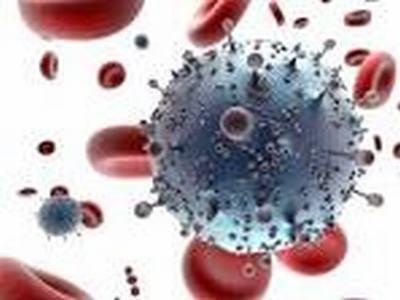
    the sudden start of something unpleasant, especially violence or a disease

    the outbreak of war

    전쟁의 발발

    유의어eruptioneruptionflare-upburstonsetcommencementemergenceexplosion
    반의어containmentsuppressioncessationenddecline
  4. 4

    respiratory(adjective)

    /ˈrespərətɔːri/

    호흡기의

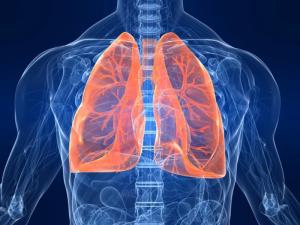
    connected with breathing

    Living in the polluted environment can cause some respiratory diseases.

    오염된 환경에서 사는 것은 몇몇 호흡기 질환을 유발할 수 있습니다.

    유의어pulmonaryventilatorybreathing
    반의어non-respiratory
  5. 5

    transmission(noun)

    /trænzˈmɪʃn/

    전달, 전파, 전염

    the act or process of passing something from one person, place or thing to another

    Mosquitoes are responsible for the transmission of the disease to humans.

    모기는 질병을 사람에게 전파하는 원인이다.

    유의어transfercommunicationspreadconveyancepropagation
    반의어retentioncontainmentpreventionstoppageholding
  6. 6

    epidemiology(noun)

    /ˌepɪˌdiːmiˈɑːlədʒi/

    역학 (yeokhak)

    the scientific study of the spread and control of diseases

    Her major is epidemiology.

    그녀의 전공은 역학입니다. (geunyeoui jeongongeun yeokhakimnida.)

    유의어study of epidemicspublic health sciencedisease control research
    반의어N/A (no direct antonym)
  7. 7

    contagious(adjective)

    /kənˈteɪdʒəs/

    전염성의

    a contagious disease spreads by close contact between people

    It is a relatively new disease and very contagious.

    그것은 비교적 새로운 질병이며 매우 전염성이 있습니다.

    유의어infectiouscommunicabletransmittablecatchingepidemicpandemic
    반의어noncontagiousnoninfectiousisolatedcontained
  8. 8

    antibody(noun)

    /ˈæntibɑːdi/

    항체 (hangche)

    a substance that the body produces in the blood to fight disease, or as a reaction when certain substances are put into the body

    The antibody fought off the infection.

    항체가 감염과 싸웠다.

    유의어immunoglobulinimmune protein
    반의어antigen
  9. 9

    antigen(noun)

    /ˈæntɪdʒən/

    항원 (hang-won)

    a substance that enters the body and starts a process that can cause disease. The body then usually produces antibodies to fight the antigens .

    An antigen triggers an immune response in the body.

    항원은 몸에서 면역 반응을 유발합니다.

    유의어immunogenimmunostimulant
    반의어antibody
  10. 10

    asymptomatic(adjective)

    /ˌeɪsɪmptəˈmætɪk/

    무증상

    having no symptoms

    The patient was asymptomatic, despite testing positive.

    환자는 양성 판정을 받았음에도 불구하고 무증상이었습니다.

    유의어silentunrevealingshowing no symptoms
    반의어symptomaticclinicalrevealing
  11. 11

    disinfection(noun)

    /ˌdɪsɪnˈfekʃn/

    소독

    the use of chemicals or heat to kill most germs on surfaces or equipment

    Bed rails, tables and call bells need daily disinfection with approved wipes.

    침대 난간, 테이블, 호출벨은 승인된 소독 티슈로 매일 소독해야 합니다.

    Disinfection kills most germs but not all bacterial spores.

    유의어sterilizationsanitationdecontamination
    반의어contaminationinfection
  12. 12

    immunity(noun)

    /ɪˈmjuːnəti/

    면역

    the body’s ability to avoid or not be affected by infection and disease

    Vaccination provides immunity against the disease.

    예방 접종은 질병에 대한 면역력을 제공합니다.

    유의어resistanceprotectiondefenseexemption
    반의어vulnerabilitysusceptibilityexposure
  13. 13

    immunocompromised(adjective)

    면역 저하

    having an immune system that is weak and cannot fight infection normally

    Immunocompromised individuals are at higher risk of infection.

    면역 저하 환자는 감염 위험이 더 높습니다.

    유의어immunodeficientvulnerablesusceptible
    반의어immunocompetenthealthyresistant
  14. 14

    inflammation(noun)

    /ˌɪnfləˈmeɪʃn/

    염증

    the body's reaction to injury or infection, causing redness, heat, swelling and pain

    Inflammation of the joint caused pain and swelling in his knee.

    관절의 염증으로 인해 그의 무릎에 통증과 부종이 생겼다.

    A raised CRP level shows inflammation somewhere in the body.

    유의어swellingirritationrednesssoreness
    반의어healthnormalityrelief
  15. 15

    inoculation(noun)

    /ɪˌnɑːkjuˈleɪʃn/

    예방 접종

    an act of protecting a person or an animal from catching a particular disease by injecting them with a mild form of the disease

    Inoculation is an effective way to prevent infectious diseases.

    예방 접종은 전염병을 예방하는 효과적인 방법입니다.

    유의어vaccinationimmunization
    반의어infectioncontamination
  16. 16

    isolation(noun)

    /ˌaɪsəˈleɪʃn/

    고립

    the act of separating somebody/something; the state of being separate

    The island's isolation made it a perfect research site.

    그 섬의 고립은 완벽한 연구 장소로 만들었습니다.

    유의어seclusionsegregationquarantinedetachmentseparation
    반의어connectionintegrationuniontogethernesscompanionship
  17. 17

    oxygen(noun)

    /ˈɑːksɪdʒən/

    산소

    a chemical element. Oxygen is a gas that is present in air and water and is necessary for people, animals and plants to live.

    We need oxygen to breathe.

    우리는 숨을 쉬기 위해 산소가 필요합니다.

    유의어O2vital airoxidant
    반의어carbon dioxidenitrogen
  18. 18

    pandemic(noun)

    /pænˈdemɪk/

    세계적 유행병

    a disease that spreads over a whole country or the whole world

    The COVID-19 pandemic affected the entire world.

    COVID-19 대유행은 전 세계에 영향을 미쳤습니다.

    유의어epidemicoutbreakglobal disease
    반의어localizedendemic
  19. 19

    quarantine(noun)

    /ˈkwɔːrəntiːn/

    검역

    official checks and isolation of animals, plants or products to stop pests and diseases from spreading

    The frozen meat was held for quarantine inspection at the port.

    냉동육은 항구에서 검역 검사를 받기 위해 보류되었다.

    Live seafood must pass quarantine before customs clearance.

    유의어isolationseclusioncontainment
    반의어socializingmeetingmingling
  20. 20

    vaccination(noun)

    /ˌvæksɪˈneɪʃn/

    예방접종, 백신 접종

    giving a vaccine to a person to protect them against a particular disease

    Vaccination against measles is given at nine months of age.

    홍역 예방접종은 생후 9개월에 실시한다.

    The vaccination program has greatly reduced cases of diphtheria.

    유의어immunizationinoculation
    반의어diseaseinfection
  21. 21

    variant(noun)

    /ˈveriənt/

    변종, 변이체

    a thing that is a slightly different form or type of something else

    The new variant of the virus spreads more quickly than earlier ones.

    새로운 변이 바이러스는 이전 것들보다 더 빠르게 퍼진다.

    유의어versionformtypealternativemodification
    반의어sameidenticalstandarduniform
  22. 22

    ventilation(noun)

    /ˌventɪˈleɪʃn/

    환기

    the fact of allowing fresh air to enter and move around a room, building, etc.

    The ventilation in this room is poor.

    이 방은 환기가 잘 안 돼요.

    유의어airingaerationcirculationfresh air
    반의어stagnationsuffocation
  23. 23

    ventilator(noun)

    /ˈventɪleɪtər/

    인공호흡기

    a machine that helps somebody breathe by pumping air in and out of their lungs

    The patient was put on a ventilator to help him breathe.

    그 환자는 호흡을 돕기 위해 인공호흡기를 달았다.

    유의어respiratorbreathing machine
    반의어none
  24. 24

    testing(noun)

    /ˈtestɪŋ/

    검사, 테스트

    the activity of testing somebody/something in order to find something out, see if it works, etc.

    Testing for the virus is free at the local health clinic.

    바이러스 검사는 지역 보건소에서 무료로 받을 수 있다.

    유의어experimentationevaluationassessmenttrialverification
    반의어validationapprovalcertification
  25. 25

    social distancing(noun)

    /ˌsəʊʃl ˈdɪstənsɪŋ/

    사회적 거리 두기

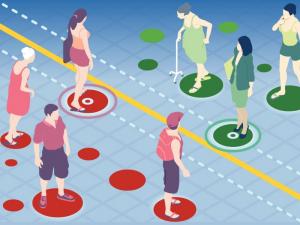
    the practice of keeping a safe distance between yourself and other people in order to prevent the spread of disease

    Social distancing is important to prevent the spread of disease.

    사회적 거리 두기는 질병 확산을 막는 데 중요합니다.

    유의어physical distancingisolationquarantine
    반의어social gatheringtogethernesscloseness
  26. 26

    community spread(noun)

    /kəˈmjuːnəti spred/

    지역 사회 감염

    the spread of a disease within a group of people without any obvious source of infection

    The rapid community spread of the virus led to increased restrictions.

    바이러스의 급속한 지역 사회 감염은 규제 강화로 이어졌습니다.

    유의어local transmissionwidespread infection
    반의어isolated casecontained outbreak
  27. 27

    coronavirus(noun)

    /kəˈrəʊnəvaɪrəs/

    코로나바이러스

    a type of virus that can cause pneumonia and other diseases in humans and animals

    The coronavirus pandemic affected the entire world.

    코로나바이러스 대유행은 전 세계에 영향을 미쳤습니다.

    유의어COVID-19SARS-CoV-2novel coronavirus
  28. 28

    SARS-CoV-2(noun)

    /ˌsɑːrz kəʊˌviː ˈtuː/

    SARS-CoV-2

    a type of coronavirus that was first reported in 2019

    SARS-CoV-2 is the virus that causes COVID-19.

    SARS-CoV-2는 COVID-19를 일으키는 바이러스입니다.

    유의어COVID-19 virusCoronavirus
    반의어None
  29. 29

    contact tracing(noun)

    /ˈkɑːntækt ˈtreɪsɪŋ/

    역학조사

    the process of trying to identify anyone who has recently been near somebody with a disease and may have caught the infection

    Contact tracing is essential to control the spread of infectious diseases.

    역학조사는 전염병 확산을 통제하는 데 필수적입니다.

    유의어disease trackingcase findingsource tracking
    반의어disease neglectinaction
  30. 30

    herd immunity(noun)

    /hɜːrd ɪˈmjuːnəti/

    집단 면역

    protection from a disease that happens if a large percentage of the population is immune to it (= unable to catch it, for example because they have been vaccinated )

    Herd immunity can protect vulnerable populations.

    집단 면역은 취약한 사람들을 보호할 수 있습니다.

    유의어community immunitypopulation immunity
    반의어susceptibilityvulnerability
  31. 31

    lockdown(noun)

    /ˈlɑːkdaʊn/

    봉쇄

    an official order to control the movement of people or vehicles because of a dangerous situation

    The city went into lockdown due to the pandemic.

    전염병 때문에 도시가 봉쇄되었습니다.

    유의어quarantinecontainmentshutdownclosure
    반의어openreleasefreedom
  32. 32

    remote work(noun)

    /rɪˈmoʊt wɜːrk/

    원격근무, 재택근무

    working away from the office, usually from home, using a computer and the internet

    Our remote work policy allows two days a week at home.

    우리 회사의 원격근무 정책은 주 2일 재택근무를 허용한다.

    Remote work has made it easier to hire people from other provinces.

    유의어TelecommutingWorking from homeDistributed work
    반의어In-office workOn-site work
  33. 33

    Symptoms(noun)

    /ˈsɪmptəmz/

    증상

    changes in the body or mind that show that a person has an illness.

    The patient reported several symptoms, including fever and cough.

    환자는 발열과 기침을 포함한 여러 증상을 보고했습니다.

    유의어IndicationsSignsManifestations
    반의어HealthWell-being
  34. 34

    Online learning(noun)

    /ˈɒnˌlaɪn ˈlɜrnɪŋ/

    온라인 학습

    a way of studying in which courses and lessons are taken over the internet rather than in a classroom.

    Online learning offers flexibility and convenience.

    온라인 학습은 유연성과 편리함을 제공합니다.

    유의어E-learningDistance learningVirtual learning
    반의어Traditional learningIn-person learningClassroom learning
  35. 35

    PPE (Personal Protective Equipment)(abbreviation)

    /piːpiːˈiː/

    개인 보호 장비

    Personal protective equipment; clothing and equipment such as masks, gloves and helmets worn to protect against injury or infection.

    Healthcare workers rely on PPE to protect themselves from infection.

    의료 종사자들은 감염으로부터 자신을 보호하기 위해 개인 보호 장비에 의존합니다.

    유의어protective gearsafety equipmentprotective clothing
    반의어hazarddangerrisk
  36. 36

    Aerosol transmission(noun)

    /ˈɛərəˌsɔːl trænsˈmɪʃən/

    에어로졸 전파

    The spread of a disease through very small particles in the air that people breathe in.

    Aerosol transmission is a key factor in the spread of the virus.

    에어로졸 전파는 바이러스 확산의 주요 요인입니다.

    유의어Airborne transmissionDroplet transmission (sometimes)
    반의어Contact transmissionSurface transmission
  37. 37

    AstraZeneca(noun)

    /ˌæstrəˈzɛnɪkə/

    아스트라제네카

    A British-Swedish pharmaceutical company that developed a widely used COVID-19 vaccine.

    AstraZeneca developed a COVID-19 vaccine.

    아스트라제네카는 코로나19 백신을 개발했습니다.

    유의어Pharmaceutical companyDrug manufacturer
    반의어CompetitorRival company
  38. 38

    Booster shot(noun)

    /ˈbuːstər ʃɑːt/

    부스터 샷

    An extra dose of a vaccine given to increase or renew protection against a disease.

    I got a booster shot to increase my immunity.

    면역력을 높이기 위해 부스터 샷을 맞았습니다.

    유의어Booster doseAdditional doseReinforcement shot
    반의어Primary doseInitial vaccination
  39. 39

    Breakthrough infection(noun)

    /ˈbreɪkθruː ɪnˈfɛkʃən/

    돌파 감염

    An infection in a person who has been fully vaccinated against that disease.

    She experienced a breakthrough infection despite being fully vaccinated.

    그녀는 백신을 완전히 접종했음에도 불구하고 돌파 감염을 경험했습니다.

    유의어Vaccine failurePost-vaccination infection
    반의어Sterile immunityFull protection
  40. 40

    Case surge(noun)

    /keɪs sɜːrdʒ/

    확진자 급증

    A sudden large increase in the number of people infected with a disease.

    The country experienced a case surge after the holidays.

    그 나라는 휴일 후에 확진자가 급증했다.

    유의어SpikeIncreaseUpsurgeOutbreak
    반의어DecreaseDeclineDropReduction
  41. 41

    Contactless delivery(noun)

    /ˈkɒntæktlɪs dɪˈlɪvəri/

    비대면 배달

    A way of delivering goods in which the driver and customer do not meet or touch.

    Contactless delivery has become increasingly popular during the pandemic.

    비대면 배달은 유행병 기간 동안 점점 더 인기를 얻었습니다.

    유의어No-contact deliveryTouch-free delivery
    반의어In-person deliveryDirect contact delivery
  42. 42

    COVID-19 restrictions(noun)

    /koʊˈvɪd nɪnˈtiːn rɪsˈtrɪkʃənz/

    코로나19 제한

    Official rules that limit what people may do, such as travelling or meeting others, in order to stop COVID-19 from spreading.

    Many COVID-19 restrictions have been lifted.

    많은 코로나19 제한이 해제되었습니다.

    유의어COVID-19 regulationsCOVID-19 protocolsCOVID-19 measures
    반의어COVID-19 freedomsCOVID-19 allowances
  43. 43

    Delta Plus variant(noun)

    /ˈdɛltə plʌs ˈvɛəriənt/

    델타 플러스 변이

    A form of the Delta variant of the COVID-19 virus that has an extra mutation.

    The Delta Plus variant is a mutation of the original Delta variant.

    델타 플러스 변이는 원래 델타 변이의 돌연변이입니다.

    유의어Delta Plus strainDelta Plus mutation
    반의어original strainwild-type virus
  44. 44

    Delta variant(noun)

    /ˈdɛltə ˈvɛəriənt/

    델타 변이

    A form of the COVID-19 virus, first found in 2020, that spreads very easily.

    The Delta variant is highly contagious.

    델타 변이는 전염성이 매우 높습니다.

    유의어Delta strainB.1.617.2
    반의어Original strainWild-type variant
  45. 45

    Delta variant surge(noun)

    /ˈdɛltə ˈvɛəriənt sɜːrdʒ/

    델타 변이 급증

    A sudden large increase in the number of COVID-19 cases caused by the Delta variant.

    The delta variant surge caused many hospitalizations.

    델타 변이 급증으로 많은 사람들이 입원했습니다.

    유의어increasespikeriseupsurge
    반의어decreasedeclinereduction
  46. 46

    Delta variant wave(noun)

    /ˈdɛltə ˈvɛəriənt weɪv/

    델타 변이 파동

    A period when many people became ill with COVID-19 because of the Delta variant.

    The delta variant wave caused a surge in hospitalizations.

    델타 변이 파동은 입원 환자 급증을 야기했습니다.

    유의어Delta surgeDelta outbreakDelta spread
    반의어Decline in Delta casesDelta subsiding
  47. 47

    Drive-through testing(noun)

    /draɪv-θruː ˈtɛstɪŋ/

    드라이브 스루 검사

    A system of testing people for a disease while they stay sitting in their cars.

    The city offered drive-through testing for COVID-19.

    그 도시는 코로나19 드라이브 스루 검사를 제공했습니다.

    유의어Curbside testingCar-side testing
    반의어Walk-in testingIn-person testing
  48. 48

    Emergency use authorization(noun)

    /ɪˈmɜːrdʒənsi ˈjus ˌɔːθəraɪˈzeɪʃən/

    긴급 사용 승인

    Official permission to use a medicine or vaccine before full approval, because of an emergency.

    The vaccine received emergency use authorization due to the pandemic.

    그 백신은 전염병으로 인해 긴급 사용 승인을 받았습니다.

    유의어Conditional approvalProvisional authorizationExpedited approval
    반의어Full approvalStandard approvalRegular clearance
  49. 49

    Epidemiological surveillance(noun)

    /ˌɛpɪˌdiːmiəˈlɒʤɪkəl sərˈveɪləns/

    역학 감시

    The continuous collection and study of data about a disease in order to control its spread.

    Epidemiological surveillance is essential for detecting outbreaks early.

    역학 감시는 발병을 조기에 감지하는 데 필수적입니다.

    유의어disease monitoringhealth surveillancepublic health tracking
    반의어neglectignoranceinaction
  50. 50

    Essential workers(noun)

    /ɪˈsɛnʃəl ˈwɜːrkərz/

    필수 노동자

    People whose jobs are necessary for society to function, such as health, food and transport workers.

    Essential workers continued to provide services during the pandemic.

    필수 노동자들은 팬데믹 기간 동안 계속 서비스를 제공했습니다.

    유의어critical workerskey personnelfrontline workers
    반의어non-essential workersdispensable workers
  51. 51

    Frontline workers(noun)

    /ˈfrʌntlaɪn ˈwɜːrkərz/

    최전선 노동자

    People who work directly with the public in dangerous situations, such as doctors and nurses during a pandemic.

    Frontline workers are essential during a pandemic.

    최전선 노동자들은 전염병 유행 동안 필수적입니다.

    유의어essential workerskey workersfirst responders
    반의어office workersremote workerssupport staff
  52. 52

    Global health crisis(noun)

    /ˈɡloʊbəl hɛlθ ˈkraɪsɪs/

    세계적인 건강 위기

    A serious situation in which a disease or health problem affects people all over the world.

    The global health crisis impacted travel and supply chains.

    세계적인 건강 위기는 여행과 공급망에 영향을 미쳤습니다.

    유의어worldwide health emergencyglobal pandemicinternational health crisis
    반의어localized illnesscontrolled outbreak
  53. 53

    hand hygiene(noun)

    /hænd ˈhaɪdʒiːn/

    손위생, 손 위생

    cleaning the hands with soap and water or an alcohol hand rub to remove germs

    Hand hygiene is the most effective way to prevent hospital infections.

    손위생은 병원 감염을 예방하는 가장 효과적인 방법이다.

    Perform hand hygiene before and after touching each patient.

    유의어Hand washingHand sanitization
    반의어Hand contaminationPoor hygiene
  54. 54

    Healthcare system(noun)

    /ˈhɛlθkeər ˈsɪstəm/

    의료 시스템

    The organization of people, institutions and resources that provide medical care to a population.

    The healthcare system needs significant reform.

    의료 시스템은 상당한 개혁이 필요합니다.

    유의어Medical systemHealth systemHealthcare deliveryPublic health
    반의어Individual healthcareSelf-care
  55. 55

    Herd effect(noun)

    /hɜːrd ɪˈfɛkt/

    집단 면역 효과

    The protection given to unvaccinated people when many others in the community are immune to a disease.

    The herd effect protects even those who are not vaccinated.

    집단 면역 효과는 예방 접종을 받지 않은 사람들까지 보호합니다.

    유의어Community immunityPopulation immunity
    반의어Individual riskLack of protection
  56. 56

    Herd immunity threshold(noun)

    /hɜːrd ɪˈmjuːnɪti ˈθrɛʃhoʊld/

    집단 면역 역치

    The percentage of a population that must be immune for a disease to stop spreading easily.

    The herd immunity threshold must be reached to prevent widespread outbreaks.

    광범위한 발병을 막기 위해서는 집단 면역 역치에 도달해야 합니다.

    유의어Population immunity levelCritical immunization level
    반의어Lack of immunityVulnerability to outbreak
  57. 57

    ICU (Intensive Care Unit)(noun)

    /ˌaɪ siː ˈjuː/

    중환자실

    A hospital department that gives special care to patients who are very seriously ill.

    The patient was transferred to the ICU after the surgery.

    환자는 수술 후 중환자실로 옮겨졌습니다.

    유의어Critical Care UnitIntensive Therapy Unit
    반의어General WardRegular Patient Room
  58. 58

    infection control(noun)

    /ɪnˈfɛkʃən kənˈtroʊl/

    감염관리, 감염 통제

    the measures used in healthcare to prevent infections spreading between patients and staff

    The infection control team investigates every case of hospital-acquired infection.

    감염관리팀은 모든 병원감염 사례를 조사한다.

    Strict infection control is needed in the isolation ward.

    유의어disease controlasepsishygiene management
    반의어disease spreadcontamination
  59. 59

    Isolation period(noun)

    /ˌaɪsəˈleɪʃən ˈpɪriəd/

    격리 기간

    The time during which a sick person must stay away from others to avoid spreading a disease.

    The isolation period is crucial to prevent the spread of the virus.

    격리 기간은 바이러스 확산을 막는 데 매우 중요합니다.

    유의어quarantineself-isolationrestriction
    반의어socializationintegrationmingling
  60. 60

    Isolation wards(noun)

    /ˌaɪsəˈleɪʃən wɔrdz/

    격리 병동

    Separate areas in a hospital where patients with infectious diseases are kept away from others.

    The hospital built isolation wards to contain the spread of the disease.

    병원은 질병 확산을 막기 위해 격리 병동을 지었습니다.

    유의어Quarantine unitsIsolation units
    반의어General wardsOpen wards
  61. 61

    Lockdown fatigue(noun)

    /ˈlɒkdaʊn fəˈtiːg/

    봉쇄 피로

    A feeling of tiredness and frustration caused by living under lockdown rules for a long time.

    Many people are experiencing lockdown fatigue after months of restrictions.

    많은 사람들이 몇 달간의 규제 끝에 봉쇄 피로를 느끼고 있습니다.

    유의어pandemic fatiguerestriction fatiguewearinessburnout
    반의어enthusiasmeagernesscompliance
  62. 62

    Long COVID(noun)

    /lɔŋ ˈkoʊvɪd/

    장기 코로나

    A condition in which symptoms of COVID-19 continue for weeks or months after the infection has ended.

    Many people are suffering from Long COVID.

    많은 사람들이 장기 코로나로 고통받고 있습니다.

    유의어Post-COVID syndromeChronic COVID
    반의어Acute COVIDResolved COVID
  63. 63

    Mask mandate(noun)

    /mæsk ˈmændeɪt/

    마스크 의무

    An official order that requires people to wear face masks in certain places.

    The city council implemented a mask mandate to reduce the spread of the virus.

    시의회는 바이러스 확산을 줄이기 위해 마스크 의무를 시행했습니다.

    유의어Mask requirementFace covering mandate
    반의어Mask freedomNo mask policy
  64. 64

    Mask-wearing compliance(noun)

    /mæsk ˈwɛrɪŋ kəmˈplaɪəns/

    마스크 착용 준수

    The extent to which people obey rules or advice to wear face masks.

    The city saw high mask-wearing compliance during the pandemic.

    그 도시는 유행병 기간 동안 마스크 착용 준수율이 높았습니다.

    유의어Adherence to mask mandatesMask usage conformityCompliance with mask rules
    반의어Mask refusalNon-compliance with mask ordersResistance to mask-wearing
  65. 65

    Mass vaccination centers(noun)

    /mæs ˌvæksɪˈneɪʃən ˈsɛntərz/

    대규모 백신 접종 센터

    Large places set up to give vaccines to very many people quickly.

    The government established mass vaccination centers to quickly immunize the population.

    정부는 국민을 신속하게 면역시키기 위해 대규모 백신 접종 센터를 설립했습니다.

    유의어vaccination hubsimmunization centers
    반의어individual clinicsprivate practices
  66. 66

    Moderna vaccine(noun)

    /məˈdɜːrnə ˈvæksin/

    모더나 백신

    A COVID-19 vaccine made by the company Moderna, using mRNA technology.

    I received the Moderna vaccine last week.

    저는 지난주에 모더나 백신을 맞았습니다.

    유의어Moderna COVID-19 VaccinemRNA-1273
  67. 67

    mRNA vaccine(noun)

    /mɛsənˈdʒɜːrˌeɪ ˈvæksin/

    mRNA 백신

    A type of vaccine that uses messenger RNA to teach the body's cells to make a protein that triggers an immune response.

    The mRNA vaccine is highly effective against the virus.

    mRNA 백신은 바이러스에 대해 매우 효과적입니다.

    유의어nucleic acid vaccine
    반의어traditional vaccine
  68. 68

    Pandemic fatigue(noun)

    /pænˈdɛmɪk fəˈtiːg/

    팬데믹 피로

    A feeling of tiredness and lack of motivation to follow safety rules after a long pandemic.

    Many people are experiencing pandemic fatigue after a long period of restrictions.

    많은 사람들이 장기간의 규제로 인해 팬데믹 피로를 느끼고 있습니다.

    유의어COVID fatigueburnoutapathyweariness
    반의어vigilanceconcernmotivation
  69. 69

    Pandemic recovery(noun)

    /pænˈdɛmɪk rɪˈkʌvəri/

    팬데믹 회복

    The process by which a country, economy or society returns to a normal state after a pandemic.

    The pandemic recovery is expected to be slow and uneven.

    팬데믹 회복은 느리고 고르지 않을 것으로 예상됩니다.

    유의어Post-pandemic growthRecovery phaseRebound
    반의어Pandemic declineEconomic downturn
  70. 70

    Pandemic response(noun)

    /pænˈdɛmɪk rɪˈspɒns/

    팬데믹 대응

    The actions taken by governments and organizations to deal with a pandemic.

    The pandemic response varied greatly between countries.

    팬데믹 대응은 국가마다 크게 달랐습니다.

    유의어Crisis managementOutbreak controlDisease mitigation
    반의어InactionNeglectLaissez-faire
  71. 71

    Pfizer vaccine(noun)

    /ˈfaɪzər ˈvæksin/

    화이자 백신

    A COVID-19 vaccine developed by the companies Pfizer and BioNTech, using mRNA technology.

    I received the Pfizer vaccine last month.

    지난달 화이자 백신을 맞았습니다.

    유의어Pfizer jabPfizer shotCOVID-19 vaccine (Pfizer)
    반의어Moderna vaccineAstraZeneca vaccine
  72. 72

    Public health guidelines(noun)

    /ˈpʌblɪk hɛlθ ˈɡaɪdlaɪnz/

    공중 보건 지침

    Official advice about how people should behave to protect the health of the whole population.

    Following public health guidelines is important to prevent the spread of disease.

    질병 확산을 막기 위해 공중 보건 지침을 따르는 것이 중요합니다.

    유의어Health recommendationsPublic health adviceHealth regulations
    반의어Personal choiceIndividual preference
  73. 73

    Public health measures(noun)

    /ˈpʌblɪk hɛlθ ˈmɛʒərz/

    공중 보건 조치

    Actions taken by authorities to protect the health of the population and stop diseases spreading.

    Public health measures are crucial for preventing the spread of diseases.

    공중 보건 조치는 질병 확산을 예방하는 데 매우 중요합니다.

    유의어health regulationspreventive measuressafety protocols
    반의어personal choiceindividual decisions
  74. 74

    Quarantine fatigue(noun)

    /ˈkwɔːrənˌtiːn fəˈtiːg/

    격리 피로

    A feeling of being tired and frustrated after staying in quarantine or under restrictions for a long time.

    Many people are experiencing quarantine fatigue after months of restrictions.

    많은 사람들이 몇 달 동안의 제한 후에 격리 피로를 느끼고 있습니다.

    유의어lockdown fatiguepandemic fatigue
    반의어quarantine enthusiasmrestriction compliance
  75. 75

    Quarantine protocols(noun)

    /ˈkwɔːrənˌtiːn ˈproʊtəkɒlz/

    격리 프로토콜

    Official rules and procedures for keeping people who may be infected away from others.

    The hospital implemented strict quarantine protocols to prevent the spread of infection.

    병원은 감염 확산을 막기 위해 엄격한 격리 프로토콜을 시행했습니다.

    유의어Isolation proceduresContainment measuresPreventive guidelines
    반의어Open accessFree movementUnrestricted entry
  76. 76

    Rapid antigen testing(noun)

    /ˈræpɪd ˈæntɪdʒən ˈtɛstɪŋ/

    신속 항원 검사

    Quick tests that detect proteins from a virus to show whether a person is infected.

    Rapid antigen testing is widely used for COVID-19 detection.

    신속 항원 검사는 COVID-19 검출에 널리 사용됩니다.

    유의어Rapid antigen testQuick antigen testFast antigen test
    반의어PCR testLaboratory testComprehensive test
  77. 77

    Remote schooling(noun)

    /rɪˈmoʊt ˈskuːlɪŋ/

    원격 교육

    Teaching and learning that happens online or at home rather than in a school building.

    Remote schooling became common during the pandemic.

    원격 교육은 전염병 유행 동안 흔해졌습니다.

    유의어distance learningonline learningvirtual schooling
    반의어in-person schoolingtraditional schoolingon-site learning
  78. 78

    Respiratory distress(noun)

    /rɪˈspɪrəˌtɔːri dɪˈstrɛs/

    호흡 곤란

    A serious medical condition in which a person has great difficulty breathing.

    The patient was admitted due to severe respiratory distress.

    환자는 심한 호흡 곤란으로 입원했다.

    유의어Breathing difficultyDyspneaRespiratory failure
    반의어Easy breathingNormal respiration
  79. 79

    Respiratory droplets(noun)

    /rɪˈspɪrəˌtɔːri ˈdrɒplɪts/

    호흡기 비말

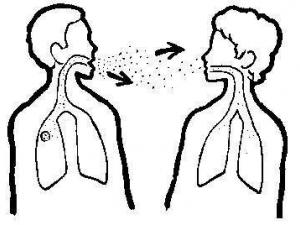
    Tiny drops of liquid released from the mouth or nose when a person breathes, coughs or sneezes.

    Respiratory droplets can spread viruses.

    호흡기 비말은 바이러스를 퍼뜨릴 수 있습니다.

    유의어respiratory secretionsairborne dropletsdroplet nuclei
    반의어clean airfiltered air
  80. 80

    Return to normalcy(noun)

    /rɪˈtɜːrn tuː ˈnɔːrməlsi/

    정상으로의 복귀

    A situation in which life goes back to the usual state it was in before a crisis.

    The country hoped for a return to normalcy after the long crisis.

    국가는 오랜 위기 이후 정상으로의 복귀를 희망했습니다.

    유의어recoveryrestorationregularitystatus quo
    반의어chaosdisorderabnormality
  81. 81

    Safe reopening(noun)

    /seɪf riːˈoʊpənɪŋ/

    안전한 재개장

    The process of opening businesses, schools or public places again in a way that protects people's health.

    The city is planning a safe reopening of businesses.

    도시는 사업체의 안전한 재개장을 계획하고 있습니다.

    유의어Cautious reopeningSecure reopeningProtected reopening
    반의어Reckless reopeningUnsafe reopeningHasty reopening
  82. 82

    Side effects(noun)

    /saɪd ɪˈfɛkts/

    부작용

    An unwanted and often unpleasant extra effect that a drug or medical treatment has on the body.

    The medicine had some unpleasant side effects.

    그 약은 몇 가지 불쾌한 부작용이 있었습니다.

    유의어Adverse effectsUnintended consequencesRepercussions
    반의어BenefitsAdvantagesPositive effects
  83. 83

    Social bubbles(noun)

    /ˈsoʊʃəl ˈbʌbəlz/

    사회적 거품, 소규모 접촉 그룹

    A small, fixed group of people who agree to meet only each other, to reduce the spread of a disease.

    During the pandemic, we formed social bubbles with close friends and family.

    팬데믹 기간 동안 우리는 가까운 친구 및 가족과 소규모 접촉 그룹을 만들었다.

    유의어support bubblefamily bubblequarantine bubble
    반의어social distancingisolation
  84. 84

    Spread prevention(noun)

    /sprɛd prɪˈvɛnʃən/

    확산 방지

    Actions taken to stop a disease from passing from one person to others.

    The government implemented spread prevention measures to control the virus.

    정부는 바이러스를 통제하기 위해 확산 방지 대책을 시행했습니다.

    유의어ContainmentControlMitigationPrevention
    반의어SpreadPropagationDissemination
  85. 85

    Super spreader event(noun)

    /ˈsuːpər ˈsprɛdər ɪˈvɛnt/

    "슈퍼 전파 이벤트"

    An event at which a large number of people are infected with a disease at the same time.

    The concert became a super spreader event.

    그 콘서트는 슈퍼 전파 이벤트가 되었다.

    유의어OutbreakAmplification eventMass infection event
    반의어Controlled gatheringIsolated caseContainment
  86. 86

    Telemedicine(noun)

    /ˈtɛlɪˌmɛdɪsɪn/

    원격 의료

    The use of phone or video calls and the internet to give medical advice and treatment from a distance.

    Telemedicine allows patients to consult doctors remotely.

    원격 의료를 통해 환자는 원격으로 의사와 상담할 수 있습니다.

    유의어Remote healthcareVirtual medicineE-health
    반의어In-person healthcareTraditional medicine
  87. 87

    Temperature screening(noun)

    /ˈtɛmpərətʃər ˈskriːnɪŋ/

    체온 검사

    The checking of people's body temperature to find anyone who may have a fever or infection.

    Temperature screening is required before entering the building.

    건물에 들어가기 전에 체온 검사가 필요합니다.

    유의어Thermal scanningFever detectionHealth screening
    반의어None
  88. 88

    Travel restrictions(noun)

    /ˈtrævəl rɪˈstrɪkʃənz/

    여행 제한

    Official rules that limit where and when people are allowed to travel.

    The travel restrictions made it difficult to visit family.

    여행 제한 때문에 가족 방문이 어려워졌습니다.

    유의어Border controlsTravel banEntry requirementsMovement restrictions
    반의어Open bordersFree movementUnrestricted travel
  89. 89

    Vaccination campaign(noun)

    /ˌvæksɪˈneɪʃən kæmˈpeɪn/

    예방 접종 캠페인

    An organized programme to give vaccines to a large number of people.

    The government launched a nationwide vaccination campaign.

    정부는 전국 예방 접종 캠페인을 시작했습니다.

    유의어Immunization driveVaccination program
    반의어Anti-vaccination movement
  90. 90

    Vaccination passport(noun)

    /ˌvæksɪˈneɪʃən ˈpɔːrtspɔːrt/

    백신 여권

    An official document or digital record showing that a person has been vaccinated against a disease.

    The vaccination passport will allow international travel.

    백신 여권은 국제 여행을 허용할 것입니다.

    유의어Vaccine certificateImmunization record
    반의어None
  91. 91

    Vaccine distribution(noun)

    /ˈvæksin ˌdɪstrɪˈbjuːʃən/

    백신 유통

    The process of supplying vaccines to different places so that people can receive them.

    The vaccine distribution has been slow in some regions.

    백신 유통이 일부 지역에서 느립니다.

    유의어Vaccine rolloutVaccine deliveryImmunization distribution
    반의어Vaccine shortageVaccine scarcity
  92. 92

    Vaccine hesitancy(noun)

    /vækˈsin hɛzɪtənsi/

    백신 주저

    Unwillingness or delay in accepting a vaccine even though it is available.

    Vaccine hesitancy is a growing concern for public health officials.

    백신 주저는 공중 보건 관계자들에게 점점 더 큰 우려 사항입니다.

    유의어vaccine reluctancevaccine skepticismanti-vaccination sentiment
    반의어vaccine acceptancevaccine confidencepro-vaccination
  93. 93

    Variants of concern (VOCs)(noun)

    /ˈvɛəriənts ʌv kənˈsɜːrn/

    우려 변이

    Forms of a virus that spread more easily, cause more serious illness or reduce the effect of vaccines.

    The emergence of new variants of concern poses a significant threat to global health.

    우려 변이의 출현은 세계 보건에 심각한 위협을 제기합니다.

    유의어Concerning strainsWorrying mutationsThreatening variants
    반의어Harmless variantsNon-threatening strains
  94. 94

    Variants of interest (VOIs)(noun)

    /ˈvɛəriənts ʌv ˈɪntrɪst/

    관심 변종

    Forms of a virus with genetic changes that may make them more dangerous and so are closely watched.

    Health organizations closely monitor variants of interest to understand their potential risks.

    보건 기관은 잠재적 위험을 이해하기 위해 관심 변종을 면밀히 모니터링합니다.

    유의어Emerging variantsStrains under investigation
    반의어Established strainsCommon variants
  95. 95

    Viral load(noun)

    /ˈvaɪrəl loʊd/

    바이러스 양

    The amount of a virus present in a person's blood or body.

    The patient's viral load has decreased significantly after treatment.

    치료 후 환자의 바이러스 양이 크게 감소했습니다.

    유의어Virus countViral burden
    반의어Viral clearanceViral eradication
  96. 96

    Viral mutation(noun)

    /ˈvaɪrəl mjuˈteɪʃən/

    바이러스 돌연변이

    A change in the genetic material of a virus that may alter how it behaves.

    The viral mutation made the disease more contagious.

    바이러스 돌연변이로 인해 질병이 더 전염성이 높아졌습니다.

    유의어Viral variationViral evolutionStrain change
    반의어Viral stability
  97. 97

    Wearing masks indoors(phrase)

    /ˈwɛrɪŋ mæsks ɪnˈdɔːrz/

    실내 마스크 착용

    Covering your nose and mouth with a mask while inside a building.

    Wearing masks indoors is now optional.

    실내 마스크 착용은 이제 선택 사항입니다.

    유의어masking indoorsindoor mask use
    반의어not masking indoorsindoor mask removal
  98. 98

    Zoom meetings(noun)

    /zuːm ˈmiːtɪŋz/

    줌 회의

    Meetings held online using the Zoom video-calling application.

    We have Zoom meetings every Monday.

    우리는 매주 월요일 줌 회의를 합니다.

    유의어Virtual meetingsOnline conferencesVideo calls
    반의어In-person meetingsFace-to-face meetings