레슨 31/33 · 105단어 · 외운 단어 0
Social issues
사회 문제
폭력 (poklyeok)
violent behaviour that is intended to hurt or kill somebody
Why do they always have to resort to violence?
왜 그들은 항상 폭력에 의존해야 합니까?
domestic violence(= between family members)
유의어aggressionbrutalityforceferocitysavageryhostilitycombatconflict반의어peacetranquilitycalmharmonygentlenessnonviolence전쟁 (jeonjaeng)
a situation in which two or more countries or groups of people fight against each other over a period of time
How long have they been at war?
그들은 얼마나 오랫동안 전쟁을 해 왔습니까? (geudeureun eolmana oratdongan jeonjaengeul hae wasseumnikka?)
The government does not want to go to war(= start a war) unless all other alternatives have failed.
유의어conflictcombathostilitiesstrugglebattlefighting반의어peaceharmonytruceaccordceasefire불평등
the unfair difference between groups of people in society, when some have more wealth, status or opportunities than others
The free market program has widened social inequality to an unprecedented degree.
자유 시장 프로그램은 사회적 불평등을 유례없는 수준으로 확대시켰다.
유의어disparityimbalanceinequitybiasunfairnessdisproportion반의어equalityequityfairnessbalanceimpartiality세계화
the fact that different cultures and economic systems around the world are becoming connected and similar to each other because of the influence of large multinational companies and of improved communication
Globalization has certainly provided a boost to trade and labour reform in many countries.
세계화는 분명히 많은 국가에서 무역 및 노동 개혁에 활력을 불어넣었습니다.
유의어internationalizationworldwide integrationglobal integrationinterconnectedness반의어localizationnationalizationregionalizationisolationism인구 과잉 (ingu gwaing)
the fact of a country or city having too many people living in it
Many environmental, social, and economic problems stem from the overpopulation problem.
많은 환경적, 사회적, 경제적 문제들이 인구 과잉 문제에서 비롯됩니다.
유의어population explosionpopulation glutovercrowding반의어underpopulationpopulation decline테러
the use of violent action in order to achieve political aims or to force a government to act
The bomb explosion was one of the worst acts of terrorism that Italy has experienced in recent years.
폭탄 폭발은 이탈리아가 최근 몇 년간 경험한 최악의 테러 행위 중 하나였습니다.
유의어violenceintimidationextremismanarchy반의어peacesecurityorder차별
unfair treatment of a person because of their gender, age, religion, disability or another protected characteristic
The law prohibits discrimination against pregnant workers in hiring and promotion.
법은 채용과 승진에서 임신한 근로자에 대한 차별을 금지한다.
The employee filed a complaint of age discrimination after being passed over.
유의어prejudicebiasinequalityfavoritismbigotrysegregation반의어equalityfairnessimpartialityjusticeequitytolerance기후 변화 (gihu byeonhwa)
changes in the earth’s weather, including changes in temperature, wind patterns and rainfall , especially the increase in the temperature of the earth’s atmosphere that is caused by the increase of particular gases, especially carbon dioxide
In any case, climate change is already disrupting the lives of millions of human beings.
어쨌든 기후 변화는 이미 수백만 명의 사람들의 삶을 파괴하고 있습니다.
유의어global warmingclimatic changeenvironmental changeclimate crisis반의어climate stabilityenvironmental equilibrium시민권 (simingwon)
the rights that every person in a society has, for example to be treated equally, to be able to vote, work, etc. whatever their sex, race or religion
The civil rights movement fought for equality for all people.
시민권 운동은 모든 사람의 평등을 위해 싸웠다.
유의어basic rightshuman rightsconstitutional rightsequalityliberties반의어oppressiondiscriminationinequalitysubjugationtyranny사이버 범죄
crime that is committed using the internet, for example by stealing somebody’s personal or bank details or by infecting their computer with a virus
Cybercrime is a growing threat to individuals and businesses.
사이버 범죄는 개인과 기업에게 점점 더 큰 위협이 되고 있습니다.
유의어computer crimeonline crimedigital crime반의어traditional crimeoffline crime이주, 이동
the movement of large numbers of people from one place to another, especially to find work or a better life
Migration from rural areas to big cities has increased rapidly in recent years.
최근 몇 년 사이 농촌 지역에서 대도시로의 이주가 급격히 늘었다.
유의어relocationimmigrationemigrationmovementdisplacement반의어stasisimmobilitystability공중 보건
the health of the population as a whole, and the work of protecting and improving it
Public health initiatives aim to prevent disease and promote well-being.
공중 보건 계획은 질병을 예방하고 건강을 증진하는 것을 목표로 합니다.
유의어community healthpopulation health반의어private healthindividual health인신매매
the crime of transporting or controlling people and forcing them to work in the sex trade or other forms of forced labour
Human trafficking is a serious crime that exploits vulnerable people.
인신매매는 취약한 사람들을 착취하는 심각한 범죄입니다.
유의어traffickingmodern slaveryexploitation반의어liberationfreedomrescue결혼 평등
the situation in which same-sex couples have the same legal right to marry as opposite-sex couples
The country legalized marriage equality nationwide.
그 나라는 전국적으로 결혼 평등을 합법화했습니다.
유의어Equal marriageSame-sex marriage rights반의어Marriage inequalityHeteronormative marriage성차별주의
the unfair treatment of people, especially women, because of their sex; the attitude that causes this
Sexism is a form of discrimination based on gender.
성차별주의는 성별에 따른 차별의 한 형태입니다.
유의어gender discriminationgender biasmisogynychauvinism반의어egalitarianismgender equalityfeminism사회 보장
money that the government pays regularly to people who are poor, unemployed, sick, etc.
Social security provides benefits for retired workers and their families.
사회 보장은 은퇴한 근로자와 그 가족에게 혜택을 제공합니다.
유의어public welfaregovernment aidsocial insurance반의어private insuranceself-reliance디지털 격차
the gap between people who have access to computers and the Internet and people who do not.
The digital divide prevents many low-income families from accessing online education.
디지털 격차는 저소득층 가정의 온라인 교육 접근을 막습니다.
유의어Digital gapTechnological divide반의어Digital inclusionUniversal access인터넷 검열
The control or blocking of what people can see, publish or access on the internet.
Internet censorship limits access to information.
인터넷 검열은 정보 접근을 제한합니다.
유의어Internet controlOnline filteringWeb censorship반의어Internet freedomUnrestricted accessOpen internet사이버 괴롭힘
The use of the internet or mobile phones to frighten, threaten or upset somebody.
Cyberbullying can have serious effects on a person's mental health.
사이버 괴롭힘은 사람의 정신 건강에 심각한 영향을 미칠 수 있습니다.
유의어Online bullyingElectronic harassment반의어Cyber kindnessOnline support환경 보존
The protection of the natural world, such as forests, water and wildlife, from damage.
Environmental conservation is crucial for the planet's future.
환경 보존은 지구의 미래를 위해 매우 중요합니다.
유의어Nature protectionEcosystem preservationResource management반의어Environmental destructionPollutionExploitation지속 가능한 개발
Economic growth that meets present needs without harming the environment or the needs of future generations.
Sustainable development aims to meet the needs of the present without compromising the ability of future generations to meet their own needs.
지속 가능한 개발은 미래 세대가 자신의 필요를 충족할 수 있는 능력을 손상시키지 않으면서 현재의 필요를 충족시키는 것을 목표로 합니다.
유의어eco-friendly developmentresponsible developmentgreen development반의어unsustainable developmentexploitative developmentirresponsible development양질의 교육에 대한 접근
the opportunity or right to receive a good standard of education
Access to quality education is crucial for personal development.
양질의 교육에 대한 접근은 개인의 발전에 매우 중요합니다.
유의어Educational opportunityQuality schoolingAccess to learning반의어Educational deprivationLack of educationLimited schooling저렴한 주택에 대한 접근
the opportunity to find a home that people with low or average incomes can pay for
Access to affordable housing is a basic human right.
저렴한 주택에 대한 접근은 기본적인 인권입니다.
유의어Availability of cheap housingOpportunity for affordable homes반의어Lack of affordable housingHousing unaffordability동물 권리
the rights of animals to be treated well and not to be used or harmed by humans
Animal rights activists advocate for the ethical treatment of all creatures.
동물 권리 운동가들은 모든 생명체에 대한 윤리적인 대우를 옹호합니다.
유의어Animal welfareSpeciesismVeganism반의어Animal exploitationHuman supremacy성별 임금 격차
the difference between the average amounts of money that men and women are paid for work
The gender pay gap is a persistent problem in many industries.
성별 임금 격차는 많은 산업에서 지속적인 문제입니다.
유의어Pay inequalityWage gapGender wage gap반의어Pay equityWage equalityGender equality in pay노인 학대
cruel or harmful treatment of old people, especially by those who look after them
Elder abuse is a serious problem that needs to be addressed.
노인 학대는 해결해야 할 심각한 문제입니다.
유의어elder mistreatmentabuse of the elderlysenior abuse반의어elder careelder supportelderly well-being위탁 양육 제도
the official system that places children with other families when their parents cannot look after them
The foster care system aims to provide temporary homes for children in need.
위탁 양육 제도는 도움이 필요한 아이들에게 임시 가정을 제공하는 것을 목표로 합니다.
유의어Child welfare systemSubstitute careOut-of-home care반의어Family homeBiological family의료 접근성
the ability of people to obtain medical care and health services when they need them
Healthcare access is a fundamental right.
의료 접근성은 기본적인 권리입니다.
유의어Medical accessHealthcare availabilityAccess to medical services반의어Healthcare barrierLack of healthcareHealthcare inaccessibility인권 (In-gwon)
the basic rights that every person should have, such as freedom and fair treatment
Everyone is entitled to basic human rights.
모든 사람은 기본적인 인권을 누릴 권리가 있습니다.
유의어fundamental rightsnatural rightsbasic rightscivil liberties반의어oppressiontyrannydiscriminationviolation소득 불평등
the unequal way in which income is shared between different people or groups in a society
Income inequality is a growing problem in many countries.
소득 불평등은 많은 국가에서 점점 심각해지는 문제입니다.
유의어Wealth disparityEconomic inequalityIncome disparity반의어Income equalityEqual distribution of wealth소득 지원 프로그램
government schemes that give money to people whose income is too low to live on
The government provides income support programs for low-income families.
정부는 저소득 가정을 위한 소득 지원 프로그램을 제공합니다.
유의어Welfare programsSocial assistanceBenefit programs반의어Self-sufficiencyEconomic independence소득세 개혁
changes made to the system of taxes that people pay on the money they earn
The government is debating income tax reform to stimulate the economy.
정부는 경제 활성화를 위해 소득세 개혁을 논의하고 있습니다.
유의어tax overhaultax code revisiontax system reform반의어tax system preservationstatus quo문화적 전유
the use of customs, clothes or ideas from another culture without understanding or respecting them
Many people consider wearing traditional clothing from another culture without understanding its significance to be cultural appropriation.
많은 사람들은 그 의미를 이해하지 못한 채 다른 문화의 전통 의상을 입는 것을 문화적 전유라고 생각합니다.
유의어Cultural theftCultural misuseCultural exploitation반의어Cultural exchangeCultural appreciationCultural understanding정신 건강 낙인
Negative attitudes and unfair beliefs that society holds about people with mental health problems.
Mental health stigma prevents many people from seeking help.
정신 건강 낙인은 많은 사람들이 도움을 구하는 것을 막습니다.
유의어social disapprovalprejudicediscrimination반의어acceptanceunderstandingtolerance정신 건강 관리 개혁
Changes made to the system that provides treatment and support for people with mental health problems.
The government is planning a mental health care reform to improve services.
정부는 서비스를 개선하기 위해 정신 건강 관리 개혁을 계획하고 있습니다.
유의어mental health reformpsychiatric care reformbehavioral health reform반의어status quostagnationno change대중교통 접근성
The ability of people to reach and use buses, trains and other public transport easily.
The city is improving public transportation access for its residents.
도시는 주민들을 위해 대중교통 접근성을 개선하고 있습니다.
유의어Transit availabilityPublic transit accessAccessibility by public transport반의어Lack of public transportLimited access to public transit소셜 미디어 영향
The effect that social media has on people, society, politics or behaviour.
The social media impact on the election was significant.
선거에 대한 소셜 미디어의 영향은 상당했습니다.
유의어Social media influenceSocial media effect반의어Insignificant impactNegligible influence소셜 미디어 중독
A condition in which someone uses social media so much that they cannot stop and it harms their life.
Social media addiction can negatively impact mental health.
소셜 미디어 중독은 정신 건강에 부정적인 영향을 미칠 수 있습니다.
유의어Problematic social media useSocial media overuseCompulsive social networking반의어Limited social media useControlled social media useSocial media abstinence사회 복지
Services provided by the government or local authorities to help people with social problems, such as poverty or disability.
Social services provide assistance to vulnerable individuals and families.
사회 복지는 취약한 개인과 가족에게 지원을 제공합니다.
유의어WelfareCommunity supportHuman services반의어PrivatizationIndividualism사회 복지
Help, especially money and services, that the government provides for people who are poor, ill or unemployed.
Social welfare programs provide assistance to those in need.
사회 복지 프로그램은 어려움을 겪는 사람들에게 지원을 제공합니다.
유의어public assistancesocial securitywelfaresocial support반의어individualismself-reliance사회적 기업가 정신
The activity of starting and running businesses that aim to solve social or environmental problems.
Social entrepreneurship combines business with solving social problems.
사회적 기업가 정신은 사업과 사회 문제 해결을 결합합니다.
유의어Social ventureImpact entrepreneurshipSocial enterprise반의어Traditional businessPurely for-profit business사회 통합
The process of people from different groups becoming accepted and involved members of society.
Social integration helps immigrants adjust to a new country.
사회 통합은 이민자들이 새로운 나라에 적응하는 데 도움이 됩니다.
유의어InclusionAssimilationSocial cohesionCommunity involvement반의어Social exclusionIsolationSegregation사회적 배제
A situation in which some people are prevented from taking full part in society, for example because of poverty.
Social exclusion can lead to feelings of isolation and hopelessness.
사회적 배제는 고립감과 절망감을 초래할 수 있습니다.
유의어MarginalizationAlienationOstracism반의어InclusionIntegrationAcceptance직장 내 괴롭힘, 직장 내 성희롱
unwelcome, offensive or threatening behaviour towards a person at work, including sexual harassment
Every manager must attend training on preventing workplace harassment.
모든 관리자는 직장 내 괴롭힘 예방 교육을 받아야 한다.
Reports of workplace harassment are investigated by a separate team.
유의어Workplace bullyingSexual harassmentDiscriminationAbuse반의어RespectToleranceInclusivityEquality교육 자금
Money provided, especially by the government, to pay for schools, colleges and education.
The government needs to increase education funding to improve schools.
정부는 학교를 개선하기 위해 교육 자금을 늘려야 합니다.
유의어School fundingEducational grantsEducation budget반의어Defunding educationEducation cuts교육 격차
Unfair differences between groups of people in their access to good education or in educational results.
Education disparities affect students' opportunities.
교육 격차는 학생들의 기회에 영향을 미칩니다.
유의어Educational inequalityAchievement gapEquity gap반의어Educational equalityEqual opportunity교육 격차
The difference in educational achievement or opportunity between different groups of students.
The education gap between rich and poor students is widening.
부유한 학생과 가난한 학생 간의 교육 격차가 커지고 있습니다.
유의어Achievement gapDisparity in education반의어Educational equalityEqual opportunity교육 개혁
Changes made to an education system in order to improve it.
The government is planning educational reform to improve the quality of schools.
정부는 학교의 질을 향상시키기 위해 교육 개혁을 계획하고 있습니다.
유의어education overhaulschool improvementcurriculum reform반의어maintaining status quostagnationlack of change원주민 토지권
The rights of indigenous peoples to own, use and control their traditional lands.
The court ruling was a major victory for indigenous land rights in the region.
그 법원 판결은 이 지역 원주민 토지권에 있어 큰 승리였다.
유의어Native land rightsAboriginal land rightsTribal land rights반의어Land ownershipGovernment land rightsPrivate property rights재활 프로그램
Organized courses of treatment or training that help people return to a normal, healthy life after illness, addiction or prison.
Rehabilitation programs help people recover from injuries.
재활 프로그램은 사람들이 부상으로부터 회복하는 데 도움이 됩니다.
유의어Recovery programsTherapy programsTreatment programs반의어NeglectDeteriorationDecline생식 권리
The rights of people to decide freely whether and when to have children, including access to contraception and health care.
Access to reproductive rights is essential for women's health.
생식 권리에 대한 접근은 여성 건강에 필수적입니다.
유의어Reproductive freedomBodily autonomyFamily planning rights반의어Forced reproductionRestricted reproductive access약물 중독 치료
Medical and psychological care that helps people stop using illegal or harmful drugs.
Drug addiction treatment is essential for recovery.
약물 중독 치료는 회복에 필수적입니다.
유의어Substance abuse rehabilitationAddiction therapyRecovery program반의어Drug useAddictionRelapse저렴한 의료
Medical care that people can pay for without serious financial difficulty.
Affordable healthcare is essential for a healthy society.
저렴한 의료는 건강한 사회에 필수적입니다.
유의어Low-cost healthcareEconomical healthcareReasonable healthcare반의어Expensive healthcareCostly healthcareUnaffordable healthcare접근 가능한 기반 시설
Buildings, transport and public facilities designed so that everyone, including disabled people, can use them easily.
The city needs to invest in accessible infrastructure for everyone.
도시는 모든 사람을 위해 접근 가능한 기반 시설에 투자해야 합니다.
유의어Usable infrastructureAvailable infrastructureConvenient infrastructure반의어Inaccessible infrastructureRestricted infrastructure강제 결혼
A marriage in which one or both people are married without their free consent.
Forced marriage is a violation of human rights.
강제 결혼은 인권 침해입니다.
유의어arranged marriage (in some contexts)involuntary marriagecoerced marriage반의어love marriagevoluntary marriageconsensual marriage증오 범죄
Violent or illegal acts against people because of their race, religion, sexuality or other group identity.
Hate crimes are often motivated by prejudice against a person's race, religion, or sexual orientation.
증오 범죄는 종종 인종, 종교 또는 성적 취향에 대한 편견으로 인해 발생합니다.
유의어Bias crimePrejudice-motivated crime반의어Random act of violenceUnpremeditated crime환경 오염
The process of making the air, water or land dirty and harmful to living things.
Environmental pollution is a serious problem facing the world today.
환경 오염은 오늘날 세계가 직면한 심각한 문제입니다.
유의어Environmental degradationContaminationPollution반의어Environmental protectionCleanlinessPreservation청년 실업
The situation in which young people who want to work cannot find jobs.
Youth unemployment is a major problem in many countries.
청년 실업은 많은 나라에서 주요 문제입니다.
유의어Teenage joblessnessYoung adult unemploymentYouth job scarcity반의어Youth employmentFull youth employment지역 사회 개발
The process of local people working together to improve the social and economic conditions of their area.
Community development projects aim to improve the quality of life for residents.
지역 사회 개발 프로젝트는 주민들의 삶의 질을 향상시키는 것을 목표로 합니다.
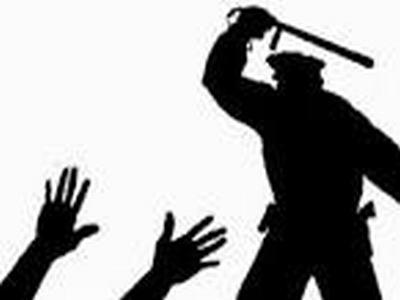
유의어grassroots developmentsocial developmenturban renewal반의어urban decayneglect경찰의 폭력
The use of unnecessary or excessive violence by police officers against people.
The city faced protests due to repeated instances of police brutality.
그 도시는 반복되는 경찰의 폭력 사례로 인해 시위에 직면했습니다.
유의어police misconductpolice violenceexcessive force반의어lawful policingcommunity policing정치적 불안
A situation in which people in a country are angry and protest or fight against the government.
The country is experiencing political unrest due to recent policy changes.
그 나라는 최근 정책 변화로 인해 정치적 불안을 겪고 있습니다.
유의어turmoilupheavalinstabilityagitationdissent반의어stabilitypeaceordercalm종교의 자유
The right of people to follow any religion, or none, without being punished or controlled.
Religious freedom is a fundamental human right.
종교의 자유는 기본적인 인권입니다.
유의어Freedom of worshipReligious libertyFreedom of conscience반의어Religious persecutionReligious oppressionReligious intolerance아동 노동
the use of children as workers, especially in a way that is illegal or harmful to them
Child labor is a serious problem in many developing countries.
아동 노동은 많은 개발 도상국에서 심각한 문제입니다.
유의어juvenile workforceyouth employment (in negative context)exploitative labor반의어adult laborfair employmentchildhood