บทที่ 28/33 · 98 คำ · จำได้แล้ว 0
Covid
โควิด
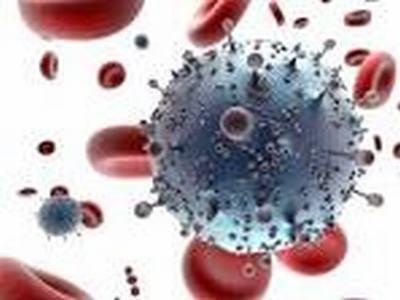
การติดเชื้อ
an illness caused by bacteria, viruses or other germs entering and growing in the body
The wound shows signs of infection, such as redness and pus.
แผลมีอาการติดเชื้อ เช่น บวมแดงและมีหนอง
Most respiratory infections in children are caused by viruses.
คำพ้องความหมายcontaminationsepsisdiseaseailmentvirusgermpathogenคำตรงข้ามsterilityasepsiscleanlinessimmunityhealthหน้ากากอนามัย
something that you wear over part or all of your face, in order to protect it or to prevent the spread of disease
Wearing a face mask is recommended in crowded places.
แนะนำให้สวมหน้ากากอนามัยในที่ที่มีผู้คนหนาแน่น
คำพ้องความหมายsurgical maskdust maskrespiratorcoveringคำตรงข้าม(none readily applicableas it describes a specific item)เกี่ยวกับระบบทางเดินหายใจ
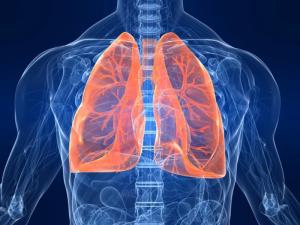
connected with breathing
Living in the polluted environment can cause some respiratory diseases.
การอยู่ในสภาพแวดล้อมที่เป็นมลพิษสามารถก่อให้เกิดโรคเกี่ยวกับระบบทางเดินหายใจได้
คำพ้องความหมายpulmonaryventilatorybreathingคำตรงข้ามnon-respiratoryการส่งผ่าน, การถ่ายทอด, การแพร่
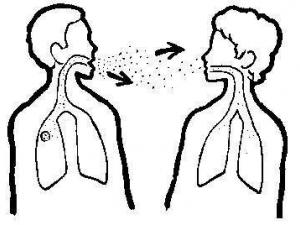
the act or process of passing something from one person, place or thing to another
Mosquitoes are responsible for the transmission of the disease to humans.
ยุงเป็นพาหะที่ทำให้เกิดการแพร่โรคสู่มนุษย์
คำพ้องความหมายtransfercommunicationspreadconveyancepropagationคำตรงข้ามretentioncontainmentpreventionstoppageholdingติดต่อ
a contagious disease spreads by close contact between people
It is a relatively new disease and very contagious.
มันเป็นโรคที่ค่อนข้างใหม่และติดต่อได้ง่ายมาก
คำพ้องความหมายinfectiouscommunicabletransmittablecatchingepidemicpandemicคำตรงข้ามnoncontagiousnoninfectiousisolatedcontainedแอนติเจน (antigen)
a substance that enters the body and starts a process that can cause disease. The body then usually produces antibodies to fight the antigens .
An antigen triggers an immune response in the body.
แอนติเจนกระตุ้นการตอบสนองทางภูมิคุ้มกันในร่างกาย
คำพ้องความหมายimmunogenimmunostimulantคำตรงข้ามantibodyการฆ่าเชื้อ, การทำลายเชื้อ
the use of chemicals or heat to kill most germs on surfaces or equipment
Bed rails, tables and call bells need daily disinfection with approved wipes.
ราวกั้นเตียง โต๊ะ และกริ่งเรียกพยาบาลต้องได้รับการฆ่าเชื้อทุกวันด้วยผ้าชุบน้ำยาที่ได้รับอนุมัติ
Disinfection kills most germs but not all bacterial spores.
คำพ้องความหมายsterilizationsanitationdecontaminationคำตรงข้ามcontaminationinfectionภูมิคุ้มกันบกพร่อง
having an immune system that is weak and cannot fight infection normally
Immunocompromised individuals are at higher risk of infection.
บุคคลที่มีภูมิคุ้มกันบกพร่องมีความเสี่ยงสูงต่อการติดเชื้อ
คำพ้องความหมายimmunodeficientvulnerablesusceptibleคำตรงข้ามimmunocompetenthealthyresistantการอักเสบ
the body's reaction to injury or infection, causing redness, heat, swelling and pain
Inflammation of the joint caused pain and swelling in his knee.
การอักเสบของข้อทำให้เขามีอาการปวดและบวมที่เข่า
A raised CRP level shows inflammation somewhere in the body.
คำพ้องความหมายswellingirritationrednesssorenessคำตรงข้ามhealthnormalityreliefการฉีดวัคซีน
an act of protecting a person or an animal from catching a particular disease by injecting them with a mild form of the disease
Inoculation is an effective way to prevent infectious diseases.
การฉีดวัคซีนเป็นวิธีที่มีประสิทธิภาพในการป้องกันโรคติดเชื้อ
คำพ้องความหมายvaccinationimmunizationคำตรงข้ามinfectioncontaminationความโดดเดี่ยว
the act of separating somebody/something; the state of being separate
The island's isolation made it a perfect research site.
ความโดดเดี่ยวของเกาะทำให้มันเป็นสถานที่วิจัยที่สมบูรณ์แบบ
คำพ้องความหมายseclusionsegregationquarantinedetachmentseparationคำตรงข้ามconnectionintegrationuniontogethernesscompanionshipการกักกัน, การตรวจกักกันสินค้า, การกักโรค
official checks and isolation of animals, plants or products to stop pests and diseases from spreading
The frozen meat was held for quarantine inspection at the port.
เนื้อแช่แข็งถูกกักไว้เพื่อตรวจสอบกักกันที่ท่าเรือ
Live seafood must pass quarantine before customs clearance.
คำพ้องความหมายisolationseclusioncontainmentคำตรงข้ามsocializingmeetingminglingการฉีดวัคซีน, การให้วัคซีน
giving a vaccine to a person to protect them against a particular disease
Vaccination against measles is given at nine months of age.
การฉีดวัคซีนป้องกันโรคหัดจะให้เมื่ออายุเก้าเดือน
The vaccination program has greatly reduced cases of diphtheria.
คำพ้องความหมายimmunizationinoculationคำตรงข้ามdiseaseinfectionสายพันธุ์ย่อย, ตัวแปร, รูปแบบอื่น
a thing that is a slightly different form or type of something else
The new variant of the virus spreads more quickly than earlier ones.
ไวรัสสายพันธุ์ใหม่แพร่กระจายได้เร็วกว่าสายพันธุ์ก่อนหน้า
คำพ้องความหมายversionformtypealternativemodificationคำตรงข้ามsameidenticalstandarduniformการทดสอบ, การตรวจ
the activity of testing somebody/something in order to find something out, see if it works, etc.
Testing for the virus is free at the local health clinic.
การตรวจหาเชื้อไวรัสไม่เสียค่าใช้จ่ายที่คลินิกสุขภาพในท้องถิ่น
คำพ้องความหมายexperimentationevaluationassessmenttrialverificationคำตรงข้ามvalidationapprovalcertificationการเว้นระยะห่างทางสังคม
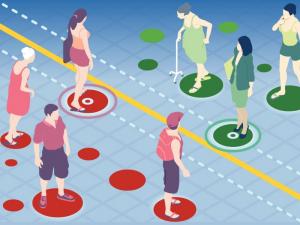
the practice of keeping a safe distance between yourself and other people in order to prevent the spread of disease
Social distancing is important to prevent the spread of disease.
การเว้นระยะห่างทางสังคมเป็นสิ่งสำคัญในการป้องกันการแพร่กระจายของโรค
คำพ้องความหมายphysical distancingisolationquarantineคำตรงข้ามsocial gatheringtogethernessclosenessการแพร่ระบาดในชุมชน
the spread of a disease within a group of people without any obvious source of infection
The rapid community spread of the virus led to increased restrictions.
การแพร่ระบาดในชุมชนอย่างรวดเร็วของไวรัสทำให้มีการเพิ่มข้อจำกัด
คำพ้องความหมายlocal transmissionwidespread infectionคำตรงข้ามisolated casecontained outbreakการสอบสวนโรค
the process of trying to identify anyone who has recently been near somebody with a disease and may have caught the infection
Contact tracing is essential to control the spread of infectious diseases.
การสอบสวนโรคเป็นสิ่งสำคัญในการควบคุมการแพร่กระจายของโรคติดเชื้อ
คำพ้องความหมายdisease trackingcase findingsource trackingคำตรงข้ามdisease neglectinactionภูมิคุ้มกันหมู่
protection from a disease that happens if a large percentage of the population is immune to it (= unable to catch it, for example because they have been vaccinated )
Herd immunity can protect vulnerable populations.
ภูมิคุ้มกันหมู่สามารถปกป้องประชากรกลุ่มเสี่ยงได้
คำพ้องความหมายcommunity immunitypopulation immunityคำตรงข้ามsusceptibilityvulnerabilityการทำงานทางไกล, การทำงานจากที่บ้าน
working away from the office, usually from home, using a computer and the internet
Our remote work policy allows two days a week at home.
นโยบายการทำงานทางไกลของเราอนุญาตให้ทำงานที่บ้านได้สัปดาห์ละสองวัน
Remote work has made it easier to hire people from other provinces.
คำพ้องความหมายTelecommutingWorking from homeDistributed workคำตรงข้ามIn-office workOn-site workการเรียนรู้ออนไลน์
a way of studying in which courses and lessons are taken over the internet rather than in a classroom.
Online learning offers flexibility and convenience.
การเรียนรู้ออนไลน์มีความยืดหยุ่นและสะดวกสบาย
คำพ้องความหมายE-learningDistance learningVirtual learningคำตรงข้ามTraditional learningIn-person learningClassroom learningอุปกรณ์ป้องกันส่วนบุคคล
Personal protective equipment; clothing and equipment such as masks, gloves and helmets worn to protect against injury or infection.
Healthcare workers rely on PPE to protect themselves from infection.
บุคลากรทางการแพทย์พึ่งพาอุปกรณ์ป้องกันส่วนบุคคลเพื่อปกป้องตนเองจากการติดเชื้อ
คำพ้องความหมายprotective gearsafety equipmentprotective clothingคำตรงข้ามhazarddangerriskการแพร่กระจายของละอองลอย
The spread of a disease through very small particles in the air that people breathe in.
Aerosol transmission is a key factor in the spread of the virus.
การแพร่กระจายของละอองลอยเป็นปัจจัยสำคัญในการแพร่กระจายของไวรัส
คำพ้องความหมายAirborne transmissionDroplet transmission (sometimes)คำตรงข้ามContact transmissionSurface transmissionเข็มกระตุ้น
An extra dose of a vaccine given to increase or renew protection against a disease.
I got a booster shot to increase my immunity.
ฉันได้รับการฉีดเข็มกระตุ้นเพื่อเพิ่มภูมิคุ้มกัน
คำพ้องความหมายBooster doseAdditional doseReinforcement shotคำตรงข้ามPrimary doseInitial vaccinationการติดเชื้อแบบทะลุทะลวง
An infection in a person who has been fully vaccinated against that disease.
She experienced a breakthrough infection despite being fully vaccinated.
เธอมีอาการติดเชื้อแบบทะลุทะลวงถึงแม้จะได้รับวัคซีนครบแล้ว
คำพ้องความหมายVaccine failurePost-vaccination infectionคำตรงข้ามSterile immunityFull protectionผู้ป่วยเพิ่มขึ้นอย่างรวดเร็ว
A sudden large increase in the number of people infected with a disease.
The country experienced a case surge after the holidays.
ประเทศประสบปัญหาผู้ป่วยเพิ่มขึ้นอย่างรวดเร็วหลังวันหยุด
คำพ้องความหมายSpikeIncreaseUpsurgeOutbreakคำตรงข้ามDecreaseDeclineDropReductionการจัดส่งแบบไร้สัมผัส
A way of delivering goods in which the driver and customer do not meet or touch.
Contactless delivery has become increasingly popular during the pandemic.
การจัดส่งแบบไร้สัมผัสเป็นที่นิยมมากขึ้นในช่วงการระบาดใหญ่
คำพ้องความหมายNo-contact deliveryTouch-free deliveryคำตรงข้ามIn-person deliveryDirect contact deliveryข้อจำกัดโควิด-19
Official rules that limit what people may do, such as travelling or meeting others, in order to stop COVID-19 from spreading.
Many COVID-19 restrictions have been lifted.
ข้อจำกัดโควิด-19 หลายข้อถูกยกเลิกไปแล้ว
คำพ้องความหมายCOVID-19 regulationsCOVID-19 protocolsCOVID-19 measuresคำตรงข้ามCOVID-19 freedomsCOVID-19 allowancesสายพันธุ์เดลต้าพลัส
A form of the Delta variant of the COVID-19 virus that has an extra mutation.
The Delta Plus variant is a mutation of the original Delta variant.
สายพันธุ์เดลต้าพลัสเป็นการกลายพันธุ์ของสายพันธุ์เดลต้าดั้งเดิม
คำพ้องความหมายDelta Plus strainDelta Plus mutationคำตรงข้ามoriginal strainwild-type virusการแพร่ระบาดของเชื้อสายพันธุ์เดลตา
A sudden large increase in the number of COVID-19 cases caused by the Delta variant.
The delta variant surge caused many hospitalizations.
การแพร่ระบาดของเชื้อสายพันธุ์เดลตาส่งผลให้มีผู้ป่วยเข้ารับการรักษาในโรงพยาบาลจำนวนมาก
คำพ้องความหมายincreasespikeriseupsurgeคำตรงข้ามdecreasedeclinereductionคลื่นสายพันธุ์เดลตา
A period when many people became ill with COVID-19 because of the Delta variant.
The delta variant wave caused a surge in hospitalizations.
คลื่นสายพันธุ์เดลต้านำไปสู่การเพิ่มขึ้นของการเข้ารักษาในโรงพยาบาล
คำพ้องความหมายDelta surgeDelta outbreakDelta spreadคำตรงข้ามDecline in Delta casesDelta subsidingการตรวจแบบขับรถผ่าน
A system of testing people for a disease while they stay sitting in their cars.
The city offered drive-through testing for COVID-19.
เมืองนี้ให้บริการตรวจ COVID-19 แบบขับรถผ่าน
คำพ้องความหมายCurbside testingCar-side testingคำตรงข้ามWalk-in testingIn-person testingการอนุญาตให้ใช้ในกรณีฉุกเฉิน
Official permission to use a medicine or vaccine before full approval, because of an emergency.
The vaccine received emergency use authorization due to the pandemic.
วัคซีนได้รับการอนุมัติให้ใช้ในกรณีฉุกเฉินเนื่องจากการระบาดใหญ่
คำพ้องความหมายConditional approvalProvisional authorizationExpedited approvalคำตรงข้ามFull approvalStandard approvalRegular clearanceการเฝ้าระวังทางระบาดวิทยา
The continuous collection and study of data about a disease in order to control its spread.
Epidemiological surveillance is essential for detecting outbreaks early.
การเฝ้าระวังทางระบาดวิทยาเป็นสิ่งจำเป็นสำหรับการตรวจจับการระบาดตั้งแต่เนิ่นๆ
คำพ้องความหมายdisease monitoringhealth surveillancepublic health trackingคำตรงข้ามneglectignoranceinactionคนงานจำเป็น
People whose jobs are necessary for society to function, such as health, food and transport workers.
Essential workers continued to provide services during the pandemic.
คนงานจำเป็นยังคงให้บริการในช่วงการระบาดใหญ่
คำพ้องความหมายcritical workerskey personnelfrontline workersคำตรงข้ามnon-essential workersdispensable workersบุคลากรด่านหน้า
People who work directly with the public in dangerous situations, such as doctors and nurses during a pandemic.
Frontline workers are essential during a pandemic.
บุคลากรด่านหน้ามีความสำคัญในช่วงการระบาดใหญ่
คำพ้องความหมายessential workerskey workersfirst respondersคำตรงข้ามoffice workersremote workerssupport staffวิกฤตสุขภาพโลก
A serious situation in which a disease or health problem affects people all over the world.
The global health crisis impacted travel and supply chains.
วิกฤตสุขภาพโลกส่งผลกระทบต่อการเดินทางและห่วงโซ่อุปทาน
คำพ้องความหมายworldwide health emergencyglobal pandemicinternational health crisisคำตรงข้ามlocalized illnesscontrolled outbreakสุขอนามัยของมือ, การทำความสะอาดมือ
cleaning the hands with soap and water or an alcohol hand rub to remove germs
Hand hygiene is the most effective way to prevent hospital infections.
สุขอนามัยของมือเป็นวิธีที่มีประสิทธิภาพที่สุดในการป้องกันการติดเชื้อในโรงพยาบาล
Perform hand hygiene before and after touching each patient.
คำพ้องความหมายHand washingHand sanitizationคำตรงข้ามHand contaminationPoor hygieneระบบการดูแลสุขภาพ
The organization of people, institutions and resources that provide medical care to a population.
The healthcare system needs significant reform.
ระบบการดูแลสุขภาพต้องการการปฏิรูปครั้งใหญ่
คำพ้องความหมายMedical systemHealth systemHealthcare deliveryPublic healthคำตรงข้ามIndividual healthcareSelf-careผลกระทบฝูง
The protection given to unvaccinated people when many others in the community are immune to a disease.
The herd effect protects even those who are not vaccinated.
ผลกระทบฝูงคุ้มครองแม้กระทั่งผู้ที่ไม่ได้ฉีดวัคซีน
คำพ้องความหมายCommunity immunityPopulation immunityคำตรงข้ามIndividual riskLack of protectionเกณฑ์ภูมิคุ้มกันหมู่
The percentage of a population that must be immune for a disease to stop spreading easily.
The herd immunity threshold must be reached to prevent widespread outbreaks.
ต้องบรรลุเกณฑ์ภูมิคุ้มกันหมู่เพื่อป้องกันการระบาดในวงกว้าง
คำพ้องความหมายPopulation immunity levelCritical immunization levelคำตรงข้ามLack of immunityVulnerability to outbreakไอซียู
A hospital department that gives special care to patients who are very seriously ill.
The patient was transferred to the ICU after the surgery.
ผู้ป่วยถูกย้ายไปที่ไอซียูหลังการผ่าตัด
คำพ้องความหมายCritical Care UnitIntensive Therapy Unitคำตรงข้ามGeneral WardRegular Patient Roomการควบคุมการติดเชื้อ, การป้องกันและควบคุมการติดเชื้อ
the measures used in healthcare to prevent infections spreading between patients and staff
The infection control team investigates every case of hospital-acquired infection.
ทีมควบคุมการติดเชื้อสอบสวนผู้ป่วยทุกรายที่ติดเชื้อในโรงพยาบาล
Strict infection control is needed in the isolation ward.
คำพ้องความหมายdisease controlasepsishygiene managementคำตรงข้ามdisease spreadcontaminationระยะกักตัว
The time during which a sick person must stay away from others to avoid spreading a disease.
The isolation period is crucial to prevent the spread of the virus.
ระยะกักตัวเป็นสิ่งสำคัญในการป้องกันการแพร่กระจายของไวรัส
คำพ้องความหมายquarantineself-isolationrestrictionคำตรงข้ามsocializationintegrationminglingหอผู้ป่วยแยกโรค
Separate areas in a hospital where patients with infectious diseases are kept away from others.
The hospital built isolation wards to contain the spread of the disease.
โรงพยาบาลสร้างหอผู้ป่วยแยกโรคเพื่อควบคุมการแพร่กระจายของโรค
คำพ้องความหมายQuarantine unitsIsolation unitsคำตรงข้ามGeneral wardsOpen wardsความเหนื่อยล้าจากการล็อกดาวน์
A feeling of tiredness and frustration caused by living under lockdown rules for a long time.
Many people are experiencing lockdown fatigue after months of restrictions.
หลายคนกำลังรู้สึกเหนื่อยล้าจากการล็อกดาวน์หลังจากถูกจำกัดมาหลายเดือน
คำพ้องความหมายpandemic fatiguerestriction fatiguewearinessburnoutคำตรงข้ามenthusiasmeagernesscomplianceภาวะ Long COVID
A condition in which symptoms of COVID-19 continue for weeks or months after the infection has ended.
Many people are suffering from Long COVID.
หลายคนกำลังทนทุกข์ทรมานจากภาวะ Long COVID
คำพ้องความหมายPost-COVID syndromeChronic COVIDคำตรงข้ามAcute COVIDResolved COVIDข้อบังคับสวมหน้ากาก
An official order that requires people to wear face masks in certain places.
The city council implemented a mask mandate to reduce the spread of the virus.
สภาเมืองบังคับใช้ข้อบังคับสวมหน้ากากเพื่อลดการแพร่กระจายของไวรัส
คำพ้องความหมายMask requirementFace covering mandateคำตรงข้ามMask freedomNo mask policyการปฏิบัติตามการสวมหน้ากาก
The extent to which people obey rules or advice to wear face masks.
The city saw high mask-wearing compliance during the pandemic.
เมืองนี้มีการปฏิบัติตามการสวมหน้ากากในระดับสูงในช่วงการระบาดใหญ่
คำพ้องความหมายAdherence to mask mandatesMask usage conformityCompliance with mask rulesคำตรงข้ามMask refusalNon-compliance with mask ordersResistance to mask-wearingศูนย์ฉีดวัคซีนจำนวนมาก
Large places set up to give vaccines to very many people quickly.
The government established mass vaccination centers to quickly immunize the population.
รัฐบาลได้จัดตั้งศูนย์ฉีดวัคซีนจำนวนมากเพื่อสร้างภูมิคุ้มกันให้กับประชากรอย่างรวดเร็ว
คำพ้องความหมายvaccination hubsimmunization centersคำตรงข้ามindividual clinicsprivate practicesวัคซีน mRNA
A type of vaccine that uses messenger RNA to teach the body's cells to make a protein that triggers an immune response.
The mRNA vaccine is highly effective against the virus.
วัคซีน mRNA มีประสิทธิภาพสูงในการต่อต้านไวรัส
คำพ้องความหมายnucleic acid vaccineคำตรงข้ามtraditional vaccineความเหนื่อยล้าจากโรคระบาด
A feeling of tiredness and lack of motivation to follow safety rules after a long pandemic.
Many people are experiencing pandemic fatigue after a long period of restrictions.
หลายคนกำลังรู้สึกเหนื่อยล้าจากโรคระบาดหลังจากการถูกจำกัดเป็นเวลานาน
คำพ้องความหมายCOVID fatigueburnoutapathywearinessคำตรงข้ามvigilanceconcernmotivationการฟื้นตัวจากการระบาดใหญ่
The process by which a country, economy or society returns to a normal state after a pandemic.
The pandemic recovery is expected to be slow and uneven.
คาดว่าการฟื้นตัวจากการระบาดใหญ่จะเป็นไปอย่างช้าๆ และไม่สม่ำเสมอ
คำพ้องความหมายPost-pandemic growthRecovery phaseReboundคำตรงข้ามPandemic declineEconomic downturnการตอบสนองต่อการระบาดใหญ่
The actions taken by governments and organizations to deal with a pandemic.
The pandemic response varied greatly between countries.
การตอบสนองต่อการระบาดใหญ่แตกต่างกันอย่างมากในแต่ละประเทศ
คำพ้องความหมายCrisis managementOutbreak controlDisease mitigationคำตรงข้ามInactionNeglectLaissez-faireวัคซีนไฟเซอร์
A COVID-19 vaccine developed by the companies Pfizer and BioNTech, using mRNA technology.
I received the Pfizer vaccine last month.
ฉันได้รับวัคซีนไฟเซอร์เมื่อเดือนที่แล้ว
คำพ้องความหมายPfizer jabPfizer shotCOVID-19 vaccine (Pfizer)คำตรงข้ามModerna vaccineAstraZeneca vaccineแนวทางด้านสาธารณสุข
Official advice about how people should behave to protect the health of the whole population.
Following public health guidelines is important to prevent the spread of disease.
การปฏิบัติตามแนวทางด้านสาธารณสุขเป็นสิ่งสำคัญในการป้องกันการแพร่กระจายของโรค
คำพ้องความหมายHealth recommendationsPublic health adviceHealth regulationsคำตรงข้ามPersonal choiceIndividual preferenceมาตรการด้านสาธารณสุข
Actions taken by authorities to protect the health of the population and stop diseases spreading.
Public health measures are crucial for preventing the spread of diseases.
มาตรการด้านสาธารณสุขมีความสำคัญอย่างยิ่งในการป้องกันการแพร่กระจายของโรค
คำพ้องความหมายhealth regulationspreventive measuressafety protocolsคำตรงข้ามpersonal choiceindividual decisionsความเหนื่อยล้าจากการกักตัว
A feeling of being tired and frustrated after staying in quarantine or under restrictions for a long time.
Many people are experiencing quarantine fatigue after months of restrictions.
หลายคนกำลังรู้สึกเหนื่อยล้าจากการกักตัวหลังจากถูกจำกัดมาหลายเดือน
คำพ้องความหมายlockdown fatiguepandemic fatigueคำตรงข้ามquarantine enthusiasmrestriction complianceมาตรการกักกัน
Official rules and procedures for keeping people who may be infected away from others.
The hospital implemented strict quarantine protocols to prevent the spread of infection.
โรงพยาบาลใช้มาตรการกักกันที่เข้มงวดเพื่อป้องกันการแพร่กระจายของเชื้อ
คำพ้องความหมายIsolation proceduresContainment measuresPreventive guidelinesคำตรงข้ามOpen accessFree movementUnrestricted entryการตรวจแอนติเจนอย่างรวดเร็ว
Quick tests that detect proteins from a virus to show whether a person is infected.
Rapid antigen testing is widely used for COVID-19 detection.
การตรวจแอนติเจนอย่างรวดเร็วมีการใช้กันอย่างแพร่หลายในการตรวจหาเชื้อ COVID-19
คำพ้องความหมายRapid antigen testQuick antigen testFast antigen testคำตรงข้ามPCR testLaboratory testComprehensive testการเรียนทางไกล
Teaching and learning that happens online or at home rather than in a school building.
Remote schooling became common during the pandemic.
การเรียนทางไกลเป็นเรื่องปกติในช่วงการระบาดใหญ่
คำพ้องความหมายdistance learningonline learningvirtual schoolingคำตรงข้ามin-person schoolingtraditional schoolingon-site learningภาวะหายใจลำบาก
A serious medical condition in which a person has great difficulty breathing.
The patient was admitted due to severe respiratory distress.
ผู้ป่วยถูกนำตัวส่งโรงพยาบาลเนื่องจากภาวะหายใจลำบากอย่างรุนแรง
คำพ้องความหมายBreathing difficultyDyspneaRespiratory failureคำตรงข้ามEasy breathingNormal respirationละอองทางเดินหายใจ
Tiny drops of liquid released from the mouth or nose when a person breathes, coughs or sneezes.
Respiratory droplets can spread viruses.
ละอองทางเดินหายใจสามารถแพร่กระจายไวรัสได้
คำพ้องความหมายrespiratory secretionsairborne dropletsdroplet nucleiคำตรงข้ามclean airfiltered airกลับสู่ภาวะปกติ
A situation in which life goes back to the usual state it was in before a crisis.
The country hoped for a return to normalcy after the long crisis.
ประเทศหวังว่าจะกลับสู่ภาวะปกติหลังจากวิกฤตการณ์ที่ยาวนาน
คำพ้องความหมายrecoveryrestorationregularitystatus quoคำตรงข้ามchaosdisorderabnormalityการเปิดใหม่อย่างปลอดภัย
The process of opening businesses, schools or public places again in a way that protects people's health.
The city is planning a safe reopening of businesses.
เมืองกำลังวางแผนที่จะเปิดธุรกิจใหม่อย่างปลอดภัย
คำพ้องความหมายCautious reopeningSecure reopeningProtected reopeningคำตรงข้ามReckless reopeningUnsafe reopeningHasty reopeningผลข้างเคียง
An unwanted and often unpleasant extra effect that a drug or medical treatment has on the body.
The medicine had some unpleasant side effects.
ยามีผลข้างเคียงที่ไม่พึงประสงค์บางอย่าง
คำพ้องความหมายAdverse effectsUnintended consequencesRepercussionsคำตรงข้ามBenefitsAdvantagesPositive effectsกลุ่มสังคม
A small, fixed group of people who agree to meet only each other, to reduce the spread of a disease.
During the pandemic, we formed social bubbles with close friends and family.
ในช่วงการระบาดใหญ่ เราได้สร้างกลุ่มสังคมกับเพื่อนสนิทและครอบครัว
คำพ้องความหมายsupport bubblefamily bubblequarantine bubbleคำตรงข้ามsocial distancingisolationการป้องกันการแพร่กระจาย
Actions taken to stop a disease from passing from one person to others.
The government implemented spread prevention measures to control the virus.
รัฐบาลใช้มาตรการป้องกันการแพร่กระจายเพื่อควบคุมไวรัส
คำพ้องความหมายContainmentControlMitigationPreventionคำตรงข้ามSpreadPropagationDissemination"เหตุการณ์แพร่กระจายเชื้อ"
An event at which a large number of people are infected with a disease at the same time.
The concert became a super spreader event.
คอนเสิร์ตกลายเป็นเหตุการณ์แพร่กระจายเชื้อ
คำพ้องความหมายOutbreakAmplification eventMass infection eventคำตรงข้ามControlled gatheringIsolated caseContainmentการแพทย์ทางไกล
The use of phone or video calls and the internet to give medical advice and treatment from a distance.
Telemedicine allows patients to consult doctors remotely.
การแพทย์ทางไกลช่วยให้ผู้ป่วยปรึกษาแพทย์ได้จากระยะไกล
คำพ้องความหมายRemote healthcareVirtual medicineE-healthคำตรงข้ามIn-person healthcareTraditional medicineการคัดกรองอุณหภูมิ
The checking of people's body temperature to find anyone who may have a fever or infection.
Temperature screening is required before entering the building.
จำเป็นต้องมีการคัดกรองอุณหภูมิก่อนเข้าอาคาร
คำพ้องความหมายThermal scanningFever detectionHealth screeningคำตรงข้ามNoneข้อจำกัดการเดินทาง
Official rules that limit where and when people are allowed to travel.
The travel restrictions made it difficult to visit family.
ข้อจำกัดการเดินทางทำให้การไปเยี่ยมครอบครัวเป็นเรื่องยาก
คำพ้องความหมายBorder controlsTravel banEntry requirementsMovement restrictionsคำตรงข้ามOpen bordersFree movementUnrestricted travelโครงการรณรงค์ฉีดวัคซีน
An organized programme to give vaccines to a large number of people.
The government launched a nationwide vaccination campaign.
รัฐบาลเปิดตัวโครงการรณรงค์ฉีดวัคซีนทั่วประเทศ
คำพ้องความหมายImmunization driveVaccination programคำตรงข้ามAnti-vaccination movementหนังสือเดินทางวัคซีน
An official document or digital record showing that a person has been vaccinated against a disease.
The vaccination passport will allow international travel.
หนังสือเดินทางวัคซีนจะอนุญาตให้เดินทางระหว่างประเทศได้
คำพ้องความหมายVaccine certificateImmunization recordคำตรงข้ามNoneการกระจายวัคซีน
The process of supplying vaccines to different places so that people can receive them.
The vaccine distribution has been slow in some regions.
การกระจายวัคซีนเป็นไปอย่างช้าๆ ในบางภูมิภาค
คำพ้องความหมายVaccine rolloutVaccine deliveryImmunization distributionคำตรงข้ามVaccine shortageVaccine scarcityความลังเลที่จะฉีดวัคซีน
Unwillingness or delay in accepting a vaccine even though it is available.
Vaccine hesitancy is a growing concern for public health officials.
ความลังเลที่จะฉีดวัคซีนเป็นข้อกังวลที่เพิ่มขึ้นสำหรับเจ้าหน้าที่สาธารณสุข
คำพ้องความหมายvaccine reluctancevaccine skepticismanti-vaccination sentimentคำตรงข้ามvaccine acceptancevaccine confidencepro-vaccinationสายพันธุ์ที่น่ากังวล
Forms of a virus that spread more easily, cause more serious illness or reduce the effect of vaccines.
The emergence of new variants of concern poses a significant threat to global health.
การเกิดขึ้นของสายพันธุ์ที่น่ากังวลใหม่ ๆ เป็นภัยคุกคามที่สำคัญต่อสุขภาพโลก
คำพ้องความหมายConcerning strainsWorrying mutationsThreatening variantsคำตรงข้ามHarmless variantsNon-threatening strainsสายพันธุ์ที่น่าสนใจ
Forms of a virus with genetic changes that may make them more dangerous and so are closely watched.
Health organizations closely monitor variants of interest to understand their potential risks.
องค์กรด้านสุขภาพติดตามสายพันธุ์ที่น่าสนใจอย่างใกล้ชิด เพื่อทำความเข้าใจความเสี่ยงที่อาจเกิดขึ้น
คำพ้องความหมายEmerging variantsStrains under investigationคำตรงข้ามEstablished strainsCommon variantsปริมาณไวรัส
The amount of a virus present in a person's blood or body.
The patient's viral load has decreased significantly after treatment.
ปริมาณไวรัสของผู้ป่วยลดลงอย่างมีนัยสำคัญหลังการรักษา
คำพ้องความหมายVirus countViral burdenคำตรงข้ามViral clearanceViral eradicationการกลายพันธุ์ของไวรัส
A change in the genetic material of a virus that may alter how it behaves.
The viral mutation made the disease more contagious.
การกลายพันธุ์ของไวรัสทำให้โรคติดต่อได้ง่ายขึ้น
คำพ้องความหมายViral variationViral evolutionStrain changeคำตรงข้ามViral stabilityสวมหน้ากากในอาคาร
Covering your nose and mouth with a mask while inside a building.
Wearing masks indoors is now optional.
การสวมหน้ากากในอาคารเป็นทางเลือกแล้ว
คำพ้องความหมายmasking indoorsindoor mask useคำตรงข้ามnot masking indoorsindoor mask removal