Aralin 28/33 · 98 salita · 0 natutunan
Covid
impeksyon
an illness caused by bacteria, viruses or other germs entering and growing in the body
The wound shows signs of infection, such as redness and pus.
Nagpapakita ang sugat ng mga palatandaan ng impeksyon, tulad ng pamumula at nana.
Most respiratory infections in children are caused by viruses.
KasingkahulugancontaminationsepsisdiseaseailmentvirusgermpathogenKasalungatsterilityasepsiscleanlinessimmunityhealthmaskara
something that you wear over part or all of your face, in order to protect it or to prevent the spread of disease
Wearing a face mask is recommended in crowded places.
Inirerekomenda ang pagsuot ng maskara sa mga mataong lugar.
Kasingkahulugansurgical maskdust maskrespiratorcoveringKasalungat(none readily applicableas it describes a specific item)pagpapasa, paghahatid
the act or process of passing something from one person, place or thing to another
Mosquitoes are responsible for the transmission of the disease to humans.
Ang mga lamok ang sanhi ng pagkalat ng sakit sa mga tao.
KasingkahulugantransfercommunicationspreadconveyancepropagationKasalungatretentioncontainmentpreventionstoppageholdingnakakahawa
a contagious disease spreads by close contact between people
It is a relatively new disease and very contagious.
Ito ay isang medyo bagong sakit at napaka nakakahawa.
KasingkahuluganinfectiouscommunicabletransmittablecatchingepidemicpandemicKasalungatnoncontagiousnoninfectiousisolatedcontainedantigen
a substance that enters the body and starts a process that can cause disease. The body then usually produces antibodies to fight the antigens .
An antigen triggers an immune response in the body.
Ang antigen ay nagti-trigger ng immune response sa katawan.
KasingkahuluganimmunogenimmunostimulantKasalungatantibodypagdidisimpekta
the use of chemicals or heat to kill most germs on surfaces or equipment
Bed rails, tables and call bells need daily disinfection with approved wipes.
Ang mga rehas ng kama, mesa, at call bell ay nangangailangan ng pang-araw-araw na pagdidisimpekta gamit ang aprubadong pamunas.
Disinfection kills most germs but not all bacterial spores.
KasingkahulugansterilizationsanitationdecontaminationKasalungatcontaminationinfectionimmunidad
the body’s ability to avoid or not be affected by infection and disease
Vaccination provides immunity against the disease.
Ang pagbabakuna ay nagbibigay ng imunidad laban sa sakit.
KasingkahuluganresistanceprotectiondefenseexemptionKasalungatvulnerabilitysusceptibilityexposurenanganganib ang immune system
having an immune system that is weak and cannot fight infection normally
Immunocompromised individuals are at higher risk of infection.
Ang mga indibidwal na nanganganib ang immune system ay mas mataas ang panganib sa impeksiyon.
KasingkahuluganimmunodeficientvulnerablesusceptibleKasalungatimmunocompetenthealthyresistantpamamaga, inplamasyon
the body's reaction to injury or infection, causing redness, heat, swelling and pain
Inflammation of the joint caused pain and swelling in his knee.
Ang pamamaga ng kasukasuan ang naging sanhi ng pananakit at pamamaga ng kanyang tuhod.
A raised CRP level shows inflammation somewhere in the body.
KasingkahuluganswellingirritationrednesssorenessKasalungathealthnormalityreliefpagbabakuna
an act of protecting a person or an animal from catching a particular disease by injecting them with a mild form of the disease
Inoculation is an effective way to prevent infectious diseases.
Ang pagbabakuna ay isang mabisang paraan upang maiwasan ang mga nakakahawang sakit.
KasingkahuluganvaccinationimmunizationKasalungatinfectioncontaminationpaghihiwalay
the act of separating somebody/something; the state of being separate
The island's isolation made it a perfect research site.
Ang paghihiwalay ng isla ang siyang gumawa dito na isang perpektong lugar pananaliksik.
KasingkahuluganseclusionsegregationquarantinedetachmentseparationKasalungatconnectionintegrationuniontogethernesscompanionshipkuwarentina, inspeksyon ng kuwarentina
official checks and isolation of animals, plants or products to stop pests and diseases from spreading
The frozen meat was held for quarantine inspection at the port.
Ang frozen na karne ay itinago para sa inspeksyon ng kuwarentina sa pantalan.
Live seafood must pass quarantine before customs clearance.
KasingkahuluganisolationseclusioncontainmentKasalungatsocializingmeetingminglingpagbabakuna, pagpapabakuna
giving a vaccine to a person to protect them against a particular disease
Vaccination against measles is given at nine months of age.
Ibinibigay ang bakuna laban sa tigdas sa edad na siyam na buwan.
The vaccination program has greatly reduced cases of diphtheria.
KasingkahuluganimmunizationinoculationKasalungatdiseaseinfectionbaryante, bersiyon
a thing that is a slightly different form or type of something else
The new variant of the virus spreads more quickly than earlier ones.
Mas mabilis kumalat ang bagong baryante ng virus kaysa sa nauna.
KasingkahuluganversionformtypealternativemodificationKasalungatsameidenticalstandarduniformbentilador, makina sa paghinga
a machine that helps somebody breathe by pumping air in and out of their lungs
The patient was put on a ventilator to help him breathe.
Nilagyan ng bentilador ang pasyente upang matulungan siyang huminga.
Kasingkahuluganrespiratorbreathing machineKasalungatnonepagsusuri, pagsusulit, pagte-test
the activity of testing somebody/something in order to find something out, see if it works, etc.
Testing for the virus is free at the local health clinic.
Libre ang pagsusuri para sa virus sa lokal na klinika ng kalusugan.
KasingkahuluganexperimentationevaluationassessmenttrialverificationKasalungatvalidationapprovalcertificationpaglayo sa isa't isa
the practice of keeping a safe distance between yourself and other people in order to prevent the spread of disease
Social distancing is important to prevent the spread of disease.
Mahalaga ang paglayo sa isa't isa upang maiwasan ang pagkalat ng sakit.
Kasingkahuluganphysical distancingisolationquarantineKasalungatsocial gatheringtogethernessclosenesspagkalat sa komunidad
the spread of a disease within a group of people without any obvious source of infection
The rapid community spread of the virus led to increased restrictions.
Ang mabilis na pagkalat sa komunidad ng virus ay humantong sa mas maraming restriksyon.
Kasingkahuluganlocal transmissionwidespread infectionKasalungatisolated casecontained outbreakpagsubaybay sa contact
the process of trying to identify anyone who has recently been near somebody with a disease and may have caught the infection
Contact tracing is essential to control the spread of infectious diseases.
Ang pagsubaybay sa contact ay mahalaga upang kontrolin ang pagkalat ng mga nakakahawang sakit.
Kasingkahulugandisease trackingcase findingsource trackingKasalungatdisease neglectinactionherd immunity, kolektibong panlaban sa sakit
protection from a disease that happens if a large percentage of the population is immune to it (= unable to catch it, for example because they have been vaccinated )
Herd immunity can protect vulnerable populations.
Maaaring maprotektahan ng herd immunity ang mga bulnerableng populasyon.
Kasingkahulugancommunity immunitypopulation immunityKasalungatsusceptibilityvulnerabilitypagkulong
an official order to control the movement of people or vehicles because of a dangerous situation
The city went into lockdown due to the pandemic.
Ang lungsod ay isinailalim sa pagkulong dahil sa pandemya.
KasingkahuluganquarantinecontainmentshutdownclosureKasalungatopenreleasefreedommalayuang pagtatrabaho, pagtatrabaho mula sa bahay
working away from the office, usually from home, using a computer and the internet
Our remote work policy allows two days a week at home.
Pinapayagan ng aming patakaran sa malayuang pagtatrabaho ang dalawang araw kada linggo sa bahay.
Remote work has made it easier to hire people from other provinces.
KasingkahuluganTelecommutingWorking from homeDistributed workKasalungatIn-office workOn-site workSintomas
changes in the body or mind that show that a person has an illness.
The patient reported several symptoms, including fever and cough.
Nag-ulat ang pasyente ng ilang sintomas, kabilang ang lagnat at ubo.
KasingkahuluganIndicationsSignsManifestationsKasalungatHealthWell-beingOnline na pag-aaral
a way of studying in which courses and lessons are taken over the internet rather than in a classroom.
Online learning offers flexibility and convenience.
Ang online na pag-aaral ay nag-aalok ng flexibility at convenience.
KasingkahuluganE-learningDistance learningVirtual learningKasalungatTraditional learningIn-person learningClassroom learningPPE (Personal Protective Equipment)
Personal protective equipment; clothing and equipment such as masks, gloves and helmets worn to protect against injury or infection.
Healthcare workers rely on PPE to protect themselves from infection.
Umaasa ang mga manggagawa sa pangangalagang pangkalusugan sa PPE upang protektahan ang kanilang mga sarili mula sa impeksyon.
Kasingkahuluganprotective gearsafety equipmentprotective clothingKasalungathazarddangerriskPagkahawa sa pamamagitan ng aerosol
The spread of a disease through very small particles in the air that people breathe in.
Aerosol transmission is a key factor in the spread of the virus.
Ang pagkahawa sa pamamagitan ng aerosol ay isang mahalagang salik sa pagkalat ng virus.
KasingkahuluganAirborne transmissionDroplet transmission (sometimes)KasalungatContact transmissionSurface transmissionAstraZeneca
A British-Swedish pharmaceutical company that developed a widely used COVID-19 vaccine.
AstraZeneca developed a COVID-19 vaccine.
Gumawa ang AstraZeneca ng bakuna para sa COVID-19.
KasingkahuluganPharmaceutical companyDrug manufacturerKasalungatCompetitorRival companyDagdag na dosis
An extra dose of a vaccine given to increase or renew protection against a disease.
I got a booster shot to increase my immunity.
Nagpabakuna ako ng dagdag na dosis para mapataas ang aking resistensya.
KasingkahuluganBooster doseAdditional doseReinforcement shotKasalungatPrimary doseInitial vaccinationbreakthrough infection, impeksyon sa kabila ng bakuna
An infection in a person who has been fully vaccinated against that disease.
She experienced a breakthrough infection despite being fully vaccinated.
Nagkaroon siya ng breakthrough infection kahit buo na ang kanyang bakuna.
KasingkahuluganVaccine failurePost-vaccination infectionKasalungatSterile immunityFull protectionPagdami ng kaso
A sudden large increase in the number of people infected with a disease.
The country experienced a case surge after the holidays.
Nakaranas ang bansa ng pagdami ng kaso pagkatapos ng mga pista opisyal.
KasingkahuluganSpikeIncreaseUpsurgeOutbreakKasalungatDecreaseDeclineDropReductionWalang contact na paghahatid
A way of delivering goods in which the driver and customer do not meet or touch.
Contactless delivery has become increasingly popular during the pandemic.
Ang walang contact na paghahatid ay naging mas popular sa panahon ng pandemya.
KasingkahuluganNo-contact deliveryTouch-free deliveryKasalungatIn-person deliveryDirect contact deliveryMga paghihigpit sa COVID-19
Official rules that limit what people may do, such as travelling or meeting others, in order to stop COVID-19 from spreading.
Many COVID-19 restrictions have been lifted.
Maraming mga paghihigpit sa COVID-19 ang inalis.
KasingkahuluganCOVID-19 regulationsCOVID-19 protocolsCOVID-19 measuresKasalungatCOVID-19 freedomsCOVID-19 allowancesDelta Plus variant
A form of the Delta variant of the COVID-19 virus that has an extra mutation.
The Delta Plus variant is a mutation of the original Delta variant.
Ang Delta Plus variant ay isang mutasyon ng orihinal na Delta variant.
KasingkahuluganDelta Plus strainDelta Plus mutationKasalungatoriginal strainwild-type virusPag-akyat ng variant ng Delta
A sudden large increase in the number of COVID-19 cases caused by the Delta variant.
The delta variant surge caused many hospitalizations.
Ang pag-akyat ng variant ng Delta ay nagdulot ng maraming pagpapaospital.
KasingkahuluganincreasespikeriseupsurgeKasalungatdecreasedeclinereductionAlon ng baryante ng Delta
A period when many people became ill with COVID-19 because of the Delta variant.
The delta variant wave caused a surge in hospitalizations.
Ang alon ng baryante ng Delta ay nagdulot ng pagdami ng mga pagpapaospital.
KasingkahuluganDelta surgeDelta outbreakDelta spreadKasalungatDecline in Delta casesDelta subsidingPagsusuri sa sasakyan
A system of testing people for a disease while they stay sitting in their cars.
The city offered drive-through testing for COVID-19.
Nag-alok ang lungsod ng pagsusuri sa sasakyan para sa COVID-19.
KasingkahuluganCurbside testingCar-side testingKasalungatWalk-in testingIn-person testingawtorisasyon para sa emergency na paggamit
Official permission to use a medicine or vaccine before full approval, because of an emergency.
The vaccine received emergency use authorization due to the pandemic.
Nakatanggap ang bakuna ng awtorisasyon para sa emergency na paggamit dahil sa pandemya.
KasingkahuluganConditional approvalProvisional authorizationExpedited approvalKasalungatFull approvalStandard approvalRegular clearancePagsubaybay sa epidemya
The continuous collection and study of data about a disease in order to control its spread.
Epidemiological surveillance is essential for detecting outbreaks early.
Ang pagsubaybay sa epidemya ay mahalaga para sa maagang pagtuklas ng mga paglaganap.
Kasingkahulugandisease monitoringhealth surveillancepublic health trackingKasalungatneglectignoranceinactionmahahalagang manggagawa
People whose jobs are necessary for society to function, such as health, food and transport workers.
Essential workers continued to provide services during the pandemic.
Ang mahahalagang manggagawa ay patuloy na nagbigay ng serbisyo sa panahon ng pandemya.
Kasingkahulugancritical workerskey personnelfrontline workersKasalungatnon-essential workersdispensable workersmga manggagawa sa harapan
People who work directly with the public in dangerous situations, such as doctors and nurses during a pandemic.
Frontline workers are essential during a pandemic.
Ang mga manggagawa sa harapan ay mahalaga sa panahon ng pandemya.
Kasingkahuluganessential workerskey workersfirst respondersKasalungatoffice workersremote workerssupport staffpandaigdigang krisis sa kalusugan
A serious situation in which a disease or health problem affects people all over the world.
The global health crisis impacted travel and supply chains.
Ang pandaigdigang krisis sa kalusugan ay nakaapekto sa paglalakbay at mga supply chain.
Kasingkahuluganworldwide health emergencyglobal pandemicinternational health crisisKasalungatlocalized illnesscontrolled outbreakkalinisan ng kamay, paghuhugas ng kamay
cleaning the hands with soap and water or an alcohol hand rub to remove germs
Hand hygiene is the most effective way to prevent hospital infections.
Ang kalinisan ng kamay ang pinakaepektibong paraan para maiwasan ang mga impeksyon sa ospital.
Perform hand hygiene before and after touching each patient.
KasingkahuluganHand washingHand sanitizationKasalungatHand contaminationPoor hygieneSistema ng pangangalaga ng kalusugan
The organization of people, institutions and resources that provide medical care to a population.
The healthcare system needs significant reform.
Kailangan ng malaking reporma ang sistema ng pangangalaga ng kalusugan.
KasingkahuluganMedical systemHealth systemHealthcare deliveryPublic healthKasalungatIndividual healthcareSelf-careEpekto ng kawan
The protection given to unvaccinated people when many others in the community are immune to a disease.
The herd effect protects even those who are not vaccinated.
Pinoprotektahan ng epekto ng kawan kahit ang mga hindi nabakunahan.
KasingkahuluganCommunity immunityPopulation immunityKasalungatIndividual riskLack of protectionantas ng herd immunity, hangganan ng herd immunity
The percentage of a population that must be immune for a disease to stop spreading easily.
The herd immunity threshold must be reached to prevent widespread outbreaks.
Kailangang maabot ang antas ng herd immunity upang maiwasan ang malawakang pagkalat ng sakit.
KasingkahuluganPopulation immunity levelCritical immunization levelKasalungatLack of immunityVulnerability to outbreakICU
A hospital department that gives special care to patients who are very seriously ill.
The patient was transferred to the ICU after the surgery.
Ang pasyente ay inilipat sa ICU pagkatapos ng operasyon.
KasingkahuluganCritical Care UnitIntensive Therapy UnitKasalungatGeneral WardRegular Patient Roompagkontrol sa impeksyon
the measures used in healthcare to prevent infections spreading between patients and staff
The infection control team investigates every case of hospital-acquired infection.
Iniimbestigahan ng pangkat sa pagkontrol sa impeksyon ang bawat kaso ng impeksyong nakuha sa ospital.
Strict infection control is needed in the isolation ward.
Kasingkahulugandisease controlasepsishygiene managementKasalungatdisease spreadcontaminationPanahon ng paghihiwalay
The time during which a sick person must stay away from others to avoid spreading a disease.
The isolation period is crucial to prevent the spread of the virus.
Ang panahon ng paghihiwalay ay mahalaga upang maiwasan ang pagkalat ng virus.
Kasingkahuluganquarantineself-isolationrestrictionKasalungatsocializationintegrationminglingMga silid-kwarantina
Separate areas in a hospital where patients with infectious diseases are kept away from others.
The hospital built isolation wards to contain the spread of the disease.
Nagtayo ang ospital ng mga silid-kwarantina upang pigilan ang pagkalat ng sakit.
KasingkahuluganQuarantine unitsIsolation unitsKasalungatGeneral wardsOpen wardspagod sa lockdown
A feeling of tiredness and frustration caused by living under lockdown rules for a long time.
Many people are experiencing lockdown fatigue after months of restrictions.
Maraming tao ang nakakaranas ng pagod sa lockdown pagkatapos ng ilang buwan ng mga paghihigpit.
Kasingkahuluganpandemic fatiguerestriction fatiguewearinessburnoutKasalungatenthusiasmeagernesscomplianceLong COVID
A condition in which symptoms of COVID-19 continue for weeks or months after the infection has ended.
Many people are suffering from Long COVID.
Maraming tao ang nagdurusa mula sa Long COVID.
KasingkahuluganPost-COVID syndromeChronic COVIDKasalungatAcute COVIDResolved COVIDPag-uutos na magsuot ng mask
An official order that requires people to wear face masks in certain places.
The city council implemented a mask mandate to reduce the spread of the virus.
Ipinatupad ng konseho ng lungsod ang pag-uutos na magsuot ng mask para mabawasan ang pagkalat ng virus.
KasingkahuluganMask requirementFace covering mandateKasalungatMask freedomNo mask policyPagsunod sa pagsuot ng mask
The extent to which people obey rules or advice to wear face masks.
The city saw high mask-wearing compliance during the pandemic.
Nakita ng lungsod ang mataas na pagsunod sa pagsuot ng mask noong panahon ng pandemya.
KasingkahuluganAdherence to mask mandatesMask usage conformityCompliance with mask rulesKasalungatMask refusalNon-compliance with mask ordersResistance to mask-wearingMga sentro ng malawakang pagbabakuna
Large places set up to give vaccines to very many people quickly.
The government established mass vaccination centers to quickly immunize the population.
Nagtatag ang gobyerno ng mga sentro ng malawakang pagbabakuna upang mabilis na mabakunahan ang populasyon.
Kasingkahuluganvaccination hubsimmunization centersKasalungatindividual clinicsprivate practicesbakuna mRNA
A type of vaccine that uses messenger RNA to teach the body's cells to make a protein that triggers an immune response.
The mRNA vaccine is highly effective against the virus.
Ang bakuna mRNA ay lubhang epektibo laban sa virus.
Kasingkahulugannucleic acid vaccineKasalungattraditional vaccinePagod sa pandemya
A feeling of tiredness and lack of motivation to follow safety rules after a long pandemic.
Many people are experiencing pandemic fatigue after a long period of restrictions.
Maraming tao ang nakakaranas ng pagod sa pandemya pagkatapos ng mahabang panahon ng mga paghihigpit.
KasingkahuluganCOVID fatigueburnoutapathywearinessKasalungatvigilanceconcernmotivationPagbangon mula sa pandemya
The process by which a country, economy or society returns to a normal state after a pandemic.
The pandemic recovery is expected to be slow and uneven.
Inaasahang mabagal at hindi pantay ang pagbangon mula sa pandemya.
KasingkahuluganPost-pandemic growthRecovery phaseReboundKasalungatPandemic declineEconomic downturnTugon sa pandemya
The actions taken by governments and organizations to deal with a pandemic.
The pandemic response varied greatly between countries.
Ang tugon sa pandemya ay nag-iba nang malaki sa bawat bansa.
KasingkahuluganCrisis managementOutbreak controlDisease mitigationKasalungatInactionNeglectLaissez-faireBakuna ng Pfizer
A COVID-19 vaccine developed by the companies Pfizer and BioNTech, using mRNA technology.
I received the Pfizer vaccine last month.
Nakatanggap ako ng bakuna ng Pfizer noong nakaraang buwan.
KasingkahuluganPfizer jabPfizer shotCOVID-19 vaccine (Pfizer)KasalungatModerna vaccineAstraZeneca vaccineMga alituntunin sa kalusugan ng publiko
Official advice about how people should behave to protect the health of the whole population.
Following public health guidelines is important to prevent the spread of disease.
Mahalaga ang pagsunod sa mga alituntunin sa kalusugan ng publiko upang maiwasan ang pagkalat ng sakit.
KasingkahuluganHealth recommendationsPublic health adviceHealth regulationsKasalungatPersonal choiceIndividual preferencemga hakbang pangkalusugan sa publiko
Actions taken by authorities to protect the health of the population and stop diseases spreading.
Public health measures are crucial for preventing the spread of diseases.
Ang mga hakbang pangkalusugan sa publiko ay mahalaga upang maiwasan ang pagkalat ng mga sakit.
Kasingkahuluganhealth regulationspreventive measuressafety protocolsKasalungatpersonal choiceindividual decisionspagod sa quarantine
A feeling of being tired and frustrated after staying in quarantine or under restrictions for a long time.
Many people are experiencing quarantine fatigue after months of restrictions.
Maraming tao ang nakakaranas ng pagod sa quarantine pagkatapos ng maraming buwan ng paghihigpit.
Kasingkahuluganlockdown fatiguepandemic fatigueKasalungatquarantine enthusiasmrestriction complianceMga protocol sa quarantine
Official rules and procedures for keeping people who may be infected away from others.
The hospital implemented strict quarantine protocols to prevent the spread of infection.
Ipinatupad ng ospital ang mahigpit na mga protocol sa quarantine upang maiwasan ang pagkalat ng impeksyon.
KasingkahuluganIsolation proceduresContainment measuresPreventive guidelinesKasalungatOpen accessFree movementUnrestricted entryMabilisang pagsusuri ng antigen
Quick tests that detect proteins from a virus to show whether a person is infected.
Rapid antigen testing is widely used for COVID-19 detection.
Malawakang ginagamit ang mabilisang pagsusuri ng antigen para sa pagtuklas ng COVID-19.
KasingkahuluganRapid antigen testQuick antigen testFast antigen testKasalungatPCR testLaboratory testComprehensive testdistance learning
Teaching and learning that happens online or at home rather than in a school building.
Remote schooling became common during the pandemic.
Naging karaniwan ang distance learning noong panahon ng pandemya.
Kasingkahulugandistance learningonline learningvirtual schoolingKasalungatin-person schoolingtraditional schoolingon-site learningHirap sa paghinga
A serious medical condition in which a person has great difficulty breathing.
The patient was admitted due to severe respiratory distress.
Naospital ang pasyente dahil sa matinding hirap sa paghinga.
KasingkahuluganBreathing difficultyDyspneaRespiratory failureKasalungatEasy breathingNormal respirationMga patak sa paghinga
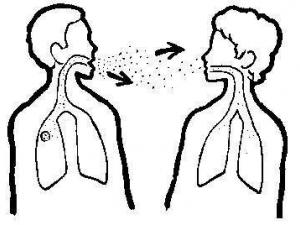
Tiny drops of liquid released from the mouth or nose when a person breathes, coughs or sneezes.
Respiratory droplets can spread viruses.
Ang mga patak sa paghinga ay maaaring magpakalat ng mga virus.
Kasingkahuluganrespiratory secretionsairborne dropletsdroplet nucleiKasalungatclean airfiltered airpagbabalik sa normal
A situation in which life goes back to the usual state it was in before a crisis.
The country hoped for a return to normalcy after the long crisis.
Umasa ang bansa para sa pagbabalik sa normal pagkatapos ng mahabang krisis.
Kasingkahuluganrecoveryrestorationregularitystatus quoKasalungatchaosdisorderabnormalityLigtas na pagbubukas
The process of opening businesses, schools or public places again in a way that protects people's health.
The city is planning a safe reopening of businesses.
Pinaplano ng lungsod ang ligtas na pagbubukas ng mga negosyo.
KasingkahuluganCautious reopeningSecure reopeningProtected reopeningKasalungatReckless reopeningUnsafe reopeningHasty reopeningMga side effect
An unwanted and often unpleasant extra effect that a drug or medical treatment has on the body.
The medicine had some unpleasant side effects.
Ang gamot ay may ilang hindi kanais-nais na side effect.
KasingkahuluganAdverse effectsUnintended consequencesRepercussionsKasalungatBenefitsAdvantagesPositive effectssocial bubble
A small, fixed group of people who agree to meet only each other, to reduce the spread of a disease.
During the pandemic, we formed social bubbles with close friends and family.
Noong panahon ng pandemya, bumuo kami ng mga social bubble kasama ang malalapit na kaibigan at pamilya.
Kasingkahulugansupport bubblefamily bubblequarantine bubbleKasalungatsocial distancingisolationPag-iwas sa pagkalat
Actions taken to stop a disease from passing from one person to others.
The government implemented spread prevention measures to control the virus.
Nagpatupad ang gobyerno ng mga hakbang sa pag-iwas sa pagkalat upang kontrolin ang virus.
KasingkahuluganContainmentControlMitigationPreventionKasalungatSpreadPropagationDissemination"Kaganapan ng malawakang pagkalat"
An event at which a large number of people are infected with a disease at the same time.
The concert became a super spreader event.
Ang konsiyerto ay naging isang kaganapan ng malawakang pagkalat.
KasingkahuluganOutbreakAmplification eventMass infection eventKasalungatControlled gatheringIsolated caseContainmenttelemedisina
The use of phone or video calls and the internet to give medical advice and treatment from a distance.
Telemedicine allows patients to consult doctors remotely.
Pinapayagan ng telemedisina ang mga pasyente na kumunsulta sa mga doktor nang malayuan.
KasingkahuluganRemote healthcareVirtual medicineE-healthKasalungatIn-person healthcareTraditional medicinePag-screen ng temperatura
The checking of people's body temperature to find anyone who may have a fever or infection.
Temperature screening is required before entering the building.
Kinakailangan ang pag-screen ng temperatura bago pumasok sa gusali.
KasingkahuluganThermal scanningFever detectionHealth screeningKasalungatNoneMga paghihigpit sa paglalakbay
Official rules that limit where and when people are allowed to travel.
The travel restrictions made it difficult to visit family.
Dahil sa mga paghihigpit sa paglalakbay, naging mahirap bisitahin ang pamilya.
KasingkahuluganBorder controlsTravel banEntry requirementsMovement restrictionsKasalungatOpen bordersFree movementUnrestricted travelKampanya sa pagbabakuna
An organized programme to give vaccines to a large number of people.
The government launched a nationwide vaccination campaign.
Inilunsad ng gobyerno ang isang pambansang kampanya sa pagbabakuna.
KasingkahuluganImmunization driveVaccination programKasalungatAnti-vaccination movementPasaporte sa bakuna
An official document or digital record showing that a person has been vaccinated against a disease.
The vaccination passport will allow international travel.
Ang pasaporte sa bakuna ay magpapahintulot sa internasyonal na paglalakbay.
KasingkahuluganVaccine certificateImmunization recordKasalungatNonePamamahagi ng bakuna
The process of supplying vaccines to different places so that people can receive them.
The vaccine distribution has been slow in some regions.
Mabagal ang pamamahagi ng bakuna sa ilang rehiyon.
KasingkahuluganVaccine rolloutVaccine deliveryImmunization distributionKasalungatVaccine shortageVaccine scarcitypag-aalinlangan sa bakuna
Unwillingness or delay in accepting a vaccine even though it is available.
Vaccine hesitancy is a growing concern for public health officials.
Ang pag-aalinlangan sa bakuna ay isang lumalaking pag-aalala para sa mga opisyal ng kalusugan ng publiko.
Kasingkahuluganvaccine reluctancevaccine skepticismanti-vaccination sentimentKasalungatvaccine acceptancevaccine confidencepro-vaccinationMga variant na nakababahala
Forms of a virus that spread more easily, cause more serious illness or reduce the effect of vaccines.
The emergence of new variants of concern poses a significant threat to global health.
Ang paglitaw ng mga bagong variant na nakababahala ay nagdudulot ng malaking banta sa kalusugan ng mundo.
KasingkahuluganConcerning strainsWorrying mutationsThreatening variantsKasalungatHarmless variantsNon-threatening strainsmga variant na binabantayan
Forms of a virus with genetic changes that may make them more dangerous and so are closely watched.
Health organizations closely monitor variants of interest to understand their potential risks.
Mahigpit na minomonitor ng mga organisasyong pangkalusugan ang mga variant of interest upang maunawaan ang posibleng panganib ng mga ito.
KasingkahuluganEmerging variantsStrains under investigationKasalungatEstablished strainsCommon variantsViral load
The amount of a virus present in a person's blood or body.
The patient's viral load has decreased significantly after treatment.
Ang viral load ng pasyente ay bumaba nang malaki pagkatapos ng paggamot.
KasingkahuluganVirus countViral burdenKasalungatViral clearanceViral eradicationPagbago ng virus
A change in the genetic material of a virus that may alter how it behaves.
The viral mutation made the disease more contagious.
Ginawa ng pagbago ng virus ang sakit na mas nakakahawa.
KasingkahuluganViral variationViral evolutionStrain changeKasalungatViral stabilitynakasuot ng maskara sa loob
Covering your nose and mouth with a mask while inside a building.
Wearing masks indoors is now optional.
Opsyonal na ngayon ang pagsusuot ng maskara sa loob.
Kasingkahuluganmasking indoorsindoor mask useKasalungatnot masking indoorsindoor mask removalMga pagpupulong sa Zoom
Meetings held online using the Zoom video-calling application.
We have Zoom meetings every Monday.
Mayroon kaming mga pagpupulong sa Zoom tuwing Lunes.
KasingkahuluganVirtual meetingsOnline conferencesVideo callsKasalungatIn-person meetingsFace-to-face meetings