Ders 8/10 · 15 kelime · Öğrenilen: 0
Digestive system
Sindirim sistemi
mide
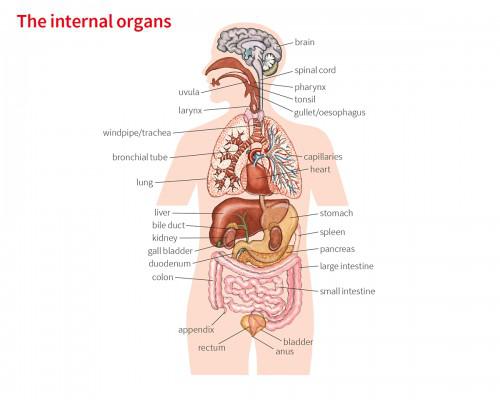
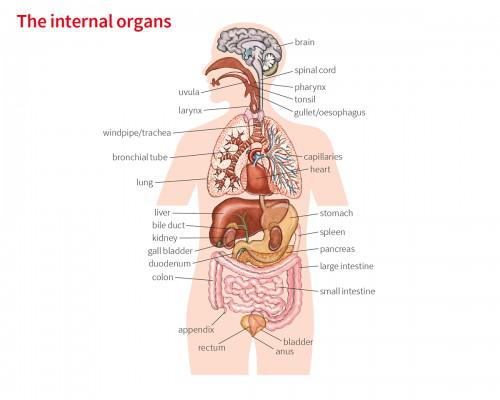
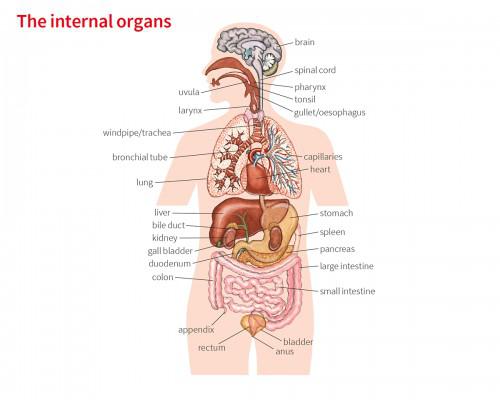
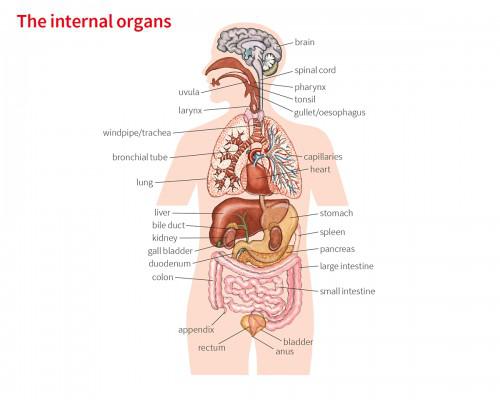
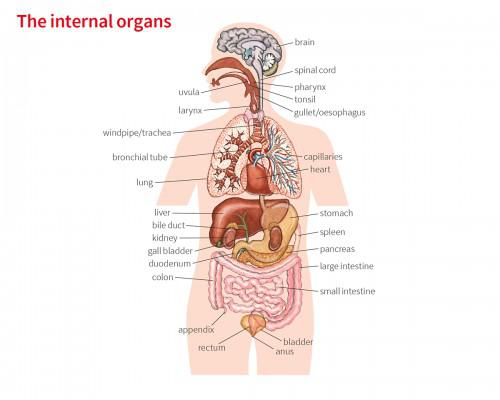
the muscular bag-shaped organ where food is stored and partly digested by acid and enzymes
The stomach produces acid that helps to digest proteins.
Mide, proteinlerin sindirilmesine yardımcı olan asit salgılar.
Endoscopy revealed an ulcer in the lining of the stomach.
Eş anlamlılarbellyabdomentummygutpaunchZıt anlamlılarnothing (related to lack of stomach issues/concerns)health (related to stomach health)apandis, kör bağırsak uzantısı
a small, narrow, closed tube attached to the first part of the large intestine
An inflamed appendix usually needs to be removed by surgery.
İltihaplanmış bir apandisin genellikle ameliyatla alınması gerekir.
The pain spread across the whole abdomen after the appendix burst.
Eş anlamlılarvermiform appendixcaecal appendixZıt anlamlılarcorecentralessentialonikiparmak bağırsağı, duodenum
the first short part of the small intestine, just after the stomach, where bile and pancreatic juice enter
Most peptic ulcers occur in the first part of the duodenum.
Peptik ülserlerin çoğu onikiparmak bağırsağının ilk kısmında görülür.
Bile flows into the duodenum through the common bile duct.
Eş anlamlılarsmall intestine beginningfirst part of small intestineZıt anlamlılarileumjejunumyemek borusu, özofagus
the muscular tube that carries food from the throat to the stomach
Acid reflux can damage the lining of the esophagus.
Asit reflüsü yemek borusunun iç tabakasına zarar verebilir.
The endoscope was passed down the esophagus into the stomach.
Eş anlamlılargulletfoodpipeZıt anlamlılarNonekaraciğer
a large organ in the upper right abdomen that processes nutrients, makes bile and removes toxins from the blood
Heavy drinking over many years can cause scarring of the liver.
Uzun yıllar boyunca aşırı alkol tüketimi karaciğerde yara dokusu oluşmasına yol açabilir.
Blood tests showed that his liver was not working properly.
Eş anlamlılarorganviscuspankreas
a gland behind the stomach that produces digestive enzymes and hormones such as insulin
Inflammation of the pancreas causes severe upper abdominal pain.
Pankreas iltihabı üst karında şiddetli ağrıya neden olur.
In type 1 diabetes, the pancreas produces little or no insulin.
Eş anlamlılarNoneZıt anlamlılarNoneperistaltizm, peristaltik hareket
wave-like muscle contractions that move food and waste along the digestive tract
Peristalsis moves food from the esophagus into the stomach.
Peristaltizm yiyecekleri yemek borusundan mideye taşır.
After abdominal surgery, peristalsis may stop for a short time.
Eş anlamlılarintestinal motilitygut contractionsZıt anlamlılarileusparalysisrektum, düz bağırsak
the last part of the large intestine, where stool is stored before it leaves the body through the anus
The doctor performed a digital examination of the rectum.
Doktor rektumun parmakla muayenesini yaptı.
Bleeding from the rectum should always be investigated.
Eş anlamlılarback passageanushindgutZıt anlamlılaresophagusstomachsafra kesesi
a small pouch under the liver that stores bile and releases it into the intestine after meals
Gallstones form when bile becomes too concentrated in the gallbladder.
Safra taşları, safra kesesinde safra çok koyulaştığında oluşur.
She had her gallbladder removed by keyhole surgery.
Eş anlamlılarcholecysttükürük bezi
one of the glands in and around the mouth that produce saliva
The parotid, in front of the ear, is the largest salivary gland.
Kulağın önünde yer alan parotis, en büyük tükürük bezidir.
A stone can block a salivary gland and cause swelling during meals.
Eş anlamlılarSalivarySaliva-producing glandZıt anlamlılarNoneince bağırsak
the long, narrow part of the gut between the stomach and the large intestine where most nutrients are absorbed
Most digestion and absorption happen in the small intestine.
Sindirim ve emilimin çoğu ince bağırsakta gerçekleşir.
The scan showed an obstruction in the small intestine.
Eş anlamlılarsmall bowelsmall gutZıt anlamlılarlarge intestinekalın bağırsak
the wider last part of the gut, including the cecum, colon and rectum, where water is absorbed
The large intestine absorbs water and forms stool.
Kalın bağırsak suyu emer ve dışkıyı oluşturur.
A colonoscopy examines the inside of the large intestine.
Eş anlamlılarcolonbowelZıt anlamlılarsmall intestinegastrointestinal sistem, sindirim sistemi, sindirim kanalı
the long passage from the mouth to the anus through which food passes and is digested; the GI tract
Bleeding from the upper gastrointestinal tract may cause black stools.
Üst gastrointestinal sistemden olan kanama siyah dışkıya neden olabilir.
The drug is quickly absorbed from the gastrointestinal tract.
safra yolu, safra kanalı
a tube that carries bile from the liver and gallbladder to the duodenum
A stone blocking the common bile duct can cause jaundice.
Ana safra kanalını tıkayan bir taş sarılığa neden olabilir.
The abdominal ultrasound showed a dilated bile duct and gallstones.