Lección 8/10 · 15 palabras · 0 aprendidas
Digestive system
Sistema digestivo
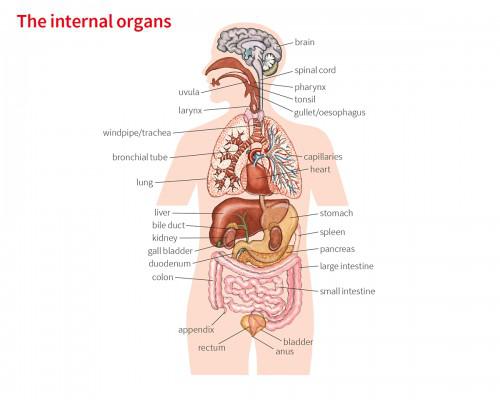
estómago
the muscular bag-shaped organ where food is stored and partly digested by acid and enzymes
The stomach produces acid that helps to digest proteins.
El estómago produce ácido que ayuda a digerir las proteínas.
Endoscopy revealed an ulcer in the lining of the stomach.
SinónimosbellyabdomentummygutpaunchAntónimosnothing (related to lack of stomach issues/concerns)health (related to stomach health)apéndice
a small, narrow, closed tube attached to the first part of the large intestine
An inflamed appendix usually needs to be removed by surgery.
Un apéndice inflamado normalmente debe extirparse mediante cirugía.
The pain spread across the whole abdomen after the appendix burst.
Sinónimosvermiform appendixcaecal appendixAntónimoscorecentralessentialduodeno
the first short part of the small intestine, just after the stomach, where bile and pancreatic juice enter
Most peptic ulcers occur in the first part of the duodenum.
La mayoría de las úlceras pépticas se producen en la primera porción del duodeno.
Bile flows into the duodenum through the common bile duct.
Sinónimossmall intestine beginningfirst part of small intestineAntónimosileumjejunumesófago
the muscular tube that carries food from the throat to the stomach
Acid reflux can damage the lining of the esophagus.
El reflujo ácido puede dañar el revestimiento del esófago.
The endoscope was passed down the esophagus into the stomach.
SinónimosgulletfoodpipeAntónimosNonehígado
a large organ in the upper right abdomen that processes nutrients, makes bile and removes toxins from the blood
Heavy drinking over many years can cause scarring of the liver.
El consumo excesivo de alcohol durante muchos años puede causar cicatrización del hígado.
Blood tests showed that his liver was not working properly.
Sinónimosorganviscuspáncreas
a gland behind the stomach that produces digestive enzymes and hormones such as insulin
Inflammation of the pancreas causes severe upper abdominal pain.
La inflamación del páncreas causa un dolor intenso en la parte superior del abdomen.
In type 1 diabetes, the pancreas produces little or no insulin.
SinónimosNoneAntónimosNoneperistaltismo, movimientos peristálticos
wave-like muscle contractions that move food and waste along the digestive tract
Peristalsis moves food from the esophagus into the stomach.
El peristaltismo hace avanzar los alimentos del esófago al estómago.
After abdominal surgery, peristalsis may stop for a short time.
Sinónimosintestinal motilitygut contractionsAntónimosileusparalysisrecto
the last part of the large intestine, where stool is stored before it leaves the body through the anus
The doctor performed a digital examination of the rectum.
El médico realizó un tacto rectal.
Bleeding from the rectum should always be investigated.
Sinónimosback passageanushindgutAntónimosesophagusstomachvesícula biliar
a small pouch under the liver that stores bile and releases it into the intestine after meals
Gallstones form when bile becomes too concentrated in the gallbladder.
Los cálculos biliares se forman cuando la bilis se concentra demasiado en la vesícula biliar.
She had her gallbladder removed by keyhole surgery.
Sinónimoscholecystglándula salival
one of the glands in and around the mouth that produce saliva
The parotid, in front of the ear, is the largest salivary gland.
La parótida, situada delante de la oreja, es la glándula salival más grande.
A stone can block a salivary gland and cause swelling during meals.
SinónimosSalivarySaliva-producing glandAntónimosNoneintestino delgado
the long, narrow part of the gut between the stomach and the large intestine where most nutrients are absorbed
Most digestion and absorption happen in the small intestine.
La mayor parte de la digestión y la absorción ocurre en el intestino delgado.
The scan showed an obstruction in the small intestine.
Sinónimossmall bowelsmall gutAntónimoslarge intestineintestino grueso
the wider last part of the gut, including the cecum, colon and rectum, where water is absorbed
The large intestine absorbs water and forms stool.
El intestino grueso absorbe agua y forma las heces.
A colonoscopy examines the inside of the large intestine.
SinónimoscolonbowelAntónimossmall intestinetracto gastrointestinal, aparato digestivo
the long passage from the mouth to the anus through which food passes and is digested; the GI tract
Bleeding from the upper gastrointestinal tract may cause black stools.
El sangrado del tracto gastrointestinal superior puede causar heces negras.
The drug is quickly absorbed from the gastrointestinal tract.
conducto biliar, vía biliar
a tube that carries bile from the liver and gallbladder to the duodenum
A stone blocking the common bile duct can cause jaundice.
Un cálculo que obstruye el colédoco puede causar ictericia.
The abdominal ultrasound showed a dilated bile duct and gallstones.