Lição 8/10 · 15 palavras · 0 aprendidas
Digestive system
Sistema digestório
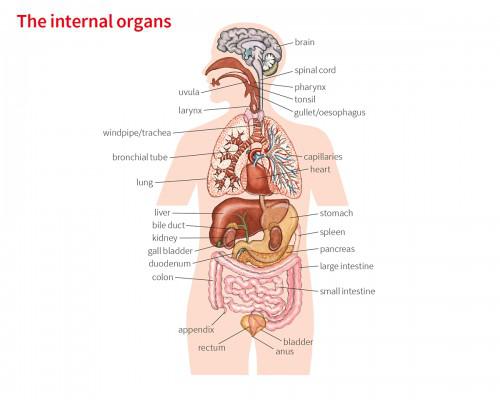
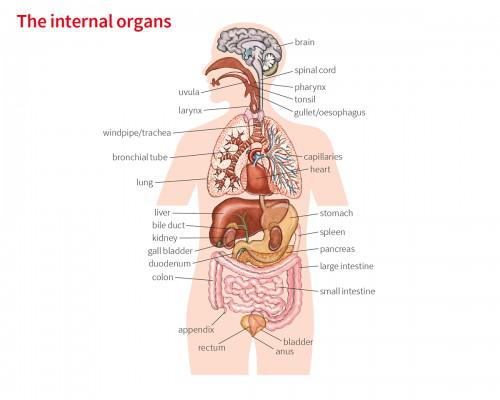
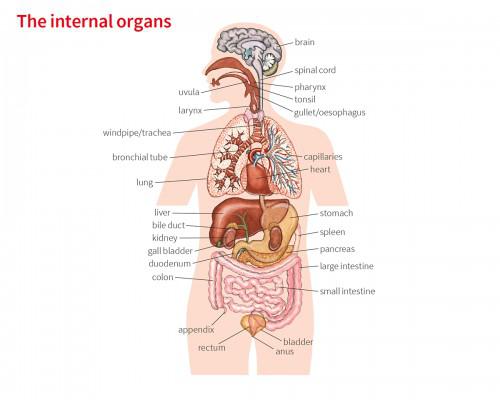
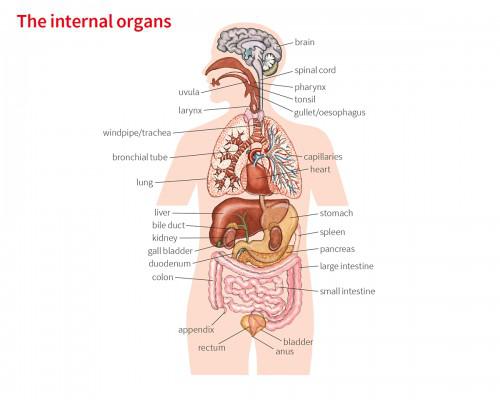
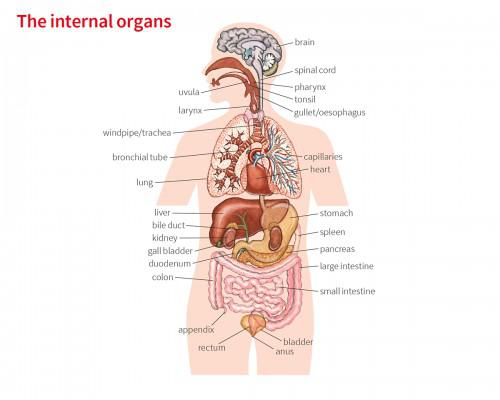
estômago
the muscular bag-shaped organ where food is stored and partly digested by acid and enzymes
The stomach produces acid that helps to digest proteins.
O estômago produz ácido que ajuda a digerir as proteínas.
Endoscopy revealed an ulcer in the lining of the stomach.
SinônimosbellyabdomentummygutpaunchAntônimosnothing (related to lack of stomach issues/concerns)health (related to stomach health)apêndice
a small, narrow, closed tube attached to the first part of the large intestine
An inflamed appendix usually needs to be removed by surgery.
Um apêndice inflamado geralmente precisa ser removido por cirurgia.
The pain spread across the whole abdomen after the appendix burst.
Sinônimosvermiform appendixcaecal appendixAntônimoscorecentralessentialduodeno
the first short part of the small intestine, just after the stomach, where bile and pancreatic juice enter
Most peptic ulcers occur in the first part of the duodenum.
A maioria das úlceras pépticas ocorre na primeira porção do duodeno.
Bile flows into the duodenum through the common bile duct.
Sinônimossmall intestine beginningfirst part of small intestineAntônimosileumjejunumfígado
a large organ in the upper right abdomen that processes nutrients, makes bile and removes toxins from the blood
Heavy drinking over many years can cause scarring of the liver.
O consumo excessivo de álcool por muitos anos pode causar cicatrização do fígado.
Blood tests showed that his liver was not working properly.
Sinônimosorganviscuspâncreas
a gland behind the stomach that produces digestive enzymes and hormones such as insulin
Inflammation of the pancreas causes severe upper abdominal pain.
A inflamação do pâncreas causa dor intensa na parte superior do abdome.
In type 1 diabetes, the pancreas produces little or no insulin.
SinônimosNoneAntônimosNoneperistaltismo, movimentos peristálticos
wave-like muscle contractions that move food and waste along the digestive tract
Peristalsis moves food from the esophagus into the stomach.
O peristaltismo conduz o alimento do esôfago até o estômago.
After abdominal surgery, peristalsis may stop for a short time.
Sinônimosintestinal motilitygut contractionsAntônimosileusparalysisreto
the last part of the large intestine, where stool is stored before it leaves the body through the anus
The doctor performed a digital examination of the rectum.
O médico realizou o toque retal.
Bleeding from the rectum should always be investigated.
Sinônimosback passageanushindgutAntônimosesophagusstomachvesícula biliar
a small pouch under the liver that stores bile and releases it into the intestine after meals
Gallstones form when bile becomes too concentrated in the gallbladder.
Os cálculos biliares se formam quando a bile fica muito concentrada na vesícula biliar.
She had her gallbladder removed by keyhole surgery.
Sinônimoscholecystglândula salivar
one of the glands in and around the mouth that produce saliva
The parotid, in front of the ear, is the largest salivary gland.
A parótida, na frente da orelha, é a maior glândula salivar.
A stone can block a salivary gland and cause swelling during meals.
SinônimosSalivarySaliva-producing glandAntônimosNoneintestino delgado
the long, narrow part of the gut between the stomach and the large intestine where most nutrients are absorbed
Most digestion and absorption happen in the small intestine.
A maior parte da digestão e da absorção ocorre no intestino delgado.
The scan showed an obstruction in the small intestine.
Sinônimossmall bowelsmall gutAntônimoslarge intestineintestino grosso
the wider last part of the gut, including the cecum, colon and rectum, where water is absorbed
The large intestine absorbs water and forms stool.
O intestino grosso absorve água e forma as fezes.
A colonoscopy examines the inside of the large intestine.
SinônimoscolonbowelAntônimossmall intestinetrato gastrointestinal, sistema digestório
the long passage from the mouth to the anus through which food passes and is digested; the GI tract
Bleeding from the upper gastrointestinal tract may cause black stools.
O sangramento do trato gastrointestinal superior pode causar fezes escuras.
The drug is quickly absorbed from the gastrointestinal tract.
ducto biliar, via biliar
a tube that carries bile from the liver and gallbladder to the duodenum
A stone blocking the common bile duct can cause jaundice.
Um cálculo que bloqueia o ducto colédoco pode causar icterícia.
The abdominal ultrasound showed a dilated bile duct and gallstones.