Lezione 8/10 · 15 parole · 0 imparate
Digestive system
Apparato digerente
stomaco
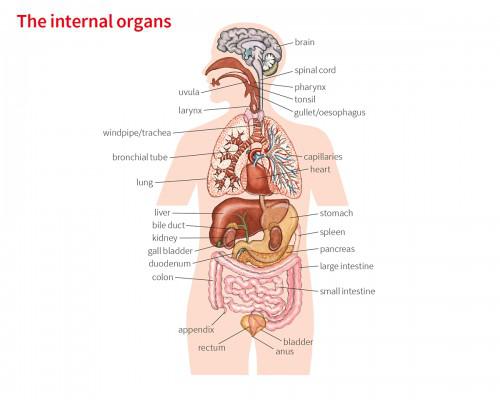
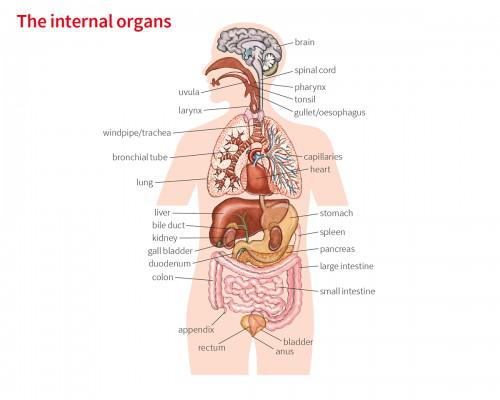
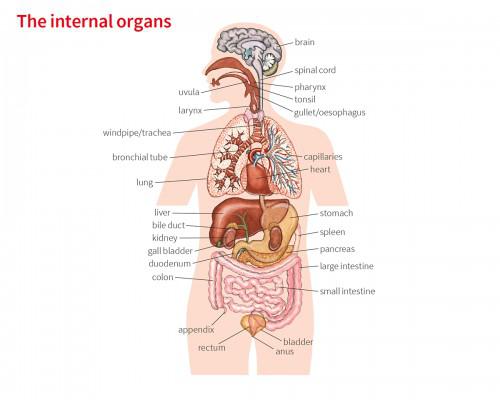
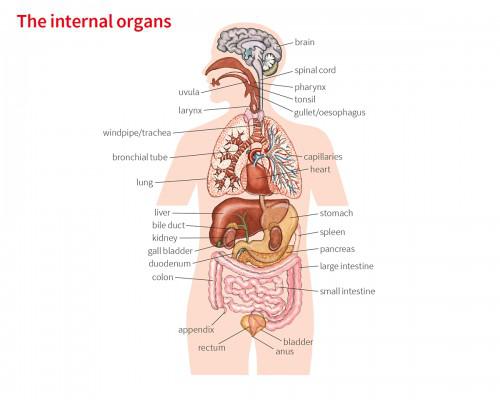
the muscular bag-shaped organ where food is stored and partly digested by acid and enzymes
The stomach produces acid that helps to digest proteins.
Lo stomaco produce acido che aiuta a digerire le proteine.
Endoscopy revealed an ulcer in the lining of the stomach.
SinonimibellyabdomentummygutpaunchContrarinothing (related to lack of stomach issues/concerns)health (related to stomach health)appendice, appendice vermiforme
a small, narrow, closed tube attached to the first part of the large intestine
An inflamed appendix usually needs to be removed by surgery.
Un'appendice infiammata di solito deve essere asportata chirurgicamente.
The pain spread across the whole abdomen after the appendix burst.
Sinonimivermiform appendixcaecal appendixContraricorecentralessentialduodeno
the first short part of the small intestine, just after the stomach, where bile and pancreatic juice enter
Most peptic ulcers occur in the first part of the duodenum.
La maggior parte delle ulcere peptiche si trova nella prima porzione del duodeno.
Bile flows into the duodenum through the common bile duct.
Sinonimismall intestine beginningfirst part of small intestineContrariileumjejunumesofago
the muscular tube that carries food from the throat to the stomach
Acid reflux can damage the lining of the esophagus.
Il reflusso acido può danneggiare la mucosa dell'esofago.
The endoscope was passed down the esophagus into the stomach.
SinonimigulletfoodpipeContrariNonefegato
a large organ in the upper right abdomen that processes nutrients, makes bile and removes toxins from the blood
Heavy drinking over many years can cause scarring of the liver.
Il consumo eccessivo di alcol per molti anni può causare cicatrizzazione del fegato.
Blood tests showed that his liver was not working properly.
Sinonimiorganviscuspancreas
a gland behind the stomach that produces digestive enzymes and hormones such as insulin
Inflammation of the pancreas causes severe upper abdominal pain.
L'infiammazione del pancreas causa un forte dolore nella parte alta dell'addome.
In type 1 diabetes, the pancreas produces little or no insulin.
SinonimiNoneContrariNoneperistalsi
wave-like muscle contractions that move food and waste along the digestive tract
Peristalsis moves food from the esophagus into the stomach.
La peristalsi sospinge il cibo dall'esofago allo stomaco.
After abdominal surgery, peristalsis may stop for a short time.
Sinonimiintestinal motilitygut contractionsContrariileusparalysisretto
the last part of the large intestine, where stool is stored before it leaves the body through the anus
The doctor performed a digital examination of the rectum.
Il medico ha eseguito un'esplorazione rettale digitale.
Bleeding from the rectum should always be investigated.
Sinonimiback passageanushindgutContrariesophagusstomachcolecisti, cistifellea
a small pouch under the liver that stores bile and releases it into the intestine after meals
Gallstones form when bile becomes too concentrated in the gallbladder.
I calcoli biliari si formano quando la bile diventa troppo concentrata nella colecisti.
She had her gallbladder removed by keyhole surgery.
Sinonimicholecystghiandola salivare
one of the glands in and around the mouth that produce saliva
The parotid, in front of the ear, is the largest salivary gland.
La parotide, situata davanti all'orecchio, è la più grande ghiandola salivare.
A stone can block a salivary gland and cause swelling during meals.
SinonimiSalivarySaliva-producing glandContrariNoneintestino tenue
the long, narrow part of the gut between the stomach and the large intestine where most nutrients are absorbed
Most digestion and absorption happen in the small intestine.
La maggior parte della digestione e dell'assorbimento avviene nell'intestino tenue.
The scan showed an obstruction in the small intestine.
Sinonimismall bowelsmall gutContrarilarge intestineintestino crasso
the wider last part of the gut, including the cecum, colon and rectum, where water is absorbed
The large intestine absorbs water and forms stool.
L'intestino crasso assorbe l'acqua e forma le feci.
A colonoscopy examines the inside of the large intestine.
SinonimicolonbowelContrarismall intestinetratto gastrointestinale, apparato digerente
the long passage from the mouth to the anus through which food passes and is digested; the GI tract
Bleeding from the upper gastrointestinal tract may cause black stools.
Un sanguinamento del tratto gastrointestinale superiore può causare feci nere.
The drug is quickly absorbed from the gastrointestinal tract.
dotto biliare, via biliare
a tube that carries bile from the liver and gallbladder to the duodenum
A stone blocking the common bile duct can cause jaundice.
Un calcolo che ostruisce il dotto biliare comune può causare ittero.
The abdominal ultrasound showed a dilated bile duct and gallstones.