Bài 9/33 · 94 từ · đã thuộc 0
Culture
Văn hóa
sự thưởng thức, sự đánh giá cao
pleasure that you have when you recognize and enjoy the good qualities of somebody/something
She has a deep appreciation of traditional music and art.
Cô ấy có khả năng thưởng thức sâu sắc âm nhạc và nghệ thuật truyền thống.
Đồng nghĩagratitudethankfulnessrecognitionacknowledgmentesteemregardTrái nghĩadisapprovalcriticismdisregardingratitudeindifferencenghệ thuật
the use of the imagination to express ideas or feelings, particularly in painting, drawing or sculpture
We have art on Monday, and I love painting pictures.
Chúng tôi có tiết mỹ thuật vào thứ Hai, và tôi thích vẽ tranh.
Đồng nghĩaskillcrafttalentcreativityexpressiondesignmasteryTrái nghĩaclumsinessineptitudelack of skillartlessnessinabilitymôn văn học, văn chương
pieces of writing that are valued as works of art, especially novels, plays and poems (in contrast to technical books and newspapers, magazines, etc.)
My sister is very good at Literature.
Em gái tôi rất giỏi môn Văn.
French literature
văn học Pháp
Đồng nghĩawritingslettersbookscompositioncreative writingpoetrydramaTrái nghĩailliteracynonfictionsciencemathematicstruyền thống
a belief, custom or way of doing something that has existed for a long time among a particular group of people; a set of these beliefs or customs
Making Chung cake is our tradition at Tet.
Làm bánh chưng là truyền thống của chúng tôi vào dịp Tết.
religious/cultural, etc. traditions
Tôn giáo / văn hóa, vv truyền thống
Đồng nghĩacustomconventionpracticeritualheritageusagemannerwayTrái nghĩainnovationnoveltymodernitychangedeviationphương tiện truyền thông
the main ways that large numbers of people receive information and entertainment, that is television, radio, newspapers and the internet
He became a media star for his part in the protests.
Anh trở thành một ngôi sao truyền thông cho phần của mình trong các cuộc biểu tình.
the news/broadcasting/national media
Tin tức / Phát thanh truyền thông / Truyền thông quốc gia
Đồng nghĩapressnewsjournalismcommunicationsbroadcastingTrái nghĩasilenceprivacysecrecysự kính trọng, sự tôn trọng
a strong feeling of approval of somebody/something because of their good qualities or achievements
Children should show respect for their parents and teachers.
Trẻ em nên thể hiện sự tôn trọng đối với cha mẹ và thầy cô.
Đồng nghĩaadmirationesteemregardvenerationdeferencehonorappreciationTrái nghĩadisrespectdisdaincontemptdisregardscorntôn giáo
the belief in the existence of a god or gods, and the activities that are connected with the worship of them, or in the teachings of a spiritual leader
Christianity, Islam and Judaism are known as Abrahamic religions.
Thiên Chúa giáo, Hồi giáo và Do Thái giáo được gọi là tôn giáo Abraham.
He went very quiet(= did not say much) so I knew he was upset.
Anh ấy đã rất yên tĩnh (= không nói nhiều) nên tôi biết anh ấy đã buồn.
Đồng nghĩafaithbeliefcreeddoctrinedenominationsectworshipspiritualityTrái nghĩaatheismirreligionsecularismagnosticismdisbeliefhải quan
the government department that checks goods brought into a country and collects tax on them; also the area where this is done
All passengers must go through customs after collecting their baggage.
Mọi hành khách phải qua hải quan sau khi nhận hành lý.
Customs officers may open your bags to check for undeclared goods.
Nhân viên hải quan có thể mở hành lý để kiểm tra hàng hóa không khai báo.
Đồng nghĩadutytariffimport taxTrái nghĩafree tradeno dutyâm nhạc, môn nhạc
sounds that are arranged in a way that is pleasant or exciting to listen to. People sing music or play it on instruments.
I listen to music every day.
Tôi nghe nhạc mỗi ngày.
The poem has been set to music.
Bài thơ đã được đặt thành âm nhạc.
Đồng nghĩamelodyharmonytunesongcompositionTrái nghĩasilencenoise (in some contexts)tiêu cực, có hại
bad or harmful
The whole experience was definitely more positive than negative.
Toàn bộ trải nghiệm chắc chắn là tích cực hơn tiêu cực.
The crisis had a negative effect on trade.
Cuộc khủng hoảng đã có ảnh hưởng tiêu cực đến thương mại.
Đồng nghĩapessimisticunfavorableadversedetrimentalbadunpleasantTrái nghĩapositiveoptimisticfavorablegoodpleasantcộng đồng
all the people who live in a particular area, country, etc. when talked about as a group
They want to do something useful and meaningful for the community.
Họ muốn làm gì đó có ích và ý nghĩa cho cộng đồng.
the international community (= the countries of the world as a group)
Cộng đồng quốc tế (= các quốc gia trên thế giới như một nhóm)
Đồng nghĩasocietypublicgrouppopulationneighborhoodfellowshipTrái nghĩaindividualisolationseparationsự trao đổi
an act of giving something to somebody or doing something for somebody and receiving something in return
Our school organised a cultural exchange with students from Japan.
Trường chúng tôi đã tổ chức một chương trình giao lưu văn hóa với học sinh Nhật Bản.
Đồng nghĩaswaptradebarterinterchangesubstitutereplaceTrái nghĩakeepretainholdwithholdtích cực, lạc quan
thinking about what is good in a situation; feeling confident and sure that something good will happen
She tried to be more positive about her new job.
Cô ấy cố gắng tích cực hơn về công việc mới.
On the positive side, profits have increased.
Về mặt tích cực, lợi nhuận đã tăng lên.
Đồng nghĩaoptimisticconstructivefavorablehopefulupbeatconfidentTrái nghĩanegativepessimisticunfavorablecriticalđiệu nhảy, điệu múa
a series of movements and steps that are usually performed to music; a particular example of these movements and steps
The tango is a famous traditional dance from Argentina.
Tango là một điệu nhảy truyền thống nổi tiếng của Argentina.
Đồng nghĩaboogiegroovejivehoppranceshuffleswaywaltzTrái nghĩarestidlesitremainstaymôn Lịch sử, lịch sử
the study of past events, especially as a subject at school or university
My mother is a history teacher.
Mẹ tôi là giáo viên dạy Lịch sử.
The area was inhabited long before the dawn of recorded history(= before people wrote about events).
Khu vực này đã được sinh sống từ lâu trước khi bình minh của lịch sử được ghi lại (= trước khi mọi người viết về các sự kiện).
Đồng nghĩapastchroniclerecordaccounteventsTrái nghĩafuturedanh tính
who or what somebody/something is
The thief used a false identity.
Tên trộm đã sử dụng một bản sắc sai.
Do you have any proof of identity?
Bạn có bất kỳ bằng chứng về danh tính?
Đồng nghĩaidentificationselfindividualitycharacterpersonalityessenceTrái nghĩaanonymityfacelessnessnamelessnessnonentityăn mừng, kỷ niệm, tổ chức
to show that a day or an event is important by doing something special on it
Vietnamese people celebrate Tet at different times each year.
Người Việt Nam đón Tết vào các thời gian khác nhau trong mỗi năm.
How do people celebrate New Year in your country?
Làm thế nào để mọi người ăn mừng năm mới ở nước bạn?
Đồng nghĩacommemorateobservehonorrejoicemarksolemnizeTrái nghĩamournlamentcondemnignoreneglectsự đa dạng
a range of many people or things that are very different from each other
Our city is proud of its cultural diversity and its many festivals.
Thành phố chúng tôi tự hào về sự đa dạng văn hóa và nhiều lễ hội.
Đồng nghĩavarietymultiplicitydifferenceheterogeneityrangeassortmentTrái nghĩasimilarityuniformityhomogeneitysamenessmonotonybản địa, vốn thuộc về một nơi nào đó
coming from a particular place and having lived there for a long time before other people came there; relating to, belonging to or developed by these people
the indigenous peoples/languages of the area
các dân tộc bản địa / ngôn ngữ bản địa của khu vực
Đồng nghĩanativeaboriginaloriginallocaldomesticTrái nghĩaforeignalienimmigrantintroducednon-nativelòng khoan dung
the quality of being willing to accept or tolerate somebody/something, especially opinions or behaviour that you may not agree with, or people who are not like you
She had no tolerance for jokes of any kind.
Cô không có lòng khoan dung cho bất kỳ loại trò đùa nào.
Đồng nghĩapatienceforbearanceunderstandingacceptanceleniencyenduranceTrái nghĩaintoleranceprejudicebigotrynarrow-mindednessimpatienceđa văn hóa, đa chủng tộc
for or including people of several different cultures (= beliefs, languages, customs and traditions, etc.)
My company is multicultural and has many international employees.
Công ty của tôi là đa văn hóa và có nhiều nhân viên quốc tế.
Đồng nghĩadiversepluralisticcross-culturalinternationalglobalTrái nghĩamonoculturalhomogeneousuniformdi sản
the history, traditions, buildings and objects that a country or society has had for many years and that are considered an important part of its character
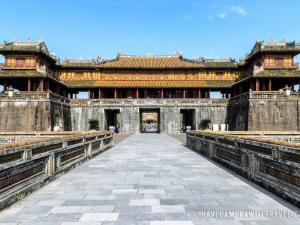
Hue's Imperial City was listed as a Cultural World Heritage site by UNESCO in 1993.
Cố đô Huế được công nhận là di sản văn hóa thế giới bởi UNESCO năm 1993.
Đồng nghĩalegacyinheritancetraditionbirthrightendowmentTrái nghĩapresentmodernityinnovationphân biệt đối xử
unfair treatment of a person because of their gender, age, religion, disability or another protected characteristic
The law prohibits discrimination against pregnant workers in hiring and promotion.
Pháp luật cấm phân biệt đối xử với lao động nữ mang thai trong tuyển dụng và thăng chức.
The employee filed a complaint of age discrimination after being passed over.
Người lao động đã khiếu nại về phân biệt đối xử do tuổi tác sau khi bị bỏ qua khi xét thăng chức.
Đồng nghĩaprejudicebiasinequalityfavoritismbigotrysegregationTrái nghĩaequalityfairnessimpartialityjusticeequitytolerancechung sống, cùng tồn tại
to exist together in the same place or at the same time, especially in a peaceful way
Different cultures can coexist peacefully in a multicultural society.
Các nền văn hóa khác nhau có thể cùng tồn tại một cách hòa bình trong một xã hội đa văn hóa.
Đồng nghĩalive togetherexist togethercoexistlive side by sideget alongTrái nghĩaclashconflictopposecompetefightnhân học văn hóa
the study of human societies, their cultures and the way they develop
Cultural anthropology studies human societies and cultures and their development.
Nhân học văn hóa nghiên cứu các xã hội và nền văn hóa của con người và sự phát triển của chúng.
Đồng nghĩaethnologysocial anthropologyTrái nghĩaphysical anthropologysốc văn hóa
a feeling of being confused and worried that somebody may get when they visit another country or experience a different way of life or set of attitudes, because the experience is so different from what they are used to
She experienced culture shock when she moved from a small town to a big city.
Cô ấy đã trải qua sốc văn hóa khi chuyển từ một thị trấn nhỏ đến một thành phố lớn.
Đồng nghĩacultural adjustment issuescultural disorientationcultural distressTrái nghĩacultural familiaritycultural adaptationsự truyền tin; sự truyền bá; sự phổ biến
the act of spreading something widely in all directions; the fact of being spread in all directions
The diffusion of knowledge is essential for progress.
Sự khuếch tán kiến thức là rất cần thiết cho sự tiến bộ.
Đồng nghĩaspreaddisseminationproliferationdispersionTrái nghĩaconcentrationcontainmentrestrictionđạo đức, luân thường đạo lý
moral principles that control or influence a person’s behaviour
The company established a code of ethics for its employees.
Công ty đã thiết lập một bộ quy tắc đạo đức cho nhân viên của mình.
Đồng nghĩamoralsprinciplesvaluesconductTrái nghĩaimmoralityunethicalnesssắc tộc
the fact of belonging to a particular ethnic group (= a group of people that share a cultural tradition)
The city is a melting pot of different ethnicities.
Thành phố này là một sự pha trộn của các dân tộc khác nhau.
Đồng nghĩaracenationalitycultural backgroundoriginTrái nghĩaindividualuniversalglobalchủ nghĩa vị chủng, thuyết cho dân tộc mình là hơn cả
behaviour or beliefs that favour one particular culture and judge other cultures against it
Ethnocentrism can lead to misunderstandings between cultures.
Chủ nghĩa vị chủng có thể dẫn đến những hiểu lầm giữa các nền văn hóa.
Đồng nghĩacultural biascultural superioritychauvinismTrái nghĩacultural relativismtoleranceacceptancekhoa mô tả dân tộc
the scientific description of different peoples and cultures, with their customs, habits and differences
The ethnography of the tribe revealed unique cultural practices.
Dân tộc học về bộ lạc đã tiết lộ những tập quán văn hóa độc đáo.
Đồng nghĩaCultural studyAnthropological researchField researchTrái nghĩaTheoretical studyphép xã giao
the formal rules of correct or polite behaviour in society, among members of a particular profession or in a particular area of activity
Proper etiquette is essential at a formal dinner.
Phép xã giao phù hợp là điều cần thiết trong một bữa tối trang trọng.
Đồng nghĩamannersdecorumprotocolcivilityTrái nghĩaimpolitenessrudenessdiscourtesyvăn học dân gian; truyền thống dân gian
the traditions and stories of a country or community
The local folklore tells tales of mythical creatures living in the forest.
Văn hóa dân gian địa phương kể những câu chuyện về những sinh vật thần thoại sống trong rừng.
Đồng nghĩafolk taleslegendsmythstraditionsoral historyTrái nghĩahistoryfactsciencesự thừa kế
the money, property, etc. that you receive from somebody when they die; the fact of receiving something when somebody dies
She received a large inheritance from her grandfather.
Cô ấy nhận được một khoản thừa kế lớn từ ông nội.
Đồng nghĩabequestlegacyheritagedeviseTrái nghĩaforfeiturelossdeprivationliên kết với nhau, gắn kết
connected with each other, or having parts that are connected with each other
The world is becoming increasingly interconnected through technology.
Thế giới ngày càng được kết nối chặt chẽ hơn nhờ công nghệ.
Đồng nghĩalinkedconnectedrelatedintegratednetworkedTrái nghĩaisolateddisconnectedseparateindependentsự bảo tồn, sự gìn giữ
the act of keeping something in its original state or in good condition
The preservation of historical buildings is important.
Việc bảo tồn các tòa nhà lịch sử là rất quan trọng.
Đồng nghĩaconservationprotectionmaintenancesafeguardingTrái nghĩadestructionneglectdamageLan truyền văn hóa
The spread of ideas, customs and beliefs from one culture or society to another.
The Silk Road facilitated cultural diffusion between East and West.
Con đường tơ lụa tạo điều kiện cho sự lan tỏa văn hóa giữa Đông và Tây.
Đồng nghĩaCultural exchangeCultural transmissionCross-cultural interactionTrái nghĩaCultural isolationCultural stagnationTrao đổi văn hóa
A programme or activity in which people from different countries share and learn about each other's customs, ideas and way of life.
The cultural exchange program allowed students to live abroad.
Chương trình giao lưu văn hóa cho phép sinh viên sống ở nước ngoài.
Đồng nghĩaCross-cultural exchangeIntercultural dialogueCultural interchangeTrái nghĩaCultural isolationCultural segregationĐồng nhất hóa
The process of making things, such as cultures or societies, become similar or the same.
The homogenization of culture can lead to a loss of unique traditions.
Sự đồng nhất hóa văn hóa có thể dẫn đến mất mát các truyền thống độc đáo.
Đồng nghĩaStandardizationUniformityAssimilationTrái nghĩaDifferentiationDiversificationHeterogeneitynghi lễ, buổi lễ
Formal public or religious events held to celebrate or mark something important.
The ceremonies marked the end of the war.
Các nghi lễ đánh dấu sự kết thúc của chiến tranh.
Đồng nghĩaRitualsObservancesRitesFormalityTrái nghĩaInformalitySpontaneityImpromptuXã hội tập thể
A society in which the needs and goals of the group are considered more important than those of individuals.
A collectivist society prioritizes the needs of the group over individual desires.
Một xã hội tập thể ưu tiên nhu cầu của nhóm hơn là mong muốn cá nhân.
Đồng nghĩaCommunal societyGroup-oriented societyTrái nghĩaIndividualist societySự thích nghi văn hóa
The process of adjusting to the customs and way of life of a new culture.
Cultural adaptation is essential for immigrants.
Thích nghi văn hóa là điều cần thiết cho người nhập cư.
Đồng nghĩaAcculturationCultural adjustmentAssimilationTrái nghĩaCultural preservationCultural rejectionsự trân trọng văn hóa
The act of learning about, valuing and respecting cultures different from your own.
Cultural appreciation involves learning about and respecting different cultures.
Trân trọng văn hóa bao gồm việc tìm hiểu và tôn trọng các nền văn hóa khác nhau.
Đồng nghĩaCultural understandingCultural sensitivityCross-cultural awarenessTrái nghĩaCultural insensitivityCultural appropriationhiện vật văn hóa
Objects made by people that show the culture and history of a particular society.
The museum displayed many cultural artifacts from ancient civilizations.
Bảo tàng trưng bày nhiều di vật văn hóa từ các nền văn minh cổ đại.
Đồng nghĩaCultural relicsCultural heritageHistorical artifactsTrái nghĩaModern creationsContemporary workssự đồng hóa văn hóa
The process by which a group gradually takes on the customs and culture of another, usually larger, group.
Cultural assimilation occurs when a minority group adopts the customs of the dominant culture.
Đồng hóa văn hóa xảy ra khi một nhóm thiểu số chấp nhận các phong tục của nền văn hóa thống trị.
Đồng nghĩaacculturationintegrationabsorptioncultural integrationTrái nghĩacultural preservationcultural pluralismsegregationcultural diversityNhận thức văn hóa
Knowledge and understanding of the beliefs, customs and values of other cultures and your own.
Cultural awareness is essential for international business.
Nhận thức văn hóa là điều cần thiết cho kinh doanh quốc tế.
Đồng nghĩaCultural sensitivityCross-cultural competenceIntercultural awarenessTrái nghĩaCultural ignoranceCultural insensitivityĐa dạng văn hóa
The existence of many different cultures, ethnic groups and traditions within a society or group.
Our company values cultural diversity.
Công ty của chúng tôi coi trọng sự đa dạng văn hóa.
Đồng nghĩamulticulturalismcross-culturalismpluralismTrái nghĩacultural uniformitycultural homogeneityGiáo dục văn hóa
Teaching and learning about the arts, customs, history and traditions of a culture or cultures.
Cultural education is essential for understanding different societies.
Giáo dục văn hóa rất cần thiết để hiểu các xã hội khác nhau.
Đồng nghĩaArts educationHumanities educationIntercultural educationTrái nghĩaTechnical educationVocational trainingSự làm phong phú văn hóa
The improvement of a person's knowledge and experience through contact with arts and other cultures.
Travel can provide cultural enrichment.
Du lịch có thể mang lại sự làm giàu văn hóa.
Đồng nghĩacultural enhancementcultural developmentcultural growthTrái nghĩacultural stagnationcultural impoverishmentBiểu đạt văn hóa
The way in which a group shows its culture, for example through art, music, dance or language.
Dance is a form of cultural expression.
Khiêu vũ là một hình thức biểu hiện văn hóa.
Đồng nghĩaArtistic expressionCreative workHeritage displayTrái nghĩaCultural suppressionCultural uniformityDi sản văn hóa
The traditions, buildings, objects and customs that a society has inherited from the past.
Protecting cultural heritage is vital for preserving identity.
Bảo vệ di sản văn hóa là rất quan trọng để bảo tồn bản sắc.
Đồng nghĩaCultural legacyHistorical heritageNational heritageTrái nghĩaModernityInnovationBản sắc văn hóa
The feeling of belonging to a particular culture or group, shaped by its traditions, language and values.
Celebrating cultural identity is important for maintaining heritage.
Tôn vinh bản sắc văn hóa rất quan trọng để duy trì di sản.
Đồng nghĩaCultural heritageEthnic identityCultural backgroundTrái nghĩaCultural assimilationGlobalizationHomogeneityẢnh hưởng văn hóa
The effect that one culture has on the ideas, behaviour or customs of other people or societies.
The cultural influence of globalization is undeniable.
Ảnh hưởng văn hóa của toàn cầu hóa là không thể phủ nhận.
Đồng nghĩaCultural impactCultural effectCultural swayTrái nghĩaCultural isolationCultural independenceHội nhập văn hóa
The process by which people from different cultures become part of a society while sharing their customs.
Cultural integration can lead to a more harmonious society.
Hội nhập văn hóa có thể dẫn đến một xã hội hài hòa hơn.
Đồng nghĩaCultural assimilationMulticulturalismInterculturalismTrái nghĩaCultural segregationCultural separationCultural divisionTương tác văn hóa
Contact and communication between people or groups from different cultures.
Cultural interaction enriches societies.
Tương tác văn hóa làm phong phú xã hội.
Đồng nghĩaCultural exchangeCross-cultural communicationIntercultural dialogueTrái nghĩaCultural isolationCultural segregationQuy tắc văn hóa
The shared rules and expectations about how people should behave within a particular culture.
Cultural norms dictate how people should behave in a society.
Các chuẩn mực văn hóa quy định cách mọi người nên cư xử trong một xã hội.
Đồng nghĩaSocial conventionsCultural standardsSocial moresTrái nghĩaIndividualismNonconformityDevianceTập quán văn hóa
The customs, activities and ways of doing things that are traditional in a particular culture.
The museum showcases a variety of cultural practices from different countries.
Bảo tàng trưng bày nhiều thực hành văn hóa khác nhau từ các quốc gia khác nhau.
Đồng nghĩatraditionscustomsheritageritualsconventionsTrái nghĩamodernizationglobalizationinnovationBảo tồn văn hóa
The protection of a culture's traditions, buildings, languages and customs so that they are not lost.
Cultural preservation is vital for maintaining a nation's identity.
Bảo tồn văn hóa là rất quan trọng để duy trì bản sắc của một quốc gia.
Đồng nghĩaHeritage conservationTradition safeguardingCultural maintenanceTrái nghĩaCultural destructionCultural erosionÝ nghĩa văn hóa
The importance that something has because of its connection with the culture or history of a group.
The monument has great cultural significance for the city.
Tượng đài có ý nghĩa văn hóa to lớn đối với thành phố.
Đồng nghĩaCultural valueHistorical importanceSymbolic meaningTrái nghĩaInsignificanceIrrelevanceTượng trưng văn hóa
The use of images, objects or actions to represent ideas and meanings that are important in a culture.
The festival is rich in cultural symbolism, with colours representing luck and happiness.
Lễ hội giàu tính biểu tượng văn hóa, với các màu sắc tượng trưng cho may mắn và hạnh phúc.
Đồng nghĩacultural representationsymbolic meaningcultural significanceTrái nghĩaliteral interpretationplain meaningnon-symbolicTruyền thống văn hóa
Customs and beliefs that have been passed down from generation to generation within a culture.
Cultural traditions shape a community's identity.
Truyền thống văn hóa định hình bản sắc của một cộng đồng.
Đồng nghĩacustomsheritagepracticesloreTrái nghĩamodernityinnovationchangeSự biến đổi văn hóa
A major change in the values, beliefs and behaviour of a society or organization.
The company underwent a cultural transformation to improve employee engagement.
Công ty đã trải qua một cuộc biến đổi văn hóa để cải thiện sự gắn kết của nhân viên.
Đồng nghĩacultural shiftcultural changesocietal transformationTrái nghĩacultural stagnationcultural preservationHiểu biết văn hóa
Knowledge of and respect for the beliefs, customs and ways of life of other cultures.
Cultural understanding is important for international relations.
Hiểu biết văn hóa rất quan trọng đối với quan hệ quốc tế.
Đồng nghĩaCross-cultural awarenessCultural sensitivityIntercultural competenceTrái nghĩaCultural ignoranceEthnocentrismSự độc đáo văn hóa
The special qualities that make a culture different from all others.
The cultural uniqueness of each region should be preserved.
Bản sắc văn hóa của mỗi vùng nên được bảo tồn.
Đồng nghĩacultural identitycultural distinctioncultural particularityTrái nghĩacultural uniformitycultural homogeneityGiá trị văn hóa
The beliefs and principles about what is important or right that are shared by people in a culture.
Cultural values shape a society's behavior.
Giá trị văn hóa định hình hành vi của một xã hội.
Đồng nghĩaSocietal normsCultural beliefsCultural principlesTrái nghĩaIndividual beliefsPersonal valuesđược chấp nhận về mặt văn hóa
considered proper or allowed according to the customs and values of a particular culture
The custom is culturally acceptable in that region.
Phong tục đó được chấp nhận về mặt văn hóa ở khu vực đó.
Đồng nghĩasocially acceptableappropriatesuitableconventionalTrái nghĩaoffensiveinappropriateunacceptabletabooĐại diện công bằng
a situation in which all groups of people have an equal and just chance to have their views and interests represented
The goal is to ensure fair representation for all citizens.
Mục tiêu là đảm bảo đại diện công bằng cho tất cả công dân.
Đồng nghĩaequitable representationproportional representationjust representationTrái nghĩaunfair representationdisproportionate representationbiased representationLễ hội
special days or periods when people celebrate something, often with music, food and other events
Many cultures celebrate festivals with music and dancing.
Nhiều nền văn hóa tổ chức lễ hội với âm nhạc và khiêu vũ.
Đồng nghĩacelebrationsfairscarnivalsgalasTrái nghĩaworkdaysroutinenormalcyNghệ thuật dân gian
art made in a traditional style by ordinary people, rather than by professional artists
The museum displayed a collection of folk art from different cultures.
Bảo tàng trưng bày một bộ sưu tập nghệ thuật dân gian từ các nền văn hóa khác nhau.
Đồng nghĩaTraditional artNaive artPrimitive artTrái nghĩaFine artHigh artNuôi dưỡng
encouraged something to develop or grow, such as a feeling, idea or skill
She fostered a love of reading in her children.
Cô ấy đã ươm dưỡng tình yêu đọc sách trong những đứa con của mình.
Đồng nghĩanurturedcultivatedencouragedpromotedTrái nghĩaneglectedhinderedsuppressedẢnh hưởng
having an effect on the way somebody behaves or thinks or on the way something develops
His speech was influencing many people.
Bài phát biểu của anh ấy đang ảnh hưởng đến nhiều người.
Đồng nghĩaAffectingPersuadingImpactingGuidingTrái nghĩaIgnoringNeglectingResistingCounteractingQuyền sở hữu trí tuệ
the legal rights that protect creations of the mind, such as inventions, designs, books and music
Intellectual property rights protect inventions, literary and artistic works, designs, and symbols.
Quyền sở hữu trí tuệ bảo vệ các phát minh, tác phẩm văn học và nghệ thuật, thiết kế và biểu tượng.
Đồng nghĩaIP rightsCopyrightPatentTrademarkTrái nghĩaPublic domainđối thoại liên văn hóa
open and respectful exchange of ideas between people from different cultures
Intercultural dialogue can foster understanding and respect between different communities.
Đối thoại liên văn hóa có thể thúc đẩy sự hiểu biết và tôn trọng giữa các cộng đồng khác nhau.
Đồng nghĩacross-cultural communicationintercultural exchangecross-cultural dialogueTrái nghĩacultural isolationcultural homogeneitymonologuebị gạt ra lề, bị thiệt thòi
treated as unimportant and without power or influence within a society or group
Marginalized communities often lack access to essential resources.
Các cộng đồng bên lề thường thiếu tiếp cận các nguồn lực thiết yếu.
Đồng nghĩaExcludedDisadvantagedOstracizedAlienatedTrái nghĩaIncludedPrivilegedIntegratedEmpoweredSự hiểu biết lẫn nhau
a situation in which two or more people or groups understand and accept each other's feelings and views
Their mutual understanding allowed them to resolve the conflict quickly.
Sự thấu hiểu lẫn nhau đã cho phép họ giải quyết xung đột một cách nhanh chóng.
Đồng nghĩaAgreementAccordConsensusShared understandingTrái nghĩaMisunderstandingDisagreementDiscordNiềm tin tôn giáo
ideas that a person holds to be true about God, gods or a religion
Her religious beliefs are very important to her.
Tín ngưỡng tôn giáo của cô ấy rất quan trọng đối với cô ấy.
Đồng nghĩaFaithCreedDoctrineTenetsConvictionsTrái nghĩaSkepticismAtheismAgnosticismUnbeliefIrreligionNghi lễ
series of actions that are always performed in the same way, especially as part of a religious ceremony
Religious rituals often involve specific actions and words.
Các nghi lễ tôn giáo thường bao gồm các hành động và lời nói cụ thể.
Đồng nghĩaCeremoniesCustomsTraditionsObservancesRitesTrái nghĩaImprovisationSpontaneityRandomnessđịnh hình, hình thành
having a strong influence on the way that somebody or something develops
Family and religion play a key role in shaping a person's cultural identity.
Gia đình và tôn giáo đóng vai trò then chốt trong việc định hình bản sắc văn hóa của một người.
Đồng nghĩaformingmoldingcreatingfashioningTrái nghĩadestroyingdemolishingruiningmeme mạng xã hội
ideas, images or videos, often funny, that spread quickly from person to person on social media
Social memes spread rapidly through online platforms.
Meme xã hội lan truyền nhanh chóng qua các nền tảng trực tuyến.
Đồng nghĩaviral contentinternet trendsonline jokesTrái nghĩaoriginal contentserious discourseQuy ước xã hội
the accepted standards of behaviour that are expected of people in a particular group or society
Wearing a suit to a business meeting is a social norm.
Mặc vest đến một cuộc họp kinh doanh là một chuẩn mực xã hội.
Đồng nghĩaConventionsCustomsEtiquetteTraditionsTrái nghĩaDevianceNonconformitysự độc đáo, tính độc nhất
the quality of being the only one of its kind or very special and unusual
The uniqueness of her artwork set her apart from other artists.
Tính độc nhất của tác phẩm nghệ thuật của cô đã khiến cô khác biệt so với các nghệ sĩ khác.
Đồng nghĩadistinctivenessoriginalityindividualityraritypeculiarityTrái nghĩacommonnesssimilaritynormalityordinarinessusualnessTài sản quý giá
a person, thing or quality that is very useful or worth a lot to somebody or something
The company's patents are a valuable asset.
Bằng sáng chế của công ty là một tài sản quý.
Đồng nghĩaprecious resourceimportant holdingkey possessionTrái nghĩaliabilityburdenworthless item