Leçon 3/9 · 15 mots · 0 appris
Tooth decay and oral conditions
Caries et affections buccodentaires
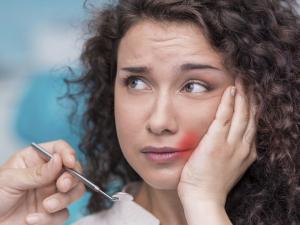
mal de dents, douleur dentaire, odontalgie
pain in or around a tooth, usually caused by decay, pulp inflammation or infection
He came to the emergency clinic with severe toothache at night.
Il s'est présenté à la clinique d'urgence avec un violent mal de dents en pleine nuit.
Painkillers only relieve toothache until the cause is treated.
Synonymesodontalgiatooth paindental painAntonymessound teethhealthy teethno paincarie dentaire
tooth decay: the destruction of enamel and dentin by acid that plaque bacteria make from sugars
Dental caries is the most common chronic disease in children.
La carie dentaire est la maladie chronique la plus courante chez les enfants.
Frequent sugary snacks increase the risk of dental caries.
Synonymestooth decaycavitiesAntonymeshealthy teethsécheresse buccale, xérostomie
a lack of saliva, medically called xerostomia, often caused by medicines or radiotherapy, which increases the risk of decay
Many older patients have dry mouth because of their medications.
De nombreux patients âgés souffrent de sécheresse buccale à cause de leurs médicaments.
Saliva substitutes can relieve dry mouth after head and neck radiotherapy.
Synonymesxerostomiaparched mouthAntonymessalivationmoist mouthhalitose, mauvaise haleine
the medical term for bad breath, usually caused by bacteria on the tongue or by gum disease
Cleaning the tongue every day can reduce halitosis.
Le nettoyage quotidien de la langue peut réduire l'halitose.
Persistent halitosis may be a sign of periodontal disease.
Synonymesbad breathfetor orismouth odorAntonymesfresh breathpleasant breathabcès, abcès dentaire
a collection of pus caused by bacterial infection, for example at the tip of a tooth root or in the gum
The dental abscess caused painful swelling of her cheek.
L'abcès dentaire a provoqué un gonflement douloureux de sa joue.
The abscess was drained and antibiotics were prescribed.
SynonymespustuleboilulcersoreAntonymeshealthwellnessdéminéralisation
loss of calcium and phosphate minerals from enamel caused by acid, the first stage of tooth decay
White spots around the brackets show early demineralization of the enamel.
Les taches blanches autour des brackets montrent une déminéralisation débutante de l'émail.
Fluoride can reverse early demineralization before a cavity forms.
hypersensibilité dentinaire
short, sharp pain from exposed dentin when a tooth meets cold, heat, sweet food or touch
Gum recession often exposes the root and leads to dentin hypersensitivity.
La récession gingivale expose souvent la racine et entraîne une hypersensibilité dentinaire.
Using a desensitising toothpaste twice daily can relieve dentin hypersensitivity.
pulpite
inflammation of the dental pulp, usually from deep decay; reversible pulpitis can heal, irreversible pulpitis needs root canal treatment
Lingering pain after cold drinks suggests irreversible pulpitis.
Une douleur persistante après la prise de boissons froides évoque une pulpite irréversible.
Reversible pulpitis often settles once the cavity is filled.
érosion dentaire
loss of tooth surface caused by acids from food, drink or stomach reflux, not by bacteria
Frequent fizzy drinks caused dental erosion on her front teeth.
La consommation fréquente de boissons gazeuses a provoqué une érosion dentaire sur ses dents de devant.
Dental erosion is common in patients with acid reflux.
bruxisme
habitual grinding or clenching of the teeth, often during sleep, which can wear down and crack teeth
Years of bruxism had worn his canines completely flat.
Des années de bruxisme avaient complètement aplati ses canines.
A night guard protects the teeth of patients with bruxism.
dent fissurée, fêlure dentaire
a tooth with a crack in it, often causing sharp pain on biting or when the biting pressure is released
Pain when releasing a bite is a classic sign of a cracked tooth.
Une douleur au relâchement de la morsure est un signe classique de dent fissurée.
A crown can protect a cracked tooth from splitting.
aphte, ulcération aphteuse
a small, painful, round mouth ulcer with a white or yellow base and a red edge; also called a canker sore
Recurrent aphthous ulcers usually heal within one to two weeks.
Les aphtes récurrents guérissent généralement en une à deux semaines.
Stress and minor injury can trigger an aphthous ulcer.
candidose buccale, muguet buccal
a Candida yeast infection of the mouth causing white patches that can be wiped off, common in babies and denture wearers
Oral thrush is common in patients who use steroid inhalers.
La candidose buccale est fréquente chez les patients qui utilisent des corticoïdes inhalés.
Poorly cleaned dentures can lead to oral thrush.
fluorose dentaire
white streaks or brown spots on the enamel caused by too much fluoride while the teeth are developing
Mild dental fluorosis appears as faint white lines on the enamel.
La fluorose dentaire légère se manifeste par de fines lignes blanches sur l'émail.
Young children who swallow toothpaste are at risk of dental fluorosis.