Lezione 3/9 · 15 parole · 0 imparate
Tooth decay and oral conditions
Carie e patologie del cavo orale
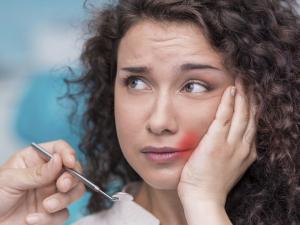
mal di denti, odontalgia
pain in or around a tooth, usually caused by decay, pulp inflammation or infection
He came to the emergency clinic with severe toothache at night.
Si è presentato al pronto soccorso odontoiatrico con un forte mal di denti notturno.
Painkillers only relieve toothache until the cause is treated.
Sinonimiodontalgiatooth paindental painContrarisound teethhealthy teethno paincarie dentale, carie
tooth decay: the destruction of enamel and dentin by acid that plaque bacteria make from sugars
Dental caries is the most common chronic disease in children.
La carie dentale è la malattia cronica più comune nei bambini.
Frequent sugary snacks increase the risk of dental caries.
Sinonimitooth decaycavitiesContrarihealthy teethxerostomia, bocca secca
a lack of saliva, medically called xerostomia, often caused by medicines or radiotherapy, which increases the risk of decay
Many older patients have dry mouth because of their medications.
Molti pazienti anziani soffrono di xerostomia a causa dei farmaci che assumono.
Saliva substitutes can relieve dry mouth after head and neck radiotherapy.
Sinonimixerostomiaparched mouthContrarisalivationmoist mouthalitosi, cattivo odore del fiato
the medical term for bad breath, usually caused by bacteria on the tongue or by gum disease
Cleaning the tongue every day can reduce halitosis.
Pulire la lingua ogni giorno può ridurre l'alitosi.
Persistent halitosis may be a sign of periodontal disease.
Sinonimibad breathfetor orismouth odorContrarifresh breathpleasant breathascesso, ascesso dentale
a collection of pus caused by bacterial infection, for example at the tip of a tooth root or in the gum
The dental abscess caused painful swelling of her cheek.
L'ascesso dentale le ha provocato un doloroso gonfiore della guancia.
The abscess was drained and antibiotics were prescribed.
SinonimipustuleboilulcersoreContrarihealthwellnessdemineralizzazione
loss of calcium and phosphate minerals from enamel caused by acid, the first stage of tooth decay
White spots around the brackets show early demineralization of the enamel.
Le macchie bianche attorno ai brackets indicano una demineralizzazione precoce dello smalto.
Fluoride can reverse early demineralization before a cavity forms.
ipersensibilità dentinale
short, sharp pain from exposed dentin when a tooth meets cold, heat, sweet food or touch
Gum recession often exposes the root and leads to dentin hypersensitivity.
La recessione gengivale spesso espone la radice e porta a ipersensibilità dentinale.
Using a desensitising toothpaste twice daily can relieve dentin hypersensitivity.
pulpite
inflammation of the dental pulp, usually from deep decay; reversible pulpitis can heal, irreversible pulpitis needs root canal treatment
Lingering pain after cold drinks suggests irreversible pulpitis.
Un dolore persistente dopo le bevande fredde suggerisce una pulpite irreversibile.
Reversible pulpitis often settles once the cavity is filled.
erosione dentale
loss of tooth surface caused by acids from food, drink or stomach reflux, not by bacteria
Frequent fizzy drinks caused dental erosion on her front teeth.
Il consumo frequente di bevande gassate ha causato erosione dentale sui suoi denti anteriori.
Dental erosion is common in patients with acid reflux.
bruxismo
habitual grinding or clenching of the teeth, often during sleep, which can wear down and crack teeth
Years of bruxism had worn his canines completely flat.
Anni di bruxismo avevano consumato completamente i suoi canini.
A night guard protects the teeth of patients with bruxism.
frattura incompleta del dente, dente incrinato
a tooth with a crack in it, often causing sharp pain on biting or when the biting pressure is released
Pain when releasing a bite is a classic sign of a cracked tooth.
Il dolore al rilascio del morso è un segno classico di dente incrinato.
A crown can protect a cracked tooth from splitting.
afta, ulcera aftosa
a small, painful, round mouth ulcer with a white or yellow base and a red edge; also called a canker sore
Recurrent aphthous ulcers usually heal within one to two weeks.
Le afte ricorrenti di solito guariscono entro una o due settimane.
Stress and minor injury can trigger an aphthous ulcer.
candidosi orale, mughetto
a Candida yeast infection of the mouth causing white patches that can be wiped off, common in babies and denture wearers
Oral thrush is common in patients who use steroid inhalers.
La candidosi orale è frequente nei pazienti che usano inalatori a base di steroidi.
Poorly cleaned dentures can lead to oral thrush.
fluorosi dentale
white streaks or brown spots on the enamel caused by too much fluoride while the teeth are developing
Mild dental fluorosis appears as faint white lines on the enamel.
La fluorosi dentale lieve si presenta come sottili linee bianche sullo smalto.
Young children who swallow toothpaste are at risk of dental fluorosis.