पाठ 126/202 · 18 शब्द · 0 याद हो गए
A2 · Society, law & politics (2)
A2 · समाज, कानून और राजनीति (2)
शांति (shanti)
a situation or a period of time in which there is no war or violence in a country or an area
The two communities live together in peace.
दोनों समुदाय शांति से एक साथ रहते हैं।
A UN force has been sent to keep the peace(= to prevent people from fighting).
समानार्थीharmonytranquilityserenitycalmrestamityविलोमwarconflictstrifediscordviolenceराष्ट्रीय (raashtriy)
connected with a particular nation; shared by a whole nation
These buildings are part of our national heritage.
ये इमारतें हमारी राष्ट्रीय धरोहर का हिस्सा हैं।
national and regional politics
समानार्थीfederalgovernmentalpublicstatedomesticविलोमlocalregionalprivateforeigninternationalपरंपरा (paramparā)
a belief, custom or way of doing something that has existed for a long time among a particular group of people; a set of these beliefs or customs
Making Chung cake is our tradition at Tet.
चावल के केक बनाना टेट पर हमारी परंपरा है। (chāval ke kek banānā teṭ par hamārī paramparā hai.)
religious/cultural, etc. traditions
समानार्थीcustomconventionpracticeritualheritageusagemannerwayविलोमinnovationnoveltymodernitychangedeviationजनसंख्या (janasankhya)
all the people who live in a particular area, city or country; the total number of people who live there
What is the population of your country?
आपके देश की जनसंख्या कितनी है? (Aapke desh ki janasankhya kitni hai?)
The population is increasing at about 6% per year.
समानार्थीinhabitantsresidentscommunitypeoplenumber of inhabitantsविलोमemptinessuninhabitednessdepopulationराष्ट्रपति
the leader of a republic , for example the US
The President of the United States lives in the White House.
संयुक्त राज्य अमेरिका के राष्ट्रपति व्हाइट हाउस में रहते हैं।
समानार्थीleaderchiefchairheaddirectorprincipalgovernorexecutiveविलोमfollowersubordinatememberemployeestaffसमाज (samaaj)
people in general, living together in communities
They carried out research into the roles of men and women in today's society
उन्होंने आज के समाज में पुरुषों और महिलाओं की भूमिकाओं पर शोध किया।
Racism exists at all levels of society.
समानार्थीcommunitycivilizationculturepopulationpublicविलोमisolationsolitudeindividualismअफ़सर (afsar)
a person who is in a position of authority in the armed forces
The matter was passed on to me, as your commanding officer.
मामला मुझे, आपके कमांडिंग अफ़सर के तौर पर सौंपा गया था।
army/airforce/naval, etc. officers
समानार्थीofficialcommanderexecutiveleaderauthorityविलोमcivilianfollowersubordinateprivatecommonerचुराना (churana)
to take something from a person, shop, etc. without permission and without intending to return it or pay for it
Thieves stole jewellery worth over £10000.
चोरों ने 10000 पाउंड से ज़्यादा के गहने चुरा लिए। (choron ne 10000 paund se zyaada ke gahane chura lie.)
I had my wallet stolen.
समानार्थीpilferpurloinappropriateembezzlerobburglarizeshopliftswipeविलोमgivedonatereturnofferproviderestoreराज्य, राष्ट्र, देश
a country considered as an organized political community controlled by one government
The state provides free education for all children.
राज्य सभी बच्चों को मुफ़्त शिक्षा प्रदान करता है।
समानार्थीdeclareexpressarticulateassertmaintainaffirmreciteविलोमconcealhidedenysuppresswithholdयुद्ध (yuddh)
a situation in which two or more countries or groups of people fight against each other over a period of time
How long have they been at war?
वे कितने समय से युद्ध में हैं? (ve kitne samay se yuddh mein hain?)
The government does not want to go to war(= start a war) unless all other alternatives have failed.
समानार्थीconflictcombathostilitiesstrugglebattlefightingविलोमpeaceharmonytruceaccordceasefireपारंपरिक (paaramprik)
being part of the beliefs, customs or way of life of a particular group of people, that have not changed for a long time
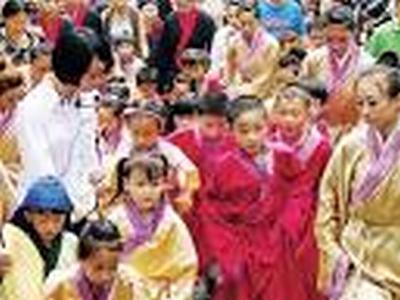
A group of children will perform traditional dances.
बच्चों का एक समूह पारंपरिक नृत्य करेगा।
traditional dress
समानार्थीconventionalcustomaryestablishedtypicaltime-honoredfolkhistoricalविलोमmoderncontemporarynewunconventionaloriginalinnovativeजेल (jel)
a building where people are kept as a punishment for a crime they have committed, or while they are waiting for trial
She was sent to prison for six months.
उसे छह महीने के लिए जेल भेजा गया।
to be released from prison
समानार्थीjailpenitentiarycorrectional facilitygaolstockadedetention centerविलोमfreedomlibertyreleasedischargeचोर
a person who steals something from another person or place
The police finally caught the thief who stole my bike.
पुलिस ने आख़िरकार उस चोर को पकड़ लिया जिसने मेरी साइकिल चुराई थी।
समानार्थीburglarrobberpilferershoplifterbanditcrooklarcenistmarauderविलोमhonest personlaw-abiding citizengiverbenefactorphilanthropist