Lezione 7/10 · 15 parole · 0 imparate
Respiratory system
Apparato respiratorio
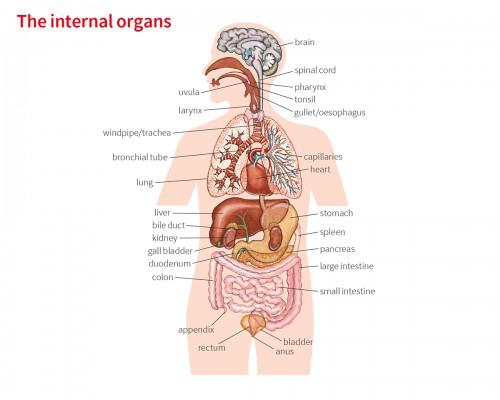
alveolo, alveolo polmonare
one of the millions of tiny air sacs in the lungs where oxygen and carbon dioxide are exchanged; plural alveoli
Oxygen passes from each alveolus into the surrounding capillaries.
L'ossigeno passa da ogni alveolo ai capillari circostanti.
In pneumonia, the alveoli fill with fluid and pus.
Sinonimiair sacair celldiaframma
the dome-shaped sheet of muscle between the chest and the abdomen that is the main muscle of breathing
When the diaphragm contracts, air is drawn into the lungs.
Quando il diaframma si contrae, l'aria viene richiamata nei polmoni.
Hiccups are caused by sudden spasms of the diaphragm.
Sinonimiseptummembraneespirazione
the act of breathing air out of the lungs
In asthma, wheezing is usually heard during exhalation.
Nell'asma, i sibili si sentono di solito durante l'espirazione.
Normal exhalation is passive, as the lungs recoil.
Sinonimiexpirationbreathing outemissionContrariinhalationinspirationinalazione, via inalatoria
breathing in air, gas or a medicine through the mouth or nose so that it reaches the lungs
Inhalation delivers the drug directly to the airways with fewer side effects.
L'inalazione porta il farmaco direttamente alle vie aeree con meno effetti collaterali.
Salbutamol given by inhalation usually relieves wheezing within a few minutes.
Sinonimibreathing inaspirationinspirationContrariexhalationexpirationlobo
a clearly separated part of an organ such as the lung, brain or liver; also the soft lower part of the ear
The right lung has three lobes and the left lung has two.
Il polmone destro ha tre lobi e il sinistro ne ha due.
The CT scan showed a mass in the upper lobe of the left lung.
SinonimiprojectionprotuberancesegmentdivisionContrarihollowdepressionindentationmediastino
the central part of the chest between the two lungs, containing the heart, great vessels, trachea and esophagus
The chest CT showed enlarged lymph nodes in the mediastinum.
La TC del torace ha mostrato linfonodi ingrossati nel mediastino.
A widened mediastinum on X-ray may suggest an injury to the aorta.
Sinonimithoracic cavity midlineinterpleural spaceContrariN/A (no direct antonym)pleura
the thin double membrane that covers the lungs and lines the inside of the chest wall
Fluid between the two layers of the pleura is called a pleural effusion.
Il liquido tra i due foglietti della pleura si chiama versamento pleurico.
Inflammation of the pleura causes sharp pain when breathing in.
Sinonimilung liningmembranous sacContrariNone (Pleura does not have a direct antonym)trachea
the tube that carries air from the larynx down to the bronchi; the windpipe
The endotracheal tube passes through the vocal cords into the trachea.
Il tubo endotracheale passa attraverso le corde vocali fino alla trachea.
On examination, the trachea was shifted to the left.
SinonimiwindpipeContrariesophagusscambio gassoso, scambi gassosi
the movement of oxygen into the blood and carbon dioxide out of it, mainly in the alveoli
Gas exchange is impaired when the alveoli are filled with fluid.
Lo scambio gassoso è compromesso quando gli alveoli sono pieni di liquido.
Scarring of the lung tissue reduces gas exchange.
SinonimirespirationventilationaerationContrariasphyxiationsuffocationbronco
one of the two main air tubes that branch from the trachea into the lungs; plural bronchi
The inhaled peanut was stuck in the right main bronchus.
L'arachide inalata era rimasta bloccata nel bronco principale destro.
Bronchoscopy allows doctors to look inside the bronchi.
SinonimiAirwayRespiratory passageContrariEsophagusAlveolivie respiratorie, apparato respiratorio
the passages that carry air into and out of the lungs, from the nose down to the alveoli
The common cold is an infection of the upper respiratory tract.
Il comune raffreddore è un'infezione delle vie respiratorie superiori.
Smoking damages the lining of the respiratory tract.
bronchiolo
one of the very small airways in the lungs that branch from the bronchi and lead to the alveoli
In asthma, the bronchioles narrow and breathing becomes difficult.
Nell'asma i bronchioli si restringono e la respirazione diventa difficile.
Bronchiolitis is a viral infection of the bronchioles in babies.
muscolo intercostale
one of the muscles between the ribs that move the chest wall during breathing
The child was using the intercostal muscles to breathe, a sign of respiratory distress.
Il bambino usava i muscoli intercostali per respirare, segno di distress respiratorio.
The intercostal muscles lift the ribs when you breathe in.
surfattante, tensioattivo polmonare
a substance made in the alveoli that reduces surface tension and stops the air sacs from collapsing
Premature babies may lack surfactant and develop breathing problems.
I neonati prematuri possono avere carenza di surfattante e sviluppare problemi respiratori.
Surfactant can be given through a tube directly into the baby's lungs.
volume corrente
the amount of air breathed in or out during one normal breath, about 500 ml in an adult
The ventilator was set to deliver a tidal volume of 450 milliliters.
Il ventilatore era impostato per erogare un volume corrente di 450 millilitri.
Rapid shallow breathing lowers the tidal volume of each breath.