Bài 27/202 · 11 từ · đã thuộc 0
Law
Ngành luật
khách hàng
a person or company that pays a professional or an agency for services or advice
The client wants to see three new concepts by Friday.
Khách hàng muốn xem ba ý tưởng mới trước thứ Sáu.
Our biggest client is a drinks company based in Singapore.
Khách hàng lớn nhất của chúng tôi là một công ty đồ uống có trụ sở tại Singapore.
Đồng nghĩacustomerpatronbuyerpurchaserconsumerTrái nghĩasellerprovidervendorbiện minh, chứng minh là đúng
to show that somebody/something is right or reasonable
How can you justify spending so much money on clothes?
Làm sao bạn có thể biện minh cho việc tiêu quá nhiều tiền vào quần áo?
Đồng nghĩadefendexcuserationalizevindicatewarrantexplainTrái nghĩacondemncensurecriticizedisapproveinvalidateluật, luật pháp
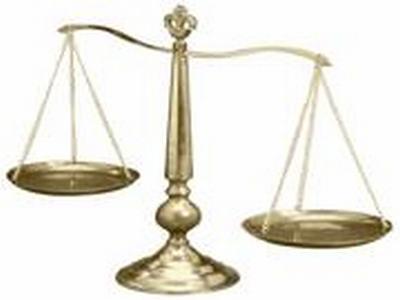
a rule that deals with a particular crime, agreement, etc.
A new law was passed to make divorce easier and simpler.
Một luật mới đã được thông qua giúp cho việc li hôn dễ dàng và đơn giản hơn.
Do not think you are above the law(= think that you cannot be punished by the law).
Đừng nghĩ rằng bạn ở trên luật pháp (= nghĩ rằng bạn không thể bị xử phạt bởi luật pháp).
Đồng nghĩaruleregulationstatuteactdecreeedictordinanceTrái nghĩadisorderanarchylawlessnesstội, tội ác, tội phạm
an illegal act that can be punished by law
He has admitted committing several crimes including two murders.
Anh ta đã thừa nhận phạm nhiều tội, trong đó có hai vụ giết người.
Đồng nghĩaoffensefelonymisdeedwrongdoingtransgressionviolationTrái nghĩainnocencelawfulnessrighteousnessvirtuemoralityvốn chủ sở hữu
the owners' share of a business, equal to total assets minus total liabilities
Equity increased because the company kept most of its profit.
Vốn chủ sở hữu tăng vì công ty giữ lại phần lớn lợi nhuận.
The bank prefers companies with a strong equity base.
Ngân hàng ưu tiên các công ty có vốn chủ sở hữu vững mạnh.
Đồng nghĩaownershipstakesharestockcapitalTrái nghĩadebtliabilitybảo lãnh tại ngoại, tiền bảo lãnh
release of an accused person before trial, often after money is paid as a guarantee they will return to court
The businessman was released on bail until his trial next month.
Doanh nhân được bảo lãnh tại ngoại cho đến phiên tòa vào tháng sau.
The court refused bail because the suspect might leave the country.
Tòa không cho bảo lãnh tại ngoại vì nghi phạm có thể bỏ trốn ra nước ngoài.
Đồng nghĩasecuritybondfreedomreleaseTrái nghĩaimprisonmentdetentionincarcerationbị đơn, bị cáo
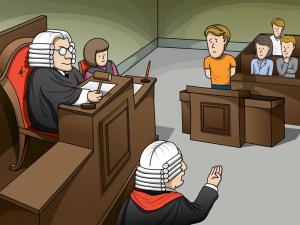
the person or company against whom a claim is brought in a civil case, or who is accused in a criminal case
The defendant denies that it received the goods.
Bị đơn phủ nhận đã nhận được hàng.
The bank was named as a second defendant in the lawsuit.
Ngân hàng bị nêu tên là bị đơn thứ hai trong vụ kiện.
Đồng nghĩaaccusedrespondentTrái nghĩaprosecutorplaintifflời khai
a formal statement, taken from somebody and used in a court of law
The witness gave a sworn deposition before the trial began.
Nhân chứng đã đưa ra lời khai có tuyên thệ trước khi phiên tòa bắt đầu.
Đồng nghĩaaccumulationsedimentationprecipitationtestimonystatementTrái nghĩaerosionremovalextractionlỗ hổng luật pháp
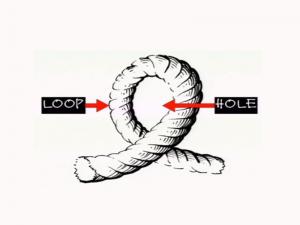
a mistake in the way a law, contract, etc. has been written that enables people to legally avoid doing something that the law, contract, etc. had intended them to do
The company exploited a loophole in the tax law to avoid paying millions.
Công ty đã khai thác một kẽ hở trong luật thuế để trốn hàng triệu đô.
Đồng nghĩaambiguityflawomissiontechnicalityescape clauseTrái nghĩarestrictionrulelawregulationdự luật
(in the US) a suggested change to the law that people can vote on
Voters in California approved the proposition to raise taxes on cigarettes.
Cử tri California đã thông qua dự luật tăng thuế thuốc lá.
Đồng nghĩasuggestionofferproposalschemeplanTrái nghĩarejectiondenialrefusal