본문으로 건너뛰기

레슨 98/202 · 18단어 · 외운 단어 0

A1 · Everyday actions (2)

A1 · 일상 동작 (2)

  1. 1

    start(verb)

    /stɑːrt/

    시작하다, 시작되다

    to begin doing or using something

    It started to rain.

    비가 오기 시작했다.

    It's time you started on your homework.

    유의어begincommenceinitiatelaunchoriginate
    반의어endfinishstopterminateconclude
  2. 2

    share(verb)

    /ʃer/

    공유

    to have, use or experience something at the same time as somebody else

    Bob told Jess he wanted to share his life with her.

    밥은 제스에게 그녀와 그의 인생을 공유하고 싶다고 말했다.

    The conference is a good place to share information and exchange ideas.

    유의어divideallocatedistributepartakecontributesplitportionallot
    반의어keephoardmonopolizewithhold
  3. 3

    take(verb)

    /teɪk/

    가지다 (gajida)

    to carry or move something from one place to another

    We'll take the dog with us.

    우리는 개를 데려갈 거예요. (Urineun gaereul delyeogal geoyeyo.)

    Shall I take my host family a gift?

    유의어acquireobtainreceivegraspseizecarryescortremove
    반의어giveofferreleaseleaveabandonrelinquish
  4. 4

    include(verb)

    /ɪnˈkluːd/

    포함하다 (pohamhada)

    if one thing includes another, it has the second thing as one of its parts

    Tax and service are included in the bill.

    세금과 서비스가 계산서에 포함되어 있습니다.

    Your duties include typing letters and answering the telephone.

    유의어compriseencompassincorporatecontainconsist of
    반의어excludeomitexceptremovereject
  5. 5

    look(verb)

    /lʊk/

    보다 (boda)

    to turn your eyes in a particular direction

    Don't look now, but there's someone staring at you!

    지금 보지 마, 누가 너를 쳐다보고 있어! (jigeum boji ma, nuga neoreul chyeodabogo isseo!)

    If you look carefully you can just see our house from here.

    유의어glancegazeviewseeobservewatch
    반의어ignoredisregardneglectoverlook
  6. 6

    use(verb)

    /juːz/

    사용하다, 쓰다

    to do something with a machine, a method, an object, etc. for a particular purpose

    Can I use this computer?

    이 컴퓨터를 써도 될까요?

    I'm not sure that this is the most valuable use of my time.

    유의어utilizeemployoperatehandleapplyexercise
    반의어neglectignoredisregardabandondiscard
  7. 7

    improve(verb)

    /ɪmˈpruːv/

    향상시키다 (hyangsangsikida)

    to become better than before; to make something/somebody better than before

    I am improving my English skills.

    저는 영어 실력을 향상시키고 있습니다.

    The doctor says she should continue to improve (= after an illness).

    유의어enhanceadvancebetterdeveloprefineprogressameliorate
    반의어worsendeclinedeteriorateimpairweakendiminishreduce
  8. 8

    prepare(verb)

    /prɪˈper/

    준비하다 (junbihada)

    to make something or somebody ready to be used or to do something

    The children are preparing to leave for Halloween.

    아이들은 할로윈을 위해 떠날 준비를 하고 있습니다.

    A hotel room is being prepared for them.

    유의어readyarrangeequipdevelopget readytrain
    반의어neglectignoredisregardforget
  9. 9

    lose(verb)

    /luːz/

    잃다 (ilta)

    to be unable to find something/somebody

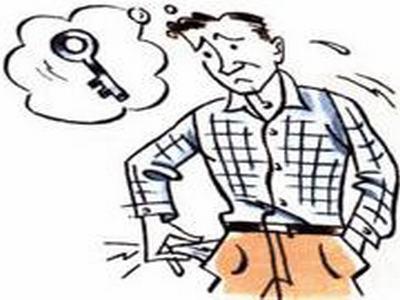
    I've lost my keys.

    열쇠를 잃어버렸어요. (Yeolsoe-reul ileobeoryeosseoyo.)

    The tickets seem to have got lost.

    유의어misplacemislayforgetforfeitsquander
    반의어findgainwinkeepmaintain
  10. 10

    need(verb)

    /niːd/

    필요하다, 필요로 하다

    to require something/somebody because they are essential or very important, not just because you would like to have them

    Do you need me to help?

    내가 도와줄까?

    to satisfy/meet/identify a need

    유의어requiredemandlackwantdesire
    반의어havepossesssupplywant for nothing
  11. 11

    let(verb)

    /let/

    ~하게 하다, 허락하다

    to allow somebody to do something or allow something to happen

    Let them splash around in the pool for a while.

    아이들이 잠시 동안 수영장에서 첨벙거리며 놀게 해 주세요.

    He'd eat chocolate all day long if I let him.

    유의어allowpermitauthorizeenablegrantconsent
    반의어preventprohibitforbidhinderstoprestrain
  12. 12

    put(verb)

    /pʊt/

    놓다 (nohda)

    to move something into a particular place or position

    Did you put sugar in my coffee?

    내 커피에 설탕 넣었어요?

    Put your hand up if you need more paper.

    유의어placesetlaypositionlocateinsert
    반의어removetakeextractwithdraw
  13. 13

    make(verb)

    /meɪk/

    만들다 (mandeulda)

    to create or prepare something by combining materials or putting parts together

    Wine is made from grapes.

    와인은 포도로 만들어집니다.

    She made coffee for us all.

    유의어createproduceconstructformmanufacture
    반의어destroybreakundounmake
  14. 14

    join(verb)

    /dʒɔɪn/

    참여하다, 함께하다

    to become a member of a group, or to take part in something with other people

    I'm sure everyone will join me in wishing you a very happy birthday.

    모두가 저와 함께 당신의 행복한 생일을 축하해 줄 거라고 확신합니다.

    Join the two sections of pipe together.

    유의어participateattenduniteconnectassociatecombine
    반의어leaveseparatewithdrawexcludedepart
  15. 15

    try(verb)

    /traɪ/

    노력하다 (noryeokhada)

    to make an attempt or effort to do or get something

    I tried hard not to laugh.

    나는 웃지 않으려고 애썼다. (Naneun utji anhreogo aesseotda.)

    I tried hard not to laugh.

    유의어attemptendeavorstriveseekundertake
    반의어avoidneglectignoreshirkabandon
  16. 16

    keep(verb)

    /kiːp/

    가지고 있다, 보관하다

    to continue to have something and not give it back or throw it away

    You can keep the book because I don't need it back.

    그 책은 나한테 필요 없으니까 네가 가져도 돼.

    유의어retainmaintainholdpreservecontinue
    반의어losereleasediscardabandonrelinquish
  17. 17

    wait(verb)

    /weɪt/

    기다리다

    to stay where you are or delay doing something until somebody/something comes or something happens

    Wait for me!

    나 기다려 줘!

    We're waiting for the rain to stop before we go out.

    유의어lingerdelaybideexpectattend
    반의어goproceedleaveadvance
  18. 18

    turn(verb)

    /tɜːrn/

    돌다, 방향을 틀다

    to change direction so that you move towards a particular place or side

    We cannot turn right.

    우리는 우회전할 수 없다.

    유의어rotatepivotrevolvetwistveerdivertaltertransform
    반의어straightenremaincontinuestay