第 4/16 課 · 20 個單字 · 已學會 0 個
Lesson 4: SCHOOL EDUCATION SYSTEM
第4課:學校教育體系
中斷, 干擾
a situation in which it is difficult for something to continue in the normal way; the act of stopping something from continuing in the normal way
If there are no disruptions, the office renovations will be finished this week
如果沒有任何中斷,辦公室的翻修這週就會完成。
The strike caused a disruption in production at the factory
同義詞interruptiondisturbanceinterferenceupheavaldisorderturmoil反義詞peaceorderharmonycalmstabilitycontinuity方法, 辦法
a particular way of doing something
Gloria perfected a simple method for making croissants
Gloria 鑽研出一套製作可頌的簡單方法。
Many chefs borrow cooking methods from a variety of cultures and incorporate them into their cooking style
同義詞approachproceduretechniquewaysystemmannerprocess反義詞chaosdisorderrandomness學業的, 學術的
connected with education, especially studying in schools and universities
There are some academic subjects such as maths or science.
有一些學術科目,例如數學或自然科學。
The students return in October for the start of the new academic year.
同義詞scholarlyeducationalintellectualpedagogicaltheoretical反義詞practicalappliednonacademicvocational搗亂的, 造成干擾的
causing problems, noise, etc. so that something cannot continue normally
He was the most noisy and disruptive student at high school.
他是高中時最吵鬧、最愛搗亂的學生。
同義詞troublesomeunrulydisturbingdisruptivetumultuousdisorderlyagitatinginterfering反義詞well-behavedorderlydisciplinedcooperativecompliantpeacefulcalmquiet必修的, 強制的
that must be done because of a law or a rule
Some people think that students in high schools should study music as a compulsory school subject.
有些人認為高中生應該把音樂列為必修科目。
同義詞mandatoryobligatoryrequirednecessaryimperativebinding反義詞voluntaryoptionaldiscretionaryelective強迫, 強制
strong pressure that makes somebody do something that they do not want to do
Students are under no compulsion to attend the extra classes after school.
學生沒有被強迫參加放學後的加課。
同義詞coercionobligationnecessitypressureconstraintduressimpulseurge反義詞freedomchoicevolitionfree willoptiondiscretion私立學校
a school that receives no money from the government and where the education of the students is paid for by their parents
My younger sister studies at a famous private school.
我妹妹在一所有名的私立學校就讀。
同義詞independent schoolnon-state schoolfee-paying school反義詞public schoolstate schoolgovernment school13
General Certificate of Secondary Education (GCSE)(noun)
/ˈdʒenərəl səˈtɪfɪkət əv ˈsekəndri ˌedjʊˈkeɪʃən/
中學教育普通證書(GCSE)
an exam in a particular subject taken by students in England, Wales and Northern Ireland at about the age of 16
You should also submit a copy of your General Certificate of Secondary Education.
你也應該繳交一份中學教育普通證書的影本。
同義詞Secondary School DiplomaHigh School Diploma (US equivalent)Leaving Certificate反義詞Primary School CertificateElementary School Certificate正規教育, 正規學校教育
education that is given in schools, colleges and universities, with a fixed curriculum and official qualifications
Formal education is the education we obtain from instruction at schools or other institutions and that have a predetermined curriculum.
正規教育是我們在學校或其他機構透過有既定課程的授課所獲得的教育。
同義詞structured learningschoolinginstitutional educationconventional educationacademic education反義詞informal educationself-educationunschoolinghomeschoolinglife experience非正規教育
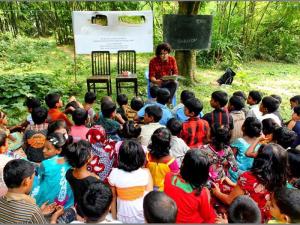
organized learning that takes place outside the official school system, such as evening classes or training courses
After graduation, he looked for evening classes for some non-formal education.
畢業後,他尋找夜間課程來接受一些非正規教育。
同義詞alternative educationadult educationcontinuing educationcommunity educationlifelong learning反義詞formal educationtraditional educationconventional schooling非正式教育
learning that happens outside schools and organized courses, for example at home, from family or from daily life
Homeschooling is a kind of informal education.
在家自學是一種非正式教育。
同義詞non-formal educationunschoolingself-directed learningexperiential learning反義詞formal educationinstitutionalized education