跳至主要內容

第 9/33 課 · 94 個單字 · 已學會 0 個

Culture

文化

  1. 1

    appreciation(noun)

    /əˌpriːʃiˈeɪʃn/

    欣賞, 鑑賞力

    pleasure that you have when you recognize and enjoy the good qualities of somebody/something

    She has a deep appreciation of traditional music and art.

    她對傳統音樂和藝術有深刻的欣賞能力。

    同義詞gratitudethankfulnessrecognitionacknowledgmentesteemregard
    反義詞disapprovalcriticismdisregardingratitudeindifference
  2. 2

    art(noun)

    /ɑːrt/

    藝術, 美術

    the use of the imagination to express ideas or feelings, particularly in painting, drawing or sculpture

    We have art on Monday, and I love painting pictures.

    我們星期一有美術課,我很喜歡畫畫。

    同義詞skillcrafttalentcreativityexpressiondesignmastery
    反義詞clumsinessineptitudelack of skillartlessnessinability
  3. 3

    literature(noun)

    /ˈlɪtrətʃər/

    文學

    pieces of writing that are valued as works of art, especially novels, plays and poems (in contrast to technical books and newspapers, magazines, etc.)

    My sister is very good at Literature.

    我妹妹的文學很好。

    French literature

    同義詞writingslettersbookscompositioncreative writingpoetrydrama
    反義詞illiteracynonfictionsciencemathematics
  4. 4

    tradition(noun)

    /trəˈdɪʃn/

    傳統, 慣例

    a belief, custom or way of doing something that has existed for a long time among a particular group of people; a set of these beliefs or customs

    Making Chung cake is our tradition at Tet.

    過年時做粽子是我們的傳統。

    religious/cultural, etc. traditions

    同義詞customconventionpracticeritualheritageusagemannerway
    反義詞innovationnoveltymodernitychangedeviation
  5. 5

    media(noun)

    /ˈmiːdiə/

    媒體, 大眾傳播媒體

    the main ways that large numbers of people receive information and entertainment, that is television, radio, newspapers and the internet

    He became a media star for his part in the protests.

    他因在抗議活動中的表現而成為媒體紅人。

    the news/broadcasting/national media

    同義詞pressnewsjournalismcommunicationsbroadcasting
    反義詞silenceprivacysecrecy
  6. 6

    respect(noun)

    /rɪˈspekt/

    尊敬, 尊重

    a strong feeling of approval of somebody/something because of their good qualities or achievements

    Children should show respect for their parents and teachers.

    孩子應該尊敬父母和老師。

    同義詞admirationesteemregardvenerationdeferencehonorappreciation
    反義詞disrespectdisdaincontemptdisregardscorn
  7. 7

    religion(noun)

    /rɪˈlɪdʒən/

    宗教, 信仰

    the belief in the existence of a god or gods, and the activities that are connected with the worship of them, or in the teachings of a spiritual leader

    Christianity, Islam and Judaism are known as Abrahamic religions.

    基督教、伊斯蘭教和猶太教被稱為亞伯拉罕諸教。

    He went very quiet(= did not say much) so I knew he was upset.

    同義詞faithbeliefcreeddoctrinedenominationsectworshipspirituality
    反義詞atheismirreligionsecularismagnosticismdisbelief
  8. 8

    customs(noun)

    /ˈkʌstəmz/

    海關

    the government department that checks goods brought into a country and collects tax on them; also the area where this is done

    All passengers must go through customs after collecting their baggage.

    所有旅客領取行李後都必須通過海關。

    Customs officers may open your bags to check for undeclared goods.

    同義詞dutytariffimport tax
    反義詞free tradeno duty
  9. 9

    music(noun)

    /ˈmjuːzɪk/

    音樂

    sounds that are arranged in a way that is pleasant or exciting to listen to. People sing music or play it on instruments.

    I listen to music every day.

    我每天都聽音樂。

    The poem has been set to music.

    同義詞melodyharmonytunesongcomposition
    反義詞silencenoise (in some contexts)
  10. 10

    negative(adjective)

    /ˈneɡətɪv/

    負面的, 不良的

    bad or harmful

    The whole experience was definitely more positive than negative.

    整個經驗絕對是正面多於負面。

    The crisis had a negative effect on trade.

    同義詞pessimisticunfavorableadversedetrimentalbadunpleasant
    反義詞positiveoptimisticfavorablegoodpleasant
  11. 11

    community(noun)

    /kəˈmjuːnəti/

    社區, 社群

    all the people who live in a particular area, country, etc. when talked about as a group

    They want to do something useful and meaningful for the community.

    他們想為社區做些有用又有意義的事。

    the international community (= the countries of the world as a group)

    同義詞societypublicgrouppopulationneighborhoodfellowship
    反義詞individualisolationseparation
  12. 12

    exchange(noun)

    /ɪksˈtʃeɪndʒ/

    交換, 交流

    an act of giving something to somebody or doing something for somebody and receiving something in return

    Our school organised a cultural exchange with students from Japan.

    我們學校舉辦了與日本學生的文化交流活動。

    同義詞swaptradebarterinterchangesubstitutereplace
    反義詞keepretainholdwithhold
  13. 13

    positive(adjective)

    /ˈpɑːzətɪv/

    正面的, 樂觀的, 積極的

    thinking about what is good in a situation; feeling confident and sure that something good will happen

    She tried to be more positive about her new job.

    她努力對新工作抱持更積極的態度。

    On the positive side, profits have increased.

    同義詞optimisticconstructivefavorablehopefulupbeatconfident
    反義詞negativepessimisticunfavorablecritical
  14. 14

    dance(noun)

    /dæns/

    舞蹈, 舞

    a series of movements and steps that are usually performed to music; a particular example of these movements and steps

    The tango is a famous traditional dance from Argentina.

    探戈是阿根廷著名的傳統舞蹈。

    同義詞boogiegroovejivehoppranceshuffleswaywaltz
    反義詞restidlesitremainstay
  15. 15

    history(noun)

    /ˈhɪstri/

    歷史, 歷史課

    the study of past events, especially as a subject at school or university

    My mother is a history teacher.

    我媽媽是歷史老師。

    The area was inhabited long before the dawn of recorded history(= before people wrote about events).

    同義詞pastchroniclerecordaccountevents
    反義詞future
  16. 16

    clothing(noun)

    /ˈkləʊðɪŋ/

    衣物, 服裝

    clothes, especially a particular type of clothes

    a clothing manufacturer

    一家服裝製造商

    an item/article of clothing

    同義詞apparelgarmentsattirewearoutfit
    反義詞barenessnudity
  17. 17

    identity(noun)

    /aɪˈdentəti/

    身分

    who or what somebody/something is

    The thief used a false identity.

    那名小偷使用了假身分。

    Do you have any proof of identity?

    同義詞identificationselfindividualitycharacterpersonalityessence
    反義詞anonymityfacelessnessnamelessnessnonentity
  18. 18

    celebrate(verb)

    /ˈselɪbreɪt/

    慶祝, 慶賀

    to show that a day or an event is important by doing something special on it

    Vietnamese people celebrate Tet at different times each year.

    越南人每年在不同的時間慶祝春節。

    How do people celebrate New Year in your country?

    同義詞commemorateobservehonorrejoicemarksolemnize
    反義詞mournlamentcondemnignoreneglect
  19. 19

    diversity(noun)

    /daɪˈvɜːrsəti/

    多樣性

    a range of many people or things that are very different from each other

    Our city is proud of its cultural diversity and its many festivals.

    我們的城市為其文化多樣性和豐富的節慶活動感到自豪。

    同義詞varietymultiplicitydifferenceheterogeneityrangeassortment
    反義詞similarityuniformityhomogeneitysamenessmonotony
  20. 20

    indigenous(adjective)

    /ɪnˈdɪdʒənəs/

    原住民的, 本土的, 土生土長的

    coming from a particular place and having lived there for a long time before other people came there; relating to, belonging to or developed by these people

    the indigenous peoples/languages of the area

    該地區的原住民族/原住民語言

    同義詞nativeaboriginaloriginallocaldomestic
    反義詞foreignalienimmigrantintroducednon-native
  21. 21

    tolerance(noun)

    /ˈtɑːlərəns/

    寬容, 容忍, 包容

    the quality of being willing to accept or tolerate somebody/something, especially opinions or behaviour that you may not agree with, or people who are not like you

    She had no tolerance for jokes of any kind.

    她無法容忍任何形式的玩笑。

    同義詞patienceforbearanceunderstandingacceptanceleniencyendurance
    反義詞intoleranceprejudicebigotrynarrow-mindednessimpatience
  22. 22

    multicultural(adjective)

    /ˌmʌltiˈkʌltʃərəl/

    多元文化的

    for or including people of several different cultures (= beliefs, languages, customs and traditions, etc.)

    My company is multicultural and has many international employees.

    我的公司是多元文化的,有許多來自各國的員工。

    同義詞diversepluralisticcross-culturalinternationalglobal
    反義詞monoculturalhomogeneousuniform
  23. 23

    heritage(noun)

    /ˈherɪtɪdʒ/

    遺產, 傳統

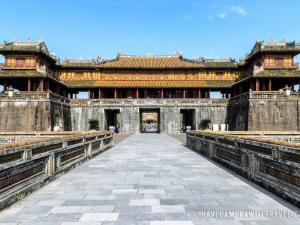
    the history, traditions, buildings and objects that a country or society has had for many years and that are considered an important part of its character

    Hue's Imperial City was listed as a Cultural World Heritage site by UNESCO in 1993.

    順化皇城於1993年被聯合國教科文組織列為世界文化遺產。

    同義詞legacyinheritancetraditionbirthrightendowment
    反義詞presentmodernityinnovation
  24. 24

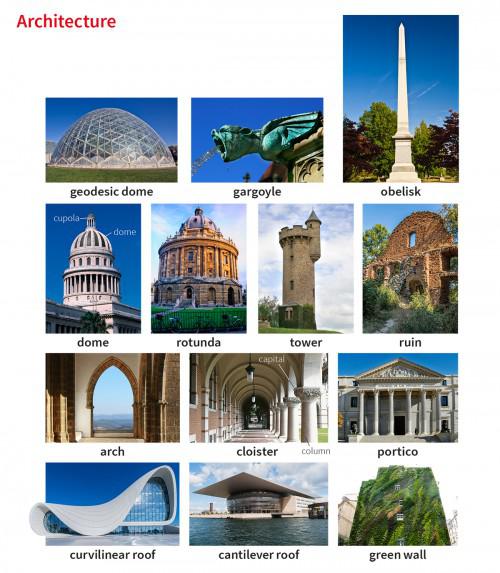
    architecture(noun)

    /ˈɑːrkɪtektʃər/

    建築風格, 建築學

    the art and study of designing buildings

    I love the architecture of this building.

    我很喜歡這棟建築物的建築風格。

    同義詞designstructureconstructionbuildingstyleplanning
    反義詞destructiondemolitiondeconstructionwreckage
  25. 25

    discrimination(noun)

    /dɪˌskrɪmɪˈneɪʃn/

    歧視, 差別待遇

    unfair treatment of a person because of their gender, age, religion, disability or another protected characteristic

    The law prohibits discrimination against pregnant workers in hiring and promotion.

    法律禁止在招聘和升遷中歧視懷孕的員工。

    The employee filed a complaint of age discrimination after being passed over.

    同義詞prejudicebiasinequalityfavoritismbigotrysegregation
    反義詞equalityfairnessimpartialityjusticeequitytolerance
  26. 26

    coexist(verb)

    /ˌkəʊɪɡˈzɪst/

    共存, 共處

    to exist together in the same place or at the same time, especially in a peaceful way

    Different cultures can coexist peacefully in a multicultural society.

    不同文化可以在多元社會中和平共存。

    同義詞live togetherexist togethercoexistlive side by sideget along
    反義詞clashconflictopposecompetefight
  27. 27

    cuisine(noun)

    /kwɪˈziːn/

    菜餚, 烹飪風格

    a style of cooking

    Italian cuisine is popular all over the world.

    義大利菜在全世界都很受歡迎。

    同義詞cookingfoodfaredishes
    反義詞unappetizing foodbad cooking
  28. 28

    cultural anthropology(noun)

    /ˈkʌltʃərəl ˌænθrəˈpɑːlədʒi/

    文化人類學

    the study of human societies, their cultures and the way they develop

    Cultural anthropology studies human societies and cultures and their development.

    文化人類學研究人類社會、文化及其發展。

    同義詞ethnologysocial anthropology
    反義詞physical anthropology
  29. 29

    culture shock(noun)

    /ˈkʌltʃər ʃɑːk/

    文化衝擊

    a feeling of being confused and worried that somebody may get when they visit another country or experience a different way of life or set of attitudes, because the experience is so different from what they are used to

    She experienced culture shock when she moved from a small town to a big city.

    她從小鎮搬到大城市時經歷了文化衝擊。

    同義詞cultural adjustment issuescultural disorientationcultural distress
    反義詞cultural familiaritycultural adaptation
  30. 30

    diffusion(noun)

    /dɪˈfjuːʒn/

    傳播, 擴散, 普及

    the act of spreading something widely in all directions; the fact of being spread in all directions

    The diffusion of knowledge is essential for progress.

    知識的傳播對進步而言至關重要。

    同義詞spreaddisseminationproliferationdispersion
    反義詞concentrationcontainmentrestriction
  31. 31

    ethics(noun)

    /ˈeθɪk/

    倫理,道德規範

    moral principles that control or influence a person’s behaviour

    The company established a code of ethics for its employees.

    公司為員工制定了一套道德規範。

    同義詞moralsprinciplesvaluesconduct
    反義詞immoralityunethicalness
  32. 32

    ethnicity(noun)

    /eθˈnɪsəti/

    族裔,種族

    the fact of belonging to a particular ethnic group (= a group of people that share a cultural tradition)

    The city is a melting pot of different ethnicities.

    這座城市是不同族裔的大熔爐。

    同義詞racenationalitycultural backgroundorigin
    反義詞individualuniversalglobal
  33. 33

    ethnocentrism(noun)

    /ˌeθnəʊˈsentrɪzəm/

    民族中心主義

    behaviour or beliefs that favour one particular culture and judge other cultures against it

    Ethnocentrism can lead to misunderstandings between cultures.

    民族中心主義可能導致文化之間的誤解。

    同義詞cultural biascultural superioritychauvinism
    反義詞cultural relativismtoleranceacceptance
  34. 34

    ethnography(noun)

    /eθˈnɑːɡrəfi/

    民族誌,民族學

    the scientific description of different peoples and cultures, with their customs, habits and differences

    The ethnography of the tribe revealed unique cultural practices.

    該部落的民族誌揭示了獨特的文化習俗。

    同義詞Cultural studyAnthropological researchField research
    反義詞Theoretical study
  35. 35

    etiquette(noun)

    /ˈetɪkət/

    禮儀,禮節

    the formal rules of correct or polite behaviour in society, among members of a particular profession or in a particular area of activity

    Proper etiquette is essential at a formal dinner.

    在正式晚宴上,適當的禮儀是必要的。

    同義詞mannersdecorumprotocolcivility
    反義詞impolitenessrudenessdiscourtesy
  36. 36

    folklore(noun)

    /ˈfəʊklɔːr/

    民間傳說, 民俗

    the traditions and stories of a country or community

    The local folklore tells tales of mythical creatures living in the forest.

    當地的民間傳說講述著住在森林裡的神話生物。

    同義詞folk taleslegendsmythstraditionsoral history
    反義詞historyfactscience
  37. 37

    inheritance(noun)

    /ɪnˈherɪtəns/

    遺產, 繼承

    the money, property, etc. that you receive from somebody when they die; the fact of receiving something when somebody dies

    She received a large inheritance from her grandfather.

    她從祖父那裡繼承了一大筆遺產。

    同義詞bequestlegacyheritagedevise
    反義詞forfeiturelossdeprivation
  38. 38

    interconnected(adjective)

    /ˌɪntərkəˈnekt/

    相互連結的, 互相關聯的

    connected with each other, or having parts that are connected with each other

    The world is becoming increasingly interconnected through technology.

    在科技的推動下,世界正變得越來越緊密相連。

    同義詞linkedconnectedrelatedintegratednetworked
    反義詞isolateddisconnectedseparateindependent
  39. 39

    preservation(noun)

    /ˌprezərˈveɪʃn/

    保存, 保護, 維護

    the act of keeping something in its original state or in good condition

    The preservation of historical buildings is important.

    保存歷史建築是很重要的。

    同義詞conservationprotectionmaintenancesafeguarding
    反義詞destructionneglectdamage
  40. 40

    Values(noun)

    /ˈvæljuːz/

    價值觀

    Beliefs about what is right and wrong and what is important in life.

    Honesty and integrity are important values.

    誠實與正直是重要的價值觀。

    同義詞principlesstandardsbeliefsethicsmorals
    反義詞worthlessnessinsignificanceuselessness
  41. 41

    Cultural diffusion(noun)

    /ˈkʌltʃərəl dɪˈfjuʒən/

    文化傳播,文化擴散

    The spread of ideas, customs and beliefs from one culture or society to another.

    The Silk Road facilitated cultural diffusion between East and West.

    絲路促進了東西方之間的文化傳播。

    同義詞Cultural exchangeCultural transmissionCross-cultural interaction
    反義詞Cultural isolationCultural stagnation
  42. 42

    Cultural exchange(noun)

    /ˈkʌltʃərəl ɪksˈtʃeɪndʒ/

    文化交流

    A programme or activity in which people from different countries share and learn about each other's customs, ideas and way of life.

    The cultural exchange program allowed students to live abroad.

    這個文化交流計畫讓學生得以到國外生活。

    同義詞Cross-cultural exchangeIntercultural dialogueCultural interchange
    反義詞Cultural isolationCultural segregation
  43. 43

    Homogenization(noun)

    /hoʊˌmɑdʒənɪˈzeɪʃən/

    同質化, 均質化

    The process of making things, such as cultures or societies, become similar or the same.

    The homogenization of culture can lead to a loss of unique traditions.

    文化的同質化可能導致獨特傳統的消失。

    同義詞StandardizationUniformityAssimilation
    反義詞DifferentiationDiversificationHeterogeneity
  44. 44

    Beliefs(noun)

    /bɪˈliːfs/

    信念,信仰

    Strong feelings that something is true or right, especially as part of a religion or set of values.

    My beliefs guide my actions.

    我的信念引導著我的行為。

    同義詞convictionsprinciplestenetsdoctrinesfaith
    反義詞disbeliefdoubtskepticism
  45. 45

    Ceremonies(noun)

    /ˈsɛrəˌmoʊniz/

    典禮,儀式

    Formal public or religious events held to celebrate or mark something important.

    The ceremonies marked the end of the war.

    這些典禮標誌著戰爭的結束。

    同義詞RitualsObservancesRitesFormality
    反義詞InformalitySpontaneityImpromptu
  46. 46

    Challenges(noun)

    /ˈtʃælɪndʒɪz/

    挑戰,難題

    New or difficult tasks that test a person's ability and skill.

    Life presents many challenges.

    人生充滿許多挑戰。

    同義詞DifficultiesObstaclesTrialsHardshipsProblems
    反義詞EasySimpleBenefitAdvantageSolution
  47. 47

    Collectivist society(noun)

    /kəˈlɛktɪvɪst səˈsaɪəti/

    集體主義社會

    A society in which the needs and goals of the group are considered more important than those of individuals.

    A collectivist society prioritizes the needs of the group over individual desires.

    集體主義社會把群體的需求看得比個人的欲望更重要。

    同義詞Communal societyGroup-oriented society
    反義詞Individualist society
  48. 48

    Consequences(noun)

    /ˈkɑnsɪkwɛnsɪz/

    後果,結果

    Results of an action or situation, especially bad ones.

    He didn't consider the consequences of his actions.

    他沒有考慮自己行為的後果。

    同義詞ResultsEffectsOutcomesAftermathRamifications
    反義詞CausesOriginsSourcesAntecedents
  49. 49

    Contributes(verb)

    /kənˈtrɪbjuts/

    貢獻,捐助

    To give something, such as money, time or help, in order to achieve a result together with others.

    She contributes to the community.

    她對社區有所貢獻。

    同義詞givedonateprovidesupplyaddoffer
    反義詞detracthinderobstructimpedewithdraw
  50. 50

    Cultural adaptation(noun)

    /ˈkʌltʃərəl ˌædæpˈteɪʃən/

    文化適應

    The process of adjusting to the customs and way of life of a new culture.

    Cultural adaptation is essential for immigrants.

    文化適應對移民而言至關重要。

    同義詞AcculturationCultural adjustmentAssimilation
    反義詞Cultural preservationCultural rejection
  51. 51

    Cultural appreciation(noun)

    /ˈkʌltʃərəl əˌpriːʃiˈeɪʃən/

    文化欣賞,文化鑑賞

    The act of learning about, valuing and respecting cultures different from your own.

    Cultural appreciation involves learning about and respecting different cultures.

    文化欣賞包含認識並尊重不同的文化。

    同義詞Cultural understandingCultural sensitivityCross-cultural awareness
    反義詞Cultural insensitivityCultural appropriation
  52. 52

    Cultural artifacts(noun)

    /ˈkʌltʃərəl ˈɑːrtəfækts/

    文化文物,文化藝品

    Objects made by people that show the culture and history of a particular society.

    The museum displayed many cultural artifacts from ancient civilizations.

    博物館展出許多古文明的文化文物。

    同義詞Cultural relicsCultural heritageHistorical artifacts
    反義詞Modern creationsContemporary works
  53. 53

    Cultural assimilation(noun)

    /ˈkʌltʃərəl əˌsɪməˈleɪʃən/

    文化同化

    The process by which a group gradually takes on the customs and culture of another, usually larger, group.

    Cultural assimilation occurs when a minority group adopts the customs of the dominant culture.

    當少數族群採納主流文化的習俗時,就發生了文化同化。

    同義詞acculturationintegrationabsorptioncultural integration
    反義詞cultural preservationcultural pluralismsegregationcultural diversity
  54. 54

    Cultural awareness(noun)

    /ˈkʌltʃərəl əˈwɛrˈnɛs/

    文化意識,文化認知

    Knowledge and understanding of the beliefs, customs and values of other cultures and your own.

    Cultural awareness is essential for international business.

    文化意識對國際商務而言不可或缺。

    同義詞Cultural sensitivityCross-cultural competenceIntercultural awareness
    反義詞Cultural ignoranceCultural insensitivity
  55. 55

    Cultural diversity(noun)

    /ˈkʌltʃərəl daɪˈvɜːrsəti/

    文化多樣性

    The existence of many different cultures, ethnic groups and traditions within a society or group.

    Our company values cultural diversity.

    我們公司重視文化多樣性。

    同義詞multiculturalismcross-culturalismpluralism
    反義詞cultural uniformitycultural homogeneity
  56. 56

    Cultural education(noun)

    /ˈkʌltʃərəl ˌɛdʒʊˈkeɪʃən/

    文化教育

    Teaching and learning about the arts, customs, history and traditions of a culture or cultures.

    Cultural education is essential for understanding different societies.

    文化教育是了解不同社會的關鍵。

    同義詞Arts educationHumanities educationIntercultural education
    反義詞Technical educationVocational training
  57. 57

    Cultural enrichment(noun)

    /ˈkʌltʃərəl ɪnˈrɪtʃmənt/

    文化涵養, 文化薰陶

    The improvement of a person's knowledge and experience through contact with arts and other cultures.

    Travel can provide cultural enrichment.

    旅行可以帶來文化上的薰陶。

    同義詞cultural enhancementcultural developmentcultural growth
    反義詞cultural stagnationcultural impoverishment
  58. 58

    Cultural expression(noun)

    /ˈkʌltʃərəl ɪkˈsprɛʃən/

    文化表達, 文化表現

    The way in which a group shows its culture, for example through art, music, dance or language.

    Dance is a form of cultural expression.

    舞蹈是一種文化表達的形式。

    同義詞Artistic expressionCreative workHeritage display
    反義詞Cultural suppressionCultural uniformity
  59. 59

    Cultural heritage(noun)

    /ˈkʌltʃərəl ˈhɛrɪtɪdʒ/

    文化遺產

    The traditions, buildings, objects and customs that a society has inherited from the past.

    Protecting cultural heritage is vital for preserving identity.

    保護文化遺產對於保存身分認同至關重要。

    同義詞Cultural legacyHistorical heritageNational heritage
    反義詞ModernityInnovation
  60. 60

    Cultural identity(noun)

    /ˈkʌltʃərəl aɪˈdɛntəti/

    文化認同, 文化身分

    The feeling of belonging to a particular culture or group, shaped by its traditions, language and values.

    Celebrating cultural identity is important for maintaining heritage.

    頌揚文化認同對於維繫傳統十分重要。

    同義詞Cultural heritageEthnic identityCultural background
    反義詞Cultural assimilationGlobalizationHomogeneity
  61. 61

    Cultural influence(noun)

    /ˈkʌltʃərəl ˈɪnfluəns/

    文化影響力

    The effect that one culture has on the ideas, behaviour or customs of other people or societies.

    The cultural influence of globalization is undeniable.

    全球化的文化影響力是不容否認的。

    同義詞Cultural impactCultural effectCultural sway
    反義詞Cultural isolationCultural independence
  62. 62

    Cultural Integration(noun)

    /ˈkʌltʃərəl ˌɪntɪˈɡreɪʃən/

    文化融合, 文化整合

    The process by which people from different cultures become part of a society while sharing their customs.

    Cultural integration can lead to a more harmonious society.

    文化融合有助於造就更和諧的社會。

    同義詞Cultural assimilationMulticulturalismInterculturalism
    反義詞Cultural segregationCultural separationCultural division
  63. 63

    Cultural interaction(noun)

    /ˈkʌltʃərəl ˌɪntərˈækʃən/

    文化互動, 文化交流

    Contact and communication between people or groups from different cultures.

    Cultural interaction enriches societies.

    文化互動能豐富各個社會。

    同義詞Cultural exchangeCross-cultural communicationIntercultural dialogue
    反義詞Cultural isolationCultural segregation
  64. 64

    Cultural norms(noun)

    /ˈkʌltʃərəl nɔːrmz/

    文化規範

    The shared rules and expectations about how people should behave within a particular culture.

    Cultural norms dictate how people should behave in a society.

    文化規範決定了人們在社會中應有的行為舉止。

    同義詞Social conventionsCultural standardsSocial mores
    反義詞IndividualismNonconformityDeviance
  65. 65

    Cultural practices(noun)

    /ˈkʌltʃərəl ˈpræktɪsɪz/

    文化習俗, 文化實踐

    The customs, activities and ways of doing things that are traditional in a particular culture.

    The museum showcases a variety of cultural practices from different countries.

    這座博物館展示了來自不同國家的各種文化習俗。

    同義詞traditionscustomsheritageritualsconventions
    反義詞modernizationglobalizationinnovation
  66. 66

    Cultural preservation(noun)

    /ˈkʌltʃərəl ˌprɛzərˈveɪʃən/

    文化保存, 文化保育

    The protection of a culture's traditions, buildings, languages and customs so that they are not lost.

    Cultural preservation is vital for maintaining a nation's identity.

    文化保存對於維繫一個國家的身分認同至關重要。

    同義詞Heritage conservationTradition safeguardingCultural maintenance
    反義詞Cultural destructionCultural erosion
  67. 67

    Cultural significance(noun)

    /ˈkʌltʃərəl sɪɡˈnɪfɪkəns/

    文化意義, 文化價值

    The importance that something has because of its connection with the culture or history of a group.

    The monument has great cultural significance for the city.

    這座紀念碑對這座城市具有重大的文化意義。

    同義詞Cultural valueHistorical importanceSymbolic meaning
    反義詞InsignificanceIrrelevance
  68. 68

    Cultural symbolism(noun)

    /ˈkʌltʃərəl ˈsɪmbəˌlɪzəm/

    文化象徵, 文化象徵意義

    The use of images, objects or actions to represent ideas and meanings that are important in a culture.

    The festival is rich in cultural symbolism, with colours representing luck and happiness.

    這個節慶富含文化象徵意義,各種顏色代表幸運與快樂。

    同義詞cultural representationsymbolic meaningcultural significance
    反義詞literal interpretationplain meaningnon-symbolic
  69. 69

    Cultural traditions(noun)

    /ˈkʌltʃərəl trəˈdɪʃənz/

    文化傳統

    Customs and beliefs that have been passed down from generation to generation within a culture.

    Cultural traditions shape a community's identity.

    文化傳統形塑了一個社群的身分認同。

    同義詞customsheritagepracticeslore
    反義詞modernityinnovationchange
  70. 70

    Cultural transformation(noun)

    /ˈkʌltʃərəl ˌtrænsfərˈmeɪʃən/

    文化轉型, 文化變革

    A major change in the values, beliefs and behaviour of a society or organization.

    The company underwent a cultural transformation to improve employee engagement.

    該公司進行了一場文化轉型,以提升員工的投入度。

    同義詞cultural shiftcultural changesocietal transformation
    反義詞cultural stagnationcultural preservation
  71. 71

    Cultural understanding(noun)

    /ˈkʌltʃərəl ˌʌndərˈstændɪŋ/

    文化理解, 文化認識

    Knowledge of and respect for the beliefs, customs and ways of life of other cultures.

    Cultural understanding is important for international relations.

    文化理解對國際關係而言十分重要。

    同義詞Cross-cultural awarenessCultural sensitivityIntercultural competence
    反義詞Cultural ignoranceEthnocentrism
  72. 72

    Cultural uniqueness(noun)

    /ˈkʌltʃərəl juˈniknɪs/

    文化獨特性

    The special qualities that make a culture different from all others.

    The cultural uniqueness of each region should be preserved.

    各地區的文化獨特性都應該被保存下來。

    同義詞cultural identitycultural distinctioncultural particularity
    反義詞cultural uniformitycultural homogeneity
  73. 73

    Cultural values(noun)

    /ˈkʌltʃərəl ˈvæljuːz/

    文化價值觀

    The beliefs and principles about what is important or right that are shared by people in a culture.

    Cultural values shape a society's behavior.

    文化價值觀形塑一個社會的行為。

    同義詞Societal normsCultural beliefsCultural principles
    反義詞Individual beliefsPersonal values
  74. 74

    Culturally acceptable(phrase)

    /ˈkʌltʃərəli əkˈsɛptəbəl/

    文化上可接受的

    considered proper or allowed according to the customs and values of a particular culture

    The custom is culturally acceptable in that region.

    這項習俗在該地區的文化上是可以接受的。

    同義詞socially acceptableappropriatesuitableconventional
    反義詞offensiveinappropriateunacceptabletaboo
  75. 75

    Enriching(adjective)

    /ɪnˈrɪtʃɪŋ/

    豐富心靈的, 有收穫的

    improving the quality of somebody's life or mind by adding something valuable

    Travel is an enriching experience.

    旅行是一種豐富心靈的體驗。

    同義詞ImprovingEnhancingBeneficialValuable
    反義詞ImpoverishingDepletingWorsening
  76. 76

    Fair representation(noun)

    /fɛr ˌrɛprɪzɛnˈteɪʃən/

    公平代表權, 公平的代表性

    a situation in which all groups of people have an equal and just chance to have their views and interests represented

    The goal is to ensure fair representation for all citizens.

    目標是確保全體公民都有公平的代表權。

    同義詞equitable representationproportional representationjust representation
    反義詞unfair representationdisproportionate representationbiased representation
  77. 77

    Festivals(noun)

    /ˈfɛstəvəlz/

    節慶, 慶典

    special days or periods when people celebrate something, often with music, food and other events

    Many cultures celebrate festivals with music and dancing.

    許多文化都以音樂和舞蹈來慶祝節慶。

    同義詞celebrationsfairscarnivalsgalas
    反義詞workdaysroutinenormalcy
  78. 78

    Folk art(noun)

    /foʊk ɑːrt/

    民俗藝術, 民間藝術

    art made in a traditional style by ordinary people, rather than by professional artists

    The museum displayed a collection of folk art from different cultures.

    博物館展出了一批來自不同文化的民俗藝術品。

    同義詞Traditional artNaive artPrimitive art
    反義詞Fine artHigh art
  79. 79

    Fostered(verb)

    /ˈfɔstərd/

    培養, 培育

    encouraged something to develop or grow, such as a feeling, idea or skill

    She fostered a love of reading in her children.

    她在孩子心中培養出對閱讀的熱愛。

    同義詞nurturedcultivatedencouragedpromoted
    反義詞neglectedhinderedsuppressed
  80. 80

    Influencing(verb)

    /ˈɪnfluənsɪŋ/

    影響, 感化

    having an effect on the way somebody behaves or thinks or on the way something develops

    His speech was influencing many people.

    他的演說影響了許多人。

    同義詞AffectingPersuadingImpactingGuiding
    反義詞IgnoringNeglectingResistingCounteracting
  81. 81

    Intellectual property rights(noun)

    /ˌɪntəˈlɛktʃuəl ˈprɑpərti raɪts/

    智慧財產權

    the legal rights that protect creations of the mind, such as inventions, designs, books and music

    Intellectual property rights protect inventions, literary and artistic works, designs, and symbols.

    智慧財產權保護發明、文學與藝術作品、設計及標誌。

    同義詞IP rightsCopyrightPatentTrademark
    反義詞Public domain
  82. 82

    Intercultural dialogue(noun)

    /ˌɪntərˈkʌltʃərəl ˈdaɪəˌlɔɡ/

    跨文化對話

    open and respectful exchange of ideas between people from different cultures

    Intercultural dialogue can foster understanding and respect between different communities.

    跨文化對話能促進不同社群之間的理解與尊重。

    同義詞cross-cultural communicationintercultural exchangecross-cultural dialogue
    反義詞cultural isolationcultural homogeneitymonologue
  83. 83

    Languages(noun)

    /ˈlæŋɡwɪdʒɪz/

    語言

    the systems of communication in speech and writing used by people of particular countries or areas

    She is fluent in several languages.

    她能流利地說好幾種語言。

    同義詞tonguesdialectsspeechcommunication
    反義詞silenceinarticulateness
  84. 84

    Marginalized(adjective)

    /ˈmɑrdʒənəlaɪzd/

    被邊緣化的, 受排擠的

    treated as unimportant and without power or influence within a society or group

    Marginalized communities often lack access to essential resources.

    被邊緣化的社群往往缺乏取得基本資源的管道。

    同義詞ExcludedDisadvantagedOstracizedAlienated
    反義詞IncludedPrivilegedIntegratedEmpowered
  85. 85

    Mutual understanding(noun)

    /ˈmjutʃuəl ˌʌndərˈstændɪŋ/

    相互理解, 彼此諒解

    a situation in which two or more people or groups understand and accept each other's feelings and views

    Their mutual understanding allowed them to resolve the conflict quickly.

    彼此間的相互理解讓他們迅速化解了衝突。

    同義詞AgreementAccordConsensusShared understanding
    反義詞MisunderstandingDisagreementDiscord
  86. 86

    Religious beliefs(noun)

    /rɪˈlɪdʒəs bɪˈliːfs/

    宗教信仰

    ideas that a person holds to be true about God, gods or a religion

    Her religious beliefs are very important to her.

    她的宗教信仰對她而言非常重要。

    同義詞FaithCreedDoctrineTenetsConvictions
    反義詞SkepticismAtheismAgnosticismUnbeliefIrreligion
  87. 87

    Rituals(noun)

    /ˈrɪtʃuəlz/

    儀式, 典禮

    series of actions that are always performed in the same way, especially as part of a religious ceremony

    Religious rituals often involve specific actions and words.

    宗教儀式通常包含特定的動作與言語。

    同義詞CeremoniesCustomsTraditionsObservancesRites
    反義詞ImprovisationSpontaneityRandomness
  88. 88

    Shaping(verb)

    /ʃeɪpɪŋ/

    塑造, 形塑, 影響

    having a strong influence on the way that somebody or something develops

    Family and religion play a key role in shaping a person's cultural identity.

    家庭與宗教在塑造一個人的文化認同上扮演關鍵角色。

    同義詞formingmoldingcreatingfashioning
    反義詞destroyingdemolishingruining
  89. 89

    Social memes(noun)

    /ˈsoʊʃəl miːmz/

    社群迷因, 網路迷因

    ideas, images or videos, often funny, that spread quickly from person to person on social media

    Social memes spread rapidly through online platforms.

    社群迷因在網路平台上迅速散播。

    同義詞viral contentinternet trendsonline jokes
    反義詞original contentserious discourse
  90. 90

    Social norms(noun)

    /ˈsoʊʃəl nɔːrmz/

    社會規範

    the accepted standards of behaviour that are expected of people in a particular group or society

    Wearing a suit to a business meeting is a social norm.

    穿西裝出席商務會議是一種社會規範。

    同義詞ConventionsCustomsEtiquetteTraditions
    反義詞DevianceNonconformity
  91. 91

    Societies(noun)

    /səˈsaɪətiz/

    社會

    groups of people who live together and share the same customs, laws and organizations

    Societies evolve over time.

    社會會隨著時間演變。

    同義詞CommunitiesCivilizationsCulturesPopulationsGroups
    反義詞IndividualSolitudeIsolation
  92. 92

    Uniqueness(noun)

    /juˈniknəs/

    獨特性, 獨一無二

    the quality of being the only one of its kind or very special and unusual

    The uniqueness of her artwork set her apart from other artists.

    她作品的獨特性讓她在眾多藝術家中脫穎而出。

    同義詞distinctivenessoriginalityindividualityraritypeculiarity
    反義詞commonnesssimilaritynormalityordinarinessusualness

  93. 93

    Valuable asset(noun)

    /ˈvæljʊəbəl ˈæsɛt/

    寶貴的資產

    a person, thing or quality that is very useful or worth a lot to somebody or something

    The company's patents are a valuable asset.

    該公司的專利是一項寶貴的資產。

    同義詞precious resourceimportant holdingkey possession
    反義詞liabilityburdenworthless item
  94. 94

    race(noun)

    /reɪs/

    種族, 人種

    one of the main groups that humans can be divided into according to their physical features

    People of every race and religion live together peacefully in this city.

    各種族、各宗教的人在這座城市和平共處。