Skip to content

Lesson 4/13 · 16 words · 0 learned

Product, pricing and distribution

  1. 1

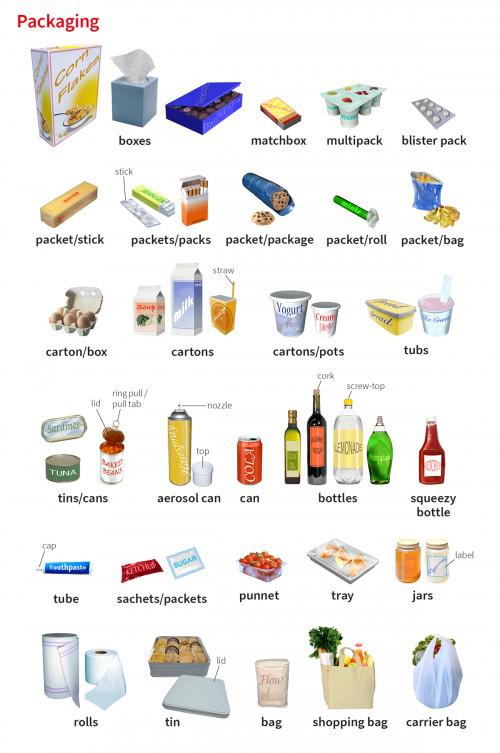
    packaging(noun)

    /ˈpækɪdʒɪŋ/

    the box, bottle or wrapping that a product is sold in, often designed to attract buyers

    The new packaging uses recycled paper and a bolder logo.

    Customers often choose a product because of its packaging.

    Synonymswrappingcoveringcasingcontainerboxingwrapping material
    Antonymsunpackingdisassemblyexposureuncovered
  2. 2

    product launch(noun)

    /ˈprɒdʌkt lɔːn(t)ʃ/

    the time when a company introduces a new product to the market and starts selling it

    The product launch is planned for early March.

    We invited fifty journalists to the product launch in Ho Chi Minh City.

    Synonymsproduct releaseproduct introductionproduct debutrolloutlaunch
    Antonymsproduct discontinuationproduct withdrawalphaseout
  3. 3

    distribution channel(noun)

    /ˌdɪstrɪˈbjuːʃn ˈtʃænl/

    the route a product takes from the maker to the final customer, for example through wholesalers, shops or online

    Convenience stores are now our main distribution channel.

    We added e-commerce platforms as a new distribution channel.

    Synonymsmarketing channelsupply chainsales channel
    Antonymsdirect sales
  4. 4

    premium pricing(noun)

    /ˈpriːmiəm ˌpraɪsɪŋ/

    setting a high price to make a product seem high quality or exclusive

    Premium pricing works only if customers believe the quality is better.

    The brand uses premium pricing for its imported organic products.

  5. 5

    sales promotion(noun)

    /ˈseɪlz prəˌməʊʃn/

    a short-term activity, such as a discount, gift or contest, used to increase sales quickly

    The sales promotion offers a free gift with every purchase over one million dong.

    Sales rose by 30 percent during the two-week sales promotion.

  6. 6

    product life cycle(noun)

    /ˌprɒdʌkt ˈlaɪf saɪkl/

    the stages a product goes through from launch to growth, maturity and decline

    This model is at the end of its product life cycle.

    Marketing spending changes at each stage of the product life cycle.

  7. 7

    new product development(noun)

    /ˌnjuː ˈprɒdʌkt dɪˌveləpmənt/

    the process of creating a new product, from the first idea to testing and launch

    Marketing works closely with R&D on new product development.

    Our new product development process takes about eighteen months.

  8. 8

    product portfolio(noun)

    /ˈprɒdʌkt pɔːtˌfəʊliəʊ/

    the full range of products that a company sells

    Our product portfolio now includes snacks, drinks and frozen food.

    The company cut its product portfolio to focus on best sellers.

  9. 9

    pricing strategy(noun)

    /ˈpraɪsɪŋ ˌstrætədʒi/

    the method a company uses to decide the price of its products

    Our pricing strategy is to stay slightly below the market leader.

    The pricing strategy must consider costs, competitors and customer value.

  10. 10

    penetration pricing(noun)

    /ˌpenəˈtreɪʃn ˌpraɪsɪŋ/

    setting a low price when a product is new to win customers quickly, then raising it later

    We used penetration pricing to win users from the market leader.

    Penetration pricing helped the new milk brand gain shelf space quickly.

  11. 11

    price skimming(noun)

    /ˈpraɪs ˌskɪmɪŋ/

    setting a high price for a new product at first, then lowering it as competitors appear

    Phone makers often use price skimming for new models.

    Price skimming lets us earn more from early buyers.

  12. 12

    psychological pricing(noun)

    /ˌsaɪkəˌlɒdʒɪkl ˈpraɪsɪŋ/

    setting prices that feel cheaper to buyers, for example 99,000 instead of 100,000

    Psychological pricing is common in supermarkets and online shops.

    We tested psychological pricing on the menu and orders went up.

  13. 13

    perceived value(noun)

    /pəˌsiːvd ˈvæljuː/

    how much a product is worth in the customer's opinion, which may differ from its real cost

    Better packaging can increase the perceived value of a product.

    Customers pay for perceived value, not for production cost.

  14. 14

    trade marketing(noun)

    /ˈtreɪd ˌmɑːkɪtɪŋ/

    marketing aimed at wholesalers, retailers and distributors to make products more visible and available in shops

    The trade marketing team designs displays for supermarkets.

    Trade marketing budgets are often spent on shelf space and store events.

  15. 15

    POSM(abbreviation)

    /ˌpiː əʊ es ˈem/

    point-of-sale materials: displays, posters, stands and other items used in shops to promote a product

    We sent new POSM to 500 shops before the promotion started.

    The sales reps check that the POSM is displayed correctly.

  16. 16

    product sampling(noun)

    /ˈprɒdʌkt ˌsɑːmplɪŋ/

    giving people free small amounts of a product so they can try it before buying

    Product sampling in supermarkets helped us win new customers.

    We gave out 10,000 packs during the product sampling campaign.