पाठ 186/202 · 19 शब्द · 0 याद हो गए
B2 · Society, law & politics (3)
B2 · समाज, कानून और राजनीति (3)
क्रांति
an attempt, by a large number of people, to change the government of a country, especially by violent action
The French Revolution began in 1789 and changed the government of France.
फ्रांसीसी क्रांति 1789 में शुरू हुई और उसने फ्रांस की सरकार को बदल दिया।
समानार्थीupheavaloverthrowtransformationchangeturnaroundrevoltinsurrectionविलोमstabilitystatus quoconservationorderpeaceअनुमति देना, इजाज़त देना
to allow somebody to do something or to allow something to happen
Smoking is not permitted anywhere inside the hospital
अस्पताल के अंदर कहीं भी धूम्रपान की अनुमति नहीं है।
Would you check with the nurse to see if I am permitted to eat before surgery?
समानार्थीallowauthorizegrantenablelicenseविलोमforbidprohibitbandisallowdenyआत्मा (aatma)
the spiritual part of a person, believed to exist after death
He believed his immortal soul was in peril.
उसे विश्वास था कि उसकी अमर आत्मा खतरे में है।
The howling wind sounded like the wailing of lost souls (= the spirits of dead people who are not in heaven).
समानार्थीspiritpsycheessenceinner selfbeingविलोमbodyphysicalitymatterविनियम, नियम
an official rule made by a government or public authority that people and businesses must follow
The new regulations on e-commerce take effect on the first of January.
ई-कॉमर्स पर नए विनियम पहली जनवरी से लागू होंगे।
Please check whether the import of these goods is restricted by any regulation.
समानार्थीrulelawordinancedirectiveguidelinepolicycontrolprocedureविलोमderegulationdisorganizationchaoslawlessnessfreedomunrulinessआध्यात्मिक
connected with the human spirit, rather than the body or physical things
We're concerned about your spiritual welfare.
हम आपकी आध्यात्मिक भलाई के बारे में चिंतित हैं।
a lack of spiritual values in the modern world
समानार्थीnonphysicalimmaterialetherealreligiousdivinesacredholyविलोमphysicalmaterialbodilyseculartemporalधमकी देना (dhamkee dena)
to say that you will cause trouble, hurt somebody, etc. if you do not get what you want
The mugger threatened to kill him.
लुटेरे ने उसे जान से मारने की धमकी दी।
The attacker threatened them with a gun.
समानार्थीintimidatemenaceendangerportendwarncoerceविलोमassurecomfortencouragepromiseguaranteeसंदिग्ध, संदिग्ध व्यक्ति
a person the police believe may have committed a crime
Police questioned three suspects about the missing funds.
पुलिस ने गायब धन के बारे में तीन संदिग्धों से पूछताछ की।
The suspect has the right to a lawyer from the moment of arrest.
समानार्थीaccusedpossible culpritpresumed offendersubjecttargetविलोमcertaintyfactknownprovenमुकदमा (mukadama)
a formal examination of evidence in court by a judge and often a jury , to decide if somebody accused of a crime is guilty or not
a murder trial
हत्या का मुकदमा (hatya ka mukadama)
He did not receive a fair trial.
समानार्थीhearingcaselawsuitlegal proceedingtestexaminationexperimentविलोमagreementsettlementharmonyaccordविरोध
the act of strongly disagreeing with somebody/something, especially with the aim of preventing something from happening
The army met with fierce opposition in every town.
सेना को हर शहर में तीखे विरोध का सामना करना पड़ा।
opposition forces(= people who are arguing, fighting, etc. with another group)
समानार्थीresistancedefianceantagonismhostilityobjectiondisapprovalविलोमagreementapprovalsupportacceptanceconsentगवाह, साक्षी
a person who tells a court what they saw or know about the facts of a case
The warehouse manager was called as a witness for the defence.
गोदाम के प्रबंधक को बचाव पक्ष के गवाह के रूप में बुलाया गया।
Each witness must sign a written witness statement before the hearing.
समानार्थीobservereyewitnesslooker-onspectatortestifyattestconfirmविलोमignoreoverlookdenydisproveहिंसा (hinsā)
violent behaviour that is intended to hurt or kill somebody
Why do they always have to resort to violence?
उन्हें हमेशा हिंसा का सहारा क्यों लेना पड़ता है?
domestic violence(= between family members)
समानार्थीaggressionbrutalityforceferocitysavageryhostilitycombatconflictविलोमpeacetranquilitycalmharmonygentlenessnonviolenceसंसद (sansad)
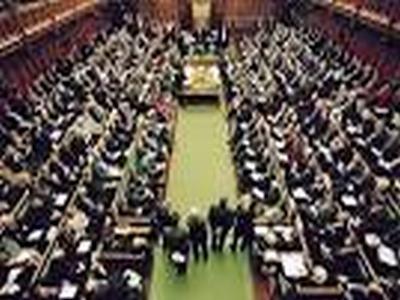
the group of people who are elected to make and change the laws of a country
The German parliament is called the ‘Bundestag’.
जर्मन संसद को 'बुन्देसटाग' कहा जाता है।
Cook over a medium heat for 15 minutes.
समानार्थीlegislaturecongresssenateassemblydietविलोमautocracydictatorshipmonarchyसुरक्षा (suraksha)
the act of protecting somebody/something; the state of being protected
He asked to be put under police protection.
उसने पुलिस सुरक्षा में रखे जाने का अनुरोध किया।
data protection laws
समानार्थीsecuritydefensesheltersafeguardpreservationविलोमdangerharmthreatvulnerabilityneglectधमकी (dhamki)
a statement in which you tell somebody that you will punish or harm them, especially if they do not do what you want
She is prepared to carry out her threat to resign.
वह इस्तीफ़ा देने की अपनी धमकी को पूरा करने के लिए तैयार है।
He received death threats from right-wing groups.
समानार्थीmenaceintimidationwarningdangerhazardperilविलोमpromiseassuranceguaranteeprotectionsecurityनिजीता
the state of being alone and not watched or interrupted by other people
I don’t like how my mother doesn’t respect my privacy.
मुझे यह पसंद नहीं है कि मेरी माँ मेरी निजता का सम्मान नहीं करती।
समानार्थीseclusionsecrecyconfidentialityisolationsolitudeविलोमpublicityexposurenotorietyopennessvisibilityगुलाम (gulaam)
a person who is owned by another person and is forced to work for and obey them
By the time I was ten, I had become her slave, doing all the housework.
जब मैं दस साल का था, तब तक मैं उसकी गुलाम बन चुकी थी, और सारा घर का काम करती थी।
समानार्थीbondmanthrallvassalserfservantcaptiveविलोमfree personmasterliberatedemancipated