पाठ 23/33 · 137 शब्द · 0 याद हो गए
Science
विज्ञान
तारा (tara)
a large ball of burning gas in space that we see as a point of light in the sky at night
Sirius is the brightest star in the sky.
सीरियस आकाश में सबसे चमकीला तारा है।
She starred opposite Cary Grant in ‘Bringing up Baby’.
समानार्थीcelestial bodyluminarysuncelebrityidolविलोमplanetdarknessobscuritynobodyभौतिकी (bhautiki)
the scientific study of matter and energy and the relationships between them, including the study of forces, heat, light, sound, electricity and the structure of atoms
I’m not good at physics.
मैं भौतिकी में अच्छा नहीं हूँ। (Main bhautiki mein achchha nahin hoon.)
particle/nuclear/theoretical physics
समानार्थीsciencephysical sciencenatural philosophyविलोमartshumanitiesरसायन विज्ञान (rasayan vigyan)
the scientific study of the structure of substances, how they react when combined or in contact with one another, and how they behave under different conditions
I like learning Chemistry in the laboratory.
मुझे प्रयोगशाला में रसायन विज्ञान सीखना पसंद है।
the university's chemistry department
समानार्थीchemical sciencechemical analysiscompositionchemical processesविलोमphysical scienceजीवविज्ञान (jeev vigyan)
the scientific study of the life and structure of plants and animals
What day do you have biology?
आपका जीवविज्ञान का दिन कौन सा है? (aapaka jeev vigyaan ka din kaun sa hai?)
The beach is a mile away.
समानार्थीlife sciencenatural scienceविलोमphysicschemistrymathematicsगुरुत्वाकर्षण, गुरुत्व
the force that attracts objects in space towards each other, and that on the earth pulls them towards the centre of the planet, so that things fall to the ground when they are dropped
Because of gravity, an apple falls to the ground when it drops from the tree.
गुरुत्वाकर्षण के कारण सेब पेड़ से गिरने पर ज़मीन पर आ जाता है।
समानार्थीseriousnessimportancesignificanceweightinessseveritycriticalityविलोमtrivialityunimportanceinsignificancelevityउपग्रह (upagrah)
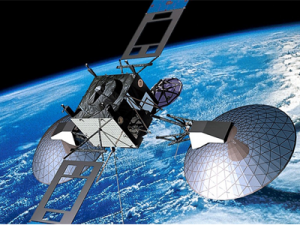
an electronic device that is sent into space and moves around the earth or another planet. It is used for communicating by radio, television, etc. and for gathering information.
a weather/communications satellite
एक मौसम/संचार उपग्रह (ek mausam/sanchar upagrah)
समानार्थीmoonorbiterspacecraftविलोमplanetground stationअंतरिक्ष स्टेशन (antariksh steshan)
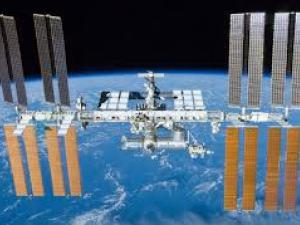
a large structure that is sent into space and remains above the earth as a base for people working and travelling in space
the International Space Station (ISS)
अंतर्राष्ट्रीय अंतरिक्ष स्टेशन (ISS) (antarraashtreey antariksh steshan (ISS))
समानार्थीorbital stationoutpost in spaceविलोमEarthbound facilityपारिस्थितिकी (paaristhitiki)
the relation of plants and living creatures to each other and to their environment; the study of this
She hopes to study ecology at college.
उसे कॉलेज में पारिस्थितिकी का अध्ययन करने की उम्मीद है।
समानार्थीenvironmental scienceenvironmentalismbiotic scienceविलोमnone (ecology as a field of study doesn't have a direct antonym. Related fields like urban planning might be considered distantly opposite in some contexts.)कक्षा, परिक्रमा-पथ
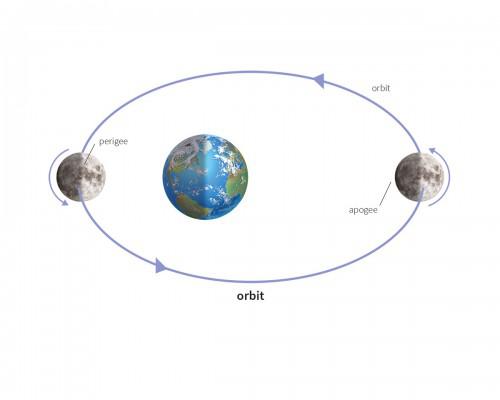
a curved path followed by a planet or an object as it moves around another planet, star, moon, etc.
The satellite is now in orbit around the Earth.
उपग्रह अब पृथ्वी की कक्षा में परिक्रमा कर रहा है।
समानार्थीrevolvecircleencirclego aroundrotate aroundविलोमstagnatestandstillstopremain stationaryरॉकेट, अंतरिक्ष यान
a spacecraft in the shape of a tube that is driven by a stream of gases let out behind it when fuel is burned inside
The rocket carried three astronauts into space last month.
रॉकेट पिछले महीने तीन अंतरिक्ष यात्रियों को अंतरिक्ष में ले गया।
समानार्थीsoarsurgeskyrocketincrease rapidlyboomविलोमplummetdecrease rapidlydeclinedropजैव विविधता (jaiv vividhata)
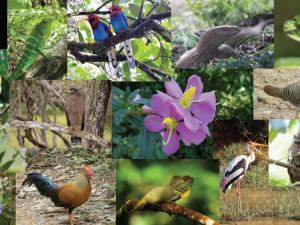
the existence of a large number of different kinds of animals and plants which make a balanced environment
A new National Biological Survey will protect species habitat and biodiversity.
एक नया राष्ट्रीय जैविक सर्वेक्षण प्रजातियों के आवास और जैव विविधता की रक्षा करेगा।
समानार्थीvariety of lifebiological diversityecological diversityspecies richnessgenetic diversityविलोमmonocultureuniformitylack of diversitybiological uniformityपरमाणु ऊर्जा (paramanu oorja)
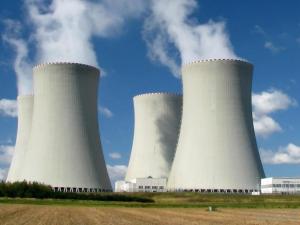
a powerful form of energy produced by changing matter into energy by splitting the nuclei (= central parts) of atoms . It is used to produce electricity.
I think nuclear energy will be widely used in the future.
मुझे लगता है कि परमाणु ऊर्जा का भविष्य में व्यापक रूप से उपयोग किया जाएगा।
समानार्थीatomic energyatomic powernuclear powerविलोमrenewable energysolar energywind energyhydroelectric energyमनोविज्ञान (manovigyan)
the scientific study of the mind and how it influences behaviour
She studied psychology at Harvard.
उसने हार्वर्ड में मनोविज्ञान का अध्ययन किया। (Usne Harvard mein manovigyan ka adhyayan kiya.)
समानार्थीbehavioral sciencescience of mindmental scienceविलोमphysical sciencephysicalityमहामारी विज्ञान (mahamari vigyaan)
the scientific study of the spread and control of diseases
Her major is epidemiology.
उसका मुख्य विषय महामारी विज्ञान है। (Uska mukhya vishay mahamari vigyaan hai.)
समानार्थीstudy of epidemicspublic health sciencedisease control researchविलोमN/A (no direct antonym)जलवायु परिवर्तन (jalavaayu parivartan)
changes in the earth’s weather, including changes in temperature, wind patterns and rainfall , especially the increase in the temperature of the earth’s atmosphere that is caused by the increase of particular gases, especially carbon dioxide
In any case, climate change is already disrupting the lives of millions of human beings.
किसी भी मामले में, जलवायु परिवर्तन पहले से ही लाखों इंसानों के जीवन को बाधित कर रहा है।
समानार्थीglobal warmingclimatic changeenvironmental changeclimate crisisविलोमclimate stabilityenvironmental equilibriumशरीर रचना विज्ञान
the scientific study of the physical structure of humans, animals or plants
Medical students must study human anatomy in their first year.
मेडिकल के छात्रों को पहले वर्ष में मानव शरीर रचना विज्ञान पढ़ना होता है।
समानार्थीstructurebodily structureorganizationmorphologyphysiologyformcompositionविलोमdisorganizationformlessnessamorphousnessखगोल जीवविज्ञान
the scientific study of life on other planets
Astrobiology is the study of the origin, evolution, distribution, and future of life in the universe.
खगोल जीवविज्ञान ब्रह्मांड में जीवन की उत्पत्ति, विकास, वितरण और भविष्य का अध्ययन है।
समानार्थीexobiologybioastronomyविलोमNoneखगोलभूगर्भशास्त्र (Khagolbhūgarbhshāstra)
the scientific study of the rocks, surfaces and structure of planets, moons and other bodies in space
Astrogeology helps us understand the surfaces of other planets.
खगोलभूगर्भशास्त्र हमें अन्य ग्रहों की सतहों को समझने में मदद करता है।
समानार्थीPlanetary geologyExogeologyविलोमTerrestrial geologyखगोल विज्ञान (khagol vigyan)
the scientific study of the sun, moon, stars, planets, etc.
Astronomy is the scientific study of celestial objects and phenomena.
खगोल विज्ञान खगोलीय वस्तुओं और घटनाओं का वैज्ञानिक अध्ययन है।
समानार्थीcelestial mechanicsspace scienceastro-scienceविलोमastrologyखगोलभौतिकी
the scientific study of the physical and chemical structure of the stars, planets, etc.
Astrophysics studies the physics of celestial objects.
खगोलभौतिकी खगोलीय वस्तुओं के भौतिकी का अध्ययन करता है।
समानार्थीastronomical physicsspace physicsविलोमgeophysicsterrestrial physicsजैव रसायन (jaiv rasayan)
the scientific study of the chemistry of living things
She is studying biochemistry at university.
वह विश्वविद्यालय में जैव रसायन का अध्ययन कर रही है। (vah vishvavidyalay mein jaiv rasayan ka adhyayan kar rahi hai.)
समानार्थीbiological chemistrymolecular biologychemical biologyविलोमphysicsgeologyजैवभौतिकी
the science that uses the laws and methods of physics to study biology
Biophysics applies physics principles to biological systems.
जैवभौतिकी जैविक प्रणालियों पर भौतिकी के सिद्धांतों को लागू करती है।
समानार्थीbiological physicsphysical biologyविलोमpure biologypure physicsब्लैक होल
an area in space that nothing, not even light, can escape from, because gravity (= the force that pulls objects in space towards each other) is so strong there
The black hole consumed the nearby star.
ब्लैक होल ने पास के तारे को निगल लिया।
समानार्थीgravitational singularitycosmic vacuumविलोमwhite hole (theoretical)संज्ञानात्मक तंत्रिका विज्ञान (sangyanatmak tantrika vigyaan)
the scientific study of how the brain and nervous system make thinking, learning and memory possible
Cognitive neuroscience explores the neural mechanisms underlying thought and behavior.
संज्ञानात्मक तंत्रिका विज्ञान विचार और व्यवहार के अंतर्निहित तंत्रिका तंत्र का पता लगाता है।
समानार्थीbehavioral neurosciencebiopsychologyneuropsychologyविलोमN/Aसंज्ञानात्मक विज्ञान (sangyaanatmak vigyaan)
the study of the mind and how it works, combining ideas from psychology, linguistics, computer science and philosophy
Cognitive science explores how the mind processes information.
संज्ञानात्मक विज्ञान खोजता है कि मन जानकारी को कैसे संसाधित करता है।
समानार्थीcognitive studiesmind scienceविलोमN/A (There is no direct antonym as it's a specific field of study.)ब्रह्मांड विज्ञान (brahmaand vigyaan)
the scientific study of the universe and its origin and development
Cosmology seeks to understand the origin and evolution of the universe.
ब्रह्मांड विज्ञान ब्रह्मांड की उत्पत्ति और विकास को समझने का प्रयास करता है।
समानार्थीastronomyastro physicsuniverse studiesorigin scienceविलोमnoneसाइबरनेटिक्स
the scientific study of communication and control systems, which involves comparing human and animal brains with machines and electronic devices
Cybernetics explores the relationship between biological and mechanical systems.
साइबरनेटिक्स जैविक और यांत्रिक प्रणालियों के बीच संबंधों का पता लगाता है।
समानार्थीcontrol systemsautomationsystems theoryविलोमrandomnessdisorderchaosअंधकारमय पदार्थ
according to some theories, material that exists in space but does not reflect any light
Scientists study dark matter to understand the universe's structure.
वैज्ञानिक ब्रह्मांड की संरचना को समझने के लिए अंधकारमय पदार्थ का अध्ययन करते हैं।
समानार्थीunseen matterhidden massविलोमluminous mattervisible matterविद्युत चुंबकत्व
the production of a magnetic field by means of an electric current, or of an electric current by means of a magnetic field
Electromagnetism is a fundamental force of nature.
विद्युत चुंबकत्व प्रकृति का एक मूलभूत बल है।
समानार्थीElectromagnetic forceEM interactionविलोमGravityWeak nuclear forceStrong nuclear forceविकास
the slow steady development of plants, animals, etc. during the history of the earth, as they adapt to changes in their environment
The evolution of species is a complex process.
प्रजातियों का विकास एक जटिल प्रक्रिया है।
समानार्थीdevelopmentprogressgrowthadvancementविलोमdevolutionregressionstagnationएलियन
(in stories) a creature that comes from another planet; a creature that may exist on another planet
The movie was about an extraterrestrial who visited Earth.
फिल्म एक एलियन के बारे में थी जो पृथ्वी पर आया था।
समानार्थीaliennon-terrestrialotherworldlyविलोमterrestrialearthlyआनुवंशिकी
the scientific study of the ways in which different characteristics are passed from each generation of living things to the next
Genetics plays a crucial role in determining our physical traits.
आनुवंशिकी हमारी शारीरिक विशेषताओं को निर्धारित करने में महत्वपूर्ण भूमिका निभाती है।
समानार्थीheredityinheritancegenesविलोमenvironmental factorsभूगर्भशास्त्र
the scientific study of the physical structure of the earth, including the origin and history of the rocks and soil of which the earth is made
Geology helps us understand the Earth's history.
भूगर्भशास्त्र हमें पृथ्वी के इतिहास को समझने में मदद करता है।
समानार्थीearth sciencegeoscienceभूभौतिकी
the scientific study of the physics of the earth, including its atmosphere, climate and magnetism
Geophysics is used to study the Earth's subsurface.
भूभौतिकी का उपयोग पृथ्वी की सतह के नीचे का अध्ययन करने के लिए किया जाता है।
समानार्थीEarth physicsSolid Earth geophysicsविलोमNoneप्रतिरक्षा विज्ञान (pratiraksha vigyaan)
the scientific study of protection against disease
Immunology is the study of the immune system.
प्रतिरक्षा विज्ञान प्रतिरक्षा प्रणाली का अध्ययन है। (pratiraksha vigyaan pratiraksha pranaalee ka adhyayan hai.)
समानार्थीimmune biologyimmunobiologyविलोमnoneउल्का (ulka)
a piece of rock from outer space that makes a bright line across the night sky as it burns up while falling through the earth’s atmosphere
A meteor streaked across the night sky.
एक उल्का रात्रि आकाश में गुजरी।
समानार्थीshooting starfalling starbolideविलोमasteroidcometplanetसूक्ष्मदर्शिकी, सूक्ष्मदर्शी विज्ञान
the use of microscopes to look at very small creatures, objects, etc.
Microscopy revealed the structure of the cell.
सूक्ष्मदर्शिकी से कोशिका की संरचना का पता चला।
समानार्थीmicroscopic analysismicroscopic examinationविलोमmacroscopic observationनीहारिका (neehaarika)
a mass of dust or gas that can be seen in the night sky, often appearing very bright; a bright area in the night sky caused by a large cloud of stars that are far away
The telescope revealed a beautiful nebula.
दूरबीन ने एक सुंदर नीहारिका का खुलासा किया। (doorbeen ne ek sundar neehaarika ka khulaasa kiya.)
समानार्थीstar cloudinterstellar cloudविलोमempty spacevoidपेट्रोलॉजी
the scientific study of how rocks are made and what they are made of
The geologist specialized in petrology to understand the origin of the rocks.
भूविज्ञानी चट्टानों की उत्पत्ति को समझने के लिए पेट्रोलॉजी में विशिष्टता रखते थे।
समानार्थीlithologygeologyविलोमnoneऔषध विज्ञान, फार्माकोलॉजी
the science of drugs, including how they act on the body and how they are used to treat disease
Pharmacology is a core subject for medical and pharmacy students.
औषध विज्ञान चिकित्सा और फार्मेसी के विद्यार्थियों के लिए एक मूल विषय है।
Clinical pharmacology studies how drugs work in real patients.
समानार्थीdrug studymedicinal chemistrypharmaceuticsविलोमnoneप्रकाश संश्लेषण
the process by which green plants turn carbon dioxide and water into food using energy obtained from light from the sun
Photosynthesis is essential for plant life.
प्रकाश संश्लेषण पौधों के जीवन के लिए आवश्यक है।
समानार्थीcarbon assimilationphotosynthetic activityविलोमrespirationदेशकाल
the universe considered as a continuum with four measurements—length, width , depth and time—inside which any event or physical object is located
Einstein's theory deals with space-time.
आइंस्टीन का सिद्धांत देशकाल से संबंधित है।
समानार्थीspace and timecontinuumविलोमspacetimeऊष्मप्रवैगिकी
the science that deals with the relations between heat and other forms of energy
Thermodynamics explains how energy is converted and used.
ऊष्मप्रवैगिकी बताती है कि ऊर्जा कैसे परिवर्तित और उपयोग की जाती है।
समानार्थीthermodynamic principlesthermal physicsविलोमnoneआनुवंशिक अभियांत्रिकी
the science of changing how a living creature or plant develops by changing the information in its genes
Genetic engineering is used to modify crops for better yields.
आनुवंशिक अभियांत्रिकी का उपयोग बेहतर उपज के लिए फसलों को संशोधित करने के लिए किया जाता है।
समानार्थीgene editingbiotechnologygene manipulationविलोमnatural selectiontraditional breedingकृत्रिम बुद्धिमत्ता, आर्टिफिशियल इंटेलिजेंस, AI
the ability of computer systems to do tasks that normally need human intelligence, such as understanding language or making decisions
The bank uses artificial intelligence to detect unusual transactions.
बैंक असामान्य लेन-देन का पता लगाने के लिए कृत्रिम बुद्धिमत्ता का उपयोग करता है।
Artificial intelligence is changing how customer service teams work.
समानार्थीAImachine intelligenceविलोमnatural intelligencehuman intelligenceनैनो तकनीक
the branch of technology that deals with structures that are less than 100 nanometres long. Scientists often build these structures using individual molecules of substances.
Nanotechnology is used in many fields, including medicine and manufacturing.
नैनो तकनीक का उपयोग चिकित्सा और विनिर्माण सहित कई क्षेत्रों में किया जाता है।
समानार्थीmolecular manufacturingnanoscale technologyविलोमmacrotechnologyनाभिकीय भौतिकी
the area of physics which deals with the nucleus of atoms and with nuclear energy
Nuclear physics is crucial for understanding atomic energy.
नाभिकीय भौतिकी परमाणु ऊर्जा को समझने के लिए महत्वपूर्ण है।
समानार्थीatomic physicsnuclear scienceविलोमclassical physicsजीवाश्म विज्ञान
the study of fossils (= the parts of dead animals or plants in rocks) as a guide to the history of life on earth
She studied paleontology to learn about dinosaurs.
उसने डायनासोर के बारे में जानने के लिए जीवाश्म विज्ञान का अध्ययन किया।
समानार्थीfossil studyfossil scienceविलोमnoneअंतरिक्ष यान, अंतरिक्ष अन्वेषी यान
a spacecraft without people on board that obtains information and sends it back to earth
The space probe sent back images of Jupiter.
अंतरिक्ष अन्वेषी यान ने बृहस्पति की तस्वीरें भेजीं।
समानार्थीunmanned spacecraftrobotic probeplanetary probeविलोमmanned spacecraftअंतरिक्ष में चहलकदमी
a period of time that an astronaut spends in space outside a spacecraft
The astronaut performed a spacewalk to repair the satellite.
अंतरिक्ष यात्री ने सैटेलाइट की मरम्मत के लिए अंतरिक्ष में चहलकदमी की।
समानार्थीextravehicular activityEVAविलोमindoor activitygrounded activityविश्लेषणात्मक रसायन विज्ञान
The branch of chemistry that identifies substances and measures their chemical components.
Analytical chemistry is used to identify and quantify the chemical components of substances.
विश्लेषणात्मक रसायन विज्ञान का उपयोग पदार्थों के रासायनिक घटकों की पहचान और मात्रा निर्धारित करने के लिए किया जाता है।
समानार्थीChemical analysisQuantitative analysisQualitative analysisविलोमOrganic chemistryBiochemistryपशु व्यवहार (Pashu vyavhar)
The way animals act and respond, or the scientific study of this.
The students studied animal behavior in the wild.
छात्रों ने जंगल में पशु व्यवहार का अध्ययन किया।
समानार्थीEthologyAnimal conductAnimal psychologyविलोमInanimate behaviorPlant behaviorपशु शरीर क्रिया विज्ञान
The scientific study of how the bodies and organs of animals work.
Animal physiology explores how animals function.
पशु शरीर क्रिया विज्ञान यह पता लगाता है कि जानवर कैसे कार्य करते हैं।
समानार्थीzoophysiologycomparative physiologyविलोमplant physiologyखगोल रसायन
The study of the chemical substances and reactions found in space.
Astrochemistry helps us understand the origin of life.
खगोल रसायन जीवन की उत्पत्ति को समझने में हमारी मदद करता है।
समानार्थीCosmochemistrySpace chemistryविलोमTerrestrial chemistryGeochemistryपरमाणु संरचना
The arrangement of protons, neutrons and electrons that make up an atom.
Understanding atomic structure is fundamental to chemistry.
परमाणु संरचना को समझना रसायन विज्ञान के लिए मूलभूत है।
समानार्थीatomic arrangementnuclear structureविलोमmacroscopic structuremolecular structureजैवअभियांत्रिकी
The use of engineering methods to solve problems in biology and medicine.
Bioengineering has led to advancements in medical treatments.
जैवअभियांत्रिकी से चिकित्सा उपचार में प्रगति हुई है।
समानार्थीBiomedical engineeringGenetic engineeringBiotechnologyविलोमMechanical engineeringChemical engineeringजैव नीतिशास्त्र
The study of moral questions raised by advances in biology and medicine.
Bioethics explores the moral issues arising from advances in biology and medicine.
जैव नीतिशास्त्र जीव विज्ञान और चिकित्सा में प्रगति से उत्पन्न नैतिक मुद्दों का पता लगाता है।
समानार्थीMedical ethicsEthics of scienceMoral philosophy of biologyविलोमAmoral scienceUnethical researchजैव सूचना विज्ञान
The use of computers to store and analyse large amounts of biological data.
Bioinformatics combines biology and computer science to analyze large datasets.
जैव सूचना विज्ञान बड़े डेटासेट का विश्लेषण करने के लिए जीव विज्ञान और कंप्यूटर विज्ञान को जोड़ता है।
समानार्थीComputational biologyData science in biologyविलोमExperimental biologyजैवयांत्रिकी
The scientific study of the physical movement and structure of living things, using the principles of mechanics.
Biomechanics studies the mechanical aspects of living organisms.
जैवयांत्रिकी जीवित जीवों के यांत्रिक पहलुओं का अध्ययन करता है।
समानार्थीKinesiologyHuman kineticsविलोमNoneबायोमेकैट्रोनिक्स
The science of combining biology, mechanics and electronics to design devices that work with the human body.
Biomechatronics combines biology, mechanics, and electronics to design innovative devices.
बायोमेकैट्रोनिक्स नवीन उपकरणों को डिजाइन करने के लिए जीव विज्ञान, यांत्रिकी और इलेक्ट्रॉनिक्स को जोड़ती है।
समानार्थीBioengineeringBiomechanical engineeringविलोमNoneजैव प्रौद्योगिकी
The use of living cells and bacteria in industrial and scientific processes, for example to make medicines.
Biotechnology is being used to develop new medicines.
जैव प्रौद्योगिकी का उपयोग नई दवाएं विकसित करने के लिए किया जा रहा है।
समानार्थीBioengineeringGenetic engineeringBiotechविलोमConventional methodsTraditional techniquesरासायनिक प्रतिक्रियाएं
Processes in which substances act on each other and are changed into different substances.
Chemical reactions are fundamental to understanding how the world works.
रासायनिक प्रतिक्रियाएँ यह समझने के लिए मूलभूत हैं कि दुनिया कैसे काम करती है।
समानार्थीchemical processeschemical changestransformationsविलोमphysical changesstabilityजलवायु मॉडलिंग
The use of computer models to simulate the earth's climate and predict how it may change.
Climate modeling is essential for understanding future climate change.
जलवायु मॉडलिंग भविष्य के जलवायु परिवर्तन को समझने के लिए आवश्यक है।
समानार्थीclimate simulationclimate projectionclimate predictionविलोमclimate observationhistorical weather dataअभिकलनात्मक जीव विज्ञान
The use of computers and mathematical models to study and understand biological systems and data.
Computational biology uses computer algorithms to model biological systems.
अभिकलनात्मक जीव विज्ञान जैविक प्रणालियों को मॉडल करने के लिए कंप्यूटर एल्गोरिदम का उपयोग करता है।
समानार्थीBioinformaticsMathematical biologySystems biologyविलोमExperimental biologyTraditional biologyसंरक्षण जीवविज्ञान
The scientific study of how to protect species, their habitats and the earth's biodiversity.
Conservation biology is crucial for protecting endangered species.
संरक्षण जीवविज्ञान लुप्तप्राय प्रजातियों की रक्षा के लिए महत्वपूर्ण है।
समानार्थीConservation scienceEnvironmental biologyविलोमExploitation biologyDestructive ecologyपर्यावरणीय रसायन विज्ञान
The study of chemical processes in the environment and the effects of chemicals on air, water and soil.
Environmental chemistry studies the effects of chemicals on the environment.
पर्यावरणीय रसायन विज्ञान पर्यावरण पर रसायनों के प्रभावों का अध्ययन करता है।
समानार्थीGreen chemistryEcological chemistryविलोमIndustrial chemistryपर्यावरणीय प्रभाव आकलन
An official study of the likely effects of a planned project on the environment.
The environmental impact assessment showed minimal damage.
पर्यावरणीय प्रभाव आकलन में न्यूनतम क्षति दिखाई गई।
समानार्थीenvironmental assessmentimpact studyecological assessmentविलोमenvironmental neglectnon-assessmentपर्यावरण विज्ञान
The study of the natural environment and the ways in which humans affect it.
Environmental science is a multidisciplinary field.
पर्यावरण विज्ञान एक बहु-विषयक क्षेत्र है।
समानार्थीecologyconservation scienceenvironmental studiesविलोमN/Aविकासवादी जीव विज्ञान
The branch of biology that studies how living things have developed and changed over time.
Evolutionary biology explains how life on Earth has changed over time.
विकासवादी जीव विज्ञान बताता है कि पृथ्वी पर जीवन समय के साथ कैसे बदला है।
समानार्थीEvolutionary scienceDarwinian biologyविलोमCreation scienceआनुवंशिक परामर्श
Advice given to people about the risk of passing on or having an inherited disease.
She sought genetic counseling before starting a family.
उसने परिवार शुरू करने से पहले आनुवंशिक परामर्श लिया।
समानार्थीGenetic guidanceGenetic consultationविलोमNoneआनुवंशिक भिन्नता
The differences in genes between individual living things of the same species.
Genetic variation allows populations to adapt to changing environments.
आनुवंशिक भिन्नता आबादी को बदलते वातावरण के अनुकूल होने की अनुमति देती है।
समानार्थीGenetic diversityAllelic variationविलोमGenetic uniformityGenetic homogeneityजीनोम अनुक्रमण
The process of finding the exact order of all the DNA in an organism's genome.
Genome sequencing can help identify genetic diseases.
जीनोम अनुक्रमण आनुवंशिक रोगों की पहचान करने में मदद कर सकता है।
समानार्थीDNA sequencingGenetic mappingविलोमN/Aहबल अंतरिक्ष दूरबीन
A large telescope in orbit around the earth that takes images of distant stars and galaxies.
The Hubble Space Telescope has provided stunning images of distant galaxies.
हबल अंतरिक्ष दूरबीन ने दूर की आकाशगंगाओं की अद्भुत तस्वीरें प्रदान की हैं।
समानार्थीHSTHubbleइम्यूनोथेरेपी
The treatment of disease by using or strengthening the body's immune system.
Immunotherapy has shown promise in treating certain types of cancer.
इम्यूनोथेरेपी ने कुछ प्रकार के कैंसर के इलाज में आशाजनक परिणाम दिखाए हैं।
समानार्थीBiological therapyImmune system therapyविलोमChemotherapyRadiation therapyअकार्बनिक रसायन विज्ञान
The branch of chemistry that studies substances that do not contain carbon-hydrogen bonds.
Inorganic chemistry studies compounds that do not contain carbon-hydrogen bonds.
अकार्बनिक रसायन विज्ञान उन यौगिकों का अध्ययन करता है जिनमें कार्बन-हाइड्रोजन बंधन नहीं होते हैं।
समानार्थीnon-organic chemistrymineral chemistryविलोमorganic chemistryअंतर्राष्ट्रीय अंतरिक्ष स्टेशन
A large spacecraft in orbit around the earth where astronauts from several countries live and work.
The International Space Station orbits the Earth.
अंतर्राष्ट्रीय अंतरिक्ष स्टेशन पृथ्वी की परिक्रमा करता है।
समानार्थीISSSpace StationविलोमEarthGroundचंद्र मॉड्यूल
A small spacecraft that carries astronauts between the main spacecraft orbiting the moon and the moon's surface.
The lunar module successfully landed on the moon.
चंद्र मॉड्यूल चंद्रमा पर सफलतापूर्वक उतरा।
समानार्थीmoon landerLEM (Lunar Excursion Module)विलोमcommand modulespacecraftमंगल ग्रह रोवर
A vehicle that is sent to Mars to move across its surface and collect scientific information.
The Mars Rover sent back stunning images of the Martian surface.
मंगल ग्रह रोवर ने मंगल ग्रह की सतह की शानदार तस्वीरें वापस भेजीं।
समानार्थीMars explorerPlanetary roverविलोमStationary probeOrbiterसूक्ष्मजीव पारिस्थितिकी
The scientific study of how microorganisms interact with each other and with their environment.
Microbial ecology studies the interactions of microorganisms with each other and their environment.
सूक्ष्मजीव पारिस्थितिकी सूक्ष्मजीवों की एक-दूसरे के साथ और उनके पर्यावरण के साथ अंतःक्रियाओं का अध्ययन करती है।
समानार्थीMicrobial biogeochemistryEnvironmental microbiologyविलोमMacrobial ecologyआणविक जीवविज्ञान
The scientific study of the structure and function of the molecules that make up living things.
Molecular biology studies the structure and function of macromolecules.
आणविक जीवविज्ञान बृहदाणुओं की संरचना और कार्य का अध्ययन करता है।
समानार्थीNoneविलोमClassical biologyOrganismal biologyआणविक आनुवंशिकी
The branch of genetics that studies the structure and function of genes at the level of molecules.
Molecular genetics is used to study the structure and function of genes at a molecular level.
आणविक आनुवंशिकी का उपयोग आणविक स्तर पर जीन की संरचना और कार्य का अध्ययन करने के लिए किया जाता है।
समानार्थीNoneGene scienceMolecular biology of heredityविलोमClassical geneticsचंद्र अवतरण
An occasion when a spacecraft lands on the moon, especially the first one in 1969.
The moon landing was a major achievement for humanity.
चंद्र अवतरण मानवता के लिए एक बड़ी उपलब्धि थी।
समानार्थीlunar landingmoonshotApollo missionविलोमspace launch failureearthboundतंत्रिका रसायन विज्ञान
The scientific study of the chemical processes that happen in the nervous system.
Neurochemistry studies the chemical processes within the nervous system.
तंत्रिका रसायन विज्ञान तंत्रिका तंत्र के भीतर रासायनिक प्रक्रियाओं का अध्ययन करता है।
समानार्थीBrain chemistryNeurochemical processesविलोमN/Aतंत्रिका मनोविज्ञान
The scientific study of the relationship between the brain and the way people think and behave.
Neuropsychology studies the relationship between the brain and behavior.
तंत्रिका मनोविज्ञान मस्तिष्क और व्यवहार के बीच संबंध का अध्ययन करता है।
समानार्थीBehavioral neuroscienceBiological psychologyविलोमNoneकार्बनिक रसायन
The branch of chemistry that studies substances containing carbon.
She is studying organic chemistry at the university.
वह विश्वविद्यालय में कार्बनिक रसायन विज्ञान का अध्ययन कर रही है।
समानार्थीCarbon chemistryChemistry of carbon compoundsविलोमInorganic chemistryभौतिक रसायन
The branch of chemistry that uses the methods of physics to study chemical systems and reactions.
Physical chemistry explores the fundamental principles underlying chemical systems.
भौतिक रसायन रासायनिक प्रणालियों को अंतर्निहित करने वाले मूलभूत सिद्धांतों की पड़ताल करता है।
समानार्थीChemical physicsTheoretical chemistryविलोमOrganic chemistryBiochemistryग्रह विज्ञान
The scientific study of planets, moons and planetary systems, and how they form and change.
Planetary science studies the formation and evolution of planets.
ग्रह विज्ञान ग्रहों के गठन और विकास का अध्ययन करता है।
समानार्थीplanetologycosmologyविलोमnoneपादप शरीर क्रिया विज्ञान
The scientific study of how plants work, grow and stay alive.
Plant physiology explores how plants function and grow.
पादप शरीर क्रिया विज्ञान यह खोजता है कि पौधे कैसे कार्य करते हैं और बढ़ते हैं।
समानार्थीPlant biologyPhytophysiologyविलोमAnimal physiologyबहुलक रसायन विज्ञान
The branch of chemistry that studies polymers and how they are made and used.
Polymer chemistry is crucial for developing new materials.
बहुलक रसायन विज्ञान नई सामग्री विकसित करने के लिए महत्वपूर्ण है।
समानार्थीMacromolecular chemistryPolymer scienceविलोमInorganic chemistryAtomic chemistryप्रोटीओमिक्स
The scientific study of all the proteins in a living thing, and their structure and function.
Proteomics is used to study protein structure and function.
प्रोटीओमिक्स का उपयोग प्रोटीन संरचना और कार्य का अध्ययन करने के लिए किया जाता है।
समानार्थीProtein analysisProtein profilingProtein characterizationविलोमGenomicsक्वांटम कंप्यूटिंग
A type of computing that uses the principles of quantum mechanics to process information.
Quantum computing holds the potential to revolutionize various fields.
क्वांटम कंप्यूटिंग में विभिन्न क्षेत्रों में क्रांति लाने की क्षमता है।
समानार्थीQuantum information scienceQuantum computationविलोमClassical computingक्वांटम यांत्रिकी
The branch of physics that studies the behaviour of atoms and very small particles.
Quantum mechanics governs the behavior of atoms and subatomic particles.
क्वांटम यांत्रिकी परमाणुओं और उपपरमाण्विक कणों के व्यवहार को नियंत्रित करता है।
समानार्थीQuantum physicsQuantum theoryविलोमClassical mechanicsNewtonian mechanicsक्वांटम सिद्धांत
A theory in physics based on the idea that energy exists in very small fixed units.
Quantum theory explains the behavior of matter and energy at the atomic and subatomic levels.
क्वांटम सिद्धांत परमाणु और उप-परमाणु स्तरों पर पदार्थ और ऊर्जा के व्यवहार की व्याख्या करता है।
समानार्थीQuantum mechanicsQuantum physicsविलोमClassical mechanicsNewtonian physicsअंतरिक्ष उपनिवेशीकरण
The process of setting up permanent human communities on other planets or in space.
Space colonization could open up new resources for humanity.
अंतरिक्ष उपनिवेशीकरण मानवता के लिए नए संसाधन खोल सकता है।
समानार्थीSpace settlementOff-world colonizationविलोमEarth-bound existencePlanetary confinementअंतरिक्ष मलबा
Broken pieces of old satellites, rockets and other man-made objects that remain in orbit around the earth.
Space debris poses a threat to orbiting satellites.
अंतरिक्ष मलबा परिक्रमा करने वाले उपग्रहों के लिए खतरा पैदा करता है।
समानार्थीspace junkorbital debrisspace wasteविलोमfunctional satelliteoperational spacecraftअंतरिक्ष अभियांत्रिकी
The design and building of spacecraft, rockets, satellites and other equipment used in space.
Space engineering is crucial for developing advanced rockets.
अंतरिक्ष अभियांत्रिकी उन्नत रॉकेटों के विकास के लिए महत्वपूर्ण है।
समानार्थीAerospace engineeringAstronautical engineeringविलोमTerrestrial engineeringCivil engineeringअंतरिक्ष अन्वेषण
The use of spacecraft and technology to discover and study outer space.
Space exploration has led to numerous technological advancements.
अंतरिक्ष अन्वेषण ने कई तकनीकी उन्नति की हैं।
समानार्थीSpace researchCosmic explorationAstronauticsविलोमTerrestrial focusEarthbound researchअंतरिक्ष अन्वेषण मिशन
Planned journeys or operations sent into space to discover and study planets, stars and other objects.
Space exploration missions are expensive but potentially very rewarding.
अंतरिक्ष अन्वेषण मिशन महंगे हैं लेकिन संभावित रूप से बहुत फायदेमंद हैं।
समानार्थीspace missionsastronautical missionscosmic explorationspace voyagesविलोमearthbound researchground-based studiesअंतरिक्ष भौतिकी
The branch of physics that studies plasma, radiation and magnetic fields in space, especially near planets and the sun.
Space physics studies the plasma environment of planets.
अंतरिक्ष भौतिकी ग्रहों के प्लाज्मा वातावरण का अध्ययन करता है।
समानार्थीAstrophysicsSpace scienceविलोमTerrestrial physicsअंतरिक्ष अनुसंधान
Scientific study of outer space and the objects in it.
Space research is crucial for understanding the universe.
अंतरिक्ष अनुसंधान ब्रह्मांड को समझने के लिए महत्वपूर्ण है।
समानार्थीSpace explorationCosmic studyAstronautics researchविलोमEarth-bound researchTerrestrial studiesअंतरिक्ष प्रौद्योगिकी
The machines, equipment and scientific methods used for travelling in and studying space.
Space technology has enabled us to explore other planets.
अंतरिक्ष प्रौद्योगिकी ने हमें अन्य ग्रहों का पता लगाने में सक्षम बनाया है।
समानार्थीAerospace technologySpace exploration technologyविलोमEarth-bound technologyTerrestrial technologyअंतरिक्ष दूरबीन
A telescope placed in orbit around the earth to observe distant objects without interference from the atmosphere.
The Hubble Space Telescope has provided stunning images of the universe.
हबल अंतरिक्ष दूरबीन ने ब्रह्मांड की अद्भुत तस्वीरें प्रदान की हैं।
समानार्थीorbital telescopeastronomical satelliteविलोमground-based telescopeअंतरिक्ष पर्यटन
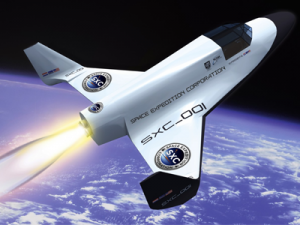
The business of taking paying passengers on trips into space for pleasure.
Space tourism is becoming a reality for wealthy individuals.
अंतरिक्ष पर्यटन धनी व्यक्तियों के लिए एक वास्तविकता बनता जा रहा है।
समानार्थीCommercial space travelSuborbital tourismविलोमTraditional tourismDomestic travelतारकीय विकास
The process by which a star changes over its lifetime, from its formation to its death.
Stellar evolution explains the life cycle of stars.
तारकीय विकास तारों के जीवन चक्र की व्याख्या करता है।
समानार्थीstar formationstar life cyclestar developmentविलोमstellar creation