บทที่ 23/33 · 137 คำ · จำได้แล้ว 0
Science
วิทยาศาสตร์
ดาว
a large ball of burning gas in space that we see as a point of light in the sky at night
Sirius is the brightest star in the sky.
ซิริอุสเป็นดาวที่สว่างที่สุดบนท้องฟ้า
She starred opposite Cary Grant in ‘Bringing up Baby’.
คำพ้องความหมายcelestial bodyluminarysuncelebrityidolคำตรงข้ามplanetdarknessobscuritynobodyฟิสิกส์ (físík)
the scientific study of matter and energy and the relationships between them, including the study of forces, heat, light, sound, electricity and the structure of atoms
I’m not good at physics.
ฉันไม่เก่งฟิสิกส์ (chăn mâi gèng físík).
particle/nuclear/theoretical physics
คำพ้องความหมายsciencephysical sciencenatural philosophyคำตรงข้ามartshumanitiesเคมี
the scientific study of the structure of substances, how they react when combined or in contact with one another, and how they behave under different conditions
I like learning Chemistry in the laboratory.
ฉันชอบเรียนวิชาเคมีในห้องปฏิบัติการ
the university's chemistry department
คำพ้องความหมายchemical sciencechemical analysiscompositionchemical processesคำตรงข้ามphysical scienceชีววิทยา (cheewawittaya)
the scientific study of the life and structure of plants and animals
What day do you have biology?
คุณเรียนชีววิทยาในวันไหน (khun rian cheewawittaya nai wan nai)?
The beach is a mile away.
คำพ้องความหมายlife sciencenatural scienceคำตรงข้ามphysicschemistrymathematicsแรงโน้มถ่วง, แรงดึงดูด
the force that attracts objects in space towards each other, and that on the earth pulls them towards the centre of the planet, so that things fall to the ground when they are dropped
Because of gravity, an apple falls to the ground when it drops from the tree.
เพราะแรงโน้มถ่วง แอปเปิลจึงตกลงสู่พื้นเมื่อหล่นจากต้นไม้
คำพ้องความหมายseriousnessimportancesignificanceweightinessseveritycriticalityคำตรงข้ามtrivialityunimportanceinsignificancelevityดาวเทียม
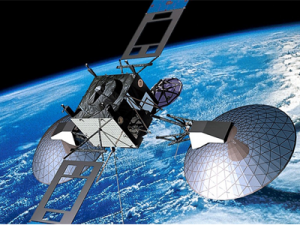
an electronic device that is sent into space and moves around the earth or another planet. It is used for communicating by radio, television, etc. and for gathering information.
a weather/communications satellite
ดาวเทียมอุตุนิยมวิทยา/การสื่อสาร
คำพ้องความหมายmoonorbiterspacecraftคำตรงข้ามplanetground stationสถานีอวกาศ
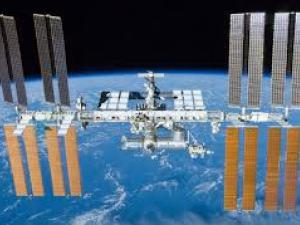
a large structure that is sent into space and remains above the earth as a base for people working and travelling in space
the International Space Station (ISS)
สถานีอวกาศนานาชาติ (ISS)
คำพ้องความหมายorbital stationoutpost in spaceคำตรงข้ามEarthbound facilityนิเวศวิทยา
the relation of plants and living creatures to each other and to their environment; the study of this
She hopes to study ecology at college.
เธอหวังว่าจะได้เรียนนิเวศวิทยาที่วิทยาลัย
คำพ้องความหมายenvironmental scienceenvironmentalismbiotic scienceคำตรงข้ามnone (ecology as a field of study doesn't have a direct antonym. Related fields like urban planning might be considered distantly opposite in some contexts.)วงโคจร, วิถีโคจร
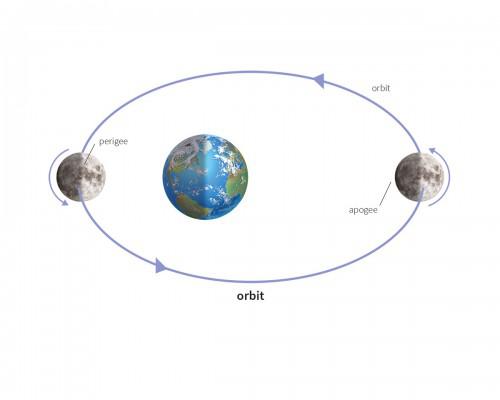
a curved path followed by a planet or an object as it moves around another planet, star, moon, etc.
The satellite is now in orbit around the Earth.
ตอนนี้ดาวเทียมอยู่ในวงโคจรรอบโลก
คำพ้องความหมายrevolvecircleencirclego aroundrotate aroundคำตรงข้ามstagnatestandstillstopremain stationaryจรวด
a spacecraft in the shape of a tube that is driven by a stream of gases let out behind it when fuel is burned inside
The rocket carried three astronauts into space last month.
จรวดนำนักบินอวกาศสามคนขึ้นสู่อวกาศเมื่อเดือนที่แล้ว
คำพ้องความหมายsoarsurgeskyrocketincrease rapidlyboomคำตรงข้ามplummetdecrease rapidlydeclinedropความหลากหลายทางชีวภาพ
the existence of a large number of different kinds of animals and plants which make a balanced environment
A new National Biological Survey will protect species habitat and biodiversity.
การสำรวจทางชีวภาพแห่งชาติครั้งใหม่จะปกป้องที่อยู่อาศัยของชนิดพันธุ์และความหลากหลายทางชีวภาพ
คำพ้องความหมายvariety of lifebiological diversityecological diversityspecies richnessgenetic diversityคำตรงข้ามmonocultureuniformitylack of diversitybiological uniformityพลังงานนิวเคลียร์
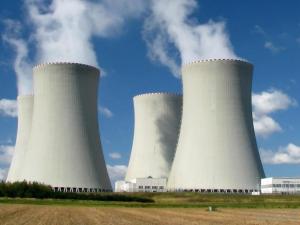
a powerful form of energy produced by changing matter into energy by splitting the nuclei (= central parts) of atoms . It is used to produce electricity.
I think nuclear energy will be widely used in the future.
ฉันคิดว่าพลังงานนิวเคลียร์จะถูกใช้อย่างแพร่หลายในอนาคต
คำพ้องความหมายatomic energyatomic powernuclear powerคำตรงข้ามrenewable energysolar energywind energyhydroelectric energyการเปลี่ยนแปลงสภาพภูมิอากาศ
changes in the earth’s weather, including changes in temperature, wind patterns and rainfall , especially the increase in the temperature of the earth’s atmosphere that is caused by the increase of particular gases, especially carbon dioxide
In any case, climate change is already disrupting the lives of millions of human beings.
ไม่ว่าจะอย่างไรก็ตาม การเปลี่ยนแปลงสภาพภูมิอากาศกำลังส่งผลกระทบต่อการดำเนินชีวิตของผู้คนนับล้านแล้ว
คำพ้องความหมายglobal warmingclimatic changeenvironmental changeclimate crisisคำตรงข้ามclimate stabilityenvironmental equilibriumกายวิภาคศาสตร์, วิชากายวิภาค
the scientific study of the physical structure of humans, animals or plants
Medical students must study human anatomy in their first year.
นักศึกษาแพทย์ต้องเรียนวิชากายวิภาคศาสตร์ของมนุษย์ในปีแรก
คำพ้องความหมายstructurebodily structureorganizationmorphologyphysiologyformcompositionคำตรงข้ามdisorganizationformlessnessamorphousnessชีวดาราศาสตร์
the scientific study of life on other planets
Astrobiology is the study of the origin, evolution, distribution, and future of life in the universe.
ชีวดาราศาสตร์คือการศึกษาต้นกำเนิด วิวัฒนาการ การกระจายตัว และอนาคตของสิ่งมีชีวิตในจักรวาล
คำพ้องความหมายexobiologybioastronomyคำตรงข้ามNoneธรณีวิทยาดาราศาสตร์
the scientific study of the rocks, surfaces and structure of planets, moons and other bodies in space
Astrogeology helps us understand the surfaces of other planets.
ธรณีวิทยาดาราศาสตร์ช่วยให้เราเข้าใจพื้นผิวของดาวเคราะห์ดวงอื่น ๆ
คำพ้องความหมายPlanetary geologyExogeologyคำตรงข้ามTerrestrial geologyดาราศาสตร์
the scientific study of the sun, moon, stars, planets, etc.
Astronomy is the scientific study of celestial objects and phenomena.
ดาราศาสตร์เป็นการศึกษาทางวิทยาศาสตร์เกี่ยวกับวัตถุท้องฟ้าและปรากฏการณ์ต่างๆ
คำพ้องความหมายcelestial mechanicsspace scienceastro-scienceคำตรงข้ามastrologyดาราศาสตร์ฟิสิกส์
the scientific study of the physical and chemical structure of the stars, planets, etc.
Astrophysics studies the physics of celestial objects.
ดาราศาสตร์ฟิสิกส์ศึกษาฟิสิกส์ของวัตถุท้องฟ้า
คำพ้องความหมายastronomical physicsspace physicsคำตรงข้ามgeophysicsterrestrial physicsชีวเคมี (chee-wa-kay-mee)
the scientific study of the chemistry of living things
She is studying biochemistry at university.
เธอกำลังเรียนวิชาชีวเคมีที่มหาวิทยาลัย (ter-gam-lang rian wi-cha chee-wa-kay-mee tee ma-ha-wit-ta-ya-lai).
คำพ้องความหมายbiological chemistrymolecular biologychemical biologyคำตรงข้ามphysicsgeologyชีวฟิสิกส์
the science that uses the laws and methods of physics to study biology
Biophysics applies physics principles to biological systems.
ชีวฟิสิกส์ประยุกต์ใช้หลักการทางฟิสิกส์กับระบบชีวภาพ
คำพ้องความหมายbiological physicsphysical biologyคำตรงข้ามpure biologypure physicsหลุมดำ
an area in space that nothing, not even light, can escape from, because gravity (= the force that pulls objects in space towards each other) is so strong there
The black hole consumed the nearby star.
หลุมดำกลืนกินดาวที่อยู่ใกล้เคียง
คำพ้องความหมายgravitational singularitycosmic vacuumคำตรงข้ามwhite hole (theoretical)ประสาทวิทยาศาสตร์ปริชาน
the scientific study of how the brain and nervous system make thinking, learning and memory possible
Cognitive neuroscience explores the neural mechanisms underlying thought and behavior.
ประสาทวิทยาศาสตร์ปริชานสำรวจกลไกทางประสาทที่เป็นพื้นฐานของความคิดและพฤติกรรม
คำพ้องความหมายbehavioral neurosciencebiopsychologyneuropsychologyคำตรงข้ามN/Aวิทยาศาสตร์ปริชาน
the study of the mind and how it works, combining ideas from psychology, linguistics, computer science and philosophy
Cognitive science explores how the mind processes information.
วิทยาศาสตร์ปริชานสำรวจว่าจิตใจประมวลผลข้อมูลอย่างไร
คำพ้องความหมายcognitive studiesmind scienceคำตรงข้ามN/A (There is no direct antonym as it's a specific field of study.)จักรวาลวิทยา
the scientific study of the universe and its origin and development
Cosmology seeks to understand the origin and evolution of the universe.
จักรวาลวิทยา พยายามที่จะเข้าใจที่มาและวิวัฒนาการของจักรวาล
คำพ้องความหมายastronomyastro physicsuniverse studiesorigin scienceคำตรงข้ามnoneไซเบอร์เนติกส์
the scientific study of communication and control systems, which involves comparing human and animal brains with machines and electronic devices
Cybernetics explores the relationship between biological and mechanical systems.
ไซเบอร์เนติกส์สำรวจความสัมพันธ์ระหว่างระบบชีวภาพและระบบกลไก
คำพ้องความหมายcontrol systemsautomationsystems theoryคำตรงข้ามrandomnessdisorderchaosสสารมืด
according to some theories, material that exists in space but does not reflect any light
Scientists study dark matter to understand the universe's structure.
นักวิทยาศาสตร์ศึกษาเรื่องสสารมืดเพื่อทำความเข้าใจโครงสร้างของจักรวาล
คำพ้องความหมายunseen matterhidden massคำตรงข้ามluminous mattervisible matterแม่เหล็กไฟฟ้า
the production of a magnetic field by means of an electric current, or of an electric current by means of a magnetic field
Electromagnetism is a fundamental force of nature.
แม่เหล็กไฟฟ้าเป็นแรงพื้นฐานของธรรมชาติ
คำพ้องความหมายElectromagnetic forceEM interactionคำตรงข้ามGravityWeak nuclear forceStrong nuclear forceต่อมไร้ท่อวิทยา
the branch of medicine that is the study of the endocrine system and hormones
Endocrinology is the study of hormones and their effects.
ต่อมไร้ท่อวิทยาคือการศึกษาฮอร์โมนและผลกระทบของฮอร์โมน
คำพ้องความหมายhormone studyhormone scienceคำตรงข้ามexocrinologyวิวัฒนาการ
the slow steady development of plants, animals, etc. during the history of the earth, as they adapt to changes in their environment
The evolution of species is a complex process.
วิวัฒนาการของสิ่งมีชีวิตเป็นกระบวนการที่ซับซ้อน
คำพ้องความหมายdevelopmentprogressgrowthadvancementคำตรงข้ามdevolutionregressionstagnationสิ่งมีชีวิตนอกโลก, มนุษย์ต่างดาว
(in stories) a creature that comes from another planet; a creature that may exist on another planet
The movie was about an extraterrestrial who visited Earth.
ภาพยนตร์เรื่องนี้เกี่ยวกับสิ่งมีชีวิตนอกโลกที่มาเยือนโลก
คำพ้องความหมายaliennon-terrestrialotherworldlyคำตรงข้ามterrestrialearthlyพันธุศาสตร์
the scientific study of the ways in which different characteristics are passed from each generation of living things to the next
Genetics plays a crucial role in determining our physical traits.
พันธุศาสตร์มีบทบาทสำคัญในการกำหนดลักษณะทางกายภาพของเรา
คำพ้องความหมายheredityinheritancegenesคำตรงข้ามenvironmental factorsธรณีวิทยา
the scientific study of the physical structure of the earth, including the origin and history of the rocks and soil of which the earth is made
Geology helps us understand the Earth's history.
ธรณีวิทยาช่วยให้เราเข้าใจประวัติศาสตร์ของโลก
คำพ้องความหมายearth sciencegeoscienceดาวตก
a piece of rock from outer space that makes a bright line across the night sky as it burns up while falling through the earth’s atmosphere
A meteor streaked across the night sky.
ดาวตกพุ่งผ่านท้องฟ้ายามค่ำคืน
คำพ้องความหมายshooting starfalling starbolideคำตรงข้ามasteroidcometplanetเนบิวลา
a mass of dust or gas that can be seen in the night sky, often appearing very bright; a bright area in the night sky caused by a large cloud of stars that are far away
The telescope revealed a beautiful nebula.
กล้องโทรทรรศน์เผยให้เห็นเนบิวลาที่สวยงาม
คำพ้องความหมายstar cloudinterstellar cloudคำตรงข้ามempty spacevoidเภสัชวิทยา
the science of drugs, including how they act on the body and how they are used to treat disease
Pharmacology is a core subject for medical and pharmacy students.
เภสัชวิทยาเป็นวิชาหลักสำหรับนักศึกษาแพทย์และนักศึกษาเภสัชศาสตร์
Clinical pharmacology studies how drugs work in real patients.
คำพ้องความหมายdrug studymedicinal chemistrypharmaceuticsคำตรงข้ามnoneการสังเคราะห์ด้วยแสง
the process by which green plants turn carbon dioxide and water into food using energy obtained from light from the sun
Photosynthesis is essential for plant life.
การสังเคราะห์ด้วยแสงเป็นสิ่งจำเป็นสำหรับชีวิตพืช
คำพ้องความหมายcarbon assimilationphotosynthetic activityคำตรงข้ามrespirationกาล-อวกาศ
the universe considered as a continuum with four measurements—length, width , depth and time—inside which any event or physical object is located
Einstein's theory deals with space-time.
ทฤษฎีของไอน์สไตน์เกี่ยวข้องกับกาล-อวกาศ
คำพ้องความหมายspace and timecontinuumคำตรงข้ามspacetimeอุณหพลศาสตร์
the science that deals with the relations between heat and other forms of energy
Thermodynamics explains how energy is converted and used.
อุณหพลศาสตร์อธิบายว่าพลังงานถูกแปลงและนำไปใช้อย่างไร
คำพ้องความหมายthermodynamic principlesthermal physicsคำตรงข้ามnoneพันธุวิศวกรรม
the science of changing how a living creature or plant develops by changing the information in its genes
Genetic engineering is used to modify crops for better yields.
พันธุวิศวกรรมถูกใช้เพื่อปรับปรุงพืชผลให้ได้ผลผลิตที่ดีขึ้น
คำพ้องความหมายgene editingbiotechnologygene manipulationคำตรงข้ามnatural selectiontraditional breedingปัญญาประดิษฐ์, เอไอ
the ability of computer systems to do tasks that normally need human intelligence, such as understanding language or making decisions
The bank uses artificial intelligence to detect unusual transactions.
ธนาคารใช้ปัญญาประดิษฐ์เพื่อตรวจจับธุรกรรมที่ผิดปกติ
Artificial intelligence is changing how customer service teams work.
คำพ้องความหมายAImachine intelligenceคำตรงข้ามnatural intelligencehuman intelligenceนาโนเทคโนโลยี
the branch of technology that deals with structures that are less than 100 nanometres long. Scientists often build these structures using individual molecules of substances.
Nanotechnology is used in many fields, including medicine and manufacturing.
นาโนเทคโนโลยีถูกใช้ในหลายสาขา รวมถึงการแพทย์และการผลิต
คำพ้องความหมายmolecular manufacturingnanoscale technologyคำตรงข้ามmacrotechnologyฟิสิกส์นิวเคลียร์
the area of physics which deals with the nucleus of atoms and with nuclear energy
Nuclear physics is crucial for understanding atomic energy.
ฟิสิกส์นิวเคลียร์มีความสำคัญอย่างยิ่งต่อการทำความเข้าใจพลังงานปรมาณู
คำพ้องความหมายatomic physicsnuclear scienceคำตรงข้ามclassical physicsบรรพชีวินวิทยา
the study of fossils (= the parts of dead animals or plants in rocks) as a guide to the history of life on earth
She studied paleontology to learn about dinosaurs.
เธอเรียนบรรพชีวินวิทยาเพื่อเรียนรู้เกี่ยวกับไดโนเสาร์
คำพ้องความหมายfossil studyfossil scienceคำตรงข้ามnoneยานสำรวจอวกาศ
a spacecraft without people on board that obtains information and sends it back to earth
The space probe sent back images of Jupiter.
ยานสำรวจอวกาศส่งภาพถ่ายของดาวพฤหัสบดีกลับมา
คำพ้องความหมายunmanned spacecraftrobotic probeplanetary probeคำตรงข้ามmanned spacecraftการเดินในอวกาศ
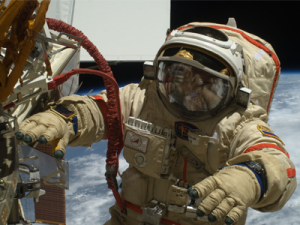
a period of time that an astronaut spends in space outside a spacecraft
The astronaut performed a spacewalk to repair the satellite.
นักบินอวกาศทำการเดินในอวกาศเพื่อซ่อมแซมดาวเทียม
คำพ้องความหมายextravehicular activityEVAคำตรงข้ามindoor activitygrounded activityเคมีวิเคราะห์
The branch of chemistry that identifies substances and measures their chemical components.
Analytical chemistry is used to identify and quantify the chemical components of substances.
เคมีวิเคราะห์ใช้เพื่อระบุและหาปริมาณองค์ประกอบทางเคมีของสาร
คำพ้องความหมายChemical analysisQuantitative analysisQualitative analysisคำตรงข้ามOrganic chemistryBiochemistryเคมีดาราศาสตร์
The study of the chemical substances and reactions found in space.
Astrochemistry helps us understand the origin of life.
เคมีดาราศาสตร์ช่วยให้เราเข้าใจที่มาของชีวิต
คำพ้องความหมายCosmochemistrySpace chemistryคำตรงข้ามTerrestrial chemistryGeochemistryโครงสร้างอะตอม
The arrangement of protons, neutrons and electrons that make up an atom.
Understanding atomic structure is fundamental to chemistry.
การเข้าใจโครงสร้างอะตอมเป็นพื้นฐานของวิชาเคมี
คำพ้องความหมายatomic arrangementnuclear structureคำตรงข้ามmacroscopic structuremolecular structureวิศวกรรมชีวภาพ
The use of engineering methods to solve problems in biology and medicine.
Bioengineering has led to advancements in medical treatments.
วิศวกรรมชีวภาพนำไปสู่ความก้าวหน้าในการรักษาทางการแพทย์
คำพ้องความหมายBiomedical engineeringGenetic engineeringBiotechnologyคำตรงข้ามMechanical engineeringChemical engineeringชีวจริยธรรม
The study of moral questions raised by advances in biology and medicine.
Bioethics explores the moral issues arising from advances in biology and medicine.
ชีวจริยธรรมสำรวจประเด็นทางศีลธรรมที่เกิดขึ้นจากความก้าวหน้าทางชีววิทยาและการแพทย์
คำพ้องความหมายMedical ethicsEthics of scienceMoral philosophy of biologyคำตรงข้ามAmoral scienceUnethical researchชีวสารสนเทศ
The use of computers to store and analyse large amounts of biological data.
Bioinformatics combines biology and computer science to analyze large datasets.
ชีวสารสนเทศรวมชีววิทยาและวิทยาการคอมพิวเตอร์เพื่อวิเคราะห์ชุดข้อมูลขนาดใหญ่
คำพ้องความหมายComputational biologyData science in biologyคำตรงข้ามExperimental biologyชีวกลศาสตร์
The scientific study of the physical movement and structure of living things, using the principles of mechanics.
Biomechanics studies the mechanical aspects of living organisms.
ชีวกลศาสตร์ศึกษาแง่มุมทางกลของสิ่งมีชีวิต
คำพ้องความหมายKinesiologyHuman kineticsคำตรงข้ามNoneไบโอเมคคาทรอนิกส์
The science of combining biology, mechanics and electronics to design devices that work with the human body.
Biomechatronics combines biology, mechanics, and electronics to design innovative devices.
ไบโอเมคคาทรอนิกส์ผสมผสานชีววิทยา กลศาสตร์ และอิเล็กทรอนิกส์เพื่อออกแบบอุปกรณ์ที่เป็นนวัตกรรมใหม่
คำพ้องความหมายBioengineeringBiomechanical engineeringคำตรงข้ามNoneเทคโนโลยีชีวภาพ
The use of living cells and bacteria in industrial and scientific processes, for example to make medicines.
Biotechnology is being used to develop new medicines.
เทคโนโลยีชีวภาพถูกนำมาใช้ในการพัฒนายาใหม่ๆ
คำพ้องความหมายBioengineeringGenetic engineeringBiotechคำตรงข้ามConventional methodsTraditional techniquesปฏิกิริยาเคมี
Processes in which substances act on each other and are changed into different substances.
Chemical reactions are fundamental to understanding how the world works.
ปฏิกิริยาเคมีเป็นพื้นฐานในการทำความเข้าใจว่าโลกทำงานอย่างไร
คำพ้องความหมายchemical processeschemical changestransformationsคำตรงข้ามphysical changesstabilityการจำลองสภาพภูมิอากาศ
The use of computer models to simulate the earth's climate and predict how it may change.
Climate modeling is essential for understanding future climate change.
การจำลองสภาพภูมิอากาศเป็นสิ่งจำเป็นสำหรับการทำความเข้าใจการเปลี่ยนแปลงสภาพภูมิอากาศในอนาคต
คำพ้องความหมายclimate simulationclimate projectionclimate predictionคำตรงข้ามclimate observationhistorical weather dataชีววิทยาเชิงคำนวณ
The use of computers and mathematical models to study and understand biological systems and data.
Computational biology uses computer algorithms to model biological systems.
ชีววิทยาเชิงคำนวณใช้อัลกอริทึมคอมพิวเตอร์ในการสร้างแบบจำลองระบบชีวภาพ
คำพ้องความหมายBioinformaticsMathematical biologySystems biologyคำตรงข้ามExperimental biologyTraditional biologyชีววิทยาการอนุรักษ์
The scientific study of how to protect species, their habitats and the earth's biodiversity.
Conservation biology is crucial for protecting endangered species.
ชีววิทยาการอนุรักษ์มีความสำคัญอย่างยิ่งต่อการปกป้องสัตว์ใกล้สูญพันธุ์
คำพ้องความหมายConservation scienceEnvironmental biologyคำตรงข้ามExploitation biologyDestructive ecologyเคมีสิ่งแวดล้อม
The study of chemical processes in the environment and the effects of chemicals on air, water and soil.
Environmental chemistry studies the effects of chemicals on the environment.
เคมีสิ่งแวดล้อมศึกษาผลกระทบของสารเคมีต่อสิ่งแวดล้อม
คำพ้องความหมายGreen chemistryEcological chemistryคำตรงข้ามIndustrial chemistryการประเมินผลกระทบสิ่งแวดล้อม
An official study of the likely effects of a planned project on the environment.
The environmental impact assessment showed minimal damage.
การประเมินผลกระทบสิ่งแวดล้อมแสดงให้เห็นถึงความเสียหายน้อยที่สุด
คำพ้องความหมายenvironmental assessmentimpact studyecological assessmentคำตรงข้ามenvironmental neglectnon-assessmentวิทยาศาสตร์สิ่งแวดล้อม
The study of the natural environment and the ways in which humans affect it.
Environmental science is a multidisciplinary field.
วิทยาศาสตร์สิ่งแวดล้อมเป็นสาขาที่มีหลายสาขาวิชา
คำพ้องความหมายecologyconservation scienceenvironmental studiesคำตรงข้ามN/Aชีววิทยาเชิงวิวัฒนาการ
The branch of biology that studies how living things have developed and changed over time.
Evolutionary biology explains how life on Earth has changed over time.
ชีววิทยาเชิงวิวัฒนาการอธิบายว่าชีวิตบนโลกมีการเปลี่ยนแปลงไปตามกาลเวลาได้อย่างไร
คำพ้องความหมายEvolutionary scienceDarwinian biologyคำตรงข้ามCreation scienceการให้คำปรึกษาทางพันธุศาสตร์
Advice given to people about the risk of passing on or having an inherited disease.
She sought genetic counseling before starting a family.
เธอเข้ารับการปรึกษาทางพันธุศาสตร์ก่อนเริ่มต้นครอบครัว
คำพ้องความหมายGenetic guidanceGenetic consultationคำตรงข้ามNoneความผันแปรทางพันธุกรรม
The differences in genes between individual living things of the same species.
Genetic variation allows populations to adapt to changing environments.
ความผันแปรทางพันธุกรรมช่วยให้ประชากรปรับตัวเข้ากับการเปลี่ยนแปลงสภาพแวดล้อมได้
คำพ้องความหมายGenetic diversityAllelic variationคำตรงข้ามGenetic uniformityGenetic homogeneityกล้องโทรทรรศน์อวกาศฮับเบิล
A large telescope in orbit around the earth that takes images of distant stars and galaxies.
The Hubble Space Telescope has provided stunning images of distant galaxies.
กล้องโทรทรรศน์อวกาศฮับเบิลได้ให้ภาพที่สวยงามของกาแลคซีที่อยู่ห่างไกล
คำพ้องความหมายHSTHubbleภูมิคุ้มกันบำบัด
The treatment of disease by using or strengthening the body's immune system.
Immunotherapy has shown promise in treating certain types of cancer.
ภูมิคุ้มกันบำบัดแสดงให้เห็นถึงความหวังในการรักษาโรคมะเร็งบางชนิด
คำพ้องความหมายBiological therapyImmune system therapyคำตรงข้ามChemotherapyRadiation therapyเคมีอนินทรีย์
The branch of chemistry that studies substances that do not contain carbon-hydrogen bonds.
Inorganic chemistry studies compounds that do not contain carbon-hydrogen bonds.
เคมีอนินทรีย์ศึกษาเกี่ยวกับสารประกอบที่ไม่มีพันธะคาร์บอน-ไฮโดรเจน
คำพ้องความหมายnon-organic chemistrymineral chemistryคำตรงข้ามorganic chemistryสถานีอวกาศนานาชาติ
A large spacecraft in orbit around the earth where astronauts from several countries live and work.
The International Space Station orbits the Earth.
สถานีอวกาศนานาชาติโคจรรอบโลก
คำพ้องความหมายISSSpace Stationคำตรงข้ามEarthGroundยานลงจอดบนดวงจันทร์
A small spacecraft that carries astronauts between the main spacecraft orbiting the moon and the moon's surface.
The lunar module successfully landed on the moon.
ยานลงจอดบนดวงจันทร์ลงจอดบนดวงจันทร์ได้สำเร็จ
คำพ้องความหมายmoon landerLEM (Lunar Excursion Module)คำตรงข้ามcommand modulespacecraftรถสำรวจดาวอังคาร
A vehicle that is sent to Mars to move across its surface and collect scientific information.
The Mars Rover sent back stunning images of the Martian surface.
รถสำรวจดาวอังคารส่งภาพที่น่าทึ่งของพื้นผิวดาวอังคารกลับมา
คำพ้องความหมายMars explorerPlanetary roverคำตรงข้ามStationary probeOrbiterนิเวศวิทยาจุลินทรีย์
The scientific study of how microorganisms interact with each other and with their environment.
Microbial ecology studies the interactions of microorganisms with each other and their environment.
นิเวศวิทยาจุลินทรีย์ศึกษาปฏิสัมพันธ์ของจุลินทรีย์ซึ่งกันและกันและสภาพแวดล้อมของพวกมัน
คำพ้องความหมายMicrobial biogeochemistryEnvironmental microbiologyคำตรงข้ามMacrobial ecologyชีววิทยาโมเลกุล
The scientific study of the structure and function of the molecules that make up living things.
Molecular biology studies the structure and function of macromolecules.
ชีววิทยาโมเลกุลศึกษาโครงสร้างและหน้าที่ของโมเลกุลขนาดใหญ่
คำพ้องความหมายNoneคำตรงข้ามClassical biologyOrganismal biologyพันธุศาสตร์ระดับโมเลกุล
The branch of genetics that studies the structure and function of genes at the level of molecules.
Molecular genetics is used to study the structure and function of genes at a molecular level.
พันธุศาสตร์ระดับโมเลกุลใช้เพื่อศึกษาโครงสร้างและการทำงานของยีนในระดับโมเลกุล
คำพ้องความหมายNoneGene scienceMolecular biology of heredityคำตรงข้ามClassical geneticsการลงจอดบนดวงจันทร์
An occasion when a spacecraft lands on the moon, especially the first one in 1969.
The moon landing was a major achievement for humanity.
การลงจอดบนดวงจันทร์เป็นความสำเร็จครั้งยิ่งใหญ่ของมนุษยชาติ
คำพ้องความหมายlunar landingmoonshotApollo missionคำตรงข้ามspace launch failureearthboundประสาทเคมี
The scientific study of the chemical processes that happen in the nervous system.
Neurochemistry studies the chemical processes within the nervous system.
ประสาทเคมีศึกษาเกี่ยวกับกระบวนการทางเคมีในระบบประสาท
คำพ้องความหมายBrain chemistryNeurochemical processesคำตรงข้ามN/Aประสาทจิตวิทยา
The scientific study of the relationship between the brain and the way people think and behave.
Neuropsychology studies the relationship between the brain and behavior.
ประสาทจิตวิทยาศึกษาความสัมพันธ์ระหว่างสมองและพฤติกรรม
คำพ้องความหมายBehavioral neuroscienceBiological psychologyคำตรงข้ามNoneเคมีอินทรีย์
The branch of chemistry that studies substances containing carbon.
She is studying organic chemistry at the university.
เธอกำลังเรียนวิชาเคมีอินทรีย์ที่มหาวิทยาลัย
คำพ้องความหมายCarbon chemistryChemistry of carbon compoundsคำตรงข้ามInorganic chemistryเคมีฟิสิกส์
The branch of chemistry that uses the methods of physics to study chemical systems and reactions.
Physical chemistry explores the fundamental principles underlying chemical systems.
เคมีฟิสิกส์สำรวจหลักการพื้นฐานที่เป็นพื้นฐานของระบบเคมี
คำพ้องความหมายChemical physicsTheoretical chemistryคำตรงข้ามOrganic chemistryBiochemistryวิทยาศาสตร์ดาวเคราะห์
The scientific study of planets, moons and planetary systems, and how they form and change.
Planetary science studies the formation and evolution of planets.
วิทยาศาสตร์ดาวเคราะห์ศึกษาการก่อตัวและวิวัฒนาการของดาวเคราะห์
คำพ้องความหมายplanetologycosmologyคำตรงข้ามnoneเคมีพอลิเมอร์
The branch of chemistry that studies polymers and how they are made and used.
Polymer chemistry is crucial for developing new materials.
เคมีพอลิเมอร์มีความสำคัญอย่างยิ่งต่อการพัฒนาวัสดุใหม่ๆ
คำพ้องความหมายMacromolecular chemistryPolymer scienceคำตรงข้ามInorganic chemistryAtomic chemistryโปรตีโอมิกส์
The scientific study of all the proteins in a living thing, and their structure and function.
Proteomics is used to study protein structure and function.
โปรตีโอมิกส์ใช้เพื่อศึกษาโครงสร้างและหน้าที่ของโปรตีน
คำพ้องความหมายProtein analysisProtein profilingProtein characterizationคำตรงข้ามGenomicsควอนตัมคอมพิวติง
A type of computing that uses the principles of quantum mechanics to process information.
Quantum computing holds the potential to revolutionize various fields.
ควอนตัมคอมพิวติงมีศักยภาพในการปฏิวัติหลากหลายสาขา
คำพ้องความหมายQuantum information scienceQuantum computationคำตรงข้ามClassical computingกลศาสตร์ควอนตัม
The branch of physics that studies the behaviour of atoms and very small particles.
Quantum mechanics governs the behavior of atoms and subatomic particles.
กลศาสตร์ควอนตัมควบคุมพฤติกรรมของอะตอมและอนุภาคย่อยของอะตอม
คำพ้องความหมายQuantum physicsQuantum theoryคำตรงข้ามClassical mechanicsNewtonian mechanicsทฤษฎีควอนตัม
A theory in physics based on the idea that energy exists in very small fixed units.
Quantum theory explains the behavior of matter and energy at the atomic and subatomic levels.
ทฤษฎีควอนตัมอธิบายพฤติกรรมของสสารและพลังงานในระดับอะตอมและระดับย่อยของอะตอม
คำพ้องความหมายQuantum mechanicsQuantum physicsคำตรงข้ามClassical mechanicsNewtonian physicsการตั้งอาณานิคมในอวกาศ
The process of setting up permanent human communities on other planets or in space.
Space colonization could open up new resources for humanity.
การตั้งอาณานิคมในอวกาศอาจเปิดแหล่งทรัพยากรใหม่สำหรับมนุษยชาติ
คำพ้องความหมายSpace settlementOff-world colonizationคำตรงข้ามEarth-bound existencePlanetary confinementเศษซากอวกาศ
Broken pieces of old satellites, rockets and other man-made objects that remain in orbit around the earth.
Space debris poses a threat to orbiting satellites.
เศษซากอวกาศเป็นภัยคุกคามต่อดาวเทียมที่โคจรอยู่
คำพ้องความหมายspace junkorbital debrisspace wasteคำตรงข้ามfunctional satelliteoperational spacecraftวิศวกรรมอวกาศ
The design and building of spacecraft, rockets, satellites and other equipment used in space.
Space engineering is crucial for developing advanced rockets.
วิศวกรรมอวกาศมีความสำคัญอย่างยิ่งต่อการพัฒนาระบบจรวดขั้นสูง
คำพ้องความหมายAerospace engineeringAstronautical engineeringคำตรงข้ามTerrestrial engineeringCivil engineeringการสำรวจอวกาศ
The use of spacecraft and technology to discover and study outer space.
Space exploration has led to numerous technological advancements.
การสำรวจอวกาศนำไปสู่ความก้าวหน้าทางเทคโนโลยีมากมาย
คำพ้องความหมายSpace researchCosmic explorationAstronauticsคำตรงข้ามTerrestrial focusEarthbound researchภารกิจสำรวจอวกาศ
Planned journeys or operations sent into space to discover and study planets, stars and other objects.
Space exploration missions are expensive but potentially very rewarding.
ภารกิจสำรวจอวกาศมีราคาแพงแต่มีศักยภาพที่จะคุ้มค่ามาก
คำพ้องความหมายspace missionsastronautical missionscosmic explorationspace voyagesคำตรงข้ามearthbound researchground-based studiesฟิสิกส์อวกาศ
The branch of physics that studies plasma, radiation and magnetic fields in space, especially near planets and the sun.
Space physics studies the plasma environment of planets.
ฟิสิกส์อวกาศศึกษาพลาสมาของดาวเคราะห์
คำพ้องความหมายAstrophysicsSpace scienceคำตรงข้ามTerrestrial physicsการวิจัยอวกาศ
Scientific study of outer space and the objects in it.
Space research is crucial for understanding the universe.
การวิจัยอวกาศเป็นสิ่งสำคัญอย่างยิ่งต่อความเข้าใจในจักรวาล
คำพ้องความหมายSpace explorationCosmic studyAstronautics researchคำตรงข้ามEarth-bound researchTerrestrial studiesเทคโนโลยีอวกาศ
The machines, equipment and scientific methods used for travelling in and studying space.
Space technology has enabled us to explore other planets.
เทคโนโลยีอวกาศช่วยให้เราสำรวจดาวเคราะห์ดวงอื่นได้
คำพ้องความหมายAerospace technologySpace exploration technologyคำตรงข้ามEarth-bound technologyTerrestrial technologyกล้องโทรทรรศน์อวกาศ
A telescope placed in orbit around the earth to observe distant objects without interference from the atmosphere.
The Hubble Space Telescope has provided stunning images of the universe.
กล้องโทรทรรศน์อวกาศฮับเบิลได้ให้ภาพที่สวยงามของจักรวาล
คำพ้องความหมายorbital telescopeastronomical satelliteคำตรงข้ามground-based telescopeการท่องเที่ยวในอวกาศ
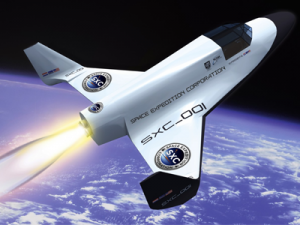
The business of taking paying passengers on trips into space for pleasure.
Space tourism is becoming a reality for wealthy individuals.
การท่องเที่ยวในอวกาศกำลังกลายเป็นความจริงสำหรับบุคคลร่ำรวย
คำพ้องความหมายCommercial space travelSuborbital tourismคำตรงข้ามTraditional tourismDomestic travelวิวัฒนาการของดาวฤกษ์
The process by which a star changes over its lifetime, from its formation to its death.
Stellar evolution explains the life cycle of stars.
วิวัฒนาการของดาวฤกษ์อธิบายวงจรชีวิตของดาวฤกษ์
คำพ้องความหมายstar formationstar life cyclestar developmentคำตรงข้ามstellar creation