Lição 23/33 · 137 palavras · 0 aprendidas
Science
Ciência
estrela
a large ball of burning gas in space that we see as a point of light in the sky at night
Sirius is the brightest star in the sky.
Sirius é a estrela mais brilhante do céu.
She starred opposite Cary Grant in ‘Bringing up Baby’.
Sinônimoscelestial bodyluminarysuncelebrityidolAntônimosplanetdarknessobscuritynobodyfísica
the scientific study of matter and energy and the relationships between them, including the study of forces, heat, light, sound, electricity and the structure of atoms
I’m not good at physics.
Eu não sou bom em física.
particle/nuclear/theoretical physics
Sinônimossciencephysical sciencenatural philosophyAntônimosartshumanitiesquímica
the scientific study of the structure of substances, how they react when combined or in contact with one another, and how they behave under different conditions
I like learning Chemistry in the laboratory.
Eu gosto de aprender Química no laboratório.
the university's chemistry department
Sinônimoschemical sciencechemical analysiscompositionchemical processesAntônimosphysical sciencegravidade
the force that attracts objects in space towards each other, and that on the earth pulls them towards the centre of the planet, so that things fall to the ground when they are dropped
Because of gravity, an apple falls to the ground when it drops from the tree.
Por causa da gravidade, uma maçã cai no chão quando se solta da árvore.
SinônimosseriousnessimportancesignificanceweightinessseveritycriticalityAntônimostrivialityunimportanceinsignificancelevitysatélite
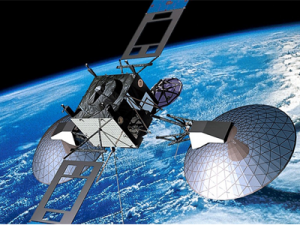
an electronic device that is sent into space and moves around the earth or another planet. It is used for communicating by radio, television, etc. and for gathering information.
a weather/communications satellite
um satélite meteorológico/de comunicações
SinônimosmoonorbiterspacecraftAntônimosplanetground stationestação espacial
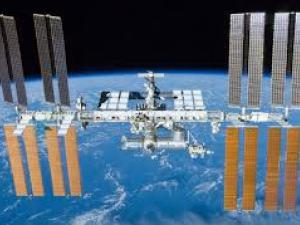
a large structure that is sent into space and remains above the earth as a base for people working and travelling in space
the International Space Station (ISS)
a Estação Espacial Internacional (ISS)
Sinônimosorbital stationoutpost in spaceAntônimosEarthbound facilityecologia
the relation of plants and living creatures to each other and to their environment; the study of this
She hopes to study ecology at college.
Ela espera estudar ecologia na faculdade.
Sinônimosenvironmental scienceenvironmentalismbiotic scienceAntônimosnone (ecology as a field of study doesn't have a direct antonym. Related fields like urban planning might be considered distantly opposite in some contexts.)órbita
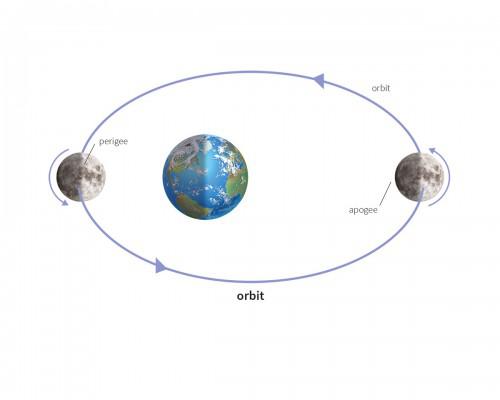
a curved path followed by a planet or an object as it moves around another planet, star, moon, etc.
The satellite is now in orbit around the Earth.
O satélite está agora em órbita ao redor da Terra.
Sinônimosrevolvecircleencirclego aroundrotate aroundAntônimosstagnatestandstillstopremain stationaryfoguete
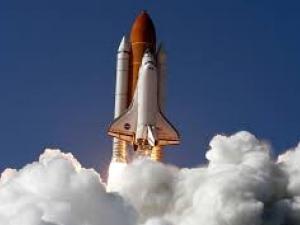
a spacecraft in the shape of a tube that is driven by a stream of gases let out behind it when fuel is burned inside
The rocket carried three astronauts into space last month.
O foguete levou três astronautas ao espaço no mês passado.
Sinônimossoarsurgeskyrocketincrease rapidlyboomAntônimosplummetdecrease rapidlydeclinedropbiodiversidade
the existence of a large number of different kinds of animals and plants which make a balanced environment
A new National Biological Survey will protect species habitat and biodiversity.
Um novo Levantamento Biológico Nacional protegerá o habitat das espécies e a biodiversidade.
Sinônimosvariety of lifebiological diversityecological diversityspecies richnessgenetic diversityAntônimosmonocultureuniformitylack of diversitybiological uniformityenergia nuclear
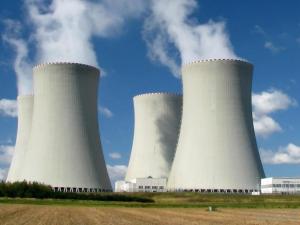
a powerful form of energy produced by changing matter into energy by splitting the nuclei (= central parts) of atoms . It is used to produce electricity.
I think nuclear energy will be widely used in the future.
Acho que a energia nuclear será amplamente utilizada no futuro.
Sinônimosatomic energyatomic powernuclear powerAntônimosrenewable energysolar energywind energyhydroelectric energymudança climática
changes in the earth’s weather, including changes in temperature, wind patterns and rainfall , especially the increase in the temperature of the earth’s atmosphere that is caused by the increase of particular gases, especially carbon dioxide
In any case, climate change is already disrupting the lives of millions of human beings.
Em qualquer caso, a mudança climática já está perturbando a vida de milhões de seres humanos.
Sinônimosglobal warmingclimatic changeenvironmental changeclimate crisisAntônimosclimate stabilityenvironmental equilibriumanatomia
the scientific study of the physical structure of humans, animals or plants
Medical students must study human anatomy in their first year.
Estudantes de medicina precisam estudar anatomia humana no primeiro ano.
Sinônimosstructurebodily structureorganizationmorphologyphysiologyformcompositionAntônimosdisorganizationformlessnessamorphousnessastrobiologia
the scientific study of life on other planets
Astrobiology is the study of the origin, evolution, distribution, and future of life in the universe.
A astrobiologia é o estudo da origem, evolução, distribuição e futuro da vida no universo.
SinônimosexobiologybioastronomyAntônimosNoneAstrogeologia
the scientific study of the rocks, surfaces and structure of planets, moons and other bodies in space
Astrogeology helps us understand the surfaces of other planets.
A astrogeologia ajuda-nos a compreender as superfícies de outros planetas.
SinônimosPlanetary geologyExogeologyAntônimosTerrestrial geologyastronomia
the scientific study of the sun, moon, stars, planets, etc.
Astronomy is the scientific study of celestial objects and phenomena.
Astronomia é o estudo científico de objetos e fenômenos celestes.
Sinônimoscelestial mechanicsspace scienceastro-scienceAntônimosastrologyAstrofísica
the scientific study of the physical and chemical structure of the stars, planets, etc.
Astrophysics studies the physics of celestial objects.
A astrofísica estuda a física dos objetos celestes.
Sinônimosastronomical physicsspace physicsAntônimosgeophysicsterrestrial physicsbiofísica
the science that uses the laws and methods of physics to study biology
Biophysics applies physics principles to biological systems.
A biofísica aplica os princípios da física aos sistemas biológicos.
Sinônimosbiological physicsphysical biologyAntônimospure biologypure physicsburaco negro
an area in space that nothing, not even light, can escape from, because gravity (= the force that pulls objects in space towards each other) is so strong there
The black hole consumed the nearby star.
O buraco negro consumiu a estrela próxima.
Sinônimosgravitational singularitycosmic vacuumAntônimoswhite hole (theoretical)neurociência cognitiva
the scientific study of how the brain and nervous system make thinking, learning and memory possible
Cognitive neuroscience explores the neural mechanisms underlying thought and behavior.
A neurociência cognitiva explora os mecanismos neurais subjacentes ao pensamento e ao comportamento.
Sinônimosbehavioral neurosciencebiopsychologyneuropsychologyAntônimosN/Aciência cognitiva
the study of the mind and how it works, combining ideas from psychology, linguistics, computer science and philosophy
Cognitive science explores how the mind processes information.
A ciência cognitiva explora como a mente processa informações.
Sinônimoscognitive studiesmind scienceAntônimosN/A (There is no direct antonym as it's a specific field of study.)cosmologia
the scientific study of the universe and its origin and development
Cosmology seeks to understand the origin and evolution of the universe.
A cosmologia busca compreender a origem e a evolução do universo.
Sinônimosastronomyastro physicsuniverse studiesorigin scienceAntônimosnonecibernética
the scientific study of communication and control systems, which involves comparing human and animal brains with machines and electronic devices
Cybernetics explores the relationship between biological and mechanical systems.
A cibernética explora a relação entre os sistemas biológicos e mecânicos.
Sinônimoscontrol systemsautomationsystems theoryAntônimosrandomnessdisorderchaosmatéria escura
according to some theories, material that exists in space but does not reflect any light
Scientists study dark matter to understand the universe's structure.
Os cientistas estudam a matéria escura para entender a estrutura do universo.
Sinônimosunseen matterhidden massAntônimosluminous mattervisible matterEletromagnetismo
the production of a magnetic field by means of an electric current, or of an electric current by means of a magnetic field
Electromagnetism is a fundamental force of nature.
O eletromagnetismo é uma força fundamental da natureza.
SinônimosElectromagnetic forceEM interactionAntônimosGravityWeak nuclear forceStrong nuclear forceendocrinologia
the branch of medicine that is the study of the endocrine system and hormones
Endocrinology is the study of hormones and their effects.
Endocrinologia é o estudo dos hormônios e seus efeitos.
Sinônimoshormone studyhormone scienceAntônimosexocrinologyevolução
the slow steady development of plants, animals, etc. during the history of the earth, as they adapt to changes in their environment
The evolution of species is a complex process.
A evolução das espécies é um processo complexo.
SinônimosdevelopmentprogressgrowthadvancementAntônimosdevolutionregressionstagnationextraterrestre
(in stories) a creature that comes from another planet; a creature that may exist on another planet
The movie was about an extraterrestrial who visited Earth.
O filme era sobre um extraterrestre que visitou a Terra.
Sinônimosaliennon-terrestrialotherworldlyAntônimosterrestrialearthlygenética
the scientific study of the ways in which different characteristics are passed from each generation of living things to the next
Genetics plays a crucial role in determining our physical traits.
A genética desempenha um papel crucial na determinação de nossas características físicas.
SinônimosheredityinheritancegenesAntônimosenvironmental factorsgeologia
the scientific study of the physical structure of the earth, including the origin and history of the rocks and soil of which the earth is made
Geology helps us understand the Earth's history.
A geologia nos ajuda a entender a história da Terra.
Sinônimosearth sciencegeoscienceGeofísica
the scientific study of the physics of the earth, including its atmosphere, climate and magnetism
Geophysics is used to study the Earth's subsurface.
A geofísica é usada para estudar o subsolo da Terra.
SinônimosEarth physicsSolid Earth geophysicsAntônimosNonemeteoro
a piece of rock from outer space that makes a bright line across the night sky as it burns up while falling through the earth’s atmosphere
A meteor streaked across the night sky.
Um meteoro cruzou o céu noturno.
Sinônimosshooting starfalling starbolideAntônimosasteroidcometplanetnebulosa
a mass of dust or gas that can be seen in the night sky, often appearing very bright; a bright area in the night sky caused by a large cloud of stars that are far away
The telescope revealed a beautiful nebula.
O telescópio revelou uma bela nebulosa.
Sinônimosstar cloudinterstellar cloudAntônimosempty spacevoidfarmacologia
the science of drugs, including how they act on the body and how they are used to treat disease
Pharmacology is a core subject for medical and pharmacy students.
A farmacologia é uma disciplina fundamental para estudantes de medicina e de farmácia.
Clinical pharmacology studies how drugs work in real patients.
Sinônimosdrug studymedicinal chemistrypharmaceuticsAntônimosnonefotossíntese
the process by which green plants turn carbon dioxide and water into food using energy obtained from light from the sun
Photosynthesis is essential for plant life.
A fotossíntese é essencial para a vida das plantas.
Sinônimoscarbon assimilationphotosynthetic activityAntônimosrespirationespaço-tempo
the universe considered as a continuum with four measurements—length, width , depth and time—inside which any event or physical object is located
Einstein's theory deals with space-time.
A teoria de Einstein lida com o espaço-tempo.
Sinônimosspace and timecontinuumAntônimosspacetimetermodinâmica
the science that deals with the relations between heat and other forms of energy
Thermodynamics explains how energy is converted and used.
A termodinâmica explica como a energia é convertida e utilizada.
Sinônimosthermodynamic principlesthermal physicsAntônimosnoneengenharia genética
the science of changing how a living creature or plant develops by changing the information in its genes
Genetic engineering is used to modify crops for better yields.
A engenharia genética é usada para modificar as culturas para obter melhores rendimentos.
Sinônimosgene editingbiotechnologygene manipulationAntônimosnatural selectiontraditional breedinginteligência artificial, IA
the ability of computer systems to do tasks that normally need human intelligence, such as understanding language or making decisions
The bank uses artificial intelligence to detect unusual transactions.
O banco usa inteligência artificial para detectar transações incomuns.
Artificial intelligence is changing how customer service teams work.
SinônimosAImachine intelligenceAntônimosnatural intelligencehuman intelligencenanotecnologia
the branch of technology that deals with structures that are less than 100 nanometres long. Scientists often build these structures using individual molecules of substances.
Nanotechnology is used in many fields, including medicine and manufacturing.
A nanotecnologia é usada em muitos campos, incluindo medicina e manufatura.
Sinônimosmolecular manufacturingnanoscale technologyAntônimosmacrotechnologyfísica nuclear
the area of physics which deals with the nucleus of atoms and with nuclear energy
Nuclear physics is crucial for understanding atomic energy.
A física nuclear é crucial para a compreensão da energia atômica.
Sinônimosatomic physicsnuclear scienceAntônimosclassical physicspaleontologia
the study of fossils (= the parts of dead animals or plants in rocks) as a guide to the history of life on earth
She studied paleontology to learn about dinosaurs.
Ela estudou paleontologia para aprender sobre dinossauros.
Sinônimosfossil studyfossil scienceAntônimosnonesonda espacial
a spacecraft without people on board that obtains information and sends it back to earth
The space probe sent back images of Jupiter.
A sonda espacial enviou imagens de Júpiter.
Sinônimosunmanned spacecraftrobotic probeplanetary probeAntônimosmanned spacecraftcaminhada espacial
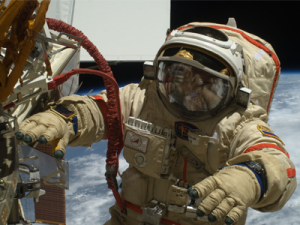
a period of time that an astronaut spends in space outside a spacecraft
The astronaut performed a spacewalk to repair the satellite.
O astronauta realizou uma caminhada espacial para reparar o satélite.
Sinônimosextravehicular activityEVAAntônimosindoor activitygrounded activityQuímica analítica
The branch of chemistry that identifies substances and measures their chemical components.
Analytical chemistry is used to identify and quantify the chemical components of substances.
A química analítica é usada para identificar e quantificar os componentes químicos das substâncias.
SinônimosChemical analysisQuantitative analysisQualitative analysisAntônimosOrganic chemistryBiochemistryComportamento animal
The way animals act and respond, or the scientific study of this.
The students studied animal behavior in the wild.
Os alunos estudaram o comportamento animal na natureza.
SinônimosEthologyAnimal conductAnimal psychologyAntônimosInanimate behaviorPlant behaviorFisiologia animal
The scientific study of how the bodies and organs of animals work.
Animal physiology explores how animals function.
A fisiologia animal explora como os animais funcionam.
Sinônimoszoophysiologycomparative physiologyAntônimosplant physiologyAstroquímica
The study of the chemical substances and reactions found in space.
Astrochemistry helps us understand the origin of life.
A astroquímica ajuda-nos a compreender a origem da vida.
SinônimosCosmochemistrySpace chemistryAntônimosTerrestrial chemistryGeochemistryEstrutura atômica
The arrangement of protons, neutrons and electrons that make up an atom.
Understanding atomic structure is fundamental to chemistry.
Compreender a estrutura atômica é fundamental para a química.
Sinônimosatomic arrangementnuclear structureAntônimosmacroscopic structuremolecular structureBioengenharia
The use of engineering methods to solve problems in biology and medicine.
Bioengineering has led to advancements in medical treatments.
A bioengenharia levou a avanços nos tratamentos médicos.
SinônimosBiomedical engineeringGenetic engineeringBiotechnologyAntônimosMechanical engineeringChemical engineeringBioética
The study of moral questions raised by advances in biology and medicine.
Bioethics explores the moral issues arising from advances in biology and medicine.
A bioética explora as questões morais decorrentes dos avanços na biologia e na medicina.
SinônimosMedical ethicsEthics of scienceMoral philosophy of biologyAntônimosAmoral scienceUnethical researchBioinformática
The use of computers to store and analyse large amounts of biological data.
Bioinformatics combines biology and computer science to analyze large datasets.
A bioinformática combina biologia e ciência da computação para analisar grandes conjuntos de dados.
SinônimosComputational biologyData science in biologyAntônimosExperimental biologyBiomecânica
The scientific study of the physical movement and structure of living things, using the principles of mechanics.
Biomechanics studies the mechanical aspects of living organisms.
A biomecânica estuda os aspectos mecânicos dos organismos vivos.
SinônimosKinesiologyHuman kineticsAntônimosNoneBiomecatrônica
The science of combining biology, mechanics and electronics to design devices that work with the human body.
Biomechatronics combines biology, mechanics, and electronics to design innovative devices.
A biomecatrônica combina biologia, mecânica e eletrônica para projetar dispositivos inovadores.
SinônimosBioengineeringBiomechanical engineeringAntônimosNoneBiotecnologia
The use of living cells and bacteria in industrial and scientific processes, for example to make medicines.
Biotechnology is being used to develop new medicines.
A biotecnologia está sendo usada para desenvolver novos medicamentos.
SinônimosBioengineeringGenetic engineeringBiotechAntônimosConventional methodsTraditional techniquesreações químicas
Processes in which substances act on each other and are changed into different substances.
Chemical reactions are fundamental to understanding how the world works.
As reações químicas são fundamentais para a compreensão de como o mundo funciona.
Sinônimoschemical processeschemical changestransformationsAntônimosphysical changesstabilitymodelagem climática
The use of computer models to simulate the earth's climate and predict how it may change.
Climate modeling is essential for understanding future climate change.
A modelagem climática é essencial para a compreensão das futuras mudanças climáticas.
Sinônimosclimate simulationclimate projectionclimate predictionAntônimosclimate observationhistorical weather dataBiologia computacional
The use of computers and mathematical models to study and understand biological systems and data.
Computational biology uses computer algorithms to model biological systems.
A biologia computacional usa algoritmos de computador para modelar sistemas biológicos.
SinônimosBioinformaticsMathematical biologySystems biologyAntônimosExperimental biologyTraditional biologyBiologia da conservação
The scientific study of how to protect species, their habitats and the earth's biodiversity.
Conservation biology is crucial for protecting endangered species.
A biologia da conservação é crucial para proteger espécies ameaçadas de extinção.
SinônimosConservation scienceEnvironmental biologyAntônimosExploitation biologyDestructive ecologyQuímica ambiental
The study of chemical processes in the environment and the effects of chemicals on air, water and soil.
Environmental chemistry studies the effects of chemicals on the environment.
A química ambiental estuda os efeitos dos produtos químicos no meio ambiente.
SinônimosGreen chemistryEcological chemistryAntônimosIndustrial chemistryavaliação de impacto ambiental
An official study of the likely effects of a planned project on the environment.
The environmental impact assessment showed minimal damage.
A avaliação de impacto ambiental mostrou danos mínimos.
Sinônimosenvironmental assessmentimpact studyecological assessmentAntônimosenvironmental neglectnon-assessmentciência ambiental
The study of the natural environment and the ways in which humans affect it.
Environmental science is a multidisciplinary field.
A ciência ambiental é um campo multidisciplinar.
Sinônimosecologyconservation scienceenvironmental studiesAntônimosN/ABiologia evolutiva
The branch of biology that studies how living things have developed and changed over time.
Evolutionary biology explains how life on Earth has changed over time.
A biologia evolutiva explica como a vida na Terra mudou ao longo do tempo.
SinônimosEvolutionary scienceDarwinian biologyAntônimosCreation scienceAconselhamento genético
Advice given to people about the risk of passing on or having an inherited disease.
She sought genetic counseling before starting a family.
Ela procurou aconselhamento genético antes de começar uma família.
SinônimosGenetic guidanceGenetic consultationAntônimosNoneVariação genética
The differences in genes between individual living things of the same species.
Genetic variation allows populations to adapt to changing environments.
A variação genética permite que as populações se adaptem a ambientes em mudança.
SinônimosGenetic diversityAllelic variationAntônimosGenetic uniformityGenetic homogeneitySequenciamento do genoma
The process of finding the exact order of all the DNA in an organism's genome.
Genome sequencing can help identify genetic diseases.
O sequenciamento do genoma pode ajudar a identificar doenças genéticas.
SinônimosDNA sequencingGenetic mappingAntônimosN/ATelescópio Espacial Hubble
A large telescope in orbit around the earth that takes images of distant stars and galaxies.
The Hubble Space Telescope has provided stunning images of distant galaxies.
O Telescópio Espacial Hubble forneceu imagens impressionantes de galáxias distantes.
SinônimosHSTHubbleImunoterapia
The treatment of disease by using or strengthening the body's immune system.
Immunotherapy has shown promise in treating certain types of cancer.
A imunoterapia tem se mostrado promissora no tratamento de certos tipos de câncer.
SinônimosBiological therapyImmune system therapyAntônimosChemotherapyRadiation therapyquímica inorgânica
The branch of chemistry that studies substances that do not contain carbon-hydrogen bonds.
Inorganic chemistry studies compounds that do not contain carbon-hydrogen bonds.
A química inorgânica estuda compostos que não contêm ligações carbono-hidrogênio.
Sinônimosnon-organic chemistrymineral chemistryAntônimosorganic chemistryEstação Espacial Internacional
A large spacecraft in orbit around the earth where astronauts from several countries live and work.
The International Space Station orbits the Earth.
A Estação Espacial Internacional orbita a Terra.
SinônimosISSSpace StationAntônimosEarthGroundmódulo lunar
A small spacecraft that carries astronauts between the main spacecraft orbiting the moon and the moon's surface.
The lunar module successfully landed on the moon.
O módulo lunar pousou com sucesso na lua.
Sinônimosmoon landerLEM (Lunar Excursion Module)Antônimoscommand modulespacecraftVeículo explorador de Marte
A vehicle that is sent to Mars to move across its surface and collect scientific information.
The Mars Rover sent back stunning images of the Martian surface.
O veículo explorador de Marte enviou imagens impressionantes da superfície marciana.
SinônimosMars explorerPlanetary roverAntônimosStationary probeOrbiterEcologia microbiana
The scientific study of how microorganisms interact with each other and with their environment.
Microbial ecology studies the interactions of microorganisms with each other and their environment.
A ecologia microbiana estuda as interações dos microrganismos entre si e com o seu ambiente.
SinônimosMicrobial biogeochemistryEnvironmental microbiologyAntônimosMacrobial ecologyBiologia molecular
The scientific study of the structure and function of the molecules that make up living things.
Molecular biology studies the structure and function of macromolecules.
A biologia molecular estuda a estrutura e a função das macromoléculas.
SinônimosNoneAntônimosClassical biologyOrganismal biologyGenética molecular
The branch of genetics that studies the structure and function of genes at the level of molecules.
Molecular genetics is used to study the structure and function of genes at a molecular level.
A genética molecular é usada para estudar a estrutura e função dos genes em nível molecular.
SinônimosNoneGene scienceMolecular biology of heredityAntônimosClassical geneticsalunissagem
An occasion when a spacecraft lands on the moon, especially the first one in 1969.
The moon landing was a major achievement for humanity.
A alunissagem foi uma grande conquista para a humanidade.
Sinônimoslunar landingmoonshotApollo missionAntônimosspace launch failureearthboundNeuroquímica
The scientific study of the chemical processes that happen in the nervous system.
Neurochemistry studies the chemical processes within the nervous system.
A neuroquímica estuda os processos químicos dentro do sistema nervoso.
SinônimosBrain chemistryNeurochemical processesAntônimosN/ANeuropsicologia
The scientific study of the relationship between the brain and the way people think and behave.
Neuropsychology studies the relationship between the brain and behavior.
A neuropsicologia estuda a relação entre o cérebro e o comportamento.
SinônimosBehavioral neuroscienceBiological psychologyAntônimosNoneQuímica orgânica
The branch of chemistry that studies substances containing carbon.
She is studying organic chemistry at the university.
Ela está estudando química orgânica na universidade.
SinônimosCarbon chemistryChemistry of carbon compoundsAntônimosInorganic chemistryFísico-química
The branch of chemistry that uses the methods of physics to study chemical systems and reactions.
Physical chemistry explores the fundamental principles underlying chemical systems.
A físico-química explora os princípios fundamentais que sustentam os sistemas químicos.
SinônimosChemical physicsTheoretical chemistryAntônimosOrganic chemistryBiochemistryciência planetária
The scientific study of planets, moons and planetary systems, and how they form and change.
Planetary science studies the formation and evolution of planets.
A ciência planetária estuda a formação e a evolução dos planetas.
SinônimosplanetologycosmologyAntônimosnoneFisiologia vegetal
The scientific study of how plants work, grow and stay alive.
Plant physiology explores how plants function and grow.
A fisiologia vegetal explora como as plantas funcionam e crescem.
SinônimosPlant biologyPhytophysiologyAntônimosAnimal physiologyQuímica de polímeros
The branch of chemistry that studies polymers and how they are made and used.
Polymer chemistry is crucial for developing new materials.
A química de polímeros é crucial para o desenvolvimento de novos materiais.
SinônimosMacromolecular chemistryPolymer scienceAntônimosInorganic chemistryAtomic chemistryProteômica
The scientific study of all the proteins in a living thing, and their structure and function.
Proteomics is used to study protein structure and function.
A proteômica é usada para estudar a estrutura e função das proteínas.
SinônimosProtein analysisProtein profilingProtein characterizationAntônimosGenomicsComputação quântica
A type of computing that uses the principles of quantum mechanics to process information.
Quantum computing holds the potential to revolutionize various fields.
A computação quântica tem o potencial de revolucionar vários campos.
SinônimosQuantum information scienceQuantum computationAntônimosClassical computingMecânica quântica
The branch of physics that studies the behaviour of atoms and very small particles.
Quantum mechanics governs the behavior of atoms and subatomic particles.
A mecânica quântica governa o comportamento dos átomos e partículas subatômicas.
SinônimosQuantum physicsQuantum theoryAntônimosClassical mechanicsNewtonian mechanicsTeoria quântica
A theory in physics based on the idea that energy exists in very small fixed units.
Quantum theory explains the behavior of matter and energy at the atomic and subatomic levels.
A teoria quântica explica o comportamento da matéria e da energia em níveis atômicos e subatômicos.
SinônimosQuantum mechanicsQuantum physicsAntônimosClassical mechanicsNewtonian physicsColonização espacial
The process of setting up permanent human communities on other planets or in space.
Space colonization could open up new resources for humanity.
A colonização espacial poderia abrir novos recursos para a humanidade.
SinônimosSpace settlementOff-world colonizationAntônimosEarth-bound existencePlanetary confinementlixo espacial
Broken pieces of old satellites, rockets and other man-made objects that remain in orbit around the earth.
Space debris poses a threat to orbiting satellites.
O lixo espacial representa uma ameaça aos satélites em órbita.
Sinônimosspace junkorbital debrisspace wasteAntônimosfunctional satelliteoperational spacecraftEngenharia espacial
The design and building of spacecraft, rockets, satellites and other equipment used in space.
Space engineering is crucial for developing advanced rockets.
A engenharia espacial é crucial para o desenvolvimento de foguetes avançados.
SinônimosAerospace engineeringAstronautical engineeringAntônimosTerrestrial engineeringCivil engineeringExploração espacial
The use of spacecraft and technology to discover and study outer space.
Space exploration has led to numerous technological advancements.
A exploração espacial tem levado a numerosos avanços tecnológicos.
SinônimosSpace researchCosmic explorationAstronauticsAntônimosTerrestrial focusEarthbound researchMissões de exploração espacial
Planned journeys or operations sent into space to discover and study planets, stars and other objects.
Space exploration missions are expensive but potentially very rewarding.
As missões de exploração espacial são caras, mas potencialmente muito gratificantes.
Sinônimosspace missionsastronautical missionscosmic explorationspace voyagesAntônimosearthbound researchground-based studiesFísica espacial
The branch of physics that studies plasma, radiation and magnetic fields in space, especially near planets and the sun.
Space physics studies the plasma environment of planets.
A física espacial estuda o ambiente de plasma dos planetas.
SinônimosAstrophysicsSpace scienceAntônimosTerrestrial physicsPesquisa espacial
Scientific study of outer space and the objects in it.
Space research is crucial for understanding the universe.
A pesquisa espacial é crucial para entender o universo.
SinônimosSpace explorationCosmic studyAstronautics researchAntônimosEarth-bound researchTerrestrial studiestecnologia espacial
The machines, equipment and scientific methods used for travelling in and studying space.
Space technology has enabled us to explore other planets.
A tecnologia espacial nos permitiu explorar outros planetas.
SinônimosAerospace technologySpace exploration technologyAntônimosEarth-bound technologyTerrestrial technologytelescópio espacial
A telescope placed in orbit around the earth to observe distant objects without interference from the atmosphere.
The Hubble Space Telescope has provided stunning images of the universe.
O Telescópio Espacial Hubble forneceu imagens impressionantes do universo.
Sinônimosorbital telescopeastronomical satelliteAntônimosground-based telescopeTurismo espacial
The business of taking paying passengers on trips into space for pleasure.
Space tourism is becoming a reality for wealthy individuals.
O turismo espacial está se tornando uma realidade para indivíduos ricos.
SinônimosCommercial space travelSuborbital tourismAntônimosTraditional tourismDomestic travelevolução estelar
The process by which a star changes over its lifetime, from its formation to its death.
Stellar evolution explains the life cycle of stars.
A evolução estelar explica o ciclo de vida das estrelas.
Sinônimosstar formationstar life cyclestar developmentAntônimosstellar creation