Lezione 23/33 · 137 parole · 0 imparate
Science
Scienza
stella
a large ball of burning gas in space that we see as a point of light in the sky at night
Sirius is the brightest star in the sky.
Sirio è la stella più luminosa del cielo.
She starred opposite Cary Grant in ‘Bringing up Baby’.
Sinonimicelestial bodyluminarysuncelebrityidolContrariplanetdarknessobscuritynobodyfisica
the scientific study of matter and energy and the relationships between them, including the study of forces, heat, light, sound, electricity and the structure of atoms
I’m not good at physics.
Non sono bravo in fisica.
particle/nuclear/theoretical physics
Sinonimisciencephysical sciencenatural philosophyContrariartshumanitieschimica
the scientific study of the structure of substances, how they react when combined or in contact with one another, and how they behave under different conditions
I like learning Chemistry in the laboratory.
Mi piace studiare chimica in laboratorio.
the university's chemistry department
Sinonimichemical sciencechemical analysiscompositionchemical processesContrariphysical sciencegravità, forza di gravità
the force that attracts objects in space towards each other, and that on the earth pulls them towards the centre of the planet, so that things fall to the ground when they are dropped
Because of gravity, an apple falls to the ground when it drops from the tree.
A causa della gravità, una mela cade a terra quando si stacca dall'albero.
SinonimiseriousnessimportancesignificanceweightinessseveritycriticalityContraritrivialityunimportanceinsignificancelevitysatellite
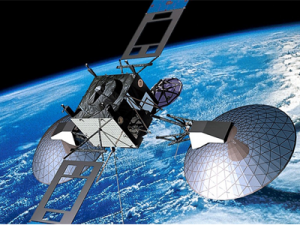
an electronic device that is sent into space and moves around the earth or another planet. It is used for communicating by radio, television, etc. and for gathering information.
a weather/communications satellite
un satellite meteorologico/per le telecomunicazioni
SinonimimoonorbiterspacecraftContrariplanetground stationstazione spaziale
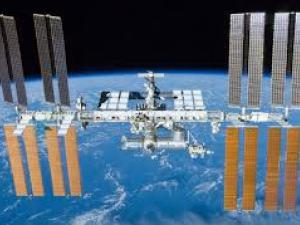
a large structure that is sent into space and remains above the earth as a base for people working and travelling in space
the International Space Station (ISS)
la Stazione Spaziale Internazionale (ISS)
Sinonimiorbital stationoutpost in spaceContrariEarthbound facilityecologia
the relation of plants and living creatures to each other and to their environment; the study of this
She hopes to study ecology at college.
Spera di studiare ecologia all'università.
Sinonimienvironmental scienceenvironmentalismbiotic scienceContrarinone (ecology as a field of study doesn't have a direct antonym. Related fields like urban planning might be considered distantly opposite in some contexts.)orbita
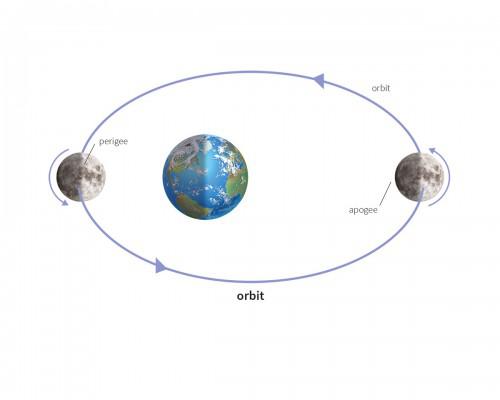
a curved path followed by a planet or an object as it moves around another planet, star, moon, etc.
The satellite is now in orbit around the Earth.
Il satellite è ora in orbita attorno alla Terra.
Sinonimirevolvecircleencirclego aroundrotate aroundContraristagnatestandstillstopremain stationaryrazzo
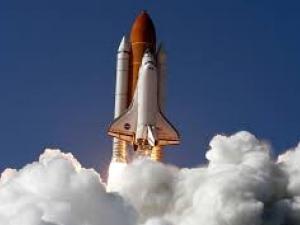
a spacecraft in the shape of a tube that is driven by a stream of gases let out behind it when fuel is burned inside
The rocket carried three astronauts into space last month.
Il razzo ha portato tre astronauti nello spazio il mese scorso.
Sinonimisoarsurgeskyrocketincrease rapidlyboomContrariplummetdecrease rapidlydeclinedropbiodiversità
the existence of a large number of different kinds of animals and plants which make a balanced environment
A new National Biological Survey will protect species habitat and biodiversity.
Una nuova indagine biologica nazionale proteggerà l'habitat delle specie e la biodiversità.
Sinonimivariety of lifebiological diversityecological diversityspecies richnessgenetic diversityContrarimonocultureuniformitylack of diversitybiological uniformityenergia nucleare
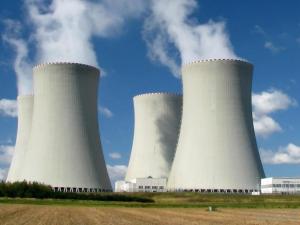
a powerful form of energy produced by changing matter into energy by splitting the nuclei (= central parts) of atoms . It is used to produce electricity.
I think nuclear energy will be widely used in the future.
Penso che l'energia nucleare sarà ampiamente utilizzata in futuro.
Sinonimiatomic energyatomic powernuclear powerContrarirenewable energysolar energywind energyhydroelectric energycambiamento climatico
changes in the earth’s weather, including changes in temperature, wind patterns and rainfall , especially the increase in the temperature of the earth’s atmosphere that is caused by the increase of particular gases, especially carbon dioxide
In any case, climate change is already disrupting the lives of millions of human beings.
In ogni caso, il cambiamento climatico sta già sconvolgendo la vita di milioni di esseri umani.
Sinonimiglobal warmingclimatic changeenvironmental changeclimate crisisContrariclimate stabilityenvironmental equilibriumanatomia
the scientific study of the physical structure of humans, animals or plants
Medical students must study human anatomy in their first year.
Gli studenti di medicina devono studiare l'anatomia umana al primo anno.
Sinonimistructurebodily structureorganizationmorphologyphysiologyformcompositionContraridisorganizationformlessnessamorphousnessastrobiologia
the scientific study of life on other planets
Astrobiology is the study of the origin, evolution, distribution, and future of life in the universe.
L'astrobiologia è lo studio dell'origine, dell'evoluzione, della diffusione e del futuro della vita nell'universo.
SinonimiexobiologybioastronomyContrariNoneastrogeologia
the scientific study of the rocks, surfaces and structure of planets, moons and other bodies in space
Astrogeology helps us understand the surfaces of other planets.
L'astrogeologia ci aiuta a capire la superficie degli altri pianeti.
SinonimiPlanetary geologyExogeologyContrariTerrestrial geologyastronomia
the scientific study of the sun, moon, stars, planets, etc.
Astronomy is the scientific study of celestial objects and phenomena.
L'astronomia è lo studio scientifico degli oggetti e dei fenomeni celesti.
Sinonimicelestial mechanicsspace scienceastro-scienceContrariastrologyastrofisica
the scientific study of the physical and chemical structure of the stars, planets, etc.
Astrophysics studies the physics of celestial objects.
L'astrofisica studia la fisica dei corpi celesti.
Sinonimiastronomical physicsspace physicsContrarigeophysicsterrestrial physicsbiofisica
the science that uses the laws and methods of physics to study biology
Biophysics applies physics principles to biological systems.
La biofisica applica i principi della fisica ai sistemi biologici.
Sinonimibiological physicsphysical biologyContraripure biologypure physicsbuco nero
an area in space that nothing, not even light, can escape from, because gravity (= the force that pulls objects in space towards each other) is so strong there
The black hole consumed the nearby star.
Il buco nero ha inghiottito la stella vicina.
Sinonimigravitational singularitycosmic vacuumContrariwhite hole (theoretical)neuroscienze cognitive
the scientific study of how the brain and nervous system make thinking, learning and memory possible
Cognitive neuroscience explores the neural mechanisms underlying thought and behavior.
Le neuroscienze cognitive studiano i meccanismi neurali alla base del pensiero e del comportamento.
Sinonimibehavioral neurosciencebiopsychologyneuropsychologyContrariN/Ascienze cognitive
the study of the mind and how it works, combining ideas from psychology, linguistics, computer science and philosophy
Cognitive science explores how the mind processes information.
Le scienze cognitive studiano come la mente elabora le informazioni.
Sinonimicognitive studiesmind scienceContrariN/A (There is no direct antonym as it's a specific field of study.)cosmologia
the scientific study of the universe and its origin and development
Cosmology seeks to understand the origin and evolution of the universe.
La cosmologia cerca di comprendere l'origine e l'evoluzione dell'universo.
Sinonimiastronomyastro physicsuniverse studiesorigin scienceContrarinonecibernetica
the scientific study of communication and control systems, which involves comparing human and animal brains with machines and electronic devices
Cybernetics explores the relationship between biological and mechanical systems.
La cibernetica esplora il rapporto tra sistemi biologici e meccanici.
Sinonimicontrol systemsautomationsystems theoryContrarirandomnessdisorderchaosmateria oscura
according to some theories, material that exists in space but does not reflect any light
Scientists study dark matter to understand the universe's structure.
Gli scienziati studiano la materia oscura per comprendere la struttura dell'universo.
Sinonimiunseen matterhidden massContrariluminous mattervisible matterelettromagnetismo
the production of a magnetic field by means of an electric current, or of an electric current by means of a magnetic field
Electromagnetism is a fundamental force of nature.
L'elettromagnetismo è una forza fondamentale della natura.
SinonimiElectromagnetic forceEM interactionContrariGravityWeak nuclear forceStrong nuclear forceendocrinologia
the branch of medicine that is the study of the endocrine system and hormones
Endocrinology is the study of hormones and their effects.
L'endocrinologia è lo studio degli ormoni e dei loro effetti.
Sinonimihormone studyhormone scienceContrariexocrinologyevoluzione
the slow steady development of plants, animals, etc. during the history of the earth, as they adapt to changes in their environment
The evolution of species is a complex process.
L'evoluzione delle specie è un processo complesso.
SinonimidevelopmentprogressgrowthadvancementContraridevolutionregressionstagnationextraterrestre, alieno
(in stories) a creature that comes from another planet; a creature that may exist on another planet
The movie was about an extraterrestrial who visited Earth.
Il film parlava di un extraterrestre che visitava la Terra.
Sinonimialiennon-terrestrialotherworldlyContrariterrestrialearthlygenetica
the scientific study of the ways in which different characteristics are passed from each generation of living things to the next
Genetics plays a crucial role in determining our physical traits.
La genetica svolge un ruolo cruciale nel determinare i nostri tratti fisici.
SinonimiheredityinheritancegenesContrarienvironmental factorsgeologia
the scientific study of the physical structure of the earth, including the origin and history of the rocks and soil of which the earth is made
Geology helps us understand the Earth's history.
La geologia ci aiuta a comprendere la storia della Terra.
Sinonimiearth sciencegeosciencegeofisica
the scientific study of the physics of the earth, including its atmosphere, climate and magnetism
Geophysics is used to study the Earth's subsurface.
La geofisica viene usata per studiare il sottosuolo terrestre.
SinonimiEarth physicsSolid Earth geophysicsContrariNonemeteora, stella cadente
a piece of rock from outer space that makes a bright line across the night sky as it burns up while falling through the earth’s atmosphere
A meteor streaked across the night sky.
Una meteora ha attraversato il cielo notturno.
Sinonimishooting starfalling starbolideContrariasteroidcometplanetnebulosa
a mass of dust or gas that can be seen in the night sky, often appearing very bright; a bright area in the night sky caused by a large cloud of stars that are far away
The telescope revealed a beautiful nebula.
Il telescopio ha rivelato una bellissima nebulosa.
Sinonimistar cloudinterstellar cloudContrariempty spacevoidpetrologia, petrografia
the scientific study of how rocks are made and what they are made of
The geologist specialized in petrology to understand the origin of the rocks.
Il geologo si è specializzato in petrologia per comprendere l'origine delle rocce.
SinonimilithologygeologyContrarinonefarmacologia
the science of drugs, including how they act on the body and how they are used to treat disease
Pharmacology is a core subject for medical and pharmacy students.
La farmacologia è una materia fondamentale per gli studenti di medicina e di farmacia.
Clinical pharmacology studies how drugs work in real patients.
Sinonimidrug studymedicinal chemistrypharmaceuticsContrarinonefotosintesi
the process by which green plants turn carbon dioxide and water into food using energy obtained from light from the sun
Photosynthesis is essential for plant life.
La fotosintesi è essenziale per la vita delle piante.
Sinonimicarbon assimilationphotosynthetic activityContrarirespirationspaziotempo
the universe considered as a continuum with four measurements—length, width , depth and time—inside which any event or physical object is located
Einstein's theory deals with space-time.
La teoria di Einstein si occupa dello spaziotempo.
Sinonimispace and timecontinuumContrarispacetimetermodinamica
the science that deals with the relations between heat and other forms of energy
Thermodynamics explains how energy is converted and used.
La termodinamica spiega come l'energia viene convertita e utilizzata.
Sinonimithermodynamic principlesthermal physicsContrarinoneingegneria genetica
the science of changing how a living creature or plant develops by changing the information in its genes
Genetic engineering is used to modify crops for better yields.
L'ingegneria genetica è usata per modificare le colture e ottenere rese migliori.
Sinonimigene editingbiotechnologygene manipulationContrarinatural selectiontraditional breedingintelligenza artificiale, IA
the ability of computer systems to do tasks that normally need human intelligence, such as understanding language or making decisions
The bank uses artificial intelligence to detect unusual transactions.
La banca utilizza l'intelligenza artificiale per rilevare le transazioni anomale.
Artificial intelligence is changing how customer service teams work.
SinonimiAImachine intelligenceContrarinatural intelligencehuman intelligencenanotecnologia
the branch of technology that deals with structures that are less than 100 nanometres long. Scientists often build these structures using individual molecules of substances.
Nanotechnology is used in many fields, including medicine and manufacturing.
La nanotecnologia è utilizzata in molti campi, tra cui la medicina e l'industria manifatturiera.
Sinonimimolecular manufacturingnanoscale technologyContrarimacrotechnologyfisica nucleare
the area of physics which deals with the nucleus of atoms and with nuclear energy
Nuclear physics is crucial for understanding atomic energy.
La fisica nucleare è fondamentale per comprendere l'energia atomica.
Sinonimiatomic physicsnuclear scienceContrariclassical physicspaleontologia
the study of fossils (= the parts of dead animals or plants in rocks) as a guide to the history of life on earth
She studied paleontology to learn about dinosaurs.
Ha studiato paleontologia per conoscere i dinosauri.
Sinonimifossil studyfossil scienceContrarinonesonda spaziale
a spacecraft without people on board that obtains information and sends it back to earth
The space probe sent back images of Jupiter.
La sonda spaziale ha inviato immagini di Giove.
Sinonimiunmanned spacecraftrobotic probeplanetary probeContrarimanned spacecraftpasseggiata spaziale
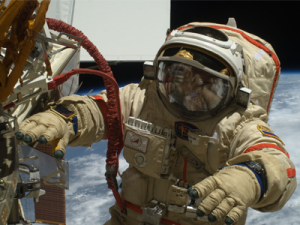
a period of time that an astronaut spends in space outside a spacecraft
The astronaut performed a spacewalk to repair the satellite.
L'astronauta ha effettuato una passeggiata spaziale per riparare il satellite.
Sinonimiextravehicular activityEVAContrariindoor activitygrounded activitychimica analitica
The branch of chemistry that identifies substances and measures their chemical components.
Analytical chemistry is used to identify and quantify the chemical components of substances.
La chimica analitica serve a identificare e quantificare i componenti chimici delle sostanze.
SinonimiChemical analysisQuantitative analysisQualitative analysisContrariOrganic chemistryBiochemistrycomportamento animale
The way animals act and respond, or the scientific study of this.
The students studied animal behavior in the wild.
Gli studenti hanno studiato il comportamento animale in natura.
SinonimiEthologyAnimal conductAnimal psychologyContrariInanimate behaviorPlant behaviorfisiologia animale
The scientific study of how the bodies and organs of animals work.
Animal physiology explores how animals function.
La fisiologia animale studia il funzionamento degli animali.
Sinonimizoophysiologycomparative physiologyContrariplant physiologyastrochimica
The study of the chemical substances and reactions found in space.
Astrochemistry helps us understand the origin of life.
L'astrochimica ci aiuta a capire l'origine della vita.
SinonimiCosmochemistrySpace chemistryContrariTerrestrial chemistryGeochemistrystruttura atomica
The arrangement of protons, neutrons and electrons that make up an atom.
Understanding atomic structure is fundamental to chemistry.
Comprendere la struttura atomica è fondamentale per la chimica.
Sinonimiatomic arrangementnuclear structureContrarimacroscopic structuremolecular structurebioingegneria
The use of engineering methods to solve problems in biology and medicine.
Bioengineering has led to advancements in medical treatments.
La bioingegneria ha portato a progressi nei trattamenti medici.
SinonimiBiomedical engineeringGenetic engineeringBiotechnologyContrariMechanical engineeringChemical engineeringbioetica
The study of moral questions raised by advances in biology and medicine.
Bioethics explores the moral issues arising from advances in biology and medicine.
La bioetica esplora le questioni morali che nascono dai progressi della biologia e della medicina.
SinonimiMedical ethicsEthics of scienceMoral philosophy of biologyContrariAmoral scienceUnethical researchbioinformatica
The use of computers to store and analyse large amounts of biological data.
Bioinformatics combines biology and computer science to analyze large datasets.
La bioinformatica unisce biologia e informatica per analizzare grandi insiemi di dati.
SinonimiComputational biologyData science in biologyContrariExperimental biologybiomeccanica
The scientific study of the physical movement and structure of living things, using the principles of mechanics.
Biomechanics studies the mechanical aspects of living organisms.
La biomeccanica studia gli aspetti meccanici degli organismi viventi.
SinonimiKinesiologyHuman kineticsContrariNonebiomeccatronica
The science of combining biology, mechanics and electronics to design devices that work with the human body.
Biomechatronics combines biology, mechanics, and electronics to design innovative devices.
La biomeccatronica unisce biologia, meccanica ed elettronica per progettare dispositivi innovativi.
SinonimiBioengineeringBiomechanical engineeringContrariNonebiotecnologia
The use of living cells and bacteria in industrial and scientific processes, for example to make medicines.
Biotechnology is being used to develop new medicines.
La biotecnologia viene utilizzata per sviluppare nuovi farmaci.
SinonimiBioengineeringGenetic engineeringBiotechContrariConventional methodsTraditional techniquesdivisione cellulare
The process by which a cell divides to form two or more new cells.
Cell division is essential for growth and repair.
La divisione cellulare è essenziale per la crescita e la riparazione.
SinonimiMitosisCytokinesisCell proliferationContrariCell deathApoptosisreazioni chimiche
Processes in which substances act on each other and are changed into different substances.
Chemical reactions are fundamental to understanding how the world works.
Le reazioni chimiche sono fondamentali per capire come funziona il mondo.
Sinonimichemical processeschemical changestransformationsContrariphysical changesstabilitymodellizzazione climatica
The use of computer models to simulate the earth's climate and predict how it may change.
Climate modeling is essential for understanding future climate change.
La modellizzazione climatica è essenziale per comprendere i futuri cambiamenti climatici.
Sinonimiclimate simulationclimate projectionclimate predictionContrariclimate observationhistorical weather databiologia computazionale
The use of computers and mathematical models to study and understand biological systems and data.
Computational biology uses computer algorithms to model biological systems.
La biologia computazionale usa algoritmi informatici per modellare i sistemi biologici.
SinonimiBioinformaticsMathematical biologySystems biologyContrariExperimental biologyTraditional biologybiologia della conservazione
The scientific study of how to protect species, their habitats and the earth's biodiversity.
Conservation biology is crucial for protecting endangered species.
La biologia della conservazione è fondamentale per proteggere le specie in via di estinzione.
SinonimiConservation scienceEnvironmental biologyContrariExploitation biologyDestructive ecologychimica ambientale
The study of chemical processes in the environment and the effects of chemicals on air, water and soil.
Environmental chemistry studies the effects of chemicals on the environment.
La chimica ambientale studia gli effetti delle sostanze chimiche sull'ambiente.
SinonimiGreen chemistryEcological chemistryContrariIndustrial chemistryvalutazione di impatto ambientale
An official study of the likely effects of a planned project on the environment.
The environmental impact assessment showed minimal damage.
La valutazione di impatto ambientale ha evidenziato danni minimi.
Sinonimienvironmental assessmentimpact studyecological assessmentContrarienvironmental neglectnon-assessmentscienze ambientali
The study of the natural environment and the ways in which humans affect it.
Environmental science is a multidisciplinary field.
Le scienze ambientali sono un campo multidisciplinare.
Sinonimiecologyconservation scienceenvironmental studiesContrariN/Abiologia evolutiva
The branch of biology that studies how living things have developed and changed over time.
Evolutionary biology explains how life on Earth has changed over time.
La biologia evolutiva spiega come la vita sulla Terra è cambiata nel tempo.
SinonimiEvolutionary scienceDarwinian biologyContrariCreation scienceconsulenza genetica
Advice given to people about the risk of passing on or having an inherited disease.
She sought genetic counseling before starting a family.
Ha chiesto una consulenza genetica prima di mettere su famiglia.
SinonimiGenetic guidanceGenetic consultationContrariNonevariazione genetica
The differences in genes between individual living things of the same species.
Genetic variation allows populations to adapt to changing environments.
La variazione genetica permette alle popolazioni di adattarsi agli ambienti che cambiano.
SinonimiGenetic diversityAllelic variationContrariGenetic uniformityGenetic homogeneitysequenziamento del genoma
The process of finding the exact order of all the DNA in an organism's genome.
Genome sequencing can help identify genetic diseases.
Il sequenziamento del genoma può aiutare a identificare le malattie genetiche.
SinonimiDNA sequencingGenetic mappingContrariN/Atelescopio spaziale Hubble
A large telescope in orbit around the earth that takes images of distant stars and galaxies.
The Hubble Space Telescope has provided stunning images of distant galaxies.
Il telescopio spaziale Hubble ha fornito immagini straordinarie di galassie lontane.
SinonimiHSTHubbleimmunoterapia
The treatment of disease by using or strengthening the body's immune system.
Immunotherapy has shown promise in treating certain types of cancer.
L'immunoterapia si è rivelata promettente nel trattamento di alcuni tipi di cancro.
SinonimiBiological therapyImmune system therapyContrariChemotherapyRadiation therapychimica inorganica
The branch of chemistry that studies substances that do not contain carbon-hydrogen bonds.
Inorganic chemistry studies compounds that do not contain carbon-hydrogen bonds.
La chimica inorganica studia i composti che non contengono legami carbonio-idrogeno.
Sinoniminon-organic chemistrymineral chemistryContrariorganic chemistryStazione Spaziale Internazionale
A large spacecraft in orbit around the earth where astronauts from several countries live and work.
The International Space Station orbits the Earth.
La Stazione Spaziale Internazionale orbita attorno alla Terra.
SinonimiISSSpace StationContrariEarthGroundmodulo lunare
A small spacecraft that carries astronauts between the main spacecraft orbiting the moon and the moon's surface.
The lunar module successfully landed on the moon.
Il modulo lunare è atterrato con successo sulla Luna.
Sinonimimoon landerLEM (Lunar Excursion Module)Contraricommand modulespacecraftrover marziano
A vehicle that is sent to Mars to move across its surface and collect scientific information.
The Mars Rover sent back stunning images of the Martian surface.
Il Mars Rover ha inviato immagini straordinarie della superficie marziana.
SinonimiMars explorerPlanetary roverContrariStationary probeOrbiterecologia microbica
The scientific study of how microorganisms interact with each other and with their environment.
Microbial ecology studies the interactions of microorganisms with each other and their environment.
L'ecologia microbica studia le interazioni dei microrganismi tra loro e con il loro ambiente.
SinonimiMicrobial biogeochemistryEnvironmental microbiologyContrariMacrobial ecologybiologia molecolare
The scientific study of the structure and function of the molecules that make up living things.
Molecular biology studies the structure and function of macromolecules.
La biologia molecolare studia la struttura e la funzione delle macromolecole.
SinonimiNoneContrariClassical biologyOrganismal biologygenetica molecolare
The branch of genetics that studies the structure and function of genes at the level of molecules.
Molecular genetics is used to study the structure and function of genes at a molecular level.
La genetica molecolare viene usata per studiare la struttura e la funzione dei geni a livello molecolare.
SinonimiNoneGene scienceMolecular biology of heredityContrariClassical geneticsallunaggio, sbarco sulla Luna
An occasion when a spacecraft lands on the moon, especially the first one in 1969.
The moon landing was a major achievement for humanity.
Lo sbarco sulla Luna è stato una grande conquista per l'umanità.
Sinonimilunar landingmoonshotApollo missionContrarispace launch failureearthboundneurochimica
The scientific study of the chemical processes that happen in the nervous system.
Neurochemistry studies the chemical processes within the nervous system.
La neurochimica studia i processi chimici all'interno del sistema nervoso.
SinonimiBrain chemistryNeurochemical processesContrariN/Aneuropsicologia
The scientific study of the relationship between the brain and the way people think and behave.
Neuropsychology studies the relationship between the brain and behavior.
La neuropsicologia studia il rapporto tra cervello e comportamento.
SinonimiBehavioral neuroscienceBiological psychologyContrariNonechimica fisica
The branch of chemistry that uses the methods of physics to study chemical systems and reactions.
Physical chemistry explores the fundamental principles underlying chemical systems.
La chimica fisica esplora i principi fondamentali alla base dei sistemi chimici.
SinonimiChemical physicsTheoretical chemistryContrariOrganic chemistryBiochemistryscienze planetarie
The scientific study of planets, moons and planetary systems, and how they form and change.
Planetary science studies the formation and evolution of planets.
Le scienze planetarie studiano la formazione e l'evoluzione dei pianeti.
SinonimiplanetologycosmologyContrarinonefisiologia vegetale
The scientific study of how plants work, grow and stay alive.
Plant physiology explores how plants function and grow.
La fisiologia vegetale studia come le piante funzionano e crescono.
SinonimiPlant biologyPhytophysiologyContrariAnimal physiologychimica dei polimeri
The branch of chemistry that studies polymers and how they are made and used.
Polymer chemistry is crucial for developing new materials.
La chimica dei polimeri è fondamentale per sviluppare nuovi materiali.
SinonimiMacromolecular chemistryPolymer scienceContrariInorganic chemistryAtomic chemistryproteomica
The scientific study of all the proteins in a living thing, and their structure and function.
Proteomics is used to study protein structure and function.
La proteomica è usata per studiare la struttura e la funzione delle proteine.
SinonimiProtein analysisProtein profilingProtein characterizationContrariGenomicscalcolo quantistico, informatica quantistica
A type of computing that uses the principles of quantum mechanics to process information.
Quantum computing holds the potential to revolutionize various fields.
Il calcolo quantistico ha il potenziale di rivoluzionare vari settori.
SinonimiQuantum information scienceQuantum computationContrariClassical computingmeccanica quantistica
The branch of physics that studies the behaviour of atoms and very small particles.
Quantum mechanics governs the behavior of atoms and subatomic particles.
La meccanica quantistica governa il comportamento degli atomi e delle particelle subatomiche.
SinonimiQuantum physicsQuantum theoryContrariClassical mechanicsNewtonian mechanicsteoria quantistica
A theory in physics based on the idea that energy exists in very small fixed units.
Quantum theory explains the behavior of matter and energy at the atomic and subatomic levels.
La teoria quantistica spiega il comportamento della materia e dell'energia a livello atomico e subatomico.
SinonimiQuantum mechanicsQuantum physicsContrariClassical mechanicsNewtonian physicscolonizzazione dello spazio
The process of setting up permanent human communities on other planets or in space.
Space colonization could open up new resources for humanity.
La colonizzazione dello spazio potrebbe aprire nuove risorse per l'umanità.
SinonimiSpace settlementOff-world colonizationContrariEarth-bound existencePlanetary confinementdetriti spaziali
Broken pieces of old satellites, rockets and other man-made objects that remain in orbit around the earth.
Space debris poses a threat to orbiting satellites.
I detriti spaziali rappresentano una minaccia per i satelliti in orbita.
Sinonimispace junkorbital debrisspace wasteContrarifunctional satelliteoperational spacecraftingegneria spaziale
The design and building of spacecraft, rockets, satellites and other equipment used in space.
Space engineering is crucial for developing advanced rockets.
L'ingegneria spaziale è fondamentale per sviluppare razzi avanzati.
SinonimiAerospace engineeringAstronautical engineeringContrariTerrestrial engineeringCivil engineeringesplorazione spaziale
The use of spacecraft and technology to discover and study outer space.
Space exploration has led to numerous technological advancements.
L'esplorazione spaziale ha portato a numerosi progressi tecnologici.
SinonimiSpace researchCosmic explorationAstronauticsContrariTerrestrial focusEarthbound researchmissioni di esplorazione spaziale
Planned journeys or operations sent into space to discover and study planets, stars and other objects.
Space exploration missions are expensive but potentially very rewarding.
Le missioni di esplorazione spaziale sono costose ma potenzialmente molto redditizie.
Sinonimispace missionsastronautical missionscosmic explorationspace voyagesContrariearthbound researchground-based studiesmissione spaziale
A planned journey or operation into space to carry out a particular task.
The space mission was a success.
La missione spaziale è stata un successo.
SinonimiSpace flightCosmic missionExtraterrestrial expeditionContrariEarthbound projectTerrestrial activityfisica spaziale
The branch of physics that studies plasma, radiation and magnetic fields in space, especially near planets and the sun.
Space physics studies the plasma environment of planets.
La fisica spaziale studia l'ambiente di plasma dei pianeti.
SinonimiAstrophysicsSpace scienceContrariTerrestrial physicsricerca spaziale
Scientific study of outer space and the objects in it.
Space research is crucial for understanding the universe.
La ricerca spaziale è fondamentale per comprendere l'universo.
SinonimiSpace explorationCosmic studyAstronautics researchContrariEarth-bound researchTerrestrial studiestecnologia spaziale
The machines, equipment and scientific methods used for travelling in and studying space.
Space technology has enabled us to explore other planets.
La tecnologia spaziale ci ha permesso di esplorare altri pianeti.
SinonimiAerospace technologySpace exploration technologyContrariEarth-bound technologyTerrestrial technologytelescopio spaziale
A telescope placed in orbit around the earth to observe distant objects without interference from the atmosphere.
The Hubble Space Telescope has provided stunning images of the universe.
Il telescopio spaziale Hubble ha fornito immagini straordinarie dell'universo.
Sinonimiorbital telescopeastronomical satelliteContrariground-based telescopeturismo spaziale
The business of taking paying passengers on trips into space for pleasure.
Space tourism is becoming a reality for wealthy individuals.
Il turismo spaziale sta diventando una realtà per le persone facoltose.
SinonimiCommercial space travelSuborbital tourismContrariTraditional tourismDomestic travelevoluzione stellare
The process by which a star changes over its lifetime, from its formation to its death.
Stellar evolution explains the life cycle of stars.
L'evoluzione stellare spiega il ciclo di vita delle stelle.
Sinonimistar formationstar life cyclestar developmentContraristellar creation