Aralin 23/33 · 137 salita · 0 natutunan
Science
Agham
bituin
a large ball of burning gas in space that we see as a point of light in the sky at night
Sirius is the brightest star in the sky.
Ang Sirius ay ang pinakamaliwanag na bituin sa kalangitan.
She starred opposite Cary Grant in ‘Bringing up Baby’.
Kasingkahulugancelestial bodyluminarysuncelebrityidolKasalungatplanetdarknessobscuritynobodypisika
the scientific study of matter and energy and the relationships between them, including the study of forces, heat, light, sound, electricity and the structure of atoms
I’m not good at physics.
Hindi ako magaling sa pisika.
particle/nuclear/theoretical physics
Kasingkahulugansciencephysical sciencenatural philosophyKasalungatartshumanitieskimika
the scientific study of the structure of substances, how they react when combined or in contact with one another, and how they behave under different conditions
I like learning Chemistry in the laboratory.
Gusto kong matuto ng Kimika sa laboratoryo.
the university's chemistry department
Kasingkahuluganchemical sciencechemical analysiscompositionchemical processesKasalungatphysical sciencegrabidad, gravitasyon
the force that attracts objects in space towards each other, and that on the earth pulls them towards the centre of the planet, so that things fall to the ground when they are dropped
Because of gravity, an apple falls to the ground when it drops from the tree.
Dahil sa grabidad, bumabagsak sa lupa ang mansanas kapag nahulog ito mula sa puno.
KasingkahuluganseriousnessimportancesignificanceweightinessseveritycriticalityKasalungattrivialityunimportanceinsignificancelevitysatellite
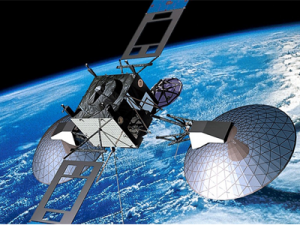
an electronic device that is sent into space and moves around the earth or another planet. It is used for communicating by radio, television, etc. and for gathering information.
a weather/communications satellite
isang satellite na pampanahon/pangkomunikasyon
KasingkahuluganmoonorbiterspacecraftKasalungatplanetground stationistasyon sa kalawakan
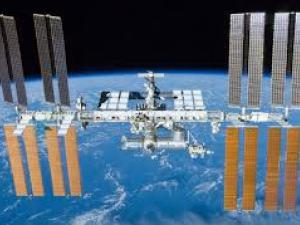
a large structure that is sent into space and remains above the earth as a base for people working and travelling in space
the International Space Station (ISS)
ang International Space Station (ISS)
Kasingkahuluganorbital stationoutpost in spaceKasalungatEarthbound facilityekolohiya
the relation of plants and living creatures to each other and to their environment; the study of this
She hopes to study ecology at college.
Umaasa siyang mag-aral ng ekolohiya sa kolehiyo.
Kasingkahuluganenvironmental scienceenvironmentalismbiotic scienceKasalungatnone (ecology as a field of study doesn't have a direct antonym. Related fields like urban planning might be considered distantly opposite in some contexts.)orbito, landas ng pag-ikot
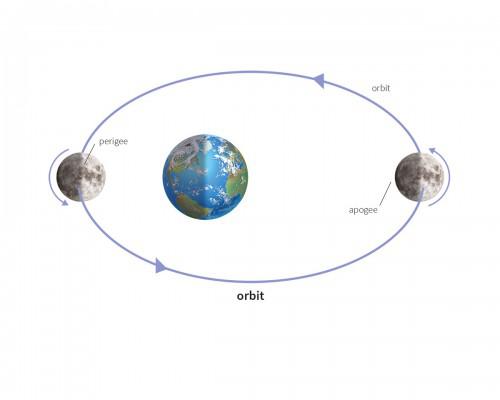
a curved path followed by a planet or an object as it moves around another planet, star, moon, etc.
The satellite is now in orbit around the Earth.
Nasa orbito na ngayon ng Earth ang satellite.
Kasingkahuluganrevolvecircleencirclego aroundrotate aroundKasalungatstagnatestandstillstopremain stationaryrocket, sasakyang pangkalawakan
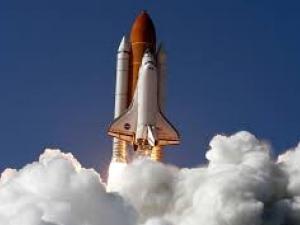
a spacecraft in the shape of a tube that is driven by a stream of gases let out behind it when fuel is burned inside
The rocket carried three astronauts into space last month.
Isinakay ng rocket ang tatlong astronaut sa kalawakan noong nakaraang buwan.
Kasingkahulugansoarsurgeskyrocketincrease rapidlyboomKasalungatplummetdecrease rapidlydeclinedropbiyo-dibersidad
the existence of a large number of different kinds of animals and plants which make a balanced environment
A new National Biological Survey will protect species habitat and biodiversity.
Poprotektahan ng isang bagong Pambansang Pagsisiyasat sa Biolohikal ang tirahan ng mga species at biyo-dibersidad.
Kasingkahuluganvariety of lifebiological diversityecological diversityspecies richnessgenetic diversityKasalungatmonocultureuniformitylack of diversitybiological uniformitysasakyang pangkalawakan
a vehicle that travels in space
These children have never seen such a huge spacecraft.
Hindi pa nakakita ang mga batang ito ng ganito kalaking sasakyang pangkalawakan.
Kasingkahuluganspaceshiprocketvesselspace vehicleKasalungatground vehiclelandcraftenerhiyang nuklear
a powerful form of energy produced by changing matter into energy by splitting the nuclei (= central parts) of atoms . It is used to produce electricity.
I think nuclear energy will be widely used in the future.
Sa tingin ko, malawakang gagamitin ang enerhiyang nuklear sa hinaharap.
Kasingkahuluganatomic energyatomic powernuclear powerKasalungatrenewable energysolar energywind energyhydroelectric energypagbabago ng klima
changes in the earth’s weather, including changes in temperature, wind patterns and rainfall , especially the increase in the temperature of the earth’s atmosphere that is caused by the increase of particular gases, especially carbon dioxide
In any case, climate change is already disrupting the lives of millions of human beings.
Sa anumang kaso, ang pagbabago ng klima ay nakakaapekto na sa buhay ng milyun-milyong tao.
Kasingkahuluganglobal warmingclimatic changeenvironmental changeclimate crisisKasalungatclimate stabilityenvironmental equilibriumanatomiya, anatomi
the scientific study of the physical structure of humans, animals or plants
Medical students must study human anatomy in their first year.
Kailangang pag-aralan ng mga estudyante ng medisina ang anatomiya ng tao sa unang taon nila.
Kasingkahuluganstructurebodily structureorganizationmorphologyphysiologyformcompositionKasalungatdisorganizationformlessnessamorphousnessastrobyolohiya
the scientific study of life on other planets
Astrobiology is the study of the origin, evolution, distribution, and future of life in the universe.
Ang astrobyolohiya ay ang pag-aaral ng pinagmulan, ebolusyon, distribusyon, at kinabukasan ng buhay sa uniberso.
KasingkahuluganexobiologybioastronomyKasalungatNoneAstroheolohiya
the scientific study of the rocks, surfaces and structure of planets, moons and other bodies in space
Astrogeology helps us understand the surfaces of other planets.
Tinutulungan tayo ng astroheolohiya na maunawaan ang mga ibabaw ng ibang planeta.
KasingkahuluganPlanetary geologyExogeologyKasalungatTerrestrial geologyastronomiya
the scientific study of the sun, moon, stars, planets, etc.
Astronomy is the scientific study of celestial objects and phenomena.
Ang astronomiya ay ang maka-agham na pag-aaral ng mga bagay at pangyayari sa kalangitan.
Kasingkahulugancelestial mechanicsspace scienceastro-scienceKasalungatastrologyAstropisika
the scientific study of the physical and chemical structure of the stars, planets, etc.
Astrophysics studies the physics of celestial objects.
Pinag-aaralan ng astropisika ang pisika ng mga bagay sa kalangitan.
Kasingkahuluganastronomical physicsspace physicsKasalungatgeophysicsterrestrial physicsbiyopisika
the science that uses the laws and methods of physics to study biology
Biophysics applies physics principles to biological systems.
Iginagamit ng biyopisika ang mga prinsipyo ng pisika sa mga sistemang biolohikal.
Kasingkahuluganbiological physicsphysical biologyKasalungatpure biologypure physicsitim na butas
an area in space that nothing, not even light, can escape from, because gravity (= the force that pulls objects in space towards each other) is so strong there
The black hole consumed the nearby star.
Nilamon ng itim na butas ang kalapit na bituin.
Kasingkahulugangravitational singularitycosmic vacuumKasalungatwhite hole (theoretical)neuroscience ng nagbibigay-malay
the scientific study of how the brain and nervous system make thinking, learning and memory possible
Cognitive neuroscience explores the neural mechanisms underlying thought and behavior.
Sinasaliksik ng neuroscience na nagbibigay-malay ang mga neural mechanism na pinagbabatayan ng pag-iisip at pag-uugali.
Kasingkahuluganbehavioral neurosciencebiopsychologyneuropsychologyKasalungatN/Aagham pangkaisipan
the study of the mind and how it works, combining ideas from psychology, linguistics, computer science and philosophy
Cognitive science explores how the mind processes information.
Sinisiyasat ng agham pangkaisipan kung paano pinoproseso ng isip ang impormasyon.
Kasingkahulugancognitive studiesmind scienceKasalungatN/A (There is no direct antonym as it's a specific field of study.)kometa
a mass of ice and dust that moves around the sun and looks like a bright star with a tail
A bright comet streaked across the night sky.
Isang maliwanag na kometa ang bumagtas sa kalangitan sa gabi.
Kasingkahuluganshooting staricy bodydirty snowballKasalungatasteroidplanetstarkosmolohiya
the scientific study of the universe and its origin and development
Cosmology seeks to understand the origin and evolution of the universe.
Sinisikap ng kosmolohiya na maunawaan ang pinagmulan at ebolusyon ng uniberso.
Kasingkahuluganastronomyastro physicsuniverse studiesorigin scienceKasalungatnonesibernetika
the scientific study of communication and control systems, which involves comparing human and animal brains with machines and electronic devices
Cybernetics explores the relationship between biological and mechanical systems.
Sinasaliksik ng Sibernetika ang relasyon sa pagitan ng mga sistemang biolohikal at mekanikal.
Kasingkahulugancontrol systemsautomationsystems theoryKasalungatrandomnessdisorderchaosmadilim na bagay
according to some theories, material that exists in space but does not reflect any light
Scientists study dark matter to understand the universe's structure.
Pinag-aaralan ng mga siyentipiko ang madilim na bagay upang maunawaan ang istraktura ng uniberso.
Kasingkahuluganunseen matterhidden massKasalungatluminous mattervisible matterElektromagnetismo
the production of a magnetic field by means of an electric current, or of an electric current by means of a magnetic field
Electromagnetism is a fundamental force of nature.
Ang electromagnetismo ay isang pangunahing puwersa ng kalikasan.
KasingkahuluganElectromagnetic forceEM interactionKasalungatGravityWeak nuclear forceStrong nuclear forceendokrinolohiya
the branch of medicine that is the study of the endocrine system and hormones
Endocrinology is the study of hormones and their effects.
Ang endokrinolohiya ay ang pag-aaral ng mga hormone at ang kanilang mga epekto.
Kasingkahuluganhormone studyhormone scienceKasalungatexocrinologyebolusyon
the slow steady development of plants, animals, etc. during the history of the earth, as they adapt to changes in their environment
The evolution of species is a complex process.
Ang ebolusyon ng mga species ay isang komplikadong proseso.
KasingkahulugandevelopmentprogressgrowthadvancementKasalungatdevolutionregressionstagnationekstraterestrial
(in stories) a creature that comes from another planet; a creature that may exist on another planet
The movie was about an extraterrestrial who visited Earth.
Ang pelikula ay tungkol sa isang ekstraterestrial na bumisita sa Daigdig.
Kasingkahuluganaliennon-terrestrialotherworldlyKasalungatterrestrialearthlyhenetika
the scientific study of the ways in which different characteristics are passed from each generation of living things to the next
Genetics plays a crucial role in determining our physical traits.
Ang henetika ay may mahalagang papel sa pagtukoy ng ating mga pisikal na katangian.
KasingkahuluganheredityinheritancegenesKasalungatenvironmental factorsheolohiya
the scientific study of the physical structure of the earth, including the origin and history of the rocks and soil of which the earth is made
Geology helps us understand the Earth's history.
Tinutulungan tayo ng heolohiya na maunawaan ang kasaysayan ng Daigdig.
Kasingkahuluganearth sciencegeoscienceHeopisika
the scientific study of the physics of the earth, including its atmosphere, climate and magnetism
Geophysics is used to study the Earth's subsurface.
Ginagamit ang Heopisika upang pag-aralan ang ilalim ng lupa ng Daigdig.
KasingkahuluganEarth physicsSolid Earth geophysicsKasalungatNoneinterstellar
between the stars in the sky
The spacecraft embarked on an interstellar journey.
Ang spacecraft ay nagsimula sa isang interstellar na paglalakbay.
Kasingkahuluganintergalacticouter spacebeyond solar systemKasalungatterrestrialplanetarywithin solar systemtaga-Mars, ng Mars
related to or coming from the planet Mars
Scientists studied the Martian soil for signs of water.
Pinag-aralan ng mga siyentipiko ang lupa ng Mars para maghanap ng palatandaan ng tubig.
Kasingkahuluganinhabitant of MarsalienextraterrestrialKasalungatEarthlinghumanterrestrialbulalakaw
a piece of rock from outer space that makes a bright line across the night sky as it burns up while falling through the earth’s atmosphere
A meteor streaked across the night sky.
Isang bulalakaw ang lumipad sa kalangitan sa gabi.
Kasingkahuluganshooting starfalling starbolideKasalungatasteroidcometplanetmikroskopya
the use of microscopes to look at very small creatures, objects, etc.
Microscopy revealed the structure of the cell.
Ibinunyag ng mikroskopya ang istraktura ng selula.
Kasingkahuluganmicroscopic analysismicroscopic examinationKasalungatmacroscopic observationnebula
a mass of dust or gas that can be seen in the night sky, often appearing very bright; a bright area in the night sky caused by a large cloud of stars that are far away
The telescope revealed a beautiful nebula.
Ibinunyag ng teleskopyo ang isang magandang nebula.
Kasingkahuluganstar cloudinterstellar cloudKasalungatempty spacevoidpetrolohiya
the scientific study of how rocks are made and what they are made of
The geologist specialized in petrology to understand the origin of the rocks.
Ang geologist ay nagpakadalubhasa sa petrolohiya upang maunawaan ang pinagmulan ng mga bato.
KasingkahuluganlithologygeologyKasalungatnoneparmakolohiya
the science of drugs, including how they act on the body and how they are used to treat disease
Pharmacology is a core subject for medical and pharmacy students.
Ang parmakolohiya ay pangunahing asignatura para sa mga estudyante ng medisina at parmasya.
Clinical pharmacology studies how drugs work in real patients.
Kasingkahulugandrug studymedicinal chemistrypharmaceuticsKasalungatnonepotosintesis
the process by which green plants turn carbon dioxide and water into food using energy obtained from light from the sun
Photosynthesis is essential for plant life.
Ang potosintesis ay mahalaga para sa buhay ng halaman.
Kasingkahulugancarbon assimilationphotosynthetic activityKasalungatrespirationpisyolohiya
the scientific study of the normal functions of living things
Physiology is the study of how living organisms function.
Ang pisyolohiya ay ang pag-aaral kung paano gumagana ang mga nabubuhay na organismo.
Kasingkahuluganbody functionsbiological processesKasalungatanatomyespasyo-oras
the universe considered as a continuum with four measurements—length, width , depth and time—inside which any event or physical object is located
Einstein's theory deals with space-time.
Ang teorya ni Einstein ay tungkol sa espasyo-oras.
Kasingkahuluganspace and timecontinuumKasalungatspacetimetermodinamika
the science that deals with the relations between heat and other forms of energy
Thermodynamics explains how energy is converted and used.
Ipinaliliwanag ng termodinamika kung paano nababago at ginagamit ang enerhiya.
Kasingkahuluganthermodynamic principlesthermal physicsKasalungatnoneinhinyeriyang genetiko
the science of changing how a living creature or plant develops by changing the information in its genes
Genetic engineering is used to modify crops for better yields.
Ang inhinyeriyang genetiko ay ginagamit upang baguhin ang mga pananim para sa mas magandang ani.
Kasingkahulugangene editingbiotechnologygene manipulationKasalungatnatural selectiontraditional breedingartipisyal na katalinuhan, AI
the ability of computer systems to do tasks that normally need human intelligence, such as understanding language or making decisions
The bank uses artificial intelligence to detect unusual transactions.
Gumagamit ang bangko ng artipisyal na katalinuhan upang matukoy ang mga kakaibang transaksyon.
Artificial intelligence is changing how customer service teams work.
KasingkahuluganAImachine intelligenceKasalungatnatural intelligencehuman intelligencenanoteknolohiya
the branch of technology that deals with structures that are less than 100 nanometres long. Scientists often build these structures using individual molecules of substances.
Nanotechnology is used in many fields, including medicine and manufacturing.
Ginagamit ang nanoteknolohiya sa maraming larangan, kasama na ang medisina at pagmamanupaktura.
Kasingkahuluganmolecular manufacturingnanoscale technologyKasalungatmacrotechnologypisika nukleyar
the area of physics which deals with the nucleus of atoms and with nuclear energy
Nuclear physics is crucial for understanding atomic energy.
Ang pisika nukleyar ay mahalaga para sa pag-unawa sa enerhiyang atomiko.
Kasingkahuluganatomic physicsnuclear scienceKasalungatclassical physicspaleontolohiya
the study of fossils (= the parts of dead animals or plants in rocks) as a guide to the history of life on earth
She studied paleontology to learn about dinosaurs.
Nag-aral siya ng paleontolohiya upang malaman ang tungkol sa mga dinosaur.
Kasingkahuluganfossil studyfossil scienceKasalungatnonespace probe
a spacecraft without people on board that obtains information and sends it back to earth
The space probe sent back images of Jupiter.
Ang space probe ay nagpadala ng mga larawan ng Jupiter.
Kasingkahuluganunmanned spacecraftrobotic probeplanetary probeKasalungatmanned spacecraftpaglalakad sa kalawakan
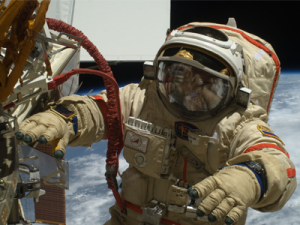
a period of time that an astronaut spends in space outside a spacecraft
The astronaut performed a spacewalk to repair the satellite.
Nagsagawa ang astronaut ng paglalakad sa kalawakan upang ayusin ang satellite.
Kasingkahuluganextravehicular activityEVAKasalungatindoor activitygrounded activityAnalytical chemistry
The branch of chemistry that identifies substances and measures their chemical components.
Analytical chemistry is used to identify and quantify the chemical components of substances.
Ginagamit ang analytical chemistry upang matukoy at sukatin ang mga kemikal na sangkap ng mga sangkap.
KasingkahuluganChemical analysisQuantitative analysisQualitative analysisKasalungatOrganic chemistryBiochemistryPag-uugali ng hayop
The way animals act and respond, or the scientific study of this.
The students studied animal behavior in the wild.
Pinag-aralan ng mga estudyante ang pag-uugali ng hayop sa gubat.
KasingkahuluganEthologyAnimal conductAnimal psychologyKasalungatInanimate behaviorPlant behaviorPisyolohiya ng hayop
The scientific study of how the bodies and organs of animals work.
Animal physiology explores how animals function.
Sinasaklaw ng pisyolohiya ng hayop kung paano gumagana ang mga hayop.
Kasingkahuluganzoophysiologycomparative physiologyKasalungatplant physiologyAstrokimika
The study of the chemical substances and reactions found in space.
Astrochemistry helps us understand the origin of life.
Tinutulungan tayo ng astrokimika na maunawaan ang pinagmulan ng buhay.
KasingkahuluganCosmochemistrySpace chemistryKasalungatTerrestrial chemistryGeochemistryKayarian ng atomo
The arrangement of protons, neutrons and electrons that make up an atom.
Understanding atomic structure is fundamental to chemistry.
Ang pag-unawa sa kayarian ng atomo ay mahalaga sa kimika.
Kasingkahuluganatomic arrangementnuclear structureKasalungatmacroscopic structuremolecular structureBiyoenhenyeriya
The use of engineering methods to solve problems in biology and medicine.
Bioengineering has led to advancements in medical treatments.
Ang biyoenhenyeriya ay humantong sa mga pagsulong sa mga paggamot na medikal.
KasingkahuluganBiomedical engineeringGenetic engineeringBiotechnologyKasalungatMechanical engineeringChemical engineeringBioetika
The study of moral questions raised by advances in biology and medicine.
Bioethics explores the moral issues arising from advances in biology and medicine.
Sinasaliksik ng Bioetika ang mga isyung moral na nagmumula sa pagsulong ng biyolohiya at medisina.
KasingkahuluganMedical ethicsEthics of scienceMoral philosophy of biologyKasalungatAmoral scienceUnethical researchBiyoinformatika
The use of computers to store and analyse large amounts of biological data.
Bioinformatics combines biology and computer science to analyze large datasets.
Pinagsasama ng Biyoinformatika ang biyolohiya at agham pangkompyuter upang suriin ang malalaking datasets.
KasingkahuluganComputational biologyData science in biologyKasalungatExperimental biologyBiyomekanika
The scientific study of the physical movement and structure of living things, using the principles of mechanics.
Biomechanics studies the mechanical aspects of living organisms.
Pinag-aaralan ng biyomekanika ang mekanikal na aspeto ng mga buhay na organismo.
KasingkahuluganKinesiologyHuman kineticsKasalungatNoneBiomekatronika
The science of combining biology, mechanics and electronics to design devices that work with the human body.
Biomechatronics combines biology, mechanics, and electronics to design innovative devices.
Pinagsasama ng Biomekatronika ang biology, mekanika, at electronics upang magdisenyo ng mga makabagong aparato.
KasingkahuluganBioengineeringBiomechanical engineeringKasalungatNoneBioteknolohiya
The use of living cells and bacteria in industrial and scientific processes, for example to make medicines.
Biotechnology is being used to develop new medicines.
Ginagamit ang bioteknolohiya upang bumuo ng mga bagong gamot.
KasingkahuluganBioengineeringGenetic engineeringBiotechKasalungatConventional methodsTraditional techniquesPaghahati ng cell
The process by which a cell divides to form two or more new cells.
Cell division is essential for growth and repair.
Ang paghahati ng cell ay mahalaga para sa paglaki at pagkukumpuni.
KasingkahuluganMitosisCytokinesisCell proliferationKasalungatCell deathApoptosisreaksyong kemikal
Processes in which substances act on each other and are changed into different substances.
Chemical reactions are fundamental to understanding how the world works.
Ang mga reaksyong kemikal ay mahalaga sa pag-unawa kung paano gumagana ang mundo.
Kasingkahuluganchemical processeschemical changestransformationsKasalungatphysical changesstabilitypagmomodelo ng klima
The use of computer models to simulate the earth's climate and predict how it may change.
Climate modeling is essential for understanding future climate change.
Mahalaga ang pagmomodelo ng klima para sa pag-unawa sa pagbabago ng klima sa hinaharap.
Kasingkahuluganclimate simulationclimate projectionclimate predictionKasalungatclimate observationhistorical weather dataBiyolohiyang pangkompyuter
The use of computers and mathematical models to study and understand biological systems and data.
Computational biology uses computer algorithms to model biological systems.
Gumagamit ang biyolohiyang pangkompyuter ng mga algorithm ng kompyuter upang imodelo ang mga sistemang biyolohikal.
KasingkahuluganBioinformaticsMathematical biologySystems biologyKasalungatExperimental biologyTraditional biologyBiyolohiyang pangangalaga
The scientific study of how to protect species, their habitats and the earth's biodiversity.
Conservation biology is crucial for protecting endangered species.
Mahalaga ang biyolohiyang pangangalaga para protektahan ang mga nanganganib na species.
KasingkahuluganConservation scienceEnvironmental biologyKasalungatExploitation biologyDestructive ecologyKimika pangkapaligiran
The study of chemical processes in the environment and the effects of chemicals on air, water and soil.
Environmental chemistry studies the effects of chemicals on the environment.
Pinag-aaralan ng kimika pangkapaligiran ang mga epekto ng mga kemikal sa kapaligiran.
KasingkahuluganGreen chemistryEcological chemistryKasalungatIndustrial chemistrypagtatasa ng epekto sa kapaligiran
An official study of the likely effects of a planned project on the environment.
The environmental impact assessment showed minimal damage.
Ipinakita ng pagtatasa ng epekto sa kapaligiran ang minimal na pinsala.
Kasingkahuluganenvironmental assessmentimpact studyecological assessmentKasalungatenvironmental neglectnon-assessmentagham pangkapaligiran
The study of the natural environment and the ways in which humans affect it.
Environmental science is a multidisciplinary field.
Ang agham pangkapaligiran ay isang multidisciplinary field.
Kasingkahuluganecologyconservation scienceenvironmental studiesKasalungatN/ABiyolohiyang ebolusyonaryo
The branch of biology that studies how living things have developed and changed over time.
Evolutionary biology explains how life on Earth has changed over time.
Ipinaliliwanag ng biyolohiyang ebolusyonaryo kung paano nagbago ang buhay sa Earth sa paglipas ng panahon.
KasingkahuluganEvolutionary scienceDarwinian biologyKasalungatCreation sciencePagpapayo sa genetiko
Advice given to people about the risk of passing on or having an inherited disease.
She sought genetic counseling before starting a family.
Humingi siya ng pagpapayo sa genetiko bago magsimula ng pamilya.
KasingkahuluganGenetic guidanceGenetic consultationKasalungatNonePagkakaiba-iba ng genetiko
The differences in genes between individual living things of the same species.
Genetic variation allows populations to adapt to changing environments.
Pinapayagan ng pagkakaiba-iba ng genetiko ang mga populasyon na umangkop sa nagbabagong kapaligiran.
KasingkahuluganGenetic diversityAllelic variationKasalungatGenetic uniformityGenetic homogeneityPagkakasunod-sunod ng genome
The process of finding the exact order of all the DNA in an organism's genome.
Genome sequencing can help identify genetic diseases.
Ang pagkakasunod-sunod ng genome ay makakatulong sa pagtukoy ng mga sakit na henetiko.
KasingkahuluganDNA sequencingGenetic mappingKasalungatN/AHubble Space Telescope
A large telescope in orbit around the earth that takes images of distant stars and galaxies.
The Hubble Space Telescope has provided stunning images of distant galaxies.
Ang Hubble Space Telescope ay nagbigay ng mga nakamamanghang imahe ng malalayong galaksiya.
KasingkahuluganHSTHubbleImyunoterapi
The treatment of disease by using or strengthening the body's immune system.
Immunotherapy has shown promise in treating certain types of cancer.
Ipinakita ng immunotherapy ang pangako sa paggamot sa ilang uri ng kanser.
KasingkahuluganBiological therapyImmune system therapyKasalungatChemotherapyRadiation therapyinorganikong kimika
The branch of chemistry that studies substances that do not contain carbon-hydrogen bonds.
Inorganic chemistry studies compounds that do not contain carbon-hydrogen bonds.
Pinag-aaralan ng inorganikong kimika ang mga compound na hindi naglalaman ng mga carbon-hydrogen bond.
Kasingkahulugannon-organic chemistrymineral chemistryKasalungatorganic chemistryInternational Space Station
A large spacecraft in orbit around the earth where astronauts from several countries live and work.
The International Space Station orbits the Earth.
Umiikot sa Earth ang International Space Station.
KasingkahuluganISSSpace StationKasalungatEarthGroundlunar module
A small spacecraft that carries astronauts between the main spacecraft orbiting the moon and the moon's surface.
The lunar module successfully landed on the moon.
Matagumpay na lumapag ang lunar module sa buwan.
Kasingkahuluganmoon landerLEM (Lunar Excursion Module)Kasalungatcommand modulespacecraftMars Rover
A vehicle that is sent to Mars to move across its surface and collect scientific information.
The Mars Rover sent back stunning images of the Martian surface.
Nagpadala ang Mars Rover ng mga nakamamanghang larawan ng ibabaw ng Mars.
KasingkahuluganMars explorerPlanetary roverKasalungatStationary probeOrbiterEkolohiyang microbial
The scientific study of how microorganisms interact with each other and with their environment.
Microbial ecology studies the interactions of microorganisms with each other and their environment.
Pinag-aaralan ng ekolohiyang microbial ang mga interaksyon ng mga mikroorganismo sa isa't isa at sa kanilang kapaligiran.
KasingkahuluganMicrobial biogeochemistryEnvironmental microbiologyKasalungatMacrobial ecologyBiyolohiyang molekular
The scientific study of the structure and function of the molecules that make up living things.
Molecular biology studies the structure and function of macromolecules.
Pinag-aaralan ng biyolohiyang molekular ang istraktura at tungkulin ng mga macromolecule.
KasingkahuluganNoneKasalungatClassical biologyOrganismal biologyMolecular genetics
The branch of genetics that studies the structure and function of genes at the level of molecules.
Molecular genetics is used to study the structure and function of genes at a molecular level.
Ang molecular genetics ay ginagamit upang pag-aralan ang istraktura at paggana ng mga gene sa antas na molecular.
KasingkahuluganNoneGene scienceMolecular biology of heredityKasalungatClassical geneticspaglapag sa buwan
An occasion when a spacecraft lands on the moon, especially the first one in 1969.
The moon landing was a major achievement for humanity.
Ang paglapag sa buwan ay isang malaking tagumpay para sa sangkatauhan.
Kasingkahuluganlunar landingmoonshotApollo missionKasalungatspace launch failureearthboundNeurokimika
The scientific study of the chemical processes that happen in the nervous system.
Neurochemistry studies the chemical processes within the nervous system.
Pinag-aaralan ng neurokimika ang mga prosesong kemikal sa loob ng nervous system.
KasingkahuluganBrain chemistryNeurochemical processesKasalungatN/ANeuropsychology
The scientific study of the relationship between the brain and the way people think and behave.
Neuropsychology studies the relationship between the brain and behavior.
Pinag-aaralan ng neuropsychology ang ugnayan sa pagitan ng utak at pag-uugali.
KasingkahuluganBehavioral neuroscienceBiological psychologyKasalungatNoneOrganikong kimika
The branch of chemistry that studies substances containing carbon.
She is studying organic chemistry at the university.
Nag-aaral siya ng organikong kimika sa unibersidad.
KasingkahuluganCarbon chemistryChemistry of carbon compoundsKasalungatInorganic chemistryPisikal na kimika
The branch of chemistry that uses the methods of physics to study chemical systems and reactions.
Physical chemistry explores the fundamental principles underlying chemical systems.
Sinasaliksik ng pisikal na kimika ang mga pangunahing prinsipyo na batayan ng mga sistemang kemikal.
KasingkahuluganChemical physicsTheoretical chemistryKasalungatOrganic chemistryBiochemistryagham ng mga planeta, planetary science
The scientific study of planets, moons and planetary systems, and how they form and change.
Planetary science studies the formation and evolution of planets.
Pinag-aaralan ng agham ng mga planeta ang pagkabuo at ebolusyon ng mga planeta.
KasingkahuluganplanetologycosmologyKasalungatnonePisyolohiya ng halaman
The scientific study of how plants work, grow and stay alive.
Plant physiology explores how plants function and grow.
Sinasaliksik ng pisyolohiya ng halaman kung paano gumagana at lumalaki ang mga halaman.
KasingkahuluganPlant biologyPhytophysiologyKasalungatAnimal physiologyKimika ng polimer
The branch of chemistry that studies polymers and how they are made and used.
Polymer chemistry is crucial for developing new materials.
Ang kimika ng polimer ay napakahalaga para sa pagbuo ng mga bagong materyales.
KasingkahuluganMacromolecular chemistryPolymer scienceKasalungatInorganic chemistryAtomic chemistryProteomics
The scientific study of all the proteins in a living thing, and their structure and function.
Proteomics is used to study protein structure and function.
Ang proteomics ay ginagamit upang pag-aralan ang istraktura at tungkulin ng protina.
KasingkahuluganProtein analysisProtein profilingProtein characterizationKasalungatGenomicsQuantum computing
A type of computing that uses the principles of quantum mechanics to process information.
Quantum computing holds the potential to revolutionize various fields.
Ang quantum computing ay may potensyal na baguhin nang malaki ang iba't ibang larangan.
KasingkahuluganQuantum information scienceQuantum computationKasalungatClassical computingMekanikang quantum
The branch of physics that studies the behaviour of atoms and very small particles.
Quantum mechanics governs the behavior of atoms and subatomic particles.
Ang mekanikang quantum ay namamahala sa pag-uugali ng mga atomo at subatomikong partikulo.
KasingkahuluganQuantum physicsQuantum theoryKasalungatClassical mechanicsNewtonian mechanicsTeoryang quantum
A theory in physics based on the idea that energy exists in very small fixed units.
Quantum theory explains the behavior of matter and energy at the atomic and subatomic levels.
Ipinapaliwanag ng teoryang quantum ang pag-uugali ng matter at energy sa atomic at subatomic levels.
KasingkahuluganQuantum mechanicsQuantum physicsKasalungatClassical mechanicsNewtonian physicsKolonisasyon sa kalawakan
The process of setting up permanent human communities on other planets or in space.
Space colonization could open up new resources for humanity.
Ang kolonisasyon sa kalawakan ay maaaring magbukas ng mga bagong mapagkukunan para sa sangkatauhan.
KasingkahuluganSpace settlementOff-world colonizationKasalungatEarth-bound existencePlanetary confinementmga labi sa kalawakan
Broken pieces of old satellites, rockets and other man-made objects that remain in orbit around the earth.
Space debris poses a threat to orbiting satellites.
Ang mga labi sa kalawakan ay nagdudulot ng banta sa mga satellite na umiikot.
Kasingkahuluganspace junkorbital debrisspace wasteKasalungatfunctional satelliteoperational spacecraftInhinyeriya ng kalawakan
The design and building of spacecraft, rockets, satellites and other equipment used in space.
Space engineering is crucial for developing advanced rockets.
Ang inhinyeriya ng kalawakan ay mahalaga para sa pagbuo ng mga advanced na rocket.
KasingkahuluganAerospace engineeringAstronautical engineeringKasalungatTerrestrial engineeringCivil engineeringPaggalugad sa kalawakan
The use of spacecraft and technology to discover and study outer space.
Space exploration has led to numerous technological advancements.
Ang paggalugad sa kalawakan ay humantong sa maraming pagsulong sa teknolohiya.
KasingkahuluganSpace researchCosmic explorationAstronauticsKasalungatTerrestrial focusEarthbound researchMga misyon sa paggalugad sa kalawakan
Planned journeys or operations sent into space to discover and study planets, stars and other objects.
Space exploration missions are expensive but potentially very rewarding.
Ang mga misyon sa paggalugad sa kalawakan ay mahal ngunit posibleng lubhang kapaki-pakinabang.
Kasingkahuluganspace missionsastronautical missionscosmic explorationspace voyagesKasalungatearthbound researchground-based studiesMisyon sa kalawakan
A planned journey or operation into space to carry out a particular task.
The space mission was a success.
Ang misyon sa kalawakan ay isang tagumpay.
KasingkahuluganSpace flightCosmic missionExtraterrestrial expeditionKasalungatEarthbound projectTerrestrial activityPisika ng kalawakan
The branch of physics that studies plasma, radiation and magnetic fields in space, especially near planets and the sun.
Space physics studies the plasma environment of planets.
Pinag-aaralan ng pisika ng kalawakan ang kapaligiran ng plasma ng mga planeta.
KasingkahuluganAstrophysicsSpace scienceKasalungatTerrestrial physicsPananaliksik sa kalawakan
Scientific study of outer space and the objects in it.
Space research is crucial for understanding the universe.
Ang pananaliksik sa kalawakan ay mahalaga para sa pag-unawa sa uniberso.
KasingkahuluganSpace explorationCosmic studyAstronautics researchKasalungatEarth-bound researchTerrestrial studiesteknolohiya ng kalawakan
The machines, equipment and scientific methods used for travelling in and studying space.
Space technology has enabled us to explore other planets.
Ang teknolohiya ng kalawakan ay nagbigay-daan sa atin upang tuklasin ang ibang mga planeta.
KasingkahuluganAerospace technologySpace exploration technologyKasalungatEarth-bound technologyTerrestrial technologyteleskopyo sa kalawakan
A telescope placed in orbit around the earth to observe distant objects without interference from the atmosphere.
The Hubble Space Telescope has provided stunning images of the universe.
Ang Hubble Space Telescope ay nagbigay ng mga kamangha-manghang larawan ng uniberso.
Kasingkahuluganorbital telescopeastronomical satelliteKasalungatground-based telescopeTurismo sa kalawakan
The business of taking paying passengers on trips into space for pleasure.
Space tourism is becoming a reality for wealthy individuals.
Ang turismo sa kalawakan ay nagiging isang realidad para sa mga mayayamang indibidwal.
KasingkahuluganCommercial space travelSuborbital tourismKasalungatTraditional tourismDomestic travelebolusyon ng stellar
The process by which a star changes over its lifetime, from its formation to its death.
Stellar evolution explains the life cycle of stars.
Ipinapaliwanag ng ebolusyon ng stellar ang siklo ng buhay ng mga bituin.
Kasingkahuluganstar formationstar life cyclestar developmentKasalungatstellar creation