レッスン193/202 · 20語 · 覚えた単語 0
B2 · Thinking & opinions (1)
B2 · 思考と意見 (1)
思い込む, 推測する, 仮定する
to think or accept that something is true but without having proof of it
I assume you have already heard the news about the merger.
合併のニュースはもうお聞きになったものと思います。
類義語presumesupposetake for grantedundertakeshoulderacceptbelieveimagine対義語rejectrefusedenydisprovedisclaimignore状況 (joukyou)
the conditions and facts that are connected with and affect a situation, an event or an action
Under the current economic circumstances, they will not be able to purchase the property
現在の経済状況では、彼らはその不動産を購入することができないでしょう。
If the circumstances change in the near future and we have new properties, we will be sure to call you
類義語situationconditionstatecontexteventfactoccurrence対義語causeoriginsource取り組み方, アプローチ
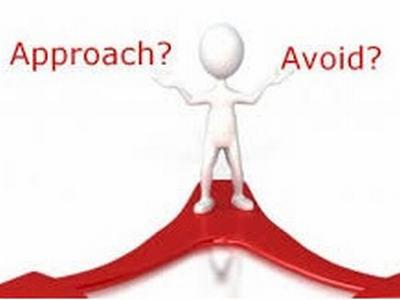
a way of dealing with somebody/something; a way of doing or thinking about something such as a problem or a task
We need a completely new approach to solving this problem.
この問題を解決するには、まったく新しいアプローチが必要だ。
類義語nearadvancecome closeapproximateaccessmethodway対義語retreatrecedeavoiddepartdistance批判, 非難
the act of expressing disapproval of somebody/something and opinions about their faults or bad qualities; a statement showing this disapproval
The government has faced strong criticism for its decision to close the hospital.
政府は病院を閉鎖するという決定で強い批判を受けている。
類義語critiqueassessmentevaluationjudgmentcommentaryanalysis対義語praiseapprovalcommendationcomplimentendorsement側面 (sokumen)
a particular part or feature of a situation, an idea, a problem, etc.; a way in which it may be considered
She felt she had looked at the problem from every aspect.
彼女はあらゆる側面から問題を見たように感じた。
類義語facetangledimensionviewpointsidefeatureelementcharacteristic対義語wholeentiretytotality概念 (gainen)
an idea or a principle that is connected with something abstract
the concept that everyone should have equality of opportunity
誰もが機会均等を持つべきだという概念 (dare mo ga kikai kintō o motsu beki da to iu gainen)
concepts such as ‘civilization’ and ‘government’
類義語ideanotionthoughtbeliefprincipletheoryunderstandingperception対義語factrealityactualitytangibility批判する (hihan suru)
to say that you think somebody/something is bad; to say what you do not like or think is wrong about somebody/something
All you ever do is criticize!
あなたはいつも批判ばかりしている!(Anata wa itsumo hihan bakari shite iru!)
The decision was criticized by environmental groups.
類義語condemndenouncedisapprovefind fault withreproachcensure対義語praisecommendapprovecomplimentendorse関連付ける
to make a connection between people or things in your mind
You wouldn't normally associate these two writers—their styles are completely different.
通常、これら二人の作家を結びつけることはないでしょう—彼らのスタイルは全く異なります。
I always associate the smell of baking with my childhood.
類義語connectlinkrelatecombineuniteaffiliateally対義語separatedisconnectdissociatedividedetach集中 (shūchū)
the ability to direct all your effort and attention on one thing, without thinking of other things
This book requires a great deal of concentration.
この本は非常に集中力を必要とします。(Kono hon wa hijō ni shūchūryoku o hitsuyō to shimasu.)
Tiredness affects your powers of concentration.
類義語focusattentionabsorptiondeliberationthoughtintentness対義語distractioninattentiondisinterestapathynegligenceコミットメント (komittomento)
a promise to do something or to behave in a particular way; a promise to support somebody/something; the fact of committing yourself
The company's commitment to providing quality at a reasonable price has been vital to its success.
手頃な価格で品質を提供することへの会社のコミットメントは、その成功に不可欠でした。
She doesn't want to make a big emotional commitment to Steve at the moment.
類義語dedicationdevotionpledgepromiseassuranceobligationresponsibilityloyalty対義語indifferenceapathydisinterestnegligencebreachabandonment承認, 賛成, 是認
the feeling that somebody/something is good or acceptable; a positive opinion of somebody/something
She always worked hard to win her father's approval.
彼女は父親に認めてもらおうと、いつも一生懸命に努力した。
類義語endorsementpermissionagreementconsentratificationsanctionauthorization対義語rejectiondenialdisapprovaloppositionvetorefusal批判的 (hihanteki)
saying what you think is bad about somebody/something
The supervisor is always very critical.
その監督者はいつもとても批判的だ。(Sono kantokusha wa itsumo totemo hihanteki da.)
a critical comment/report
類義語fault-findingcensoriousjudgmentalhypercriticalnitpickinganalyticalcrucialimportant対義語complimentarylaudatorypraisinguncriticalsuperficialtrivialinsignificant基準
a standard or principle by which something is judged, or with the help of which a decision is made
What criteria are used for assessing a student's ability?
生徒の能力を評価するためにどのような基準が用いられますか?
The main criterion is value for money.
類義語standardbenchmarkmeasureyardstickprinciplegauge対義語guesschancerandomnesssubjectivity検討
the act of thinking carefully about something
a consideration of the legal issues involved
関連する法的問題の検討
The proposals are currently under consideration(= being discussed).
類義語deliberationthoughtreflectionattentionregardconcernreviewexamination対義語disregardneglectignorancethoughtlessness