본문으로 건너뛰기

레슨 139/202 · 18단어 · 외운 단어 0

A2 · Grammar & linking words (1)

A2 · 문법 단어와 연결어 (1)

  1. 1

    matter(noun)

    /ˈmætər/

    문제, 일

    used (to ask) if somebody is upset, unhappy, etc. or if there is a problem

    What's the matter? You look very tired today.

    무슨 일이야? 오늘 많이 피곤해 보여.

    유의어issueconcerntopicsubjectaffairbusinessthing
    반의어insignificancetrivialityunimportance
  2. 2

    herself(pronoun)

    /hɜːrˈself/

    자기 자신 (jagi jasin)

    used when the woman or girl who performs an action is also affected by it

    She must be very proud of herself.

    그녀는 자기 자신을 매우 자랑스러워하는 것이 틀림없다. (Geunyeoneun jagi jasineul maeu jarangseureowohaneun geosi teulrimeopda.)

    She hurt herself.

    유의어itselfthemselves
    반의어otherssomebody else
  3. 3

    himself(pronoun)

    /hɪmˈself/

    자기 자신 (jagi jasin)

    used when the man or boy who performs an action is also affected by it

    Peter ought to be ashamed of himself.

    피터는 자기 자신을 부끄러워해야 한다. (Piteoneun jagi jasineul bukkeureowohae ya handa.)

    He introduced himself.

    유의어selfpersonallyin person
    반의어otherssomeone else
  4. 4

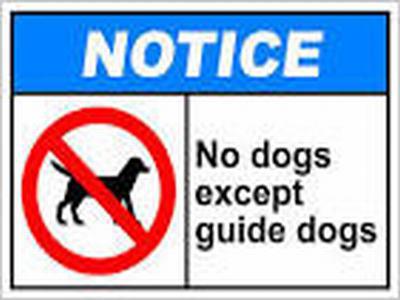
    except(preposition)

    /ɪkˈsept/

    제외하고

    used before you mention the only thing or person about which a statement is not true

    We work every day except Sunday.

    우리는 일요일을 제외하고 매일 일합니다.

    Our dresses were the same except mine was red.

    유의어excludingbutsaveapart fromaside fromwith the exception of
    반의어includingplusin addition to
  5. 5

    especially(adverb)

    /ɪˈspeʃəli/

    특히 (teukhi)

    more with one person, thing, etc. than with others, or more in particular circumstances than in others

    Teenagers are very fashion conscious, especially girls.

    십 대들은 패션에 매우 민감하며, 특히 여자아이들이 그렇습니다. (ship daedeureun paessyeone maeoo mingamhamyeo, teukhi yeojaaideuri geureotseumnida.)

    I love Rome, especially in the spring.

    유의어particularlymainlyprimarilynotablysignificantlyin particular
    반의어generallyusuallyordinarilycommonlytypically
  6. 6

    actually(adverb)

    /ˈæktʃuəli/

    사실은

    used in speaking to emphasize a fact or a comment, or that something is really true

    It's not actually raining now.

    지금은 사실 비가 오지 않아요.

    There are lots of people there who can actually help you.

    유의어reallyin factgenuinelytrulyveritablyindeedliterally
    반의어theoreticallyhypotheticallyapparentlyostensiblyseeminglyfalselyincorrectly
  7. 7

    hers(pronoun)

    /hɜːrz/

    그녀의 것

    of or belonging to her

    His eyes met hers.

    그의 눈이 그녀의 눈과 마주쳤다.

    The choice was hers.

    유의어herbelonging to herof her
    반의어hismineyoursourstheirs
  8. 8

    including(preposition)

    /ɪnˈkluːdɪŋ/

    포함하여 (pohamhayeo)

    having something as part of a group or set

    I've got three days' holiday including New Year's Day.

    새해 첫날을 포함하여 3일간 휴가가 있습니다. (saehae cheotsnareul pohamhayeo 3ilgan hyuga ga itseumnida.)

    It's £7.50, not including tax.

    유의어comprisingencompassingincorporatingconsisting ofembracing
    반의어excludingomittingexceptingwithoutexcluding
  9. 9

    although(conjunction)

    /ɔːlˈðəʊ/

    비록

    used for introducing a statement that makes the main statement in a sentence seem surprising

    Although small, the kitchen is well designed.

    비록 작지만, 그 부엌은 디자인이 잘 되어 있다.

    Although the sun was shining, it wasn't very warm.

    유의어thougheven thoughwhilstnotwithstandingalbeit
    반의어becausesinceasdue to
  10. 10

    either(determiner, pronoun)

    /ˈiːðər/

    둘 중 어느 하나의, 어느 쪽이든

    one or the other of two; it does not matter which

    You can park on either side of the street.

    길 양쪽 어느 쪽에나 주차하셔도 됩니다.

    유의어alsotooas welllikewisesimilarly
    반의어onlyalonesolely
  11. 11

    all right(exclamation)

    /ɔːl raɪt/

    좋아, 알았어

    used to show that you agree to do something or that you accept something

    ‘Can you do it?’ ‘Oh, all right.’

    '할 수 있어?' '음, 좋아.'

    유의어okayfineacceptablegoodyesagreed
    반의어nobadwrongunacceptabledisagree
  12. 12

    according to(preposition)

    /əˈkɔːrdɪŋ tə/

    따르면

    as stated or reported by somebody/something

    You've been absent six times according to our records.

    저희 기록에 따르면 당신은 6번 결석했습니다.

    According to Mick, it's a great movie.

    유의어based onin accordance withconsistent withbyas stated by
    반의어contrary toregardless ofdespite
  13. 13

    instead(adverb)

    /ɪnˈsted/

    대신에 (daesine)

    in the place of somebody/something

    Lee was ill so I went instead.

    리 씨가 아파서 제가 대신 갔어요.

    He didn't reply. Instead, he turned on his heel and left the room.

    유의어alternativelyratherin place ofas a substitutein lieu of
    반의어as wellalsoin additionfurthermore
  14. 14

    anyway(adverb)

    /ˈeniweɪ/

    어쨌든

    used when adding something to support an idea or argument

    It's too late now, anyway.

    어쨌든 이제 너무 늦었어.

    It's too expensive and anyway the colour doesn't suit you.

    유의어regardlessneverthelessnonethelessin any caseat any ratestillhowever
    반의어thereforeconsequentlyas a resultaccordingly
  15. 15

    itself(pronoun)

    /ɪtˈself/

    스스로

    used when the animal or thing that does an action is also affected by it

    Does the computer turn itself off?

    컴퓨터가 스스로 꺼지나요?

    The cat was washing itself.

    유의어its very beingits own selfin itselfautomaticallyindependently
    반의어externallyotheranother
  16. 16

    ah(exclamation)

    /ɑː/

    아

    used to express surprise, pleasure or sympathy, or when you disagree with somebody

    Ah, now I understand.

    아, 이제 이해가 돼요.

    유의어ohwellhmmalasdear
    반의어none
  17. 17

    anybody(pronoun)

    /ˈenibɑːdi/

    누구든지

    used instead of somebody in negative sentences and in questions after if /whether , and after verbs such as prevent , forbid , avoid , etc.

    Has anybody seen my keys?

    누구 제 열쇠 본 사람 있어요?

    유의어anyonesomeonesomebodya person
    반의어nobodyno one
  18. 18

    fortunately(adverb)

    /ˈfɔːrtʃənətli/

    다행히

    by good luck

    Fortunately, the rain stopped before the game started.

    다행히도, 경기 시작 전에 비가 그쳤다.

    유의어luckilyhappilythankfully
    반의어unfortunatelyunluckily