Leçon 139/202 · 18 mots · 0 appris
A2 · Grammar & linking words (1)
A2 · Mots grammaticaux et connecteurs (1)
problème
used (to ask) if somebody is upset, unhappy, etc. or if there is a problem
What's the matter? You look very tired today.
Qu'est-ce qui ne va pas ? Tu as l'air très fatigué aujourd'hui.
SynonymesissueconcerntopicsubjectaffairbusinessthingAntonymesinsignificancetrivialityunimportancesauf, excepté
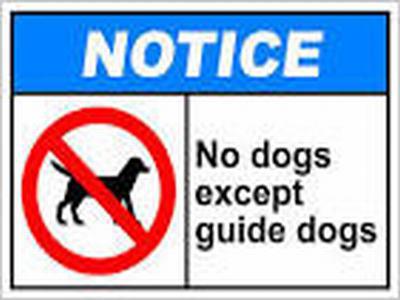
used before you mention the only thing or person about which a statement is not true
We work every day except Sunday.
Nous travaillons tous les jours sauf le dimanche.
Our dresses were the same except mine was red.
Synonymesexcludingbutsaveapart fromaside fromwith the exception ofAntonymesincludingplusin addition tosurtout, en particulier
more with one person, thing, etc. than with others, or more in particular circumstances than in others
Teenagers are very fashion conscious, especially girls.
Les adolescents sont très soucieux de la mode, surtout les filles.
I love Rome, especially in the spring.
Synonymesparticularlymainlyprimarilynotablysignificantlyin particularAntonymesgenerallyusuallyordinarilycommonlytypicallyen fait, en réalité
used in speaking to emphasize a fact or a comment, or that something is really true
It's not actually raining now.
En fait, il ne pleut pas en ce moment.
There are lots of people there who can actually help you.
Synonymesreallyin factgenuinelytrulyveritablyindeedliterallyAntonymestheoreticallyhypotheticallyapparentlyostensiblyseeminglyfalselyincorrectlyy compris
having something as part of a group or set
I've got three days' holiday including New Year's Day.
J'ai trois jours de congé, y compris le jour de l'An.
It's £7.50, not including tax.
Synonymescomprisingencompassingincorporatingconsisting ofembracingAntonymesexcludingomittingexceptingwithoutexcludingbien que, quoique
used for introducing a statement that makes the main statement in a sentence seem surprising
Although small, the kitchen is well designed.
Bien que petite, la cuisine est bien conçue.
Although the sun was shining, it wasn't very warm.
Synonymesthougheven thoughwhilstnotwithstandingalbeitAntonymesbecausesinceasdue toselon, d'après
as stated or reported by somebody/something
You've been absent six times according to our records.
Vous avez été absent six fois d'après nos registres.
According to Mick, it's a great movie.
Synonymesbased onin accordance withconsistent withbyas stated byAntonymescontrary toregardless ofdespiteà la place
in the place of somebody/something
Lee was ill so I went instead.
Lee était malade, alors j'y suis allé à sa place.
He didn't reply. Instead, he turned on his heel and left the room.
Synonymesalternativelyratherin place ofas a substitutein lieu ofAntonymesas wellalsoin additionfurthermorede toute façon
used when adding something to support an idea or argument
It's too late now, anyway.
Il est trop tard maintenant, de toute façon.
It's too expensive and anyway the colour doesn't suit you.
Synonymesregardlessneverthelessnonethelessin any caseat any ratestillhoweverAntonymesthereforeconsequentlyas a resultaccordinglylui-même, se
used when the animal or thing that does an action is also affected by it
Does the computer turn itself off?
Est-ce que l'ordinateur s'éteint tout seul ?
The cat was washing itself.
Synonymesits very beingits own selfin itselfautomaticallyindependentlyAntonymesexternallyotheranotherquelqu'un, personne
used instead of somebody in negative sentences and in questions after if /whether , and after verbs such as prevent , forbid , avoid , etc.
Has anybody seen my keys?
Est-ce que quelqu'un a vu mes clés ?
Synonymesanyonesomeonesomebodya personAntonymesnobodyno one