Saltar al contenido

Lección 139/202 · 18 palabras · 0 aprendidas

A2 · Grammar & linking words (1)

A2 · Palabras gramaticales y conectores (1)

  1. 1

    matter(noun)

    /ˈmætər/

    problema, pasa

    used (to ask) if somebody is upset, unhappy, etc. or if there is a problem

    What's the matter? You look very tired today.

    ¿Qué pasa? Hoy te ves muy cansado.

    Sinónimosissueconcerntopicsubjectaffairbusinessthing
    Antónimosinsignificancetrivialityunimportance
  2. 2

    herself(pronoun)

    /hɜːrˈself/

    ella misma

    used when the woman or girl who performs an action is also affected by it

    She must be very proud of herself.

    Debe estar muy orgullosa de sí misma.

    She hurt herself.

    Sinónimositselfthemselves
    Antónimosotherssomebody else
  3. 3

    himself(pronoun)

    /hɪmˈself/

    él mismo

    used when the man or boy who performs an action is also affected by it

    Peter ought to be ashamed of himself.

    Pedro debería avergonzarse de sí mismo.

    He introduced himself.

    Sinónimosselfpersonallyin person
    Antónimosotherssomeone else
  4. 4

    except(preposition)

    /ɪkˈsept/

    excepto

    used before you mention the only thing or person about which a statement is not true

    We work every day except Sunday.

    Trabajamos todos los días excepto el domingo.

    Our dresses were the same except mine was red.

    Sinónimosexcludingbutsaveapart fromaside fromwith the exception of
    Antónimosincludingplusin addition to
  5. 5

    especially(adverb)

    /ɪˈspeʃəli/

    especialmente

    more with one person, thing, etc. than with others, or more in particular circumstances than in others

    Teenagers are very fashion conscious, especially girls.

    Los adolescentes están muy pendientes de la moda, especialmente las chicas.

    I love Rome, especially in the spring.

    Sinónimosparticularlymainlyprimarilynotablysignificantlyin particular
    Antónimosgenerallyusuallyordinarilycommonlytypically
  6. 6

    actually(adverb)

    /ˈæktʃuəli/

    en realidad

    used in speaking to emphasize a fact or a comment, or that something is really true

    It's not actually raining now.

    En realidad no está lloviendo ahora.

    There are lots of people there who can actually help you.

    Sinónimosreallyin factgenuinelytrulyveritablyindeedliterally
    Antónimostheoreticallyhypotheticallyapparentlyostensiblyseeminglyfalselyincorrectly
  7. 7

    hers(pronoun)

    /hɜːrz/

    suyo (de ella)

    of or belonging to her

    His eyes met hers.

    Sus ojos se encontraron con los de ella.

    The choice was hers.

    Sinónimosherbelonging to herof her
    Antónimoshismineyoursourstheirs
  8. 8

    including(preposition)

    /ɪnˈkluːdɪŋ/

    incluyendo

    having something as part of a group or set

    I've got three days' holiday including New Year's Day.

    Tengo tres días de vacaciones, incluyendo el día de Año Nuevo.

    It's £7.50, not including tax.

    Sinónimoscomprisingencompassingincorporatingconsisting ofembracing
    Antónimosexcludingomittingexceptingwithoutexcluding
  9. 9

    although(conjunction)

    /ɔːlˈðəʊ/

    aunque

    used for introducing a statement that makes the main statement in a sentence seem surprising

    Although small, the kitchen is well designed.

    Aunque pequeña, la cocina está bien diseñada.

    Although the sun was shining, it wasn't very warm.

    Sinónimosthougheven thoughwhilstnotwithstandingalbeit
    Antónimosbecausesinceasdue to
  10. 10

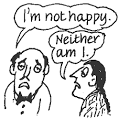
    either(determiner, pronoun)

    /ˈiːðər/

    cualquiera de los dos, ambos

    one or the other of two; it does not matter which

    You can park on either side of the street.

    Puedes aparcar en cualquiera de los dos lados de la calle.

    Sinónimosalsotooas welllikewisesimilarly
    Antónimosonlyalonesolely
  11. 11

    all right(exclamation)

    /ɔːl raɪt/

    vale, está bien, de acuerdo

    used to show that you agree to do something or that you accept something

    ‘Can you do it?’ ‘Oh, all right.’

    —¿Puedes hacerlo? —Bueno, vale.

    Sinónimosokayfineacceptablegoodyesagreed
    Antónimosnobadwrongunacceptabledisagree
  12. 12

    according to(preposition)

    /əˈkɔːrdɪŋ tə/

    según

    as stated or reported by somebody/something

    You've been absent six times according to our records.

    Has estado ausente seis veces según nuestros registros.

    According to Mick, it's a great movie.

    Sinónimosbased onin accordance withconsistent withbyas stated by
    Antónimoscontrary toregardless ofdespite
  13. 13

    instead(adverb)

    /ɪnˈsted/

    en cambio

    in the place of somebody/something

    Lee was ill so I went instead.

    Lee estaba enfermo, así que fui yo en cambio.

    He didn't reply. Instead, he turned on his heel and left the room.

    Sinónimosalternativelyratherin place ofas a substitutein lieu of
    Antónimosas wellalsoin additionfurthermore
  14. 14

    anyway(adverb)

    /ˈeniweɪ/

    de todos modos

    used when adding something to support an idea or argument

    It's too late now, anyway.

    De todos modos, ya es demasiado tarde.

    It's too expensive and anyway the colour doesn't suit you.

    Sinónimosregardlessneverthelessnonethelessin any caseat any ratestillhowever
    Antónimosthereforeconsequentlyas a resultaccordingly
  15. 15

    itself(pronoun)

    /ɪtˈself/

    sí mismo

    used when the animal or thing that does an action is also affected by it

    Does the computer turn itself off?

    ¿Se apaga el ordenador por sí solo?

    The cat was washing itself.

    Sinónimosits very beingits own selfin itselfautomaticallyindependently
    Antónimosexternallyotheranother

  16. 16

    ah(exclamation)

    /ɑː/

    ah

    used to express surprise, pleasure or sympathy, or when you disagree with somebody

    Ah, now I understand.

    Ah, ahora entiendo.

    Sinónimosohwellhmmalasdear
    Antónimosnone
  17. 17

    anybody(pronoun)

    /ˈenibɑːdi/

    cualquiera

    used instead of somebody in negative sentences and in questions after if /whether , and after verbs such as prevent , forbid , avoid , etc.

    Has anybody seen my keys?

    ¿Alguien ha visto mis llaves?

    Sinónimosanyonesomeonesomebodya person
    Antónimosnobodyno one
  18. 18

    fortunately(adverb)

    /ˈfɔːrtʃənətli/

    afortunadamente

    by good luck

    Fortunately, the rain stopped before the game started.

    Afortunadamente, la lluvia paró antes de que comenzara el partido.

    Sinónimosluckilyhappilythankfully
    Antónimosunfortunatelyunluckily