सामग्री पर जाएँ

पाठ 139/202 · 18 शब्द · 0 याद हो गए

A2 · Grammar & linking words (1)

A2 · व्याकरण और जोड़ने वाले शब्द (1)

  1. 1

    matter(noun)

    /ˈmætər/

    बात, परेशानी

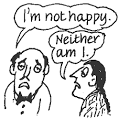
    used (to ask) if somebody is upset, unhappy, etc. or if there is a problem

    What's the matter? You look very tired today.

    क्या बात है? आज तुम बहुत थके हुए लग रहे हो।

    समानार्थीissueconcerntopicsubjectaffairbusinessthing
    विलोमinsignificancetrivialityunimportance
  2. 2

    herself(pronoun)

    /hɜːrˈself/

    खुद (khud)

    used when the woman or girl who performs an action is also affected by it

    She must be very proud of herself.

    उसे खुद पर बहुत गर्व होना चाहिए। (Use khud par bahut garv hona chahie.)

    She hurt herself.

    समानार्थीitselfthemselves
    विलोमotherssomebody else
  3. 3

    himself(pronoun)

    /hɪmˈself/

    खुद (khud)

    used when the man or boy who performs an action is also affected by it

    Peter ought to be ashamed of himself.

    पीटर को खुद पर शर्म आनी चाहिए। (Peter ko khud par sharm aani chahiye.)

    He introduced himself.

    समानार्थीselfpersonallyin person
    विलोमotherssomeone else
  4. 4

    except(preposition)

    /ɪkˈsept/

    सिवाय

    used before you mention the only thing or person about which a statement is not true

    We work every day except Sunday.

    हम रविवार को छोड़कर हर दिन काम करते हैं।

    Our dresses were the same except mine was red.

    समानार्थीexcludingbutsaveapart fromaside fromwith the exception of
    विलोमincludingplusin addition to
  5. 5

    especially(adverb)

    /ɪˈspeʃəli/

    खासकर (khaasakar)

    more with one person, thing, etc. than with others, or more in particular circumstances than in others

    Teenagers are very fashion conscious, especially girls.

    किशोर फैशन के प्रति बहुत सजग होते हैं, खासकर लड़कियां। (kishor phaishan ke prati bahut sajag hote hain, khaasakar ladkiyaan.)

    I love Rome, especially in the spring.

    समानार्थीparticularlymainlyprimarilynotablysignificantlyin particular
    विलोमgenerallyusuallyordinarilycommonlytypically
  6. 6

    actually(adverb)

    /ˈæktʃuəli/

    वास्तव में

    used in speaking to emphasize a fact or a comment, or that something is really true

    It's not actually raining now.

    वास्तव में अब बारिश नहीं हो रही है।

    There are lots of people there who can actually help you.

    समानार्थीreallyin factgenuinelytrulyveritablyindeedliterally
    विलोमtheoreticallyhypotheticallyapparentlyostensiblyseeminglyfalselyincorrectly
  7. 7

    hers(pronoun)

    /hɜːrz/

    उसका

    of or belonging to her

    His eyes met hers.

    उसकी आँखें उससे मिलीं।

    The choice was hers.

    समानार्थीherbelonging to herof her
    विलोमhismineyoursourstheirs
  8. 8

    including(preposition)

    /ɪnˈkluːdɪŋ/

    सहित (sahit)

    having something as part of a group or set

    I've got three days' holiday including New Year's Day.

    मेरे पास नए साल के दिन सहित तीन दिन की छुट्टी है। (mere paas naye saal ke din sahit teen din kee chhuttee hai.)

    It's £7.50, not including tax.

    समानार्थीcomprisingencompassingincorporatingconsisting ofembracing
    विलोमexcludingomittingexceptingwithoutexcluding
  9. 9

    although(conjunction)

    /ɔːlˈðəʊ/

    यद्यपि

    used for introducing a statement that makes the main statement in a sentence seem surprising

    Although small, the kitchen is well designed.

    यद्यपि छोटा, रसोई अच्छी तरह से डिज़ाइन की गई है।

    Although the sun was shining, it wasn't very warm.

    समानार्थीthougheven thoughwhilstnotwithstandingalbeit
    विलोमbecausesinceasdue to
  10. 10

    either(determiner, pronoun)

    /ˈiːðər/

    दोनों में से कोई एक

    one or the other of two; it does not matter which

    You can park on either side of the street.

    आप सड़क के किसी भी तरफ़ गाड़ी खड़ी कर सकते हैं।

    समानार्थीalsotooas welllikewisesimilarly
    विलोमonlyalonesolely
  11. 11

    all right(exclamation)

    /ɔːl raɪt/

    ठीक है, अच्छा, चलो

    used to show that you agree to do something or that you accept something

    ‘Can you do it?’ ‘Oh, all right.’

    'क्या तुम यह कर सकते हो?' 'अच्छा, ठीक है।'

    समानार्थीokayfineacceptablegoodyesagreed
    विलोमnobadwrongunacceptabledisagree
  12. 12

    according to(preposition)

    /əˈkɔːrdɪŋ tə/

    के अनुसार

    as stated or reported by somebody/something

    You've been absent six times according to our records.

    हमारे रिकॉर्ड के अनुसार आप छह बार अनुपस्थित रहे हैं।

    According to Mick, it's a great movie.

    समानार्थीbased onin accordance withconsistent withbyas stated by
    विलोमcontrary toregardless ofdespite
  13. 13

    instead(adverb)

    /ɪnˈsted/

    बजाय (bajay)

    in the place of somebody/something

    Lee was ill so I went instead.

    ली बीमार था इसलिए मैं उसके बजाय गया।

    He didn't reply. Instead, he turned on his heel and left the room.

    समानार्थीalternativelyratherin place ofas a substitutein lieu of
    विलोमas wellalsoin additionfurthermore
  14. 14

    anyway(adverb)

    /ˈeniweɪ/

    वैसे भी

    used when adding something to support an idea or argument

    It's too late now, anyway.

    वैसे भी, अब बहुत देर हो चुकी है।

    It's too expensive and anyway the colour doesn't suit you.

    समानार्थीregardlessneverthelessnonethelessin any caseat any ratestillhowever
    विलोमthereforeconsequentlyas a resultaccordingly
  15. 15

    itself(pronoun)

    /ɪtˈself/

    खुद

    used when the animal or thing that does an action is also affected by it

    Does the computer turn itself off?

    क्या कंप्यूटर अपने आप बंद हो जाता है?

    The cat was washing itself.

    समानार्थीits very beingits own selfin itselfautomaticallyindependently
    विलोमexternallyotheranother
  16. 16

    ah(exclamation)

    /ɑː/

    आह

    used to express surprise, pleasure or sympathy, or when you disagree with somebody

    Ah, now I understand.

    आह, अब मैं समझ गया।

    समानार्थीohwellhmmalasdear
    विलोमnone
  17. 17

    anybody(pronoun)

    /ˈenibɑːdi/

    कोई भी

    used instead of somebody in negative sentences and in questions after if /whether , and after verbs such as prevent , forbid , avoid , etc.

    Has anybody seen my keys?

    क्या किसी ने मेरी चाबियाँ देखी हैं?

    समानार्थीanyonesomeonesomebodya person
    विलोमnobodyno one
  18. 18

    fortunately(adverb)

    /ˈfɔːrtʃənətli/

    सौभाग्य से

    by good luck

    Fortunately, the rain stopped before the game started.

    सौभाग्य से, खेल शुरू होने से पहले बारिश रुक गई।

    समानार्थीluckilyhappilythankfully
    विलोमunfortunatelyunluckily