Bài 28/33 · 98 từ · đã thuộc 0
Covid
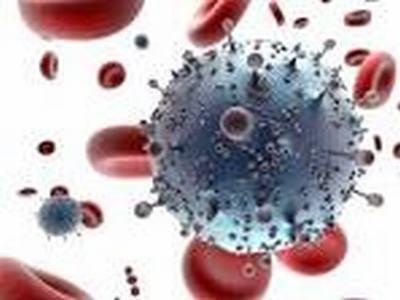
Dịch bệnh covid
nhiễm trùng, nhiễm khuẩn
an illness caused by bacteria, viruses or other germs entering and growing in the body
The wound shows signs of infection, such as redness and pus.
Vết thương có dấu hiệu nhiễm trùng như tấy đỏ và chảy mủ.
Most respiratory infections in children are caused by viruses.
Phần lớn các bệnh nhiễm khuẩn hô hấp ở trẻ em là do virus.
Đồng nghĩacontaminationsepsisdiseaseailmentvirusgermpathogenTrái nghĩasterilityasepsiscleanlinessimmunityhealthkhẩu trang
something that you wear over part or all of your face, in order to protect it or to prevent the spread of disease
Wearing a face mask is recommended in crowded places.
Đeo khẩu trang được khuyến khích ở những nơi đông người.
Đồng nghĩasurgical maskdust maskrespiratorcoveringTrái nghĩa(none readily applicableas it describes a specific item)sự truyền đi
the act or process of passing something from one person, place or thing to another
Mosquitoes are responsible for the transmission of the disease to humans.
Muỗi là tác nhân truyền bệnh sang người.
Đồng nghĩatransfercommunicationspreadconveyancepropagationTrái nghĩaretentioncontainmentpreventionstoppageholdinglây
a contagious disease spreads by close contact between people
It is a relatively new disease and very contagious.
Đây là một bệnh tương đối mới và rất dễ lây.
Đồng nghĩainfectiouscommunicabletransmittablecatchingepidemicpandemicTrái nghĩanoncontagiousnoninfectiousisolatedcontainedkháng nguyên
a substance that enters the body and starts a process that can cause disease. The body then usually produces antibodies to fight the antigens .
An antigen triggers an immune response in the body.
Kháng nguyên kích hoạt phản ứng miễn dịch trong cơ thể.
Đồng nghĩaimmunogenimmunostimulantTrái nghĩaantibodykhử khuẩn
the use of chemicals or heat to kill most germs on surfaces or equipment
Bed rails, tables and call bells need daily disinfection with approved wipes.
Thanh chắn giường, bàn và chuông gọi cần được khử khuẩn hằng ngày bằng khăn lau được phép dùng.
Disinfection kills most germs but not all bacterial spores.
Khử khuẩn diệt được hầu hết mầm bệnh nhưng không diệt được mọi bào tử vi khuẩn.
Đồng nghĩasterilizationsanitationdecontaminationTrái nghĩacontaminationinfectionkhả năng miễn dịch, sự miễn dịch
the body’s ability to avoid or not be affected by infection and disease
Vaccination provides immunity against the disease.
Tiêm chủng giúp tạo ra miễn dịch chống lại bệnh tật.
Đồng nghĩaresistanceprotectiondefenseexemptionTrái nghĩavulnerabilitysusceptibilityexposuresuy giảm miễn dịch
having an immune system that is weak and cannot fight infection normally
Immunocompromised individuals are at higher risk of infection.
Những người bị suy giảm miễn dịch có nguy cơ nhiễm trùng cao hơn.
Đồng nghĩaimmunodeficientvulnerablesusceptibleTrái nghĩaimmunocompetenthealthyresistantviêm, tình trạng viêm
the body's reaction to injury or infection, causing redness, heat, swelling and pain
Inflammation of the joint caused pain and swelling in his knee.
Tình trạng viêm khớp gây đau và sưng đầu gối của ông ấy.
A raised CRP level shows inflammation somewhere in the body.
Chỉ số CRP tăng cho thấy có tình trạng viêm ở đâu đó trong cơ thể.
Đồng nghĩaswellingirritationrednesssorenessTrái nghĩahealthnormalityreliefsự chủng, sự tiêm chủng
an act of protecting a person or an animal from catching a particular disease by injecting them with a mild form of the disease
Inoculation is an effective way to prevent infectious diseases.
Tiêm chủng là một cách hiệu quả để ngăn ngừa các bệnh truyền nhiễm.
Đồng nghĩavaccinationimmunizationTrái nghĩainfectioncontaminationsự cô lập, sự cách ly
the act of separating somebody/something; the state of being separate
The island's isolation made it a perfect research site.
Sự cô lập của hòn đảo đã biến nó thành một địa điểm nghiên cứu hoàn hảo.
Đồng nghĩaseclusionsegregationquarantinedetachmentseparationTrái nghĩaconnectionintegrationuniontogethernesscompanionshipkiểm dịch, cách ly
official checks and isolation of animals, plants or products to stop pests and diseases from spreading
The frozen meat was held for quarantine inspection at the port.
Lô thịt đông lạnh bị giữ để kiểm dịch tại cảng.
Live seafood must pass quarantine before customs clearance.
Hải sản sống phải qua kiểm dịch trước khi làm thủ tục hải quan.
Đồng nghĩaisolationseclusioncontainmentTrái nghĩasocializingmeetingminglingtiêm chủng, tiêm phòng
giving a vaccine to a person to protect them against a particular disease
Vaccination against measles is given at nine months of age.
Trẻ được tiêm phòng sởi lúc chín tháng tuổi.
The vaccination program has greatly reduced cases of diphtheria.
Chương trình tiêm chủng đã giúp giảm mạnh số ca bạch hầu.
Đồng nghĩaimmunizationinoculationTrái nghĩadiseaseinfectionbiến thể, biến chủng
a thing that is a slightly different form or type of something else
The new variant of the virus spreads more quickly than earlier ones.
Biến thể mới của virus lây lan nhanh hơn các biến thể trước.
Đồng nghĩaversionformtypealternativemodificationTrái nghĩasameidenticalstandarduniformsự kiểm tra, xét nghiệm
the activity of testing somebody/something in order to find something out, see if it works, etc.
Testing for the virus is free at the local health clinic.
Xét nghiệm virus được miễn phí tại trạm y tế địa phương.
Đồng nghĩaexperimentationevaluationassessmenttrialverificationTrái nghĩavalidationapprovalcertificationgiãn cách xã hội
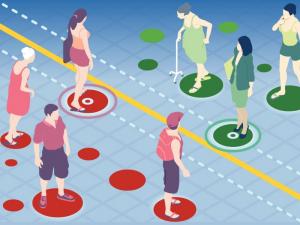
the practice of keeping a safe distance between yourself and other people in order to prevent the spread of disease
Social distancing is important to prevent the spread of disease.
Giãn cách xã hội rất quan trọng để ngăn ngừa sự lây lan của dịch bệnh.
Đồng nghĩaphysical distancingisolationquarantineTrái nghĩasocial gatheringtogethernessclosenesslây lan cộng đồng
the spread of a disease within a group of people without any obvious source of infection
The rapid community spread of the virus led to increased restrictions.
Sự lây lan cộng đồng nhanh chóng của virus đã dẫn đến việc tăng cường các hạn chế.
Đồng nghĩalocal transmissionwidespread infectionTrái nghĩaisolated casecontained outbreaktruy vết tiếp xúc
the process of trying to identify anyone who has recently been near somebody with a disease and may have caught the infection
Contact tracing is essential to control the spread of infectious diseases.
Truy vết tiếp xúc là điều cần thiết để kiểm soát sự lây lan của các bệnh truyền nhiễm.
Đồng nghĩadisease trackingcase findingsource trackingTrái nghĩadisease neglectinactionmiễn dịch cộng đồng
protection from a disease that happens if a large percentage of the population is immune to it (= unable to catch it, for example because they have been vaccinated )
Herd immunity can protect vulnerable populations.
Miễn dịch cộng đồng có thể bảo vệ các nhóm dân cư dễ bị tổn thương.
Đồng nghĩacommunity immunitypopulation immunityTrái nghĩasusceptibilityvulnerabilitylàm việc từ xa
working away from the office, usually from home, using a computer and the internet
Our remote work policy allows two days a week at home.
Chính sách làm việc từ xa của chúng tôi cho phép làm ở nhà hai ngày mỗi tuần.
Remote work has made it easier to hire people from other provinces.
Làm việc từ xa giúp tuyển người từ các tỉnh khác dễ dàng hơn.
Đồng nghĩaTelecommutingWorking from homeDistributed workTrái nghĩaIn-office workOn-site workHọc trực tuyến
a way of studying in which courses and lessons are taken over the internet rather than in a classroom.
Online learning offers flexibility and convenience.
Học trực tuyến mang lại sự linh hoạt và tiện lợi.
Đồng nghĩaE-learningDistance learningVirtual learningTrái nghĩaTraditional learningIn-person learningClassroom learningTrang thiết bị bảo hộ cá nhân
Personal protective equipment; clothing and equipment such as masks, gloves and helmets worn to protect against injury or infection.
Healthcare workers rely on PPE to protect themselves from infection.
Nhân viên y tế dựa vào thiết bị bảo hộ cá nhân để bảo vệ bản thân khỏi nhiễm trùng.
Đồng nghĩaprotective gearsafety equipmentprotective clothingTrái nghĩahazarddangerrisklây truyền qua khí dung
The spread of a disease through very small particles in the air that people breathe in.
Aerosol transmission is a key factor in the spread of the virus.
Sự lây truyền qua sol khí là một yếu tố quan trọng trong sự lây lan của vi-rút.
Đồng nghĩaAirborne transmissionDroplet transmission (sometimes)Trái nghĩaContact transmissionSurface transmissionAstraZeneca (hãng dược)
A British-Swedish pharmaceutical company that developed a widely used COVID-19 vaccine.
AstraZeneca developed a COVID-19 vaccine.
AstraZeneca đã phát triển một loại vắc-xin COVID-19.
Đồng nghĩaPharmaceutical companyDrug manufacturerTrái nghĩaCompetitorRival companyMũi tiêm bổ sung
An extra dose of a vaccine given to increase or renew protection against a disease.
I got a booster shot to increase my immunity.
Tôi đã tiêm nhắc lại để tăng cường khả năng miễn dịch.
Đồng nghĩaBooster doseAdditional doseReinforcement shotTrái nghĩaPrimary doseInitial vaccinationca nhiễm đột phá
An infection in a person who has been fully vaccinated against that disease.
She experienced a breakthrough infection despite being fully vaccinated.
Cô ấy bị nhiễm đột phá mặc dù đã được tiêm phòng đầy đủ.
Đồng nghĩaVaccine failurePost-vaccination infectionTrái nghĩaSterile immunityFull protectionSự tăng mạnh số ca nhiễm
A sudden large increase in the number of people infected with a disease.
The country experienced a case surge after the holidays.
Đất nước đã trải qua một sự gia tăng đột biến ca bệnh sau kỳ nghỉ.
Đồng nghĩaSpikeIncreaseUpsurgeOutbreakTrái nghĩaDecreaseDeclineDropReductionGiao hàng không tiếp xúc
A way of delivering goods in which the driver and customer do not meet or touch.
Contactless delivery has become increasingly popular during the pandemic.
Giao hàng không tiếp xúc ngày càng trở nên phổ biến trong thời kỳ đại dịch.
Đồng nghĩaNo-contact deliveryTouch-free deliveryTrái nghĩaIn-person deliveryDirect contact deliverycác biện pháp hạn chế COVID-19
Official rules that limit what people may do, such as travelling or meeting others, in order to stop COVID-19 from spreading.
Many COVID-19 restrictions have been lifted.
Nhiều hạn chế COVID-19 đã được dỡ bỏ.
Đồng nghĩaCOVID-19 regulationsCOVID-19 protocolsCOVID-19 measuresTrái nghĩaCOVID-19 freedomsCOVID-19 allowancesBiến thể Delta Plus
A form of the Delta variant of the COVID-19 virus that has an extra mutation.
The Delta Plus variant is a mutation of the original Delta variant.
Biến thể Delta Plus là một đột biến của biến thể Delta ban đầu.
Đồng nghĩaDelta Plus strainDelta Plus mutationTrái nghĩaoriginal strainwild-type virusSự gia tăng biến thể Delta
A sudden large increase in the number of COVID-19 cases caused by the Delta variant.
The delta variant surge caused many hospitalizations.
Sóng biến thể Delta gây ra nhiều ca nhập viện.
Đồng nghĩaincreasespikeriseupsurgeTrái nghĩadecreasedeclinereductionSóng biến thể Delta
A period when many people became ill with COVID-19 because of the Delta variant.
The delta variant wave caused a surge in hospitalizations.
Làn sóng biến thể Delta đã gây ra sự gia tăng số ca nhập viện.
Đồng nghĩaDelta surgeDelta outbreakDelta spreadTrái nghĩaDecline in Delta casesDelta subsidingxét nghiệm tại xe, xét nghiệm lái xe qua
A system of testing people for a disease while they stay sitting in their cars.
The city offered drive-through testing for COVID-19.
Thành phố cung cấp dịch vụ xét nghiệm COVID-19 tại chỗ.
Đồng nghĩaCurbside testingCar-side testingTrái nghĩaWalk-in testingIn-person testingcấp phép sử dụng khẩn cấp
Official permission to use a medicine or vaccine before full approval, because of an emergency.
The vaccine received emergency use authorization due to the pandemic.
Vắc-xin đã nhận được giấy phép sử dụng khẩn cấp do đại dịch.
Đồng nghĩaConditional approvalProvisional authorizationExpedited approvalTrái nghĩaFull approvalStandard approvalRegular clearanceGiám sát dịch tễ học
The continuous collection and study of data about a disease in order to control its spread.
Epidemiological surveillance is essential for detecting outbreaks early.
Giám sát dịch tễ học là cần thiết để phát hiện sớm các đợt bùng phát dịch.
Đồng nghĩadisease monitoringhealth surveillancepublic health trackingTrái nghĩaneglectignoranceinactionngười lao động thiết yếu
People whose jobs are necessary for society to function, such as health, food and transport workers.
Essential workers continued to provide services during the pandemic.
Những người lao động thiết yếu tiếp tục cung cấp dịch vụ trong suốt đại dịch.
Đồng nghĩacritical workerskey personnelfrontline workersTrái nghĩanon-essential workersdispensable workersngười lao động tuyến đầu
People who work directly with the public in dangerous situations, such as doctors and nurses during a pandemic.
Frontline workers are essential during a pandemic.
Nhân viên tuyến đầu rất cần thiết trong thời kỳ đại dịch.
Đồng nghĩaessential workerskey workersfirst respondersTrái nghĩaoffice workersremote workerssupport staffKhủng hoảng sức khỏe toàn cầu
A serious situation in which a disease or health problem affects people all over the world.
The global health crisis impacted travel and supply chains.
Khủng hoảng sức khỏe toàn cầu đã tác động đến ngành du lịch và chuỗi cung ứng.
Đồng nghĩaworldwide health emergencyglobal pandemicinternational health crisisTrái nghĩalocalized illnesscontrolled outbreakvệ sinh tay
cleaning the hands with soap and water or an alcohol hand rub to remove germs
Hand hygiene is the most effective way to prevent hospital infections.
Vệ sinh tay là cách hiệu quả nhất để phòng nhiễm khuẩn bệnh viện.
Perform hand hygiene before and after touching each patient.
Vệ sinh tay trước và sau khi tiếp xúc với mỗi người bệnh.
Đồng nghĩaHand washingHand sanitizationTrái nghĩaHand contaminationPoor hygieneHệ thống chăm sóc sức khỏe
The organization of people, institutions and resources that provide medical care to a population.
The healthcare system needs significant reform.
Hệ thống y tế cần được cải cách đáng kể.
Đồng nghĩaMedical systemHealth systemHealthcare deliveryPublic healthTrái nghĩaIndividual healthcareSelf-careHiệu ứng cộng đồng
The protection given to unvaccinated people when many others in the community are immune to a disease.
The herd effect protects even those who are not vaccinated.
Hiệu ứng cộng đồng bảo vệ ngay cả những người không được tiêm phòng.
Đồng nghĩaCommunity immunityPopulation immunityTrái nghĩaIndividual riskLack of protectionNgưỡng miễn dịch cộng đồng
The percentage of a population that must be immune for a disease to stop spreading easily.
The herd immunity threshold must be reached to prevent widespread outbreaks.
Phải đạt được ngưỡng miễn dịch cộng đồng để ngăn ngừa các đợt bùng phát lan rộng.
Đồng nghĩaPopulation immunity levelCritical immunization levelTrái nghĩaLack of immunityVulnerability to outbreakkhoa hồi sức tích cực, phòng ICU
A hospital department that gives special care to patients who are very seriously ill.
The patient was transferred to the ICU after the surgery.
Bệnh nhân đã được chuyển đến ICU sau cuộc phẫu thuật.
Đồng nghĩaCritical Care UnitIntensive Therapy UnitTrái nghĩaGeneral WardRegular Patient Roomkiểm soát nhiễm khuẩn
the measures used in healthcare to prevent infections spreading between patients and staff
The infection control team investigates every case of hospital-acquired infection.
Khoa kiểm soát nhiễm khuẩn điều tra mọi ca nhiễm khuẩn bệnh viện.
Strict infection control is needed in the isolation ward.
Khu cách ly cần kiểm soát nhiễm khuẩn nghiêm ngặt.
Đồng nghĩadisease controlasepsishygiene managementTrái nghĩadisease spreadcontaminationThời gian cách ly
The time during which a sick person must stay away from others to avoid spreading a disease.
The isolation period is crucial to prevent the spread of the virus.
Thời gian cách ly rất quan trọng để ngăn chặn sự lây lan của virus.
Đồng nghĩaquarantineself-isolationrestrictionTrái nghĩasocializationintegrationminglingkhu cách ly, phòng bệnh cách ly
Separate areas in a hospital where patients with infectious diseases are kept away from others.
The hospital built isolation wards to contain the spread of the disease.
Bệnh viện đã xây dựng các khu cách ly để ngăn chặn sự lây lan của dịch bệnh.
Đồng nghĩaQuarantine unitsIsolation unitsTrái nghĩaGeneral wardsOpen wardsMệt mỏi do phong tỏa
A feeling of tiredness and frustration caused by living under lockdown rules for a long time.
Many people are experiencing lockdown fatigue after months of restrictions.
Nhiều người đang trải qua sự mệt mỏi vì phong tỏa sau nhiều tháng bị hạn chế.
Đồng nghĩapandemic fatiguerestriction fatiguewearinessburnoutTrái nghĩaenthusiasmeagernesscomplianceCOVID kéo dài
A condition in which symptoms of COVID-19 continue for weeks or months after the infection has ended.
Many people are suffering from Long COVID.
Nhiều người đang bị ảnh hưởng bởi COVID kéo dài.
Đồng nghĩaPost-COVID syndromeChronic COVIDTrái nghĩaAcute COVIDResolved COVIDYêu cầu đeo khẩu trang
An official order that requires people to wear face masks in certain places.
The city council implemented a mask mandate to reduce the spread of the virus.
Hội đồng thành phố đã thực hiện bắt buộc đeo khẩu trang để giảm sự lây lan của virus.
Đồng nghĩaMask requirementFace covering mandateTrái nghĩaMask freedomNo mask policyTuân thủ đeo khẩu trang
The extent to which people obey rules or advice to wear face masks.
The city saw high mask-wearing compliance during the pandemic.
Thành phố đã chứng kiến sự tuân thủ đeo khẩu trang cao trong suốt đại dịch.
Đồng nghĩaAdherence to mask mandatesMask usage conformityCompliance with mask rulesTrái nghĩaMask refusalNon-compliance with mask ordersResistance to mask-wearingTrung tâm tiêm chủng đại trà
Large places set up to give vaccines to very many people quickly.
The government established mass vaccination centers to quickly immunize the population.
Chính phủ thành lập các trung tâm tiêm chủng hàng loạt để nhanh chóng miễn dịch cho người dân.
Đồng nghĩavaccination hubsimmunization centersTrái nghĩaindividual clinicsprivate practicesVắc-xin mRNA
A type of vaccine that uses messenger RNA to teach the body's cells to make a protein that triggers an immune response.
The mRNA vaccine is highly effective against the virus.
Vắc-xin mRNA có hiệu quả cao chống lại virus.
Đồng nghĩanucleic acid vaccineTrái nghĩatraditional vaccineMệt mỏi do đại dịch
A feeling of tiredness and lack of motivation to follow safety rules after a long pandemic.
Many people are experiencing pandemic fatigue after a long period of restrictions.
Nhiều người đang trải qua sự mệt mỏi vì đại dịch sau một thời gian dài hạn chế.
Đồng nghĩaCOVID fatigueburnoutapathywearinessTrái nghĩavigilanceconcernmotivationPhục hồi sau đại dịch
The process by which a country, economy or society returns to a normal state after a pandemic.
The pandemic recovery is expected to be slow and uneven.
Sự phục hồi sau đại dịch dự kiến sẽ diễn ra chậm và không đồng đều.
Đồng nghĩaPost-pandemic growthRecovery phaseReboundTrái nghĩaPandemic declineEconomic downturnứng phó với đại dịch
The actions taken by governments and organizations to deal with a pandemic.
The pandemic response varied greatly between countries.
Ứng phó đại dịch rất khác nhau giữa các quốc gia.
Đồng nghĩaCrisis managementOutbreak controlDisease mitigationTrái nghĩaInactionNeglectLaissez-faireVacxin Pfizer
A COVID-19 vaccine developed by the companies Pfizer and BioNTech, using mRNA technology.
I received the Pfizer vaccine last month.
Tôi đã tiêm vắc-xin Pfizer tháng trước.
Đồng nghĩaPfizer jabPfizer shotCOVID-19 vaccine (Pfizer)Trái nghĩaModerna vaccineAstraZeneca vaccineHướng dẫn về sức khỏe công cộng
Official advice about how people should behave to protect the health of the whole population.
Following public health guidelines is important to prevent the spread of disease.
Tuân theo hướng dẫn sức khỏe cộng đồng là rất quan trọng để ngăn ngừa sự lây lan của bệnh.
Đồng nghĩaHealth recommendationsPublic health adviceHealth regulationsTrái nghĩaPersonal choiceIndividual preferenceBiện pháp y tế công cộng
Actions taken by authorities to protect the health of the population and stop diseases spreading.
Public health measures are crucial for preventing the spread of diseases.
Các biện pháp y tế công cộng rất quan trọng để ngăn ngừa sự lây lan của dịch bệnh.
Đồng nghĩahealth regulationspreventive measuressafety protocolsTrái nghĩapersonal choiceindividual decisionsMệt mỏi do cách ly
A feeling of being tired and frustrated after staying in quarantine or under restrictions for a long time.
Many people are experiencing quarantine fatigue after months of restrictions.
Nhiều người đang trải qua sự mệt mỏi vì cách ly sau nhiều tháng bị hạn chế.
Đồng nghĩalockdown fatiguepandemic fatigueTrái nghĩaquarantine enthusiasmrestriction complianceQuy định cách ly
Official rules and procedures for keeping people who may be infected away from others.
The hospital implemented strict quarantine protocols to prevent the spread of infection.
Bệnh viện đã thực hiện các quy trình kiểm dịch nghiêm ngặt để ngăn chặn sự lây lan của bệnh.
Đồng nghĩaIsolation proceduresContainment measuresPreventive guidelinesTrái nghĩaOpen accessFree movementUnrestricted entryXét nghiệm kháng nguyên nhanh
Quick tests that detect proteins from a virus to show whether a person is infected.
Rapid antigen testing is widely used for COVID-19 detection.
Xét nghiệm kháng nguyên nhanh được sử dụng rộng rãi để phát hiện COVID-19.
Đồng nghĩaRapid antigen testQuick antigen testFast antigen testTrái nghĩaPCR testLaboratory testComprehensive testHọc từ xa
Teaching and learning that happens online or at home rather than in a school building.
Remote schooling became common during the pandemic.
Học từ xa trở nên phổ biến trong thời kỳ đại dịch.
Đồng nghĩadistance learningonline learningvirtual schoolingTrái nghĩain-person schoolingtraditional schoolingon-site learningsuy hô hấp, khó thở
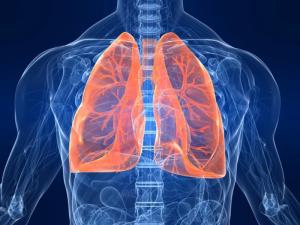
A serious medical condition in which a person has great difficulty breathing.
The patient was admitted due to severe respiratory distress.
Bệnh nhân nhập viện do suy hô hấp nghiêm trọng.
Đồng nghĩaBreathing difficultyDyspneaRespiratory failureTrái nghĩaEasy breathingNormal respirationgiọt bắn đường hô hấp
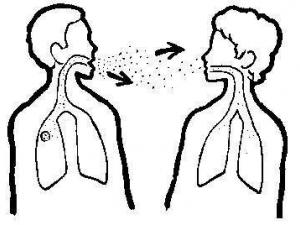
Tiny drops of liquid released from the mouth or nose when a person breathes, coughs or sneezes.
Respiratory droplets can spread viruses.
Giọt bắn hô hấp có thể lây lan vi-rút.
Đồng nghĩarespiratory secretionsairborne dropletsdroplet nucleiTrái nghĩaclean airfiltered airTrở lại bình thường
A situation in which life goes back to the usual state it was in before a crisis.
The country hoped for a return to normalcy after the long crisis.
Đất nước hy vọng trở lại bình thường sau cuộc khủng hoảng kéo dài.
Đồng nghĩarecoveryrestorationregularitystatus quoTrái nghĩachaosdisorderabnormalityMở cửa an toàn
The process of opening businesses, schools or public places again in a way that protects people's health.
The city is planning a safe reopening of businesses.
Thành phố đang lên kế hoạch mở cửa lại các doanh nghiệp một cách an toàn.
Đồng nghĩaCautious reopeningSecure reopeningProtected reopeningTrái nghĩaReckless reopeningUnsafe reopeningHasty reopeningTác dụng phụ
An unwanted and often unpleasant extra effect that a drug or medical treatment has on the body.
The medicine had some unpleasant side effects.
Thuốc có một số tác dụng phụ khó chịu.
Đồng nghĩaAdverse effectsUnintended consequencesRepercussionsTrái nghĩaBenefitsAdvantagesPositive effectsNhóm xã hội nhỏ
A small, fixed group of people who agree to meet only each other, to reduce the spread of a disease.
During the pandemic, we formed social bubbles with close friends and family.
Trong đại dịch, chúng tôi đã tạo các vòng tròn xã hội với bạn bè và gia đình thân thiết.
Đồng nghĩasupport bubblefamily bubblequarantine bubbleTrái nghĩasocial distancingisolationPhòng ngừa lây lan
Actions taken to stop a disease from passing from one person to others.
The government implemented spread prevention measures to control the virus.
Chính phủ đã thực hiện các biện pháp phòng ngừa lây lan để kiểm soát vi-rút.
Đồng nghĩaContainmentControlMitigationPreventionTrái nghĩaSpreadPropagationDisseminationSự kiện lây lan siêu tốc
An event at which a large number of people are infected with a disease at the same time.
The concert became a super spreader event.
Buổi hòa nhạc đã trở thành một sự kiện siêu lây nhiễm.
Đồng nghĩaOutbreakAmplification eventMass infection eventTrái nghĩaControlled gatheringIsolated caseContainmentY tế từ xa
The use of phone or video calls and the internet to give medical advice and treatment from a distance.
Telemedicine allows patients to consult doctors remotely.
Telemedicine cho phép bệnh nhân tư vấn bác sĩ từ xa.
Đồng nghĩaRemote healthcareVirtual medicineE-healthTrái nghĩaIn-person healthcareTraditional medicineKiểm tra nhiệt độ
The checking of people's body temperature to find anyone who may have a fever or infection.
Temperature screening is required before entering the building.
Việc sàng lọc nhiệt độ là bắt buộc trước khi vào tòa nhà.
Đồng nghĩaThermal scanningFever detectionHealth screeningTrái nghĩaNoneHạn chế đi lại
Official rules that limit where and when people are allowed to travel.
The travel restrictions made it difficult to visit family.
Các hạn chế đi lại gây khó khăn cho việc thăm gia đình.
Đồng nghĩaBorder controlsTravel banEntry requirementsMovement restrictionsTrái nghĩaOpen bordersFree movementUnrestricted travelChiến dịch tiêm chủng
An organized programme to give vaccines to a large number of people.
The government launched a nationwide vaccination campaign.
Chính phủ đã phát động một chiến dịch tiêm chủng trên toàn quốc.
Đồng nghĩaImmunization driveVaccination programTrái nghĩaAnti-vaccination movementHộ chiếu tiêm chủng
An official document or digital record showing that a person has been vaccinated against a disease.
The vaccination passport will allow international travel.
Hộ chiếu vắc-xin sẽ cho phép du lịch quốc tế.
Đồng nghĩaVaccine certificateImmunization recordTrái nghĩaNonePhân phối vaccine
The process of supplying vaccines to different places so that people can receive them.
The vaccine distribution has been slow in some regions.
Việc phân phối vắc-xin diễn ra chậm ở một số khu vực.
Đồng nghĩaVaccine rolloutVaccine deliveryImmunization distributionTrái nghĩaVaccine shortageVaccine scarcitySự do dự với vaccine
Unwillingness or delay in accepting a vaccine even though it is available.
Vaccine hesitancy is a growing concern for public health officials.
Do dự tiêm vắc-xin là một mối lo ngại ngày càng tăng đối với các quan chức y tế công cộng.
Đồng nghĩavaccine reluctancevaccine skepticismanti-vaccination sentimentTrái nghĩavaccine acceptancevaccine confidencepro-vaccinationBiến thể đáng lo ngại
Forms of a virus that spread more easily, cause more serious illness or reduce the effect of vaccines.
The emergence of new variants of concern poses a significant threat to global health.
Sự xuất hiện của các biến thể đáng lo ngại mới gây ra mối đe dọa đáng kể cho sức khỏe toàn cầu.
Đồng nghĩaConcerning strainsWorrying mutationsThreatening variantsTrái nghĩaHarmless variantsNon-threatening strainsBiến thể đáng quan tâm
Forms of a virus with genetic changes that may make them more dangerous and so are closely watched.
Health organizations closely monitor variants of interest to understand their potential risks.
Các tổ chức y tế theo dõi chặt chẽ các biến thể đáng quan tâm để hiểu các rủi ro tiềm ẩn của chúng.
Đồng nghĩaEmerging variantsStrains under investigationTrái nghĩaEstablished strainsCommon variantsLượng virus
The amount of a virus present in a person's blood or body.
The patient's viral load has decreased significantly after treatment.
Tải lượng virus của bệnh nhân đã giảm đáng kể sau khi điều trị.
Đồng nghĩaVirus countViral burdenTrái nghĩaViral clearanceViral eradicationĐột biến virus
A change in the genetic material of a virus that may alter how it behaves.
The viral mutation made the disease more contagious.
Đột biến virus làm cho bệnh dễ lây lan hơn.
Đồng nghĩaViral variationViral evolutionStrain changeTrái nghĩaViral stabilityĐeo khẩu trang trong nhà
Covering your nose and mouth with a mask while inside a building.
Wearing masks indoors is now optional.
Việc đeo khẩu trang trong nhà hiện là tùy chọn.
Đồng nghĩamasking indoorsindoor mask useTrái nghĩanot masking indoorsindoor mask removalCuộc họp trực tuyến qua Zoom
Meetings held online using the Zoom video-calling application.
We have Zoom meetings every Monday.
Chúng tôi có các cuộc họp Zoom vào mỗi thứ Hai.
Đồng nghĩaVirtual meetingsOnline conferencesVideo callsTrái nghĩaIn-person meetingsFace-to-face meetings